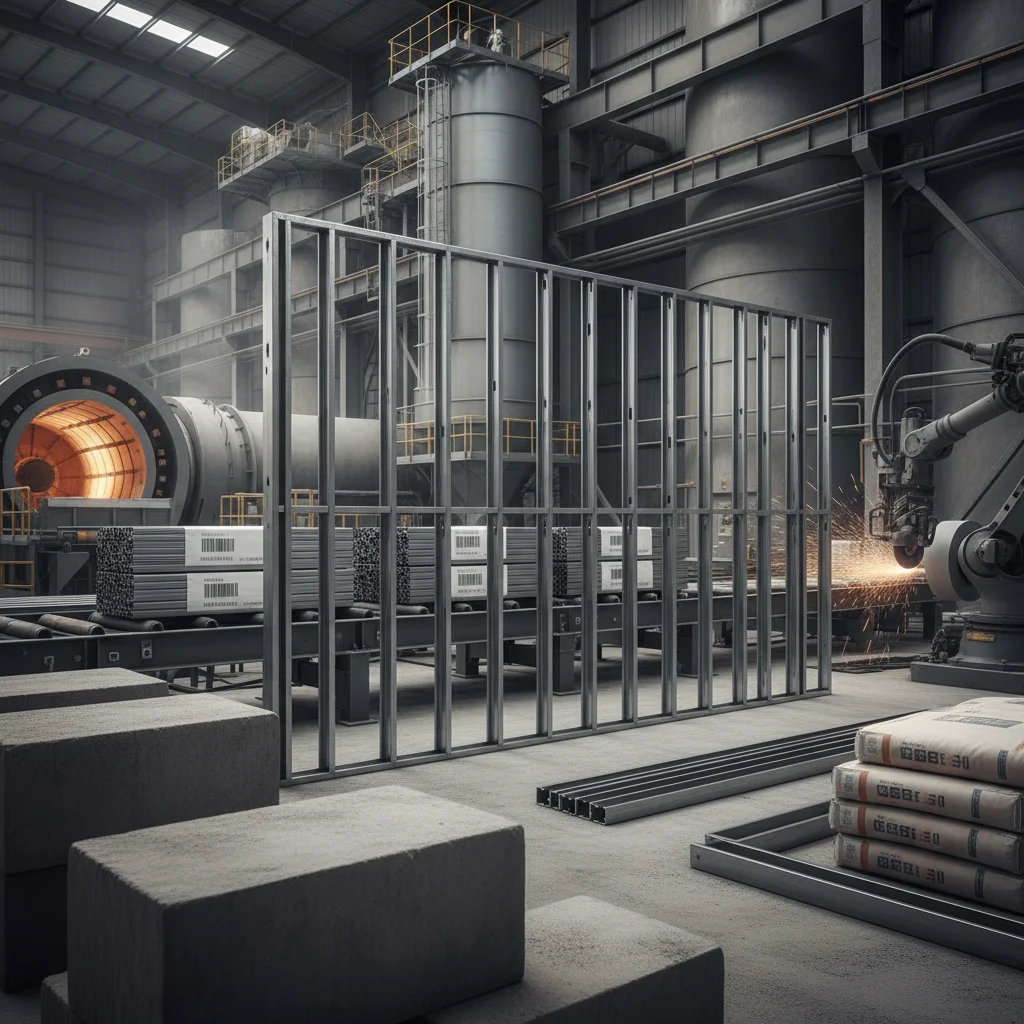
Understanding the various steel stud types is fundamental for any modern construction project aiming for precision, speed, and structural integrity. As the global construction industry shifts away from traditional timber framing toward lightweight, non-combustible materials, the versatility of cold-formed steel profiles has become a cornerstone of architectural efficiency.
From residential partitions to massive commercial complexes, the selection of the right profile affects everything from the load-bearing capacity of a wall to the acoustic performance of a room. By exploring the different steel stud types, contractors and architects can optimize material usage, reduce waste, and ensure that the building meets stringent safety codes and environmental standards.
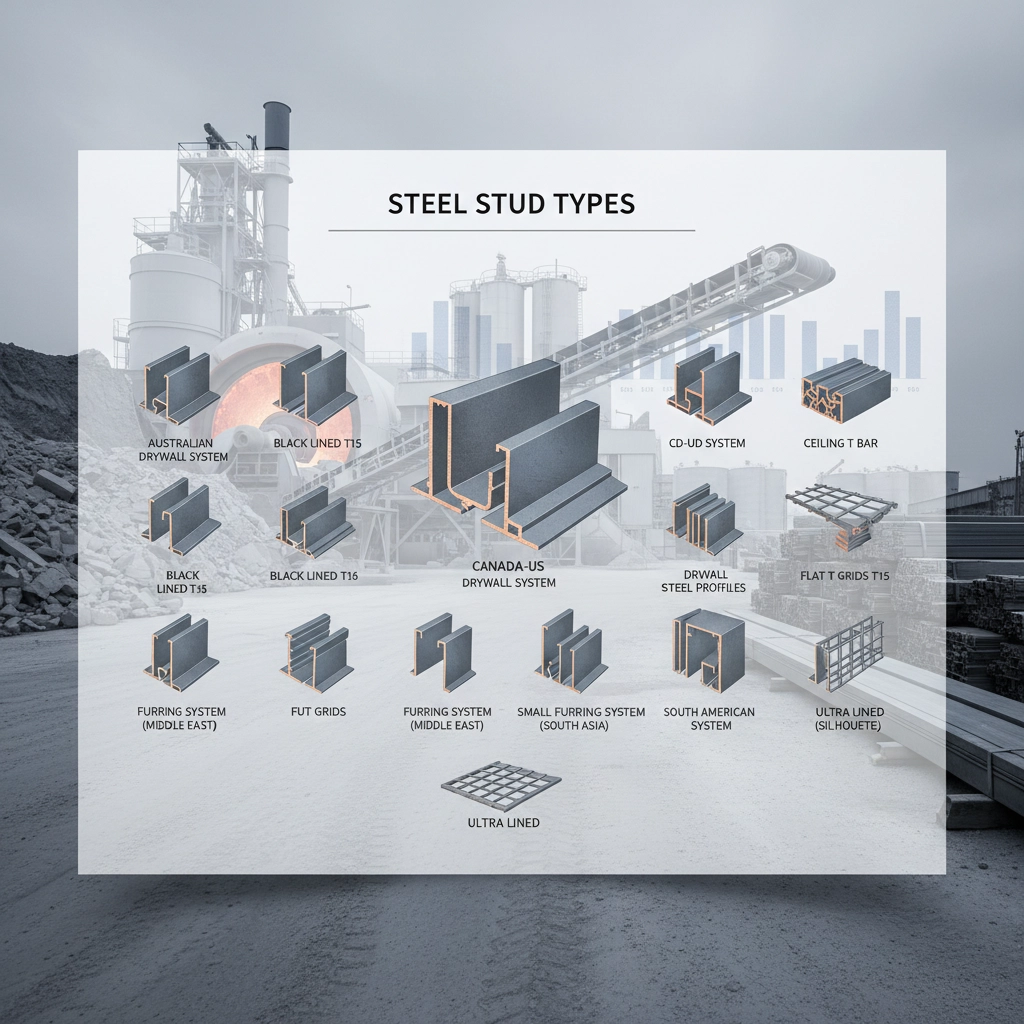
Whether you are implementing an Australian Drywall System or a Canada-US Drywall System, the technical nuances of these components determine the long-term durability of the structure. This guide provides a comprehensive deep dive into the engineering, application, and strategic advantages of various steel framing solutions used in today's global market.
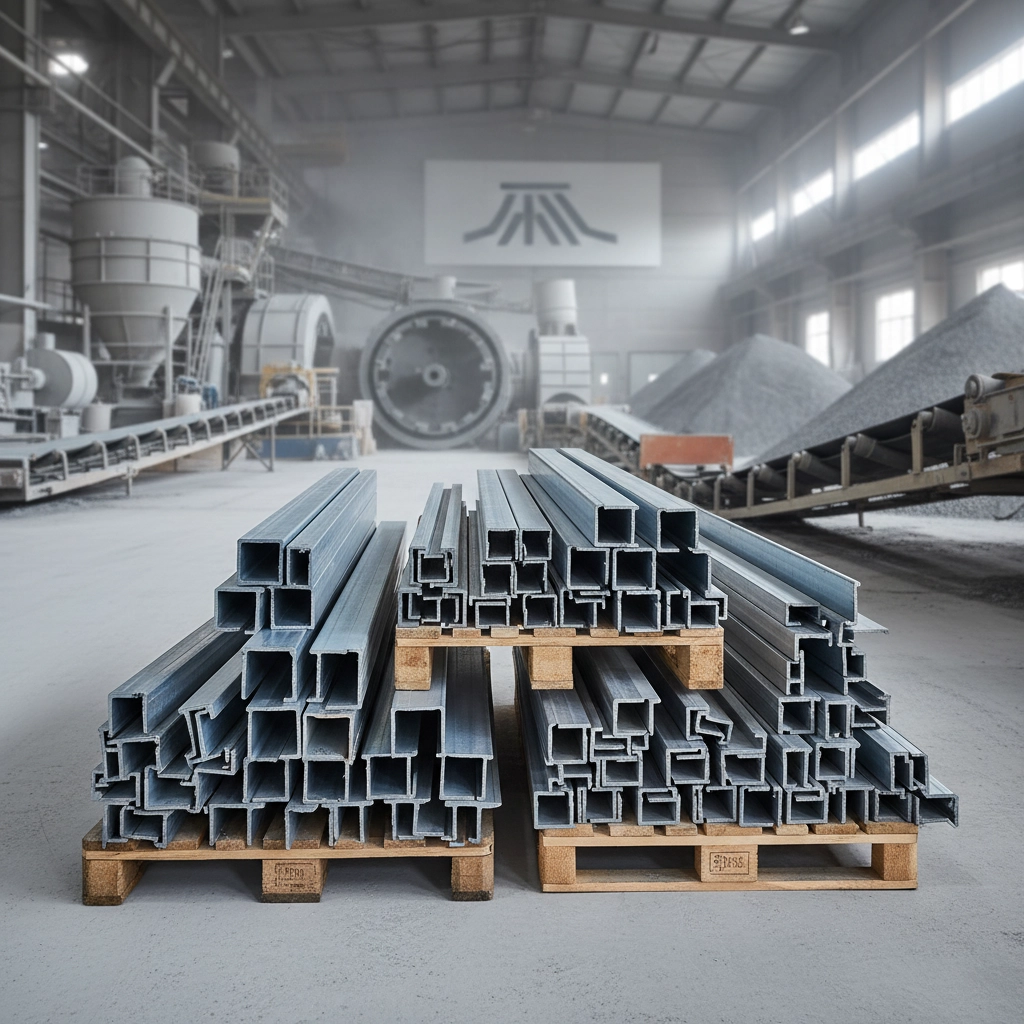
Global Relevance of Steel Stud Types
In the current global architectural landscape, the demand for sustainable and fire-resistant building materials has skyrocketed. According to international building standards and ISO guidelines, the adoption of cold-formed steel over traditional wood has increased significantly due to its predictability and resistance to pests and rot. The diversity of steel stud types allows developers to scale their projects rapidly while maintaining a high safety margin.
One of the primary challenges addressed by these specialized profiles is the need for rapid urbanization in densely populated regions. By utilizing precision-engineered steel, construction firms can reduce on-site labor costs and minimize material errors, ensuring that high-rise structures remain lightweight yet structurally sound.
Defining Modern Steel Stud Profiles
At its simplest, steel stud types refer to the various shapes, gauges, and coatings of cold-rolled steel members used to create the internal framework of walls and ceilings. Unlike traditional beams, these are lightweight components designed to support gypsum boards, fiber cement, or other cladding materials, creating a seamless and flat surface for interior finishes.
These profiles are intrinsically linked to the modern need for modularity. In the humanitarian and commercial sectors, the ability to quickly assemble and disassemble walls makes these systems ideal for temporary clinics, rapid-response housing, and flexible office layouts. The precision of the manufacturing process ensures that every piece fits perfectly, reducing the need for manual adjustments.
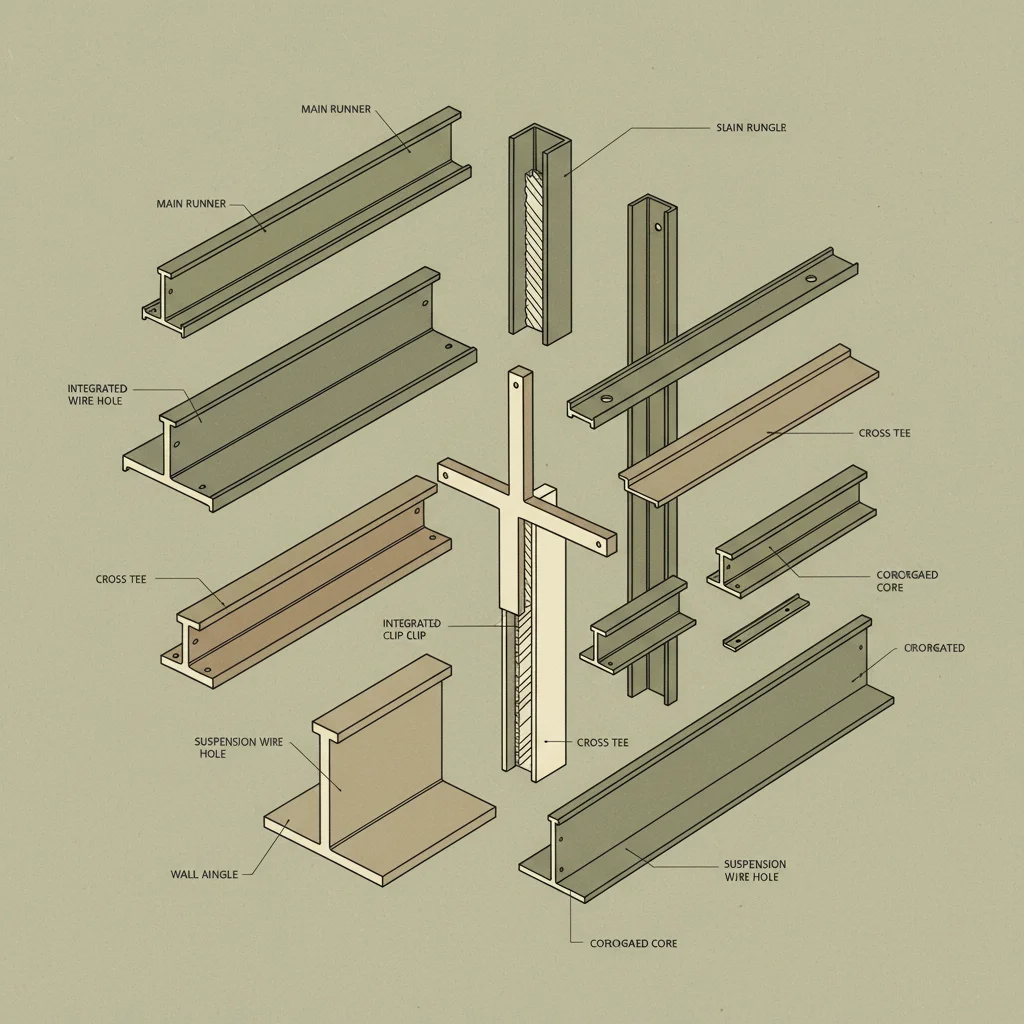
Beyond just "metal sticks," these systems involve a complex interaction between C-studs, U-tracks, and furring channels. The specific choice of profile—whether it's a Black Lined T24 or a specialized CD-UD System—is determined by the intended load, the height of the wall, and the acoustic requirements of the space.
Core Components of Steel Framing Systems
Structural durability is the first pillar of steel stud types. The use of high-tensile galvanized steel ensures that the framework remains impervious to moisture and corrosion, which is particularly critical in humid climates or basements. This ensures that the structural integrity of the wall remains intact for decades.
Scalability and versatility are what make different steel stud types so attractive to developers. From the slim profiles used in residential partitions to the heavy-duty studs found in industrial warehouses, the system can be adapted to any scale. This flexibility allows for the integration of complex electrical and plumbing runs without compromising the wall's strength.
Cost efficiency is achieved through the reduction of waste and labor. Because steel stud types are manufactured to exact specifications, there is virtually no warping or shrinking, unlike timber. This precision leads to faster installation times and lower long-term maintenance costs for the building owner.
Performance Metrics Across Different Profiles
When comparing different steel stud types, engineers look at specific performance indicators such as the strength-to-weight ratio and the moment of inertia. Different profiles, such as the Ultra Lined (Silhouette) or the Canada-US Drywall System, offer varying levels of rigidity depending on the application.
The following data illustrates how different structural approaches within steel framing are rated based on their efficiency in specific project environments, emphasizing the importance of choosing the correct profile for the specific architectural goal.
Comparative Efficiency of Steel Stud Types
Global Applications and Regional Standards
The application of steel stud types varies significantly by region due to local building codes and environmental needs. For instance, the Australian Drywall System is optimized for specific seismic and wind load requirements common in the Oceania region, while the South American System focuses on versatility and cost-effective deployment in rapidly expanding urban centers.
In more specialized contexts, such as the Middle East, the Furring System is designed to handle extreme temperature fluctuations without warping. Similarly, the Canada-US Drywall System adheres to strict ASTM standards to ensure fire safety and thermal insulation in colder climates. These regional adaptations demonstrate that "one size does not fit all" when it comes to structural framing.
Long-Term Value and Sustainability
Investing in high-quality steel stud types provides immense long-term value. From a financial perspective, the reduction in installation time and the elimination of wood-related repairs (such as termite treatment or mold remediation) result in a lower Total Cost of Ownership (TCO).
Sustainability is another critical advantage. Steel is one of the most recycled materials on the planet. When a building is renovated or demolished, steel studs can be recovered and recycled back into the production cycle, significantly reducing the carbon footprint of the construction project.
Beyond the logic of cost and ecology, there is a human element: safety and trust. Knowing that a wall is framed with non-combustible steel provides peace of mind for occupants, as it significantly slows the spread of fire, granting precious minutes for evacuation.
Future Trends in Steel Framing Technology
The future of steel stud types is being shaped by digital transformation and the rise of BIM (Building Information Modeling). We are seeing a move toward "intelligent framing," where profiles are pre-cut by AI-driven CNC machines to a precision of 0.1mm, allowing for fully automated on-site assembly.
Green energy policies are also driving the development of new coatings. We are seeing the emergence of advanced anti-corrosive layers that are completely free of harmful chemicals, making these systems even safer for healthcare environments and schools.
Additionally, the integration of composite materials with steel is on the horizon. By combining steel studs with high-performance insulation cores, the next generation of wall systems will offer unprecedented thermal efficiency, helping buildings reach "Net Zero" energy goals.
Comparison of Steel Stud Types across Regional Systems
| Regional System |
Primary Profile Used |
Durability Score (1-10) |
Installation Speed |
| Australian System |
Black Lined T24 |
9 |
High |
| Canada-US System |
CD-UD Profiles |
10 |
Very High |
| Middle East System |
Furring System |
8 |
Medium |
| South Asia System |
Small Furring |
7 |
High |
| South American System |
Standard C-Stud |
8 |
High |
| Global High-End |
Ultra Lined |
10 |
Medium |
FAQS
The most common types include C-studs for vertical support and U-tracks for the floor and ceiling boundaries. In commercial settings, heavy-gauge steel is often preferred to support heavier drywall and higher ceilings, while specialized systems like the CD-UD system are used for specific regional building codes in North America.
Selection depends on three main factors: the load-bearing requirement (structural vs. non-structural), the height of the wall, and the environmental conditions. For instance, if you are building in a high-moisture area, you should choose galvanized steel stud types with higher coating weights to prevent rust.
While the raw material cost of steel can be higher than some low-grade lumber, the overall project cost is often lower. Steel stud types reduce labor time, eliminate the need for termite treatments, and minimize waste, providing better long-term value and lower insurance premiums due to fire resistance.
Yes, but they require "structural" or "heavy-gauge" profiles. Unlike internal partition studs, external steel studs must be designed to handle wind loads and support the weight of the exterior cladding. These are typically thicker and have more rigid flanges to ensure stability.
Steel stud types allow for the easy installation of acoustic batts or mineral wool within the wall cavity. Because the profiles are consistent in size, there are fewer gaps where sound can leak. Using specific systems like the Ultra Lined can further decouple the wall surfaces to reduce sound transmission.
C-studs are the primary vertical members that form the "skeleton" of the wall. Furring channels (like those in the Small Furring System) are smaller profiles used to create a level surface for cladding or to attach walls to existing masonry, essentially acting as a bridge between the main structure and the finish.
Conclusion
The diversity of steel stud types reflects the evolving needs of the global construction industry, balancing the demand for structural strength with the need for installation speed and environmental sustainability. From the rigid requirements of Canada-US systems to the specialized furring used in the Middle East, these profiles enable the creation of safer, more efficient, and more durable spaces.
As we move toward a future of automated construction and net-zero buildings, the role of precision-engineered steel will only grow. We recommend that architects and contractors prioritize high-quality galvanized profiles to ensure long-term reliability and reduced maintenance. For premium solutions and a full catalog of framing systems, visit our website: www.jinkaibm.com.