Light Gauge Joists: Why They’re Quietly Shaping The Future of Construction Worldwide
At first glance, light gauge joists might sound like just another piece of construction jargon. But, in reality, they’re a cornerstone in today’s fast-evolving building world. Whether it’s easing the burden of global housing shortages or speeding up construction in tough environments, understanding light gauge joists actually matters more than you think.
Globally, with urban populations soaring and resources becoming scarcer, stakeholders—from NGOs to industrial giants—need smarter, more adaptable building parts. These joists aren’t just structural supports; they’re enablers of rapid, reliable, and sustainable construction. That’s why knowing how they work and what benefits they bring is key for anyone vested in modern infrastructure, humanitarian relief, or green building practices.
How Light Gauge Joists Fit into the Global Industry Landscape
According to the United Nations, approximately 1.6 billion people worldwide live in inadequate housing conditions, a number expected to grow with rapid urbanization and climate challenges.
Meanwhile, environmental standards (ISO 14001, for instance) are pushing construction towards more eco-friendly materials and methods. Light gauge joists enter this scenario as a lightweight, recyclable, and cost-effective alternative to traditional wood or concrete beams.
But it’s not just about sustainability. Time is also a pressing factor. In construction, “time is money” has never been more relevant — projects delayed by inefficient materials cost billions globally each year.
That’s where the nimbleness of light gauge joists shines. Their uniformity and ease of installation massively cut down building time. This has huge repercussions, especially in post-disaster zones or booming urban developments.
Mini takeaway: Light gauge joists address the challenges of rapid urban growth, environmental push, and economic efficiency, placing them at the heart of the global construction conversation.
Exactly What Are Light Gauge Joists?
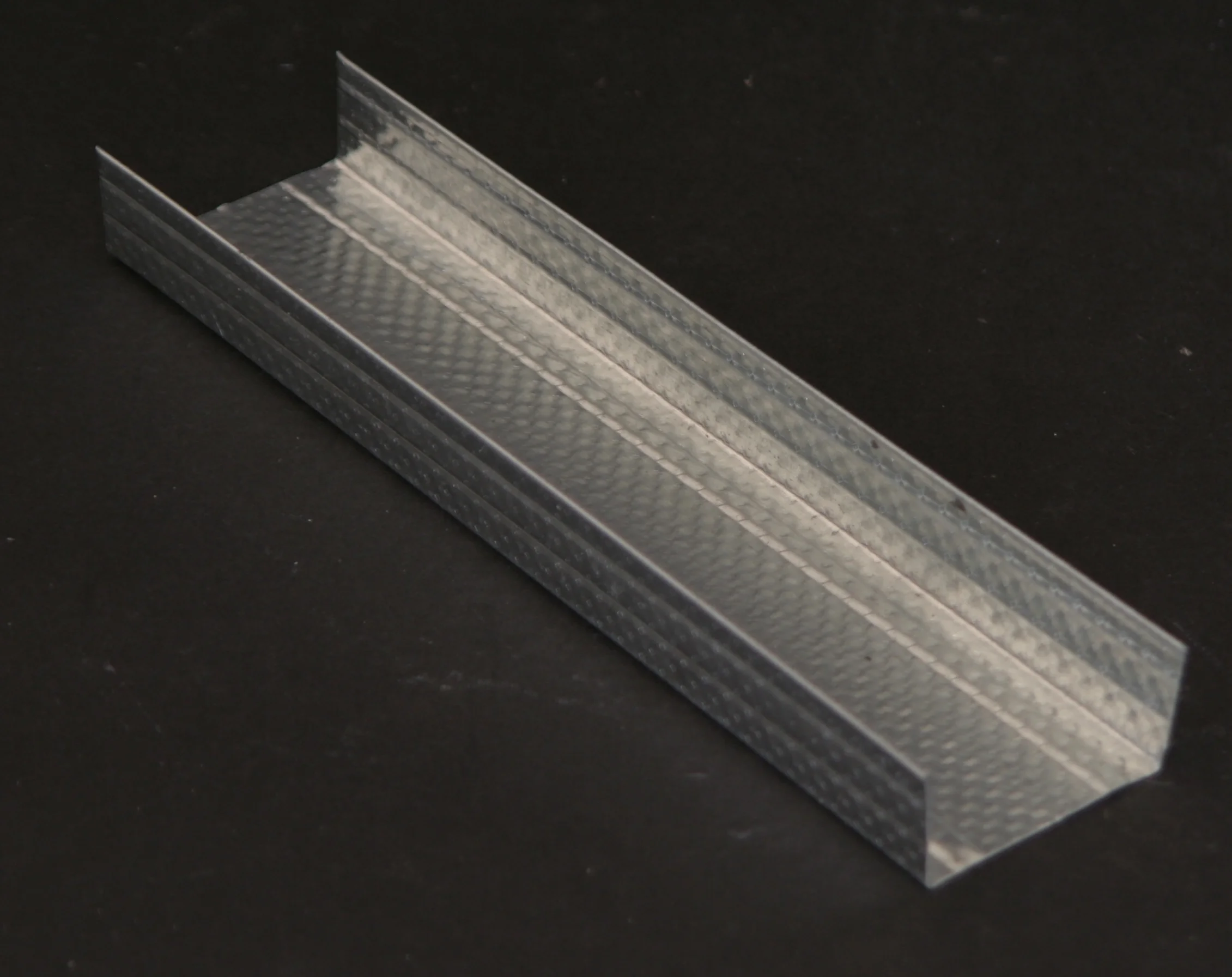
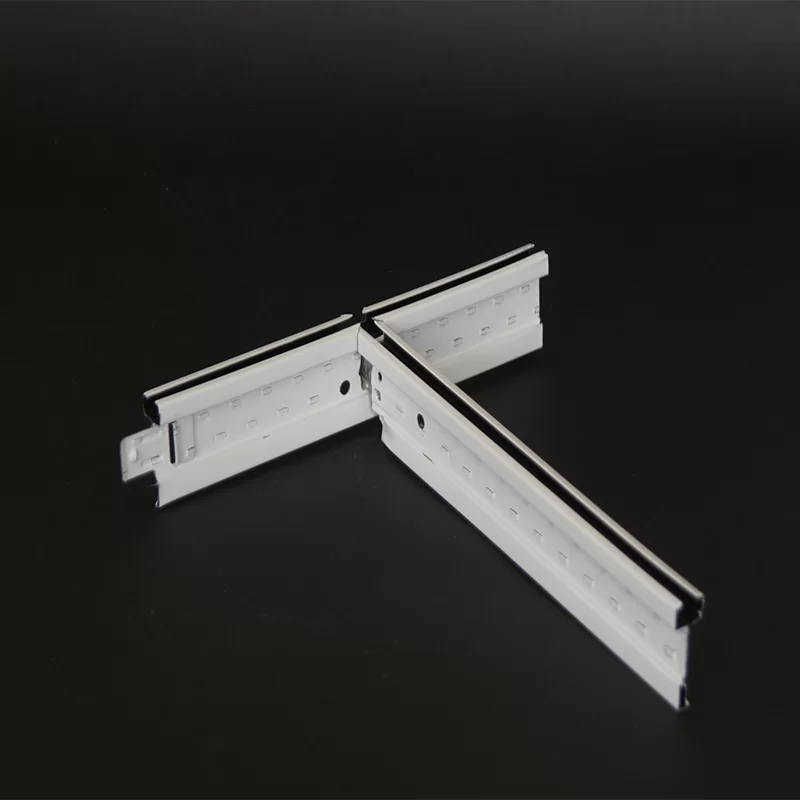
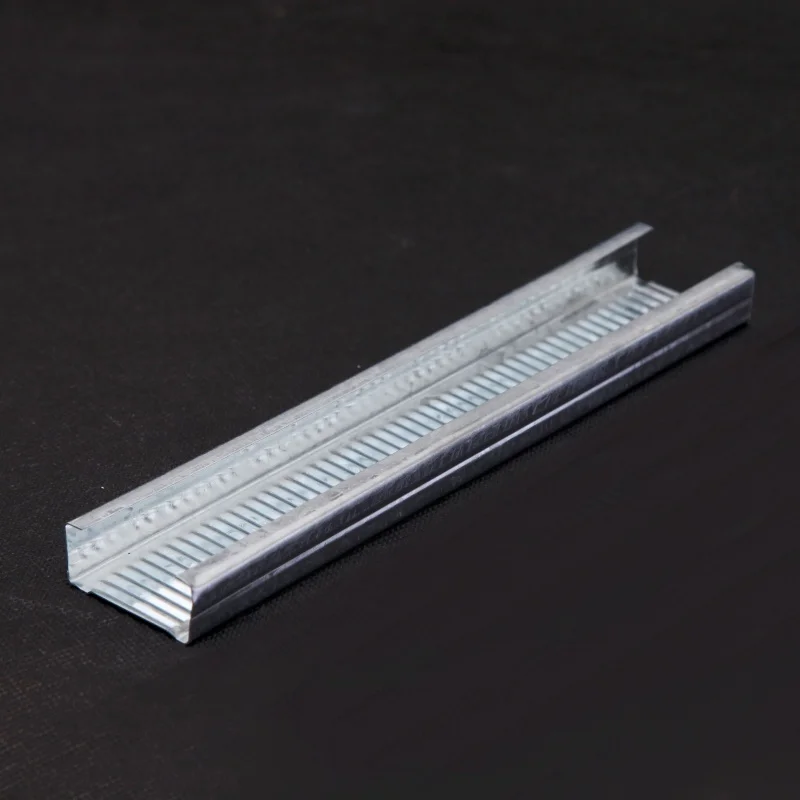
Simply put, light gauge joists are structural framing members made from thin, cold-formed steel or similarly lightweight metal profiles. They’re designed to support floors and roofs in buildings without the bulk or heavy weight of traditional timber or concrete beams.
Think of them as the nimble cousins in the family of construction components — strong yet lighter, easier to move, and more uniform in shape and size thanks to precision manufacturing.
With rising demands for speedy construction and modular design (popular in disaster relief and industrial settings), these joists are becoming an industry favorite. What’s fascinating is they bridge advanced manufacturing with real-world humanitarian needs — making shelters stronger while cutting construction time drastically.
Key Features That Make Light Gauge Joists Essential
Durability Without the Weight
These joists use corrosion-resistant steel treated to endure harsh conditions while staying significantly lighter than concrete or thick timber. The reduced weight doesn’t compromise their load-bearing integrity, which engineers really appreciate.
Scalability and Standardization
Because light gauge joists are manufactured with high precision, they come in standard sizes that fit together perfectly. This scalability means architects and builders can plan modular and repeatable designs, reducing waste and speeding manufacturing.
Cost Efficiency Through Speed and Material Savings
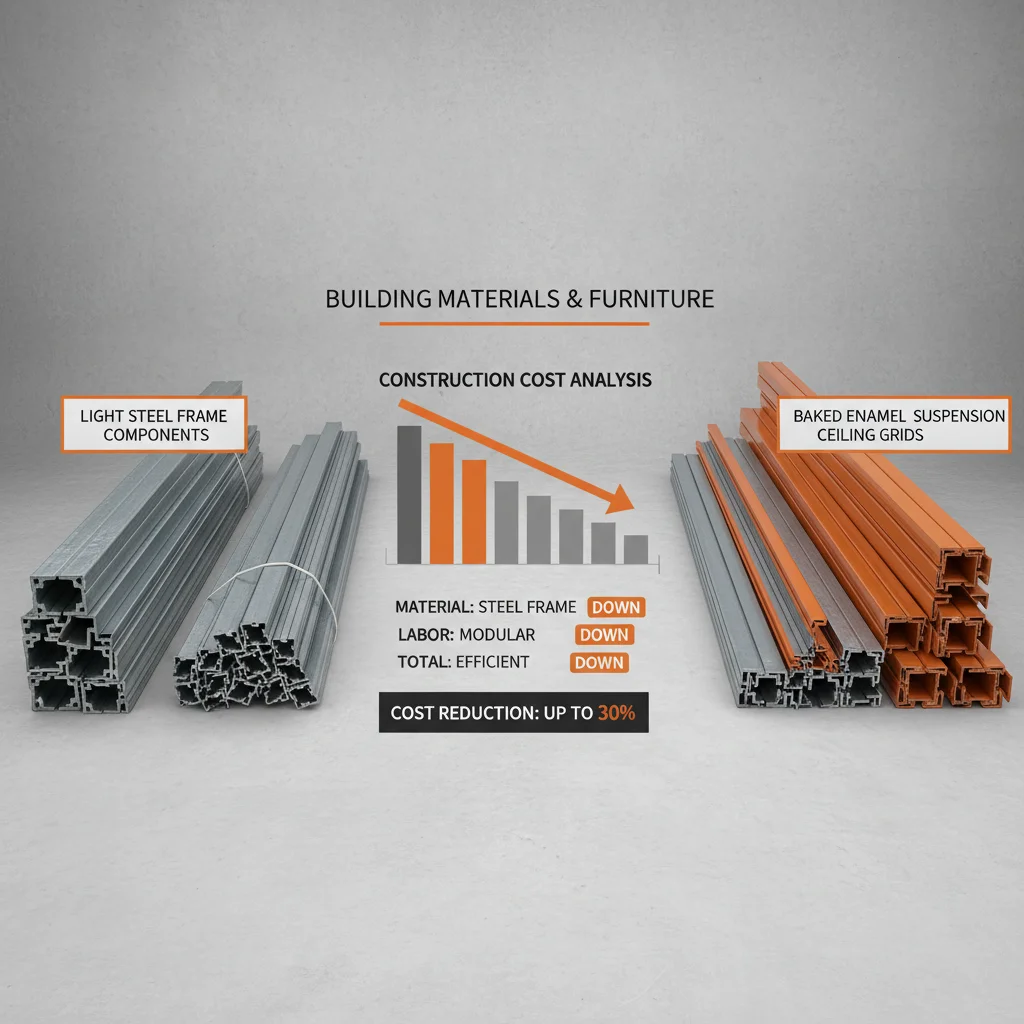
Using light gauge joists lowers shipping costs due to less weight and reduces installation times. Many contractors report saving upwards of 20% on labor and logistics when switching to metal joists over traditional framing methods.
Eco-friendly and Recyclable
The steel used is often highly recyclable, and producing light gauge joists generally generates less waste. For companies chasing LEED certification or aiming for more sustainable operations, this is a crucial benefit.
Versatility in Design
Light gauge joists can easily be cut or adjusted onsite or prefabricated for exact project needs. This adaptability makes them ideal whether you’re working on a complex industrial site or erecting quick-deploy housing.
Mini takeaway: The combination of strength, precision, and environmental friendliness means light gauge joists tick many boxes for modern builders.
Real-World Uses of Light Gauge Joists Around the Globe
- Disaster Relief Shelters: NGOs use light gauge joists for prefabricated homes that can be shipped worldwide and assembled rapidly after earthquakes or floods.
- Urban Construction: Fast-growing cities in Asia and Africa increasingly employ these joists to build affordable housing with lower environmental footprints.
- Industrial Facilities: Mining and oil extraction sites in remote locations leverage light gauge joists to reduce shipping costs and accelerate installation.
- Educational Buildings: Some governments invest in modular schools using these joists to ensure longevity and quick deployment in rural or underserved regions.
It’s not just theory—several well-documented projects (like those profiled by the World Bank and UN-Habitat) testify to how these joists have sped up construction from weeks down to days, sometimes at a fraction of the earlier costs.
What Makes Light Gauge Joists a Long-Term Investment?
Let’s face it — we often think of buildings as permanent, but they need to be resilient and adaptable. Light gauge joists provide both:
- Lower lifecycle costs: The initial savings on materials and labor stack up with fewer maintenance and repair needs.
- Enhanced safety: They resist pests, warping, and fire better than timber, which helps preserve occupant health and peace of mind.
- Sustainability value: Recyclability plus lower transportation emissions reduce the carbon footprint long-term.
- Social impact: Swift deployment shelters restore dignity to disaster survivors faster — something you don’t really put a price on.
So, these joists don’t just build structures—they build trust, safety, and hope. It feels like the future of construction is much less about brute force and more about smart, ethical solutions.
Looking Ahead: Innovations on the Horizon
Interestingly, recent developments include integrating sensors into joists to monitor structural health in real-time (smart building tech). Also, new lightweight alloys and coatings promise even stronger, corrosion-proof profiles that will last longer in extreme environments.
Digital fabrication tools like BIM (Building Information Modeling) and automated roll-forming machines are streamlining production further, lowering costs and improving quality. The green wave in materials science is also pushing the use of recycled steel and hybrid joists paired with renewable insulation.
All this points to a future where light gauge joists won’t just support buildings but will actively contribute to smarter, greener, and safer construction ecosystems.
Challenges & What Experts Recommend
Still, light gauge joists aren’t a silver bullet. Some common hurdles include:
- Thermal bridging risks: Because metal conducts heat, buildings may need additional insulation to stay energy-efficient.
- On-site fabrication skill gap: Not all construction workers are familiar with handling metal joists versus wood framing.
- Corrosion concerns in certain climates: Coastal or humid zones require careful material specs and treatment.
Leading engineers suggest thorough upfront planning and training, alongside hybrid design approaches that combine joists with eco-friendly insulation or cladding. Suppliers like those linked below often provide ready-made kits and support to help navigate these challenges.
Product Specification Table: Typical Light Gauge Joist
| Property |
Value |
| Material |
Cold-formed galvanized steel |
| Thickness |
1.2 – 2.0 mm |
| Depth Range |
150 mm – 400 mm |
| Span Capacity |
Up to 8 meters (varies with load) |
| Weight |
~5-8 kg/m |
| Fire Resistance |
Up to 1 hour (with suitable cladding) |
Comparing Popular Light Gauge Joist Suppliers
| Vendor |
Material Quality |
Delivery Time |
Customization Options |
Price Range |
| SteelBuild Corp |
Premium galvanized steel |
2-3 weeks |
Full custom roll-formed profiles |
$$$ |
| QuickJoist Ltd. |
Standard galvanized steel |
1-2 weeks |
Modular standard sizes |
$$ |
| ModBuild Steelworks |
Recycled steel blends |
3-4 weeks |
Eco-focus customization |
$$ |
FAQ: Everything You Wanted to Know About Light Gauge Joists
Q1: What are the main advantages of light gauge joists over traditional wood framing?
A1: Light gauge joists are stronger, more uniform in size, and resistant to issues like warping, pests, or fire. They’re faster to install and can span longer distances without additional support, which often means less material waste and lower overall costs.
Q2: Can light gauge joists be used in both residential and industrial buildings?
A2: Absolutely. Their versatility means they’re found in everything from fast-deploy housing and schools to warehouses and manufacturing plants. Many engineers appreciate their scalability for different load requirements.
Q3: How do I ensure insulation is effective when using metal joists?
A3: Because metal conducts heat, it’s recommended to complement light gauge joists with thermal breaks or insulated cladding systems. Modern building designs often integrate spray foam or rigid insulation panels to reduce thermal bridging.
Q4: Are there any sustainability certifications related to light gauge joists?
A4: Yes! Using recycled steel and low-VOC finishes helps projects earn LEED and BREEAM credits. Manufacturers often provide documentation confirming recyclability and environmental compliance.
Q5: How can NGOs procure light gauge joists for international disaster relief efforts?
A5: Many suppliers offer modular kits and international shipping options designed for quick deployments. Partnering directly with manufacturers and NGOs facilitates customs clearance and ensures prompt delivery.
Wrapping It Up: Why Light Gauge Joists Are a Smart Look Ahead
To sum up, light gauge joists may not grab headlines, but they quietly underpin some of the most important advances in fast, sustainable construction worldwide. They offer a smart balance of strength, speed, and sustainability — qualities every builder, policymaker, or humanitarian operative should appreciate.
So, if you’re exploring streamlined construction or affordable housing solutions, take a closer look at light gauge joists. For detailed product info and custom solutions, visit light gauge joists — they’ve got some solid options that make your life easier.
It kind of feels like watching a quiet revolution in steel, one joist at a time.
References:
- United Nations — Housing and Sustainable Urban Development
- ISO 14001 Environmental Management Standards
- World Bank — Urban Development