Understanding Commercial Metal Stud Framing: A Modern Structural Marvel
If you've ever walked through a sleek office park, a hospital wing, or even a sprawling retail center, chances are commercial metal stud framing played a silent yet crucial role in supporting those walls. At its core, commercial metal stud framing is about creating strong, durable skeletons for buildings—but there's far more to it than just metal studs hammered together.
Globally, this type of framing answers some key challenges in construction: speed, sustainability, and cost-effective durability. In a world where urbanization is skyrocketing (the UN projects nearly 68% of people living in cities by 2050), building smarter and faster becomes more than a goal — it's an imperative. So understanding commercial metal stud framing feels like stepping into the future of construction itself.
The Global Context: Why Commercial Metal Stud Framing Matters
The construction industry accounts for roughly 38% of global CO2 emissions, according to the International Energy Agency (IEA). That's quite a wake-up call. Commercial metal stud framing enters here, offering a system that not only reduces material waste but also speeds up builds, helping meet rapid urban demands. World Bank data reflects that faster, reliable construction correlates with improved housing availability and better infrastructure development, especially in emerging economies.
Yet, challenges remain. Traditional wood framing struggles with fire risks and environmental degradation. Concrete and brick, while sturdy, take time and energy to assemble. Metal stud framing, by comparison, offers a solution that’s lighter, recyclable, and resistant to pests and fire. It's no surprise many architects and engineers are shifting towards it.
Mini takeaway:
- Urbanization is driving demand for rapid, sustainable construction methods.
- Metal stud framing reduces waste and build time compared to traditional methods.
- Its fire and pest resistance makes it ideal globally, especially in disaster-prone areas.
What Is Commercial Metal Stud Framing?
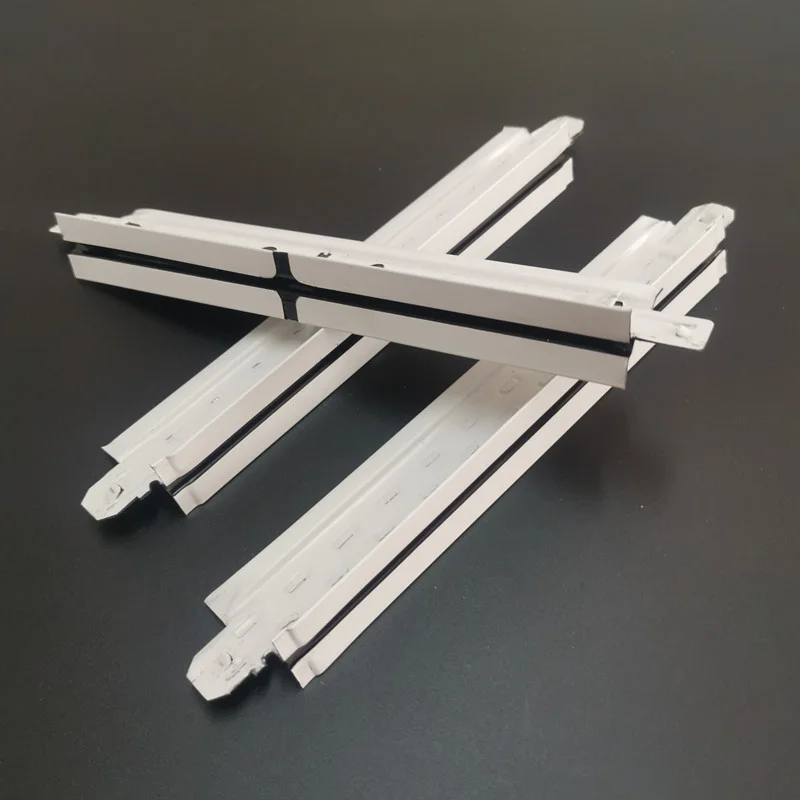
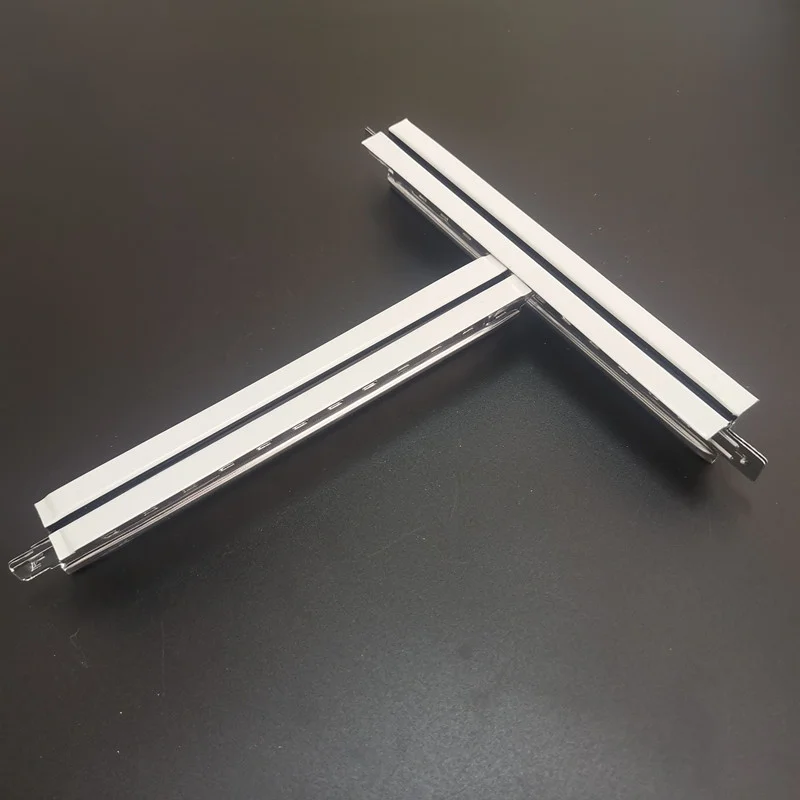
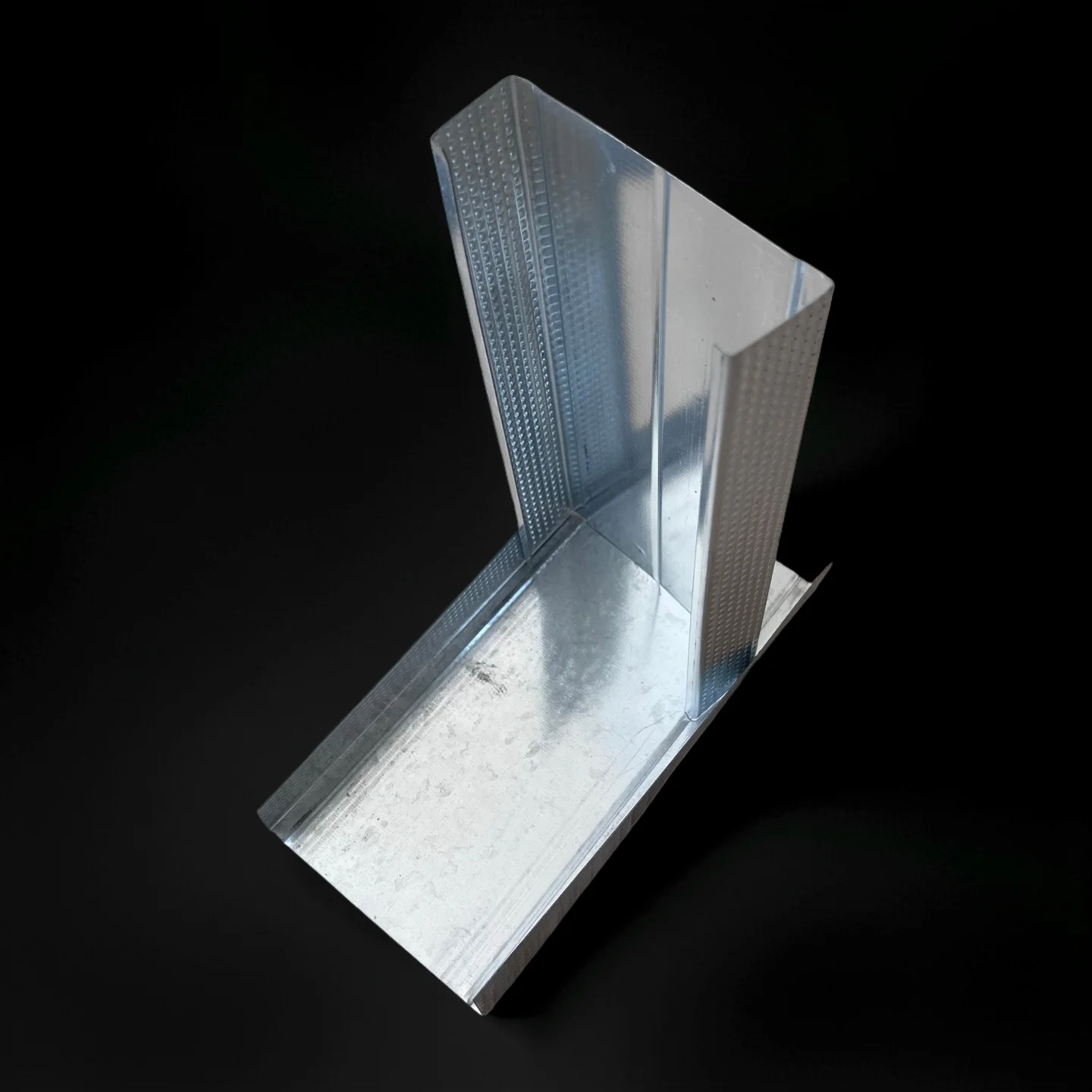
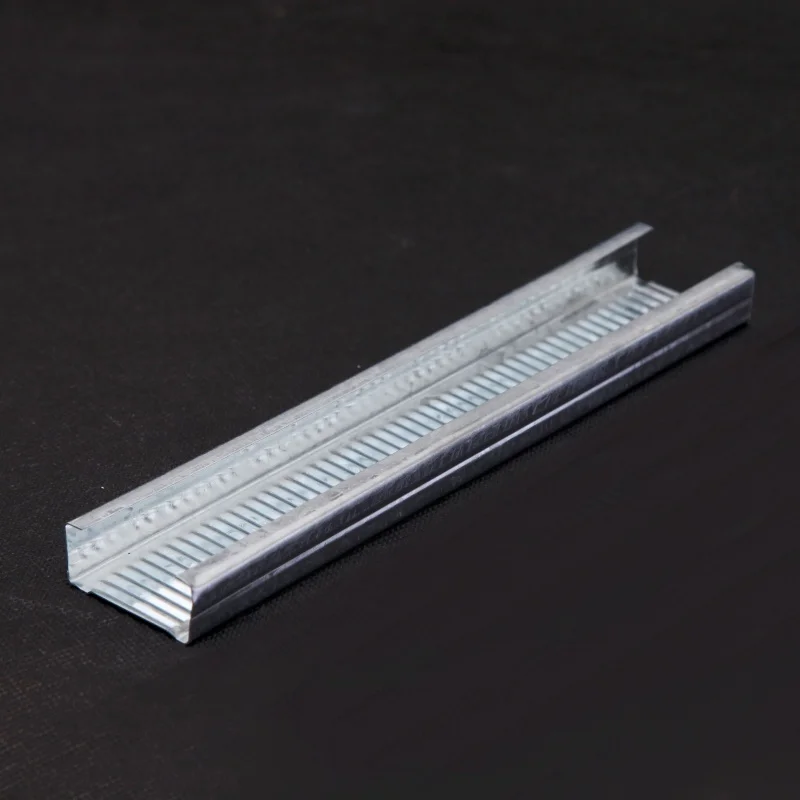
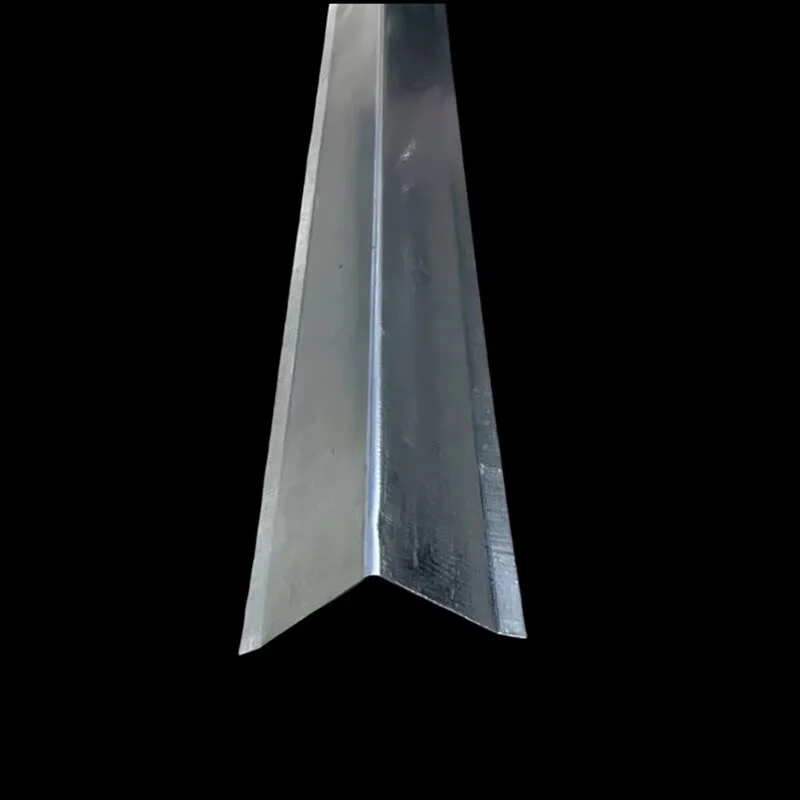
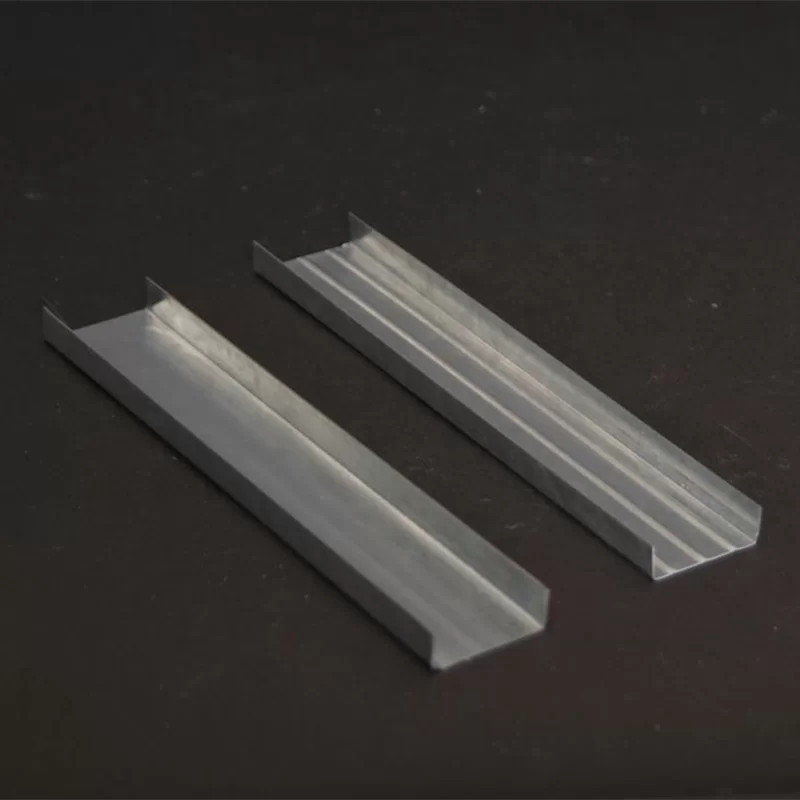
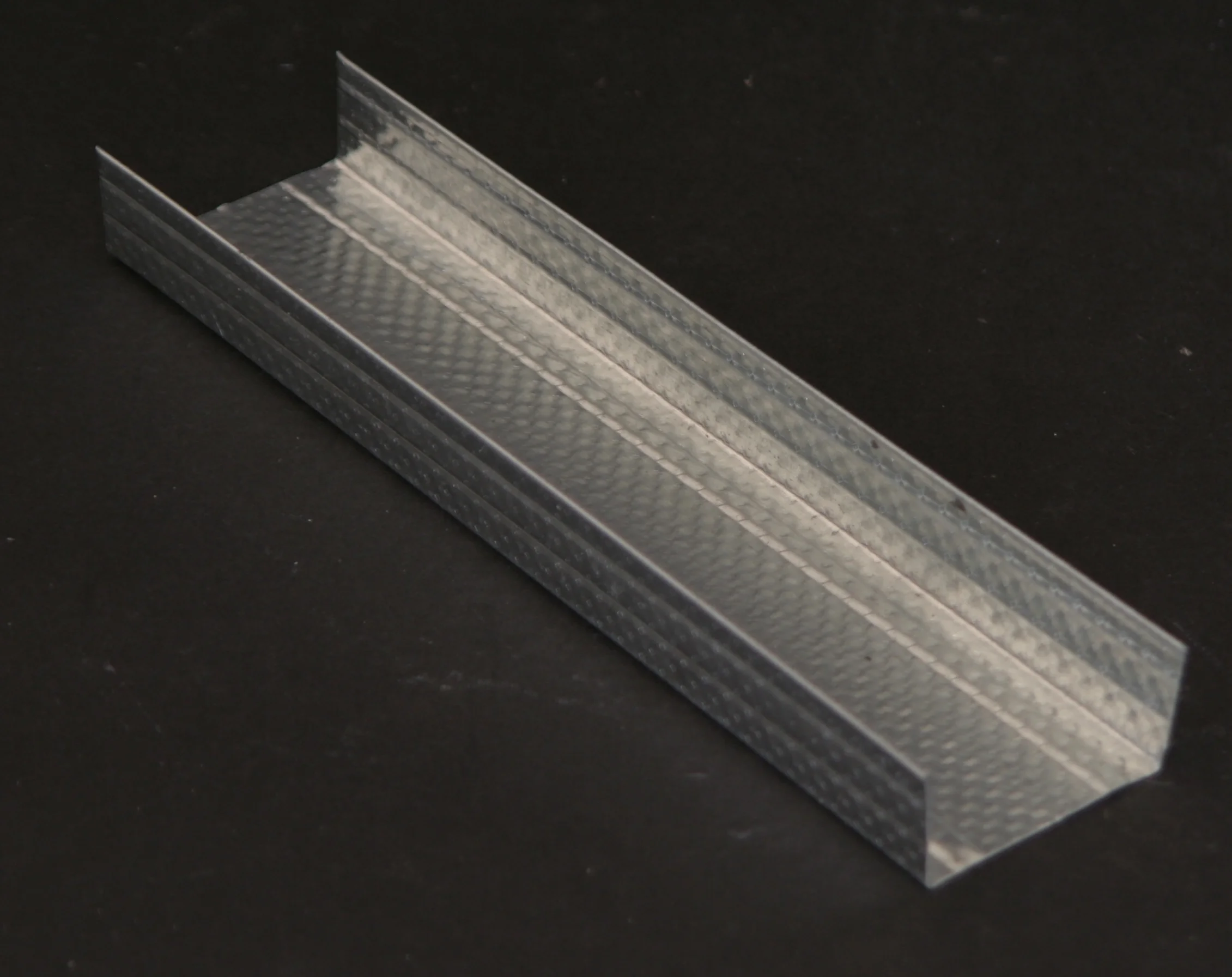
Put simply, commercial metal stud framing involves assembling steel studs — essentially vertical supports — and tracks to create a framework inside non-residential buildings like offices, schools, and hospitals. Think of it as the building’s skeleton. Unlike residential wood studs, these are cold-formed steel pieces, usually galvanized to resist rust.
Beyond just supporting drywall and other finishes, this framing method plugs into modern construction's lean philosophy: lighter, faster, and far more recyclable. For humanitarian construction too, metal studs offer the promise of modular, quickly deployable structures that maintain integrity even in harsh conditions.
Key Features of Commercial Metal Stud Framing
Durability and Strength
Metal studs withstand warping, rot, and insect damage better than wood — and they're fire resistant, which is a big plus in commercial safety codes. Many engineers have noted that in humid or termite-prone regions, metal stud framing significantly outperforms traditional methods.
Speed & Scalability
Because metal studs come pre-cut or easily customized, onsite assembly is quicker. This cuts labour costs and accelerates project timelines — crucial for urban developments or emergency relief facilities. The modular nature makes buildings scalable too, perfect for phased construction.
Cost Efficiency
While the initial cost may sometimes edge higher than wood, long-term savings come from less material replacement, insurance benefits due to fire resistance, and reduced labor time. Cost savings thus manifest over the lifetime of the building.
Sustainability
Galvanized steel studs are recyclable, and many manufacturers use significant percentages of recycled content. Coupled with reduced waste onsite, this elevates the eco-friendly credentials of commercial metal stud framing.
Design Flexibility
Because steel studs are easier to shape and adjust, architects find more freedom with unusual building geometries, curved walls, or attaching complex fixtures. This opens doors to innovation in commercial spaces.
Low Maintenance
Without the susceptibility to mold or pests, regular upkeep is simpler and less costly over decades — a big deal for large facilities.
Mini takeaway:
- Metal studs are durable, fast to install, and cost-efficient over time.
- Sustainability and design adaptability make them appealing in commercial settings.
- Low maintenance reduces ownership headaches for years on end.
Global Applications & Real-World Use Cases
Across continents, commercial metal stud framing finds itself at the heart of many projects. In North America and Europe, commercial metal framing dominates mid-rise office buildings and healthcare facilities, prized for fire safety standards.
In Australia and parts of Asia Pacific, where hurricanes and cyclones are common, metal studs provide resilient alternatives to traditional timber framing. NGOs working in post-disaster zones in Southeast Asia often employ metal stud kits for rapidly deployable shelters and clinics — combining ease of transport with sound structural integrity.
Industrial zones worldwide also benefit, where modular manufacturing spaces need quick modification without interrupting operations. Even schools in developing areas increasingly look to metal stud framing for rapid expansions.
Commercial Metal Stud Framing: Product Specifications
| Specification |
Typical Range/Value |
Notes |
| Material |
Cold-rolled galvanized steel |
Corrosion resistant |
| Stud Thickness |
0.018” to 0.075” (18 to 25 gauge) |
Depends on load requirements |
| Stud Width: |
1-5/8” to 6” |
Common sizes for walls of various thicknesses |
| Maximum Stud Length |
16 ft typical |
Can be customized per project |
| Fire Rating |
Up to 2 hours (with gypsum wallboard) |
Meets commercial building codes |
| Weight |
~2-3 lbs per linear foot |
Significantly lighter than wood framing equivalents |
Comparing Leading Commercial Metal Stud Framing Vendors
| Vendor |
Product Range |
Sustainability |
Lead Time |
Price Point |
| SteelBuild Co. |
Standard & custom profiles up to 20 ft |
50% recycled steel content |
2-3 weeks nationally |
Mid-range |
| MetroFrame Systems |
Wide range with modular connector kits |
Lean manufacturing, 40% recycled steel |
1-2 weeks regional |
Competitive |
| UrbanSteel Designs |
Custom engineering services, premium grades |
75% recycled steel |
4 weeks+ |
High-end |
Why Choose Commercial Metal Stud Framing? Advantages & Long-Term Impact
Frankly, commercial metal stud framing checks boxes not only for engineers but for environmentalists, project managers, and sustainability advocates. The upfront speed and ease translate to lower labor costs and faster ROI. Sustainability emerges from both the recycled content and waste reduction during assembly.
There’s also a strong social impact. Faster builds mean quicker access to quality infrastructure — schools, hospitals, offices — improving communities’ well-being. And with its fire-resistant nature, these buildings literally help save lives.
For building owners, the low maintenance means fewer headaches over ownership. You gain reliability you can trust, plus a product that adapts to future demands with surprisingly little fuss.
Looking Ahead: Future Trends in Metal Stud Framing
Innovations tumble out at a rapid pace. I noticed some vendors integrating digital design tools with automated cutting systems to eliminate almost all waste. Green steel made via hydrogen reduction presents a fascinating sustainability frontier, potentially slashing carbon footprints further.
Moreover, the rise of smart sensors embedded in framing to monitor structural health is no longer science fiction. And let's not forget modular framing components tailored to green building standards like LEED and WELL certifications — the future feels exciting and responsible at once.
Current Challenges & Pragmatic Solutions
Okay, it’s not perfect. Metal stud framing can be prone to thermal bridging, causing energy loss if not properly insulated. Noise transmission might also be higher without thoughtful acoustic solutions. However, advanced insulation materials and decoupling strategies effectively counterbalance these drawbacks.
Another pain point is corrosion if exposed to extreme moisture without adequate galvanization or coatings, but many vendors have steadily improved rust resistance, including powder coating finishes.
Lastly, labor skill gaps sometimes slow adoption in new markets, but training programs and prefabricated framing kits are mitigating these hurdles.
FAQs: Practical Questions About Commercial Metal Stud Framing
1. How does commercial metal stud framing compare to traditional wood framing in terms of durability?
Metal studs resist rot, termites, and warping far better than wood. They also carry higher fire resistance, making them ideal for commercial projects where longevity and safety are key. Wood can still be cost-effective for residential use, but metal is preferred in many modern commercial settings.
2. Can commercial metal stud framing be used for multi-story buildings?
Yes, especially in mid-rise construction (up to 5 or 6 stories), metal stud framing supports floors and walls effectively. For high-rise, it's often combined with steel structural systems. Its lightweight nature reduces foundation loads and speeds construction.
3. Is metal stud framing environmentally friendly?
Generally yes. Steel studs often contain 40-75% recycled content and are 100% recyclable at end-of-life. When combined with efficient design and waste reduction, their carbon footprint is notably lower than many traditional materials.
4. How quickly can commercial metal stud framing be installed?
Depending on project size and site conditions, framing installs 30-50% faster than conventional wood framing, sometimes even quicker with prefabricated panels. This translates to weeks saved on construction schedules.
5. Are specialized workers required to install metal studs?
While basic construction knowledge helps, metal stud framing requires some specific skills like cutting steel and proper fastening. Training programs and prefabricated kits have made it accessible to more teams worldwide.
Conclusion: Why Commercial Metal Stud Framing Deserves Your Attention
In exploring commercial metal stud framing, it feels like uncovering a quiet revolution in the building trade — something both practical and visionary. It addresses contemporary challenges: urban growth, sustainability, speed, and the need for resilient structures. From offices to emergency shelters, this framing delivers lasting value with a lighter footprint and faster turnaround.
If you’re considering your next commercial project or want to explore how metal stud framing can give you an edge, don’t hesitate. Visit our website at https://www.jinkaibm.com for more insights and solutions tailored to modern commercial builds.
References
- United Nations - World Urbanization Prospects (2018)
- International Energy Agency - Global Status Report For Buildings and Construction 2022
- Steel - Wikipedia