Understanding the Importance of 16 Gauge Metal Track in Modern Construction
When it comes to steel framing in construction, few components are as foundational and yet underappreciated as the 16 gauge metal track. If you’re not deep into the building trade, this term might sound obscure or overly technical, but in reality, it’s a vital piece of the puzzle that holds modern structures together. From high rises in bustling cities to post-disaster shelters in remote locations, 16 gauge metal track offers a blend of strength, reliability, and cost-efficiency that makes it indispensable worldwide.
Globally, the construction industry is booming — with the World Bank estimating over $10 trillion spent annually on infrastructure and buildings. Steel framing systems, including metal tracks, are a huge part of that. The reason why specifically 16 gauge metal track stands out relates to its perfect balance between durability and manageable weight, making it a favorite among engineers and architects alike. But beyond technical specs, understanding this product means appreciating how practical engineering solves real human needs — like providing safe housing after disasters or delivering resilient frameworks in infrastructure projects.
What Is 16 Gauge Metal Track?
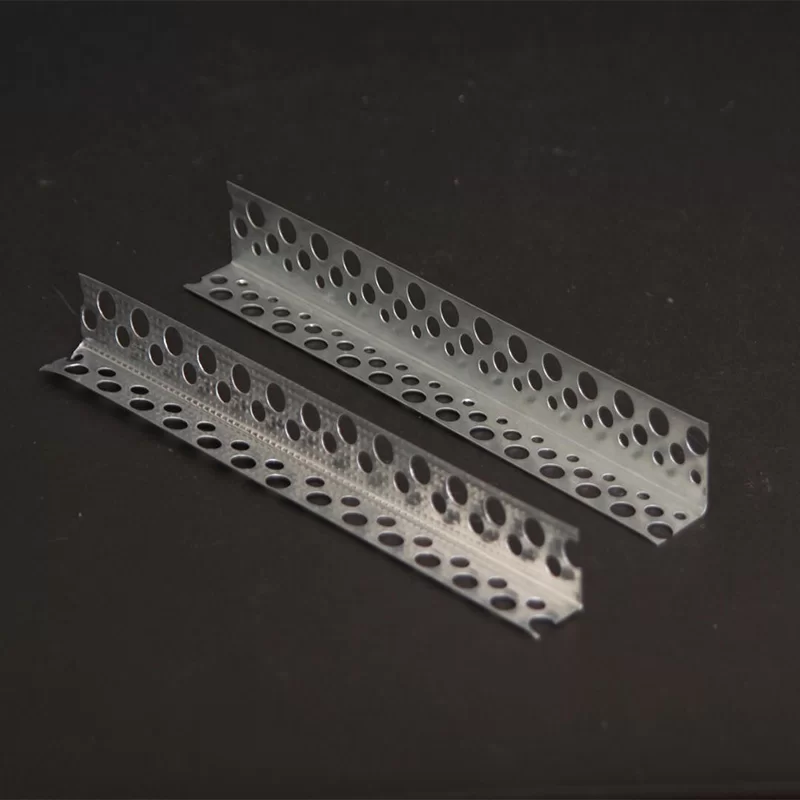
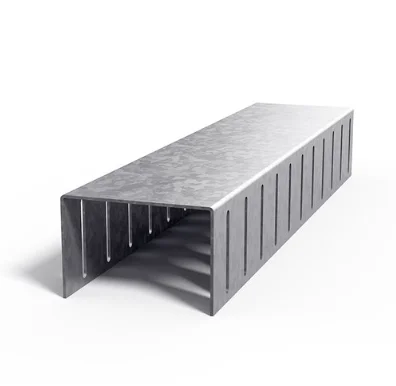
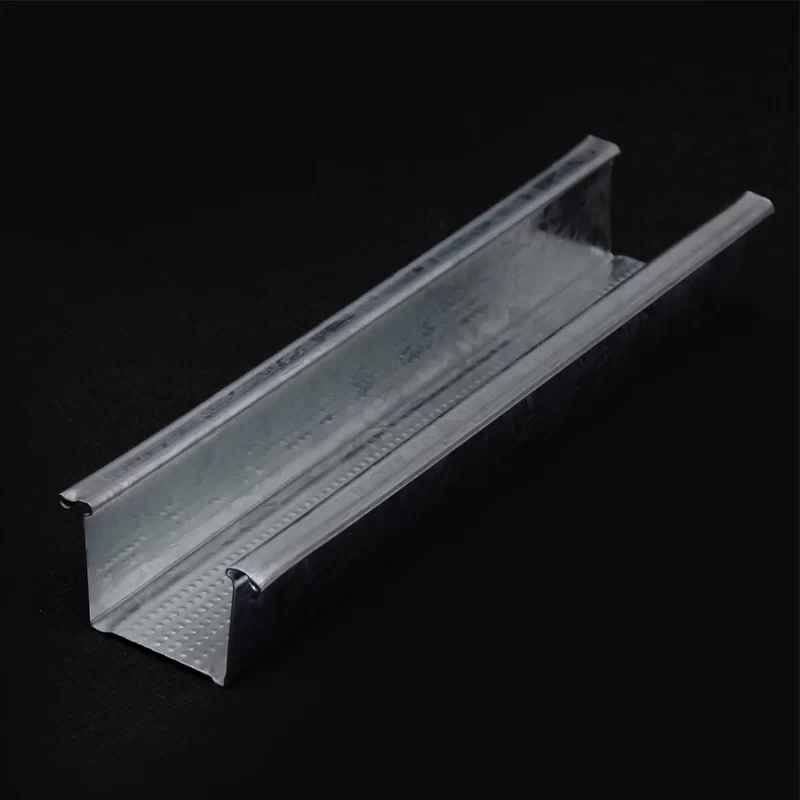
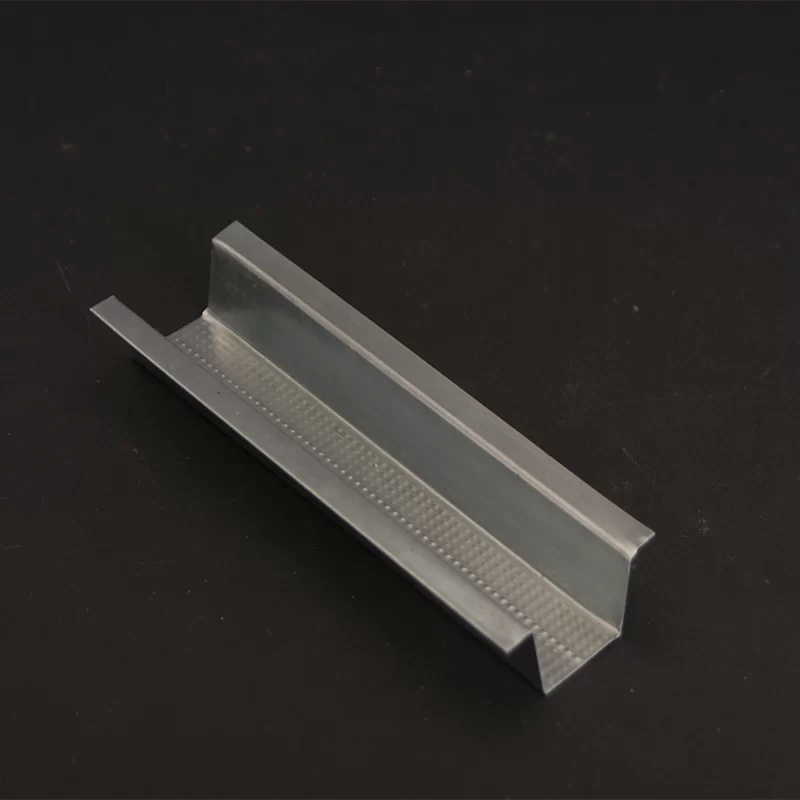
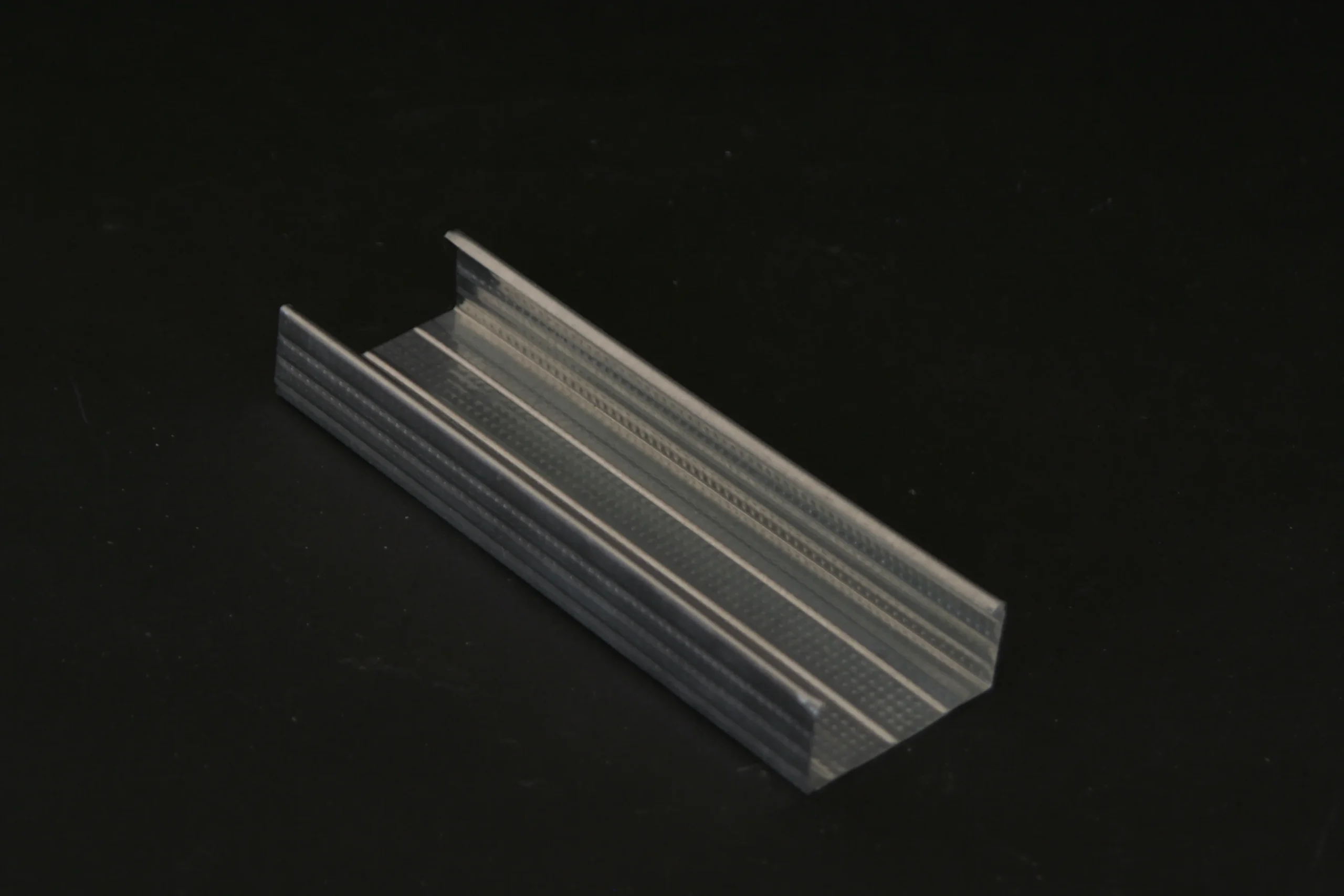
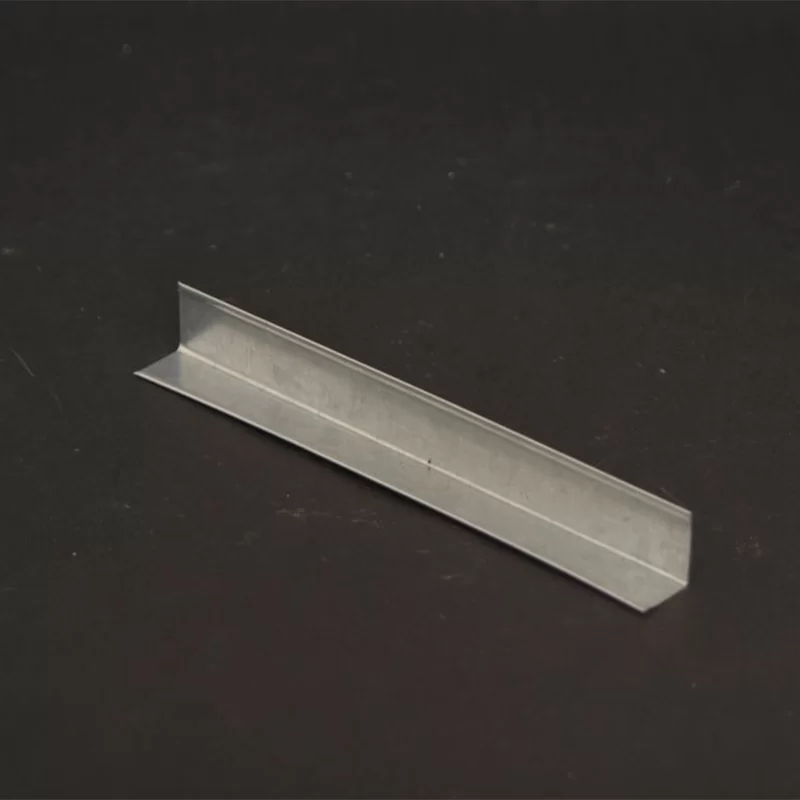
In the simplest terms, a metal track is a steel channel that serves as the base or top rail in stud framing systems — supporting vertical metal studs that form walls, ceilings, and partitions. The "16 gauge" reference tells us the thickness of the steel sheet used, roughly 0.06 inches (1.5 mm) thick. This thickness offers a sweet spot: thicker gauges are stronger but heavier and more expensive; thinner gauges save weight but may lack enough rigidity for structural framing. This balance is why 16 gauge metal track is widely specified in commercial and industrial builds.
The connection to modern industry is straightforward. Steel framing replaced wood in many cases due to its fire resistance, dimensional stability, and ease of modular assembly. Also, humanitarian organizations increasingly rely on metal track framing for fast-assembly shelters since it enables durable structures that can resist harsh climates and handling stresses.
Core Components and Characteristics of 16 Gauge Metal Track
1. Durability and Strength
The 16 gauge metal track offers substantial load-bearing capacity without bending easily, which is crucial for creating stable wall systems that hold up over years. Often, it’s coated with galvanized zinc to prevent rust and corrosion — essential if you consider humid coastal regions or temporary shelters exposed to the elements.
2. Scalability and Versatility
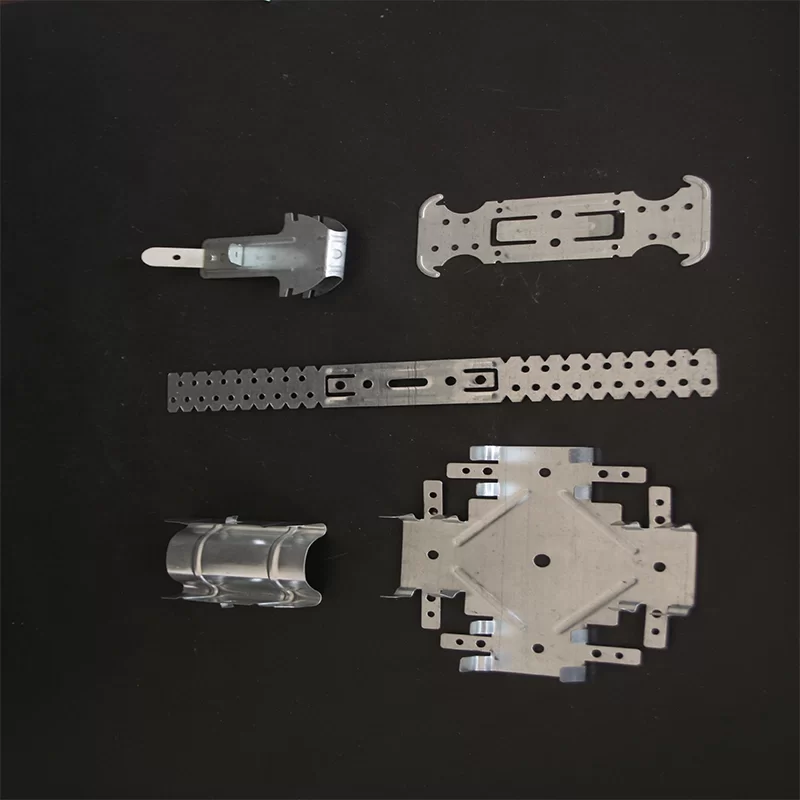
Metal tracks come in various lengths and can be safely cut on site to custom measurements. Their modularity means a single construction site can rapidly scale up framing projects, from small offices to entire apartment complexes, without fuss.
3. Cost Efficiency
Relative to other framing materials of comparable strength, 16 gauge metal tracks are surprisingly affordable. They lower labor costs by being easy to install and reduce waste by standardized sizing.
4. Compatibility with Finishes and Insulation
The tracks support diverse wall finishes: drywall, plasterboard, or panels. Additionally, they integrate well with insulation materials, improving building thermal performance — a critical factor in energy-conscious construction.
Product Specifications of 16 Gauge Metal Track
| Specification |
Details |
| Material |
Cold-rolled galvanized steel |
| Gauge (Thickness) |
16 gauge (approx. 1.5 mm) |
| Width |
1-5/8", 2-1/2", 3-5/8" (varies by application) |
| Length |
8 ft to 20 ft, customizable |
| Finish |
Galvanized zinc coating |
| Weight |
Approximately 1.5 lb/ft (varies by width) |
Global Applications & Use Cases
The use of 16 gauge metal track spans continents and industries. In the United States and Europe, you’ll find it standard in commercial interiors for office partitions and retail fit-outs. In fast-growing cities in Asia or Africa, metal tracks provide cost-effective solutions for mid-rise construction.
Oddly enough, humanitarian agencies like the Red Cross or UNHCR increasingly specify steel track framing for temporary shelters in disaster zones. After an earthquake or hurricane, speed and reliability trump all. The 16 gauge metal track offers lightweight shipping and rapid assembly with modular studs that can make the difference between prolonged displacement and prompt resettlement.
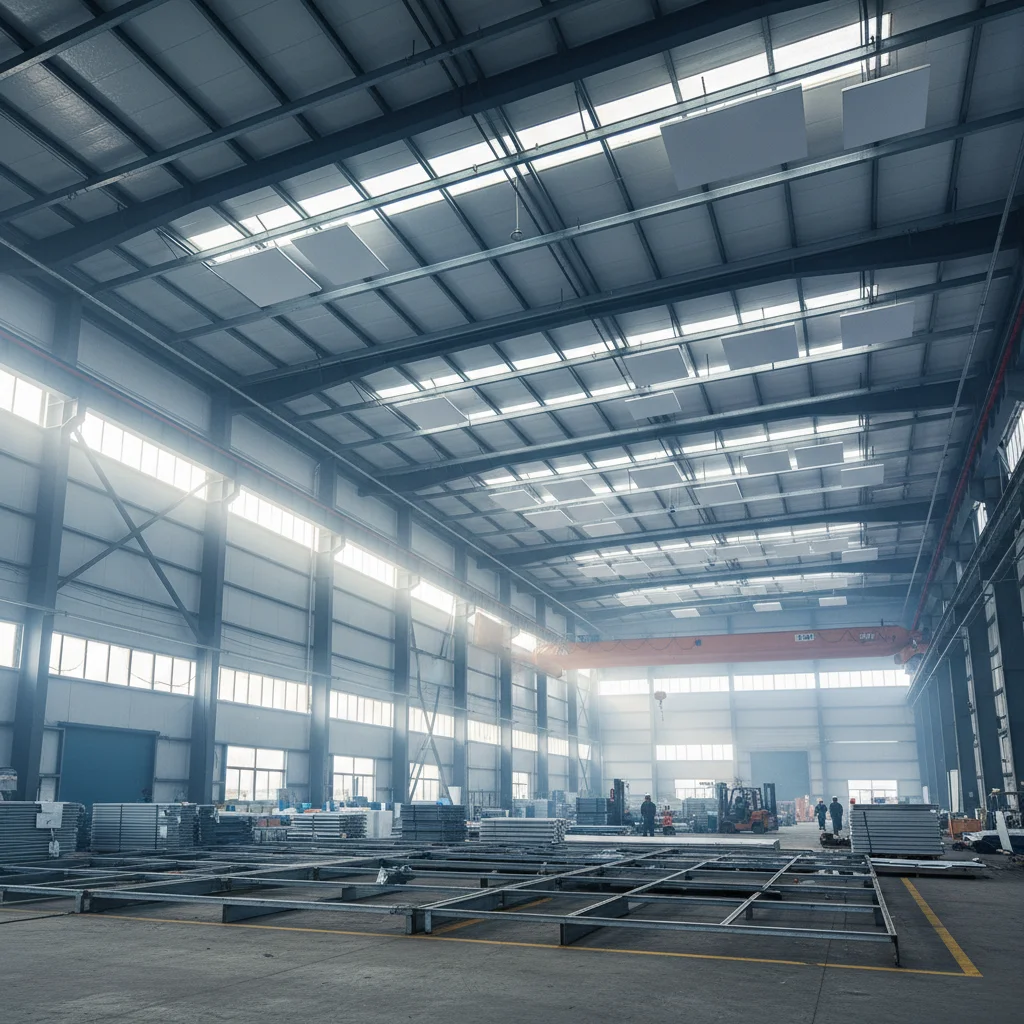
Furthermore, in industrial settings such as remote mining camps or manufacturing warehouses, durable steel framing resists corrosion and wear—ensuring structures remain safe and intact despite extreme operational demands.
Vendor Comparison: Leading 16 Gauge Metal Track Manufacturers
| Vendor |
Product Range |
Lead Time |
Price Range |
Customization |
| Jinkai Building Materials |
Full catalog including 16 gauge metal track, studs, accessories |
1-2 weeks |
$$$ |
Custom lengths, gauges available |
| SteelForm Inc. |
Focused on residential and light commercial framing |
2-3 weeks |
$$ |
Limited customization |
| Global Steel Profiles |
Wide range including specialty corrosion-resistant tracks |
3-4 weeks |
$$$$ |
Extensive customization |
Advantages & Long-Term Value of 16 Gauge Metal Track
It feels almost too obvious to mention, but durability and affordability are a big deal. What’s less visible is the social impact: reliable framing means safer buildings, which means safer families and workplaces. That counts for something given the billions living in vulnerable housing worldwide. Also, the sustainability angle is ironic: steel, when recycled, retains its quality endlessly, so products like 16 gauge metal track contribute to circular economies in building materials.
The emotional angle I notice is people’s trust in metal-framed structures for safety — fire resistance and structural integrity are reassuring beyond technical specs. That peace of mind isn’t quantifiable but matters deeply in construction choices.
Future Trends & Innovations
The industry is moving towards greener steel-making processes. Hydrogen-reduced steel and electric arc furnace technologies promise lower carbon footprints for materials like 16 gauge metal track. Digital transformation — think BIM (Building Information Modeling) integration — allows architects to specify and visualize metal tracks precisely before arriving on-site, reducing waste and mistakes.
Automation in cutting and assembly also drives down labor costs, making projects more affordable, especially where skilled labor is scarce. Hopefully, this means that next-gen 16 gauge metal tracks will serve increasingly ambitious projects while greening their supply chains.
Challenges & Solutions
In real terms, handling and storage can cause surface damage, which compromises corrosion resistance. Engineers recommend proper on-site storage and finishing techniques to maintain longevity. Also, the “one-size fits all” notion is misleading — not every project truly benefits from 16 gauge; heavier industrial builds might require thicker gauges.
Innovations in coatings and hybrid material composites are promising to overcome these challenges, creating lighter but stronger tracks with better longevity in harsh environments.
FAQ: Frequently Asked Questions About 16 Gauge Metal Track
- Q: How does 16 gauge metal track compare to heavier gauges for load-bearing walls?
A: While thicker gauges (14 or 12 gauge) provide more strength, 16 gauge offers a good compromise of load capacity and weight for most commercial interior partitions. For structural walls requiring high load capacity, heavier gauges might be preferred.
- Q: Can 16 gauge metal track be used in exterior wall framing?
A: Yes, with appropriate galvanization and weather-resistant coatings, 16 gauge metal track can be used in exterior framing. However, additional waterproofing and insulation considerations are needed.
- Q: Is 16 gauge metal track recyclable?
A: Absolutely. Steel is one of the most recycled materials globally, and 16 gauge metal track can be recycled without loss of strength or quality, supporting sustainable construction practices.
- Q: How can I order custom lengths or thicknesses?
A: Vendors like Jinkai Building Materials offer customizable options. Lead times may vary depending on order size and specs.
Conclusion and Call to Action
Ultimately, understanding 16 gauge metal track means recognizing a simple yet profound piece of construction technology that underpins countless buildings worldwide. Its role in shaping safer, more sustainable, and cost-effective structures ensures it’s here to stay as construction moves forward.
For architects, engineers, and builders seeking reliable, customizable metal track solutions, I recommend visiting Jinkai Building Materials — they offer comprehensive product lines backed by expert support.
A well-chosen metal track really is the backbone of great building — never underestimate the little things that hold up the big.
References
- World Bank: Construction Industry Overview
- Wikipedia: Steel
- International Organization for Standardization (ISO)