Understanding 16 Foot Metal Studs: A Cornerstone in Modern Construction
When talking about structural framing, the humble 16 foot metal studs might not jump out as a headline-grabber. Yet, they literally form the backbone of so many buildings worldwide — from towering commercial offices to modest residential homes. Understanding these studs, their roles, benefits, and the latest innovations around them, has never been more important given the ongoing global demand for sustainable, safe, and cost-effective construction materials.
Introduction: The Global Pulse Behind 16 Foot Metal Studs
The construction sector accounts for almost 40% of global raw material use and 36% of energy consumption according to the International Energy Agency (IEA). Within this vast ecosystem, steel framing via metal studs, especially in standard lengths like 16 foot, addresses a pressing need: quality, resilience, and adaptability. Oddly enough, these studs are quietly helping meet urbanization challenges around the world — be it in Asia’s megacities or rebuilding efforts in disaster-affected areas.
However, challenges arise like shortages of sustainable timber, frequent natural disasters accelerating demand for rapid-build frameworks, and escalating labor costs. This is where 16 foot metal studs come in handy — offering a nimble yet sturdy solution to several burning construction dilemmas across regions.
Definition & Meaning of 16 Foot Metal Studs
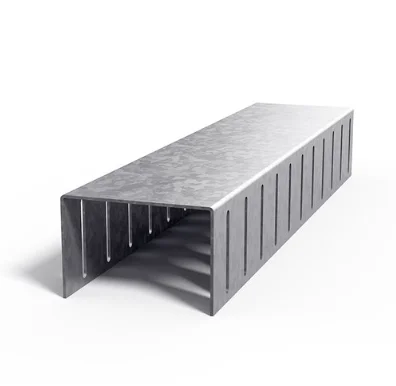
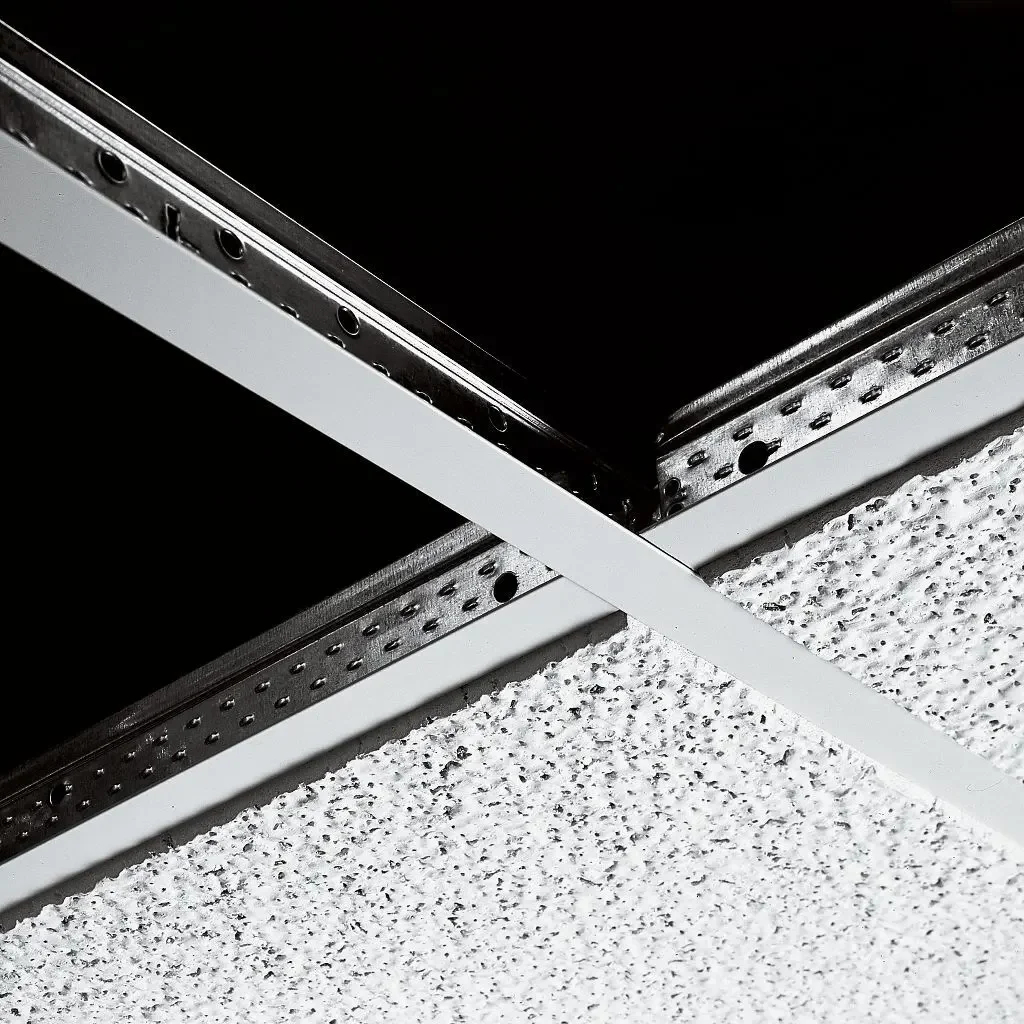
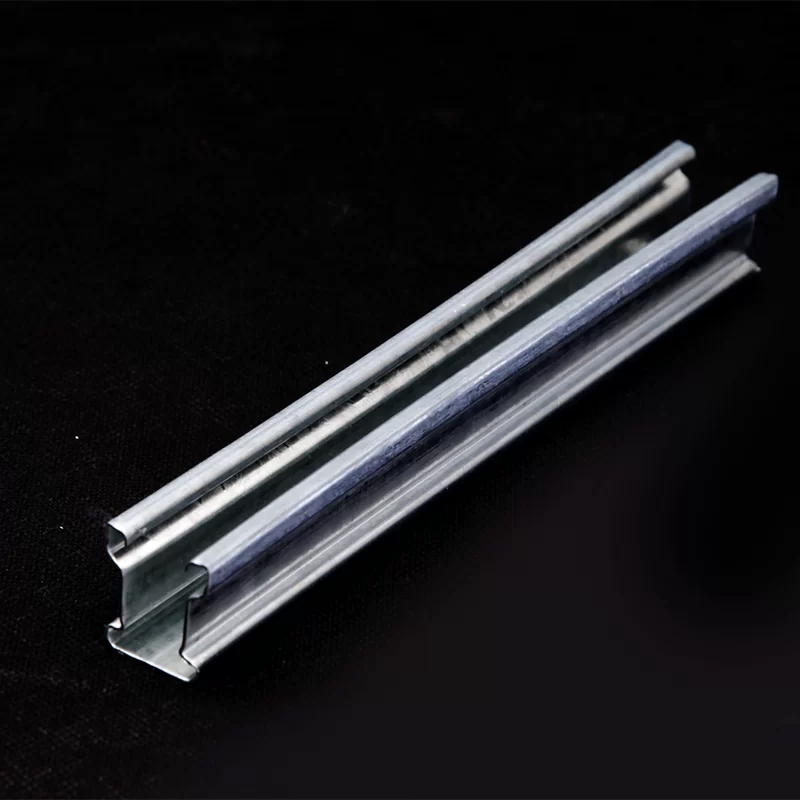
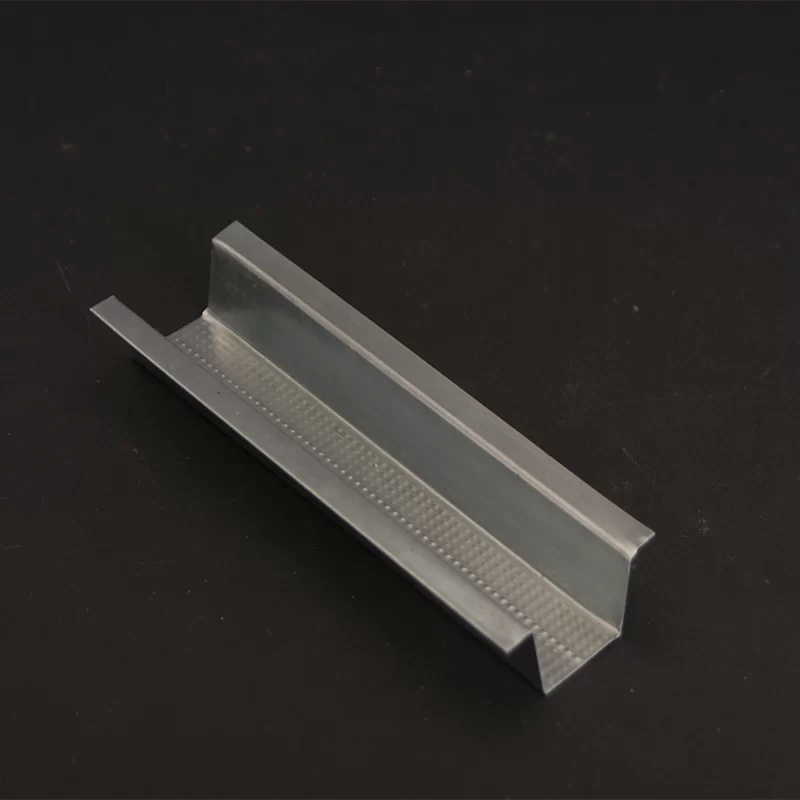
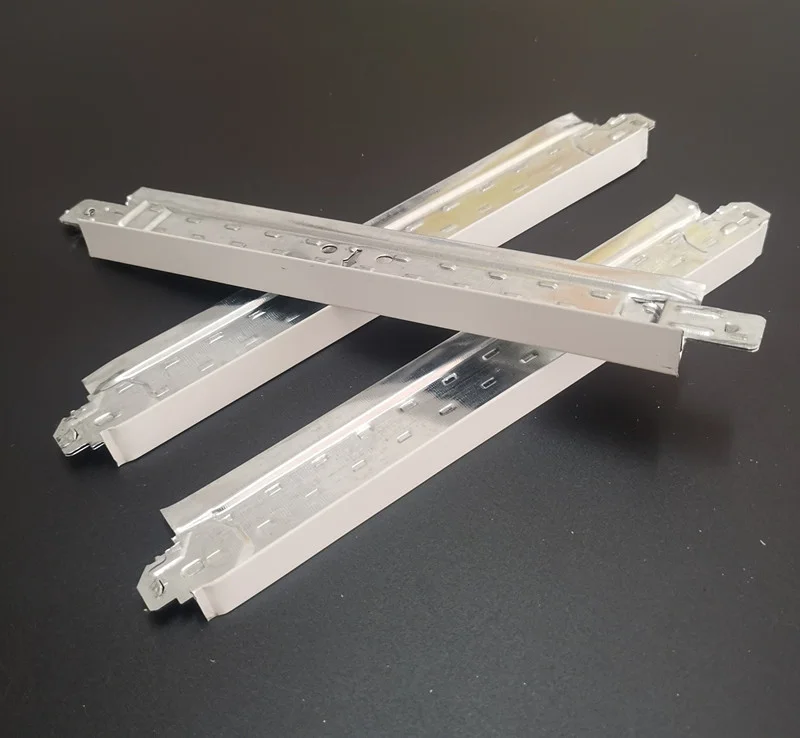
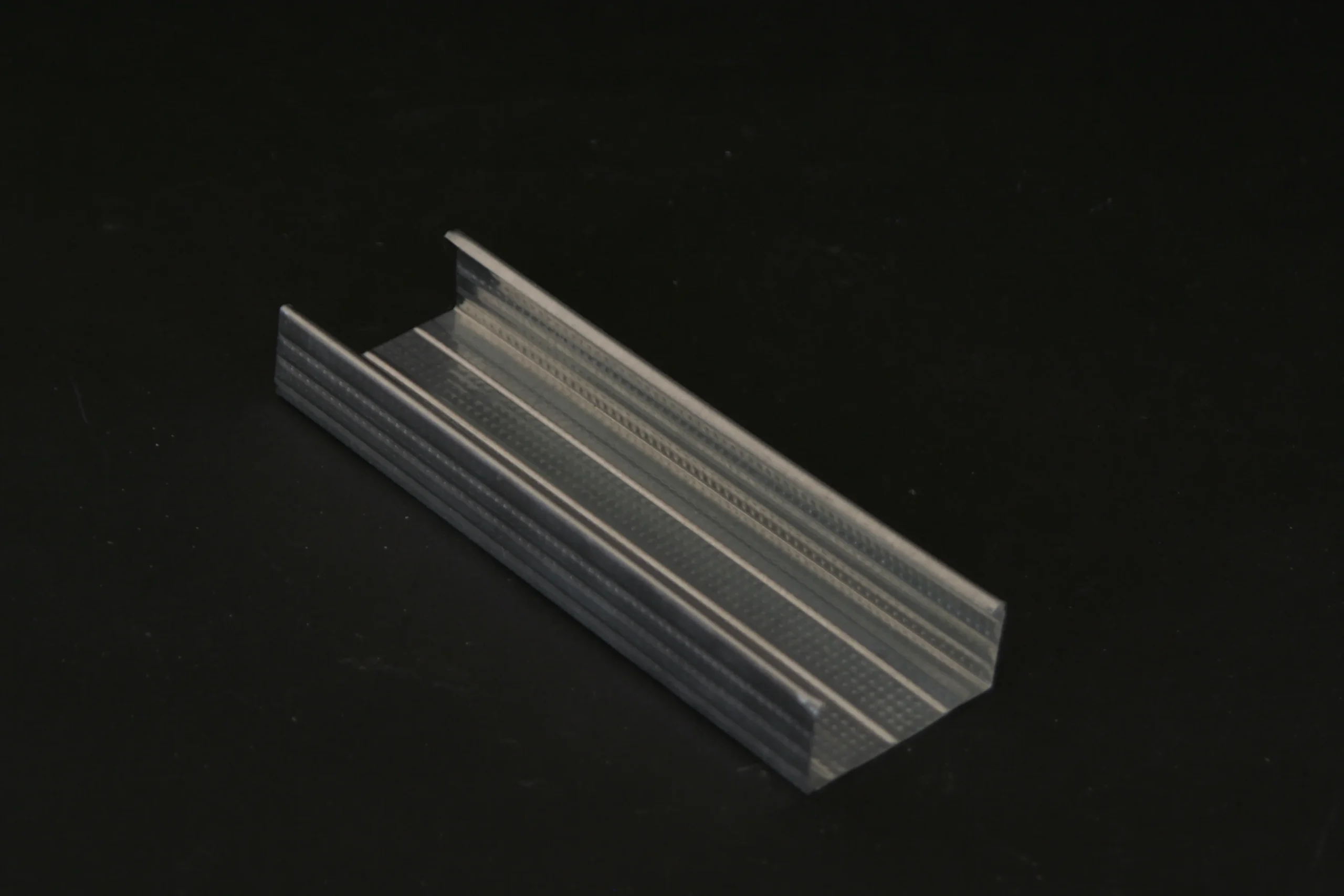
Simply put, a 16 foot metal stud is a steel framing member used primarily as a vertical support in wall systems. Unlike traditional wood studs, these are made from galvanized steel which makes them resistant to rust, pests, and fire. The “16 foot” length is a standardized dimension that fits well with common architectural layouts, making design and installation straightforward. Used extensively in both commercial and residential settings, these studs are integral to walls, partitions, and even ceilings.
In a broader context, metal studs symbolize a modern shift toward engineered building components that promise durability and sustainability — important for growing urban populations and relief efforts alike.
Key Components of 16 Foot Metal Studs
1. Durability
These studs boast high tensile strength and resistance to moisture and termites, which are common issues with wood. Galvanization further enhances rust resistance, enabling longer lifespans even in humid or coastal environments.
2. Scalability
The uniform length allows for modular construction and faster project turnaround times, reducing labor overheads. Builders can literally slice and dice lengths as needed, giving flexibility on site.
3. Cost Efficiency
While steel may seem pricier upfront than wood, its low maintenance and longer service life make metal studs financially attractive over time — especially where wood is scarce or costly.
4. Sustainability
Metal studs are often made from recycled steel and are 100% recyclable. In a world speeding toward circular economies, these studs fit well with global goals, such as those by the ISO 14001 Environmental Management standards.
5. Fire and Pest Resistance
The inherently non-combustible nature reduces fire hazards. Likewise, they resist termites and other pests nearly entirely, helping to maintain structural integrity and occupant safety.
Product Specifications of 16 Foot Metal Studs
| Specification |
Details |
| Length |
16 feet (192 inches) |
| Material |
Galvanized steel (ASTM A653 compliant) |
| Gauge thickness |
Typically 25–20 gauge (0.018 to 0.0359 inch) |
| Finish |
Hot-dip galvanized or zinc coated |
| Application |
Wall framing, partition walls, ceiling grid |
Global Applications & Use Cases
Across the globe, 16 foot metal studs have become a reliable solution, especially in regions that face stringent building codes or environmental challenges. For example:
- Post-Disaster Relief: In Haiti’s earthquake recovery and the Philippines' typhoon zones, metal studs speed up the rebuilding of temporary shelters turning into permanent housing.
- Urban Construction: North America and Europe often rely on metal studs for fire-rated, soundproof walls in high-density buildings.
- Remote Industrial Zones: Mining facilities or oil rigs in Australia and Africa use these studs because they resist corrosion and termite damage better than timber.
There’s even growing adoption in modular and prefab construction systems that prioritize speed and environmental impact simultaneously.
Vendor Comparison Table
| Vendor |
Gauge Options |
Coating Type |
Price Range (per stud) |
Lead Time |
| SteelFrames Inc. |
25, 22, 20 |
Hot-dip galvanized |
$12 - $18 |
1-2 weeks |
| BuildStrong Metals |
24, 22 |
Zinc coated |
$10 - $16 |
3-4 days |
| EcoMetal Frames |
22, 20 |
Recycled steel with galvanized finish |
$14 - $20 |
2 weeks |
Advantages & Long-Term Value
Using 16 foot metal studs not only means choosing a product that fits well into modern building codes but also investing in the long haul. Financially, the low maintenance costs and durability translate into fewer disruptions and replacements. Emotionally — and this should not be underestimated — there’s a safety and confidence factor when residents know their walls can withstand fire, pests, or water damage. And on the social front, these studs contribute to sustainable construction which aligns with the UN’s Sustainable Development Goals like affordable housing and resilient infrastructure.
Future Trends & Innovations
Looking ahead, the metal stud market is embracing exciting advancements. For one, green steel production methods are reducing the carbon footprint. 3D modeling and digital fabrication allow custom cuts and profiles to optimize material use. Automation in manufacturing boosts supply chain reliability. Innovations like coatings that enhance thermal performance or even smart studs embedded with sensors for moisture detection are starting to emerge. It’s fair to say, the transformation is ongoing and promises more efficient, smarter buildings.
Challenges & Solutions
No product is without hurdles. Metal studs can face drawbacks like thermal bridging, which reduces insulation effectiveness. Installation requires vibration drills and fasteners different from wood, so labor familiarization is needed. Availability and price fluctuations due to global steel markets can also cause headaches.
Yet, solutions are evolving: thermal break strips minimize heat loss, training programs help construction crews adapt quickly, and savvy buyers diversify supplies or plan purchases ahead to ease cost swings.
FAQ: Frequently Asked Questions About 16 Foot Metal Studs
- Q: Are 16 foot metal studs better than wood for residential builds?
A: Generally, yes. Metal studs offer better durability, pest resistance, and fire safety. However, project-specific factors like budget and design goals matter a lot.
- Q: How do I cut or modify these studs on site?
A: Metal studs are cut using metal snips, power shears, or chop saws with metal-cutting blades. It’s different from wood, but widely manageable once you have the right tools.
- Q: Is galvanized steel environmentally friendly?
A: Galvanized steel is recyclable and often made from recycled content. Its long lifespan and minimal maintenance further reduce environmental footprint.
- Q: Can 16 foot metal studs be used outdoors?
A: Yes, especially when properly coated or galvanized. They resist corrosion well but often need protection from physical damage or extreme environments.
- Q: Where can I source quality 16 foot metal studs?
A: Reputable manufacturers and distributors like those listed above offer quality-certified products. For tailored advice, visiting 16 foot metal studs suppliers is a good start.
Conclusion and Call to Action
Ultimately, 16 foot metal studs represent more than just raw materials: they encapsulate a shift toward resilient, sustainable, and cost-effective construction. Whether for sprawling urban complexes or emergency housing, they deliver value and trust. If you’re involved in building or procurement, it’s worth considering these studs for your next project. For detailed specifications and sourcing options, please visit 16 foot metal studs.
Short takeaway: In real terms, embracing 16 foot metal studs means marrying tradition and innovation to build the future more sustainably and securely. That’s something you can really feel good about.
References:
- International Energy Agency - Building Energy Use
- ISO 14001 Environmental Management
- Wikipedia - Steel