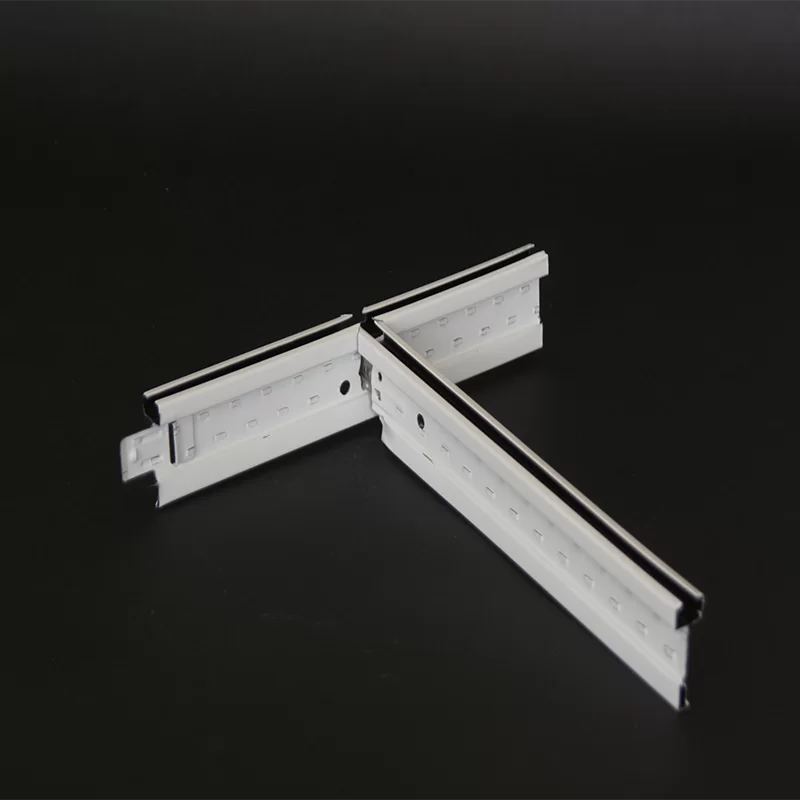
Understanding 14 Steel Studs: Essential Components for Modern Construction
Steel studs—especially the 14-gauge variety—have become an indispensable part of contemporary building frameworks around the world. Why does this matter globally? Well, construction demands are shifting rapidly due to urbanization, disaster-resilient infrastructure needs, and evolving industrial standards. Getting a solid grasp on what 14 steel studs offer means you’re in tune with a material that’s strong, reliable, and surprisingly versatile. You might be thinking, “Well, they’re just metal frames, right?” But in truth, their utility stretches across commercial builds, humanitarian relief efforts, and even modular housing trends.
Why 14 Steel Studs Have Global Relevance
Try imagining the construction landscape worldwide: according to the United Nations, more than half of the global population lives in urban areas, and this number is projected to increase. As buildings scale up or need faster rebuilds following natural disasters, the demand for durable yet cost-effective materials grows. Steel studs—especially the 14 gauge—strike a balance between strength and workability that’s crucial. The World Steel Association notes that steel accounts for approximately 90% of metal used in construction globally, underscoring its dominance. The challenge many builders face is sourcing affordable, flexible framing that complies with ever-tightening safety and sustainability standards.
Defining 14 Steel Studs
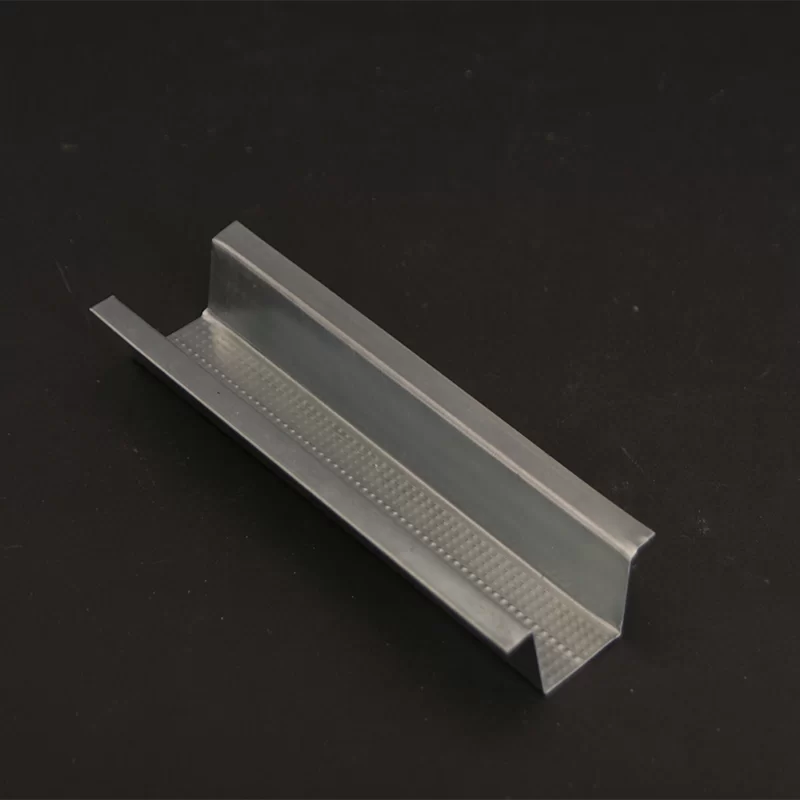
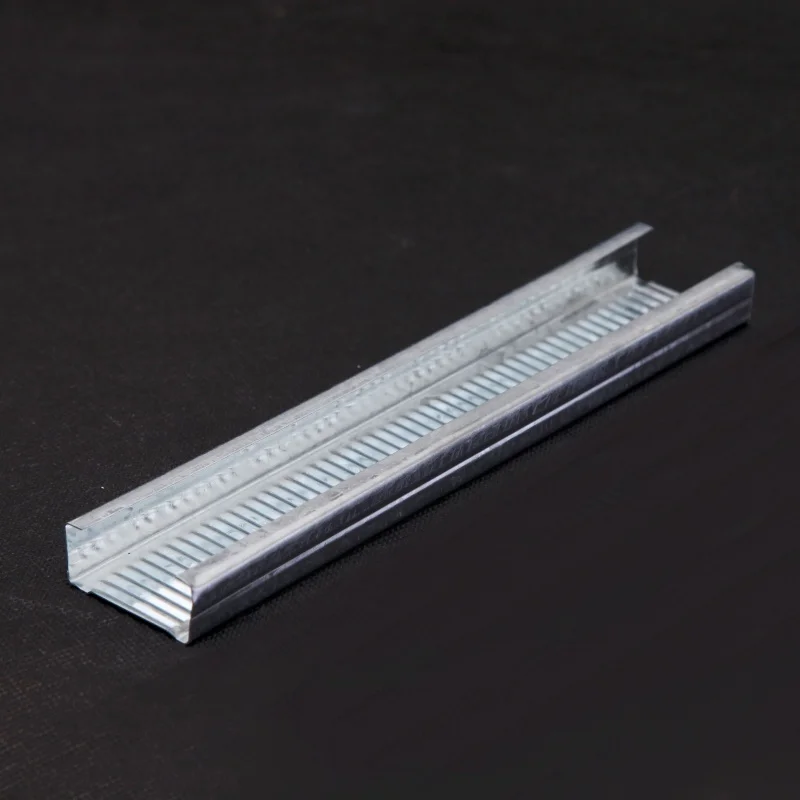
In simple terms, 14 steel studs are vertical framing members commonly made from galvanized steel sheet formed into a C-shaped profile. The “14” refers to the gauge — basically, the thickness — making these studs thicker and stronger than, say, a 20-gauge. This increase in thickness means they handle heavier loads and provide greater durability against wear, corrosion, or impacts. In modern terms, they're the workhorse of walls, partitions, ceilings, and even exterior framing in non-load-bearing applications. These studs also connect to humanitarian construction, like rapid shelters or modular clinics, where speed and strength mean lives.
Core Components That Define Their Value
Durability
14 steel studs resist warping, twisting, and corrosion better than thinner gauges. This makes them favorable in humid or industrial environments where moisture is a constant threat. Their galvanized coating adds an extra rust-proof shield, which frankly, extends the lifespan of structures noticeably.
Load-Bearing Capacity
Although generally used in interior framing or non-load-bearing walls, the thicker gauge means they can sometimes handle structural loads that thinner studs cannot. Many engineers prefer 14 steel studs in commercial settings where local codes require higher stiffness.
Cost Efficiency
While thicker steel costs more upfront, 14 steel studs often reduce the need for additional reinforcements or repairs down the line, making them economical over a building’s life cycle. Labor may be slightly more intensive—but the savings can add up.
Ease of Installation
Designers and contractors often mention that even with increased thickness, workability remains user-friendly. They accept screws and fasteners well and integrate seamlessly with drywall and insulation systems.
Fire Resistance
What’s cool is that steel doesn’t burn or emit toxic fumes, crucial for occupant safety. In many jurisdictions, 14 steel studs contribute significantly to achieving fire-rated wall assemblies.
Mini takeaway:
14 steel studs pack durability, strength, and fire resistance in a cost-smart package that suits today’s demanding construction needs.
Specifications of Typical 14 Steel Studs
| Specification | Value |
|---|
| Material Thickness | 0.0747 inches (14 gauge) |
| Profile Shape | C-shaped |
| Coating | Hot-Dip Galvanized or Zinc Coated |
| Standard Lengths | 8 to 16 feet |
| Common Widths | 1 5/8", 2 1/2", 3 5/8" |
| Typical Weight | 4.5 - 7 lbs per linear foot |
Global Applications & Use Cases
14 steel studs find their way into a huge span of applications worldwide. In North America and Europe, they’re standard in commercial office partitions, hospitals, schools, and even data centers, where modularity and fire resistance are vital. Oddly enough, in remote industrial zones, these studs support prefabricated buildings that need rapid assembly and high-performance durability—no fuss, no major delays.
In post-disaster relief efforts, NGOs rely on them to create quick shelters or clinics that stand the test of weather and unpredictable conditions. For example, after the 2010 Haiti earthquake, modular homes framed with steel studs offered safer alternatives to flimsy tents, providing residents with dignity and reliability amid chaos. You can also find them in shipping container retrofits, where steel studs help form insulated interiors that upgrade containers into smart living or office spaces.
Vendor Comparison Table: Popular 14 Steel Stud Suppliers
| Supplier | Gauge Range | Coating Type | Lead Time | Custom Lengths |
|---|
| SteelBuild Corp. | 14 - 20 gauge | Zinc Coated | 2 weeks | Yes |
| Global Frame Solutions | 12 - 16 gauge | Hot-Dip Galvanized | 1 week | No |
| Jinkai Building Materials | 14 gauge | Zinc & Hot-Dip | 3 days | Yes |
Advantages & Long-Term Value of 14 Steel Studs
There’s something reassuring about using steel studs in a build: their reliability is nearly unmatched. From a logical angle, they reduce maintenance and replacement costs over decades. Emotionally, buildings framed with quality steel studs give occupants peace of mind — they’re safer, sturdier, and quieter.
Additionally, steel is 100% recyclable, which leans heavily into sustainability concerns. Many green building certifications, like LEED, reward the use of recycled steel products, pushing these studs toward a greener future. The social impact? When you’re building schools or clinics with steel studs, you’re essentially investing in community resilience.
Future Trends & Innovations
Looking ahead, 14 steel studs are evolving with innovations like enhanced galvanization methods for even greater corrosion resistance. Automation in fabrication is increasing precision and cutting waste, which is pretty exciting for those obsessed with efficiency (that’s me).
New composite steel panels that integrate insulation are starting to replace traditional studs in some prefab systems, which might reduce assembly steps. Also, digital tools like BIM (Building Information Modeling) help designers optimize steel stud placement to meet stricter energy codes, underscoring a shift toward smarter construction practices.
Challenges & Solutions
Of course, no material is flawless. 14 steel studs, being heavier than thinner gauges, can sometimes slow handling on site, especially for tight projects. They also require skilled installers familiar with steel framing nuances. Corrosion still poses risks if coatings are compromised or in highly acidic environments.
Real-world experts suggest pre-planning logistics carefully and investing in worker training. For corrosion, regularly applying sealants or using alloy enhancements can help. Some companies are experimenting with powder-coat finishes to add durability, which sounds like a promising way forward.
FAQ: Frequently Asked Questions About 14 Steel Studs
Q: What’s the main advantage of 14 steel studs over lighter gauges?
A: The 14 gauge thickness provides better strength, load capacity, and durability, making it ideal for more demanding commercial and industrial applications.
Q: Can 14 steel studs be used in exterior wall framing?
A: Generally, they’re more common in interior or non-load bearing walls, but with proper coating and design, they may be suitable for some exterior assemblies.
Q: How do 14 steel studs impact construction timelines?
A: They’re slightly heavier but still quick to install compared to wood framing, which can speed up projects, especially when combined with modular systems.
Q: Are 14 steel studs eco-friendly?
A: Yes, steel is recyclable and often made from recycled content, reducing environmental impact compared to non-recyclable materials.
Q: How can organizations source high-quality 14 steel studs internationally?
A: Many suppliers, like Jinkai Building Materials, specialize in exporting these studs globally with options for custom lengths and fast lead times.
Conclusion: Why 14 Steel Studs Are a Smart Choice
In real terms, the robust nature of 14 steel studs—combining strength, fire-resistance, and sustainability—makes them a prudent choice for the present and future of construction. Whether you’re erecting a commercial building, retrofitting a modular unit, or supporting disaster-relief shelters, these studs provide tangible long-term value.
If you want to dive deeper or source premium materials tailored to your needs, do visit https://www.jinkaibm.com. Frankly, understanding these studs is a leap toward smarter, stronger, and more responsible building practices.
Remember: strong frames make strong futures. Keep learning!
References:
World Steel Association
United Nations Sustainable Development Goals
Wikipedia: Steel Frame