Understanding Drywall Track: The Unsung Backbone of Modern Construction
If you’ve ever peeked behind a freshly finished wall or traversed a sleek new office, chances are drywall tracks quietly held it all together. Despite being overlooked, this humble component plays a crucial role in fast, efficient, and durable wall framing worldwide. But beyond just supporting drywall panels, drywall tracks have become a keystone in addressing global construction challenges—from rapid urban growth to disaster relief housing. This article unpacks what drywall track means in today’s construction ecosystem, why its importance is growing, and how it shapes the future of building technologies.
The Global Stage: Why Drywall Track Matters Now More Than Ever
Urban populations are skyrocketing—according to the UN, by 2050 almost 68% of the world’s population will live in urban areas. This rapid urbanization means we need structures that are not only quick to erect but sustainable and adaptable. Drywall track systems allow builders to speed up erecting partition walls and ceilings without compromising stability. Plus, industries and governments rely on drywall tracks in modular construction to meet emergency housing needs efficiently—projects that would have taken months can be done in weeks.
Still, challenges like labor shortages, fluctuating material costs, and stringent building codes mandate smarter, more standardized construction components. Drywall track, when done right, ticks all these boxes by easing installation, improving safety, and enabling scalability. Oddly enough, something as simple as shaped galvanized steel strips can have such an outsized impact on global infrastructure projects.
What Exactly Is a Drywall Track?
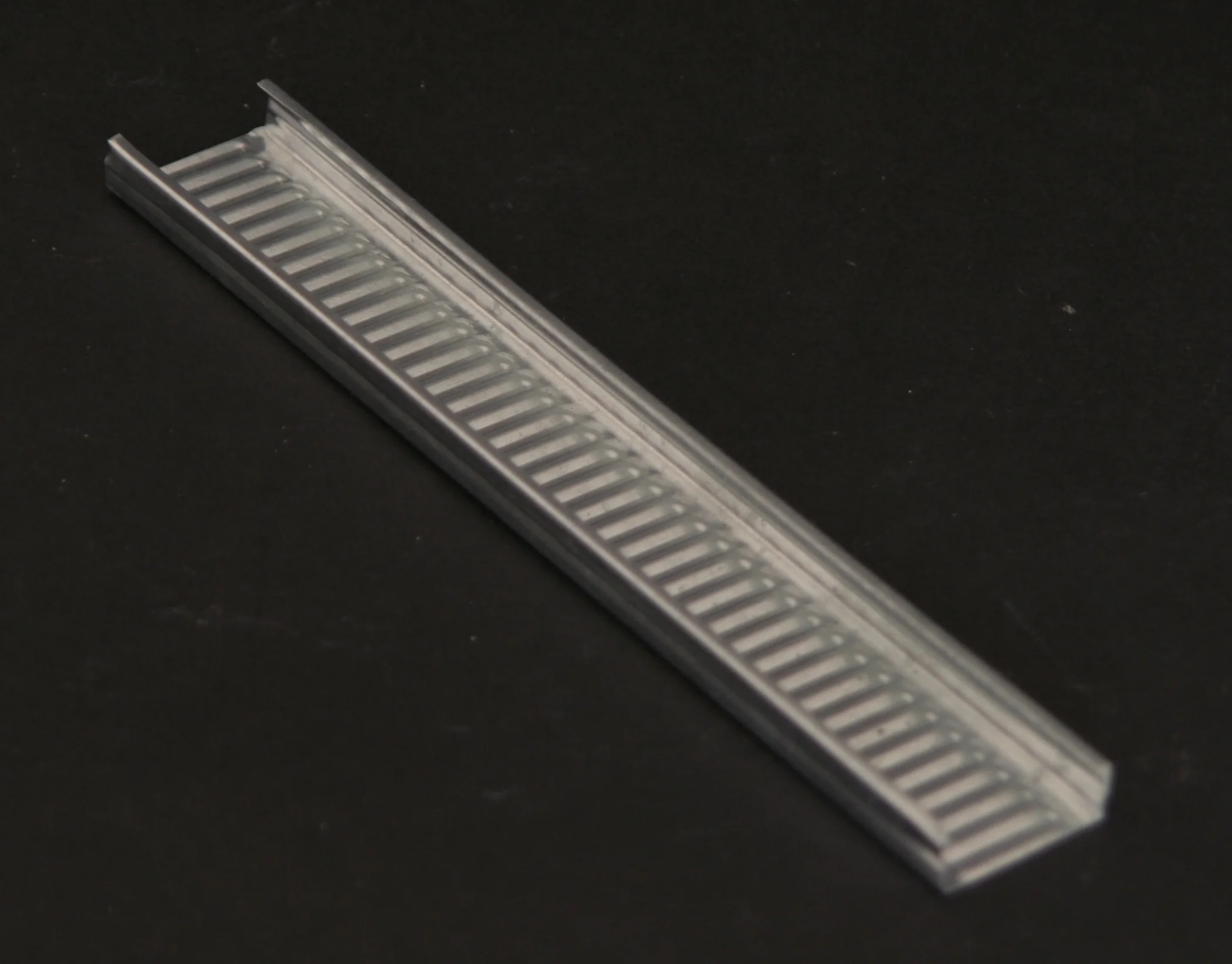
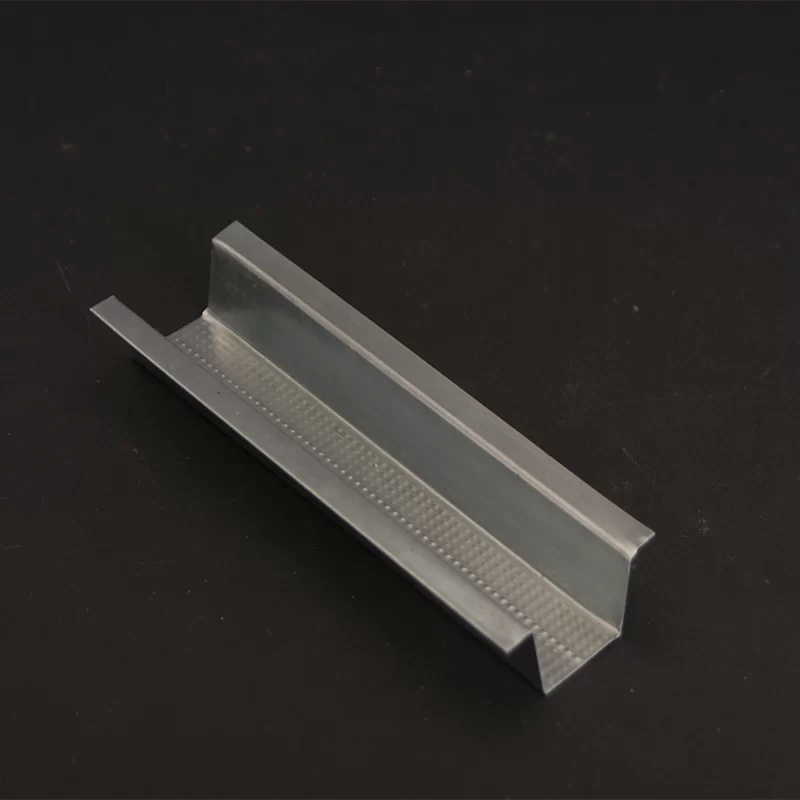
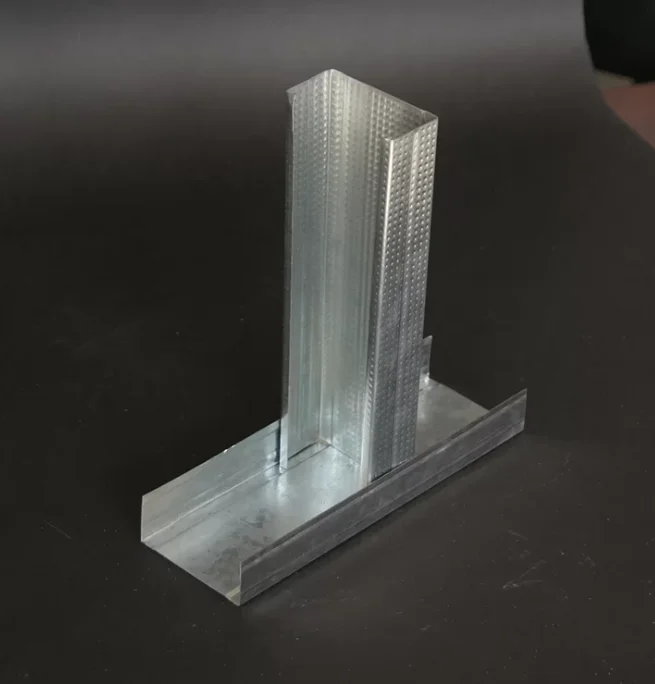
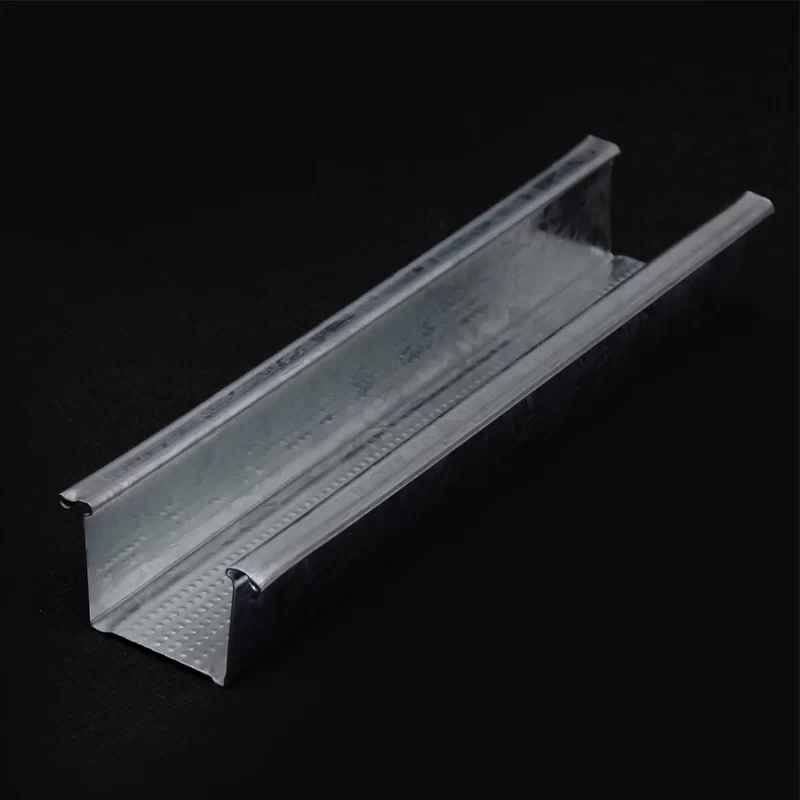
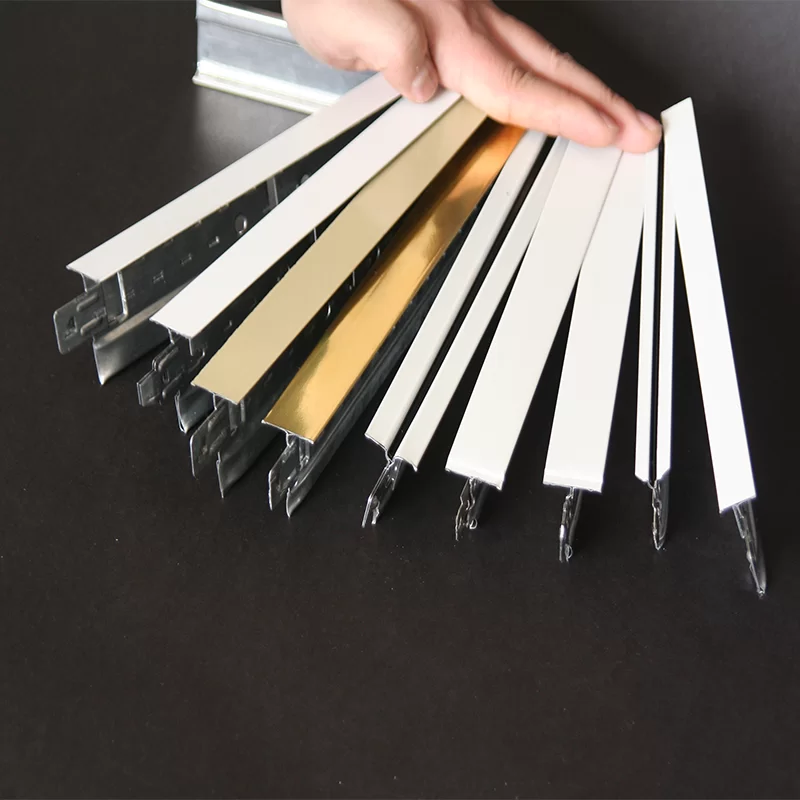
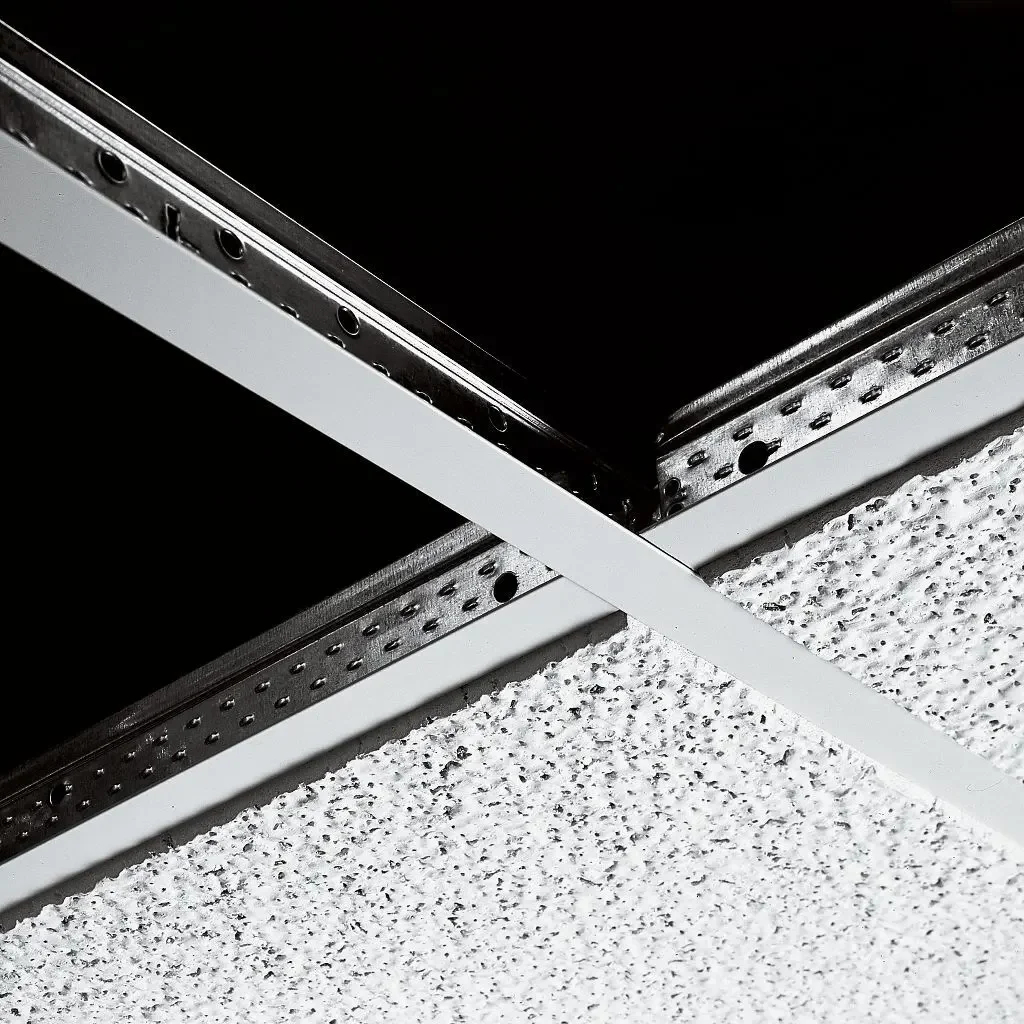
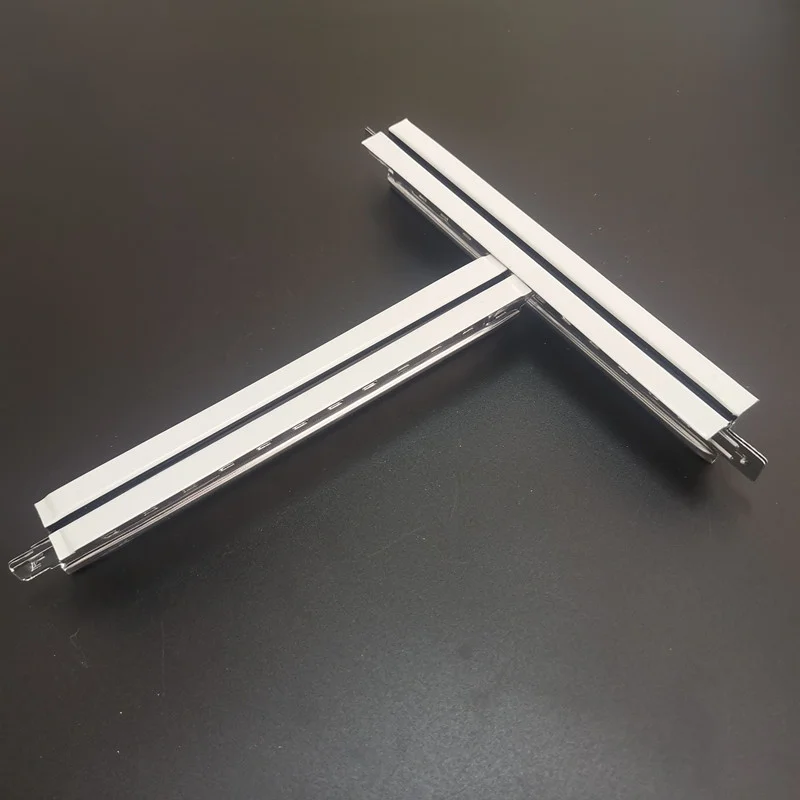
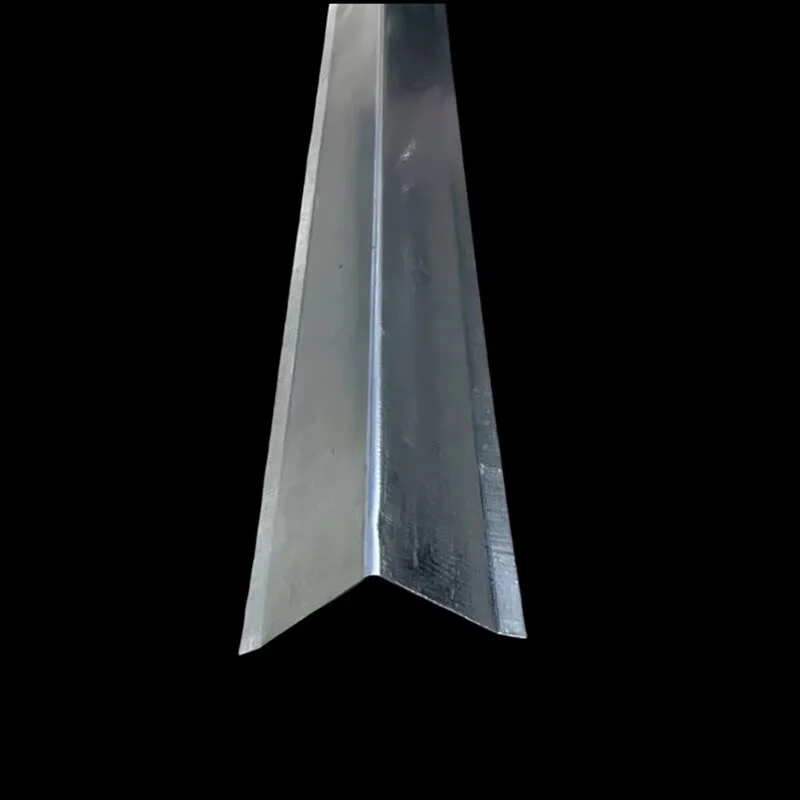
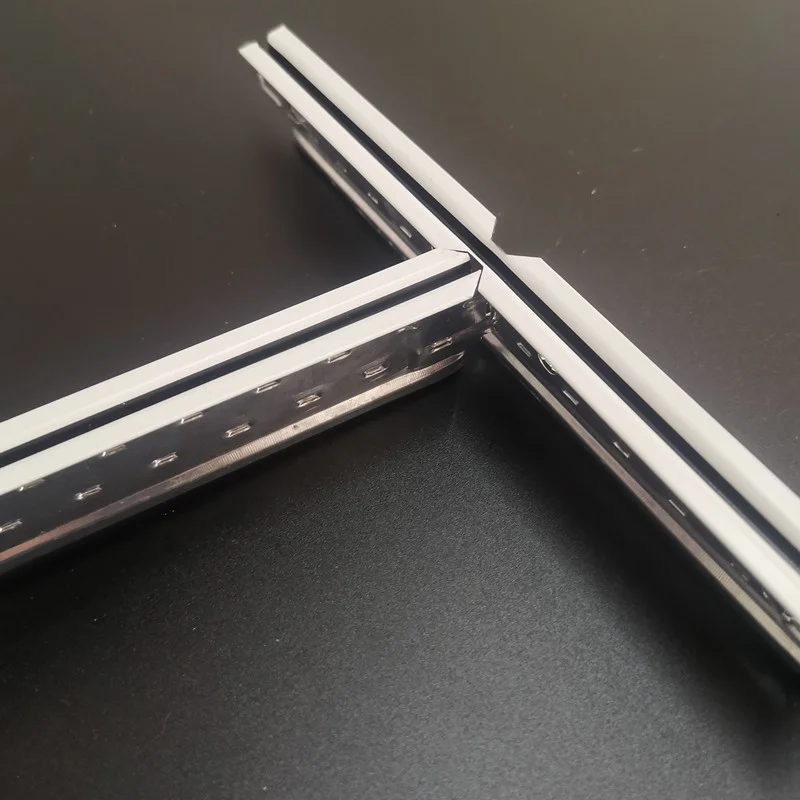
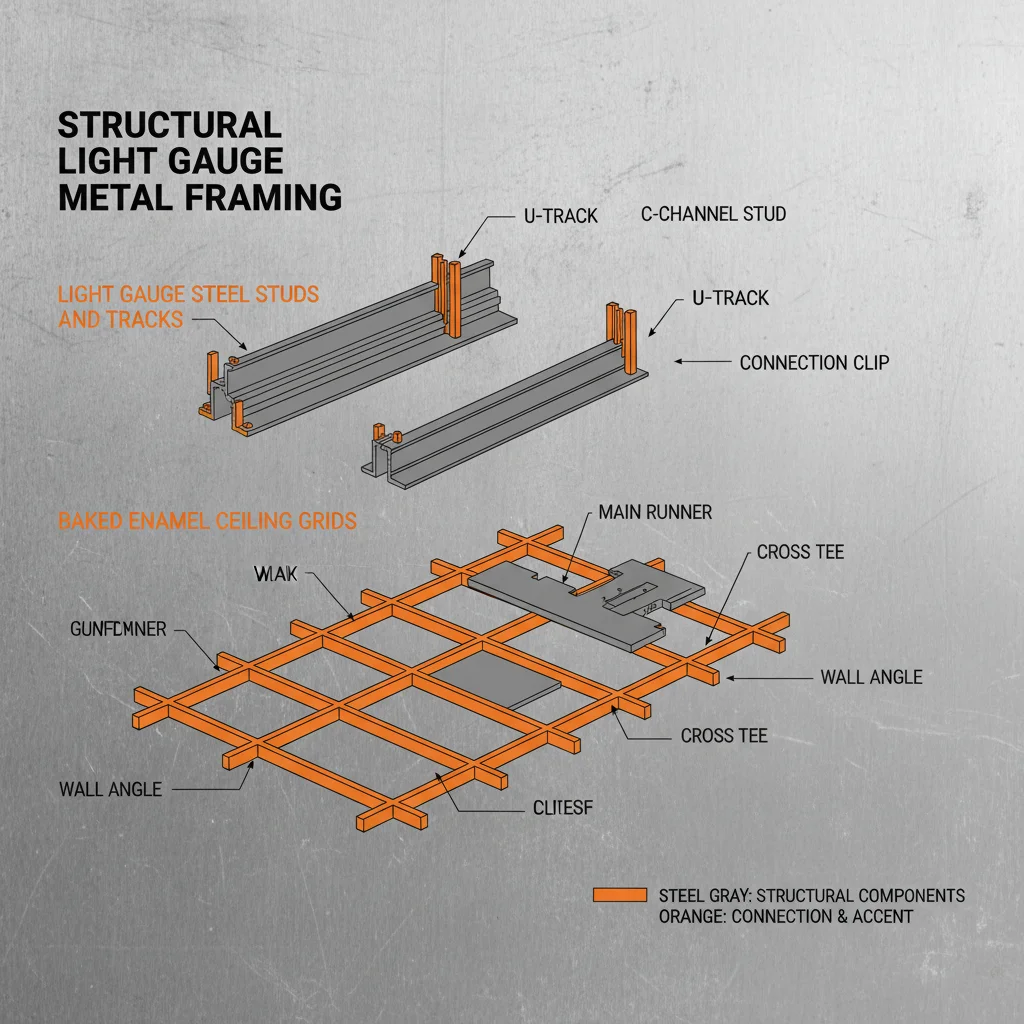
Put simply, drywall track is a metal framing component—usually a steel or aluminum channel—that forms the foundation to which drywall sheets attach. These tracks are part of a larger dry wall framing system that includes studs, runners, and fasteners. Think of drywall tracks as the skeletal rail that guides and supports vertical stud placement. Without them, walls would be more prone to flexing, cracking, or simply collapsing under load.
In modern construction, drywall track components facilitate the creation of partition walls, suspended ceilings, and even curved architectural features. They are favored for their lightweight nature, resistance to fire and moisture (especially when galvanized), and compatibility with various finishing materials.
Core Components and Key Qualities of Drywall Track Systems
Durability
The best drywall tracks are made of galvanized steel or aluminum, chosen for their corrosion resistance and strength-to-weight ratio. This durability is vital, especially in humid climates or industrial environments where rust or wear can ruin structural integrity.
Precision Design
Drywall tracks must align perfectly with studs and finishing panels. Tolerances are tight—slight deviations can cause uneven walls or difficulty in finishing. Many manufacturers now utilize roll-forming techniques for exact channel dimensions.
Cost Efficiency
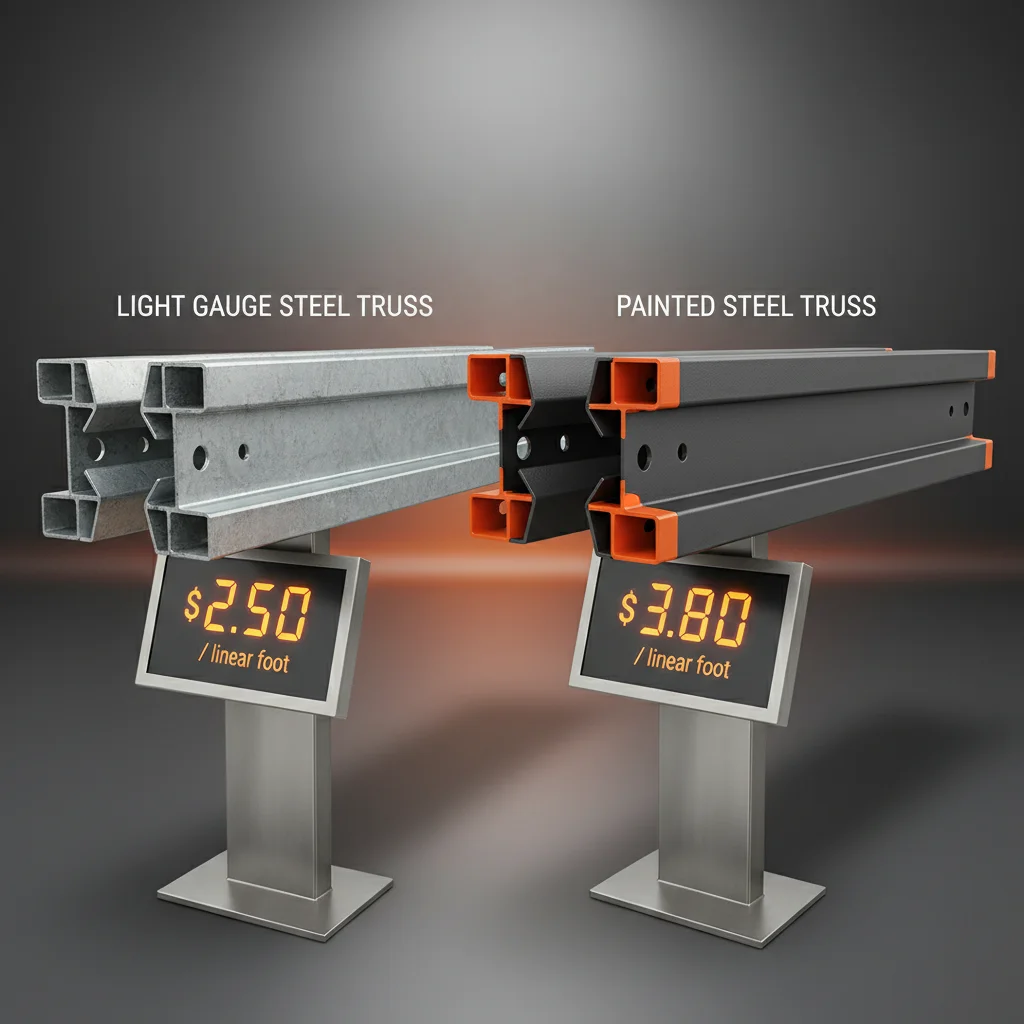
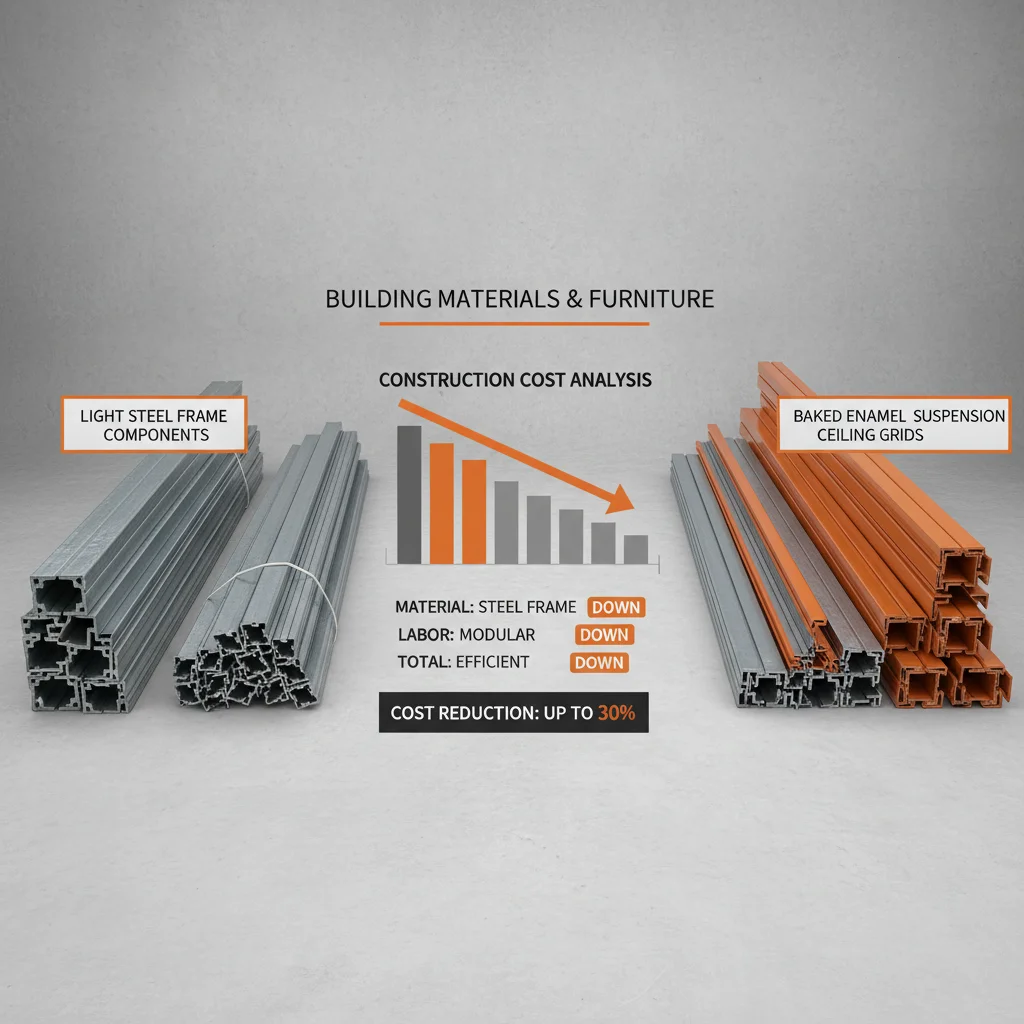
Compared to timber or concrete framing alternatives, drywall tracks are economical both in raw material cost and labor time. Faster installation means contractors save money, which trickles down to more affordable housing and commercial spaces.
Scalability and Flexibility
Since drywall tracks come in various sizes and profiles, they cater to many project scales—from a small office remodel to entire hospital wings. Their modular nature supports quick alterations without complex demolition.
Fire and Moisture Resistance
Many tracks feature zinc coatings or special alloys to mitigate corrosion and provide passive fire protection—key for safety compliance and longevity of structures.
A Snapshot: Typical Drywall Track Specifications
| Specification |
Details |
| Material |
Galvanized steel (18-24 gauge) |
| Standard Lengths |
10 feet, 12 feet, 20 feet |
| Width |
Typically 1-1/2” or 2” wide |
| Coating |
Zinc or epoxy for corrosion resistance |
| Fire Rating |
Up to 2 hours when combined with drywall |
Mini takeaway: Drywall tracks are a simple yet vital building block, designed for durability, precision, and adaptability—making them ideal for a variety of construction projects globally.
Comparing Leading Drywall Track Vendors
| Vendor |
Material Quality |
Customization Options |
Price Range |
Lead Time |
| TrackPro Inc. |
Premium galvanized steel |
Varied thickness and lengths |
$$$ |
2 weeks |
| Steelo Solutions |
Standard galvanized steel |
Limited sizes, standard options |
$ |
1 week |
| ModulFirm |
Aluminum composites |
Custom profiles, eco coatings |
$$ |
3 weeks |
Where Are Drywall Tracks Making a Difference Around the World?
The beauty of drywall track systems is their versatility. From sprawling urban developments in Asia to temporary clinics in Africa, these framing components make it possible to deliver resilient, safe spaces fast.
- Disaster Relief Housing: NGOs utilize modular drywall track-based walls for shelters that can be quickly assembled, disassembled, and transported, crucial after earthquakes or floods.
- Healthcare Facilities: In remote or rapidly evolving areas, drywall tracks enable quick expansion of hospital rooms and isolation wards.
- Commercial Interiors: Remodeling and office space customization benefit immensely from drywall track’s ease and speed.
- Education Infrastructure: Schools in developing countries often rely on lightweight, durable drywall track framing to create classrooms that meet climate and safety standards.
Drywall track solutions play a role far beyond typical construction sites — they are strategies in global resilience, shaping how communities rebuild and flourish.
The Tangible and Long-Term Benefits of Drywall Track Systems
It’s not just about metal strips. Drywall tracks contribute to:
- Cost Savings: Quicker installation means less labor and lower overall project expenses.
- Improved Safety: Fire ratings and stable framing reduce hazards.
- Environmental Impact: Steel is highly recyclable, making these components greener than traditional timber framing in many cases.
- Social Value: By enabling rapid construction, drywall tracks support safe housing, school buildings, and clinics—improving quality of life and dignity worldwide.
Looking Ahead: Innovations and Trends in Drywall Track Technology
Technology never rests and neither do drywall manufacturers. Increasingly, you'll see:
- Smart Materials: Integration of coatings that repel mold and bacteria for healthcare environments.
- Digital Fabrication: Automated roll forming guided by laser accuracy to minimize waste and speed production.
- Sustainable Alloys: Development of lightweight, high-strength alloys to reduce environmental footprints.
- Modular Integration: Components designed for seamless integration with drywall track complemented by digital building models for faster project delivery.
Challenges in Drywall Track Applications and How Industry Experts Are Solving Them
Although drywall tracks are fantastic, challenges abound:
- Corrosion in Harsh Environments: Coastal or humid conditions accelerate rusting. New epoxies and composite coatings are now extending product lifespan.
- Skilled Labor Shortages: Modular kits with prefabricated tracks ease installation demands.
- Precision Issues: Digitally controlled manufacturing limits the human error found in older styles.
Many engineers I spoke with agree that collaboration across supply chains, investing in R&D, and training programs are vital to unlock drywall track’s full potential.
FAQ: Common Questions About Drywall Track
- What are drywall tracks used for in commercial construction?
- Drywall tracks create the base framework for partition walls and ceilings, enabling quick installation and easy customization—ideal for offices and retail spaces where layouts change frequently.
- Can drywall track systems withstand high humidity?
- Yes, especially those with galvanized or coated steel. However, in extremely humid or coastal regions, specialized coatings are recommended to prevent corrosion and maintain durability.
- How does drywall track contribute to faster building timelines?
- Because tracks are prefabricated and standardized, installers can quickly snap in studs and panels without measuring or cutting lengths from scratch. This reduces onsite labor time significantly.
- Is drywall track environmentally friendly?
- Generally yes. Steel is recyclable and reusable. Also, some manufacturers use recycled materials in production and focus on reducing waste during roll forming processes.
- Can I customize drywall track dimensions?
- Many vendors offer custom sizes and profiles to fit specific project needs, including wider tracks for soundproofing or specialty coatings for fire resistance.
In Closing: Why Drywall Track Will Keep Building Our Future
In the swirling complexity of construction, it’s the simple things like drywall tracks that often deliver the most practical value. You gain speed, strength, and flexibility—qualities essential for today's rapidly evolving building demands. Whether it’s a high-rise or a temporary refugee shelter, drywall tracks quietly make it possible. For those curious to explore solutions, I encourage visiting https://www.jinkaibm.com for the latest in drywall track technology and products. After all, better walls start with better tracks.
Mini takeaway: The drywall track may not be headline news, but it’s an unsung hero that keeps construction moving forward—globally and sustainably.
References
- UN - World Urbanization Prospects
- Wikipedia - Drywall
- ISO Standards on Steel for Building