Understanding Furring Studs for Drywall: A Key to Modern Construction
If you’ve ever wondered what lies behind the smooth, flat walls of an office or your home, you’re in for a bit of a behind-the-scenes look. Furring studs for drywall may not be the star of the show, but they’re the unsung heroes that make sure drywall installations are sound, level, and long-lasting. As global construction trends evolve—especially across disaster-affected or rapidly urbanizing regions—knowing about these components is more than just technical trivia. It’s about building shelters that last, building trust in construction, and frankly, building safely and cost-effectively around the world.
Understanding furring studs is increasingly critical as sustainable and speedy construction becomes a worldwide priority. They affect everything from energy efficiency to the long-term durability of walls, and even the comfort you feel in a room.
Setting the Scene: Global Context for Furring Studs in Drywall Installation
As of 2023, the construction industry is one of the planet’s largest contributors to resource consumption and carbon emissions (World Bank, 2022). With billions of people still lacking adequate housing, organizations such as the UN Human Settlements Programme emphasize quick, cost-effective, and sustainable building solutions. Furring studs for drywall play a subtle but crucial role here. Because these components create the framework on which drywall is mounted — often in new housing, commercial builds, or temporary shelters — they support the push toward efficient, scalable building practices worldwide.
Technically speaking: uneven or inadequate frameworks lead to cracks, poor insulation, and reduced durability. That means money lost, and lives potentially put at risk. So, furring studs aren’t just technical items — they address a real-world challenge impacting millions globally: building smarter and stronger walls that withstand time, weather, and human wear.
What Exactly Are Furring Studs for Drywall?
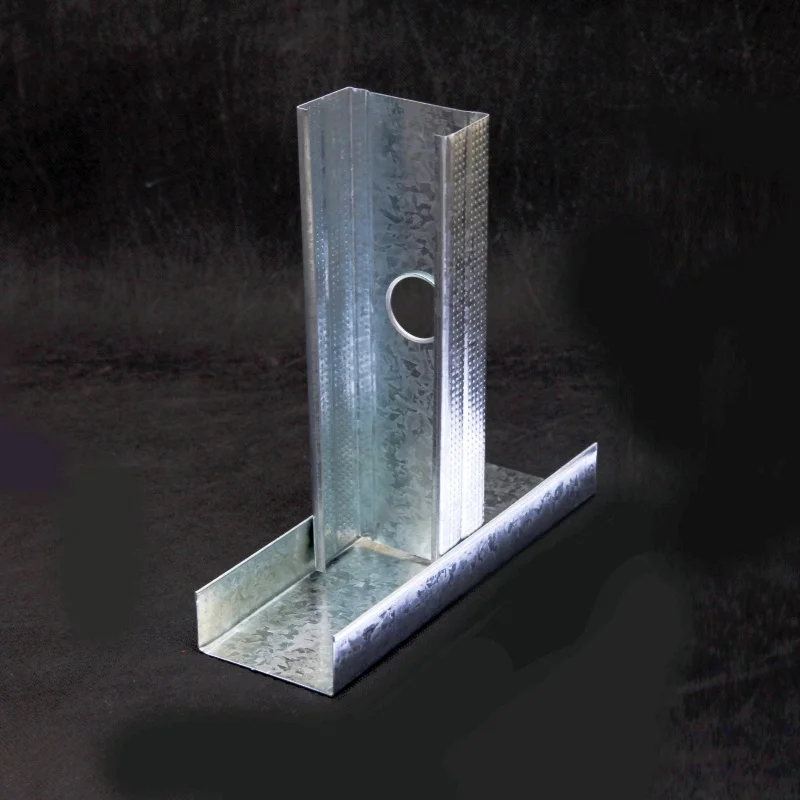
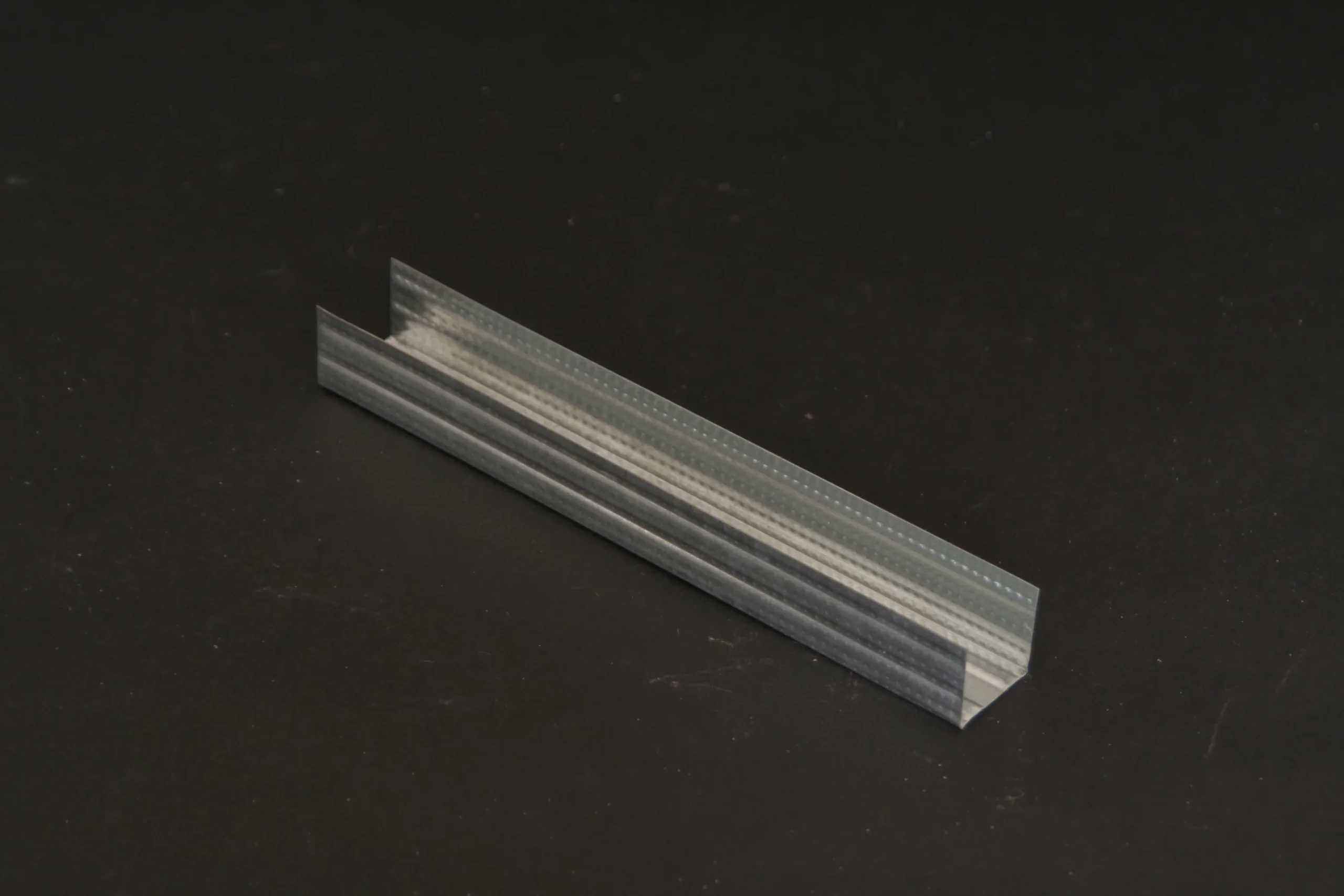
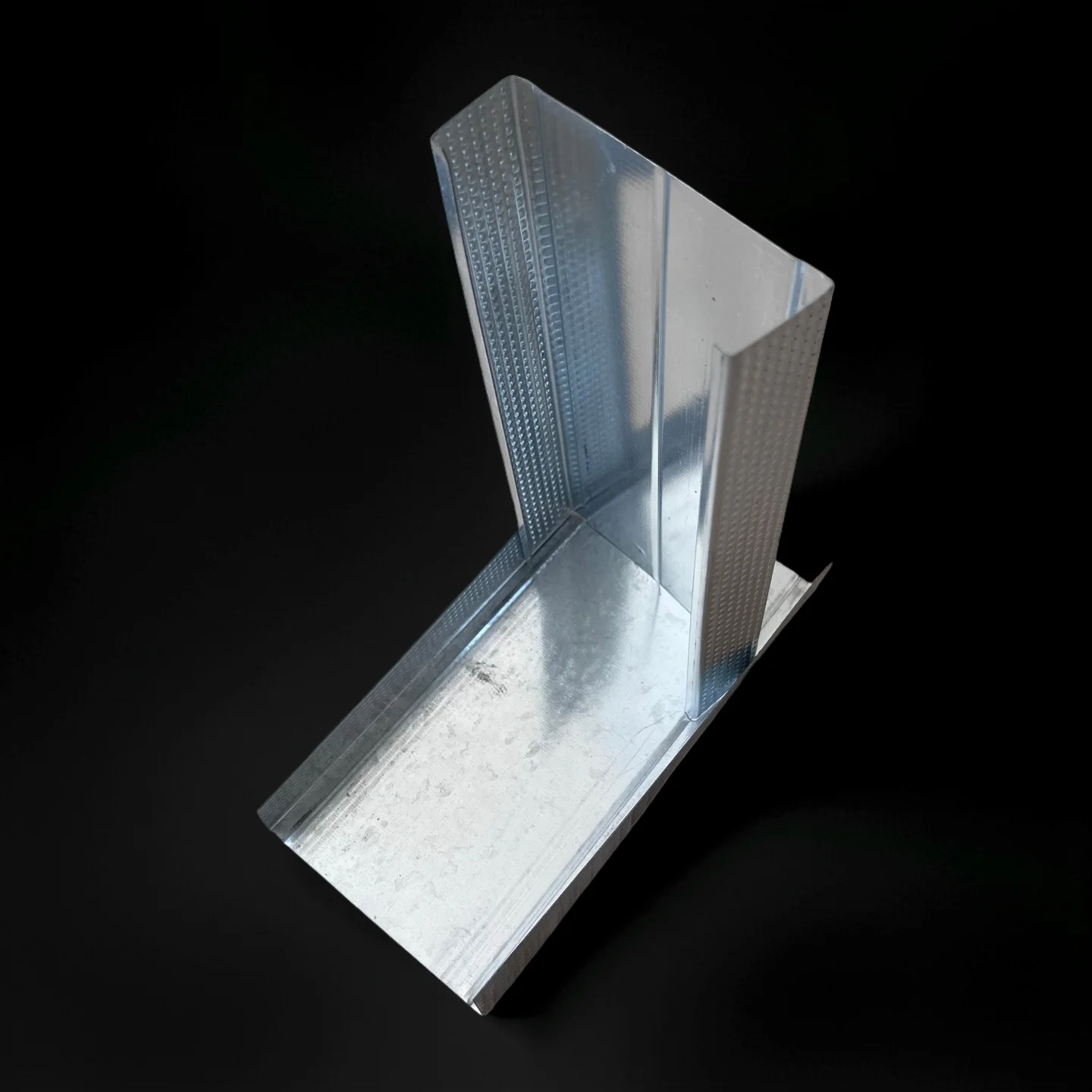
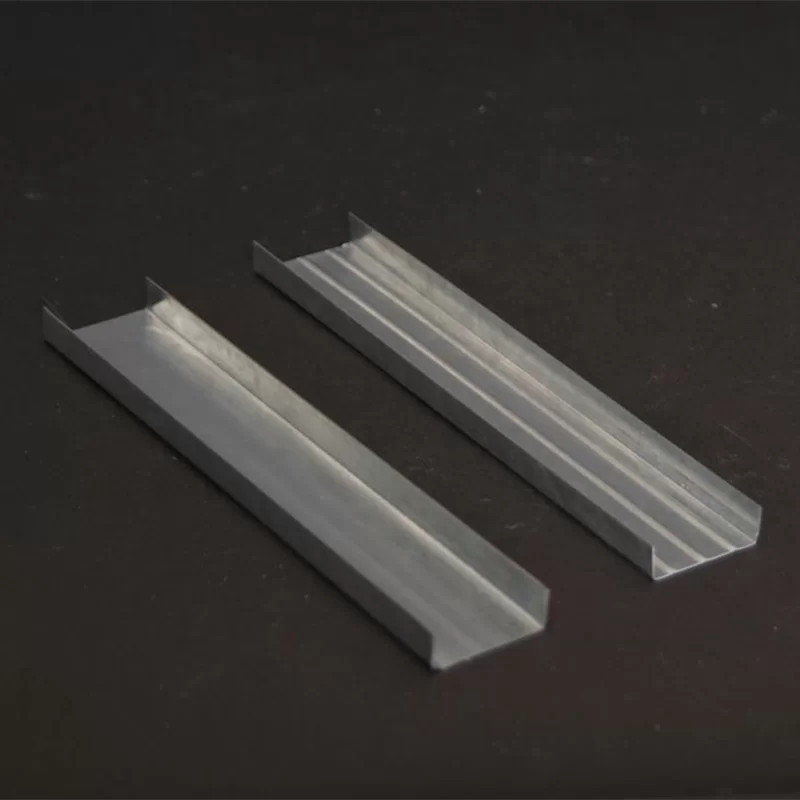
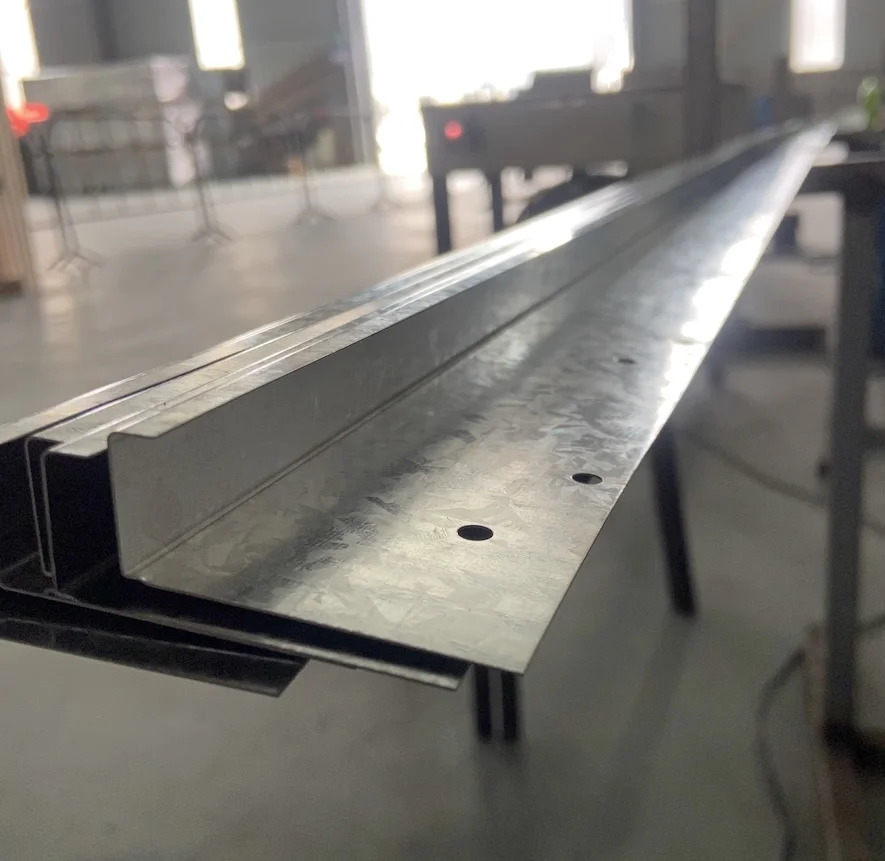
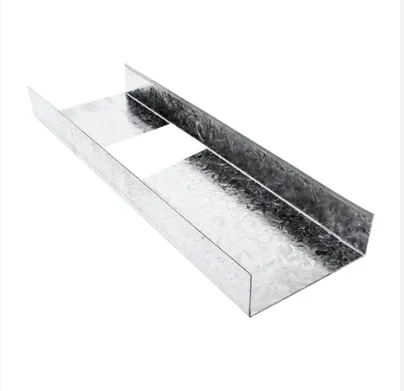
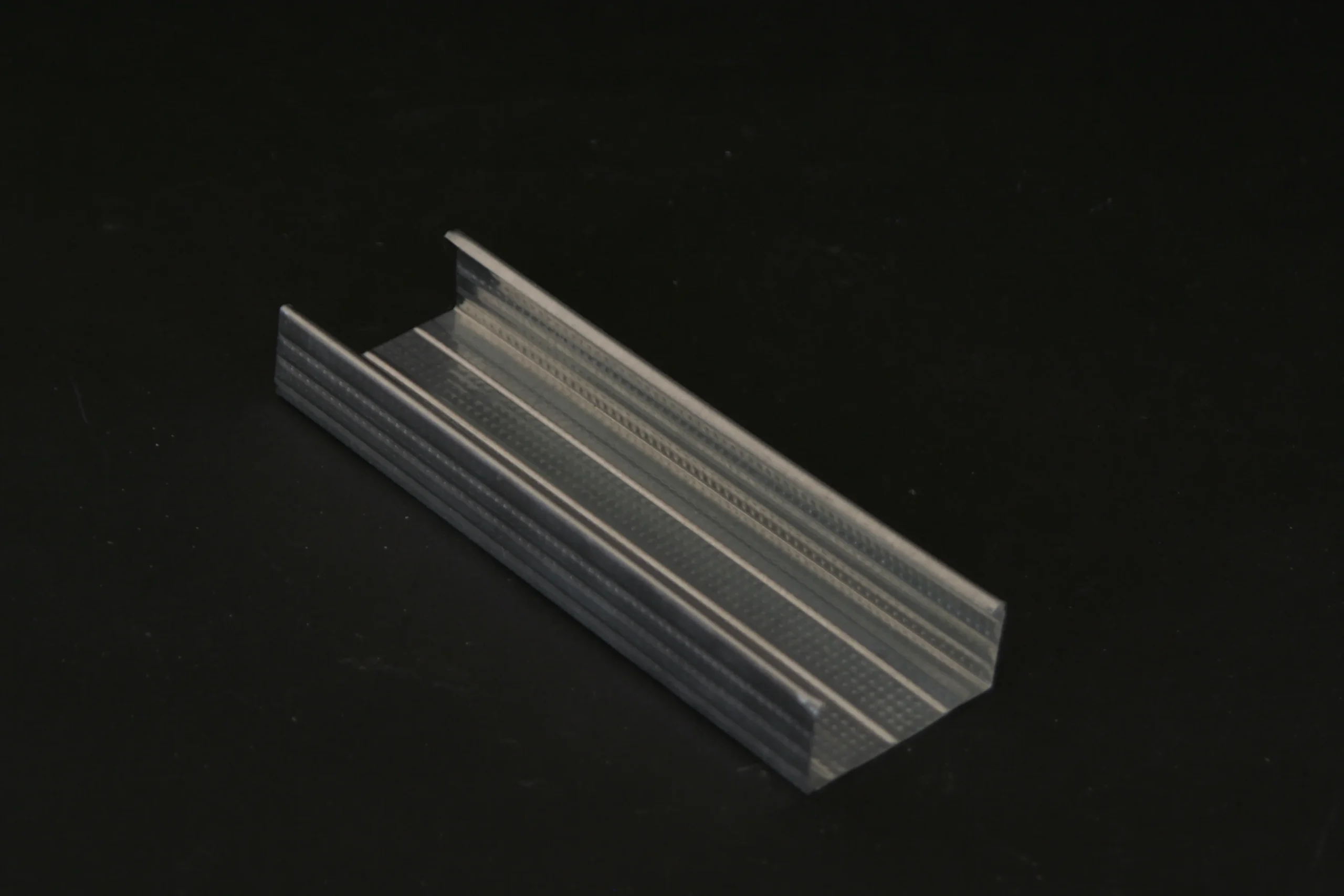
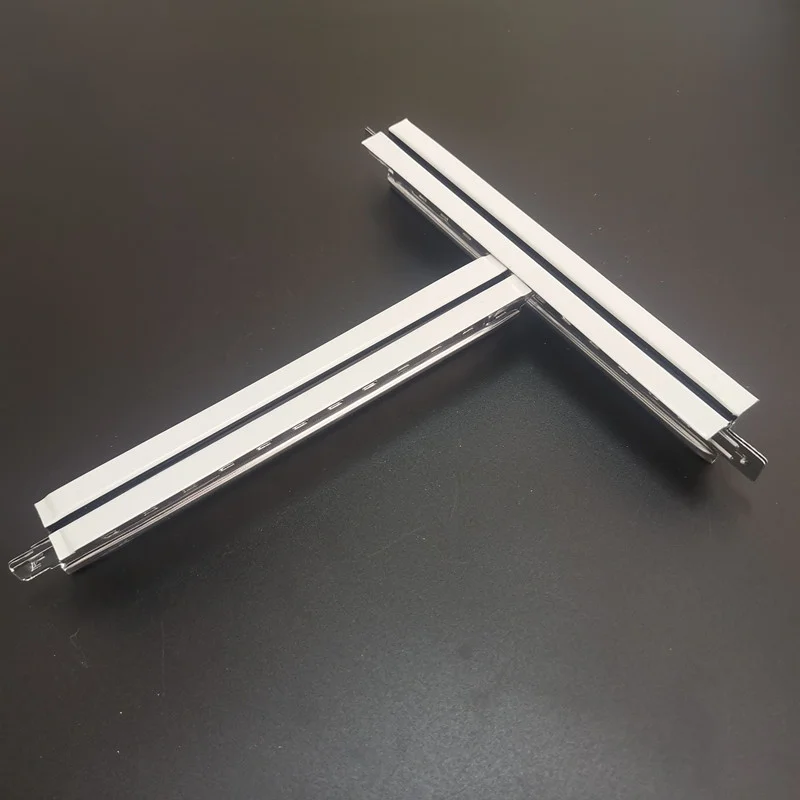
In plain terms, furring studs for drywall are vertical or horizontal metal or wooden strips installed before drywall attachment. They create a level and stable surface for drywall panels, ensuring a smooth, uniform finish. This simple concept has a rippling impact — the studs regulate the wall’s alignment, separation from moisture sources, and enable hiding wiring or plumbing without compromising structural integrity.
Beyond residential construction, these studs also connect to a wide array of applications. From commercial offices to emergency shelters and modular housing, furring studs help provide safe, insulated spaces where people work and live. In fact, many humanitarian projects rely heavily on modular drywall solutions supported by these studs to accelerate rebuilding in disaster zones.
Key Properties of Furring Studs and Why They Matter
Durability and Corrosion Resistance
Most modern furring studs are galvanized steel, prized for resisting rust and degradation, especially in humid or coastal environments. This is essential because a rusty framework can jeopardize the entire wall structure over time.
Adjustability and Scalability
Studs come in various sizes and thicknesses, allowing for quick customization on site. Need extra space for insulation or wiring? Adjustable furring systems have you covered. This scalability makes them perfect for both complex commercial projects and quick-build homes in remote locations.
Cost Efficiency without Sacrificing Quality
Compared to traditional timber frameworks, metal furring studs provide a more stable and long-lasting base, with less warping and shrinkage. This translates to fewer callbacks and maintenance costs—important when budgets are tight, like in social housing or NGO projects.
Thermal and Acoustic Performance
By enabling a cavity between drywall and the main wall, furring studs improve insulation effectiveness and soundproofing. This is a hidden yet vital factor for occupant comfort, especially in noise-sensitive environments like hospitals and schools.
Ease of Installation
The simplicity of fitting furring studs speeds up the drywalling process significantly, which can shave off days or weeks in project timelines. Fast installation is a priority in emergency rebuilds or fast-paced urban developments.
Where Are Furring Studs Making the Biggest Impact?
Oddly enough, the most high-profile uses aren’t always glamorous skyscrapers. In post-disaster relief operations across Southeast Asia, furring studs enable rapid assembly of safe, insulated temporary housing that lasts longer than tents or tarps. NGOs also deploy modular drywall systems using these studs in refugee camps, offering better privacy and protection.
In fast-growing urban areas, like parts of Africa and South America, quick-to-install drywall supported by metal studs helps build affordable apartments within tight deadlines. Even in industrial zones of Eastern Europe, furring studs are increasingly favored to retrofit old facilities with new walls that meet modern energy codes.
Product Specification Table: Typical Metal Furring Stud for Drywall
| Specification |
Details |
| Material |
Galvanized Steel (G40/G60) |
| Thickness |
0.5mm – 1.2mm |
| Length |
2.4m – 3.6m standard |
| Width |
30mm – 70mm flange options |
| Coating |
Zinc galvanizing, optional PVC coating |
| Weight |
0.8 – 1.5 kg/meter |
Comparing Leading Vendors of Furring Studs for Drywall
| Vendor |
Material Quality |
Customization Range |
Lead Time |
Sustainability Credentials |
| Jinkai Building Materials |
High-grade galvanized steel |
Wide, incl. custom sizes & coatings |
2-3 weeks |
ISO 14001 certified |
| GlobalBuild Supplies |
Standard galvanized steel |
Limited flange widths |
1-2 weeks |
Carbon neutral shipping options |
| EcoStructures Ltd. |
Recycled steel content |
Moderate |
3-4 weeks |
Full lifecycle assessments |
Why Furring Studs for Drywall Matter Long Term
Many engineers I speak with emphasize how small changes in furring stud quality or installation can radically affect a building’s longevity. Essentially, proper studs mean walls stay flat and firm, reducing maintenance costs sharply down the line. Beyond the logical benefits, there’s a safety and dignity angle; a home or office that stands strong against humidity, temperature swings, and minor impacts ultimately supports wellbeing.
There’s also an emotional trust: tenants who hear that building materials are thoughtfully chosen — including these “little” parts — feel confidence in their shelter’s safety. For NGOs and social housing developers, this trust translates into better community relations and long-term social impact.
Future Outlook: Innovations on the Horizon
As sustainable construction technology evolves, furring studs are also adapting. We’re seeing an interest in aluminum and composite studs for lighter, yet strong, frameworks that improve thermal breaks. Digital tools now assist in precision custom cutting and adjustment to reduce waste on site. Automation in production means consistent quality across batches — something critical when scaling across continents.
Additionally, integration with smart home tech could see studs carrying embedded sensors to track wall conditions, moisture levels, or structural stress over time — a neat leap toward predictive maintenance.
Real Challenges, Real Solutions
Of course, no material or system is perfect. Some problems with furring studs include corrosion in extreme environments, inconsistent sizing from lower-quality vendors, and challenges in retrofitting older buildings. Thankfully, innovations like tougher coatings, improved quality controls, and modular adaptable designs offer solutions.
It’s also crucial that installers receive proper training — because no matter how good the material, poor installation can sabotage everything. In fact, an often overlooked approach is combining field training with clear installation guides and videos, which many forward-thinking suppliers provide.
FAQs on Furring Studs for Drywall
- Q: What are the main benefits of metal furring studs over wood for drywall?
- A: Metal studs offer superior resistance to warping, pests, and fire compared to wood. They maintain dimensional stability, ensuring drywall panels stay flat and cracks don’t develop around joints, which saves on repair costs over time.
- Q: Can furring studs be used in exterior walls for insulation?
- A: Yes, furring studs create a cavity between the drywall and exterior sheathing, which can be filled with insulation material. This setup improves thermal performance and moisture control, essential for energy-efficient building envelopes.
- Q: How quickly can furring studs be installed on large projects?
- A: Experienced crews can install studs across an average residential wall in a day or two. Larger projects utilize prefabricated stud lengths and modular units to speed up the process significantly.
- Q: Are customizable sizes and coatings important for furring studs?
- A: Absolutely. Different projects require varied stud thicknesses and corrosion resistance levels. Custom coatings like PVC can add years of life in aggressive climates, protecting your investment.
Final Thoughts and Next Steps on Furring Studs for Drywall
Furring studs for drywall quietly yet powerfully shape the way buildings withstand time, weather, and use. From saving costs and reducing waste to enhancing comfort and safety, their role in the construction ecosystem is foundational. If you’re looking into reliable, scalable building solutions that blend efficiency with durability, you can’t overlook these elements.
Ready to explore quality options? Visit Jinkai Building Materials today and discover how premium furring studs can elevate your drywall installations.
Mini Takeaway
“The humble furring stud is more than just metal or wood—it’s a critical enabler of efficient, durable, and sustainable walls worldwide.”
References
- World Bank - Urban Development and Construction
- Wikipedia: Furring
- UN Habitat - Sustainable Urban Development