Understanding Framing Basement Walls with Metal Studs: Why It Matters
Framing basement walls with metal studs has become a cornerstone method across construction industries worldwide, and for good reason. At its core, this technique involves using lightweight, galvanized steel framing to erect basement wall structures instead of traditional wood studs. Why should you care? On a global scale, it addresses critical challenges like durability in high-moisture environments, fire resistance, and sustainability—key concerns affecting construction quality and safety.
Whether you’re a commercial builder, a residential contractor, or even working on humanitarian housing projects, understanding the nuances of framing basement walls with metal studs opens doors to efficiency, longevity, and environmental stewardship that’s hard to ignore.
Mini takeaway: Metal stud framing isn’t just a niche option — it’s a globally relevant, increasingly adopted practice improving how we build basements for the long haul.
The Global Context: Why Metal Stud Framing Gains Traction
Globally, urbanization rates by the United Nations show sustained construction growth, with over 55% of the population living in cities as of 2023. To keep pace, construction methods must evolve to meet safety, speed, and sustainability standards. ISO standards also increasingly underscore the need for non-combustible and corrosion-resistant materials in building designs.
Traditional wood framing for basements often succumbs to rot and mold in damp underground conditions, leading to costly repairs and hazards. Conversely, metal stud framing addresses these issues head-on. From Europe to Asia and North America, builders are shifting toward metal solutions to meet increasingly strict building codes and reduce the carbon footprint of their projects.
Consider the challenge: underground spaces are inherently moist and prone to damage. Metal framing responds by offering resistance to decay and better structural integrity.
Mini takeaway: Increased demand for durable, eco-conscious building solutions is driving adoption of metal studs for basement framing globally.
What Exactly Is Framing Basement Walls with Metal Studs?
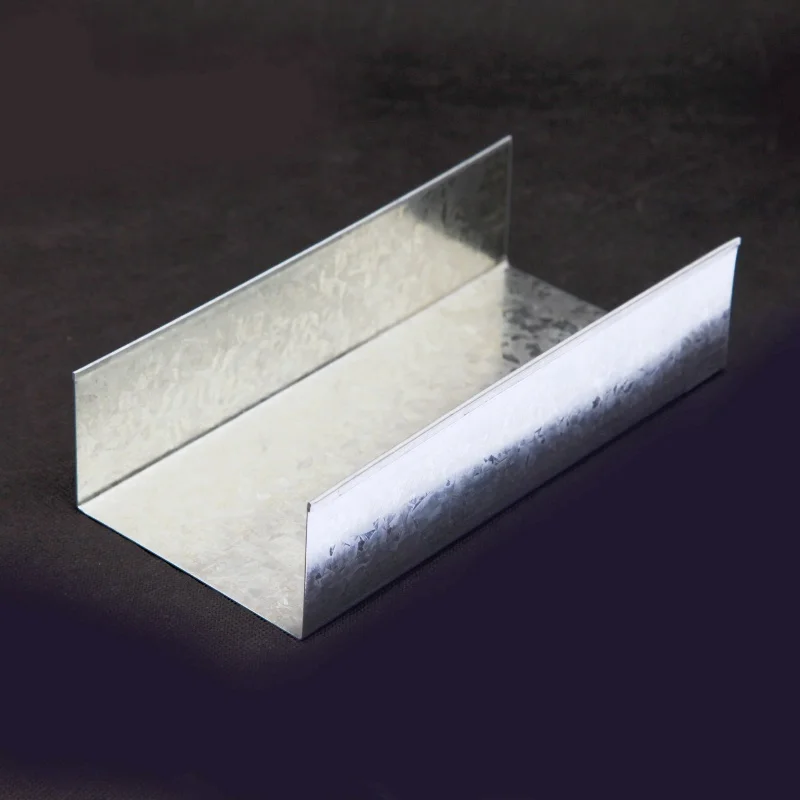
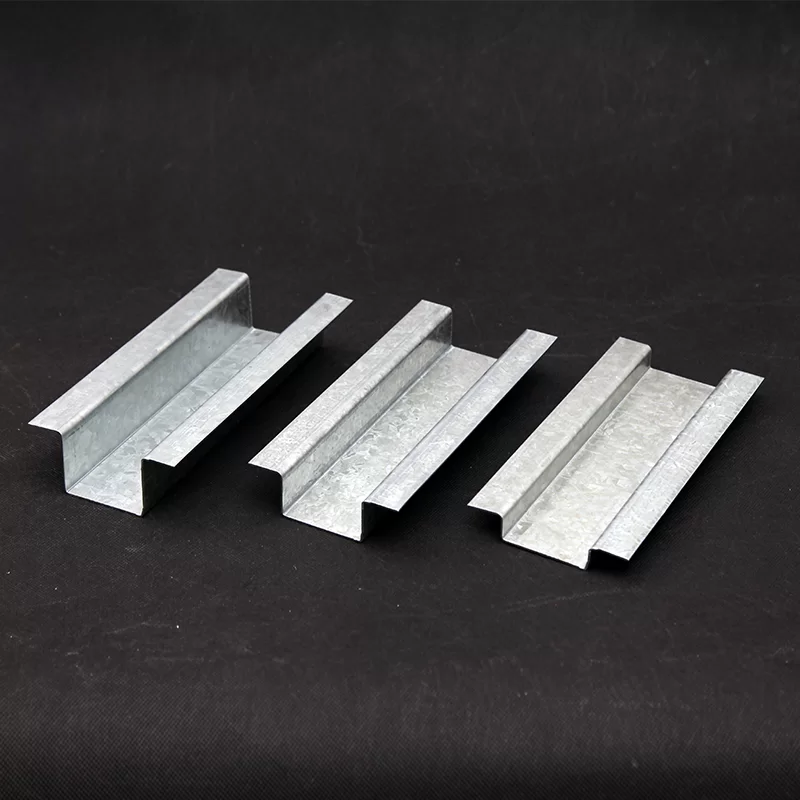
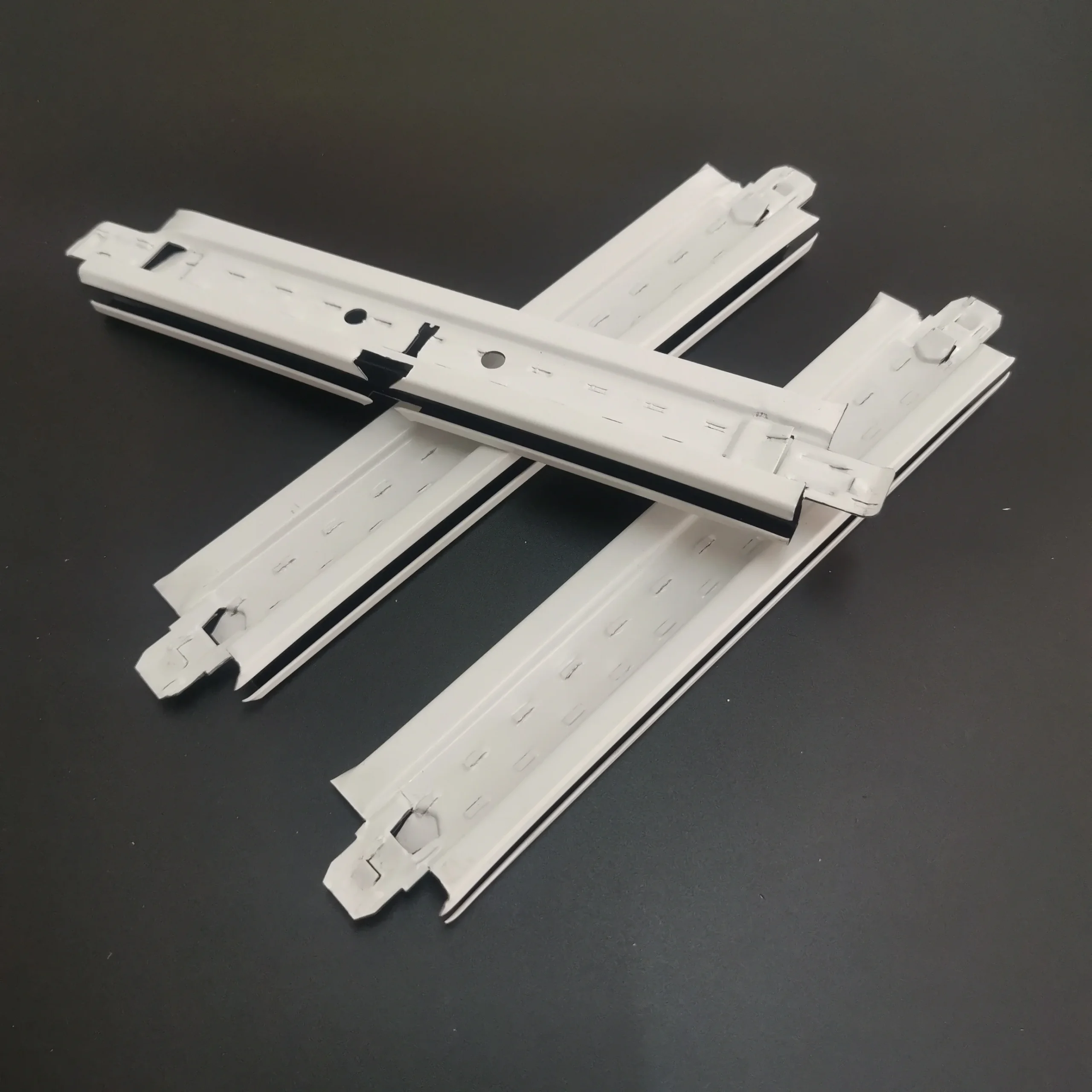
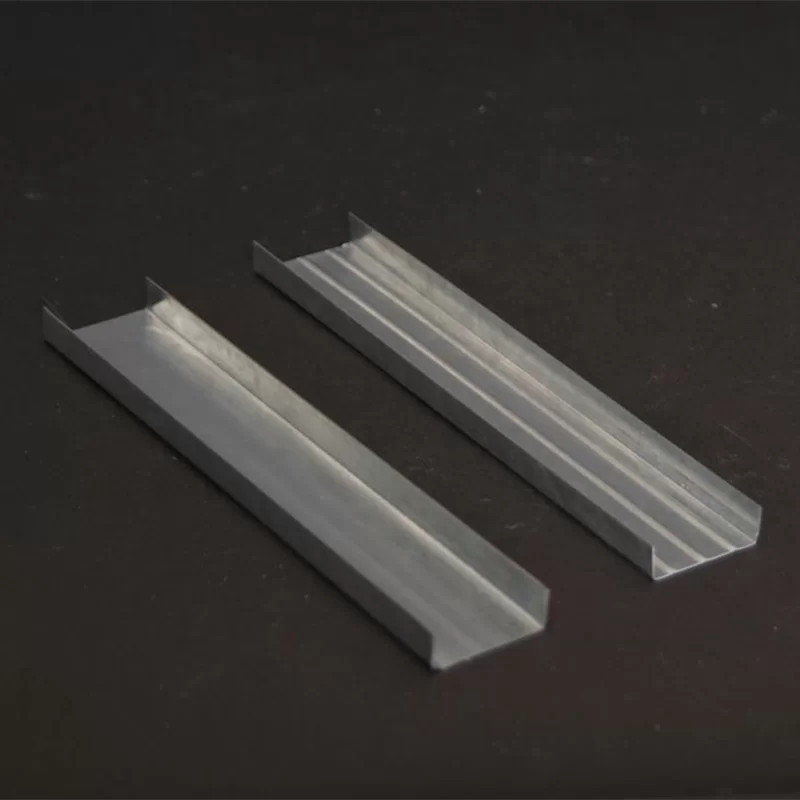
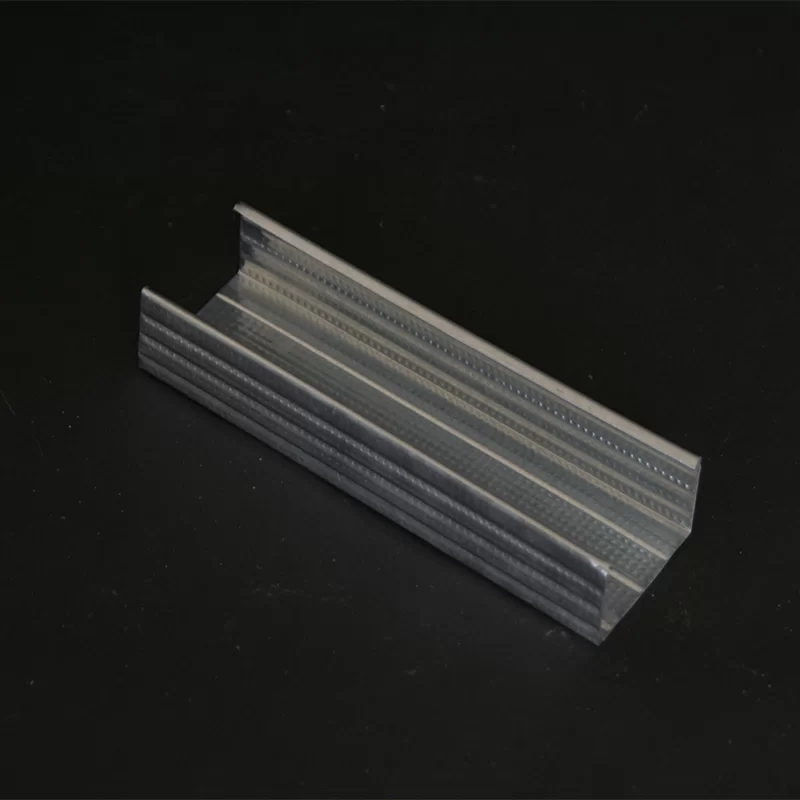
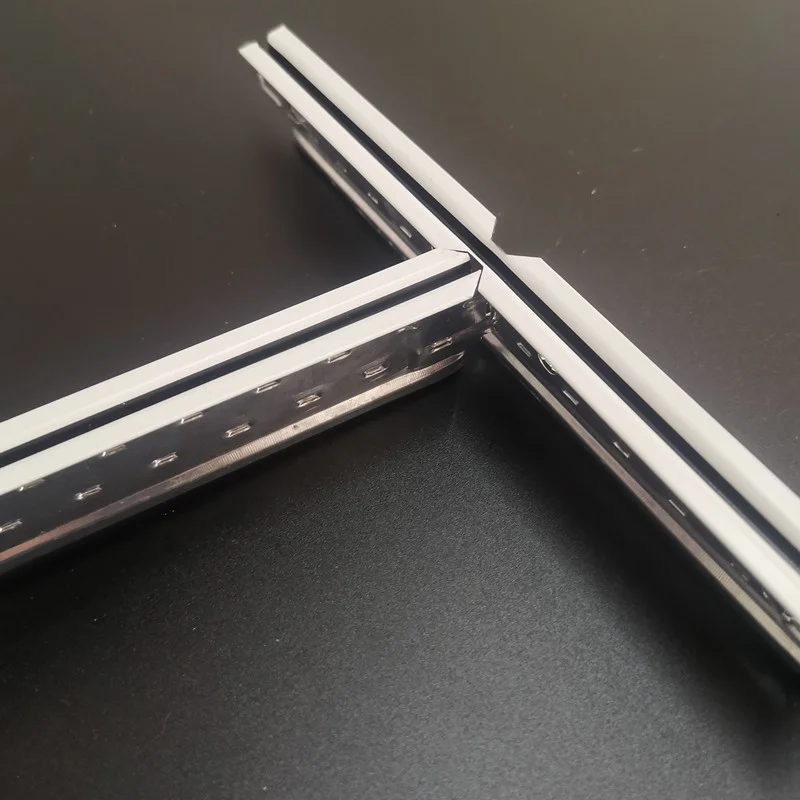
Simply put, framing basement walls with metal studs means constructing walls using lightweight steel components—called studs—rather than wood. These metal studs are thin yet incredibly strong galvanized steel sections typically shaped in C- or U-channels, designed to hold gypsum board, insulation, and finishes just like wood framing.
The key difference lies in performance: metal studs won’t warp, twist, or attract termites. They also handle cramped or confined basement spaces better because of their dimensional consistency. This is a practical answer for modern industry demands for safer, longer-lasting underground construction and plays a role in humanitarian efforts where quality affordable housing is urgently needed.
Key Factors When Framing Basement Walls with Metal Studs
Durability and Resistance to Moisture
Metal studs repel mold and rot. For damp basement environments, they present a huge upgrade from lumber that can absorb water and degrade.
Fire Safety
Because steel doesn’t burn, metal framing adds an important layer of fire resistance, enhancing overall building safety, particularly underground where evacuation routes are limited.
Cost Efficiency
At first glance, metal studs might seem pricier, but lower labor costs (due to lighter weight and ease of cutting), and reduced maintenance over decades, often balance the scale in favor of metal.
Ease of Installation and Scalability
Metal studs’ uniform size means less guesswork on site. They can be pre-cut and assembled quickly, which scales well for bigger projects or modular construction.
Environmental Impact
Galvanized steel studs are recyclable and often contain recycled content, helping builders meet tougher sustainability codes and reduce waste.
Compatibility with Modern Insulation and Vapor Barriers
Metal framing works hand-in-hand with contemporary insulation products and designed vapor retarders, essential for energy efficiency in basements.
Mini takeaway: Durability, safety, cost, and eco-friendliness combine to make metal framing uniquely suited for basement walls.
Taking It Global: Where and Who Uses Metal Stud Basement Framing?
This framing method has wide appeal in varied contexts:
- North America: Common in residential basements and commercial underground structures, favored for its moisture resistance.
- Europe: Building codes increasingly mandate non-combustible materials, nudging metal framing into wider use.
- Asia-Pacific: Rapid urbanization and disaster-resilient housing projects use metal studs to build faster and safer.
- Humanitarian Projects: NGOs delivering disaster relief housing appreciate metal studs for prefab modular designs, because they are lightweight and resilient.
For example, post-hurricane relief efforts in Florida increasingly employ metal stud framing for rapid basement reconstruction, citing faster turnaround and reduced mold problems. Similarly, in cold-climate regions of Canada, metal studs serve as ideal framing for below-grade walls with high insulation demands.
Advantages & Long-Term Value of Metal Stud Basement Walls
Choosing metal stud framing provides:
- Longevity: Less maintenance and repair, which means fewer surprises years down the line.
- Health benefits: Reduced mold risk enhances indoor air quality and occupants’ wellbeing.
- Cost savings: Despite modestly higher upfront costs, lifecycle savings emerge through durability.
- Eco-friendly reputation: Using recyclable metal aligns construction with sustainability goals.
- Safety: Steel’s non-combustibility offers peace of mind without complicated fire retardants.
Emotionally, metal framing also supports a feeling of trust: a basement that won’t cave to moisture issues feels like a fundamentally safer, drier space. That peace of mind adds subtle but powerful value.
Product Specification Table: Metal Studs for Basement Walls
| Specification |
Typical Value |
Notes |
| Material |
Galvanized Steel |
Resists corrosion and mold |
| Typical Dimensions |
1-5/8", 2-1/2", 3-5/8" widths; 10-16 gauge thickness |
Chosen by wall thickness needs |
| Weight |
~1.5 - 3.0 lbs/ft |
Lighter than wood studs of comparable strength |
| Fire Rating |
Non-combustible |
Improves basement fire safety |
| Recyclability |
100% |
Sustainability enhanced |
Comparing Top Vendors of Metal Studs for Basement Framing
| Vendor |
Product Range |
Pricing |
Lead Time |
Sustainability Credentials |
| SteelCraft Inc. |
Wide: 1-5/8" to 6" widths |
Mid-range |
2-3 weeks |
High recycled content |
| BuildRight Metals |
Standard sizes + custom lengths |
Competitive discounts for bulk |
1-2 weeks |
ISO 14001 certified |
| EcoFrames Ltd. |
Focus on sustainable steel |
Higher premium |
3-4 weeks |
100% recyclable, zero landfill production |
Future Trends & Innovations in Metal Stud Framing
Construction technology never sleeps, and neither does innovation in this arena. Expect to see:
- Integration with Building Information Modeling (BIM): More projects will plan precise metal stud layouts digitally, reducing errors.
- Advanced coatings and alloys: New corrosion-resistant finishes that extend lifespan even further, particularly in extreme environments.
- Sustainability metrics: Grow transparency in recycled content and energy usage during manufacturing.
- Automation in fabrication: Automated cutting and assembly lines speeding up production, lowering costs, and allowing custom designs at scale.
Not to mention, green energy policies are spurring demand for better-insulated basement framing — metal studs combined with vacuum insulation panels are beginning to buzz in design circles.
Challenges & How Experts Overcome Them
No solution is perfect. Metal stud framing can pose challenges including thermal bridging—where metal’s conductivity can cause energy loss—and acoustic transmission, meaning sound can travel through walls more easily.
Expert builders counter these with:
- Incorporating thermal breaks and insulation layers strategically.
- Using resilient channels and acoustic barriers to soften sound transmission.
- Educating labor forces unfamiliar with metal framing nuances to prevent installation errors.
Also, sometimes the initial cost feels steeper when compared with cheap lumber, but lifecycle cost analysis usually tips the scales toward metal’s advantage.
FAQ: Common Questions about Framing Basement Walls with Metal Studs
Q1: Are metal studs suitable for all basement wall types?
A: Mostly yes! Metal studs work well for framed basement walls exposed to moisture and provide an excellent substrate for finishes. However, for structural load-bearing walls, additional support methods are required.
Q2: How does metal stud framing improve mold resistance?
A: Unlike wood, steel studs don’t absorb water, so they inhibit mold growth and reduce health risks commonly associated with damp basements.
Q3: Can I insulate basements framed with metal studs as efficiently as wood framing?
A: Absolutely. Metal stud framing pairs well with various insulation materials, but extra attention to thermal bridging must be given to maintain energy efficiency.
Q4: Is the installation process for metal studs more complex?
A: It’s different, not necessarily more complex. Metal studs are lighter and can be easily cut with snips, but specialized fasteners and tools may be needed.
Q5: How long do metal stud framed basements typically last?
A: If properly installed and protected, metal stud basement walls can last 50+ years, often outliving traditional wood-framed basements subjected to moisture damage.
Conclusion & Next Steps
Framing basement walls with metal studs isn’t just a technical choice—it’s a strategic one with far-reaching benefits: improved durability, enhanced safety, better cost management, and a greener footprint. As I’ve seen in many projects, when builders embrace this method, the payoff extends well beyond the basement walls themselves, shaping better overall construction outcomes.
If you want to dig deeper or explore specific solutions to upgrade your basement builds, don’t hesitate. Visit our website and discover cutting-edge products and insights tailored just for you.
References & Further Reading
- United Nations: Climate Change and Urbanization Report
- Wikipedia: Metal Stud
- ISO Standards for Fire Safety in Building Materials