Galvanized Steel Framing Studs: Building the Future of Durable Construction
In the construction world, terminology like galvanized steel framing studs might seem dry or overly technical. But, oddly enough, these unsung heroes of building materials have a global story worth knowing — stretching from sprawling urban skyscrapers to emergency shelters in remote disaster zones. Understanding them not only gives us insight into how modern buildings stand tall, but also highlights vital advancements in sustainability, cost-efficiency, and rapid infrastructure development worldwide.
Global Context: Why Galvanized Steel Framing Studs Matter
The global construction market is booming — expected to grow by over 85% globally from 2020 to 2030 according to the United Nations’ Environment Programme (UNEP). But with increasing urbanization, a growing need for resilient infrastructure is pressing, especially in areas prone to harsh weather or quick reconstruction needs. This is where galvanized steel framing studs come in: they reconcile affordability, durability, and speed in building design.
Rising demand for sustainable materials and faster construction has made galvanized steel framing an essential cornerstone in modern infrastructure strategies worldwide, whether it’s in Asia’s emerging megacities, North America’s commercial districts, or humanitarian housing projects in sub-Saharan Africa.
What Are Galvanized Steel Framing Studs?
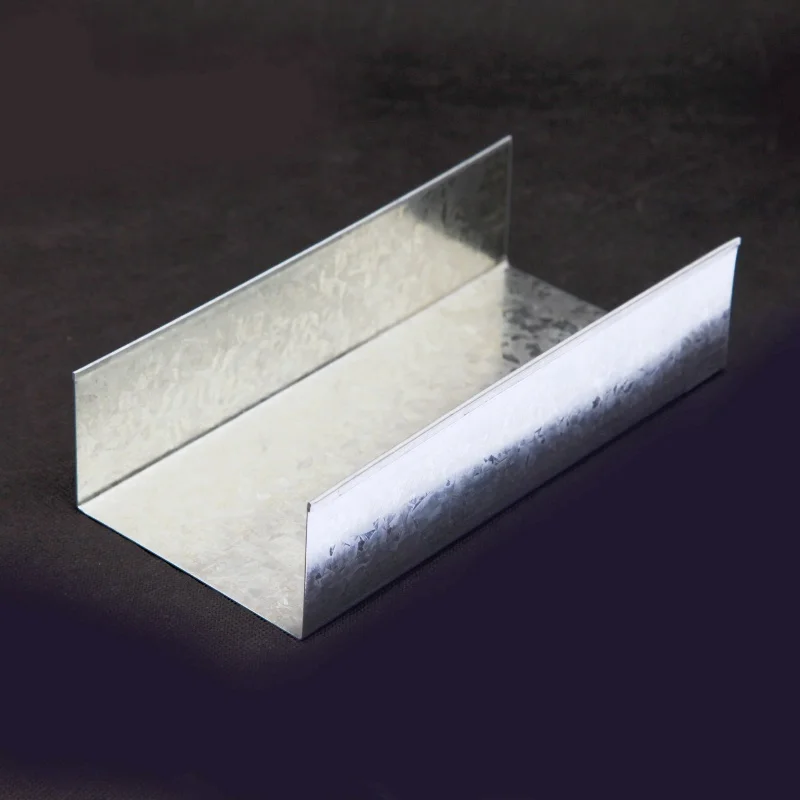
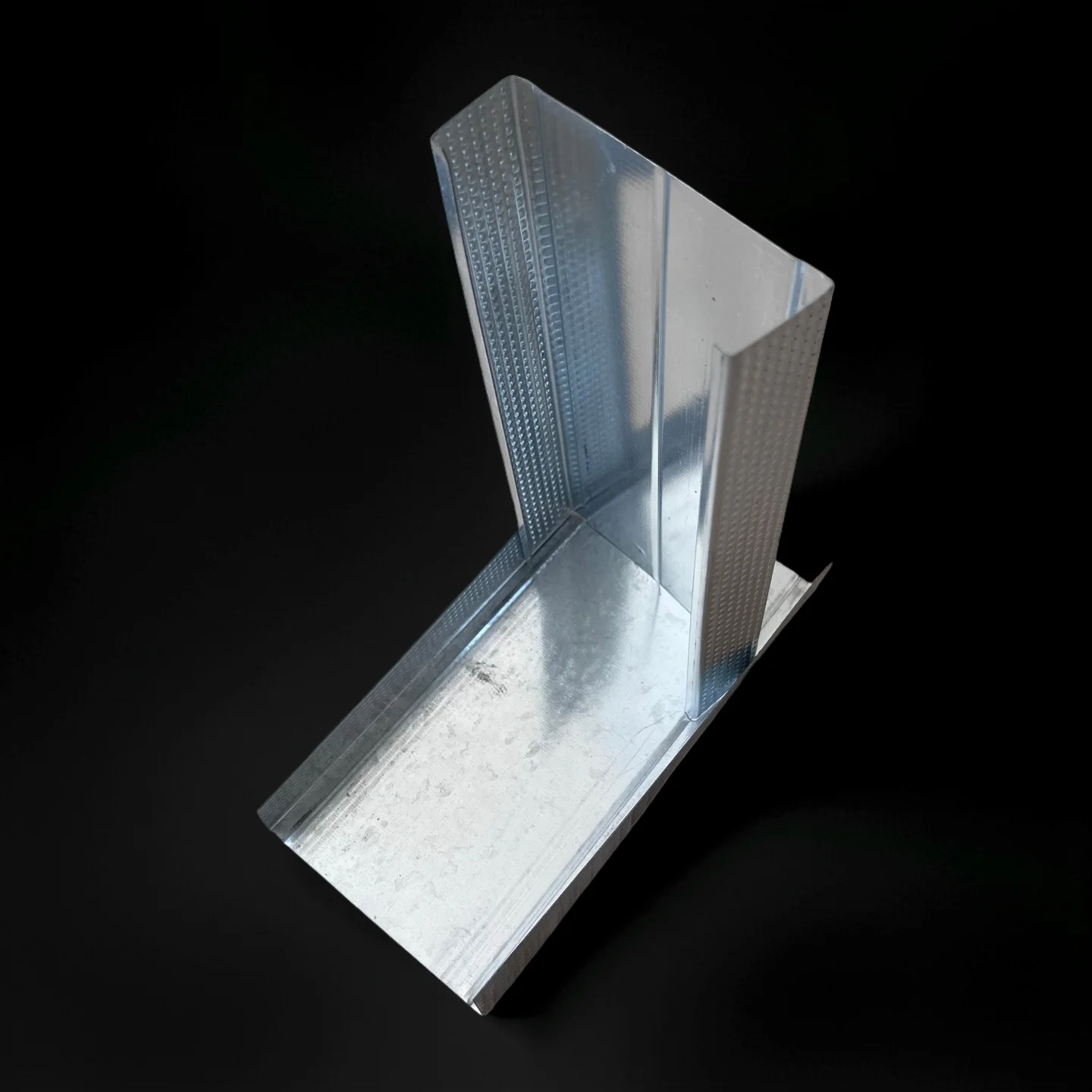
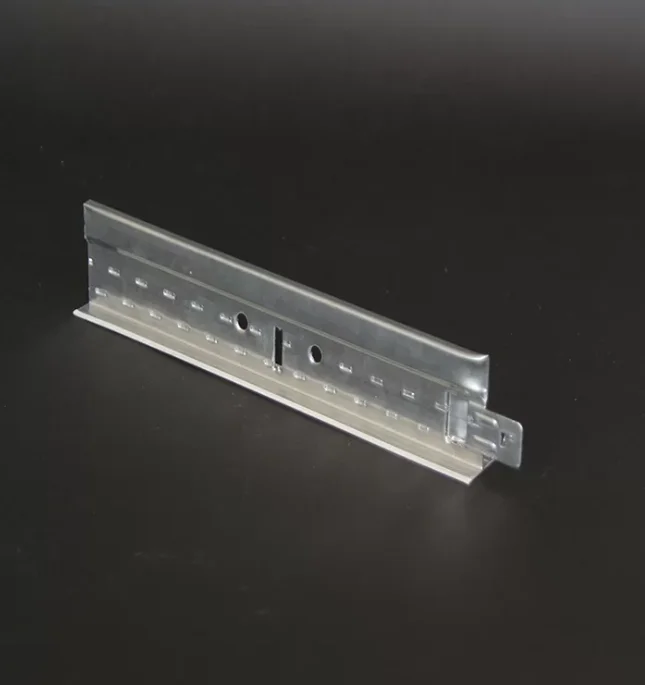
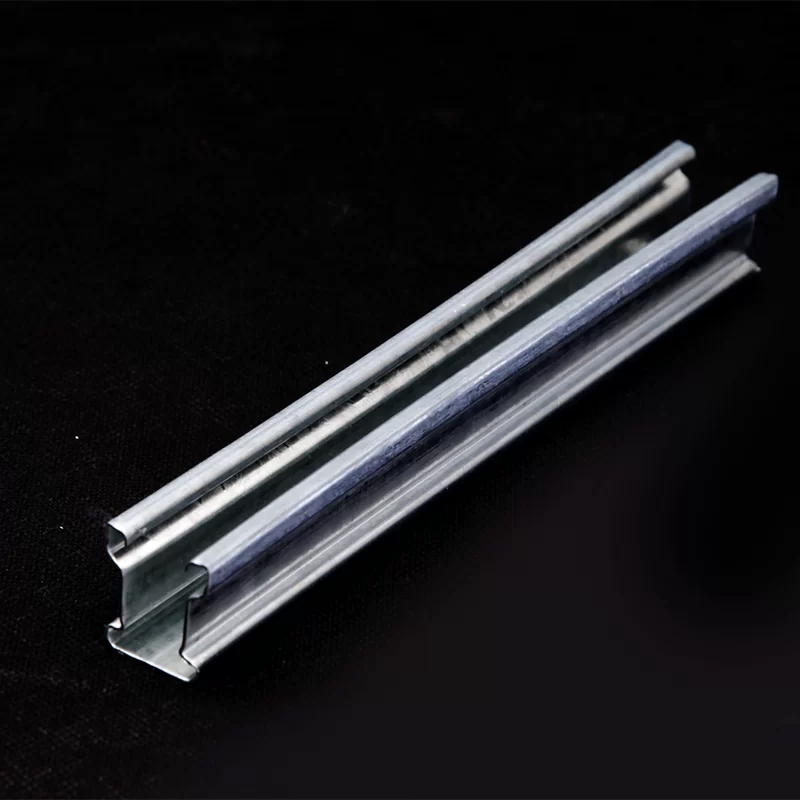
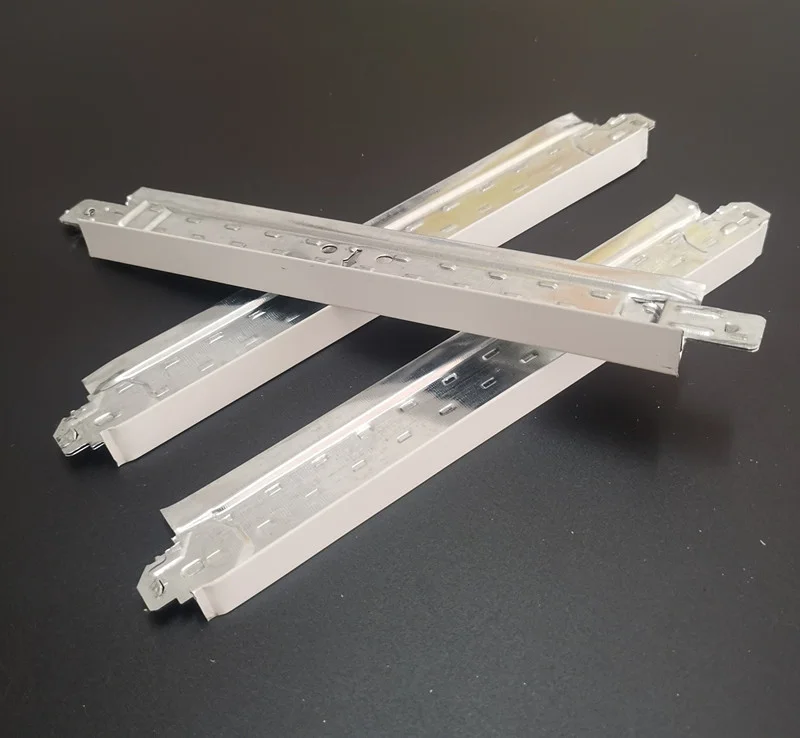
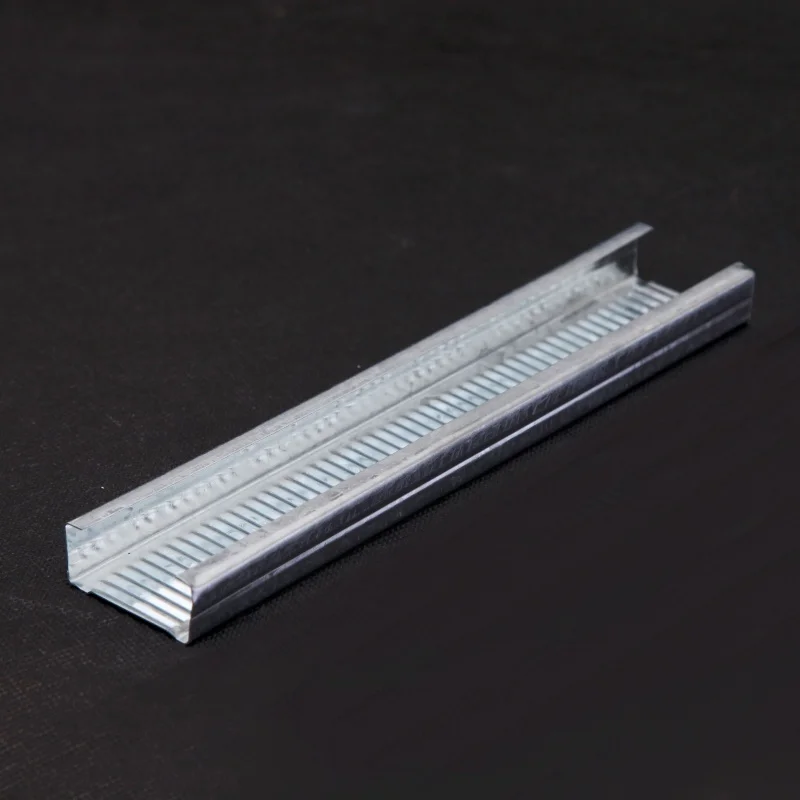
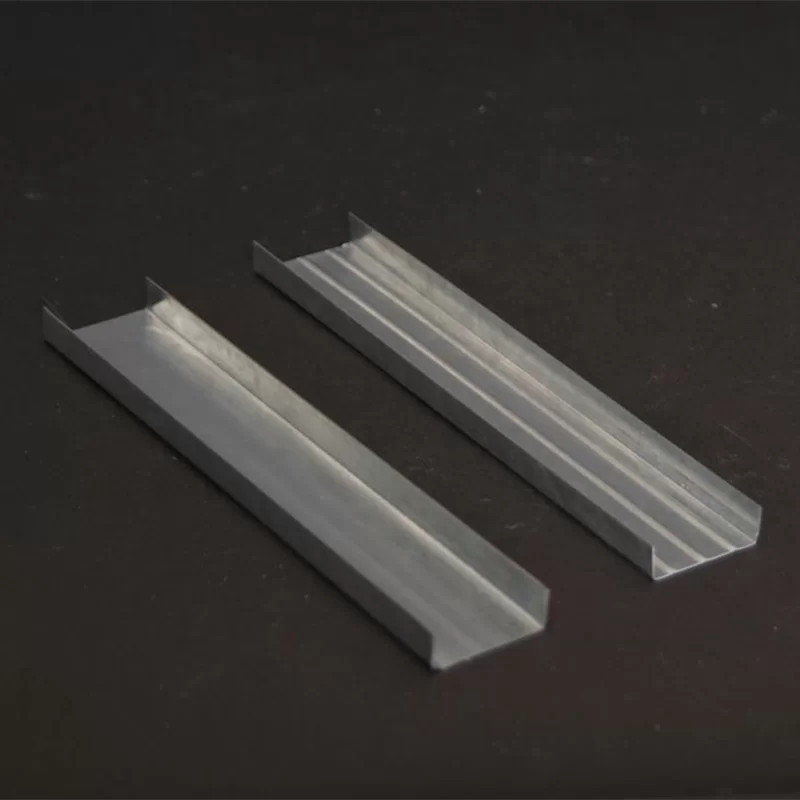
Simply put, galvanized steel framing studs are metal frames, typically slim vertical posts, that support walls and ceilings. Galvanization means these steel studs receive a zinc coating to protect against rust and corrosion. This treatment makes them ideal for environments where moisture or exposure to elements would otherwise degrade traditional steel or wood.
They’re a fundamental part of “light gauge steel framing” and effectively replace timber or heavier steel sections, especially in commercial and residential buildings. These studs are essential for modern industrial construction as well as for emergency relief shelters, where rapid, strong, and reusable frameworks are critical.
Key Aspects of Galvanized Steel Framing Studs
Durability and Corrosion Resistance
The zinc coating on galvanized steel prevents rust, meaning these studs last much longer in damp or salty environments than untreated steel or wood. This durability is crucial for ensuring structural integrity over time — a concern often underestimated in design.
Cost Efficiency
Steel studs may seem pricier upfront than timber, but their longevity and low maintenance often lead to overall savings. Plus, their modular nature reduces on-site labor time — cutting project timelines.
Lightweight & Easy to Handle
Compared to traditional materials, galvanized steel framing studs are lighter while maintaining strength. This makes transport and installation easier, especially in difficult or remote locations.
Sustainability
Steel is 100% recyclable, and galvanized studs require fewer replacements. This aligns with global efforts led by standards like ISO 14001 to promote environmentally responsible building practices.
Scalability and Versatility
Because they come in standardized sizes, these studs can be easily combined with other framing elements for small homes or large commercial projects. They’re compatible with various insulations, claddings, and finishes.
Product Specifications: Typical Galvanized Steel Framing Studs
| Specification |
Details |
| Material |
Galvanized Steel (Zinc-Coated) |
| Gauge Thickness |
18 - 25 gauge (varies with application) |
| Coating Thickness |
20-30 microns Zn layer typically |
| Lengths |
2.4m to 6.0m standard, custom available |
| Weight |
Approx. 2 - 3.5 kg/m depending on gauge |
| Fire Resistance |
Non-combustible |
Mini takeaway: Galvanized steel framing studs bring a balanced profile of durability, cost, and adaptability that serve a wide spectrum of building needs globally.
Global Usage & Real-World Applications
From my visits to construction sites in Southeast Asia to reviewing NGO shelter projects in Central America, galvanized steel framing studs show up everywhere.
- Urban Building: In growing metropolises like Shanghai or Lagos, these studs support multi-story residential and commercial buildings thanks to their strength and quick installation.
- Disaster Relief Housing: Quick emergency shelters in disaster-affected areas, such as after the 2010 Haiti earthquake, rely on steel framing for rapid, durable, and reusable constructions.
- Industrial Uses: Steel studs serve as the backbone of warehouses and industrial facilities, especially in corrosive environments like coastal zones.
- Remote and Cold Regions: Because they resist moisture and temperature fluctuations, galvanized steel is favored in northern climates where timber degrades rapidly.
Galvanized steel framing studs enable uniform standards that simplify manufacturing and training globally — an important factor for NGOs and international contractors coordinating aid or infrastructure projects.
Comparing Leading Vendors of Galvanized Steel Framing Studs
| Vendor |
Coating Type |
Gauge Range |
Custom Lengths |
Lead Time |
| Jinkai BM |
Hot-dip galvanized |
18 - 22 gauge |
Available |
2-3 weeks |
| SteelFab Global |
Electro-galvanized |
20 - 25 gauge |
Standard only |
1-2 weeks |
| GlobalMet Steel |
Hot-dip galvanized |
18 - 24 gauge |
Available |
3-4 weeks |
Advantages & Long-Term Value
Using galvanized steel framing studs is a bit like placing a bet on reliability — but one that usually pays off.
- Cost Savings: You save on long-term maintenance and repairs because they resist rust and don’t warp like wood.
- Sustainability: Steel’s recyclability contributes to circular economy efforts, reducing landfill waste.
- Safety and Trust: Builders appreciate that these studs don’t combust; homeowners gain peace of mind during harsh weather.
- Social Impact: Fast construction means quicker access to housing after a crisis — restoring safety and dignity.
Future Trends & Innovations
What’s next for galvanized steel framing studs? Frankly, the field is dynamic.
- Green Manufacturing: Efforts to minimize zinc runoff and improve energy efficiency in galvanization processes are underway.
- Smart Materials Integration: Sensors embedded within steel frames for structural health monitoring are becoming viable.
- Digital Fabrication: Advances in BIM (Building Information Modeling) and robotic assembly help reduce human error and speed up projects.
- Policy Push: Governments increasingly incentivize steel usage over timber in fire-prone or deforestation-sensitive areas.
Challenges & Solutions
Of course, no material is perfect. Galvanized steel framing studs face challenges such as potential coating wear during transport, thermal conductivity (which can lead to condensation without proper insulation), and upfront cost perception.
Innovative solutions include improved packaging, thermal breaks integrated in framing design, and education initiatives showing lifecycle savings to clients—sort of changing the narrative from “cost” to “value”.
FAQ: Common Questions About Galvanized Steel Framing Studs
- Q: How does galvanized steel compare to wood studs in terms of longevity?
- A: Galvanized steel studs generally outlast wood by decades thanks to rust resistance and immunity to warping or termite damage, making them a more durable choice especially in humid or termite-prone areas.
- Q: Can galvanized steel framing studs be used in both residential and commercial buildings?
- A: Absolutely. Their strength-to-weight ratio and corrosion resistance make them versatile enough for various building types — from small homes to multi-story offices.
- Q: Are galvanized steel studs environmentally friendly?
- A: Yes. Steel is 100% recyclable, and galvanizing extends product life, reducing resource consumption and waste compared to alternatives.
- Q: How quickly can buildings using galvanized steel framing be constructed?
- A: Because these studs are prefabricated and easy to install, construction phases can be shortened by weeks, a critical factor for disaster relief or fast-paced commercial projects.
- Q: What maintenance do galvanized steel framing studs require?
- A: Very minimal — their zinc coating protects against rust. Regular inspections for coating damage and mechanical integrity are advisable but far less intensive than wood maintenance.
Conclusion
Ultimately, galvanized steel framing studs represent a pivotal shift in how the world builds — marrying strength, speed, and sustainability. Whether you're planning durable urban infrastructure or fast-deploy shelters, these materials make a tangible difference, today and well into the future. Ready to discover how they can fit into your next project? Visit our website for detailed specs, vendor comparisons, and expert support.
Just a little reflection: these studs may not grab headlines, but they quietly shape safer, greener, and smarter buildings everywhere.
- UNEP Global Status Report on Construction
- Wikipedia - Galvanization
- ISO 14001 Environmental Management