Understanding Hat Channel for Metal Buildings: The Backbone of Durable and Efficient Structures
When you think about metal buildings, you might picture vast warehouses or sleek industrial facilities—but what holds those mighty walls and roofs together? That’s where the hat channel for metal buildings comes in. It might not be the flashiest term, but this component is a game-changer in construction globally. Knowing how these hat channels work not only illuminates their importance in making buildings sturdy and scalable but also highlights their role in sustainability and cost efficiency worldwide.
Why the Hat Channel Matters Globally
As industrial growth surges and infrastructural demands rise—especially in emerging markets—builders face the challenge of erecting durable yet cost-effective structures fast. According to the United Nations Industrial Development Organization (UNIDO), metal buildings are proliferating because they offer longevity and low maintenance. But here’s the catch: these buildings absolutely depend on components like hat channels for stability and insulation supports.
Oddly enough, hat channels solve more problems than just structural rigidity. In remote areas prone to natural disasters or extreme weather, they facilitate rapid assembly and resilience, reducing the downtime for critical warehouses, hospitals, and shelters. So, understanding this humble piece of the puzzle becomes crucial for engineers, architects, and even humanitarian organizations.
What Exactly Is a Hat Channel for Metal Buildings?
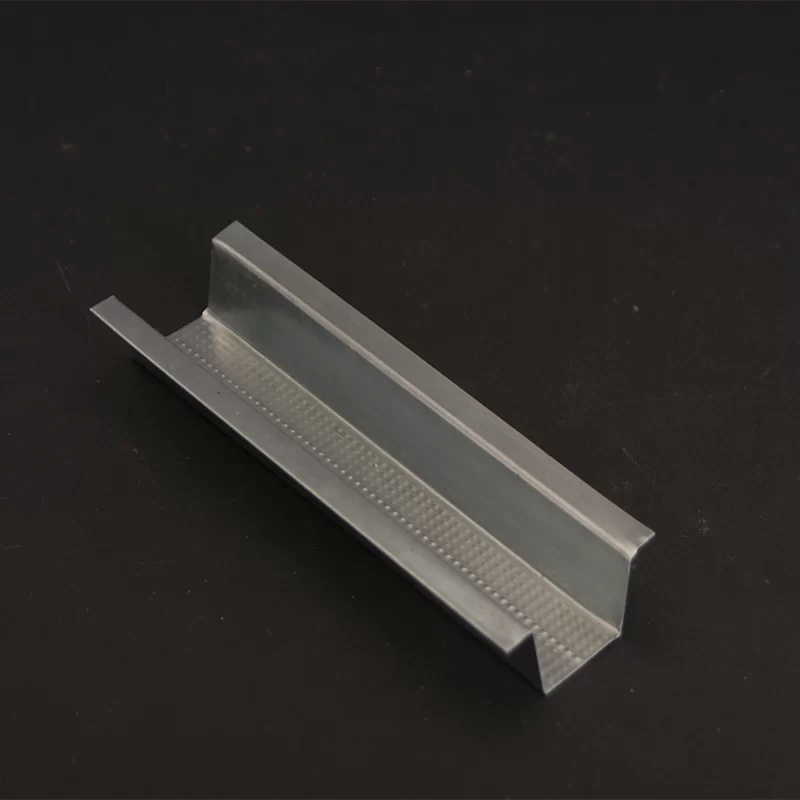
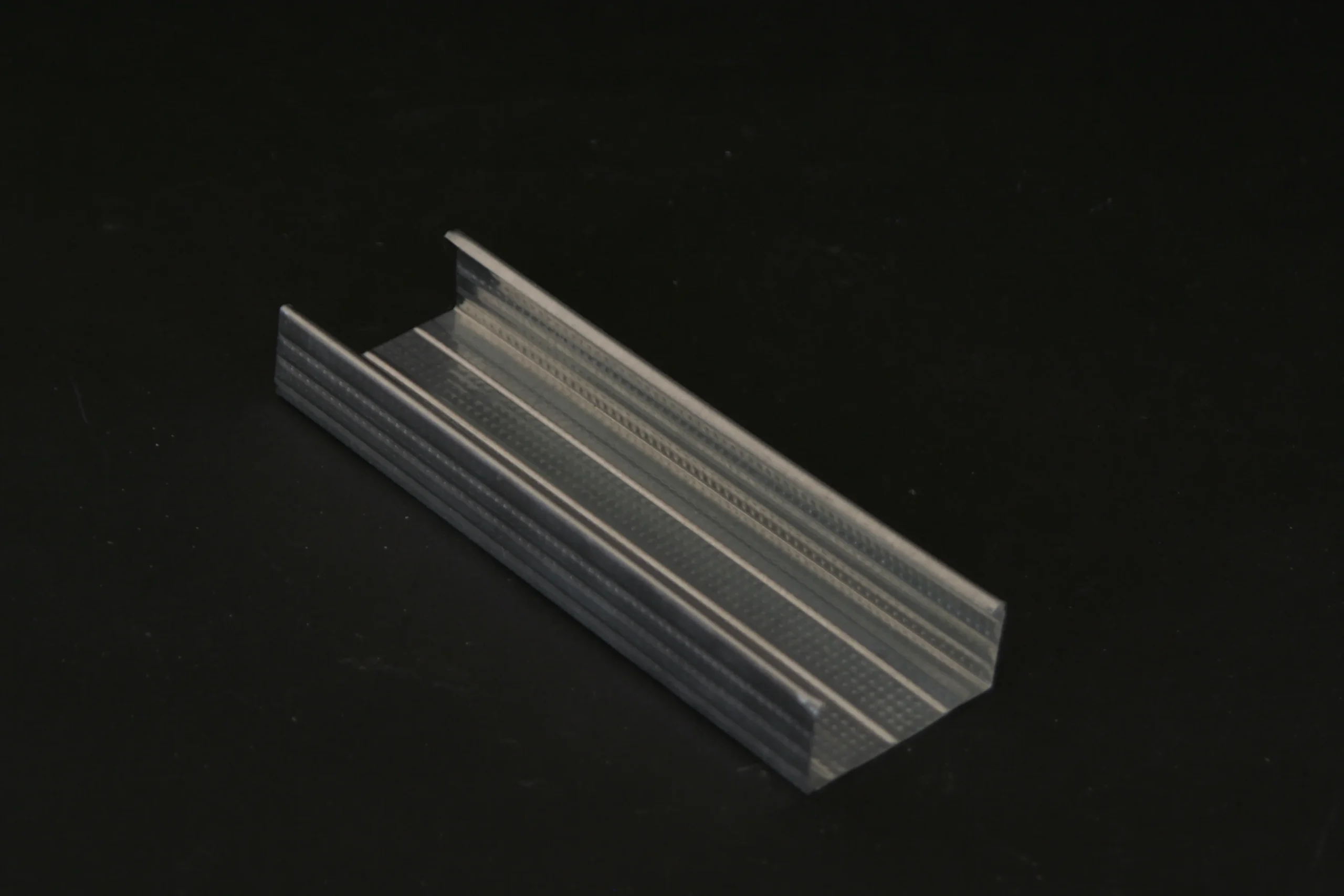
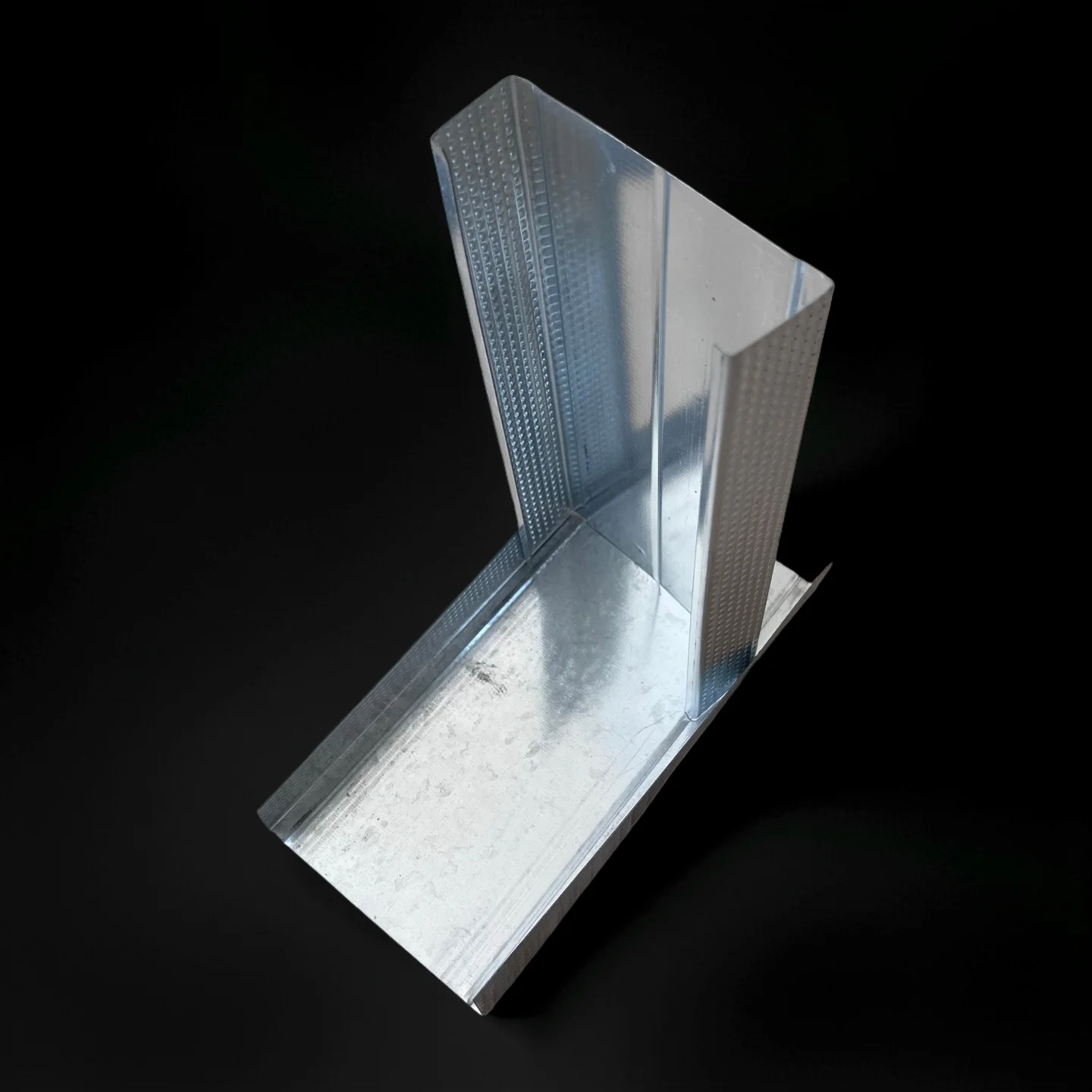
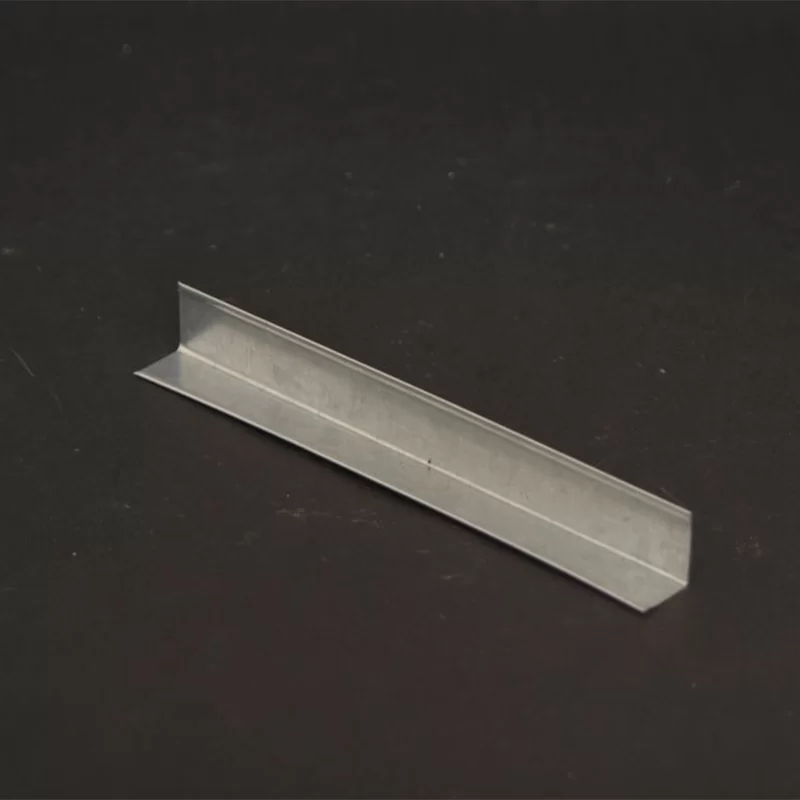
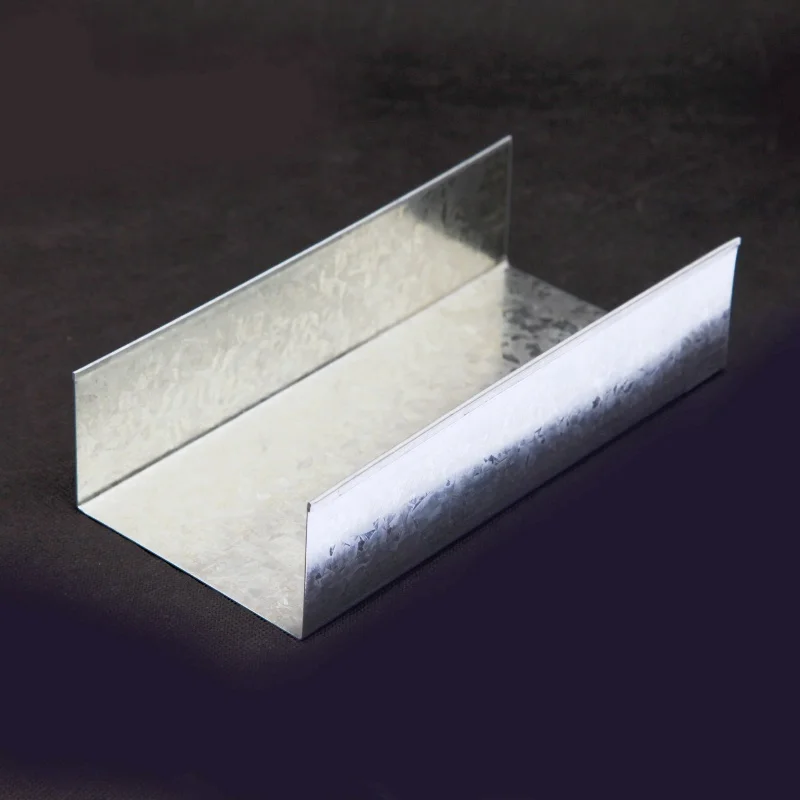
The hat channel is essentially a cold-rolled steel cross-section that looks, unsurprisingly, like a “hat” when viewed from the side. It usually features a flat base with vertical legs bent up on either side, resembling a vintage fedora silhouette. It’s primarily used as a furring channel or girth member, mounted perpendicularly across major framing members like purlins or studs.
Its role is twofold: first, it creates a stable surface for attaching insulation, drywall, or siding; second, it helps manage differential movement caused by thermal expansion and contraction. This reduces cracks and structural stress over time, which frankly extends the life of a building.
Key Features of Hat Channel for Metal Buildings
1. Durability
Usually produced from galvanized steel or sometimes aluminum, hat channels resist corrosion and withstand environmental wear. This is vital for metal buildings exposed to humidity, rain, and temperature fluctuations with minimal upkeep.
2. Scalability & Versatility
These components come in various lengths and thicknesses — making them adaptable for small-scale workshops or massive industrial hangars. You can install them horizontally or vertically depending on insulation needs or design complexity.
3. Cost Efficiency
Compared to solid studs or complicated framing, hat channels allow builders to use less raw material while ensuring structural integrity, which is a win-win from the budgeting perspective. They’re lightweight yet strong, cutting transportation and labor costs.
4. Thermal and Acoustic Isolation
Because hat channels elevate cladding surfaces, they create an air gap that improves insulation performance and reduces sound transmission — neat, right?
5. Fire Resistance
Made from metal, hat channels do not combust, which adds an essential layer of safety in buildings requiring compliance with strict fire codes.
Hat Channel Product Specifications
| Specification |
Typical Range / Value |
Notes |
| Material |
Galvanized Steel / Aluminum |
Corrosion-resistant coatings standard |
| Thickness |
0.5 - 1.2 mm (20 - 16 gauge) |
Depends on structural requirements |
| Width (Base of Hat) |
20 - 50 mm |
Common sizes range by manufacturer |
| Length |
Up to 6 meters (customizable) |
Cut-to-fit on site possible |
| Finish |
Zinc coating / Painted / Powder coated |
Varies by environmental need |
Global Applications and Use Cases of Hat Channel for Metal Buildings
From cold climates in Scandinavia to tropical zones in Southeast Asia, hat channels are pivotal in building reliable metal structures. For instance:
- Post-disaster relief operations: NGOs rapidly erect temporary hospitals and shelters using metal buildings reinforced with hat channels, ensuring safety and speed.
- Manufacturing hubs: Factories in industrial zones like China and Germany rely on these to attach insulated panels, improving energy efficiency.
- Agricultural storage: Farmers in North America use metal barns framed with hat channels for robust boundaries that resist harsh seasonal cycles.
- Commercial construction: Retail stores and warehouses benefit from long-span metal roofs supported by hat channels, facilitating clear floor spaces.
Vendor Comparison: Top Hat Channel Suppliers
| Supplier |
Product Range |
Lead Time |
Price Range |
Customization Options |
| SteelStrong Co. |
Standard and heavy-duty |
2-3 weeks |
Mid-range |
Lengths, finishes |
| MaxBuild Supplies |
Wide variety, galvanized |
1-2 weeks |
Competitive |
Custom hole patterns |
| EcoMetal Solutions |
Aluminum and eco-friendly coatings |
3-4 weeks |
Premium |
Color, length customization |
Advantages & Long-Term Value
Why invest time and effort understanding hat channels? Well, structurally, they enhance safety by preventing the warping and cracking that often ruin cheaper metal buildings after a few years. Economically, they’re a cost-efficient way to improve thermal insulation—so your heating or cooling bills might surprise you by being lower (always a plus).
On a more human note, these components indirectly protect the people inside by helping buildings resist earthquakes, heavy storms, and wear. It feels like an unsung hero working quietly behind the scenes. In terms of sustainability, their lightweight and recyclable materials fit well with circular economies and lower carbon footprints.
Future Trends & Innovations in Hat Channels
As the construction world leans increasingly toward greener and smarter solutions, hat channels are evolving too. Researchers are exploring composite materials and advanced galvanized coatings that last longer with less environmental impact. Moreover, digital fabrication and automation now allow these components to be pre-cut and perforated with incredible precision, making on-site installation faster and less error-prone.
Solar panel integration and hybrid insulation systems leverage the hat channel’s structure, hinting at multifunctional future uses. Sadly, not everyone is up to speed, but industry standards like ISO 9001 are pushing quality forward consistently.
Challenges & Solutions
Despite their advantages, hat channels aren’t magic. Sometimes, improper installation leads to noise (ringing) during wind storms or thermal bridging that reduces insulation efficiency. Yet, many engineers suggest combining hat channels with modern insulation wraps and dampening materials to mitigate those issues. It’s also crucial to specify the right thickness and finish to avoid premature corrosion.
FAQ: Frequently Asked Questions About Hat Channel for Metal Buildings
- Q1: Can hat channels be used in both roofing and wall assemblies?
- A1: Absolutely. Hat channels provide support for cladding in both walls and roofs, helping attach insulation, drywall, or siding. Their versatility makes them a staple in metal building construction.
- Q2: How does the hat channel improve energy efficiency in metal buildings?
- A2: By creating an air gap between the insulation and exterior panels, hat channels reduce thermal bridging, which helps maintain consistent indoor temperatures and reduces HVAC expenses.
- Q3: Are hat channels recyclable and eco-friendly?
- A3: Yes. Most hat channels are made of galvanized steel or aluminum, both of which are highly recyclable. Using them supports sustainable building practices by minimizing raw material waste.
- Q4: What common installation mistakes should be avoided?
- A4: The main errors include over-tightening fasteners (causing channel deformation), improper alignment, and neglecting corrosion protection. Following manufacturer guidelines is key.
- Q5: Where can I source high-quality hat channels internationally?
- A5: Many global suppliers cater to international shipments with customizable options. Websites like hat channel for metal buildings offer reliable sourcing and support for logistics.
Conclusion: Strengthen Your Metal Building with the Right Hat Channel
To wrap it up, the hat channel might seem like a tiny piece of steel—but it’s fundamental to the durability, energy efficiency, and safety of metal buildings worldwide. Whether you’re constructing warehouses, emergency shelters, or agricultural facilities, knowing about these components and choosing quality suppliers can make all the difference in your building’s lifetime performance.
Feeling curious? Visit our website at hat channel for metal buildings to explore high-quality hat channels tailored to your project’s needs.
Mini takeaway: The hat channel is an unsung hero in metal construction that fuses strength, efficiency, and sustainability in one smart design.
References:
1. Steel Frame - Wikipedia
2. United Nations Industrial Development Organization (UNIDO)
3. International Organization for Standardization (ISO)