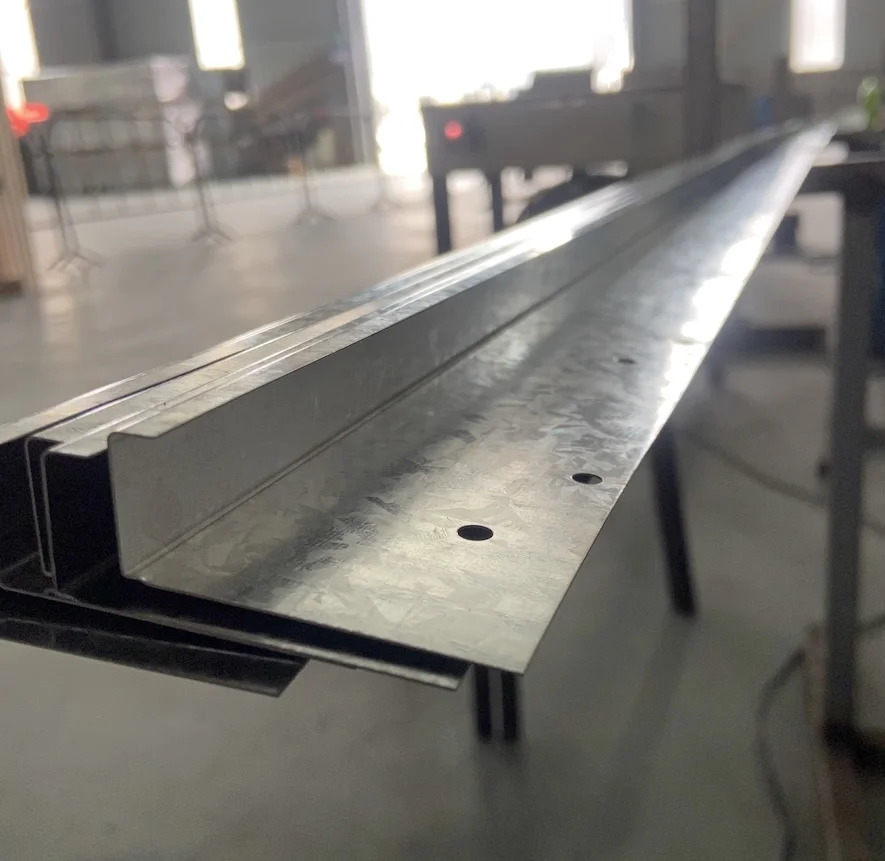
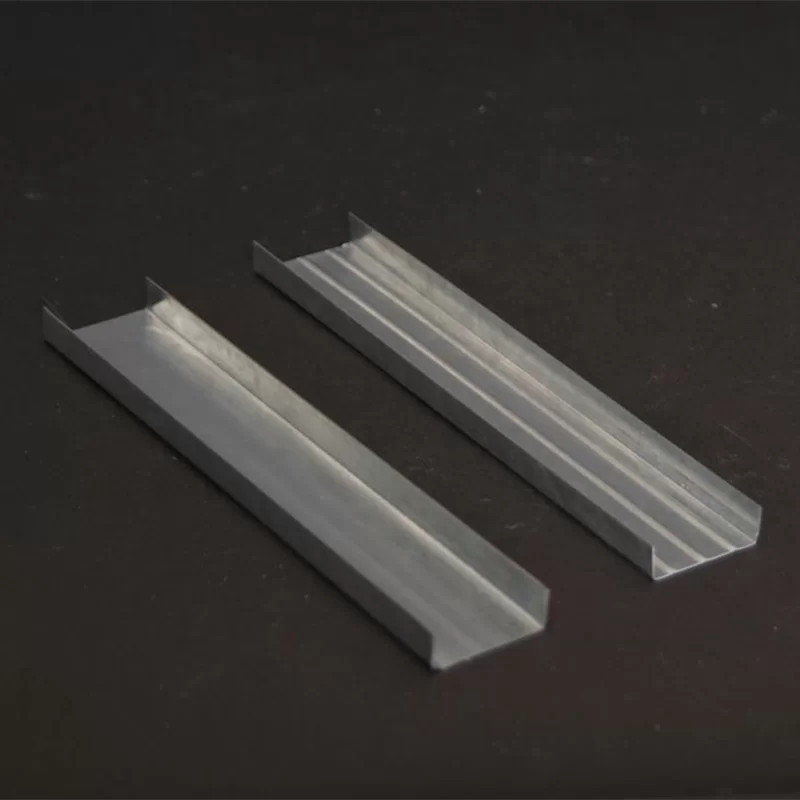
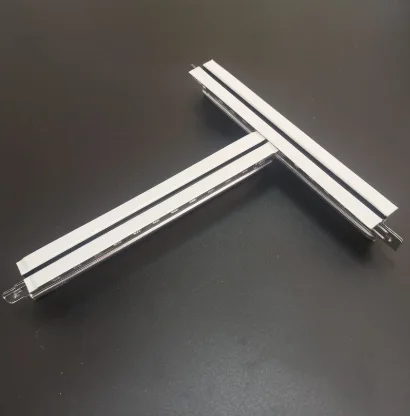
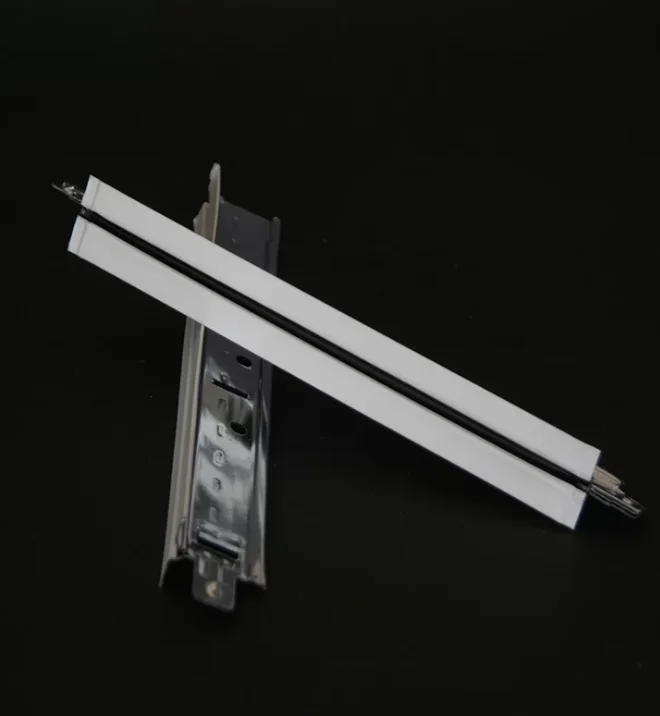
Understanding Drywall With No Studs: A Game Changer in Modern Construction
When you hear the term drywall with no studs, it might conjure images of revolutionary building techniques, or perhaps a bit of skepticism—how can drywall stand firm without studs? Yet, this concept isn’t just a niche curiosity; it’s a globally relevant advancement reshaping traditional construction methods, especially where speed, cost, and material efficiency are paramount. In a world increasingly focused on sustainability, rapid housing solutions, and flexible interior design, mastering the idea of drywall without studs unlocks benefits from disaster relief setups to industrial installations. Plus, its potential for labor saving and waste reduction is causing quite a stir.
Global Context: Why Drywall With No Studs Matters Today
Globally, the demand for affordable and fast-to-install wall systems is soaring. According to the United Nations, over 1.6 billion people lack adequate housing, and the construction sector contributes nearly 39% of global carbon emissions (UN Habitat, 2023). Drywall with no studs addresses this dual challenge by enabling faster assembly with fewer materials and less waste. For example, in fast-growing urban zones across Asia and Africa, traditional stud framing presents logistical bottlenecks, requiring skilled labor, long lead times, and heavy shipments.
On top of that, the World Bank reports increasing disaster frequency worldwide; meanwhile, humanitarian shelters demand rapid, reliable, and reusable partitioning systems that don’t rely on bulky frames or precise site measurements. It is precisely here that drywall with no studs shows unique promise, offering modular, lightweight panels that fit together seamlessly, reducing build times often by 25–40%. Frankly, in emergency settings, every hour counts.
What Exactly Is Drywall With No Studs?
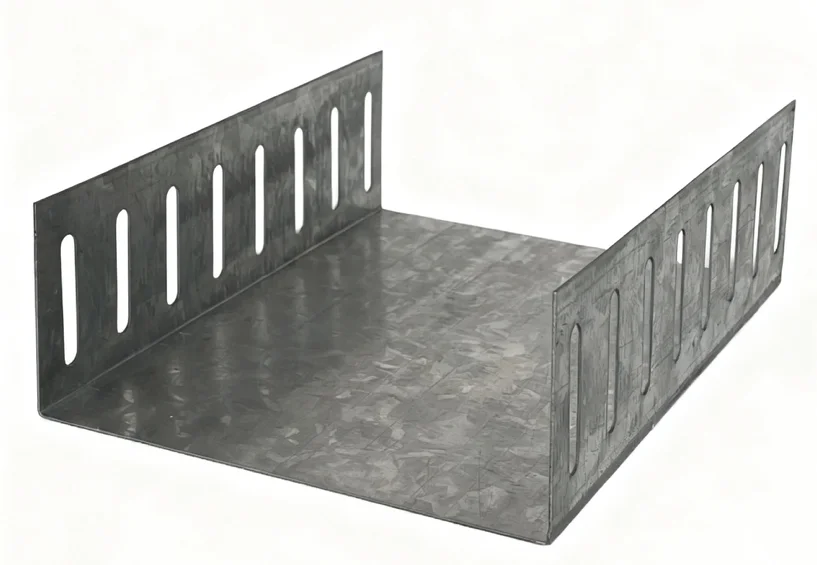
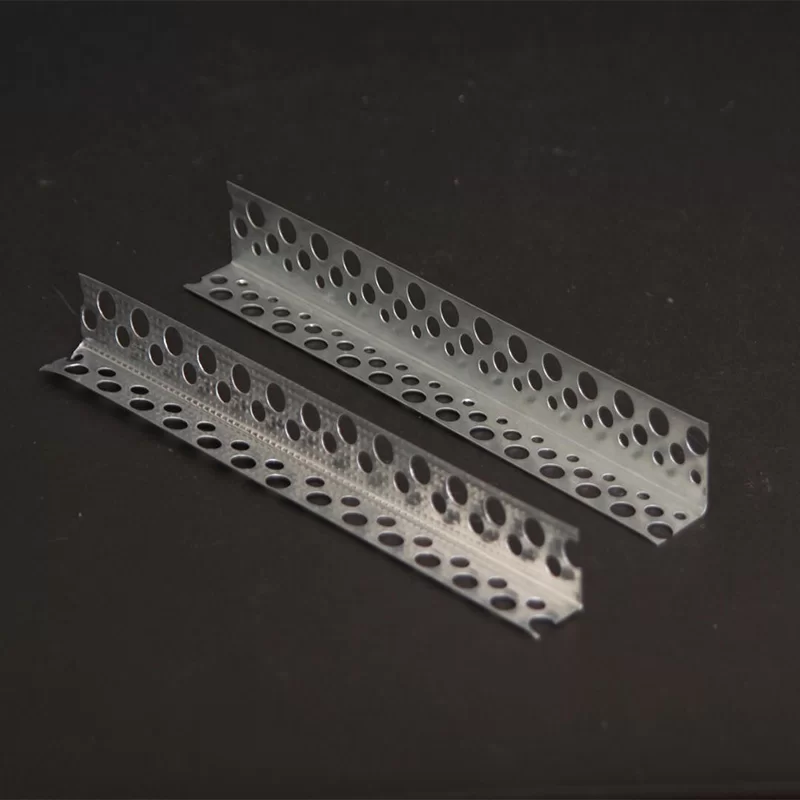
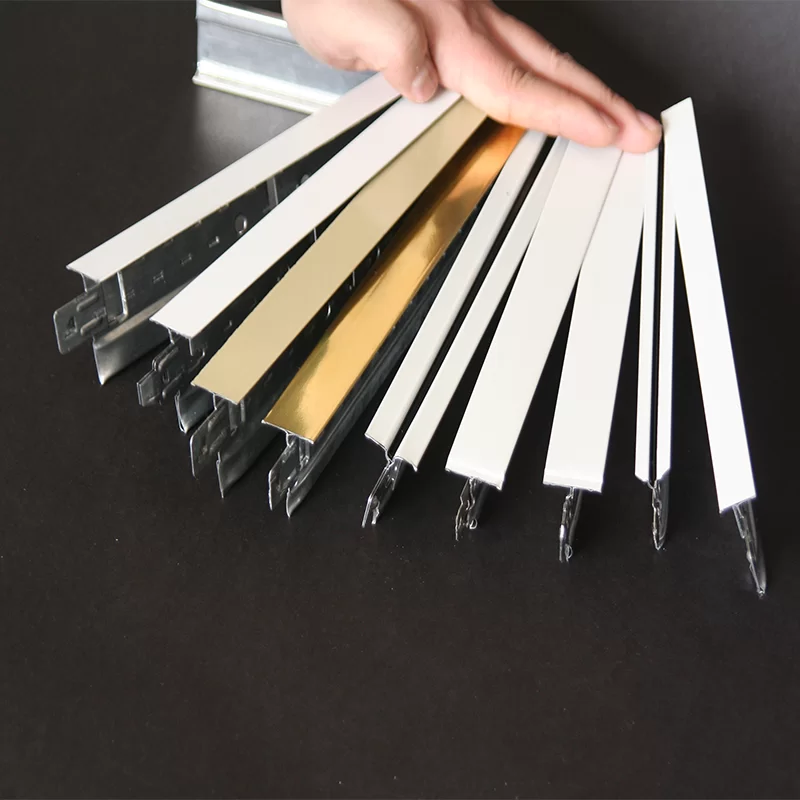
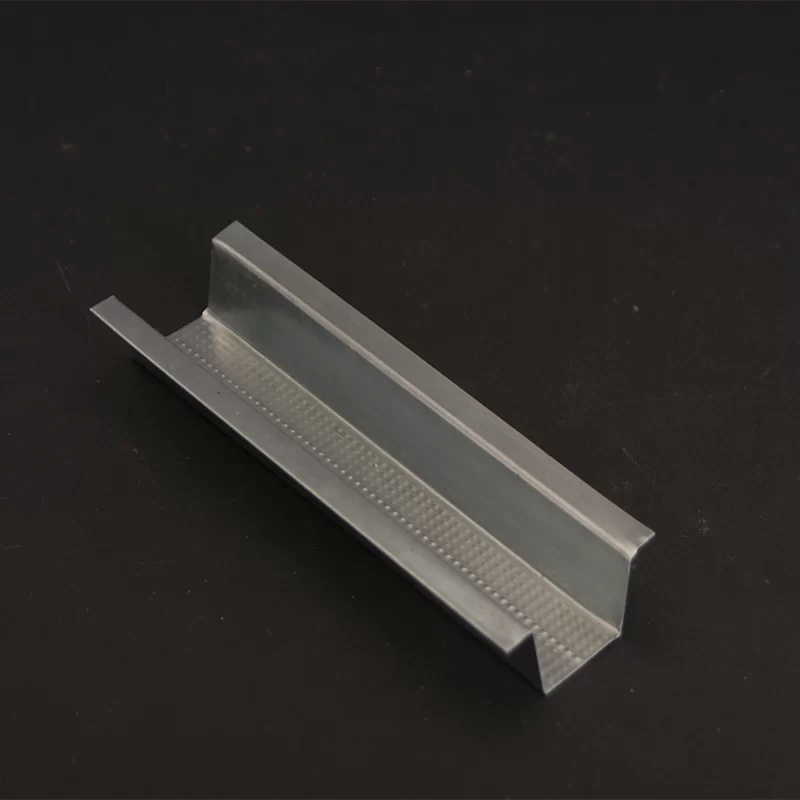
Simply put, drywall with no studs is a wall panel system designed to eliminate the need for traditional wooden or metal framing members behind the surface. Instead, these walls rely on engineered panels that integrate structural rigidity within themselves, or use alternative mounting systems such as tension rods, fast-clip fittings, or adhesive bonding. The drywall sheets are pre-finished or reinforced to stand on their own, creating a strong, smooth surface that looks just like conventional drywall but without the weight and complexity of studs.
This concept aligns well with modern modular construction, prefab housing, and humanitarian shelter designs where rapid deployment, low weight, and reduced material use are essential. It’s also gaining traction in commercial interiors where wall repositioning or rental spaces call for flexible yet sturdy partitions.
Mini Takeaway:
Drywall with no studs isn’t just a quirky innovation — it’s a practical response to global housing and construction challenges, combining engineering with simplicity.
Core Components of Drywall Systems Without Studs
1. Structural Integrity
Engineered panels often include fiber reinforcement, composite cores, or metal mesh to provide needed stiffness. Without studs, these components distribute loads across the entire sheet, preventing sagging and improving durability, even in high-traffic zones.
2. Mounting & Fixation
Instead of traditional screws driven into studs, no-stud drywall systems use alternative fixings—such as special adhesive systems, clips that attach to existing frameworks, or tension cables—allowing quick installation on diverse surfaces.
3. Fire & Sound Resistance
Fire safety is non-negotiable. Manufacturers often incorporate fire-resistant materials within drywall panels, ensuring compliance with standards like ISO 834 (fire resistance). Acoustic layering can be embedded as well, enhancing privacy and comfort.
4. Scalability
Modular panel sizing and light weight mean these walls can be scaled up or down easily. Whether you need a full room or temporary office partitions, drywall with no studs adapts without much fuss.
5. Sustainability
Eliminating studs reduces wood or metal use significantly, translating into lower CO₂ footprint. Some panels are made with recycled gypsum and eco-friendly binders, reflecting industry trends toward greener construction per ISO 14001 guidelines.
Mini Takeaway:
At the heart of drywall with no studs are innovation and practicality—structural strength and eco-friendliness packaged in smart installation methods.
Global Applications & Use Cases
Across continents and sectors, drywall with no studs is proving its worth:
- Humanitarian Aid: In the aftermath of earthquakes or floods—think Haiti or parts of Southeast Asia—rapid-assembly emergency shelters use panel systems without studs to speed up dwelling construction.
- Remote Industrial Sites: Oil rigs and mining camps often rely on no-stud wall panels to minimize transport weight and accelerate worker accommodation setup.
- Urban Commercial Interiors: In metropolitan office renovations, landlords prefer non-invasive partitions that dry wall with no studs systems allow, so businesses can adapt spaces without costly full rebuilds.
- Prefab & Modular Homes: Housing startups incorporate these panels to meet growing urban demands for sustainable, custom-built dwellings.
Mini Takeaway:
This approach to drywall isn’t confined—its real-world impact spans from disaster zones to downtown high rises, showing versatility few expected.
Advantages & Long-Term Value of Drywall Without Studs
Let’s be honest, opting for drywall with no studs isn’t just a matter of trendiness; it offers real benefits that pay off in the medium and long run:
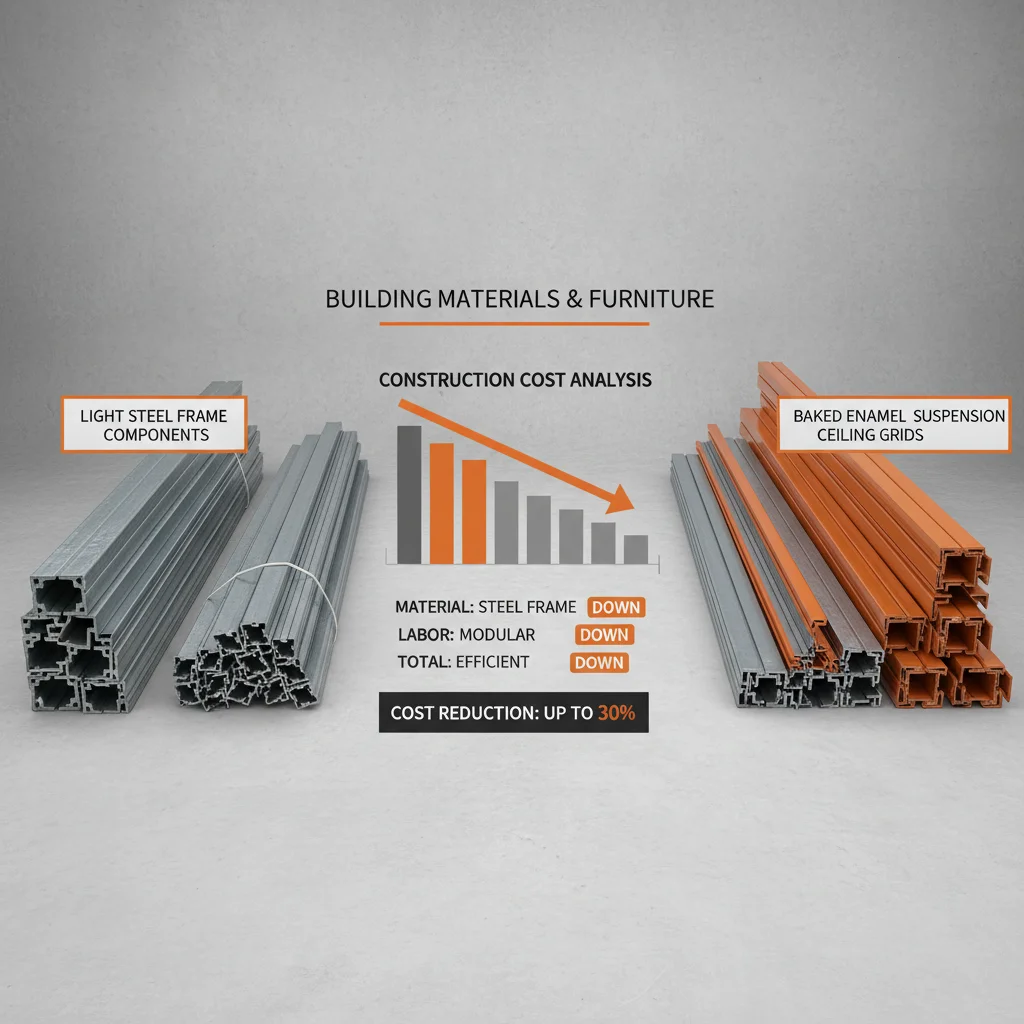
- Cost Efficiency: Reduces labor time and raw materials, thus cutting overall costs by 15–30%.
- Sustainability: Less wood and metal means a smaller environmental footprint.
- Safety & Durability: Many systems exceed conventional drywall fire ratings and resist impacts better because of their composite construction.
- Flexibility: Easy to disassemble, relocate, or recycle—ideal for temporary builds or evolving office layouts.
- Social Impact: Improves quality of shelter in crises, contributing to dignity and wellbeing.
Product Specification Table
| Specification |
Typical Value |
Notes |
| Panel Thickness |
12.5mm (½ inch) |
Standard gypsum core variant |
| Weight |
6.5 kg/m² |
Lightweight compared to framed systems |
| Fire Resistance |
60 minutes (Class A) |
Meets ISO 834 standards |
| Sound Insulation |
STC 50 |
Suitable for offices and residential settings |
| Installation Time |
40% faster vs. traditional stud drywall |
Depending on site conditions |
Vendor Comparison: Leading Providers of Drywall Without Studs
| Vendor |
Panel Material |
Key Feature |
Regions Served |
Price Level |
| EcoWalls Inc. |
Recycled gypsum composite |
Ultra-light and fire-resistant |
North America, Europe |
$$$ |
| ModuPanel Systems |
Fiber-reinforced polymer core |
Quick-lock mounting system |
Global (focus on Asia-Pacific) |
$$$$ |
| RapidBuild Supplies |
Engineered gypsum with metal mesh |
High impact resistance |
Africa, Middle East |
$$ |
Looking Ahead: Future Trends in Drywall Without Studs
There’s a quiet revolution brewing here. Industry insiders predict increased integration of smart materials—think self-healing panels or embedded sensors that monitor moisture and stress. With rising interest in green energy and reduced waste, manufacturers are experimenting with bio-based cores and recyclable adhesives, truly closing the loop.
Automation may change installations, too. Robotic systems could handle panel placement in hazardous or hard-to-reach sites. And with digital twins being applied to building management, drywall with no studs could be optimized on a whole new level, anticipating wear and maintenance needs before anyone notices.
Overcoming Challenges: What Holds Back Wider Adoption?
Of course, no innovation comes without hurdles. Many professionals express concerns about the long-term durability and reparability of studless drywall, especially in retrofitting older buildings. Also, current regulatory standards in some countries lag behind the product's capabilities, causing approval delays.
Yet, experts propose hybrid approaches—for example, combining micro-stud supports or using specialized coatings—to bolster resilience where needed. Education is key too: as designers and contractors become familiar with these systems, acceptance grows steadily. It's a learning curve but one worth climbing.
FAQ: Practical Questions About Drywall With No Studs
Q1: Can drywall without studs be used as a load-bearing wall?
Typically, these systems are designed for partition walls rather than load-bearing applications. They provide excellent rigidity for interior walls but are not meant to support structural loads. For carrying weight, traditional stud-framed walls or engineered structural panels remain necessary.
Q2: How does installation time compare to traditional framed drywall?
On average, drywall with no studs reduces installation time by around 25–40%, due to fewer components, lighter panels, and simplified fixing methods. This leads to faster project turnaround and lower labor costs.
Q3: Are these panels recyclable or sustainable?
Many manufacturers use recycled gypsum and eco-friendly binders and design panels to be recyclable at end-of-life. This shifts drywall without studs into alignment with modern sustainability goals.
Q4: Is it possible to attach fixtures like shelves or cabinets to studless drywall?
Specialized fixings exist for these panels, but generally, attaching heavy fixtures requires reinforcement or mounting points behind the drywall, such as embedded metal plates. Consult manufacturer guidelines for safe load bearing.
Q5: Where can I learn more or source these drywall solutions?
Explore supplier catalogs or visit specialized websites such as drywall with no studs to understand product options and request samples.
Wrapping Up: Why Drywall With No Studs Is Worth Considering
To sum it all up, drywall with no studs is more than a clever building hack; it’s a holistic solution addressing pressing industry and humanitarian challenges. With advantages around cost, speed, sustainability, and flexibility, it empowers builders and designers alike. Whether you’re tackling urgent shelter needs or reimagining office interiors, this innovation offers a compelling path forward.
If you want to dive deeper or explore turnkey solutions, please visit our website: https://www.jinkaibm.com.
References & Further Reading
- United Nations Human Settlements Programme (UN Habitat), "Global Housing Crisis Report," 2023.
- International Organization for Standardization (ISO), "Fire Resistance Testing ISO 834," 2022.
- World Bank Development Reports, "Disaster Resilience and Sustainable Construction," 2023.