Dimpled Steel Studs: A Versatile Backbone for Modern Construction
When you hear dimpled steel studs, it might not immediately conjure up visions of skyscrapers or humanitarian relief shelters — but you’d be surprised. These specialized steel components have quietly become essential in building resilient, fast, and cost-efficient structures worldwide. Why does it matter? Because in a world grappling with rapid urbanization, natural disasters, and sustainability challenges, materials like these help engineers design safer, more adaptable buildings. Understanding the benefits—and nuances—of dimpled steel studs unlocks smarter solutions for both industry and emergency aid.
Global Perspective: The Unseen Role of Steel Studs
The global construction sector, valued at over $12 trillion (source: World Bank), leans heavily on innovation to meet skyrocketing demand. Infrastructure must be reliable, comply with evolving building codes (like ISO 9001 standards), and often, deliver under challenging conditions. That’s where dimpled steel studs come in. These studs address issues like structural strength, ease of assembly, and sustainability. In regions prone to earthquakes or flooding—think Southeast Asia or California—the choice of steel framing components can literally save lives.
But the challenge extends beyond natural hazards. Urban growth pressure demands quick construction without compromising quality. Shipping containers retrofitted into homes or clinics, modular buildings, and fast-assembly shelters from NGOs all benefit from components like dimpled steel studs, which make framing easier, faster, and more reliable.
Mini takeaway: Dimpled steel studs are quietly revolutionizing how we build in a faster, safer, and more globally responsible way.
What Exactly Are Dimpled Steel Studs?
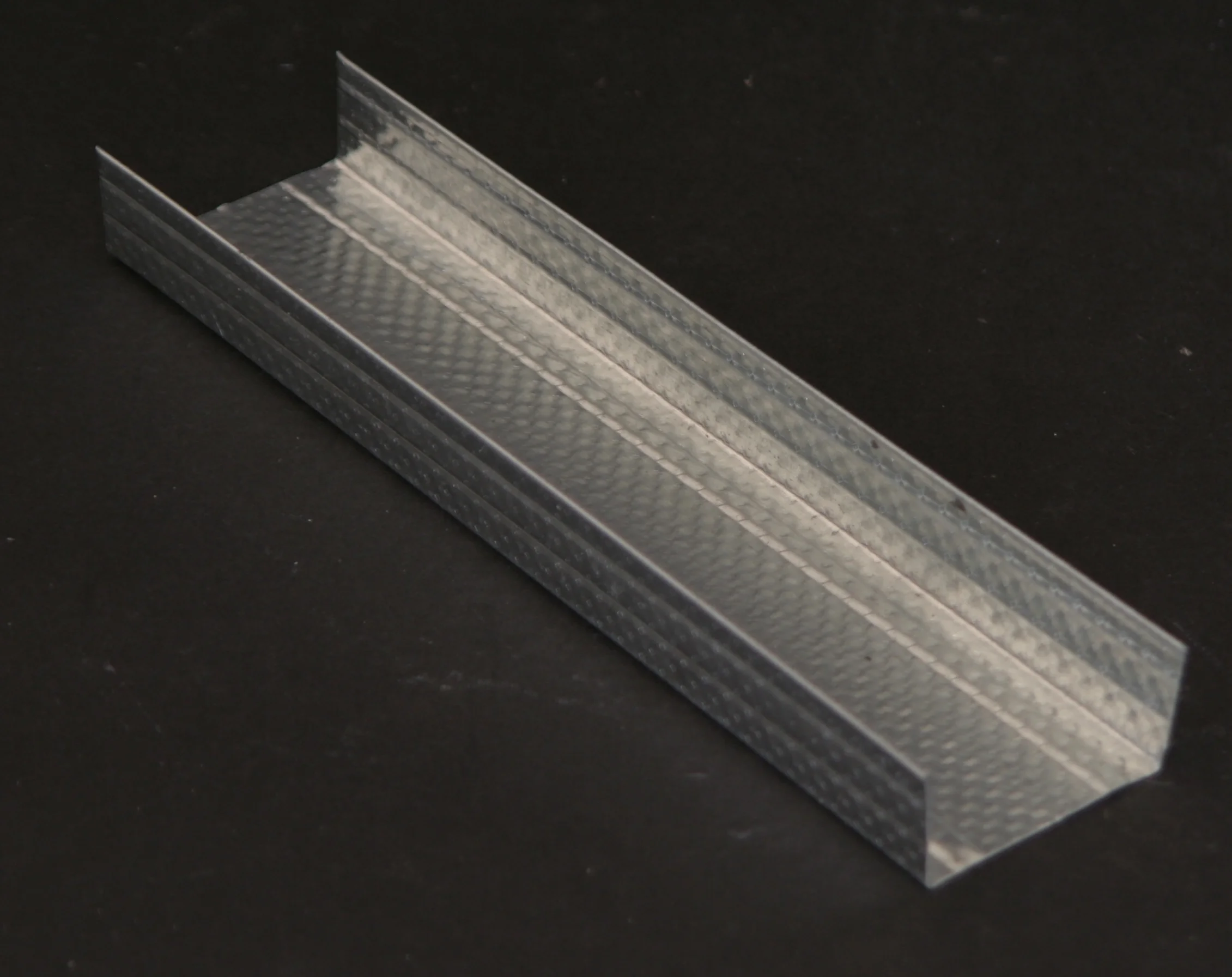
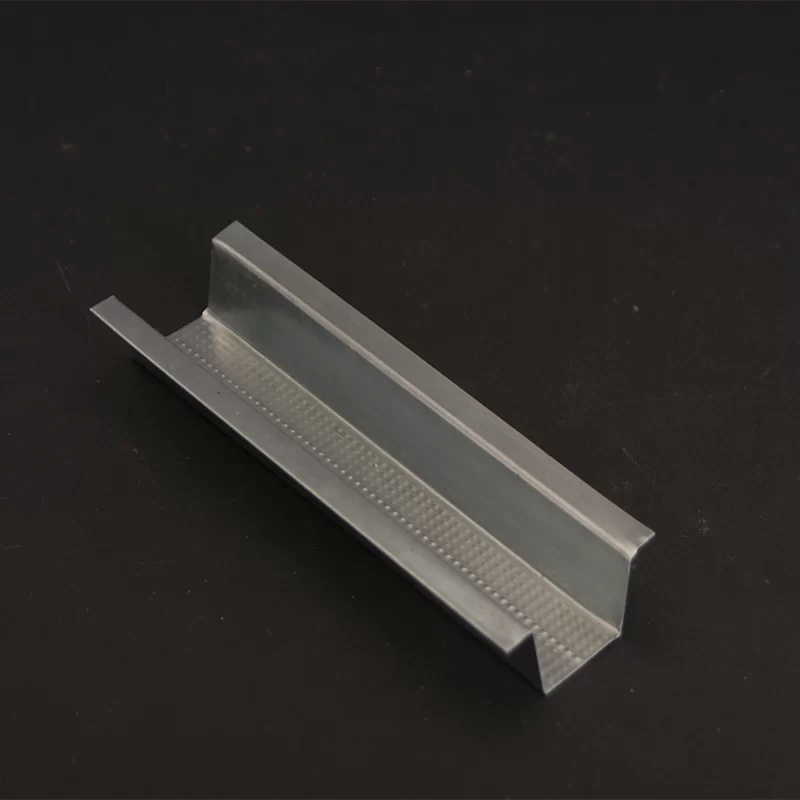
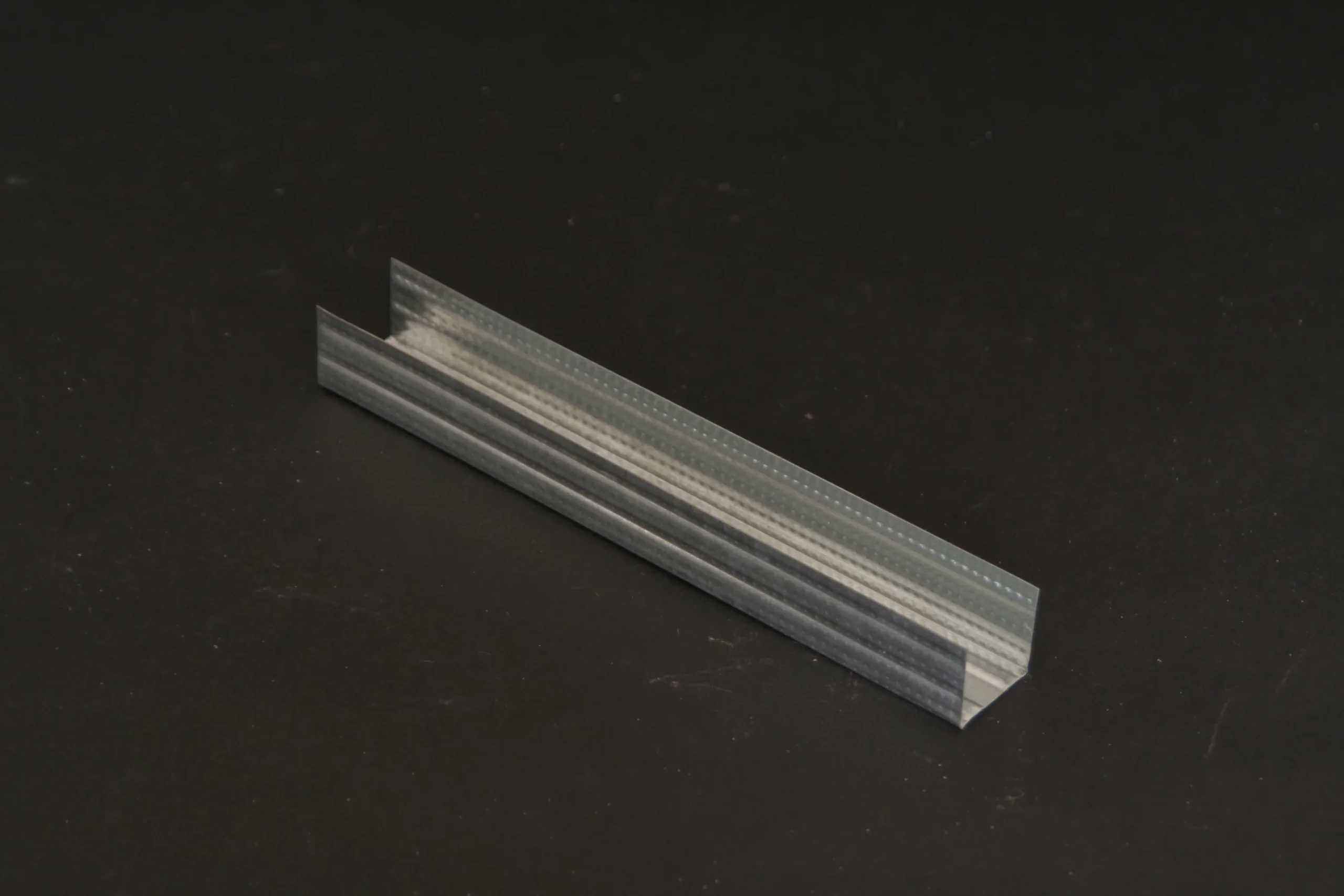
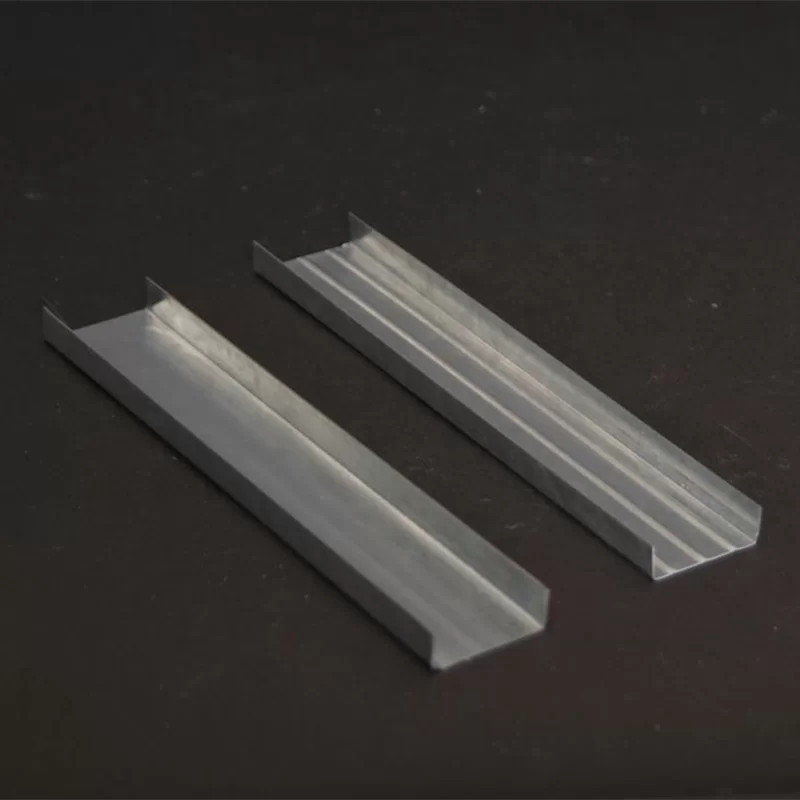
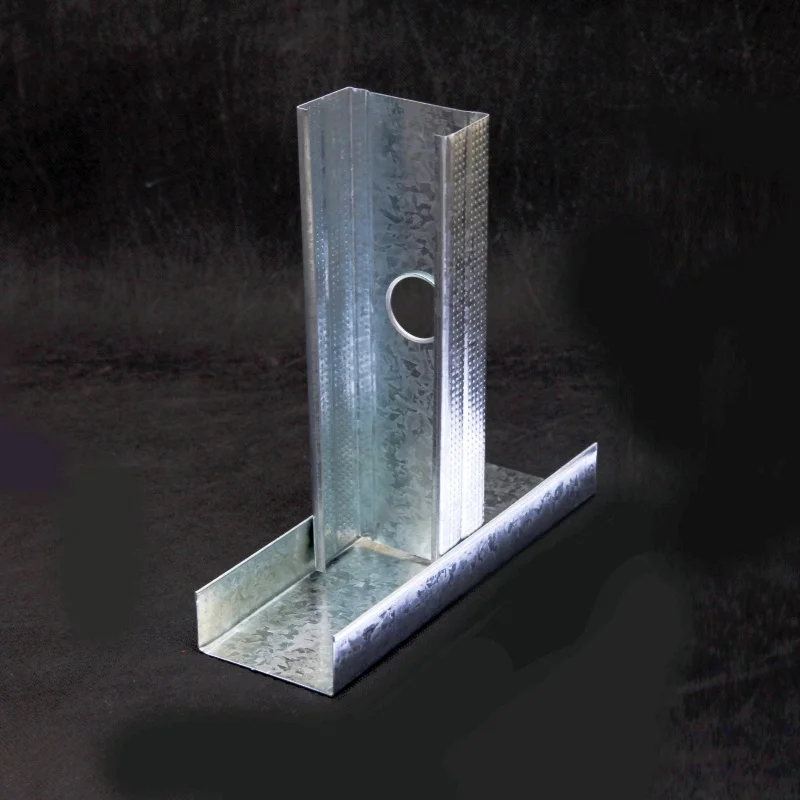
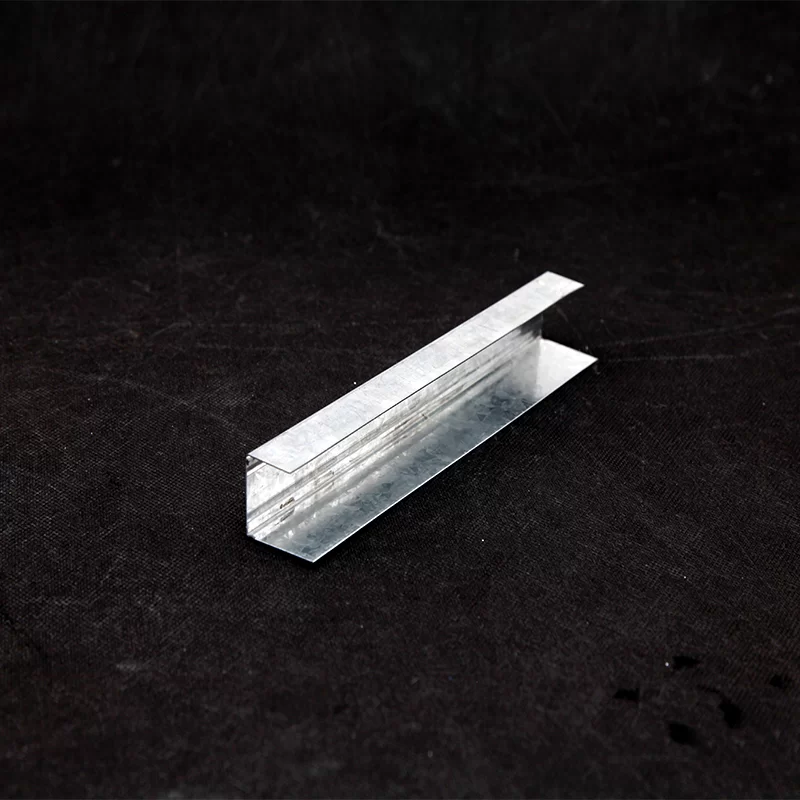
At heart, dimpled steel studs are cold-formed steel framing members featuring regularly spaced “dimples” or embossed indentations along their length. These dimples aren’t just cosmetic; they serve to increase strength and rigidity without extra weight. Think of it like crumpling a piece of paper strategically so it resists bending better. Technically, the dimples enhance load-bearing capabilities, prevent warping, and improve the bond for drywall or panel systems.
They are widely used in both commercial and residential framing, especially in dry-wall partitions, ceilings, and sometimes even lightweight exterior walls. In humanitarian contexts, they enable modular or prefabricated housing that can be shipped and assembled quickly, a big gain when every hour counts.
Core Components That Make Them Tick
1. Durability
Dimpled steel studs generally come galvanized or coated to fight corrosion over decades. This makes them reliable even in humid or coastal environments. Plus, the dimples increase their resistance to dents and mechanical damage during transport or installation.
2. Cost Efficiency
By optimizing strength with less steel, manufacturers cut costs—both in materials and shipping weight. This lightweight nature also speeds up labor, as studs are easier to handle, reducing on-site time.
3. Versatility & Scalability
Available in various sizes and gauges, they fit everything from small partition walls to complex multi-story structures. Plus, they’re compatible with common drywall and panel systems.
4. Sustainability
Steel is 100% recyclable, and many dimpled studs use high recycled-content steel. When integrated properly, they support LEED and green building certifications.
5. Ease of Installation
The embossed dimples provide friction to hold plaster or drywall better, speeding up finishing work and improving final wall flatness.
Mini takeaway: These studs are more than simple steel strips; they’re thoughtfully engineered components balancing durability, cost, and green building.
Real-World Applications Across the Globe
Dimpled steel studs appear quietly in many places—and for many reasons:
- Post-Disaster Relief Shelters: Organizations like the Red Cross use prefab frames built with dimpled studs to create robust, temporary housing that can be shipped flat and erected rapidly.
- Remote Industrial Zones: In oil fields or mining camps in Canada or Australia, lightweight steel framing withstands harsh weather and reduces logistic headaches.
- Urban Modular Housing: Fast-growing cities in Asia adopt modular apartment units featuring steel studs, accelerating growth while adhering to seismic regulations.
- Commercial Office Buildings: In Europe and North America, the studs contribute to energy-efficient building envelopes, helping meet tightening energy codes.
One fascinating example is a recent project in Japan where dimpled steel stud framed modules enabled quick build-out of temporary quake-resistant housing, cutting what used to be months of construction down to weeks.
Why Choose Dimpled Steel Studs? The Long-Term Advantages
From a cost perspective, reduced material use and installation times mean real savings. Emotionally, many engineers and builders say the reliability of steel studs instils confidence—especially where human safety is on the line. Socially, quicker, safer housing projects foster community stability after disasters.
Reliability also means fewer repairs and less downtime, underscoring the green benefits. The longevity of galvanized steel means less frequent rebuilds, reducing waste and resource consumption.
Looking Ahead: Future Trends & Innovations
Oddly enough, even something as “simple” as a steel stud sees innovation:
- Smart Coatings: New corrosion-resistant coatings promise 50+ year lifespans in marine environments.
- Automation: Robot-assisted precision framing reduces human error and speeds up construction timelines.
- Integration with Green Energy: Steel studs are being engineered to house wiring and systems for solar-ready facades.
- Digital Twins & BIM: Using 3D models that incorporate stud specs, engineers optimize material use before arriving onsite.
It feels like steel studs will be the unsung heroes in the digital transformation of construction, bridging practical installation with virtual design and performance monitoring.
Common Challenges – And How Experts Address Them
No material is perfect. For dimpled steel studs, common issues include:
- Thermal Bridging: Steel can conduct heat, reducing insulation effectiveness.
- Corrosion Risks: Especially if coatings are damaged during installation.
- Compatibility with Local Codes: Variations in international building standards can complicate global deployment.
Experts tackle these with innovative thermal break accessories, improved coating technologies, and partnerships with local code experts to ensure compliance. Sometimes hybrid framing solutions mix steel with non-metal components to get the best of all worlds.
Frequently Asked Questions
- What makes dimpled steel studs better than regular steel studs?
- The dimples add rigidity without extra weight and improve drywall adhesion. This means faster installation and stronger walls—especially important for modular or disaster-resilient buildings.
- How long can structures using dimpled steel studs last?
- With proper maintenance and coatings, these studs can last decades—often 50 years or more in normal building conditions, sometimes longer in protected indoor use.
- Are dimpled steel studs environmentally friendly?
- Yes, they are 100% recyclable and often contain recycled steel content. Their light weight also reduces shipping emissions, and they contribute to sustainable building ratings.
- Can NGOs easily import these studs internationally?
- Generally yes. They’re shipped as standard lengths and fit global framing best practices. Some vendors specialize in NGO-friendly packaging and documentation, streamlining customs and field deployment.
- How do dimples help in seismic zones?
- The structural embossing increases stud strength and flexibility, helping walls absorb and dissipate earthquake forces more effectively than smooth studs.
Specification Table: Typical Dimpled Steel Stud Features
| Feature |
Specification |
Details |
| Material |
Cold-rolled galvanized steel |
Standard ASTM A653/A653M Grade 33 & 50 |
| Dimensions |
Typical thickness: 0.033" to 0.068" |
Widths commonly 1.5" - 6" |
| Dimple Depth |
Around 1.2 - 1.5 mm |
Uniformly spaced every 20-30 cm |
| Coating |
Hot-dip galvanized or Zinc-aluminum alloy |
Meets corrosion resistance standards ISO 9223 |
| Weight |
Ranges 0.25 to 1.2 kg per meter |
Varies by gauge & profile |
Vendor Comparison Table: Choosing a Supplier of Dimpled Steel Studs
| Vendor |
Location |
Key Strengths |
Lead Time |
MOQ (Metric Tons) |
| Jinkai Building Materials |
China |
Custom profiles; competitive bulk pricing; certified ISO9001 |
3-5 weeks |
5 tons |
| SteelStuds USA |
USA |
Domestic delivery; premium quality zinc coating; fast customer support |
2 weeks |
2 tons |
| EcoSteel Partners |
Europe |
Sustainability focus; high recycled content; green certifications |
4-6 weeks |
3 tons |
Conclusion: Why Dimpled Steel Studs Are More Than Just Metal
It’s easy to overlook seemingly simple things like dimpled steel studs. Yet, they carry the weight of entire buildings and dreams, quite literally. From enabling rapid housing reconstruction after disasters to helping urban developers meet pressing environmental goals, their role is quietly indispensable. If you’re exploring efficient, reliable framing solutions—or if your projects demand durability paired with sustainability—it’s worth giving these studs a second look. They just might be the support your next build needs.
Interested? Check out dimpled steel studs for tailored solutions that fit your project timeline and budget.
References
- World Bank Urban Development Data
- Wikipedia: Cold-formed Steel
- ISO 9001 Quality Management