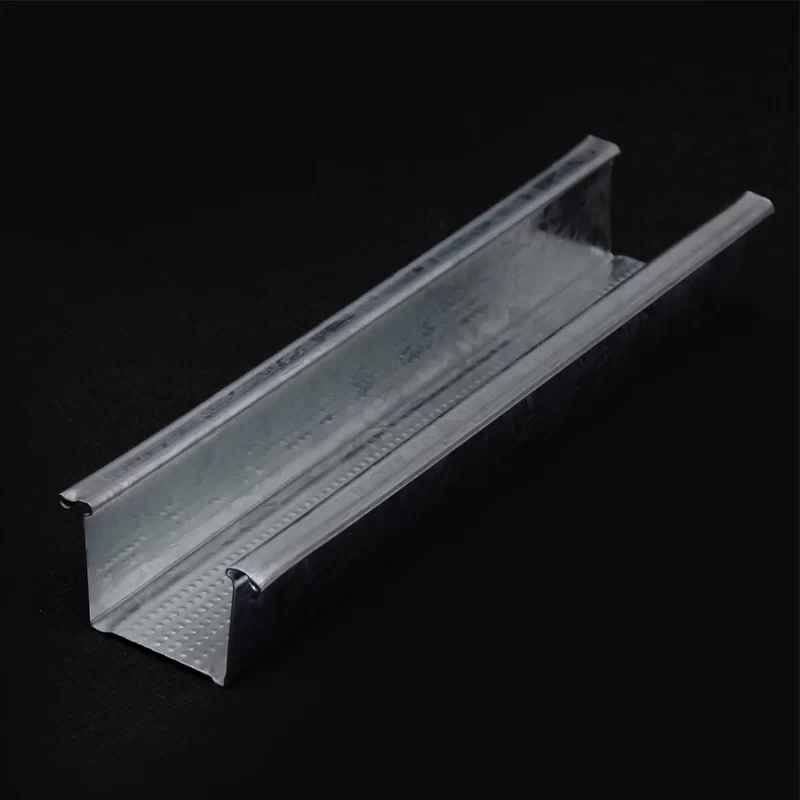
Advanced Prefabricated Light Gauge Steel Building Solutions for Mongolia

Advanced Prefabricated Light Gauge Steel Building Solutions for Mongolia

Engineering high-performance, weather-resistant structural frameworks tailored for the extreme climatic conditions of the Mongolian steppe.

Advanced Prefabricated Light Gauge Steel Building Solutions for Mongolia

Providing precision-engineered steel framing systems that combine rapid deployment with unmatched structural integrity for Mongolia's growing infrastructure needs.

Construction Realities in Mongolia's Harsh Environment

Analyzing the shift toward metal-based architectural solutions in East Asia.

Mongolia's construction sector faces unique challenges characterized by extreme temperature fluctuations, ranging from -40°C in winter to +40°C in summer. Traditional masonry and concrete methods often suffer from thermal cracking and prolonged curing times in these conditions, leading to a critical demand for structural light gauge metal framing that offers superior thermal expansion stability.

The geographical vastness and remote nature of Mongolian sites make logistics a primary bottleneck. The adoption of lightweight steel frame building technology has become a strategic necessity, allowing materials to be transported more efficiently and assembled on-site with minimal heavy machinery, reducing overall project timelines significantly.

Furthermore, the rapid urbanization of Ulaanbaatar has pushed the industry toward sustainable, fire-resistant, and earthquake-resilient materials. The precision of modern metal framing gauges ensures that buildings can withstand seismic activities common in the region while maintaining strict energy efficiency standards through integrated insulation layers.
Evolution of Steel Framing in the Mongolian Market

From basic structural supports to fully automated prefabricated systems.

Market Development History

In the early 2000s, the Mongolian market relied heavily on heavy hot-rolled steel and traditional brickwork. The primary focus was on basic industrial warehouses where steel stud gauge standards were rudimentary and often inconsistent, leading to issues with structural alignment and longevity.

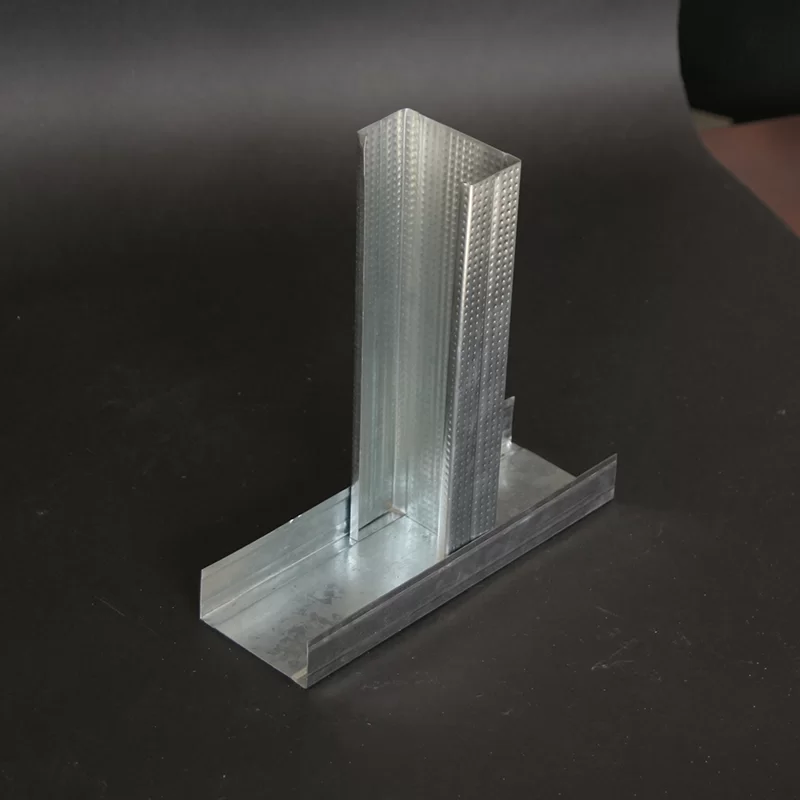
Between 2010 and 2020, a transition occurred toward Cold-Formed Steel (CFS). The introduction of digital BIM modeling allowed for the precise calculation of metal framing gauges, enabling the construction of multi-story residential units and commercial hubs that were faster to erect than traditional reinforced concrete.

Since 2021, the industry has entered the era of high-precision prefabrication. The current focus is on fully integrated prefabricated light gauge steel building systems where every component is CNC-cut and punched, ensuring zero-error assembly in remote Mongolian provinces.

Future Development Trends

Integration of Smart Thermal Breaks

Future systems will incorporate advanced thermal break technologies within the steel profiles to prevent cold bridging, a critical requirement for the Siberian-Mongolian climate.

AI-Driven Structural Optimization

We anticipate a shift toward AI-optimized designs that automatically adjust the steel stud gauge based on real-time wind load data from different Mongolian regions.

Sustainable Green-Steel Adoption

There is a growing trend toward using low-carbon, recycled steel to align with Mongolia's new environmental goals and international green building certifications.

Industry Outlook and Technological Trajectory

Forecasting the next 5 years of non-metallic and metal building evolution.

Modular Rapid Deployment
Increasing shift towards 3D volumetric modules that are pre-fitted with utilities before arriving at the site.
High-Precision Gauging
Standardization of ultra-thin yet high-strength alloys to optimize the weight-to-strength ratio.
Hybrid Material Systems
Combining light gauge steel with gypsum-based fireproofing and mineral wool for extreme insulation.
Digital Twin Management
Using IoT sensors embedded in steel frames to monitor structural health in high-wind Mongolian zones.

Industry Outlook

Based on regional search trends, there is a significant surge in interest for "sustainable rapid housing" in Central Asia. This indicates that the market is moving away from temporary shelters toward permanent, high-quality lightweight steel frame building structures that can be upgraded over time.

Over the next 3-5 years, we expect the integration of automated fabrication centers within Mongolia to reduce import costs and allow for hyper-localized adjustments to structural light gauge metal framing specifications based on soil conditions in different aimags.

Localized Application Scenarios in Mongolia

Real-world implementations of steel framing across diverse Mongolian terrains.

1. Extreme Cold Residential Housing

Implementing high-gauge steel frames with thick mineral wool insulation to create energy-efficient homes in the Gobi and Northern regions, ensuring stability against permafrost heave.

2. Rapidly Deployable Mining Camps

Utilizing prefabricated light gauge steel building components to quickly establish worker accommodations in remote mining sites with minimal site preparation.

3. Urban Infill Commercial Hubs

Applying precision steel stud gauge systems for interior partitioning and structural facades in Ulaanbaatar's densifying business districts.

4. Eco-Tourism Nomadic Resorts

Creating lightweight, low-impact luxury pods using structural light gauge metal framing that preserves the natural landscape while providing modern comfort.

5. Government Administrative Outposts

Building durable, fire-resistant community centers and clinics in rural aimags using standardized metal framing for consistent quality and fast assembly.

Brand Story

Global Development History of Wenan Jinkai Construction Materials Co., Ltd.

Founding Excellence

Established with a vision to revolutionize the non-metallic mineral and metal decoration industry through precision engineering and material science.

Technological Breakthrough

Developed proprietary roll-forming processes that allowed for tighter tolerances in steel stud gauges, setting a new industry standard for accuracy.

Market Expansion

Successfully exported high-strength framing systems to Central Asia, overcoming extreme climatic challenges and earning trust in Mongolia.

Sustainable Innovation

Invested in green manufacturing to reduce the carbon footprint of prefabricated steel buildings, focusing on 100% recyclable materials.

Global Leadership

Now recognized as a leading provider of integrated metal framing solutions, solving the pain point of construction delays in harsh environments.

Comprehensive Steel Framing Portfolio for Mongolia

A full suite of products designed for resilience, precision, and speed.

Mongolia Project FAQs

Expert answers to common technical queries regarding light gauge steel in Central Asia.

How do prefabricated light gauge steel buildings handle extreme Mongolian winters?

Our systems use galvanized high-tensile steel that does not become brittle in extreme cold, combined with continuous thermal insulation layers to eliminate cold bridging.

What are the most common metal framing gauges used for residential projects in Ulaanbaatar?

Depending on the load-bearing requirements, we typically recommend gauges ranging from 0.75mm to 1.2mm for structural walls to ensure seismic stability.

Can structural light gauge metal framing support heavy snow loads in Northern Mongolia?

Yes, by optimizing the spacing of the studs and increasing the gauge of the roof trusses, our systems are engineered to meet and exceed regional snow load standards.

How does the steel stud gauge affect the overall cost of a prefabricated project?

While thicker gauges increase material costs, they allow for wider spans and fewer supports, often reducing the total labor time and overall project cost.

Is a lightweight steel frame building more environmentally friendly than a concrete one?

Absolutely. Steel is 100% recyclable, and the prefabrication process significantly reduces on-site waste and carbon emissions during transport.

What is the typical assembly time for a prefabricated light gauge steel building in remote areas?

Because components are pre-cut and numbered, the structural frame can typically be assembled in 30-50% of the time required for traditional construction.

Ready to Build the Future of Mongolia?

Get professional technical consultation for your next steel framing project in Mongolia. Our engineers are ready to assist.

Contact Us Now

If you are interested in our products, you can choose to leave your information here, and we will be in touch with you shortly.