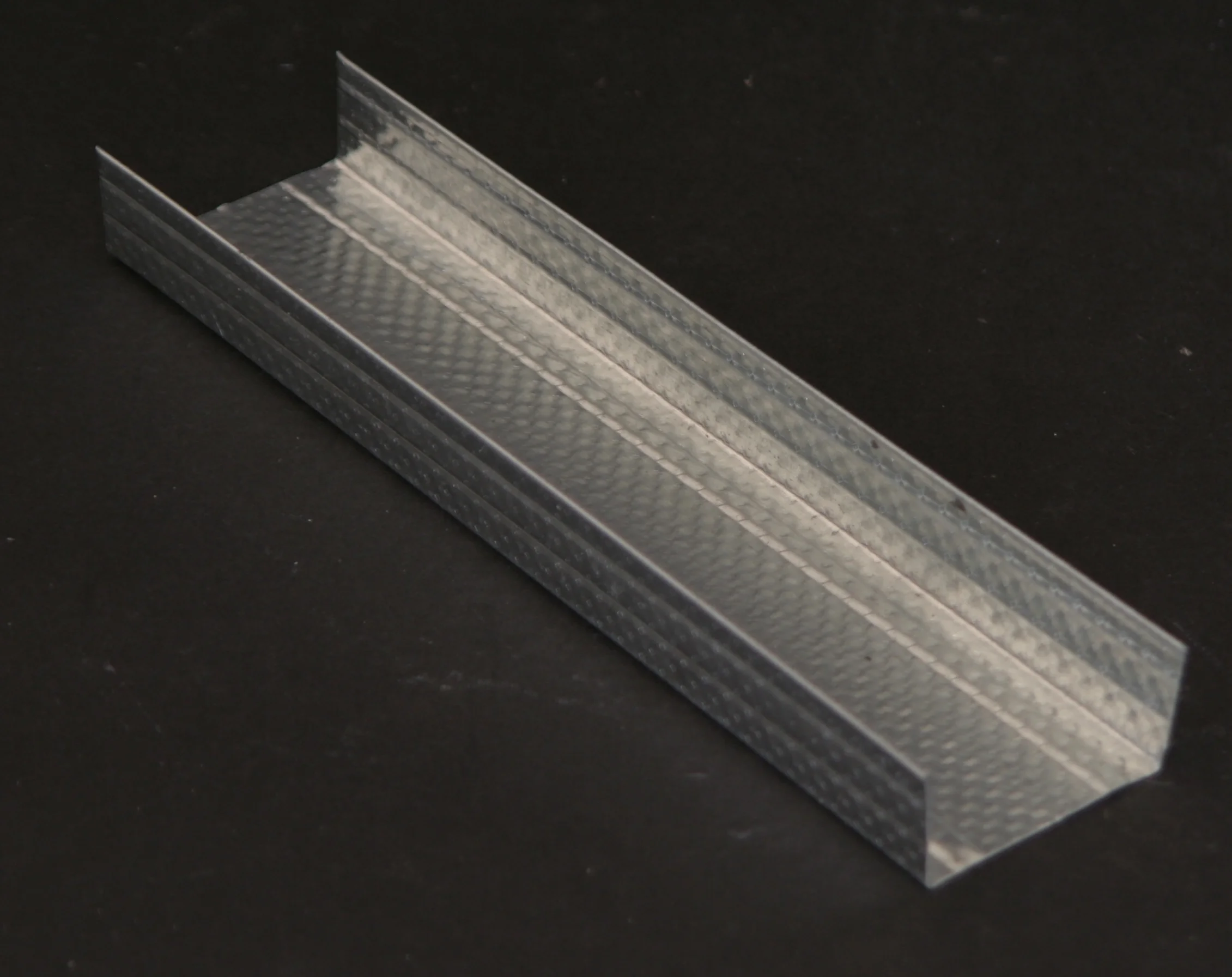
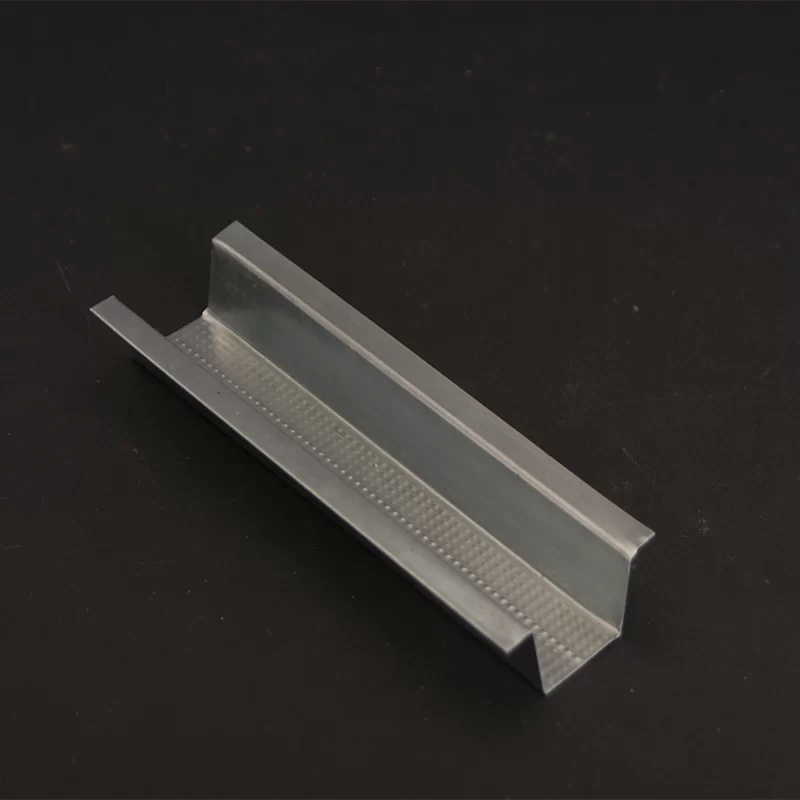
Advanced Prefabricated Light Gauge Steel Building Solutions for Singapore

Advanced Prefabricated Light Gauge Steel Building Solutions for Singapore

Engineering sustainable, high-precision structural frameworks tailored for the dense urban landscape and tropical climate of Asia's primary financial hub.

Advanced Prefabricated Light Gauge Steel Building Solutions for Singapore

Our high-strength steel systems provide an efficient alternative to traditional concrete, offering rapid deployment and superior seismic resistance for Singapore's evolving architectural needs.

Market Dynamics of Steel Framing in Singapore

Navigating the challenges of land scarcity and high labor costs in the City-State.

Singapore's construction sector is currently driven by the Building and Construction Authority's (BCA) push toward Integrated Digital Delivery. The adoption of a lightweight steel frame building approach is accelerating as the region seeks to minimize on-site waste and reduce the reliance on manual labor in a high-cost environment.

Due to the tropical humid climate, the industry focuses heavily on anti-corrosive coatings. Precision in metal framing gauges is critical here to ensure that structures can withstand high humidity and wind loads from monsoon seasons while remaining lightweight enough for high-rise integration.

Economic pressure to complete projects faster has led to a surge in PPVC (Prefabricated Prefinished Volumetric Construction). This environment makes the use of a steel stud gauge that meets stringent international safety standards a top priority for local contractors and developers.
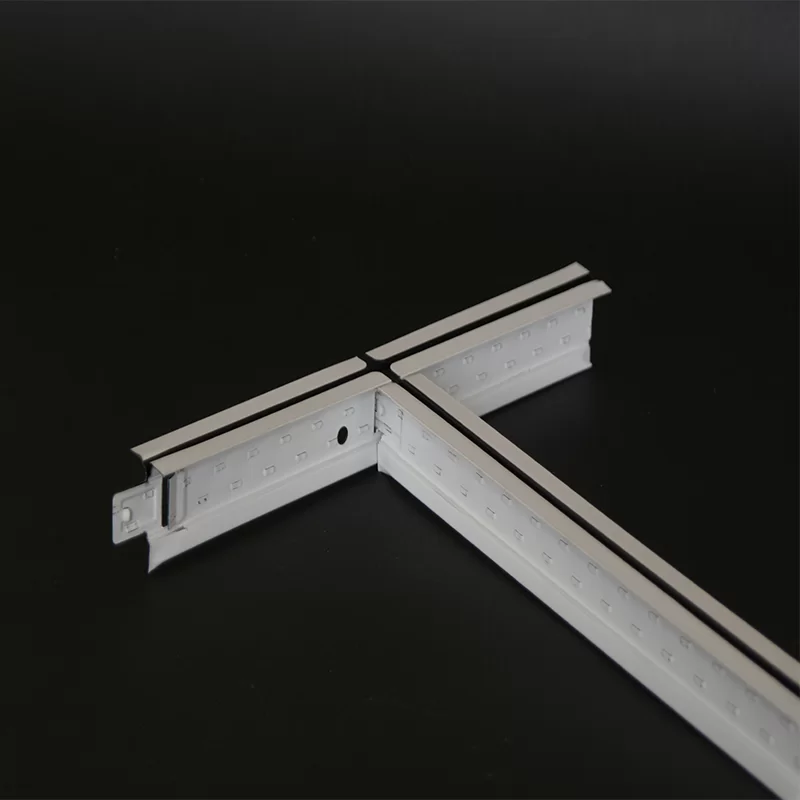
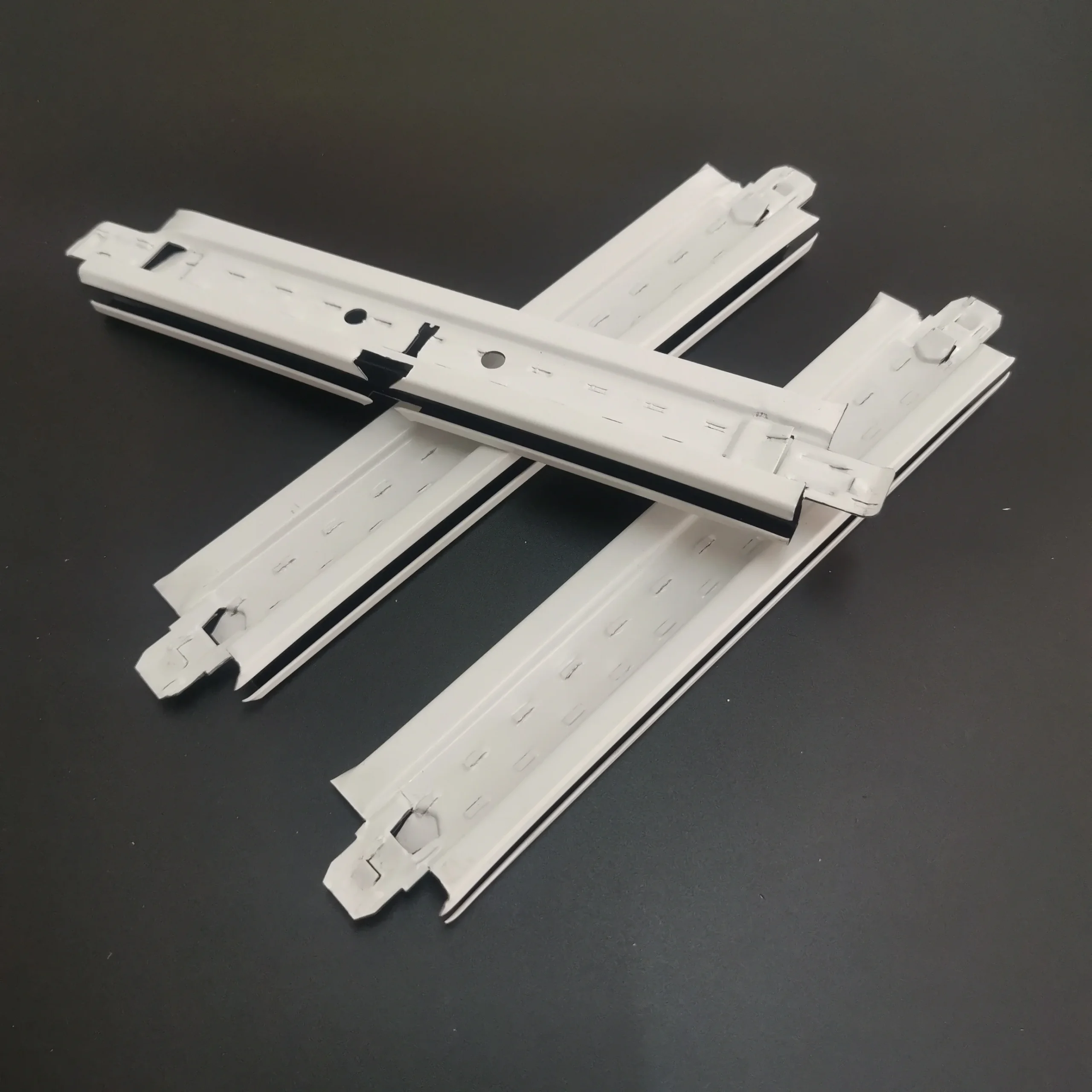
Evolution of Structural Steel Framing

From basic partitioning to high-performance structural engineering.

Market Development History

In the early 2000s, metal framing in Singapore was primarily limited to non-load-bearing internal partitions. The focus was on simple steel stud gauge variations for office dividers, with little emphasis on overall structural integrity.

Between 2010 and 2020, there was a technical pivot toward cold-formed steel. The industry moved from manual cutting to CNC-automated production, allowing for the emergence of structural light gauge metal framing that could support multi-story lightweight extensions.

Today, the integration of BIM (Building Information Modeling) allows for millimeter-perfect precision. The shift is now toward fully integrated systems where the frame, insulation, and cladding are designed as a single prefabricated unit.

Future Development Trends

AI-Driven Structural Optimization

Future systems will use generative design to optimize the thickness and placement of framing, reducing material waste while maintaining maximum load capacity.

Green Steel and Low-Carbon Alloys

Driven by the Singapore Green Plan 2030, there is a shift toward recycled steel alloys and carbon-neutral manufacturing processes.

Hybrid Modular Integration

We expect a rise in hybrid systems combining lightweight steel with Cross Laminated Timber (CLT) to enhance sustainable urban dwelling.

Industry Trends and Future Outlook

Strategic foresight for the non-metallic and metal decorative materials sector.

Modular DfMA Acceleration
Design for Manufacturing and Assembly (DfMA) is becoming the standard in Singapore to eliminate on-site errors.
High-Precision Gauging
Increasing demand for tighter tolerances in metal framing to support complex architectural geometry.
Smart Coating Tech
Next-gen hydrophobic and anti-corrosive coatings specifically for Southeast Asian humidity.
Zero-Waste Production
Transitioning to fully circular production loops to meet strict Singaporean environmental laws.

Industry Outlook

The convergence of BIM technology and structural light gauge metal framing is set to redefine the urban construction timeline. We predict a 30% reduction in project delivery time for mid-rise commercial buildings over the next 5 years.

Furthermore, as Singapore expands its "City in Nature" vision, the demand for lightweight, non-invasive structural additions to existing heritage buildings will drive innovation in customized metal framing solutions.

Local Application Scenarios in Singapore

Real-world integration of lightweight steel systems in the Lion City.

01. High-Density Residential PPVC

Implementing prefabricated light gauge steel frames as the core skeleton for modular housing units in HDB projects, ensuring rapid assembly and strict quality control.

02. Commercial Office Fit-outs

Utilizing precision metal framing gauges for flexible interior wall systems in the CBD, allowing for rapid reconfiguration of workspaces.

03. Industrial Warehouse Extensions

Using structural light gauge metal framing to add mezzanine levels to existing industrial warehouses in Jurong, maximizing vertical space without overloading foundations.

04. Sustainable Eco-Pavilions

Deploying lightweight steel frame buildings for temporary exhibition spaces and garden pavilions at Gardens by the Bay, focusing on minimal site impact.

05. Urban In-fill Housing

Applying prefabricated steel frames to create narrow-lot residential dwellings in heritage areas where traditional concrete pouring is logistically impossible.

Brand Story

Global Development Journey of Wen'an Jinkai Construction Materials Co., Ltd.

Foundational Excellence

Established with a mission to solve the instability of traditional framing, we began by mastering the precision of cold-formed steel production.

Technical Breakthroughs

We invested in high-tolerance roll-forming machinery, eliminating common gauge variances that plague the construction industry.

Global Quality Certification

By aligning our processes with international standards, we expanded our reach to demanding markets like Singapore and the EU.

Sustainable Innovation

We pivoted toward "Green Steel," optimizing our manufacturing to reduce carbon emissions and material waste.

Future-Ready Engineering

Today, we integrate AI and BIM into our supply chain, providing global partners with turnkey prefabricated steel solutions.

Comprehensive Steel Product Portfolio for Singapore

From structural components to decorative metal finishes.

Frequently Asked Questions in Singapore

Expert answers to technical queries regarding lightweight steel construction.

How do I choose the correct steel stud gauge for high-rise partitions in Singapore?

The choice depends on the required wall height and wind load. For commercial high-rises, a heavier gauge is typically required to ensure rigidity and sound insulation, adhering to BCA safety standards.

Are prefabricated light gauge steel buildings suitable for Singapore's humidity?

Yes, provided they are treated with high-grade galvanization or specialized anti-corrosive coatings. Our systems are engineered specifically to prevent oxidation in tropical coastal environments.

What are the advantages of structural light gauge metal framing over traditional timber?

Steel framing is termite-proof, fire-resistant, and dimensionally stable. Unlike timber, it does not warp or shrink in Singapore's extreme humidity, ensuring long-term structural precision.

Can a lightweight steel frame building be used for permanent residential structures?

Absolutely. When designed as a structural system, lightweight steel offers the same load-bearing capacity as traditional materials but with significantly faster installation times.

How do metal framing gauges impact the cost of a prefabricated project?

While thicker gauges increase raw material costs, they often reduce the need for additional reinforcement beams, potentially lowering the overall structural cost and assembly time.

Is the installation of prefabricated light gauge steel buildings faster than concrete?

Yes, significantly. By shifting the construction to a factory environment, on-site assembly is reduced to a "plug-and-play" process, often cutting schedules by 30% to 50%.

Ready to Optimize Your Build?

Contact our engineering team today for customized structural steel solutions in Singapore.

Contact Us Now

If you are interested in our products, you can choose to leave your information here, and we will be in touch with you shortly.