Hit enter to search or ESC to close
January 19, 2026
As modern construction continues to evolve, lightweight framing systems have become essential across residential, commercial, and institutional projects. Among these systems, metal furring accessories, drywall furring hat channel, and related attachment components play a crucial role in supporting drywall, concealing utilities, improving acoustic comfort, and enhancing structural performance. Whether used for interior partitions, ceilings, or façade solutions, metal furring technology enables fast installation, long-term durability, and consistent results.
This article explores how furring hat channel components, suspension systems, clips, and specialty channels work together to form reliable drywall support assemblies. We will also discuss accessory types such as hanger for metal furring, metal furring channel clips, metal furring hat channel, and metal stud hat channel, and how these elements contribute to improved performance in modern building environments.
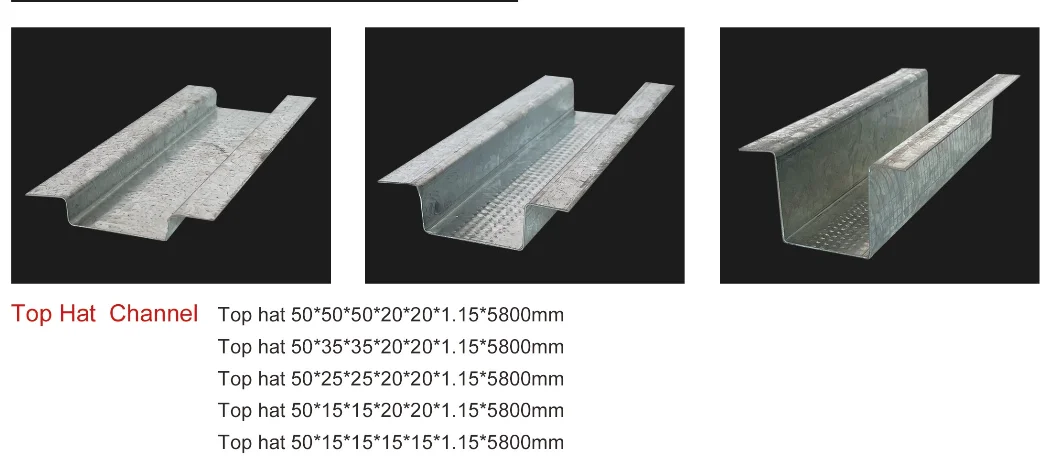
At their core, metal furring systems consist of lightweight galvanized steel channels supported by a variety of metal furring accessories. These systems create a secondary framework onto which interior finish materials—such as drywall, acoustic panels, or cladding—are mounted.
A typical installation combines vertical or horizontal channels with suspension components and fastening accessories. These elements create leveling surfaces that correct structural irregularities and allow for the routing of electrical, plumbing, and HVAC services behind finished walls.
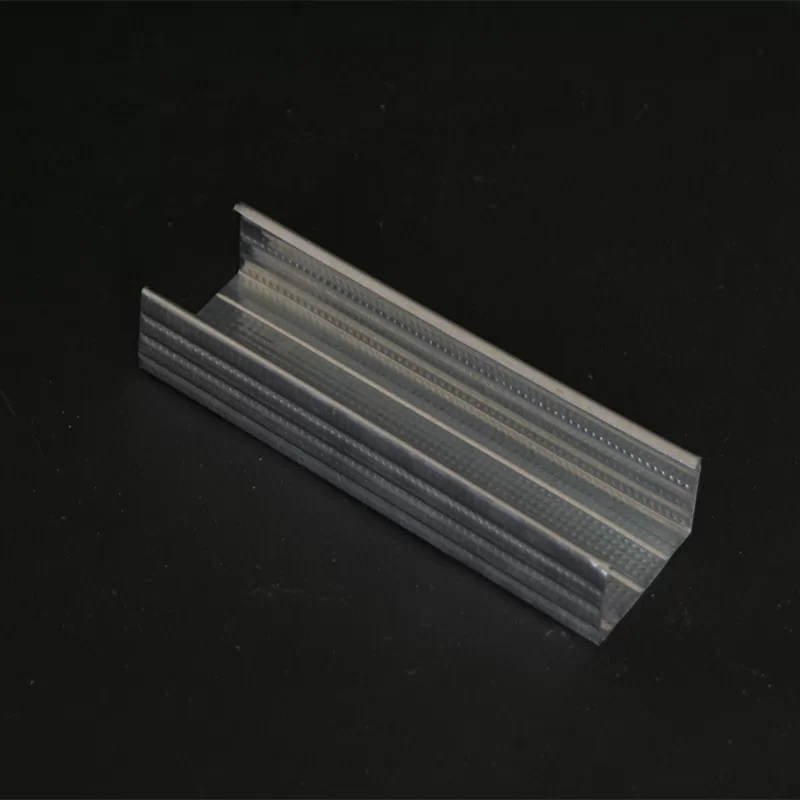
One of the most widely used channel types is the drywall furring hat channel. This profile is shaped like a “hat” in cross-section, featuring a flat top surface and downward flanges for added rigidity. The furring hat channel design enhances stiffness, reduces warping, and supports heavier loads compared to basic stud framing, making it suitable for walls, ceilings, and acoustic assemblies.
When combined with insulation and resilient clips, hat channels can enhance thermal and sound isolation, providing occupants with greater comfort in multi-unit residential buildings, classrooms, offices, and hospitality spaces.
While drywall studs remain an essential structural element, accessory components such as the metal stud hat channel provide improved dimensional consistency and surface alignment. When drywall is attached directly to studs without furring, slight imperfections in the frame can telegraph through finished surfaces, compromising visual quality.
By integrating a metal furring hat channel or stud-mounted hat channel profile, installers create a more precise mounting surface, enabling smoother finishes and better acoustic decoupling. This is especially useful in:
1. Luxury residential condominiums
2. Hotel guest rooms
3. Hospitals and healthcare facilities
4. Multi-story apartment buildings
5. Commercial office interiors
In these environments, measurable acoustic comfort and visual precision are key expectations, and metal furring systems offer a reliable pathway to achieving those performance outcomes.
In suspended ceiling assemblies, leveling is achieved using a hanger for metal furring connected to overhead structural slabs or joists. Hangers can take different forms—wire hangers, rod hangers, or bracket hangers—depending on the load requirements and ceiling design.
The hanger for metal furring supports primary channels, which then support secondary channels like drywall furring hat channel members. This multi-layer suspension design provides space for mechanical and electrical services, while maintaining a stable grid that minimizes movement and vibration.
Another important category includes metal furring channel clips, which are used to fasten channels to support structures or to connect perpendicular channel runs. These clips help manage expansion, contraction, and vibration by securing channels without deforming them.
Typical functions of metal furring channel clips include:
1. Connecting hat channels to wall studs
2. Fastening ceiling channels to main carriers
3. Securing channels to concrete or masonry substrates
4. Supporting acoustic decoupling hardware
5. Managing structural alignment in complex assemblies
Clips are frequently paired with corrosion-resistant screws, powder-actuated fasteners, or anchors depending on the substrate material. Because these systems need to perform reliably over decades, selecting the right clip design and material is crucial for long-term integrity.
With the combination of channels, clips, and suspension hardware, metal furring assemblies offer several benefits:
1. Enhanced structural flatness and alignment
Channels correct substrate irregularities and provide consistent planes.
2. Improved acoustic privacy and comfort
Decoupled systems significantly reduce sound transfer between rooms and floors.
3. Thermal insulation space and utility routing
Cavities support insulation, wiring, pipes, and HVAC without damaging finishes.
4. Moisture and fire resistance
Galvanized steel resists mold, warping, and ignition—important in high-performance buildings.
5. Fast and efficient installation
Lightweight modular components speed up construction schedules.
These advantages reinforce why metal furring systems and metal furring accessories have become industry standards across diverse building types.
From high-rise developments to suburban remodeling projects, the integration of metal furring accessories, drywall furring hat channel, furring hat channel, hanger for metal furring, metal furring channel clips, metal furring hat channel, and metal stud hat channel plays a vital role in delivering structural precision, acoustic comfort, and long-term durability. These systems allow builders and designers to conceal mechanical services, enhance energy efficiency, and provide flawless interior finishes demanded by today’s market.
For developers, architects, and contractors looking to improve construction efficiency and occupant comfort, metal furring assemblies represent a modern and dependable solution. If you’re planning a drywall or suspended ceiling project, consider consulting with a framing specialist to select the right channel types and accessories for optimal performance and longevity.
They are used to create a secondary support framework behind drywall or cladding, improving leveling, insulation capability, and acoustic performance.
A drywall furring hat channel is a hat-shaped steel profile used to support drywall or acoustic panels while providing enhanced rigidity and better alignment.
Metal furring channel clips secure channels to structural surfaces and other framing components, ensuring stability, vibration control, and long-term performance.
Yes. A hanger for metal furring is used to suspend furring channels from structural slabs, creating space for wiring, ducts, and mechanical utilities.
A furring hat channel is typically used in standalone furring assemblies, while a metal stud hat channel is mounted directly to studs for leveling, decoupling, or acoustic improvement.