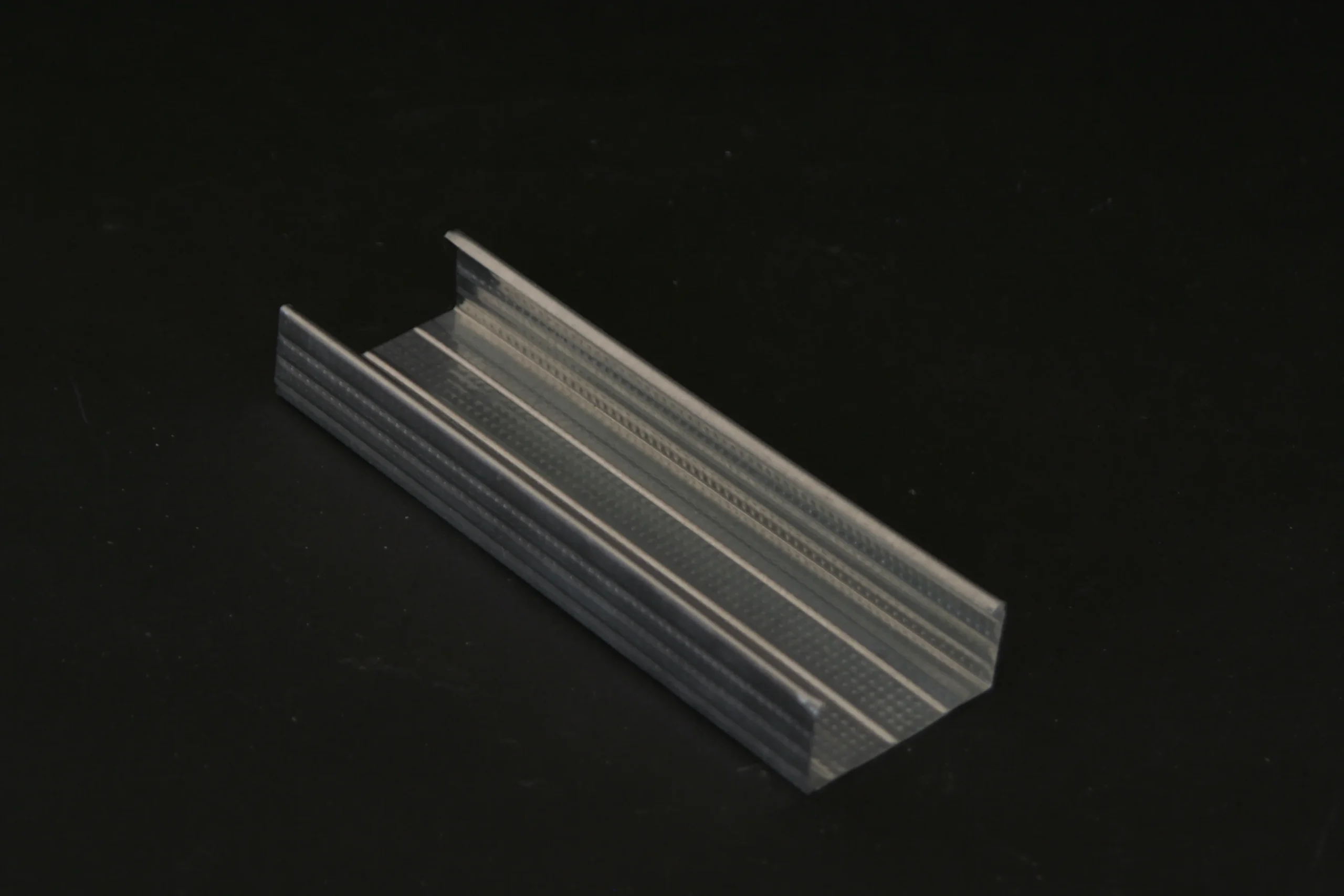
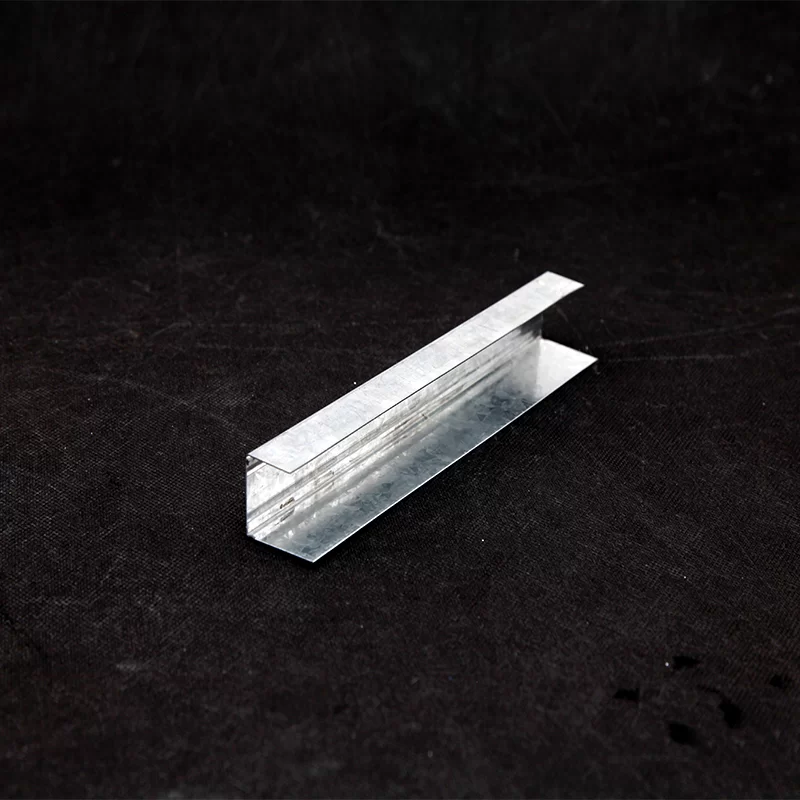
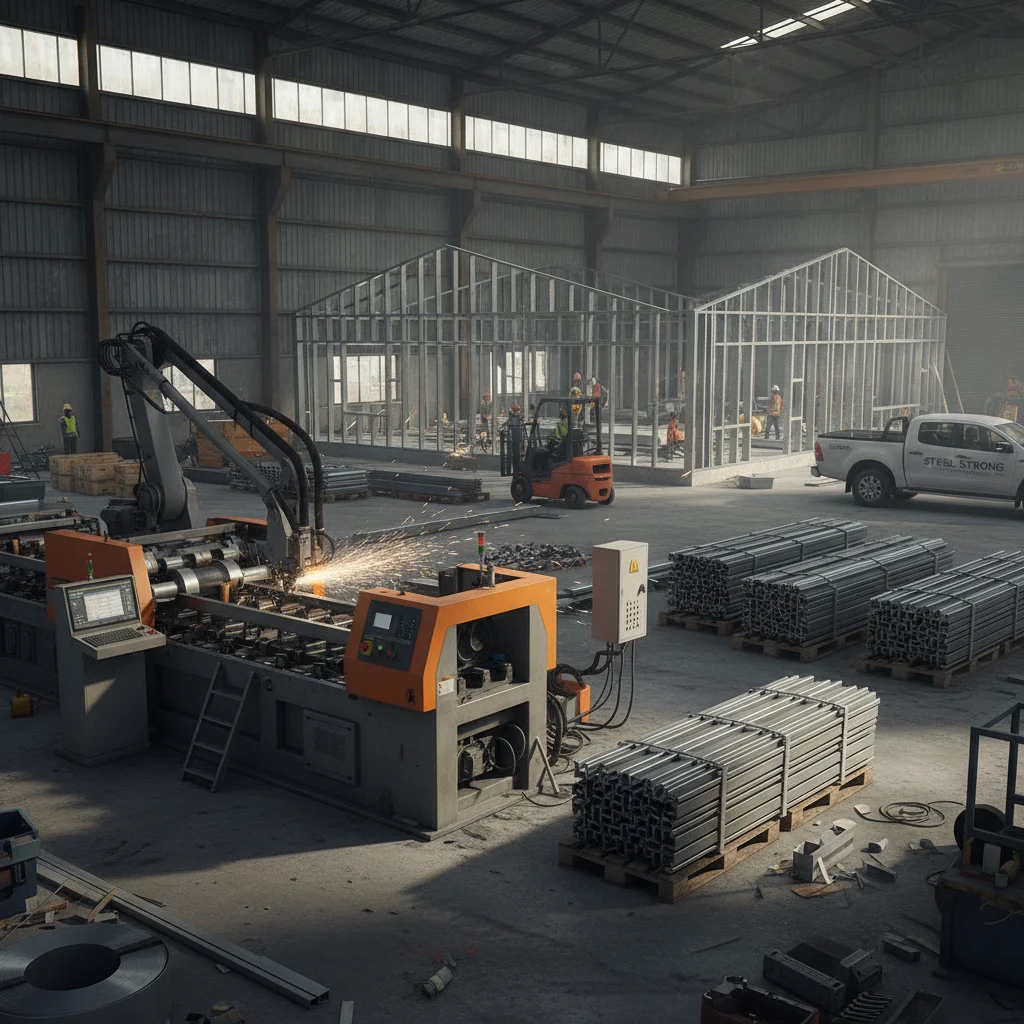
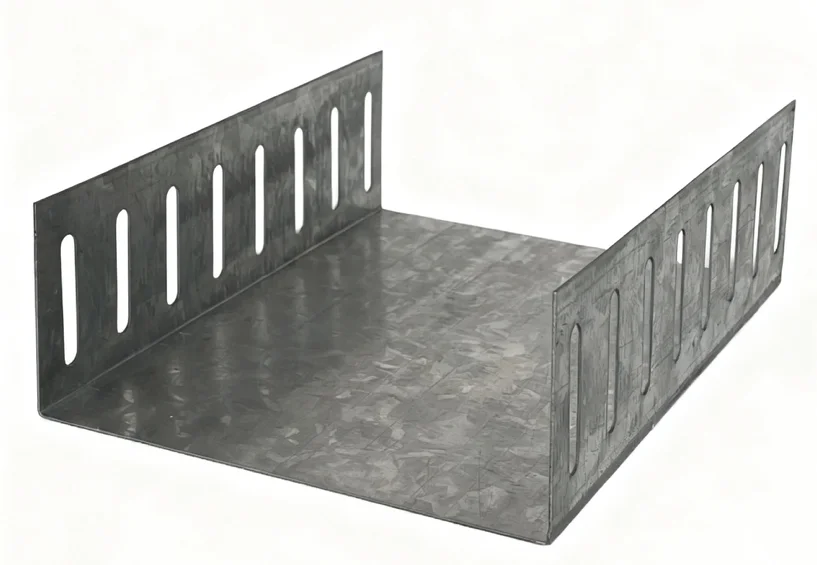
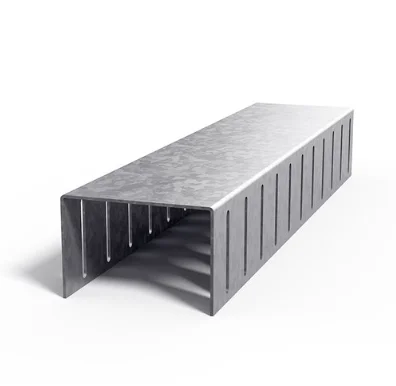
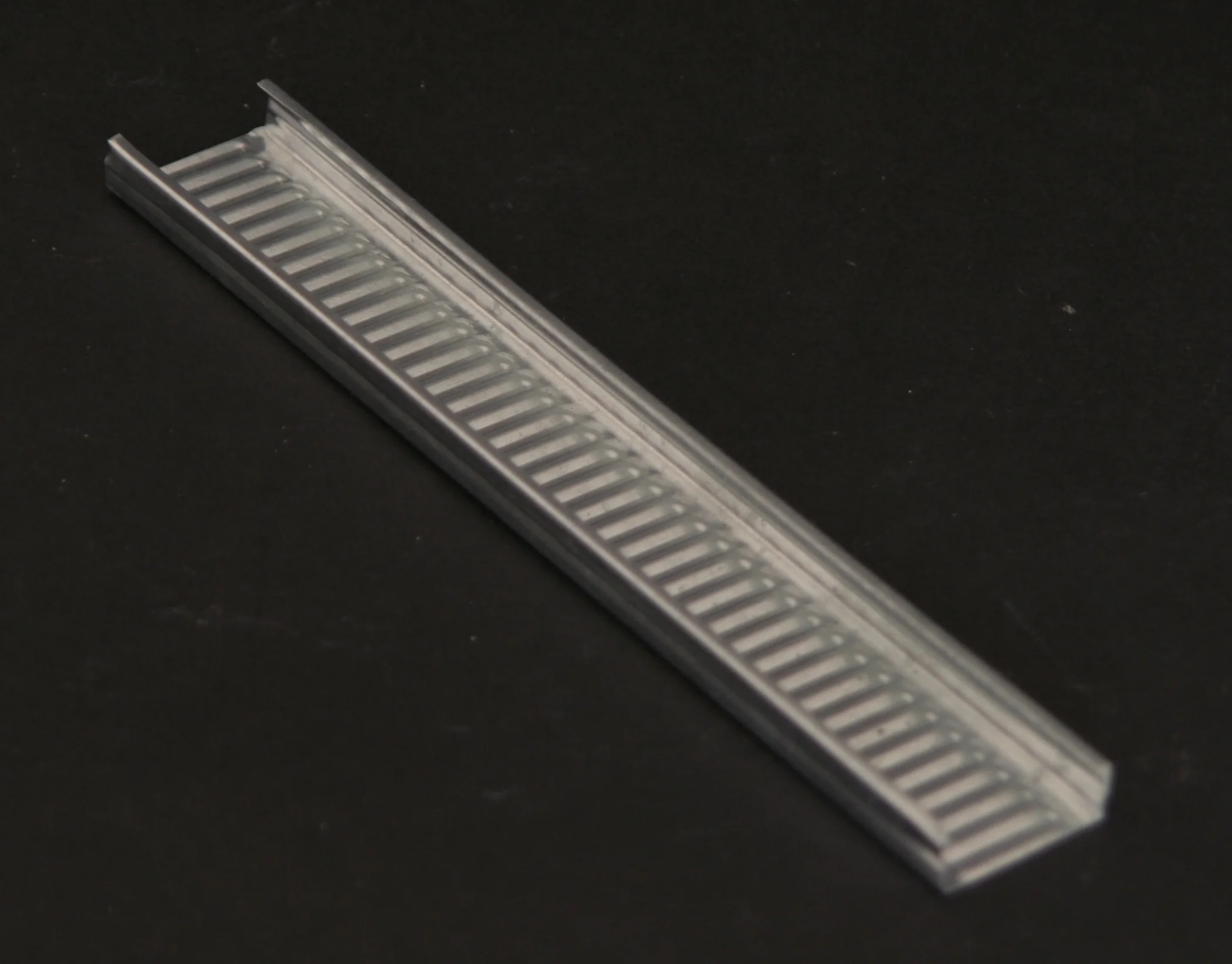
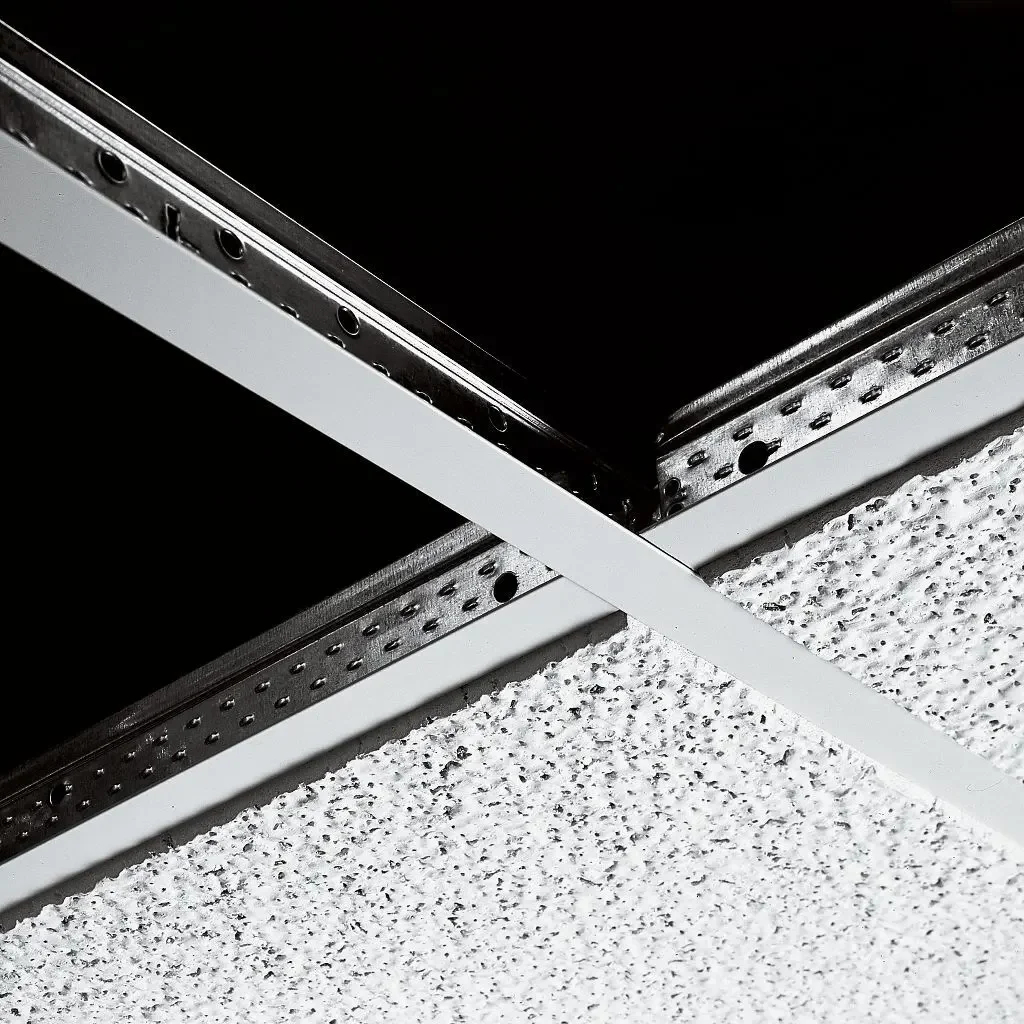
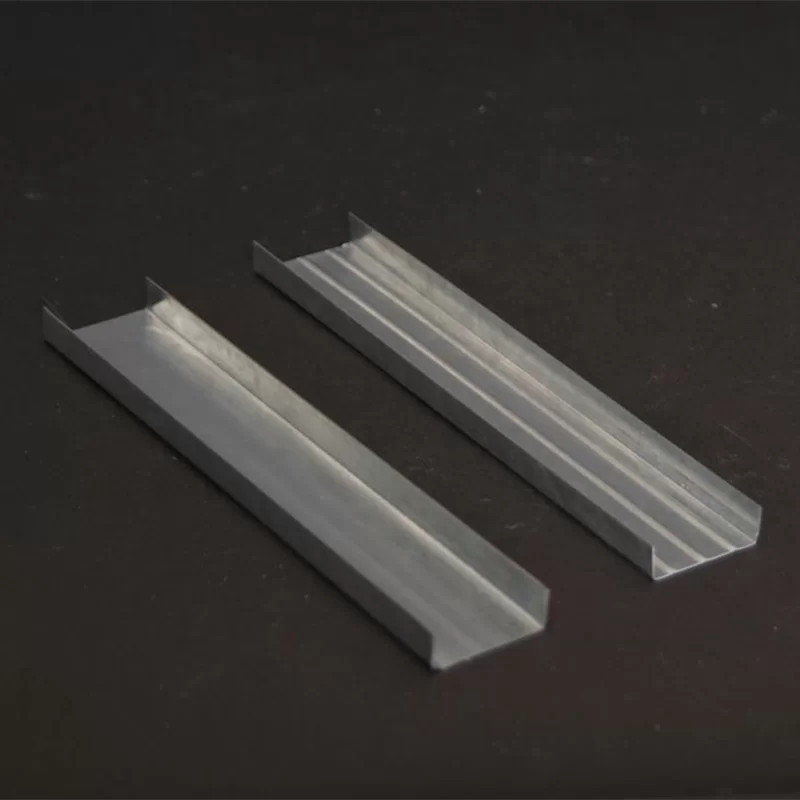
Drywall System is a key solution in the industry, specifically within commercial and residential construction sectors. This article explores how https://www.jinkaibm.com supports professionals with durable, high-performance products, and explains why this product is an ideal choice for businesses in these sectors.
Table of Contents
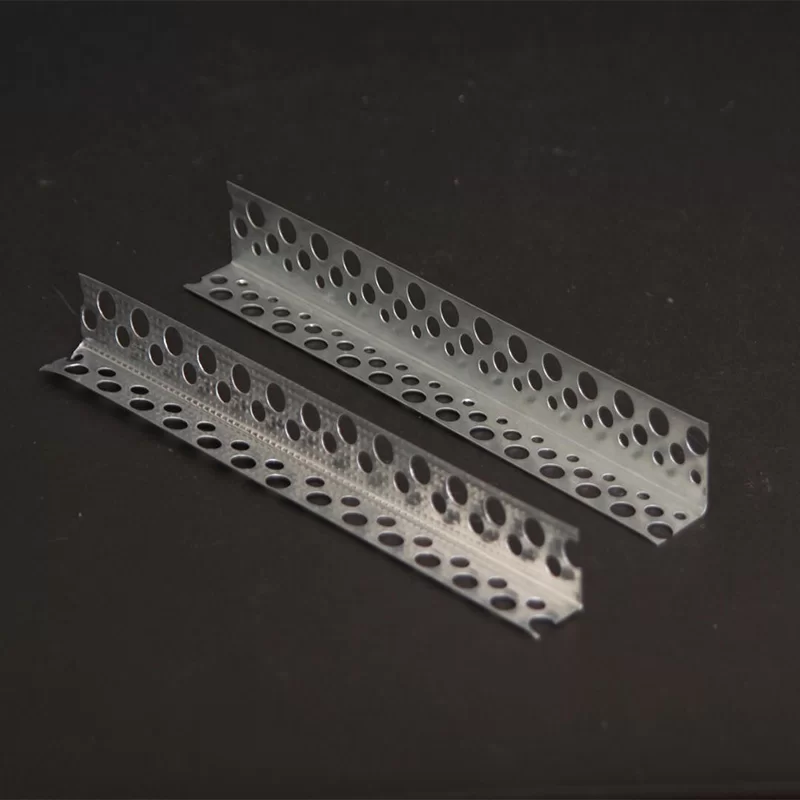
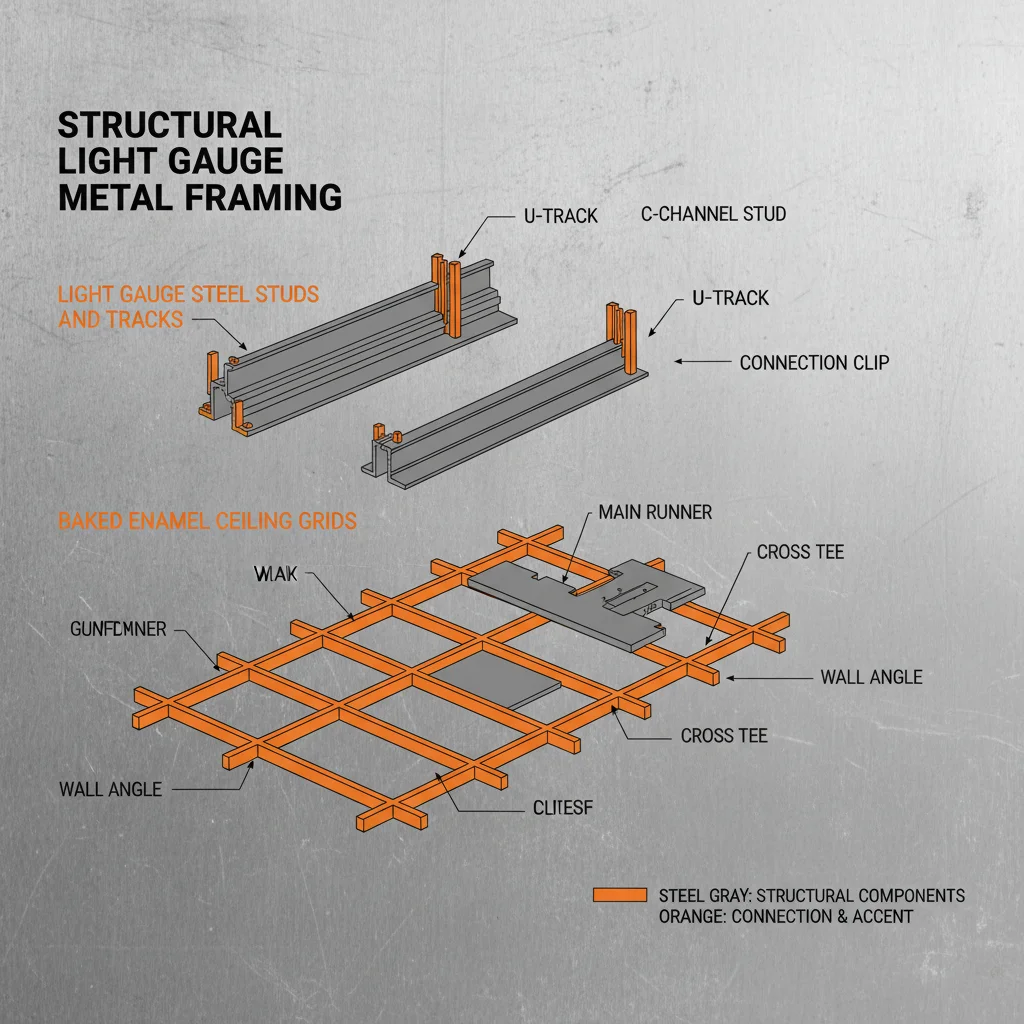
At its core, a drywall system is a construction solution designed to create interior walls and ceilings quickly, efficiently—and, frankly, with an impressive level of finish and durability. Instead of traditional plaster, drywall involves gypsum-based panels that install easily on framing, promising both strength and flexibility. If you haven’t worked directly with it, it might feel a bit like magic: flat panels that assemble into walls in days rather than weeks.
From a technical perspective, the drywall boards typically come in standard sizes like 4x8 feet and thicknesses around 12.5mm (or 1/2 inch). What’s interesting is that companies like Jinkai Building Materials blend gypsum cores with additives that resist moisture, fire, and even mold to some extent—key features in demanding environments.
| Specification |
Details |
| Board Size |
1200mm x 2400mm (4x8 ft) |
| Thickness |
12.5mm (standard) |
| Core Material |
Gypsum with additives |
| Finish |
Paper faced, moisture & fire resistant options |
| Installation |
Screw or nail fixed to metal/wood framing |
Businesses in construction, renovation, and even commercial interior design love drywall systems for their speed and versatility. Oddly enough, the drywall system feels like a perfect middle ground: far quicker to install than bricks or plaster, but offering a solid, smooth finish that's easy to decorate.
The moisture-resistant drywall panels—as offered by Jinkai—are perfect for damp-prone areas like bathrooms and kitchens. Meanwhile, fire-resistant models help meet strict building codes in hotels, hospitals, and schools. Frankly, these features reduce rework and boost safety, which clients truly appreciate.
What really sets drywall apart? Its lightweight nature combined with soundproofing capabilities. Offices and multifamily residential projects increasingly specify such drywall to ensure quieter spaces without heavier and more expensive solutions.
Vendor Comparison Table
| Feature |
Jinkai Building Materials |
Vendor A (Generic) |
Vendor B (Generic) |
| Moisture Resistance |
High (special additives) |
Standard |
Low |
| Fire Rating |
Up to 2 hours |
1 hour |
1 hour |
| Customization Options |
Wide (sizes & coatings) |
Limited |
Limited |
| Price Range |
Mid-range |
Low |
High |
| Lead Time |
7-10 days |
5-7 days |
14-20 days |
Cost, Maintenance & User Experience
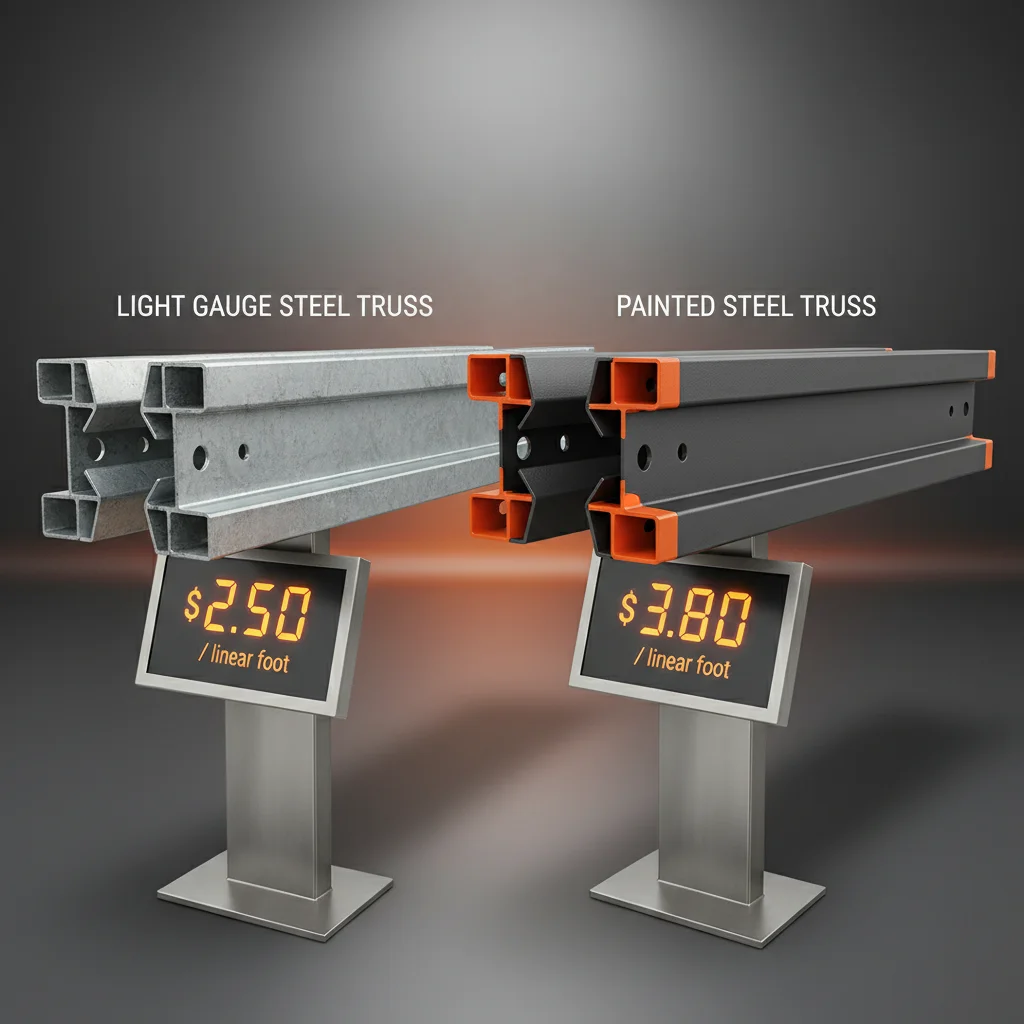
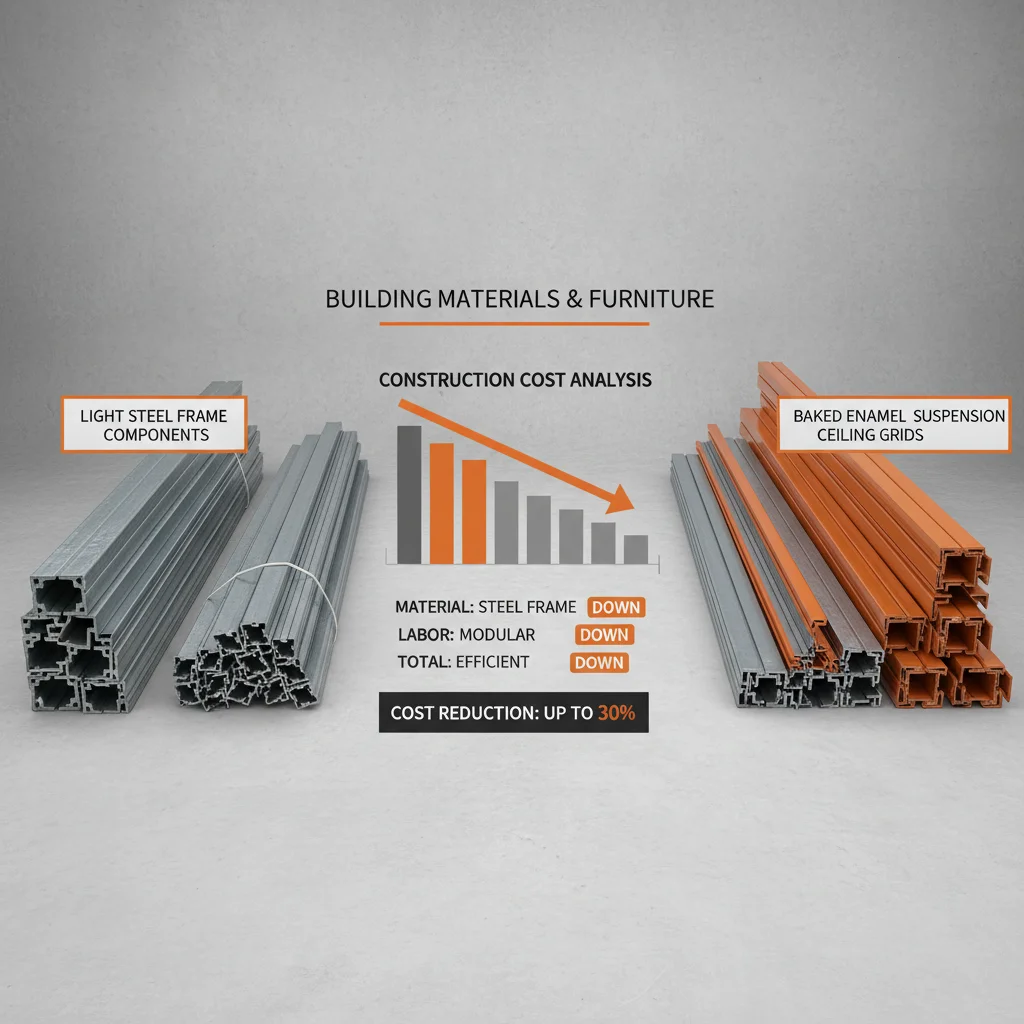
From a B2B decision-maker's lens, cost is always the elephant in the room. The total cost of ownership for drywall systems is generally quite favorable, especially when you factor in quicker installation and less downtime compared to traditional masonry or plaster methods. Sure, the upfront material cost may sometimes be a bit higher than the cheapest alternatives, but the ROI becomes clear once you look at labor savings and reduced maintenance.
User feedback collected from commercial contractors shows that systems like those at Jinkai hold up beautifully over time. Clients regularly highlight the consistency in board quality and the supportive customer service for technical queries—which can honestly be a game changer when schedules are tight.
Maintenance-wise, drywall is not particularly taxing. Repairs, if necessary, are localized and straightforward—rather different from the headache of repairing cracked plaster or brick. Long story short: it’s a modern system designed for real-world conditions, which often translates into peace of mind for facility managers.
Sustainability & Market Trends
Sustainability these days is far more than just a buzzword, and drywall manufacturers have caught up in a big way. One thing I noticed is Jinkai’s push toward greener technologies—like recycling gypsum from industrial waste and using eco-conscious paper facings. This not only reduces landfill waste but also aligns with a growing number of regulations demanding environmentally responsible building materials.
In real terms, many countries now require that interior wall systems meet certain standards for VOC emissions and formaldehyde content; drywall systems by trusted suppliers typically lead the way here. Plus, the growing appetite for modular and prefabricated construction is pushing drywall into the spotlight even further, thanks to its adaptability and speed.
Industry reports suggest steady growth in drywall market demand, particularly in Asia-Pacific regions, which happen to be Jinkai’s home turf—so they’re well-placed to meet the surge with scalable production and innovation.
Frequently Asked Questions about Drywall System
- What is Drywall System and how does it work?
- A drywall system consists of gypsum boards installed on metal or wooden frames to form interior walls and ceilings. This method speeds up construction compared to plaster walls and provides a smooth surface ready for painting or wallpapering.
- What are the main benefits of using Drywall System in industrial applications?
- The main benefits include faster installation, fire and moisture resistance, sound insulation, and ease of repair—all critical in maintaining safety and efficiency in industrial buildings.
- How does Drywall System compare to traditional alternatives?
- Fundamentally, drywall systems are faster, lighter, and less labor-intensive than plaster or masonry walls. They generally cost less in the long term due to reduced labor and maintenance but may require careful handling to avoid damage during installation.
- What industries can benefit most from Drywall System implementation?
- Construction, commercial real estate, hospitality, healthcare, and education sectors often rely heavily on drywall systems for interior partitioning, soundproofing, and fire safety, thanks to the system’s flexibility and code compliance.
Conclusion on Drywall System from China
In a nutshell, drywall systems like those offered by https://www.jinkaibm.com provide a smart, versatile answer to the challenges faced by modern construction projects. They combine speed, safety, and sustainability while being user-friendly enough to minimize hassle during installation and maintenance. For B2B buyers looking for reliable interior wall solutions, drywall systems have become something of a quiet hero in the market.
At the end of the day, drywall systems sort of speak to a larger trend: building smarter, safer, and greener, without losing sight of cost and practicality.
- Industry standards for drywall systems, Gypsum Association, 2023.
- Sustainability in construction materials report, EcoBuild Insights, 2024.
- Customer case studies from Jinkai Building Materials, 2023.