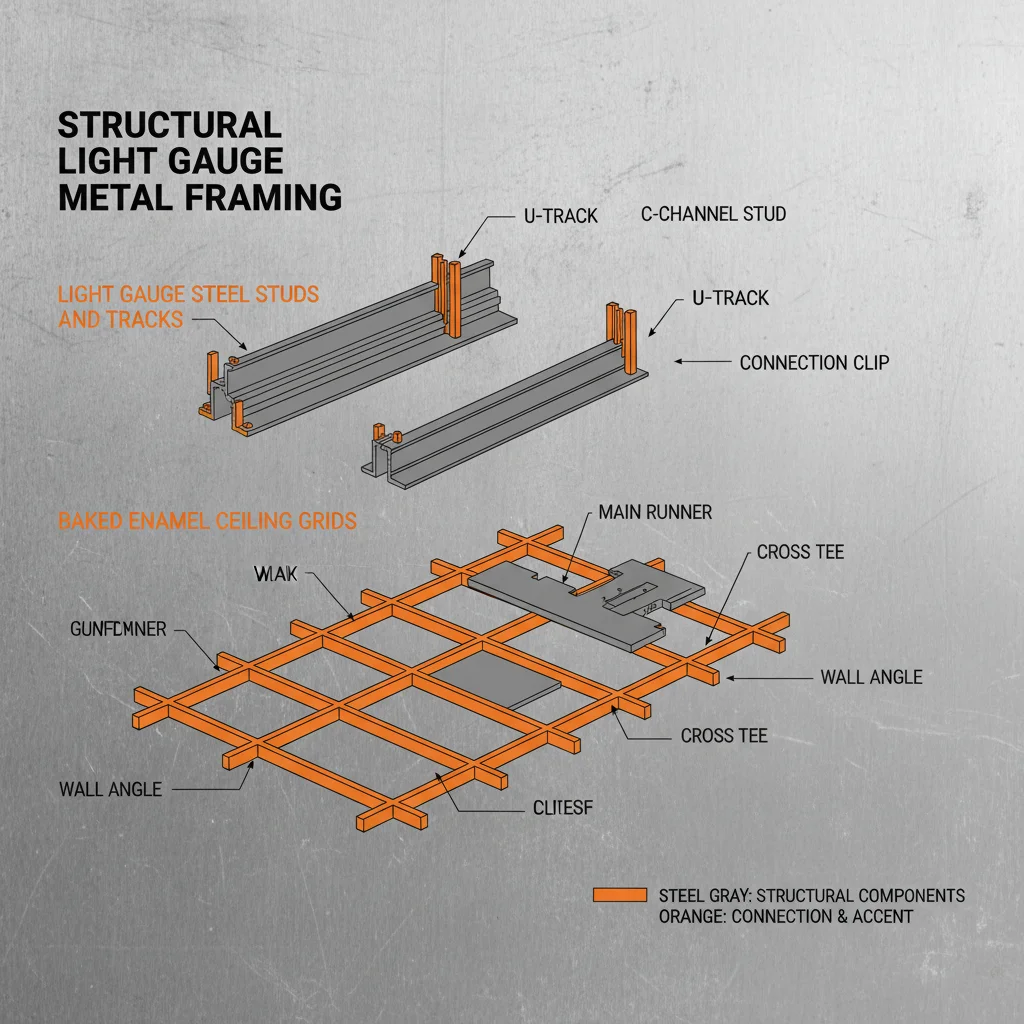
Understanding Gypsum Channel Types: The Backbone of Drywall Framing
If you’ve spent any time in industrial equipment or construction, you know gypsum channels are a small but critical piece in drywall framing systems. Over the years, working hands-on in the field and on many projects, I’ve come to appreciate the nuances that distinguish one gypsum channel type from another. It feels like these channels, though often overlooked, hold much of the structural integrity we depend on for ceilings and walls.
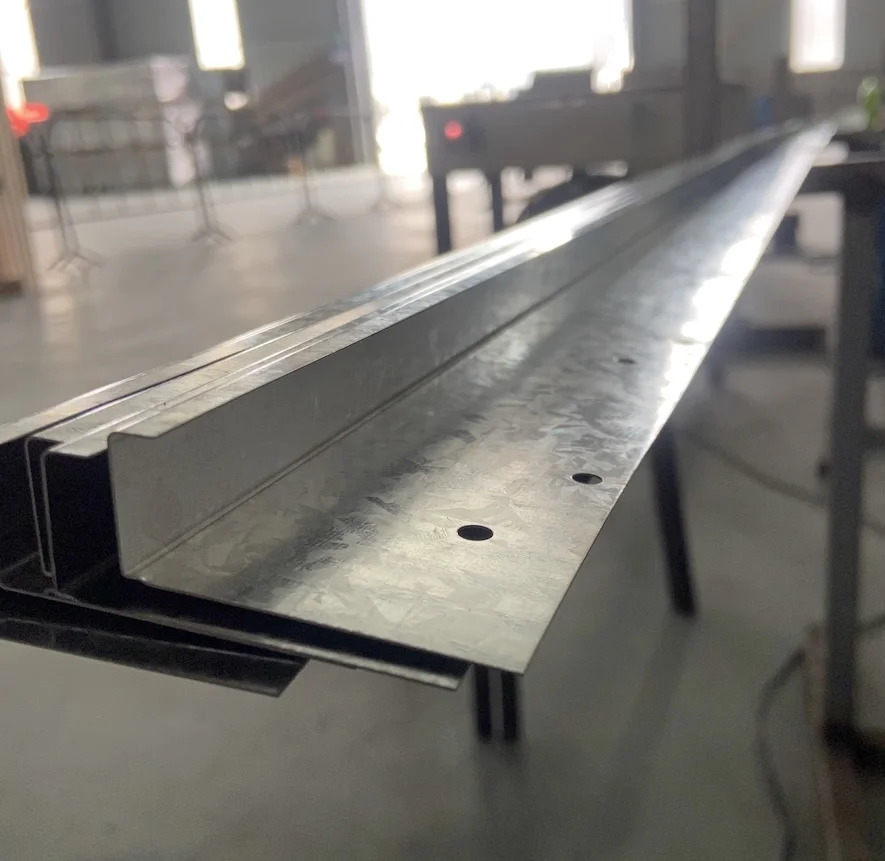
Oddly enough, understanding the fabrication materials, cross-sectional profiles, and load ratings can save you headaches down the road, especially when dealing with heavy panels or complicated architectural designs. For instance, a U-shaped channel differs a lot from a C-shaped one, not just visually but in practical application and strength.
Frankly, when I first started out, these channels all seemed the same — simple steel strips that hold the drywall in place. But after years of testing, customization, and seeing countless site revisions, I've learned how picking the right type impacts installation speed and finished quality.
Common Gypsum Channel Types & Their Characteristics
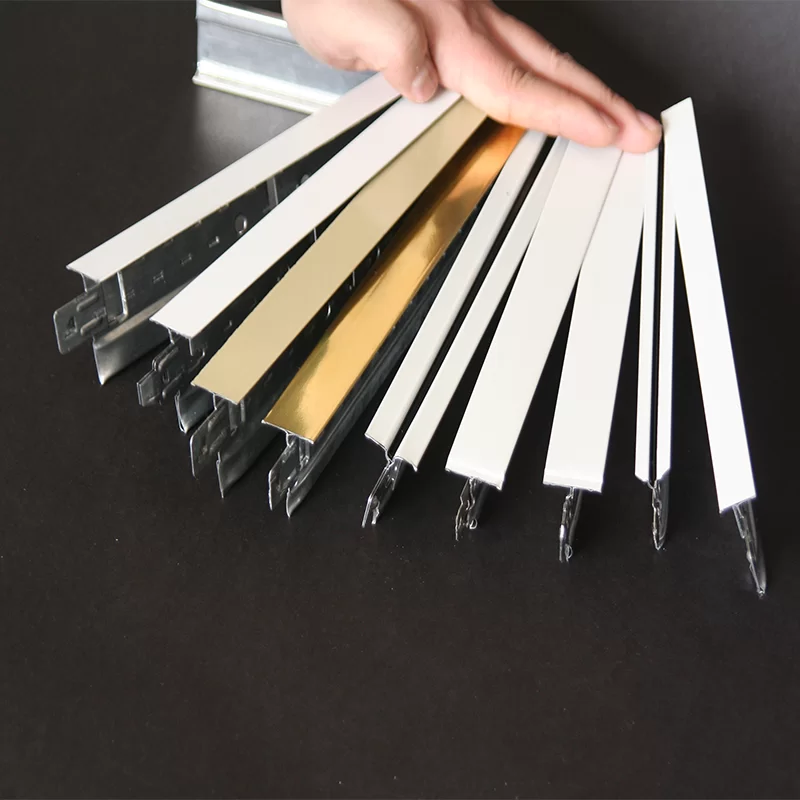
Here’s a quick rundown of gypsum channels I’ve worked with most often:
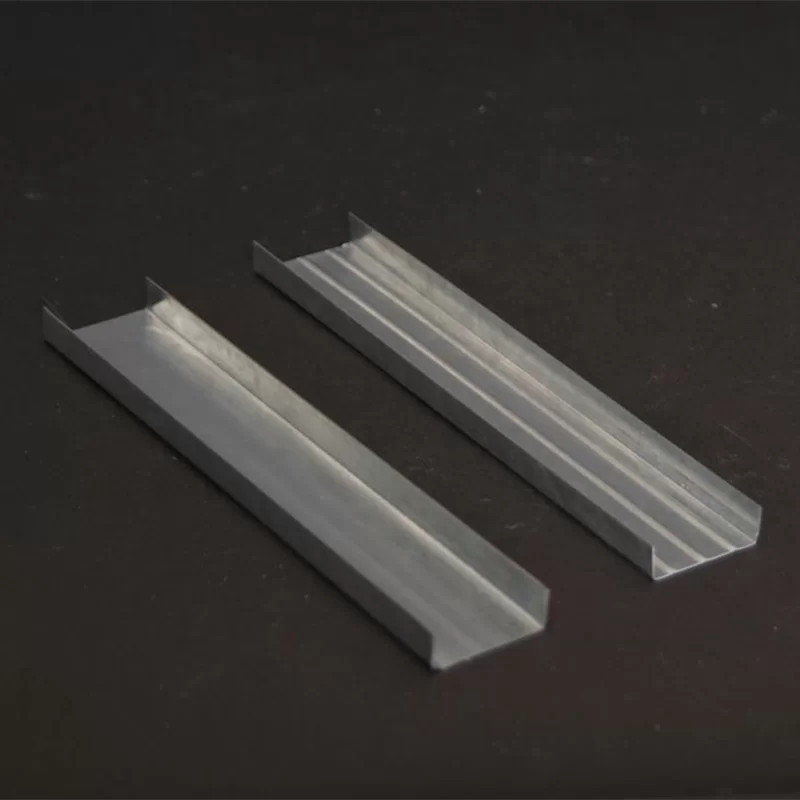
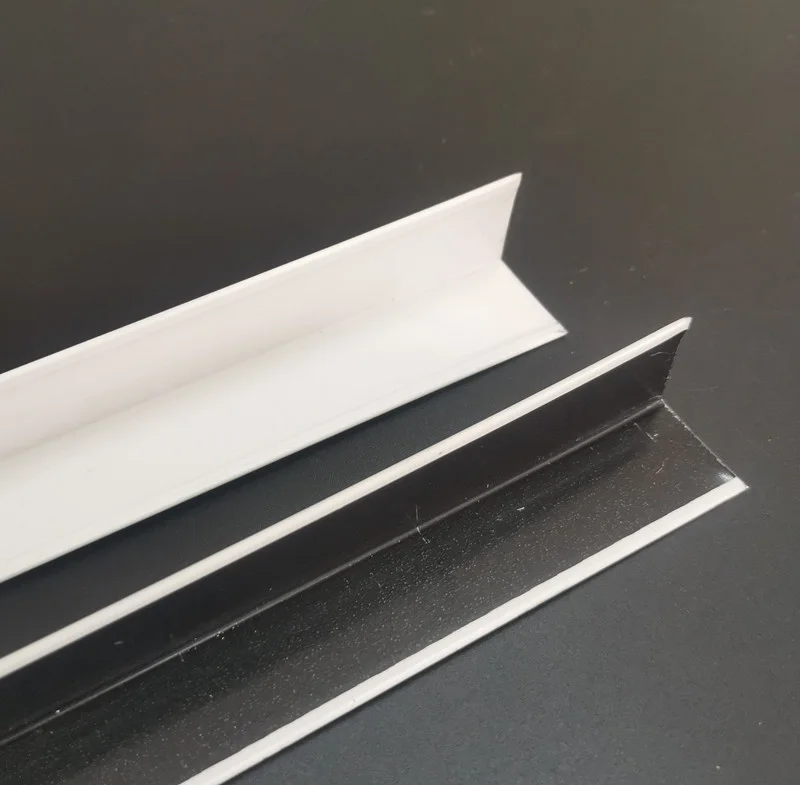
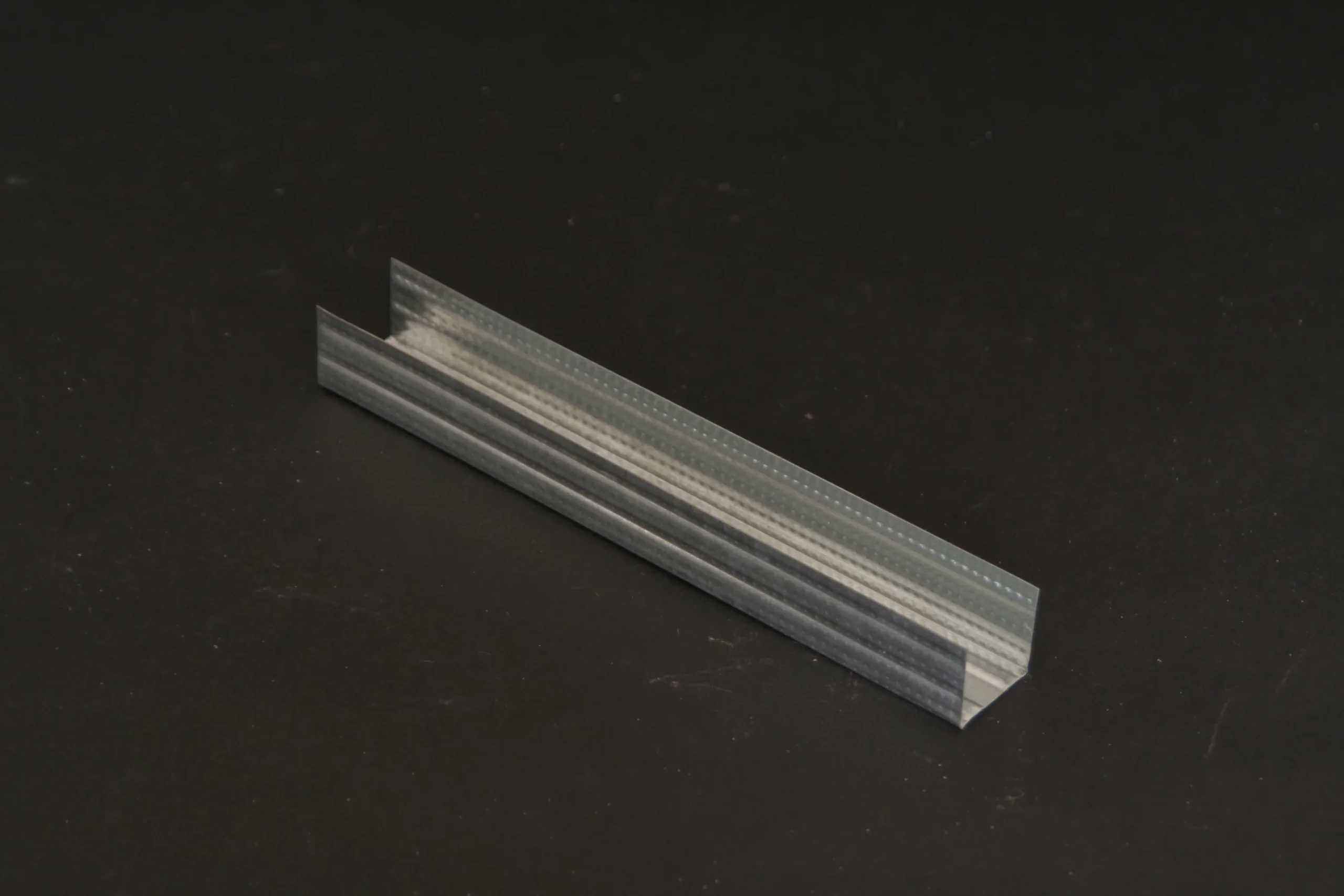
- U Channels: These feature a squared “U” profile, commonly used for perimeter framing. They give solid support around ceilings and wall edges.
- C Channels: Named for their “C” shape, these are popular for heavier loads and can connect in more complex framing setups.
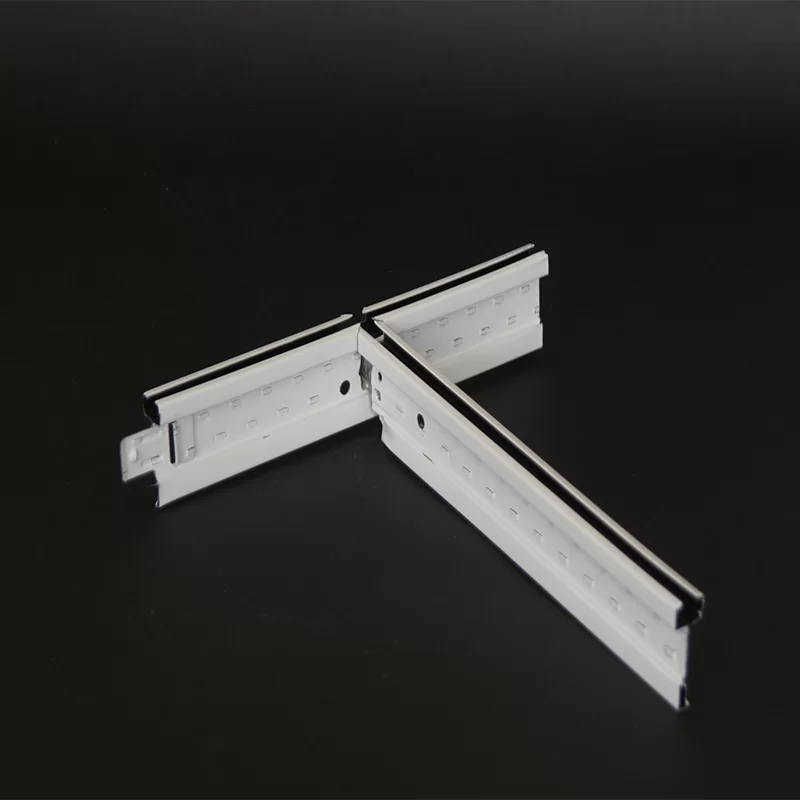
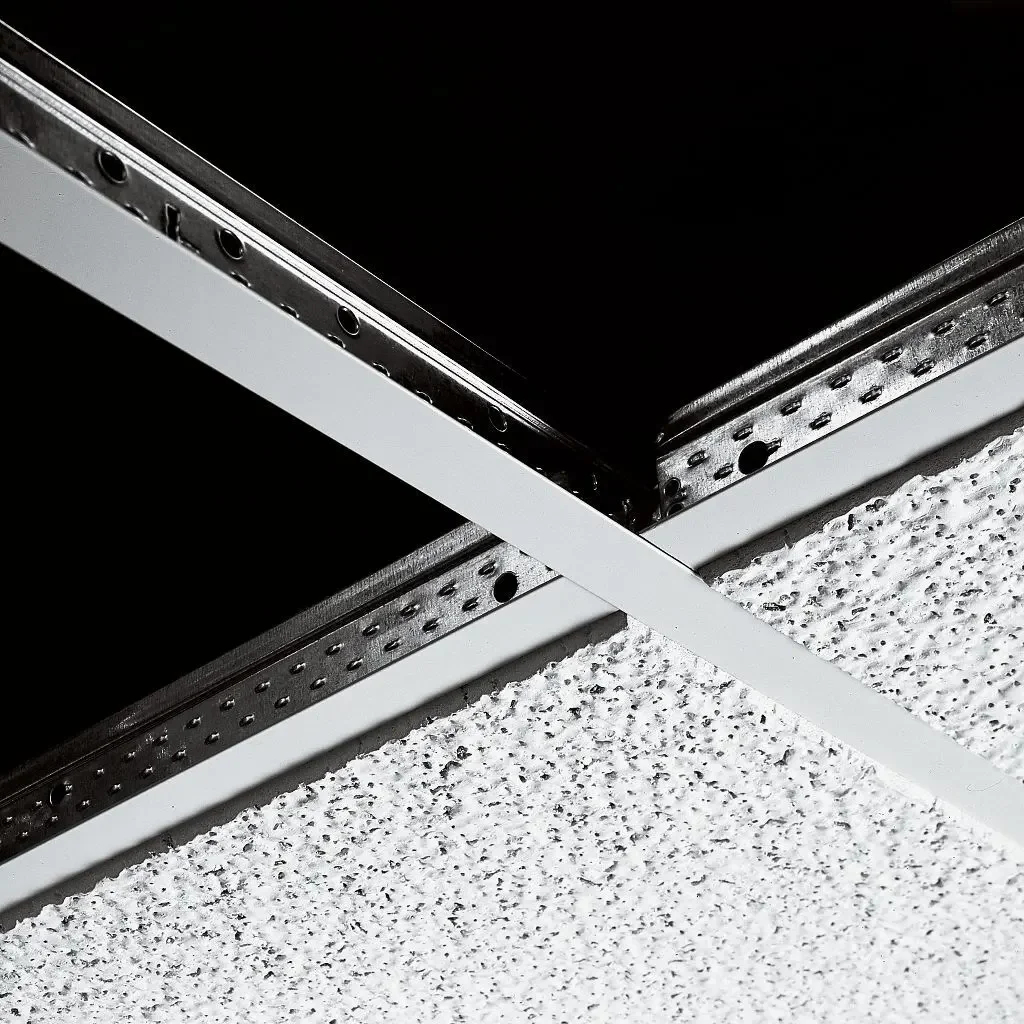
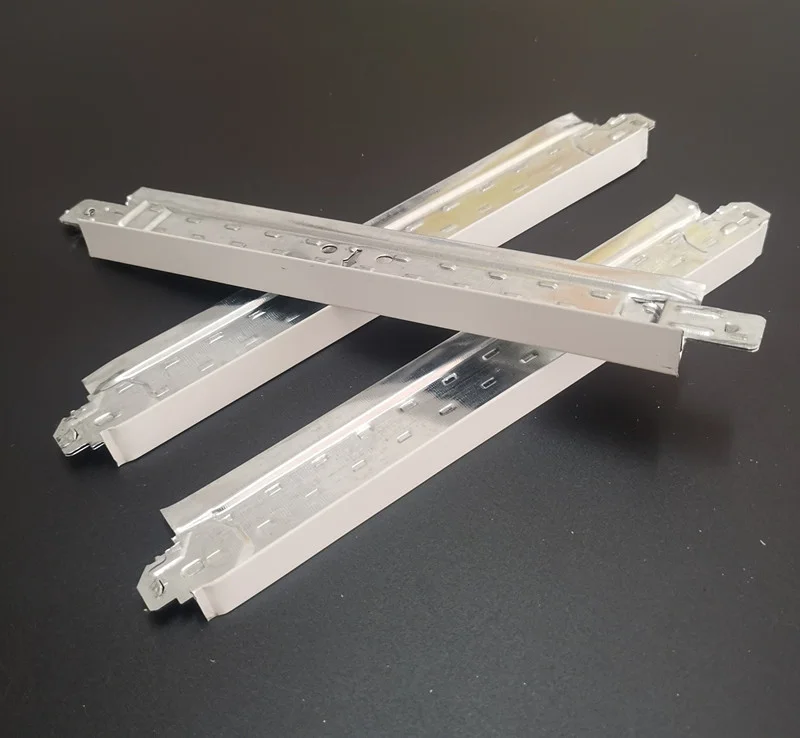
- Hat Channels: They have a hat-like cross section, often used for ceiling suspensions and providing sound isolation.
Material-wise, galvanized steel is the standard. It ensures corrosion resistance, which you’ll want especially in humid environments. Thickness varies, often from 0.4mm to 0.7mm, affecting rigidity. I remember a project in a coastal facility where we swapped to heavier gauge channels to prevent warping under moisture – that test really impressed the engineering team there.
Gypsum Channel Typical Specifications
| Type |
Gauge |
Cross Section (mm) |
Finish |
Typical Use |
| U Channel |
0.5mm - 0.7mm |
25 x 38 |
Galvanized Steel |
Wall Perimeters, Edging |
| C Channel |
0.6mm - 0.7mm |
50 x 100 |
Galvanized Steel |
Heavy-Duty Framing |
| Hat Channel |
0.45mm - 0.65mm |
27 x 41 |
Galvanized Steel |
Ceiling Suspensions, Acoustics |
Comparing Popular Gypsum Channel Vendors
From my experience, it’s not just about the channel profile but also the vendor’s manufacturing consistency, lead times, and support. Here’s a quick comparison of three well-known suppliers I’ve used (all names anonymized for this write-up):
Vendor Comparison for Gypsum Channels
| Vendor |
Material Quality |
Customization Options |
Lead Time |
Price Competitiveness |
| Alpha Steel Fab |
High-grade galvanized |
Standard sizes only |
2-3 weeks |
Mid-range |
| Titan Channel Works |
Premium galvanizing with anti-corrosive coating |
Custom gauges and lengths |
3-4 weeks |
Premium pricing |
| Jinkai Building Materials |
Consistent galvanized steel, tested quality |
Extensive customization available |
1-2 weeks (fastest) |
Competitive |
In real terms, what impressed me most about Jinkai is their responsiveness and willingness to tailor products to unique specs — a lifesaver on projects with unconventional designs. Plus, their lead times beat the market by almost a week.
At the end of the day, selecting the right gypsum channel type isn’t just a matter of picking something off the shelf. It’s about understanding your project’s structurally relevant needs and knowing which suppliers can meet those quickly and consistently.
One project I recall involved a refurbishment at a hospital where we had to meet very tough fire and seismic ratings. Choosing the correct channel profiles from a reliable supplier made all the difference in passing inspections smoothly — and frankly, avoiding costly delays.
So next time you’re specifying drywall framing, maybe spend a moment focusing on these “small” channels — they’re kind of like the unsung heroes holding everything together.
Hope this insight from the field helps you better understand gypsum channels beyond just their shape!
References:
1. ASTM C645 – Standard Specification for Nonstructural Steel Framing Members
2. Gypsum Association, GA-600 Installation Guidelines
3. Jinkai Building Materials Product Datasheets