Hit enter to search or ESC to close
June 26, 2026
When planning a commercial or residential interior project, understanding the metal framing cost is essential for accurate budgeting and long-term structural planning. Whether you are installing a suspended ceiling in a high-traffic airport or a professional kitchen, the choice of framing materials directly impacts both the initial investment and the lifecycle maintenance. While traditional steel has been a staple, premium aluminum ceiling keels are redefining value by offering superior corrosion resistance and faster installation speeds. In this guide, we will break down the factors that influence pricing and why investing in high-grade aluminum can actually lower your total cost of ownership.

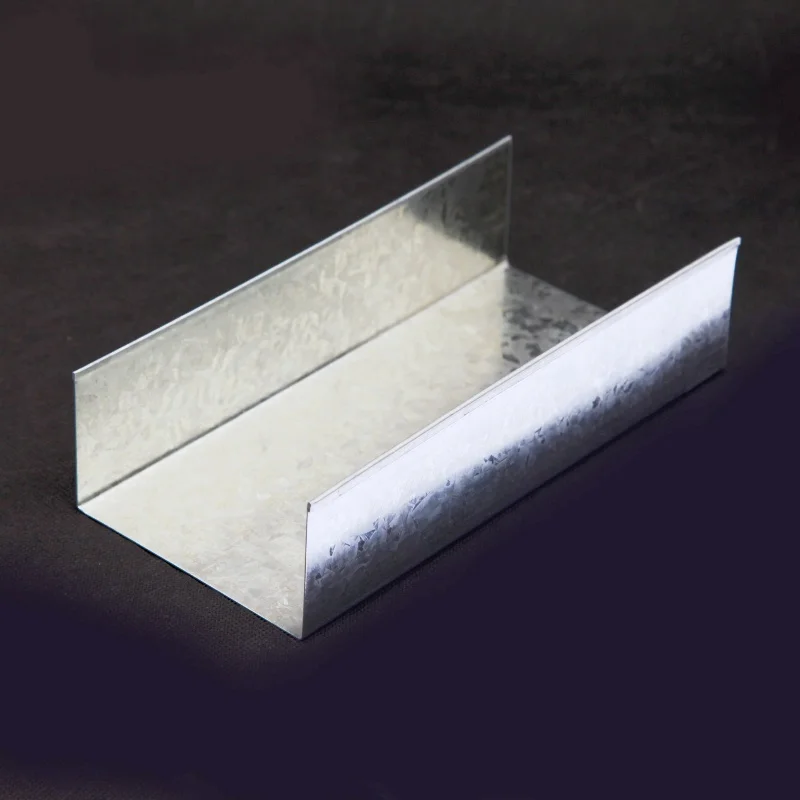
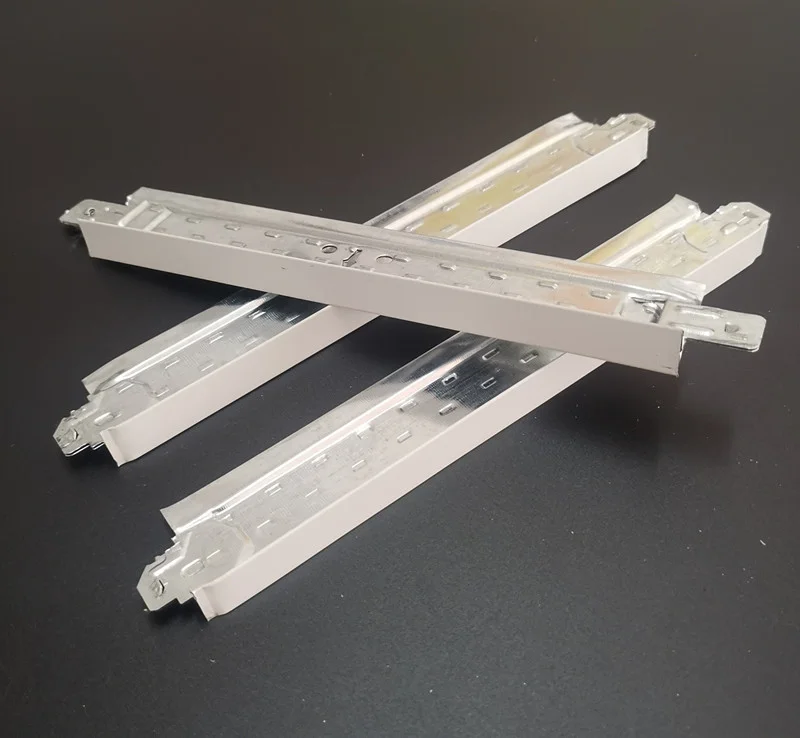
Several variables dictate the overall metal framing cost. First, the material grade plays a pivotal role; high-quality aluminum alloys (such as 6063-T5) may have a higher upfront price than galvanized steel but offer significant savings in labor and replacement. Second, the profile complexity—whether you require U-shape, T-bar, or customized V-shapes—affects the manufacturing process. Finally, the surface finish, ranging from standard anodized to custom powder-coated colors, adds a layer of aesthetic value and protection that influences the final quote. Choosing a supplier that integrates precision CNC machining can reduce waste and lower the cost per linear meter.
Cost Pro Tip: To optimize your budget, standardize your profile lengths (typically 3.0m or 3.6m) to minimize on-site cutting waste, which can reduce material costs by up to 10%.
When comparing the metal framing cost between aluminum and traditional steel, it is vital to look beyond the purchase price. Steel is often cheaper initially, but its susceptibility to oxidation in humid environments leads to premature failure. Aluminum keels are naturally rust-proof, making them the ideal choice for bathrooms and professional kitchens. Furthermore, the lightweight nature of aluminum reduces the structural load on the building and allows for significantly faster installation, slashing labor costs.
Customization does not always have to increase your metal framing cost. In fact, bespoke profiles designed specifically for your project's load-bearing requirements can prevent over-engineering. By utilizing a flexible design platform, architects can specify the exact wall thickness and profile shape needed, reducing unnecessary material usage. Whether you require clip-in, lay-in, or open cell systems, precision-engineered aluminum ensures that the internal support framework is perfectly level, reducing the time and cost associated with fixing installation errors.

The technical properties of the keel profiles directly correlate to the pricing structure. Higher grade alloys provide a better strength-to-weight ratio, which is crucial for large-span commercial ceilings. For instance, 6063-T5 aluminum is prized for its excellent finish and structural integrity. Below are the standard specifications that professionals consider when evaluating the metal framing cost for high-end installations.
In the modern construction landscape, sustainability is no longer optional; it is a financial driver. Using recyclable aluminum for your framing system contributes to green building certifications (like LEED), which can increase the overall property value. When calculating the metal framing cost, consider the scrap value of aluminum at the end of the building's lifecycle. Unlike treated steel, which can be costly to dispose of, aluminum remains 100% recyclable without loss of quality, providing an eco-friendly exit strategy and supporting sustainable construction goals.
Logistics and supply chain management can unexpectedly inflate the metal framing cost. Strategic packaging is essential to prevent deformation during international transit, as bent profiles lead to on-site delays and material waste. By partnering with manufacturers who utilize real-time inventory control and optimized logistics, projects can avoid the high cost of emergency re-orders. Precision engineering ensures that every piece fits the first time, eliminating the need for costly modifications during the installation phase.
While the initial metal framing cost is a critical metric, the true value of a ceiling system lies in its durability, installation efficiency, and maintenance requirements. Aluminum ceiling keels offer a sophisticated balance of lightweight strength and total corrosion resistance, ensuring that your overhead installation remains stable and polished for decades. By choosing precision-engineered aluminum over traditional alternatives, you are investing in a system that reduces labor, enhances aesthetics, and supports a sustainable future.
Aluminum framing provides a superior return on investment because it eliminates the need for periodic rust treatment and replacement common with steel. In humid environments, steel frames can oxidize and fail within a few years, leading to expensive ceiling collapses or renovations. Aluminum's natural corrosion resistance ensures a lifespan that spans decades. Additionally, its lightweight nature reduces the on-site labor hours required for installation, which often offsets the higher material cost of the aluminum itself.
Custom profiles can either increase or decrease costs depending on the approach. While a bespoke mold has an initial setup fee, it allows for "right-sizing" the material. Instead of using a heavy, oversized standard profile, a custom keel can be engineered to the exact load-bearing requirement of your specific ceiling panels. This reduces the total volume of aluminum used and can simplify the installation process, ultimately lowering the total project expenditure compared to modifying standard parts on-site.
Yes, premium aluminum keel systems are designed for extreme versatility. They are highly compatible with a wide range of systems, including clip-in, lay-in, linear strip, and open cell panels. This compatibility means you can change your ceiling aesthetic (the panels) in the future without having to replace the structural framing, further reducing your long-term metal framing cost by avoiding total system teardowns.