Hit enter to search or ESC to close
January 19, 2026
Interior framing and suspended ceiling structures rely on metal profiles and support components that provide strength, accuracy, and long-term durability. Among the most commonly used components in drywall and ceiling installations are the CD profile, UD profile, F47 ceiling system, and galvanized steel wall angle. Whether the application involves residential interiors, commercial office buildings, or industrial environments, these components form an integrated solution that improves structural performance, acoustic comfort, and visual precision.
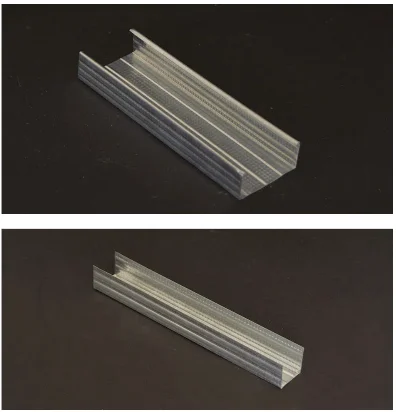
In drywall and ceiling framing systems, the CD profile and UD profile serve as the foundational elements for creating stable and accurate wall and ceiling surfaces. Both profiles are typically manufactured from high-quality steel, ensuring consistent reliability over years of service.
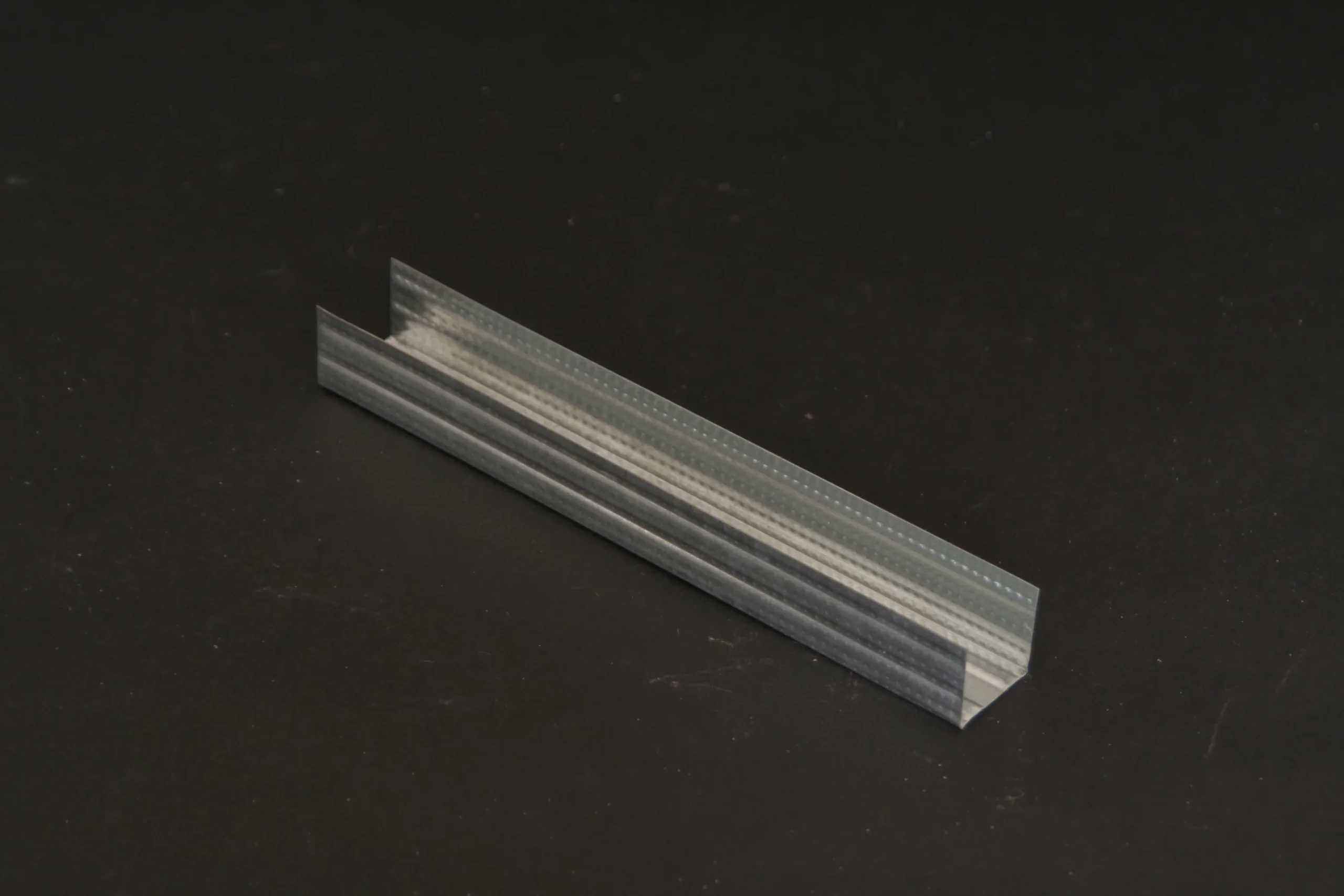
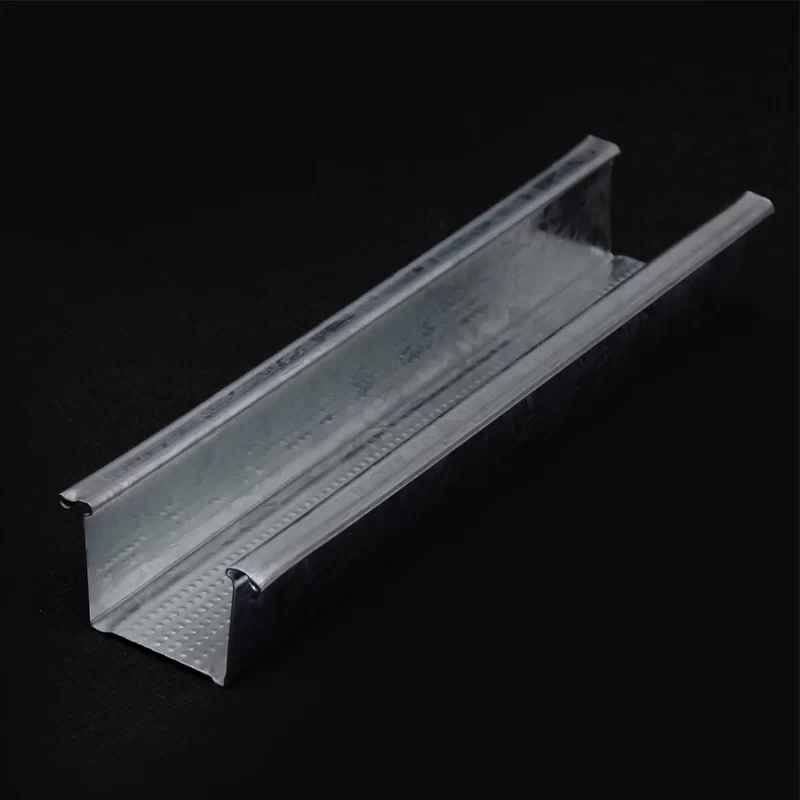
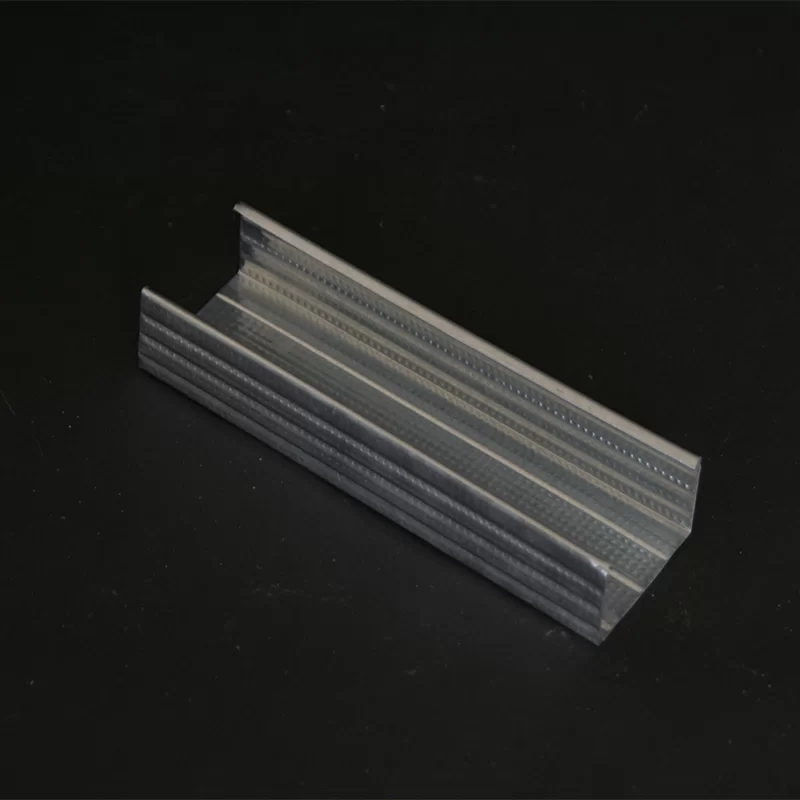
The CD profile (sometimes referred to as the main support profile) acts as the primary load-bearing profile used for ceilings and drywall partition frames. It is installed horizontally or as the structural grid in suspended ceilings, offering strength against deflection and load. When combined with other components such as hangers, fasteners, and acoustic membranes, the CD profile contributes significantly to structural rigidity.
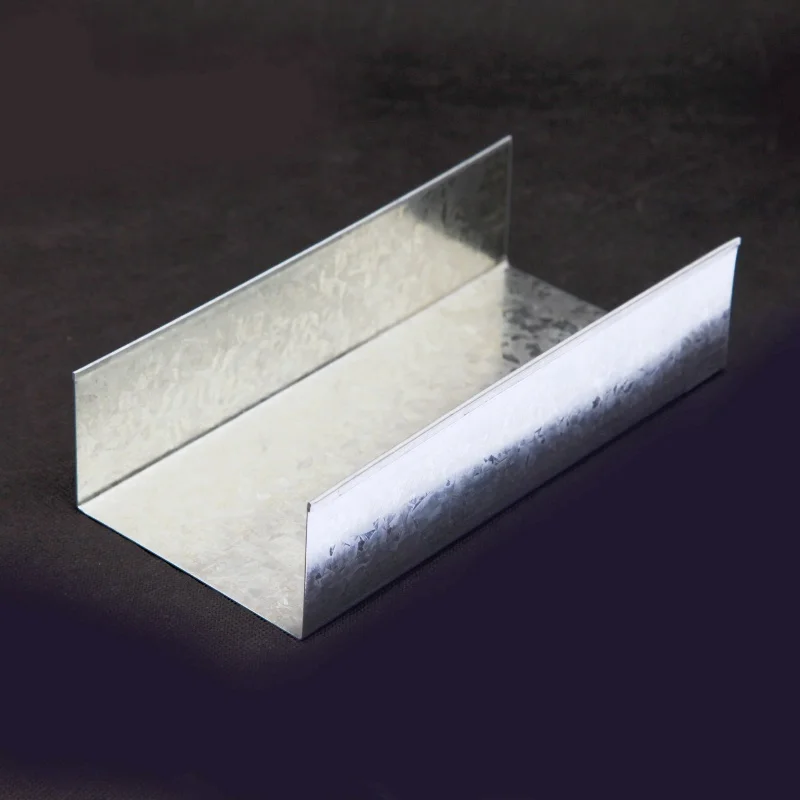
Meanwhile, the UD profile (also called the perimeter or channel profile) works as a guiding track for the CD profile. Installed along walls, floors, or ceilings, the UD profile provides alignment and a secure mounting location. Once the CD profile is inserted into the UD profile, installers can fine-tune positioning to achieve precise leveling, alignment, and spacing between drywall sheets.
Using the CD profile and UD profile together creates a modular system that simplifies installation, maintains structural integrity, and allows fast adjustment to meet various project specifications. Additionally, these profiles can be combined with insulation materials for improved acoustic and thermal performance, making them suitable for homes, commercial offices, and public spaces.
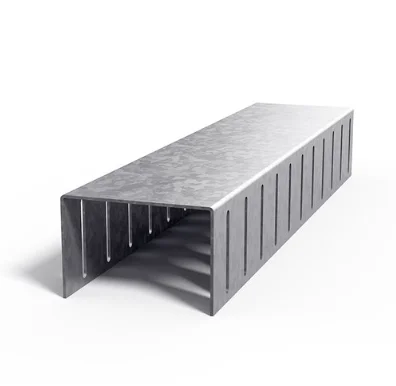
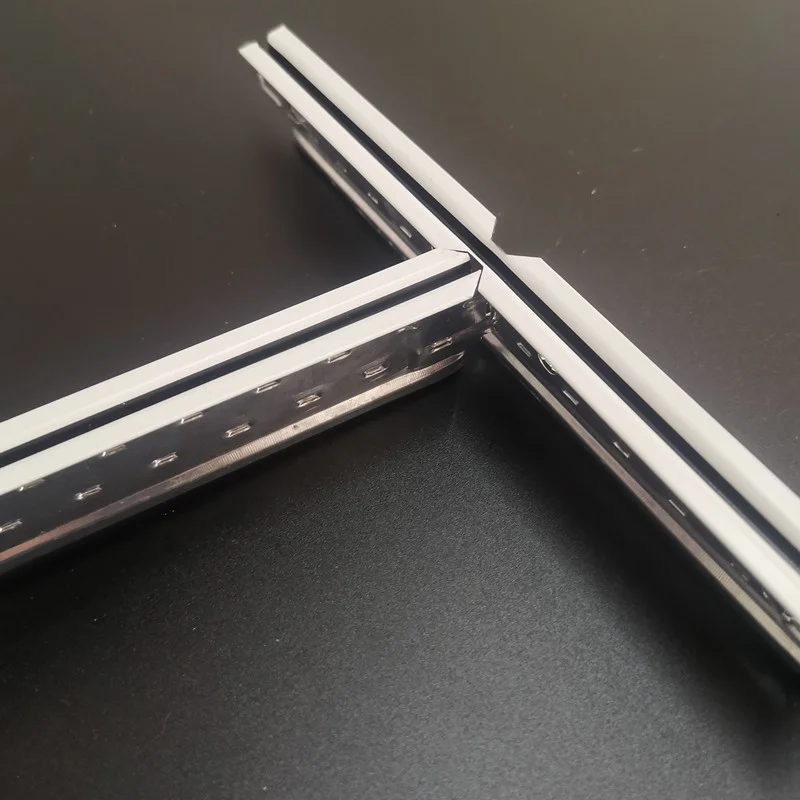
The F47 ceiling system is essential for suspended or false ceiling applications. Differing slightly from the CD/UD drywall system, the F47 ceiling system uses specially rolled steel ceiling profiles (commonly 47mm wide) to form a durable, lightweight framework for ceiling tiles or gypsum boards. The system can accommodate electrical wiring, HVAC ducts, and lighting fixtures without compromising ceiling stability.
One key advantage of the F47 ceiling system is its ability to improve acoustic insulation. When combined with sound-absorbing ceiling tiles or gypsum boards, the system reduces echo, enhances privacy, and improves indoor acoustic comfort. This makes it a preferred option for schools, conference rooms, libraries, and open-plan office environments. The suspension design also allows for quick accessibility to utilities hidden above the ceiling, enabling easy maintenance without wall demolition.
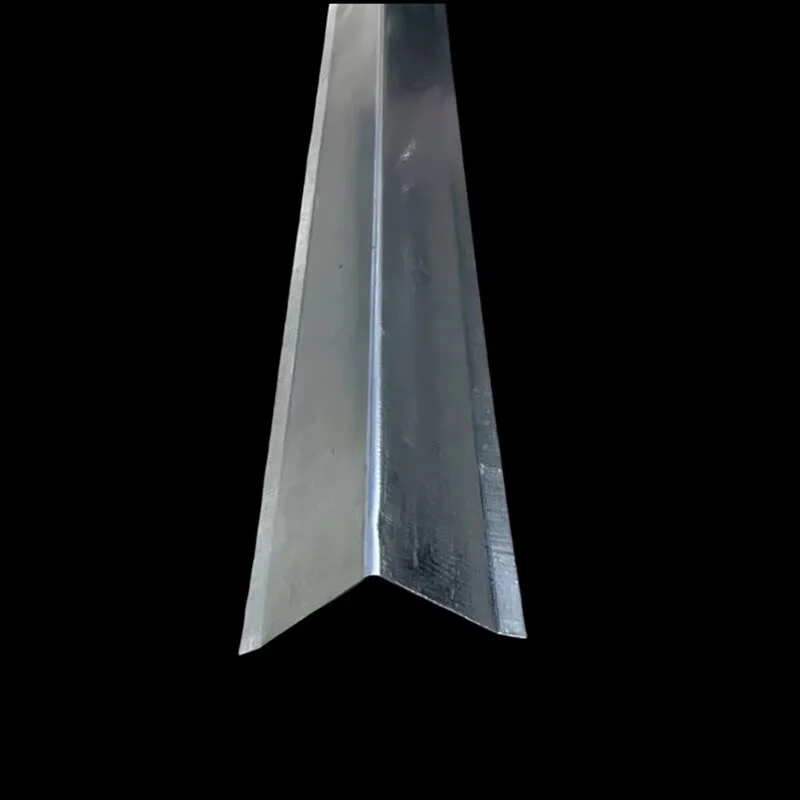
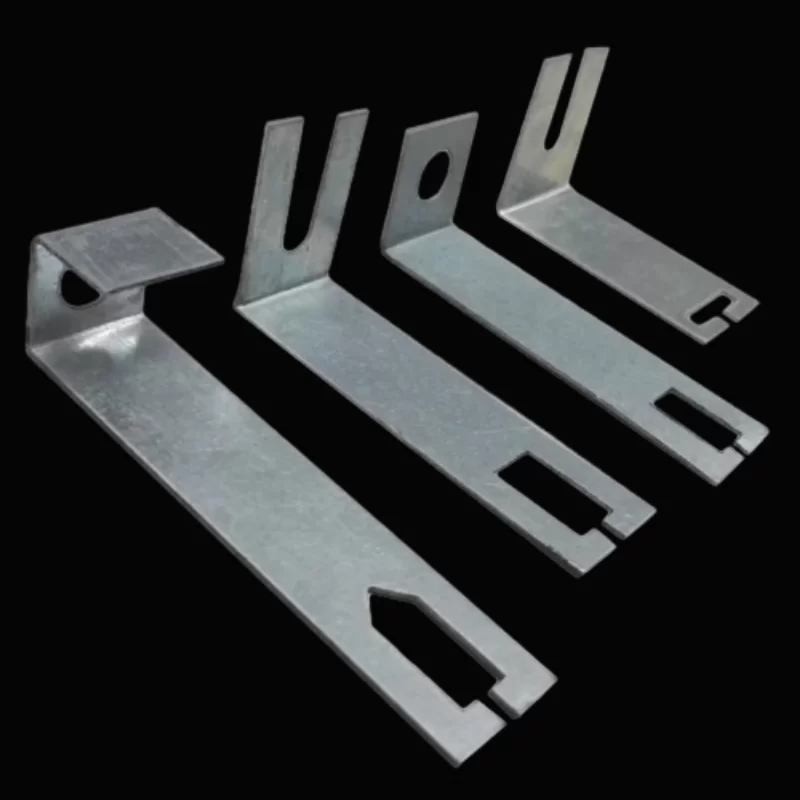
Another important support component is the galvanized steel wall angle, which provides perimeter support along walls and interfaces between ceilings and vertical structures. The galvanized steel wall angle is typically formed into L-shaped units mounted along walls, offering a point of attachment for suspended ceiling grids or gypsum boards. Galvanization protects the steel from corrosion and moisture damage, extending service life and ensuring reliable performance in various environments.
When integrated, components such as the F47 ceiling system and galvanized steel wall angle create a cohesive structural network capable of supporting high-quality finishes, lighting systems, and thermal or acoustic insulation layers. Installers appreciate the system’s modular nature, precision, and compatibility with modern architectural design requirements.Modern construction and interior architecture rely on metal framing systems that are efficient, lightweight, and structurally reliable. Components such as the CD profile, UD profile, F47 ceiling system, and galvanized steel wall angle play vital roles in achieving flat ceilings, precise drywall surfaces, improved acoustic characteristics, and easy access for maintenance. Their modular design benefits both installers and building owners by reducing labor time, improving finish quality, and providing long-lasting performance. As demand grows for efficient interior solutions in residential, commercial, and industrial projects, these metal profiles and ceiling systems will continue to be essential components of modern building technology.
The CD profile acts as the main structural profile used for framing ceilings and drywall partitions, while the UD profile is the perimeter channel that holds and aligns the CD components. Together, they create a stable frame for gypsum board installations.
The F47 ceiling system is used in suspended or false ceiling applications in offices, schools, commercial buildings, public facilities, and residential spaces where acoustic insulation and hidden utilities are desired.
The galvanized steel wall angle provides perimeter support for ceiling grids and drywall edges. Galvanization prevents corrosion, making it suitable for environments where moisture or humidity may be present.
Yes. When combined with mineral wool insulation and gypsum boards, the CD profile and UD profile system enhances sound absorption and reduces noise transmission, making it suitable for offices, residential units, and sound-sensitive environments.
Yes. The CD profile, UD profile, F47 ceiling system, and galvanized steel wall angle are manufactured in various dimensions and thicknesses, allowing compatibility with different gypsum board specifications and project requirements.