Hit enter to search or ESC to close
January 19, 2026
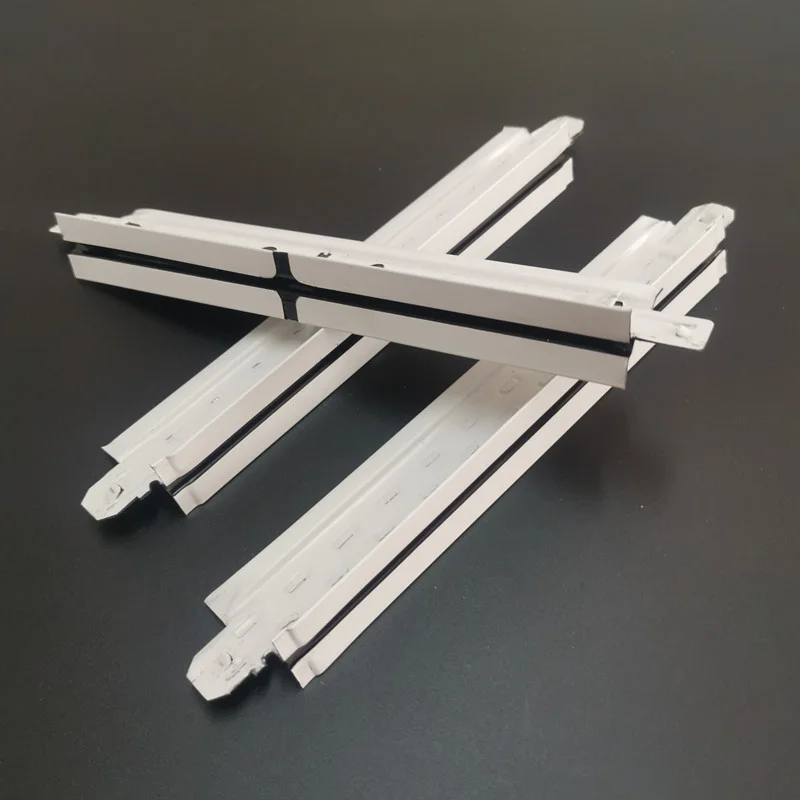
Modern construction techniques place a strong emphasis on durability, acoustic comfort, energy efficiency, and clean interior aesthetics. Among the solutions that support these goals are Interior Drywall Systems, Furring Channels, and Corner Beads. Together, these components enable architects, builders, and installers to create smooth, visually appealing, and functionally reliable wall and ceiling interiors that meet residential, commercial, and institutional standards.
As drywall construction continues to replace traditional plastering due to its flexibility and time efficiency, understanding how these systems work—and why they matter—has become essential for construction professionals, designers, and property owners alike.
Interior Drywall Systems form the structural and aesthetic backbone of modern interior walls and ceilings. These systems typically consist of a metal or wooden framework covered with gypsum boards, which are then finished with joint compounds, tapes, and protective elements. Today, Interior Drywall Systems are used in homes, offices, hospitals, hotels, schools, and commercial environments due to several benefits:
Unlike traditional plaster, Interior Drywall Systems allow for fast modifications, repairs, and architectural creativity. Curved walls, recessed lighting channels, partition walls, and layered ceiling features are easier to achieve, giving designers freedom to combine functionality with elegance and modern comfort.
Many Interior Drywall Systems support additional insulation layers. This means soundproofing materials, acoustic batts, and thermal insulation can be inserted behind the drywall surface without altering the room’s layout. As a result, private offices, bedrooms, hotel suites, and classrooms benefit from better sound isolation and energy savings—ideal for occupants who value comfort and quietness.
Gypsum boards used in Interior Drywall Systems are naturally fire-resistant and can also be manufactured with moisture and mold-resistant properties. This makes them appropriate for kitchens, bathrooms, and HVAC corridors where humidity or fire safety is a concern.
Drywall requires significantly less installation time compared to cement-based finishes. Once the system is in place, joints are taped and skimmed, resulting in a smooth surface ready for paint, wallpaper, or decorative finish—great for both fast-track construction schedules and high-end interior finishing.
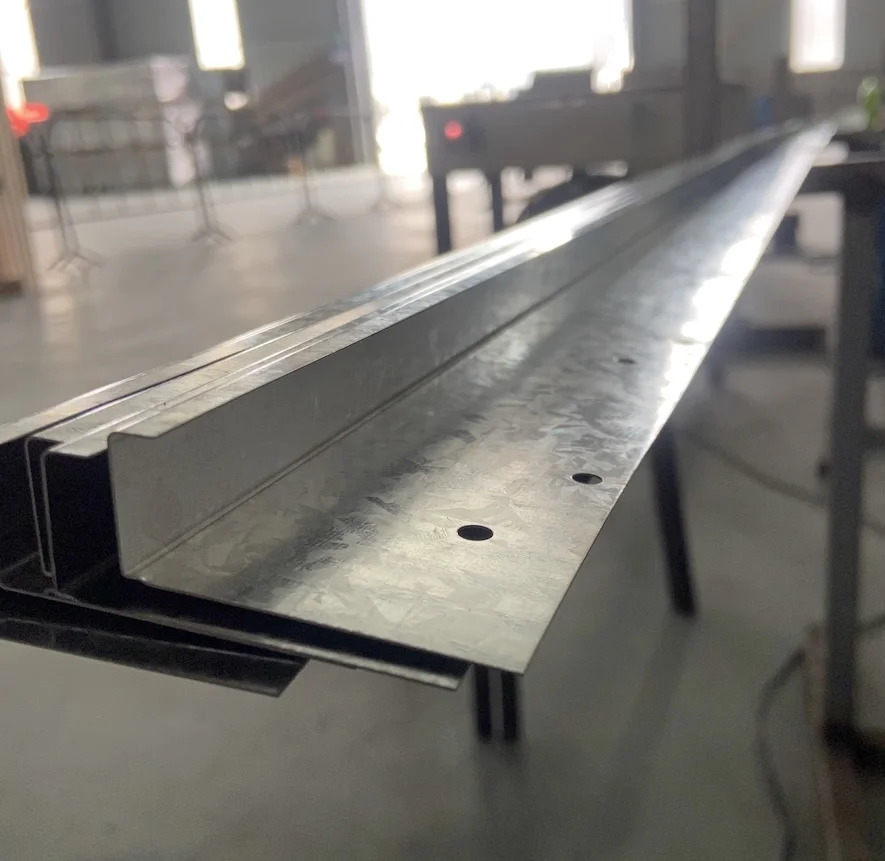
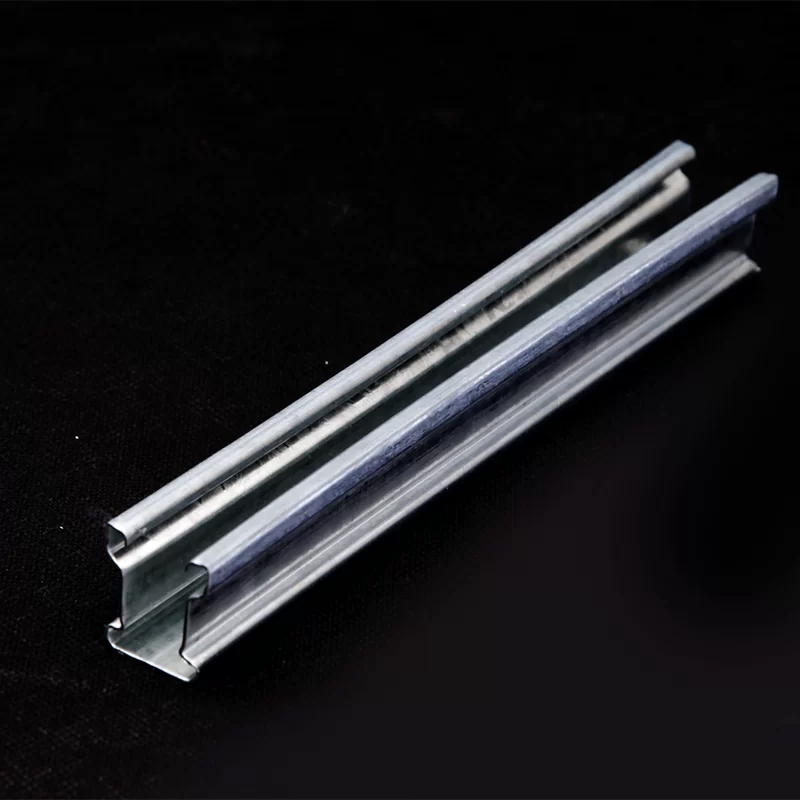
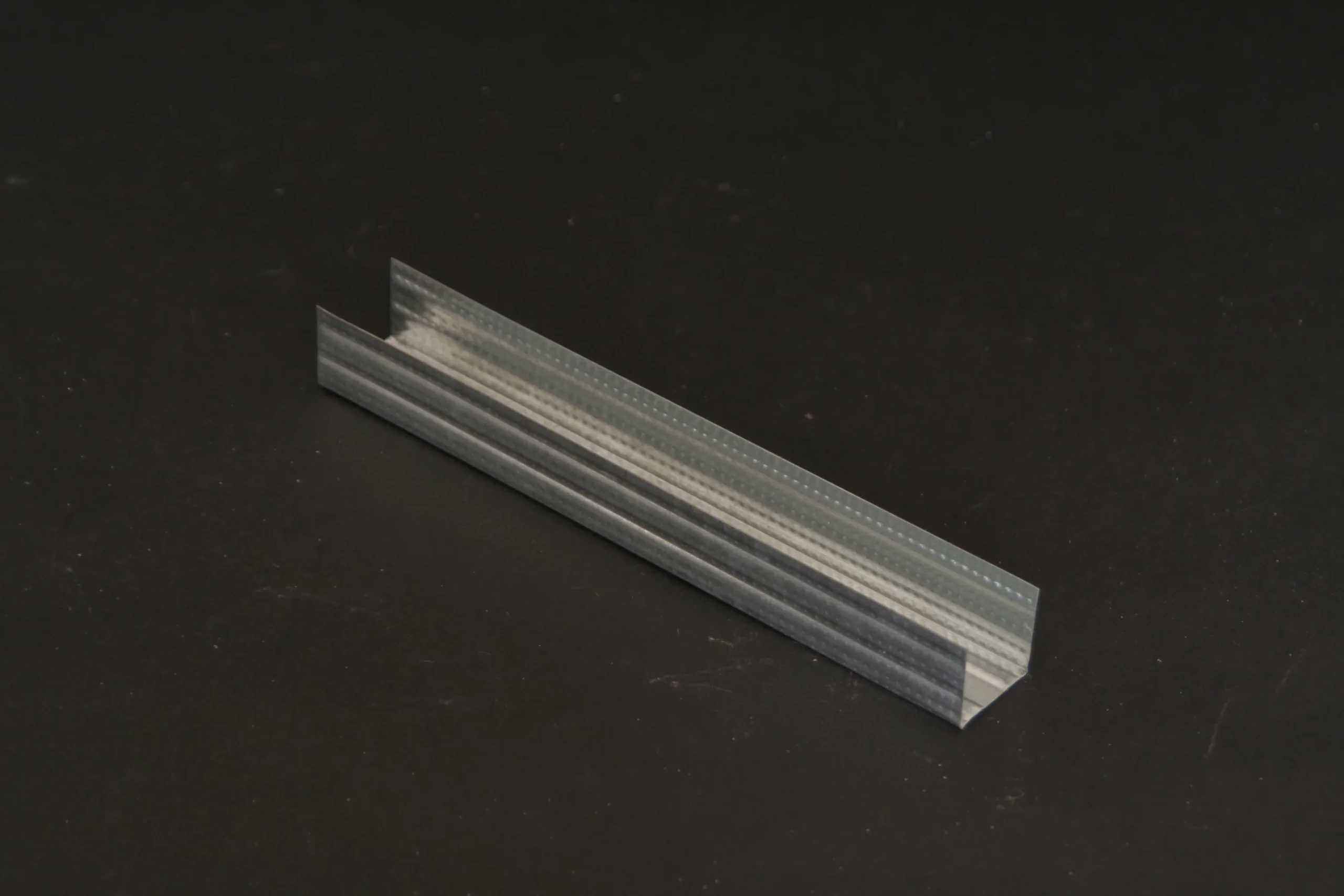
While drywall boards are the visible surface layer, Furring Channels play a crucial behind-the-scenes role in performance and durability. Furring Channels are thin metal profiles that create a stable and level substrate for mounting drywall sheets onto walls or ceilings.
Buildings are rarely perfectly flat or level, especially in renovation projects. Furring Channels help eliminate surface unevenness by creating a new layer of alignment behind the drywall surface. This ensures straight walls, seamless corners, and professional-grade finishing—even in older buildings with structural irregularities.
One of the major benefits of Furring Channels is the cavity space they create. Electrical wiring, communication cables, plumbing lines, insulation materials, and even HVAC elements can be installed between drywall and the base wall. This allows for cleaner layouts and easier utility maintenance later on.
In multi-story buildings, offices, or residential apartments where noise can be disruptive, Furring Channels help reduce sound transmission. Acoustic clips and sound-absorbing insulation can be paired with Furring Channels to create high-performance soundproof walls—perfect for bedrooms, conference rooms, classrooms, and hotel environments.
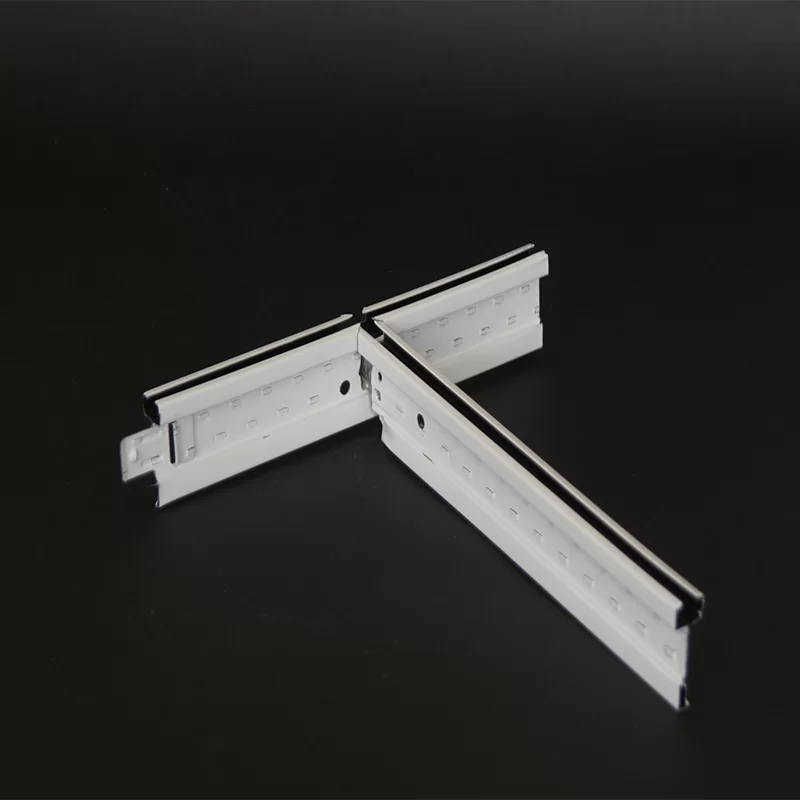
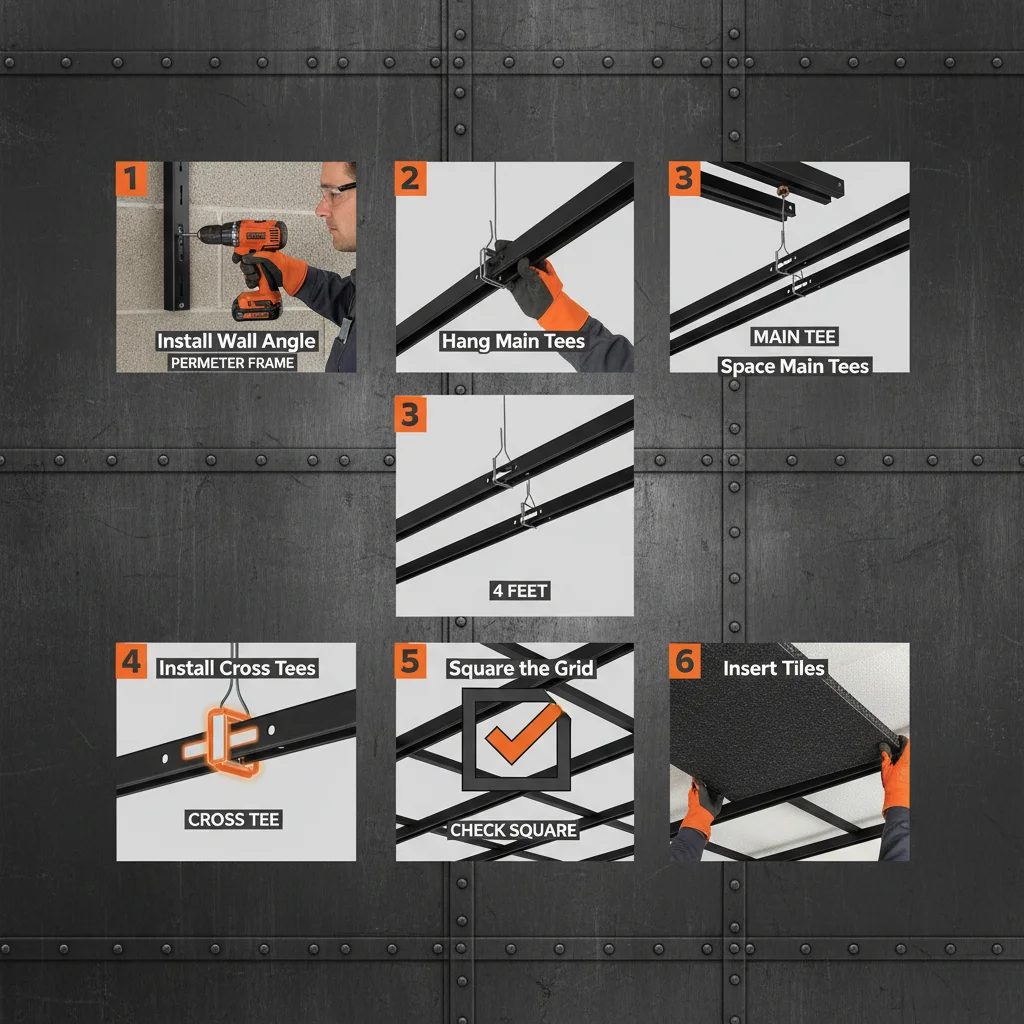
In ceiling construction, Furring Channels serve as the load-distributing grid that supports gypsum ceiling boards. They integrate with hangers, perimeter profiles, and brackets to create durable suspended ceiling systems capable of hosting lighting, sprinklers, or ventilation grilles.
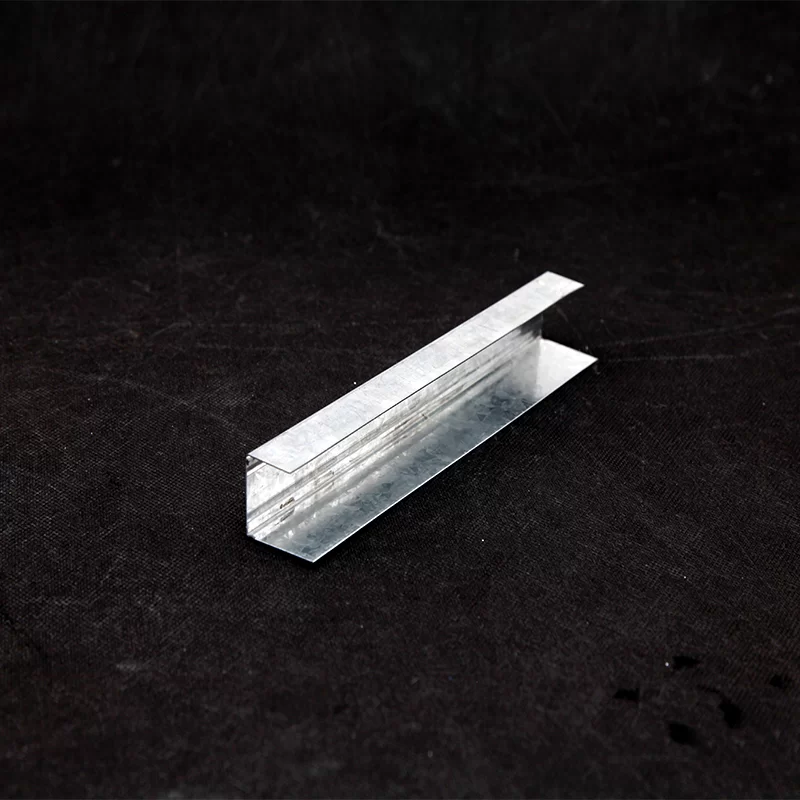
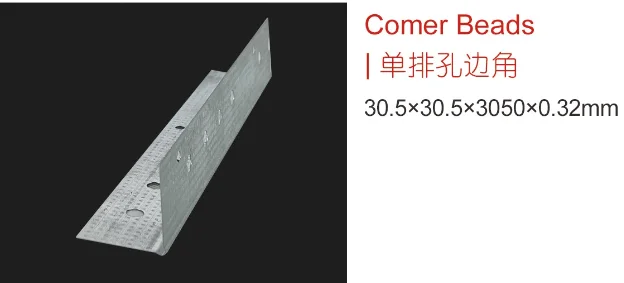
The final visible surface of drywall work depends heavily on how edges and corners are handled. Corner Beads are essential finishing components used to reinforce, shape, and protect drywall edges, ensuring that corners remain crisp, durable, and visually appealing.
Corners are the most vulnerable parts of drywall installations. Without reinforcement, they chip easily, especially in high-traffic areas like hallways, schools, retail spaces, and residential interiors. Corner Beads provide metal or PVC protection that prevents cracking, denting, and chipping over time.
Smooth transitions and aesthetically sharp corners are hallmarks of professional interior finishing. Corner Beads help installers achieve clean, symmetrical edges that elevate the quality of paintwork, wallpaper, or decorative coatings.
Depending on performance needs, Corner Beads are available in galvanized steel, stainless steel, plastic, aluminum, and vinyl. For example:
1、Galvanized versions resist corrosion
2、Vinyl versions are flexible for curved corners
3、Stainless versions withstand moisture exposure
This versatility makes Corner Beads suitable for luxury residential spaces, humid areas like bathrooms, or commercial environments that combine durability with high visual expectations.
The combination of Interior Drywall Systems, Furring Channels, and Corner Beads represents one of the most efficient and aesthetically refined solutions in modern construction. From structural alignment and acoustic control to smooth finishing and long-term durability, these systems enable builders and designers to create interiors that feel comfortable, look elegant, and perform exceptionally well over time.
Whether developing a high-end hotel suite, renovating an apartment, or constructing a commercial office, choosing quality drywall components ensures better comfort, reduced maintenance, and superior visual results.
If you’re planning an interior construction or renovation project, consider consulting with a supplier or building expert to determine the most suitable drywall system configuration for your performance and design goals.
Interior Drywall Systems are used to construct interior walls and ceilings offering acoustic insulation, fire safety, smooth finishing surfaces, and fast installation compared to traditional plastering.
Furring Channels create a level mounting surface, allow hidden utility routing, reduce noise transmission, and support suspended ceiling systems.
Corner Beads reinforce and protect drywall corners from damage while ensuring clean, straight edge finishing for painting and decoration.
Yes. When paired with acoustic clips and insulation, Furring Channels help significantly reduce noise transfer in residential and commercial buildings.
Yes, moisture-resistant versions of Interior Drywall Systems are available for bathrooms, kitchens, and utility rooms to prevent mold and water damage.