Hit enter to search or ESC to close
January 19, 2026
In modern construction and interior finishing, metal framing components play a vital role in improving structural performance, acoustic insulation, and installation efficiency. Among these components, the furring channel, hat channel, and multiple variations of metal furring systems have become essential for both residential and commercial applications. From suspending drywall to supporting exterior cladding and roofing structures, these channels ensure precision, durability, and long-term reliability. This article explores the purpose, benefits, and variations of these components, including specialized formats such as hat channel metal, hat channel for metal roofing, metal furring channel, hat channel for drywall, drywall furring channel, steel hat channel, as well as size-specific options like the 1 2 hat channel and 7 8 hat channel.
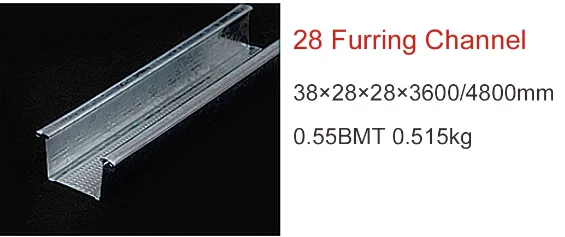
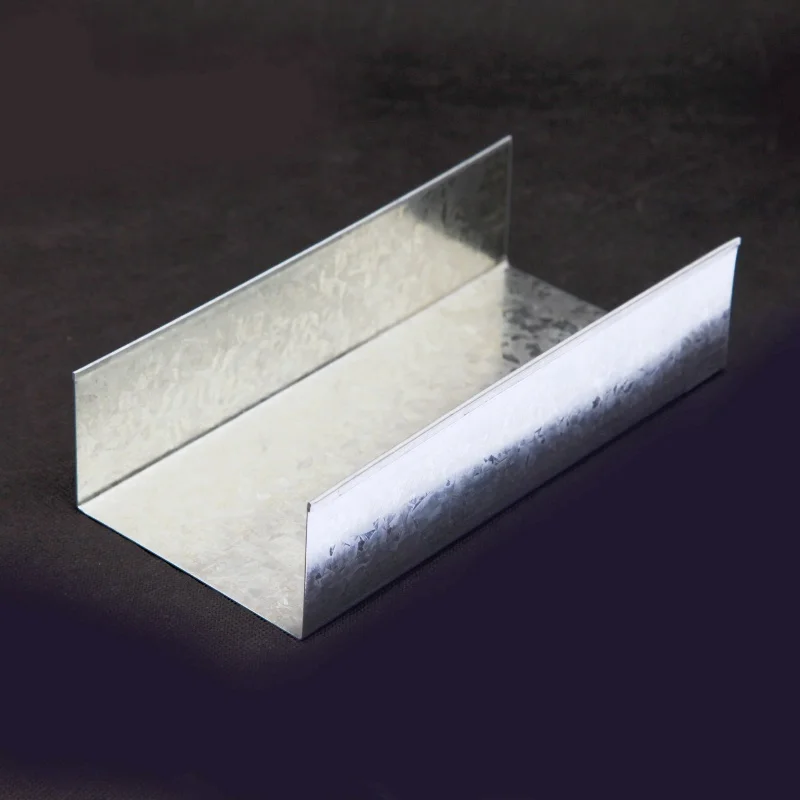
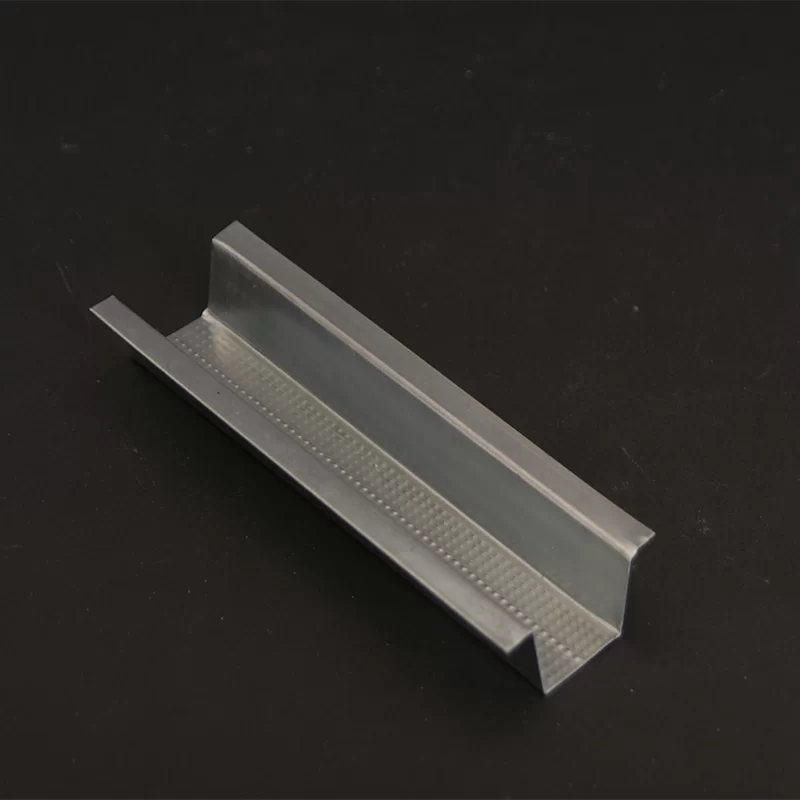
A furring channel is a thin, lightweight metal profile used to level uneven surfaces, create space for insulation, and provide support for drywall, paneling, or cladding systems. In interior construction, a drywall furring channel allows installers to create a smooth mounting plane behind gypsum boards, solving issues such as crooked walls, uneven ceilings, and integration of wiring or plumbing. Because gypsum-based assemblies require stability and alignment, a metal furring channel provides strength where wood battens or direct attachment would be insufficient or inefficient.
In exterior applications, a furring channel can be used behind siding or façade materials to support ventilation and moisture management. This helps prevent mold growth, mitigates moisture accumulation, and extends the lifespan of the building envelope.
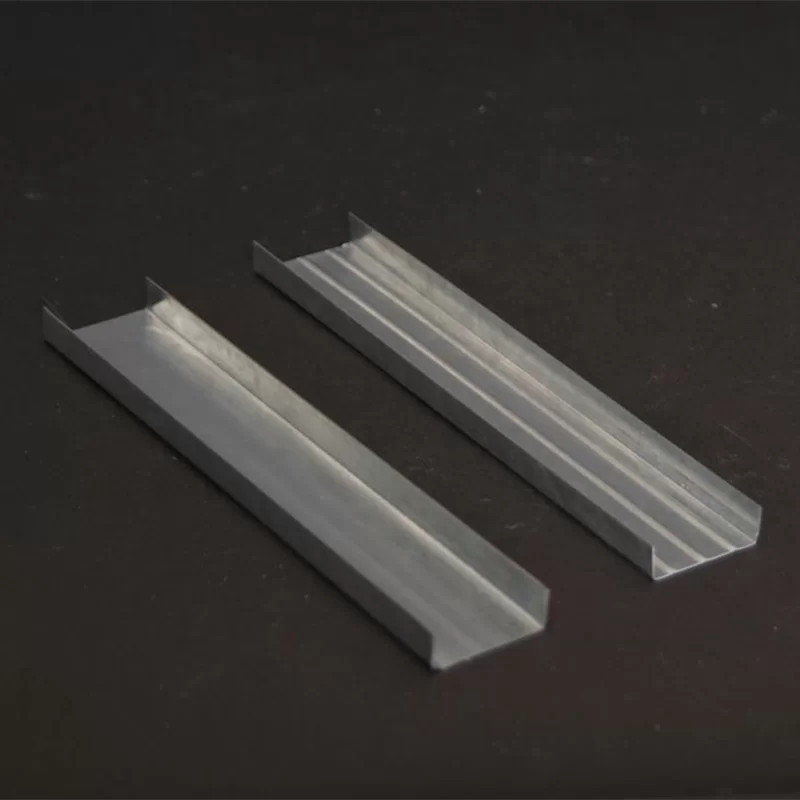
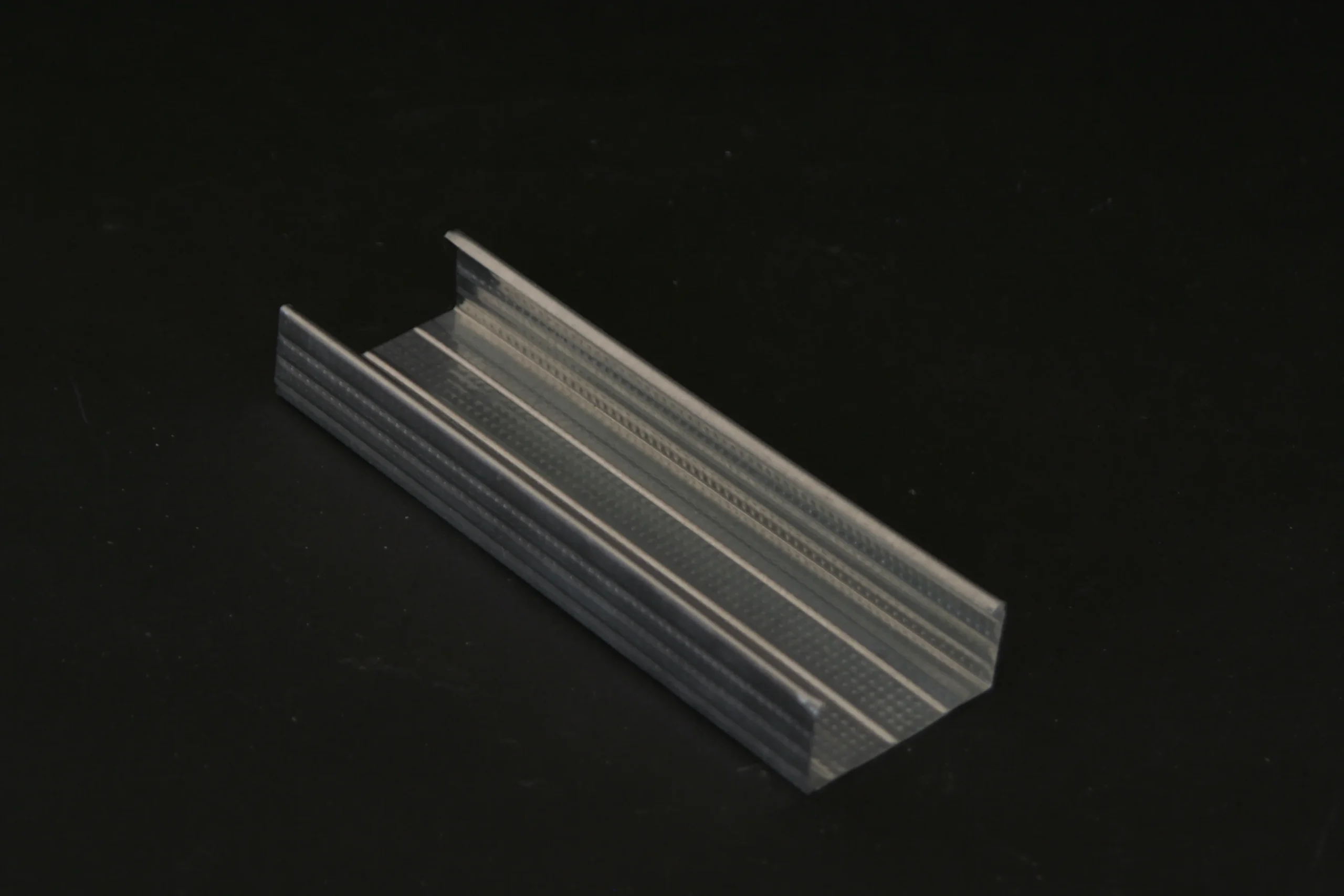
A hat channel is a specific type of metal furring profile shaped like a “hat” in cross section—featuring a flat top and downturned flanges. Its shape provides rigidity and strong resistance to bending. This makes the steel hat channel suitable for load-bearing wall assemblies, seismic ceilings, and exterior secondary framing systems.
The term hat channel metal is commonly used to describe versions made from galvanized or cold-formed steel, which provide corrosion resistance and structural stability in demanding environments. For example, hat channel for metal roofing is frequently installed between roofing material and sheathing to create ventilation, strengthen roof decks, and help distribute live and dead loads across the structure. Likewise, hat channel for drywall is used to support interior partitions and ceilings, especially in sound-rated assemblies.
Most commercial-grade metal furring and hat channel products are manufactured from galvanized steel due to its strength-to-weight ratio and corrosion resistance. Using a steel hat channel instead of wood eliminates warping, insect damage, and moisture absorption—problems that commonly affect wooden substrates.
Metal channels offer additional benefits such as:
Fire resistance: Steel does not ignite and helps maintain structural integrity in fire-rated assemblies.
Acoustic performance: When paired with insulation and resilient clips, hat channel metal systems reduce airborne and impact noise transmission.
Straightness and precision: Metal components ensure flatter surfaces for drywall finishing and façade installations.
Durability: Galvanized coatings allow exterior and interior usage without rusting.
Different construction scenarios require different channel configurations. Below are some common uses:
a. Drywall and Interior Partitions
A drywall furring channel or hat channel for drywall creates a mounting plane for gypsum boards. Installers may fasten channels vertically or horizontally depending on stud layout, insulation requirements, and design goals.
b. Exterior Cladding and Rainscreens
Exterior façade systems often incorporate metal furring channel assemblies to provide an air gap behind cladding materials. This improves drainage and prolongs the life of exterior panels.
c. Acoustic and Mechanical Isolation
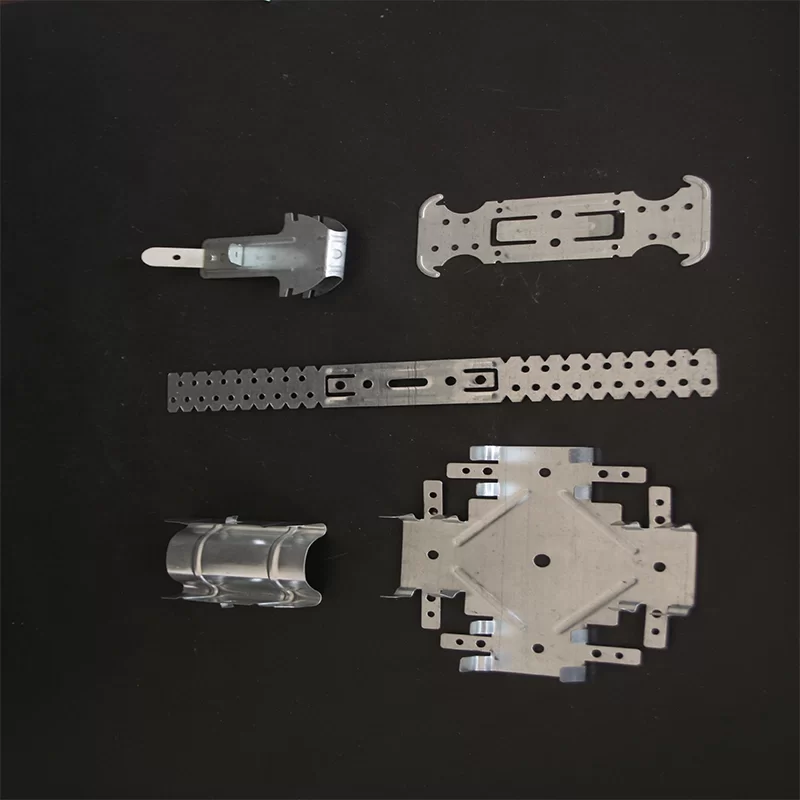
A metal furring system combined with resilient clips decouples drywall from structural framing, reducing noise transfer in theaters, multi-residential buildings, and offices.
d. Roof Decking and Load Distribution
A hat channel for metal roofing distributes roof loads, protects insulation layers, and increases ventilation, which helps prevent condensation—a key requirement in metal roof assemblies.
Different projects require different channel depths. Common examples include:
1. The 1 2 hat channel, referring to a 1/2-inch deep hat channel used in light-duty or limited-clearance applications.
2. The 7 8 hat channel, referring to a 7/8-inch profile used in assemblies requiring greater cavity space for wiring, insulation, or acoustic treatment.
These dimension options allow builders and designers to optimize installation performance depending on ceiling height, material thickness, and design constraints.
The furring channel, hat channel, and their related variations—such as metal furring, hat channel metal, hat channel for metal roofing, metal furring channel, hat channel for drywall, drywall furring channel, steel hat channel, and even dimension-specific formats like the 1 2 hat channel and 7 8 hat channel—represent essential tools in modern construction. They contribute to better structural integrity, flatter surfaces, improved building acoustics, increased thermal performance, and long-term durability across both interior and exterior applications.
Whether used behind drywall in a residential apartment, beneath roofing in a warehouse, or behind façade panels in a commercial high-rise, these metal profiles are indispensable components that support today’s performance-driven building standards. By choosing the right channel type, size, and material for each project, architects, contractors, and installers can achieve superior results with reduced installation time and longer building lifespan.
A furring channel is used to level surfaces and support drywall or cladding, while a hat channel is a specific type of metal furring profile shaped like a hat, offering higher rigidity and strength for demanding installations.
Yes. Hat channel for metal roofing improves ventilation, distributes loads, and protects insulation layers, making it suitable for commercial and residential roofing systems.
Yes. Metal furring channel systems are more durable, fire-resistant, moisture-resistant, and dimensionally stable compared to wood, which can warp, rot, or absorb humidity.
Hat channels are available in multiple depths, including popular sizes like the 1 2 hat channel and 7 8 hat channel, allowing designers to choose based on acoustic, insulation, or clearance requirements.
Absolutely. A hat channel for drywall or drywall furring channel provides a flat and stable mounting surface, especially useful for sound-rated walls or uneven structural surfaces.