Hit enter to search or ESC to close
April 4, 2026
The cross t ceiling system represents a modern and versatile solution for interior design, particularly in commercial spaces. Offering a blend of aesthetic appeal, functional benefits, and ease of installation, it’s become a popular choice for architects and designers. This article will delve into the core components, advantages, applications, and installation considerations of a cross t grid ceiling system, providing a thorough overview for anyone considering this option for their project. Properly understanding the system allows for efficient project planning and a visually stunning result.
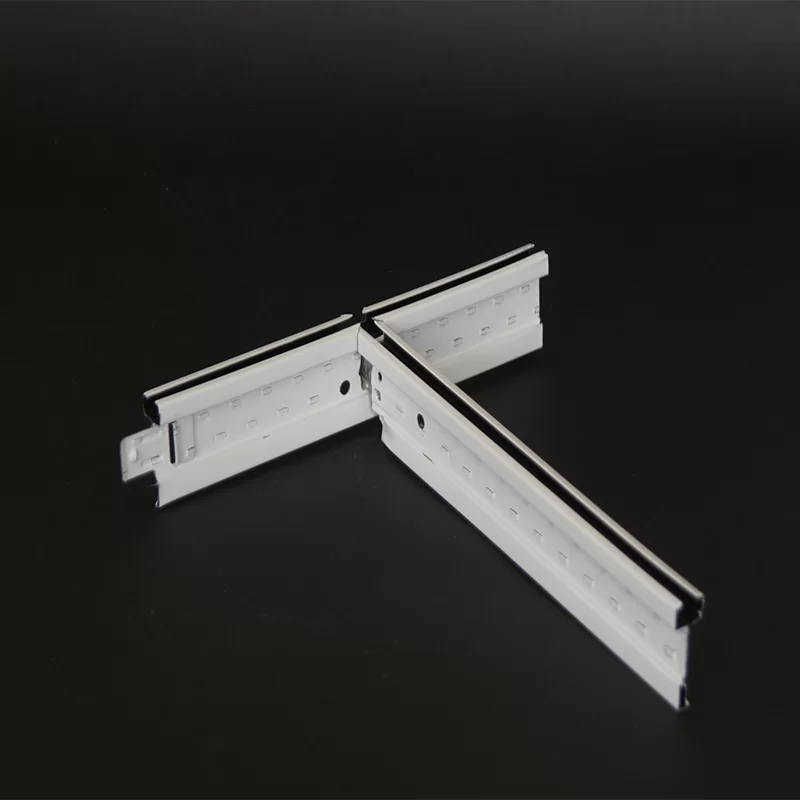
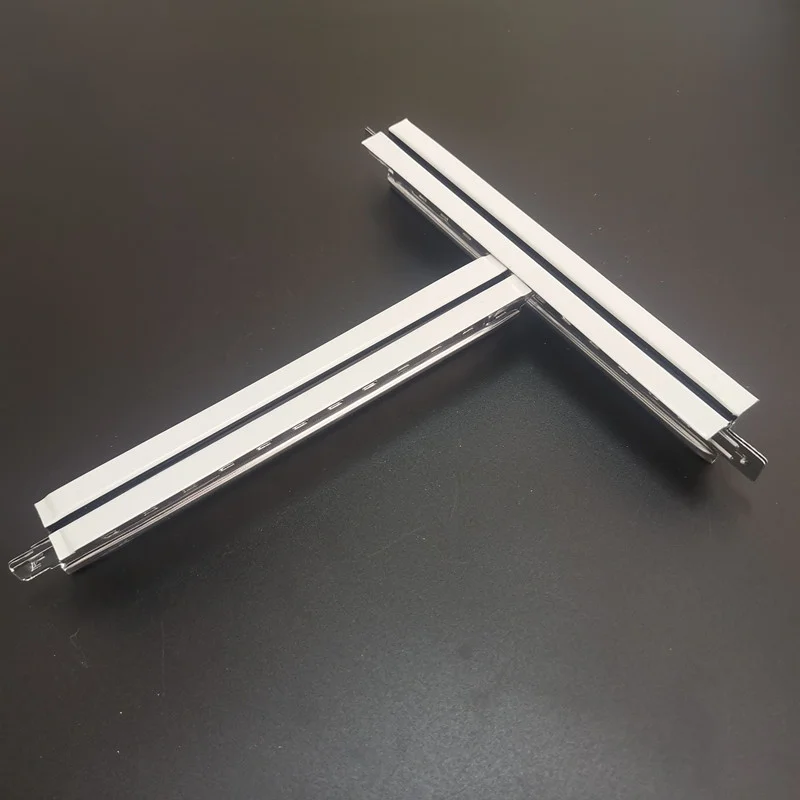
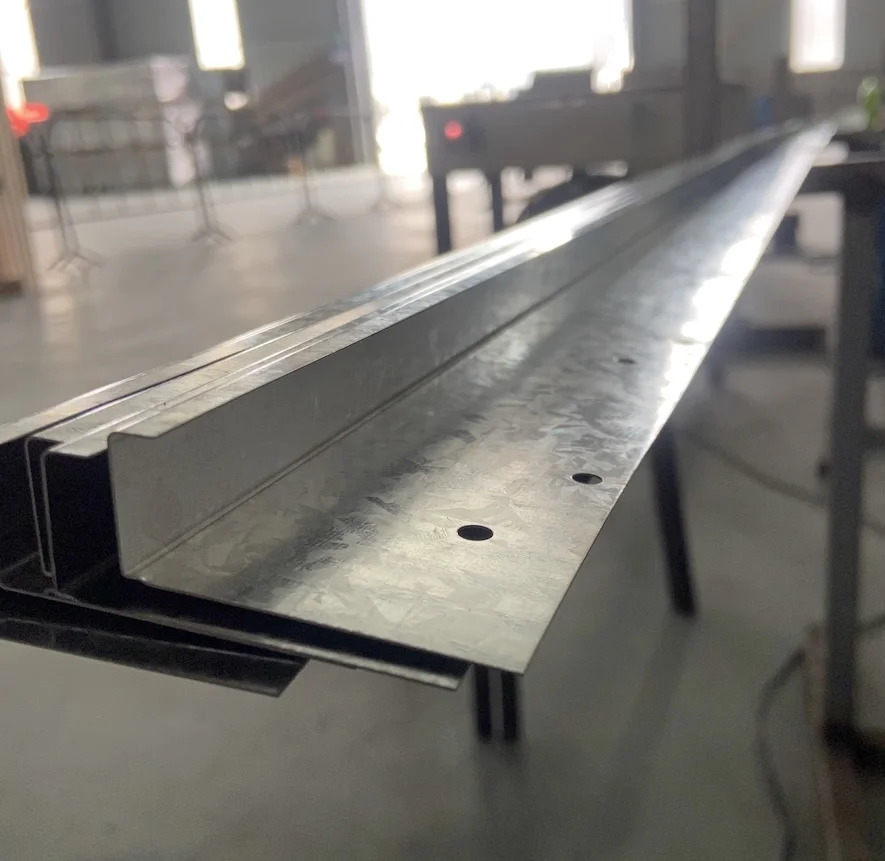
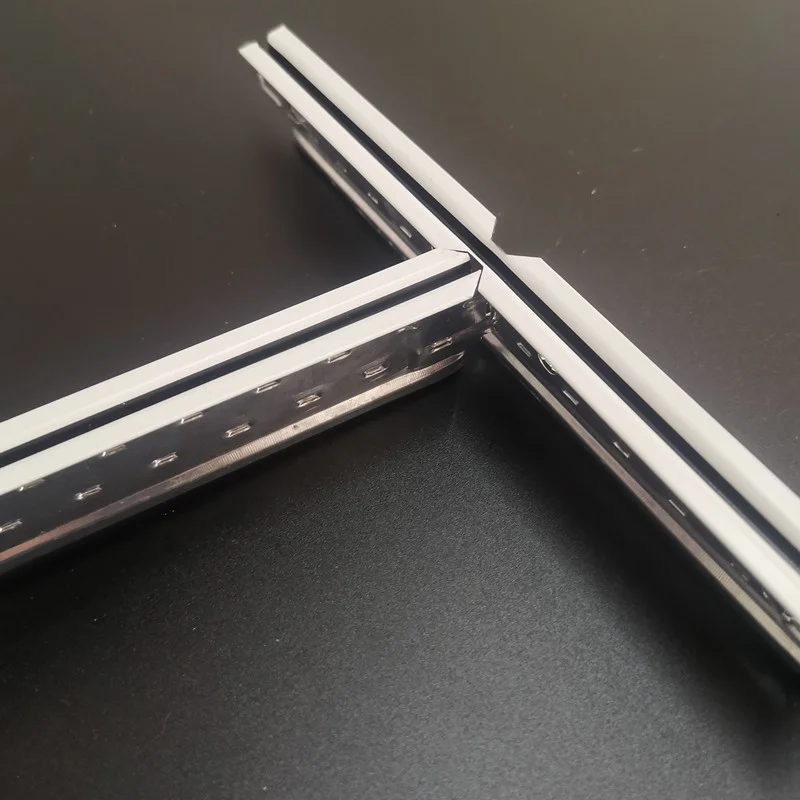
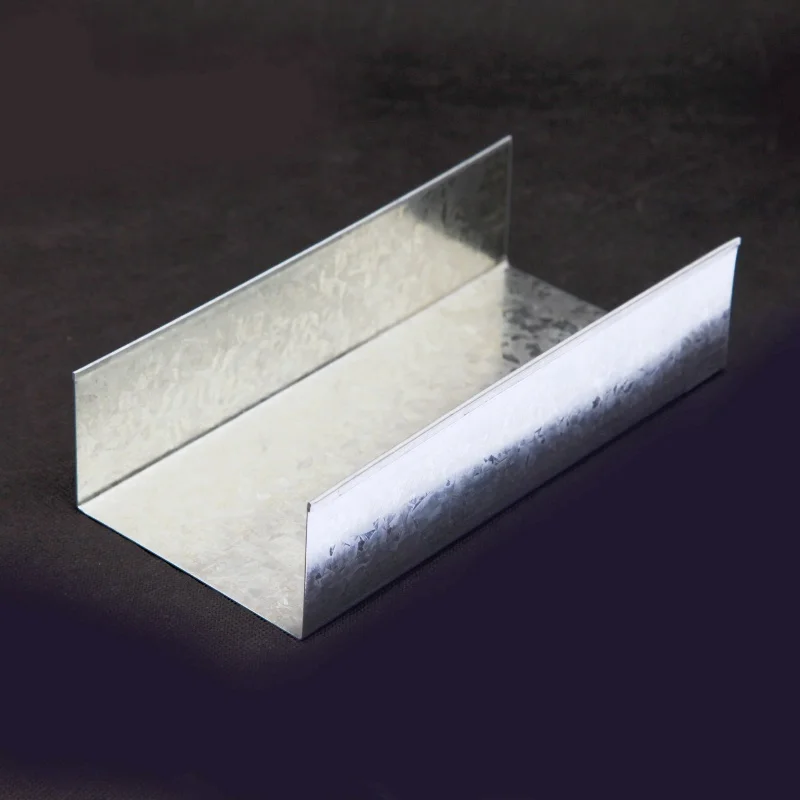
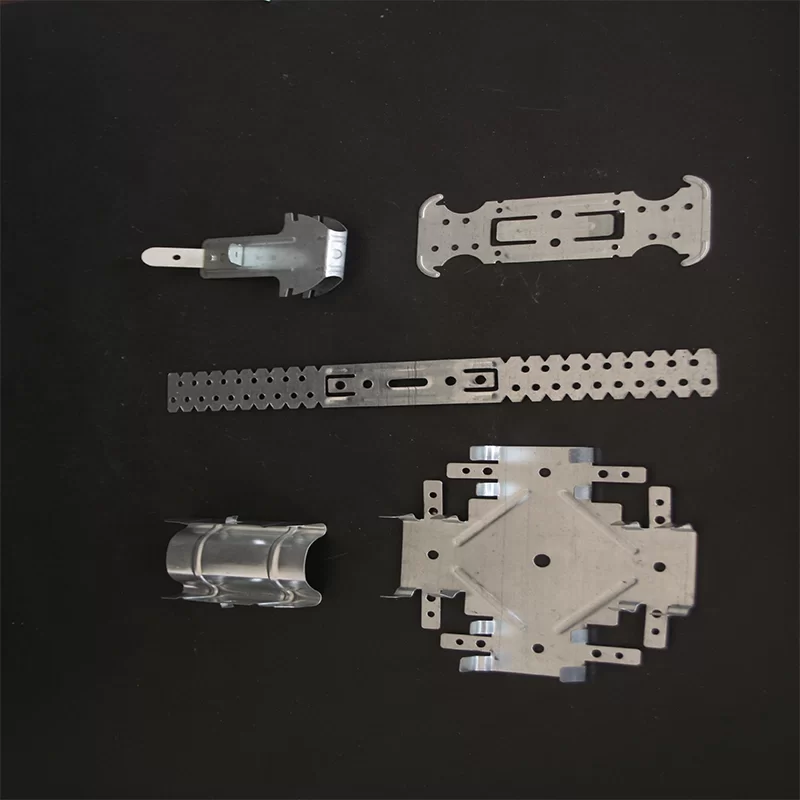
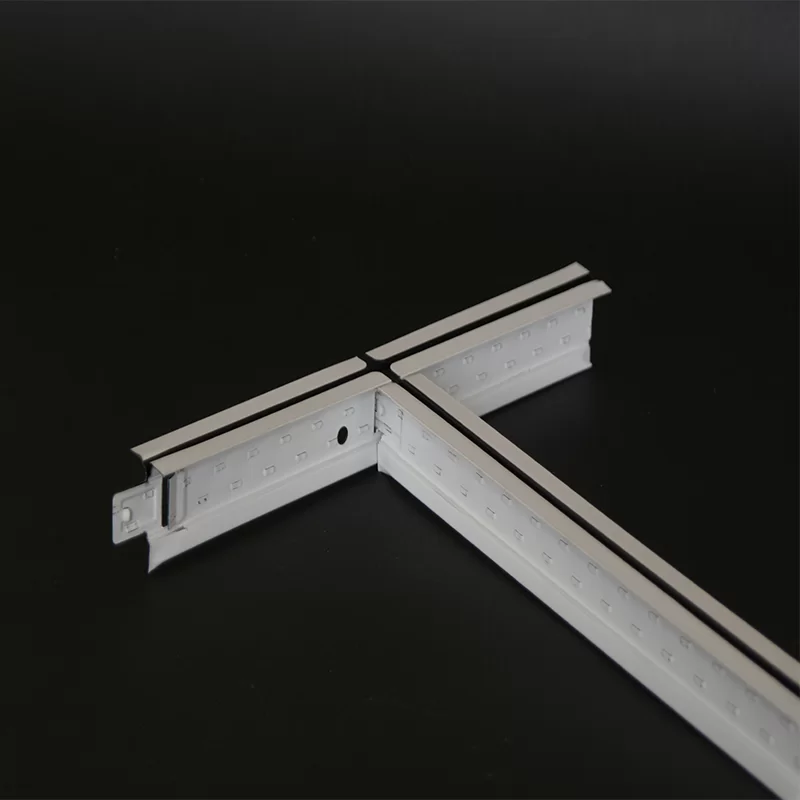
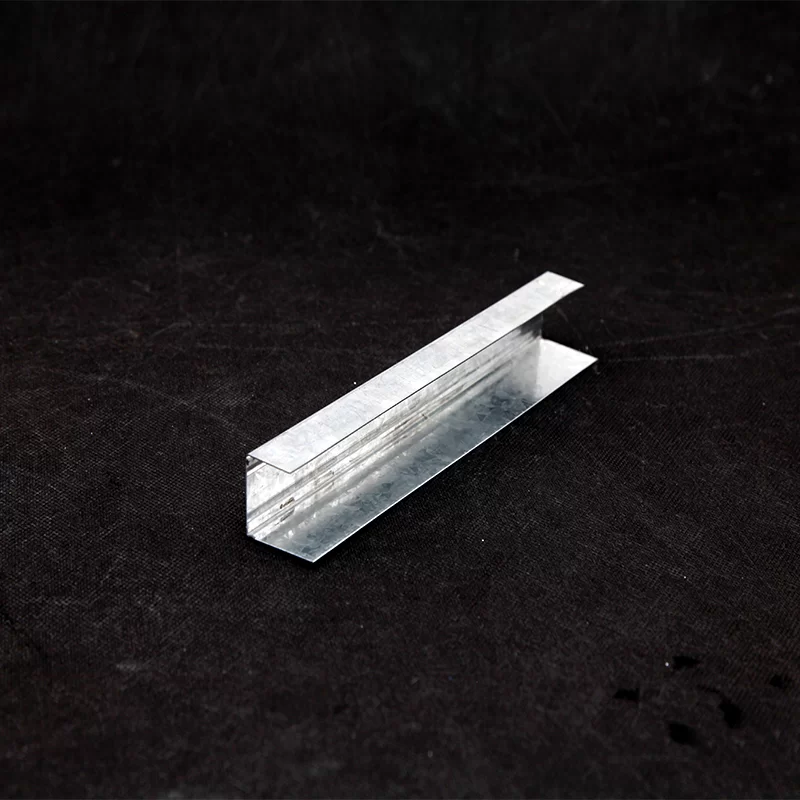
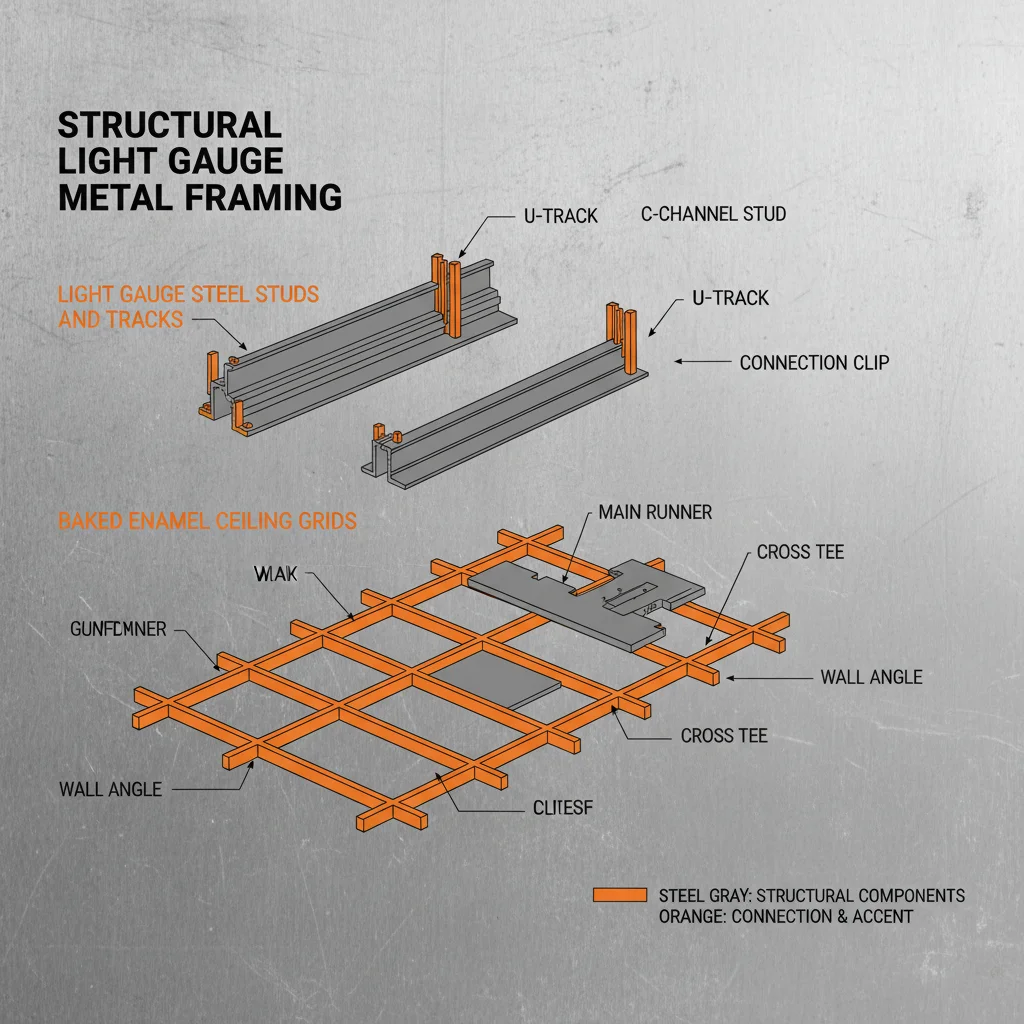
A typical cross t ceiling system consists of several key components. The primary elements are the main runners (often longer spans) and the cross tees (shorter pieces that intersect the main runners, forming the grid). Wall angle is used to secure the system around the perimeter of the room, providing a clean and finished edge. Hanger wires connect the grid to the existing structure above, providing support and ensuring level installation. Finally, ceiling tiles, available in a variety of materials, sizes, and finishes, are dropped into the grid to create the finished ceiling surface. Jinka IBM offers a comprehensive range of these components, ensuring compatibility and quality.
Key Highlights: The main runners and cross tees create the grid framework, while wall angles and hanger wires provide support and a finished edge. Ceiling tiles complete the system, offering aesthetic and functional benefits.
Opting for a cross t suspended ceiling provides numerous advantages. The system offers easy access to the plenum space above, simplifying maintenance and repairs to plumbing, electrical wiring, and HVAC systems. Its modular design allows for quick and easy tile replacement, minimizing disruption. The system also contributes to improved acoustics by absorbing sound and reducing noise levels. Furthermore, cross t ceilings can enhance the aesthetic appeal of a space, offering a clean, modern look. Jinka IBM’s products are specifically designed for ease of use and long-term durability.
Cross T Ceiling Benefits:
• Easy access to plenum space for maintenance
• Quick and easy tile replacement
• Improved acoustics
• Enhanced aesthetic appeal
The beauty of the cross t ceiling system lies in its versatility. Ceiling tiles are available in a wide array of materials, including mineral fiber, fiberglass, metal, and wood. Mineral fiber tiles are the most common, offering good acoustic performance and fire resistance at an affordable price. Fiberglass tiles provide excellent acoustic properties and are often used in spaces requiring sound isolation. Metal tiles offer a sleek, modern look and are highly durable. Wood tiles add warmth and natural beauty to a space. Styles range from standard square-edge tiles to textured and patterned options.
Cross t grid ceilings are exceptionally versatile and suitable for a wide range of applications. They are commonly found in office spaces, retail stores, schools, hospitals, and other commercial buildings. The system’s ability to conceal wiring and ductwork makes it ideal for spaces requiring a clean and organized appearance. In healthcare facilities, the smooth, washable surfaces of certain tile types contribute to a hygienic environment. In retail settings, the customizable aesthetic options allow for brand integration and a visually appealing shopping experience.
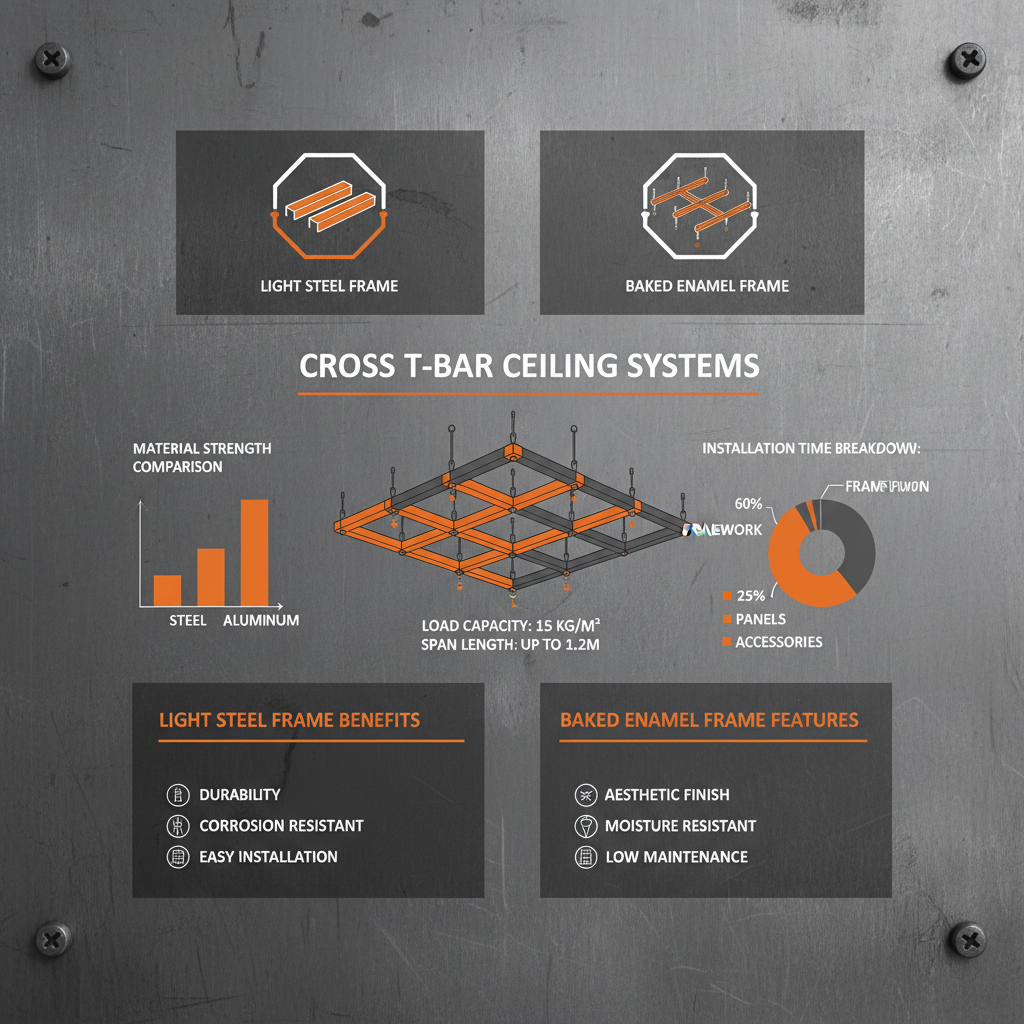
Proper installation is crucial for ensuring the longevity and performance of a cross t ceiling. Accurate layout and leveling are essential. The spacing of hanger wires should adhere to manufacturer’s recommendations to provide adequate support. It's important to ensure that the grid is securely attached to the wall angles. When installing tiles, careful handling is necessary to avoid damage. Consulting with experienced installers or referring to the manufacturer’s installation guide is highly recommended. Jinka IBM provides detailed installation guides and technical support to assist with successful project completion.
The cross t ceiling system offers a compelling combination of functionality, aesthetics, and ease of installation. Its versatility makes it a suitable choice for a diverse range of commercial applications. By carefully considering the available materials, styles, and installation best practices, you can create a ceiling system that enhances the beauty and functionality of any space. Jinka IBM is your trusted partner for high-quality cross t ceiling components and expert support.
The cost of a cross t ceiling installation varies depending on several factors, including the size of the area, the type of tiles used, the complexity of the design, and labor costs. Generally, you can expect to pay between $8 and $15 per square foot for materials and installation. Choosing more expensive tile materials like metal or wood will increase the overall cost. Obtaining quotes from multiple contractors is recommended to get the best price. Jinka IBM can provide detailed material cost estimates based on your project requirements.
The lifespan of cross t ceiling tiles depends on the material and the environment. Mineral fiber tiles typically last 10-15 years, while fiberglass and metal tiles can last much longer. Tiles should be replaced if they become stained, damaged, or sag. Regular inspection and prompt replacement of damaged tiles help maintain the aesthetic appeal and functionality of the ceiling system.
Yes, but it’s crucial to select moisture-resistant tiles. Fiberglass or certain types of mineral fiber tiles are better suited for humid environments than standard mineral fiber tiles. Ensuring proper ventilation in the space is also important to prevent moisture buildup. Consider using tiles with a waterproof backing or coating for areas prone to excessive moisture.
The fire rating of ceiling tiles is an important safety consideration. Look for tiles that meet local building codes and have a Class A fire rating, which indicates the highest level of fire resistance. This means the tiles are non-combustible and will not contribute to the spread of fire. Always check with your local building department for specific requirements.