Understanding Drywall Furring Hat Channel: What It Is and Why It Matters
So, what exactly is a drywall furring hat channel, and why should anyone beyond construction pros care? Frankly, it’s one of those niche building components that quietly plays a starring role in modern drywall installations worldwide. From skyscrapers in New York to modest homes in Asia, hat channels are the unsung heroes that provide key support for drywall panels, ensuring walls stay flat, secure, and durable over time.
In a world increasingly focused on speed, safety, and sustainability in construction, understanding these little strips of metal—often called “hat channels” because of their distinctive shape—is pretty important. They help address challenges like uneven surfaces, moisture management, and structural integrity, which all tie into making buildings last longer while reducing costs and headaches.
In short, drywall furring hat channels act as reliable metal anchors that bring precision, durability, and efficiency to drywall construction — a global necessity in building quality modern spaces.
Global Context: Why Drywall Furring Hat Channel Is Relevant
Globally, the demand for efficient, cost-effective construction materials is rising fast. The UN estimated that by 2030, over 60% of the world’s population will live in urban areas — meaning a huge uptick in construction activity (UN Habitat). Drywall remains one of the most popular interior finishing methods because it is cheap, fast, and adaptable. But the trick is, drywall needs a strong, flat substrate to be installed onsite — enter the drywall furring hat channel.
Construction efficiency, especially in disaster-prone or rapidly developing regions, often depends on moving quickly without compromising quality. For example, areas that frequently experience earthquakes or hurricanes value the seismic stability that hat channels help drywall achieve. Plus, contractors often emphasize their role in controlling moisture buildup behind drywall, helping to prevent mold — a major health concern worldwide.
What Is a Drywall Furring Hat Channel?
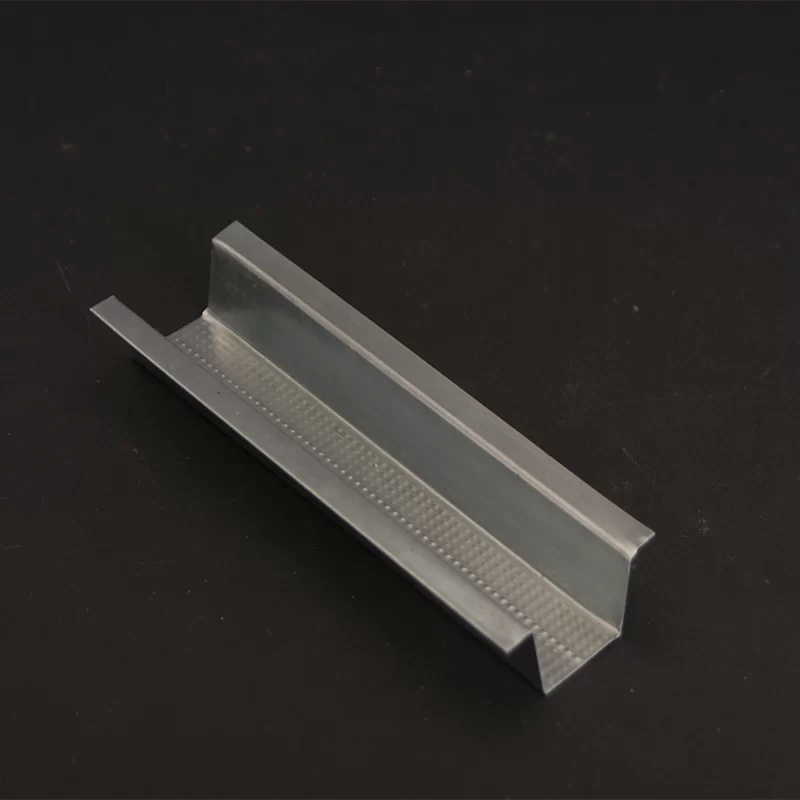
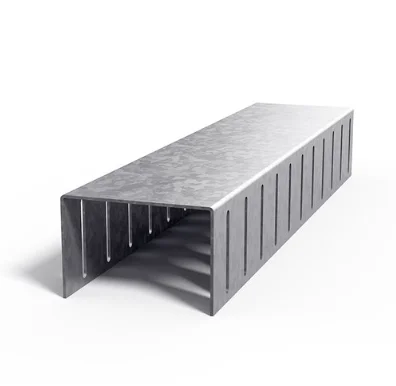
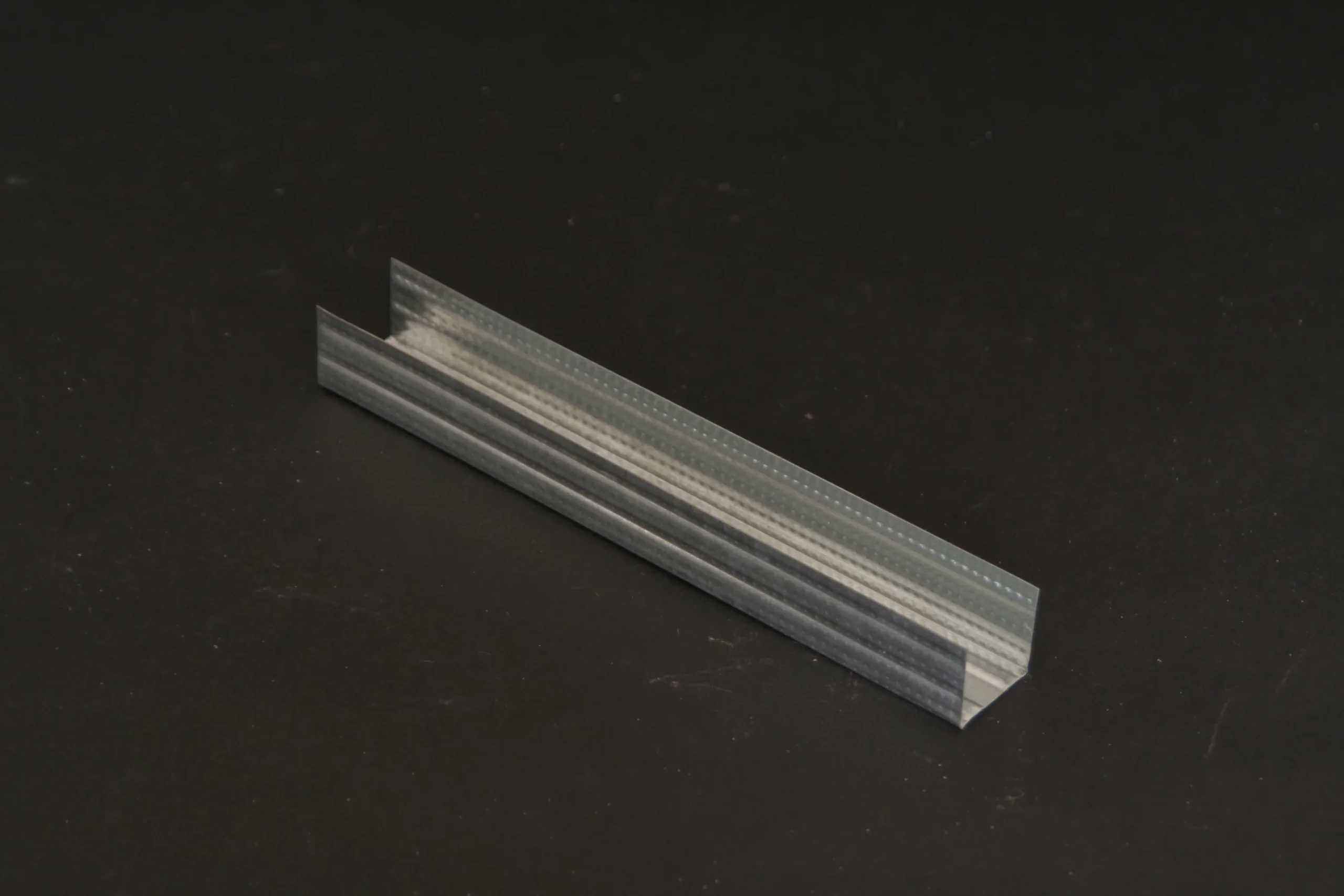
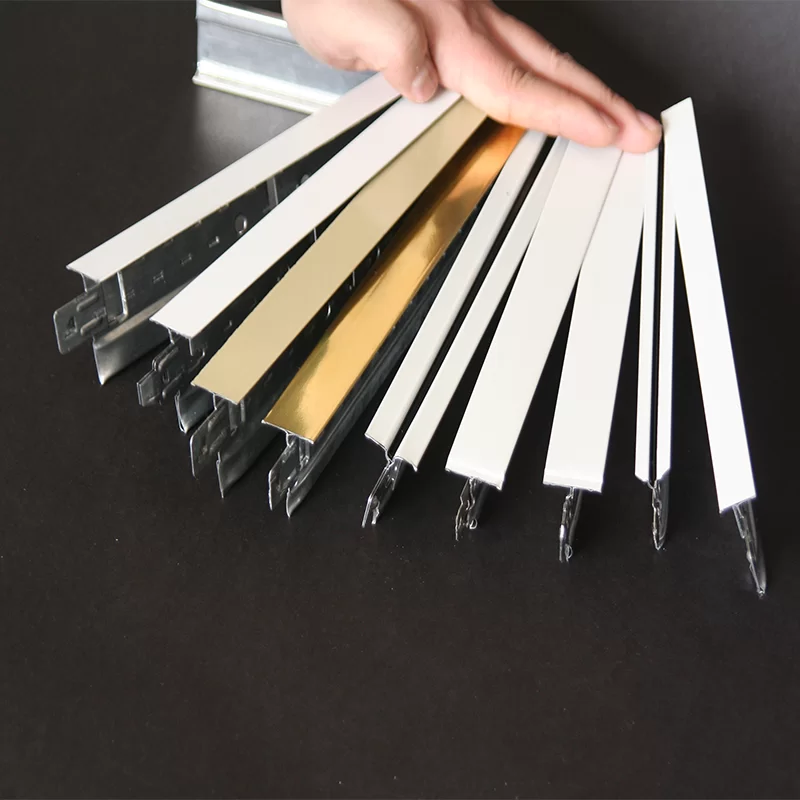
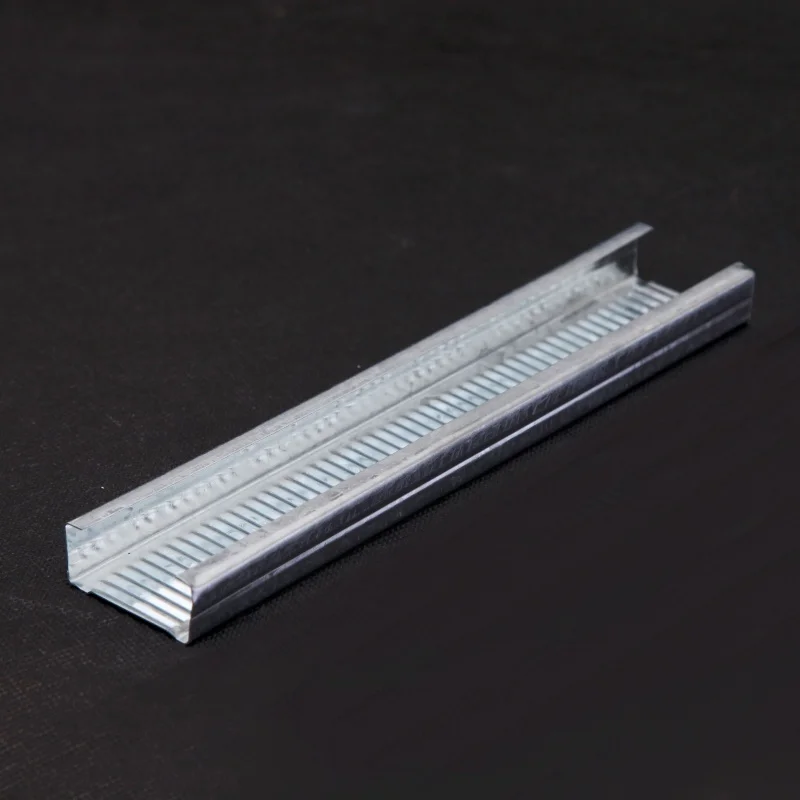
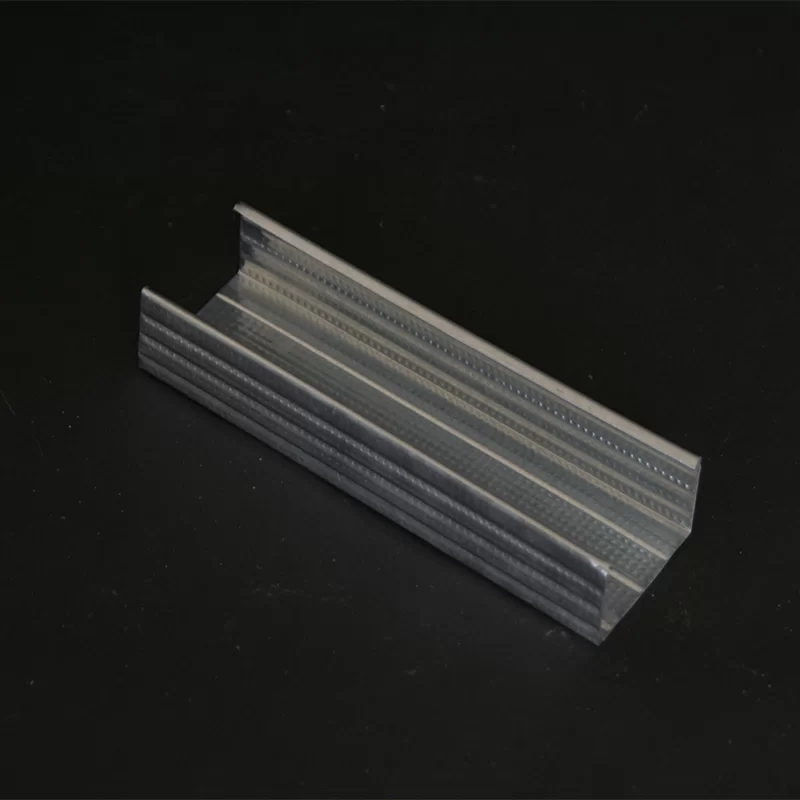
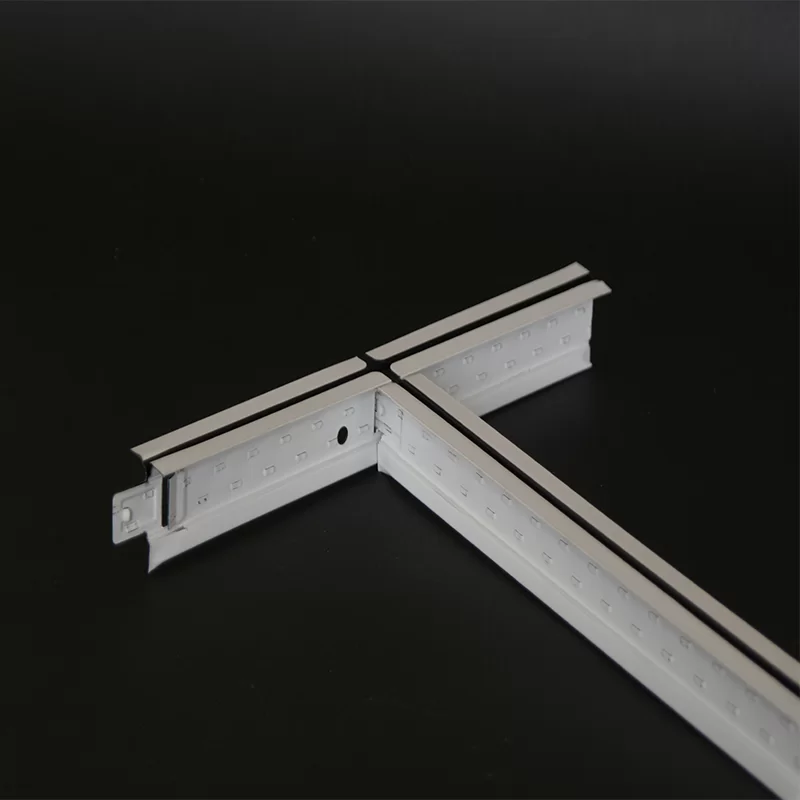
Put simply, a drywall furring hat channel is a thin metal strip, rolled into a "hat" shape when viewed in cross-section. These channels are typically made from galvanized steel or aluminum and come in standard lengths. They’re fixed to walls or ceilings, creating an even surface over existing framing or masonry. Then drywall panels are screwed onto these channels, ensuring a level surface even over irregular substrates.
In humanitarian contexts, such as emergency housing or rebuilding after disasters, these channels provide a fast, adaptable structural frame that allows for easier installation and better long-term durability — something NGOs and contractors care deeply about.
Key Components and Factors of Drywall Furring Hat Channel
1. Durability and Corrosion Resistance
Most drywall furring hat channels are galvanized, offering robust resistance against rust or corrosion — crucial in humid or coastal areas where metal deterioration could jeopardize wall stability. This makes them long-lasting and trustworthy in diverse environments.
2. Ease of Installation and Scalability
The channels are lightweight and easy to cut or shape onsite. This means projects can scale from small residential renovations to large commercial builds without specialized tools or delays, speeding up timelines significantly.
3. Cost Efficiency
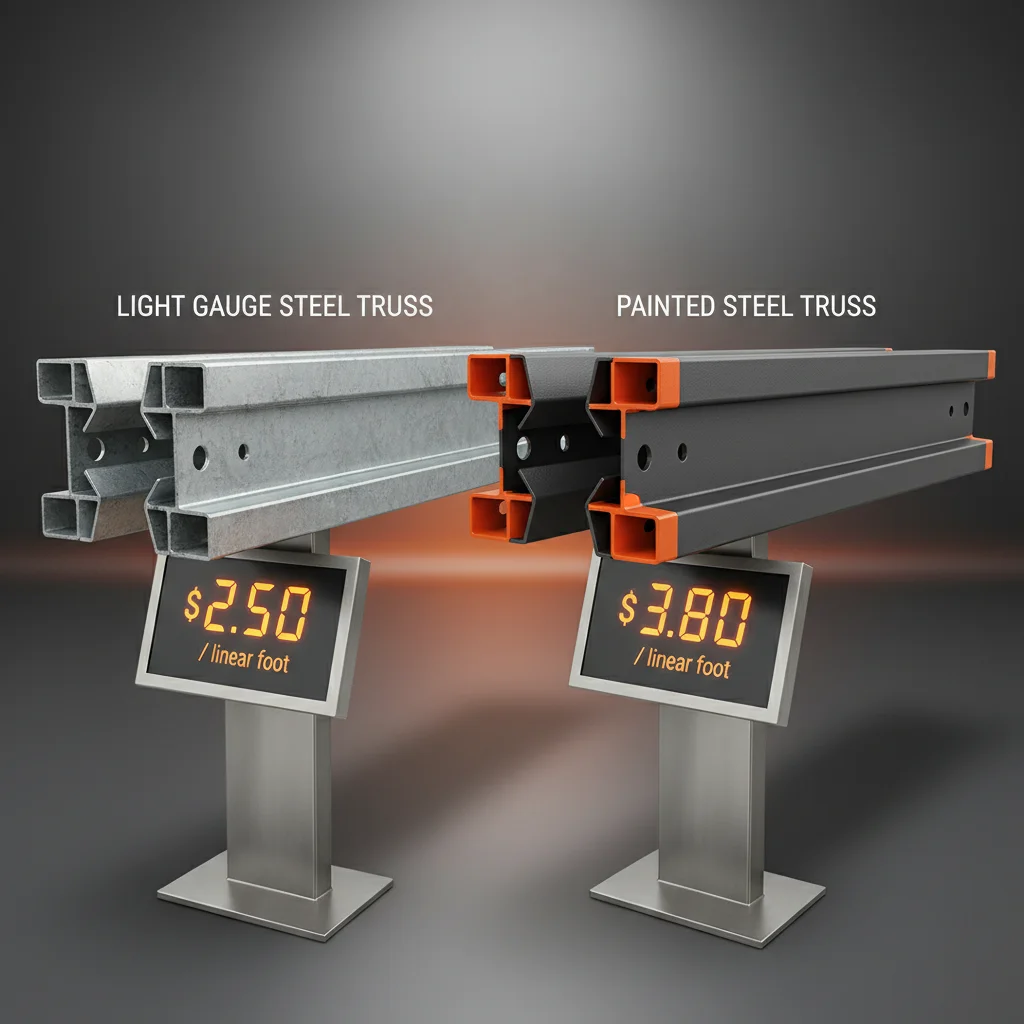
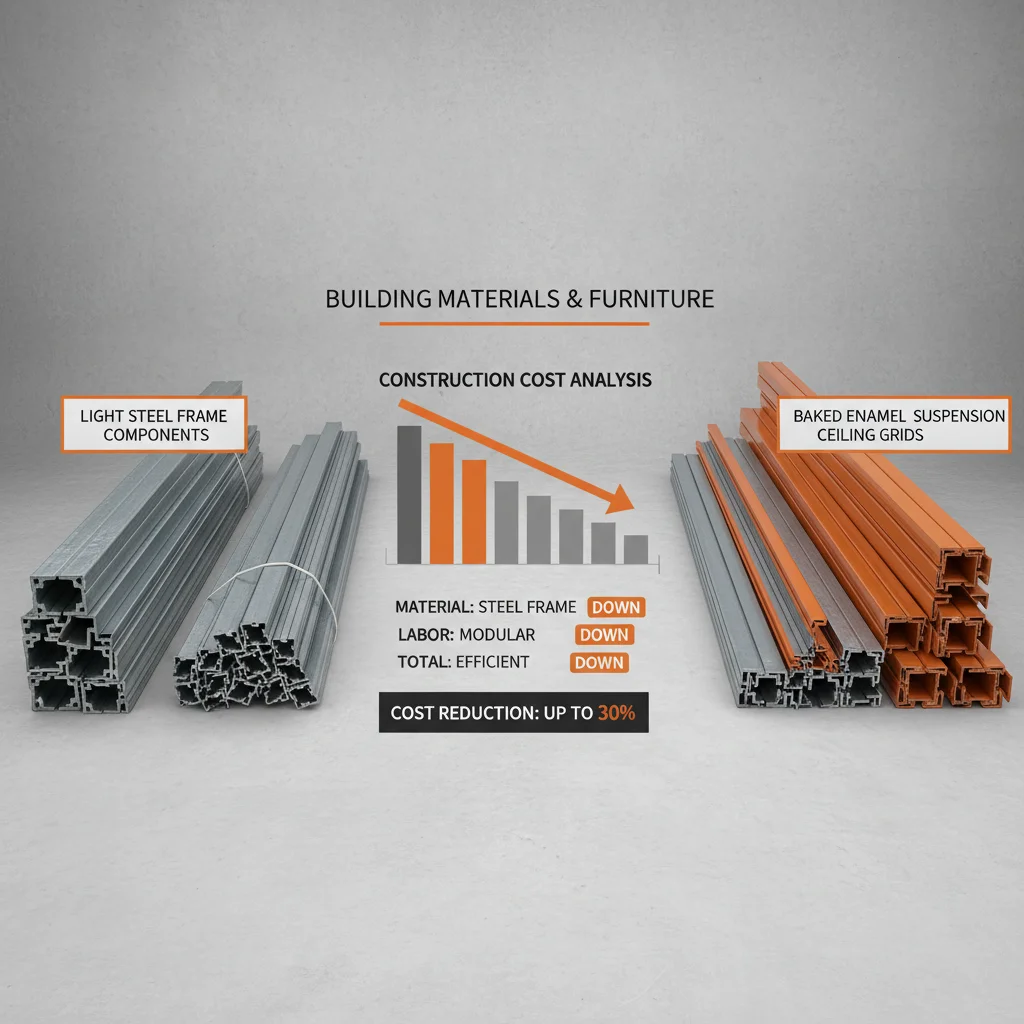
Because of their standardized sizes and material efficiency, hat channels reduce the need for overbuilt framing, keeping material and labor costs down. They also reduce drywall waste by giving installers a consistent framing base.
4. Thermal and Acoustic Performance
By creating an air gap between the structural wall and drywall, these channels can improve insulation performance — both thermal and acoustic, which is vital in commercial offices and multi-family residential buildings.
5. Compatibility with Various Wall Systems
Whether you’re working with concrete, wood, or metal studs, drywall furring hat channels fit in perfectly, offering incredible versatility. That’s partly why they’re a go-to in many different climates and construction styles.
| Specification |
Typical Range |
Units |
| Material |
Galvanized Steel / Aluminum |
— |
| Channel width |
7/8" to 1-1/4" |
Inches |
| Length |
8 to 12 |
ft |
| Thickness |
0.018 to 0.024 |
inches |
| Weight |
0.12 to 0.18 |
lbs/ft |
How Drywall Furring Hat Channels Are Used Around the World
These channels surface everywhere from North American commercial buildings to Asian residential projects. Oddly enough, their use in humanitarian aid is particularly noteworthy. For instance:
- Post-disaster reconstruction: In earthquake-hit Japan or hurricane-ravaged Caribbean islands, hat channels speed up rebuilding efforts, allowing drywall to be securely attached without waiting for perfect framing conditions.
- Remote industrial facilities: In oil rigs or mining camps, durable interior walls installed over furring channels resist moisture and vibration better.
- Urban upgrades: In dense cities, retrofitting older buildings with drywall supported by furring channels improves insulation and modernizes interiors without heavy structural work.
Many organizations, including international NGOs, rely on these channels for modular housing or temporary shelters that feel less “makeshift” and more permanent. For even more industrial nuance, check out drywall furring hat channel suppliers who customize specs for unique environments.
Advantages & Long-Term Value of Using Drywall Furring Hat Channel
The benefits are quite tangible:
- Economic savings: Reduced material waste and faster installation equal significant budget advantages.
- Durability: Galvanized steel channels resist rust and maintain structural integrity for decades.
- Environmental impact: As part of sustainable building practices, these channels enable efficient use of resources, reducing carbon footprint compared to traditional wood framing.
- Enhanced safety and comfort: Improved fire ratings and sound dampening provide a safer, more pleasant indoor environment.
On an emotional level, imagine a family moving into a newly constructed home that feels sturdy and well-built because the walls are rock-solid. That’s trust in the materials and methods — trust that hat channels help build.
Looking Ahead: Trends and Innovations
In real terms, the future of drywall furring hat channels involves smarter materials and sustainable production. For example:
- Eco-friendly coatings: New finishes reduce environmental impact and further improve corrosion resistance.
- Automation and digital tracking: Some manufacturers use digital tagging to track batches for quality control — increasingly important for LEED-certified or ISO-standard projects.
- Hybrid materials: Combining metal with recycled composites could reduce weight without sacrificing strength.
Plus, as green building codes evolve globally, the design and use of hat channels will adapt to support net-zero energy goals, meaning better thermal breaks and integration with insulation systems.
Challenges and How to Overcome Them
No product is perfect, of course. One common issue is that improper installation can lead to “rattling” walls or uneven panels. Many engineers stress the importance of proper fastening methods and precision in aligning channels, or else they lose their effectiveness.
Another challenge is sourcing high-quality galvanized steel in regions where supply chains are unpredictable. Many suppliers recommend working with trusted vendors who offer certified materials and timely delivery. For example, compare top vendors below:
| Vendor |
Material Quality |
Lead Time |
Customization |
Price Level |
| Jinkai Building Materials |
ISO-certified galvanized steel |
1-2 weeks |
Full custom lengths & gauges |
Mid-range |
| Generic Supplier Co. |
Varies; often uncertified |
3-4 weeks |
Limited |
Low |
| Premium Metals Inc. |
High-quality alloys |
2-3 weeks |
Some customization |
High |
FAQs About Drywall Furring Hat Channel
- What exactly makes drywall furring hat channels better than traditional wood furring?
- Metal hat channels resist warping, moisture damage, and termite infestations better than wood. They also provide a more uniform surface, which improves drywall finish quality and long-term durability.
- How long can drywall installed on hat channels last in humid or coastal environments?
- When using galvanized or coated steel hat channels properly installed with moisture barriers, drywall walls can last 30+ years even in challenging conditions.
- Are drywall furring hat channels eco-friendly?
- They are often made from recycled steel and help reduce material waste on-site. Additionally, their durability allows for fewer repairs or replacements, lowering long-term environmental impact.
- Can NGOs import drywall furring hat channels easily for global projects?
- Yes, many vendors like Jinkai Building Materials specialize in international shipments with certifications and customization to meet local standards.
- What considerations should I keep in mind when choosing drywall furring hat channels?
- Look for galvanized or coated steel for corrosion resistance, verify supplier certifications, and ensure the channels fit your project’s size and environmental requirements.
Conclusion: Why Drywall Furring Hat Channel Matters Long-Term
Overall, drywall furring hat channels are a deceptively simple yet essential element of durable, efficient construction. They help keep walls straight, resist moisture and damage, and speed build times — all while being adaptable for new and old building types around the world.
Thinking about upgrading your drywall projects? Visit https://www.jinkaibm.com for trusted suppliers and expert advice. Your walls (and wallet) will thank you.
Trust in hat channels means trusting in a stronger, longer-lasting future for building interiors everywhere.
References
- United Nations Habitat: Urbanization Trends
- Wikipedia: Drywall
- International Organization for Standardization (ISO)