Hit enter to search or ESC to close
February 2, 2026
Reinforced fiberglass and gypsum panels are increasingly popular in modern construction due to their versatile properties and performance benefits. These panels offer a lightweight yet durable solution for both interior and exterior applications. This article will explore the characteristics, applications, advantages, and considerations when using reinforced fiberglass & gypsum panels, providing valuable insights for architects, builders, and homeowners. Choosing the right material can significantly impact the efficiency, cost-effectiveness, and longevity of any construction project.
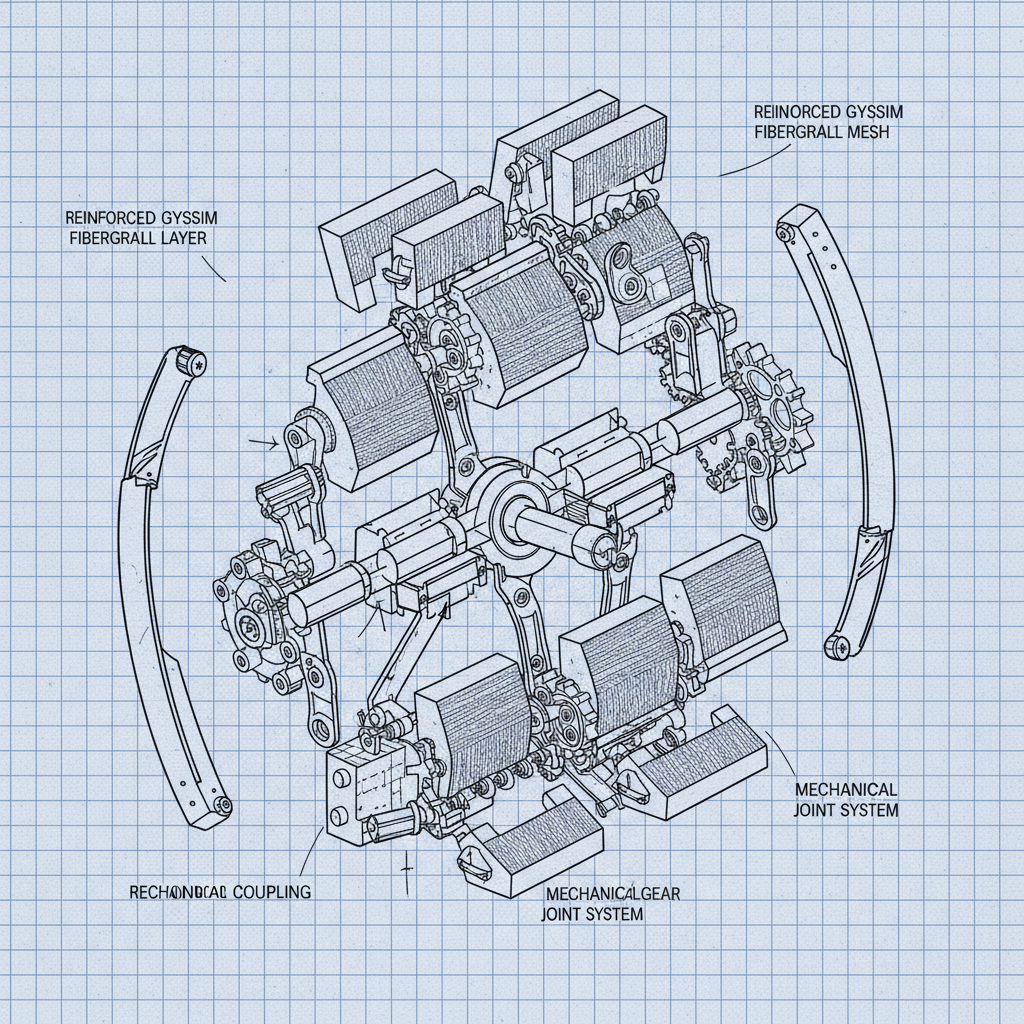
These panels are created by combining the strength of fiberglass reinforcement with the inherent properties of gypsum. Gypsum provides fire resistance and sound insulation, while fiberglass adds tensile strength and dimensional stability. The resulting composite material is lighter than traditional concrete or wood, simplifying installation and reducing structural load. The manufacturing process involves embedding fiberglass strands within a gypsum core, creating a panel that is both robust and easy to work with. Different formulations and fiberglass densities can be used to tailor panel properties to specific application needs.
Key Benefits: Lightweight, fire-resistant, sound insulating, durable, easy to install, and versatile.
The versatility of these panels makes them ideal for a wide range of applications, including interior wall cladding, exterior facade systems, ceilings, partitions, and even prefabricated building components. They are particularly well-suited for projects where weight reduction and fire safety are critical. In the construction of commercial buildings, reinforced fiberglass & gypsum panels offer a sleek, modern aesthetic while meeting stringent building codes. They are also gaining traction in residential construction for both interior and exterior applications, providing a cost-effective and sustainable alternative to traditional materials. Jinka IBM offers a range of these panels designed for diverse building needs.
Common Application Areas:
• Interior Wall Cladding
• Exterior Facade Systems
• Ceiling Tiles & Panels
• Partitions
• Prefabricated Building Components
Compared to traditional building materials like concrete, wood, and steel, reinforced fiberglass & gypsum panels offer several key advantages. Concrete is heavy and requires substantial structural support, while wood is susceptible to rot, insects, and fire. Steel is prone to corrosion and can be expensive. Reinforced fiberglass & gypsum panels combine the best aspects of these materials, providing strength, durability, fire resistance, and lightweight construction. The reduced weight also translates to lower transportation costs and faster installation times.
While these panels offer numerous benefits, proper installation and maintenance are crucial. Ensure the panels are installed according to the manufacturer's specifications to maintain their structural integrity and fire resistance. Protect the edges of the panels during handling and installation to prevent chipping or damage. When cutting the panels, use appropriate tools and wear appropriate safety gear. It is also important to consider the panel's load-bearing capacity and consult with a structural engineer for large-scale applications. For detailed information and specific product recommendations, explore the offerings at Jinka IBM.
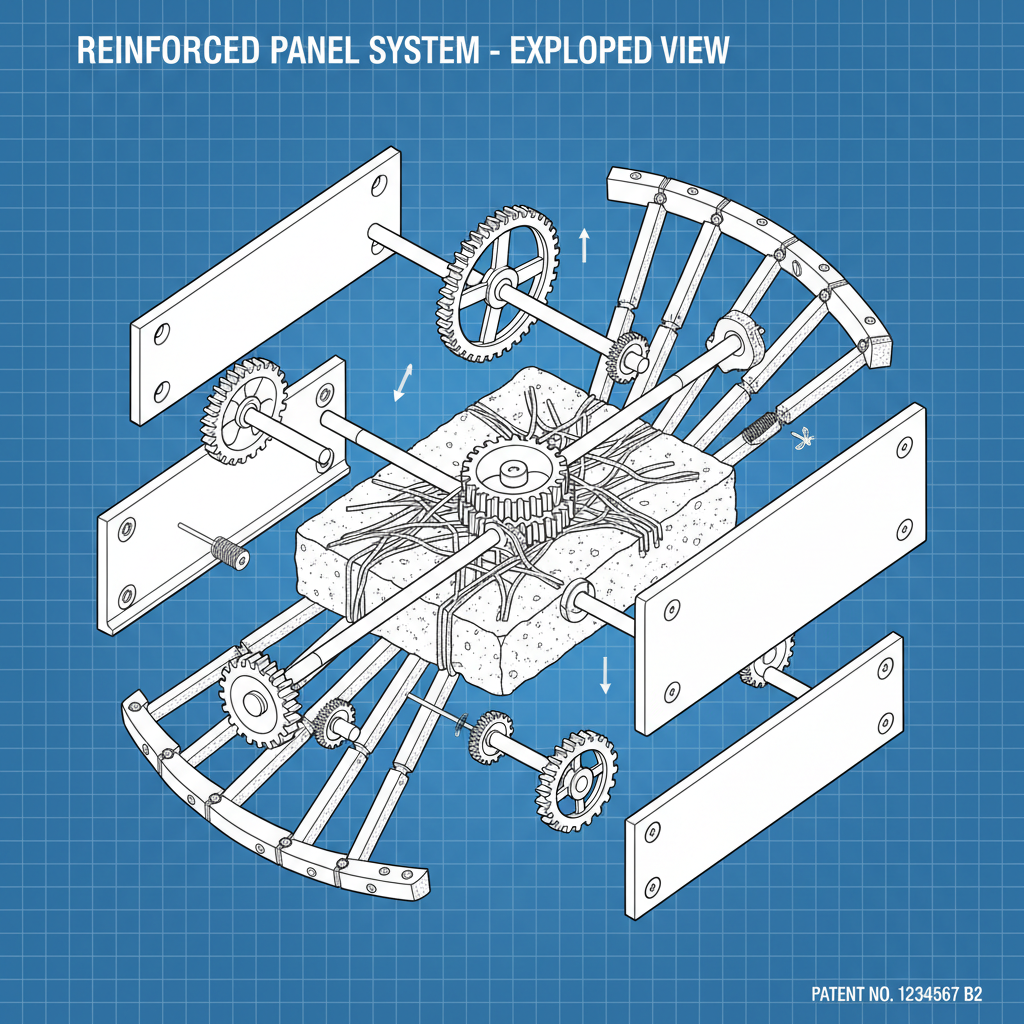
Reinforced fiberglass & gypsum panels are available in a variety of sizes and thicknesses to accommodate diverse project requirements. Standard panel sizes typically range from 1200mm x 2400mm to 1200mm x 3000mm, but custom sizes can often be ordered. Panel thicknesses generally range from 6mm to 12mm, depending on the desired structural performance and sound insulation properties. Below is a common specification chart.
Reinforced fiberglass & gypsum panels represent a significant advancement in building materials. Their combination of strength, lightweight properties, fire resistance, and sustainability makes them an excellent choice for a wide range of applications. By embracing these innovative materials, builders and designers can create safer, more efficient, and more environmentally responsible structures. Jinka IBM is committed to providing high-quality reinforced fiberglass & gypsum panels to meet the evolving needs of the construction industry.
Reinforced fiberglass & gypsum panels exhibit excellent fire resistance due to the inherent properties of gypsum, which contains chemically bound water that is released when exposed to heat, slowing down combustion. These panels typically achieve a Class A fire rating, meaning they can withstand prolonged exposure to high temperatures without significant structural failure. This makes them a safe and reliable choice for buildings where fire safety is a primary concern. Always check the specific fire rating of the panel you are considering based on testing standards relevant to your region.
The density and composition of reinforced fiberglass & gypsum panels contribute to excellent sound insulation properties. The gypsum core helps to absorb sound waves, reducing noise transmission between spaces. The addition of fiberglass further enhances sound dampening capabilities. Depending on the panel's thickness and construction, it can achieve a Sound Transmission Class (STC) rating suitable for various applications, from office partitions to exterior walls.
Yes, reinforced fiberglass & gypsum panels are considered a relatively environmentally friendly building material. Gypsum is a naturally occurring mineral, and fiberglass can be manufactured from recycled materials. The lightweight nature of the panels also reduces transportation costs and energy consumption. Additionally, gypsum is recyclable, contributing to a circular economy. Many manufacturers are also focused on sustainable manufacturing processes.
With proper installation and maintenance, reinforced fiberglass & gypsum panels can have a lifespan of 30 years or more. Their resistance to moisture, fire, and pests contributes to their longevity. Regular inspections and prompt repairs of any damage can further extend their service life. Protection from excessive UV exposure and harsh chemicals is also recommended.