Hit enter to search or ESC to close
June 29, 2026
When planning a commercial or residential interior project, understanding the metal stud framing cost per square foot is essential for accurate budgeting and material procurement. Metal framing has become the industry standard due to its superior fire resistance, structural stability, and speed of installation compared to traditional wood. Whether you are installing a simple partition wall or a complex suspended ceiling system, the cost varies based on gauge thickness, material grade, and labor market rates. In this guide, we will break down the financial aspects and technical specifications to help you make an informed decision for your next build.

Several variables impact the final metal stud framing cost per square foot. First is the material gauge; thinner steel is cheaper but offers less load-bearing capacity, whereas heavy-gauge steel is required for structural walls. Second is the scope of work; a simple room layout is more cost-effective than intricate designs with multiple corners. Additionally, the cost of accompanying materials—such as gypsum boards, screws, and joint compounds—must be factored into the overall square footage price. By sourcing high-quality materials from a professional manufacturer, you can optimize costs without compromising the integrity of the structure.
Pro Tip: To reduce overall expenses, consider standardizing the lengths of your studs to minimize off-cut waste, which can inadvertently inflate your cost per square foot.
While some contractors still prefer wood for residential work, the long-term value of metal framing often outweighs the initial metal stud framing cost per square foot. Metal is immune to termites, does not warp or shrink over time, and provides a much higher fire rating, which can lead to lower insurance premiums for commercial properties. When compared side-by-side, metal framing allows for faster installation and cleaner job sites, significantly reducing the labor hours required for the project.
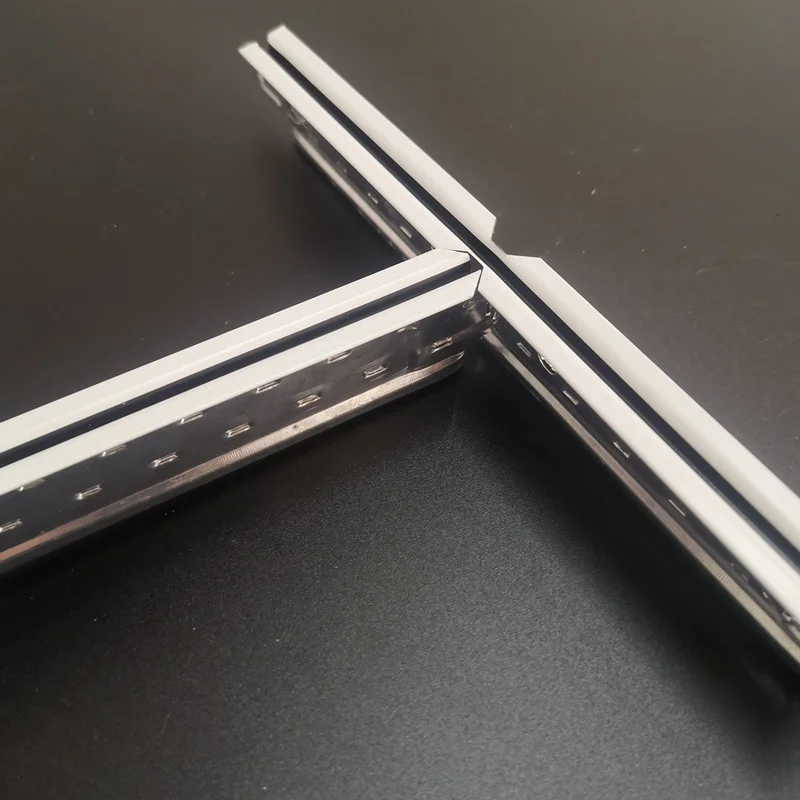
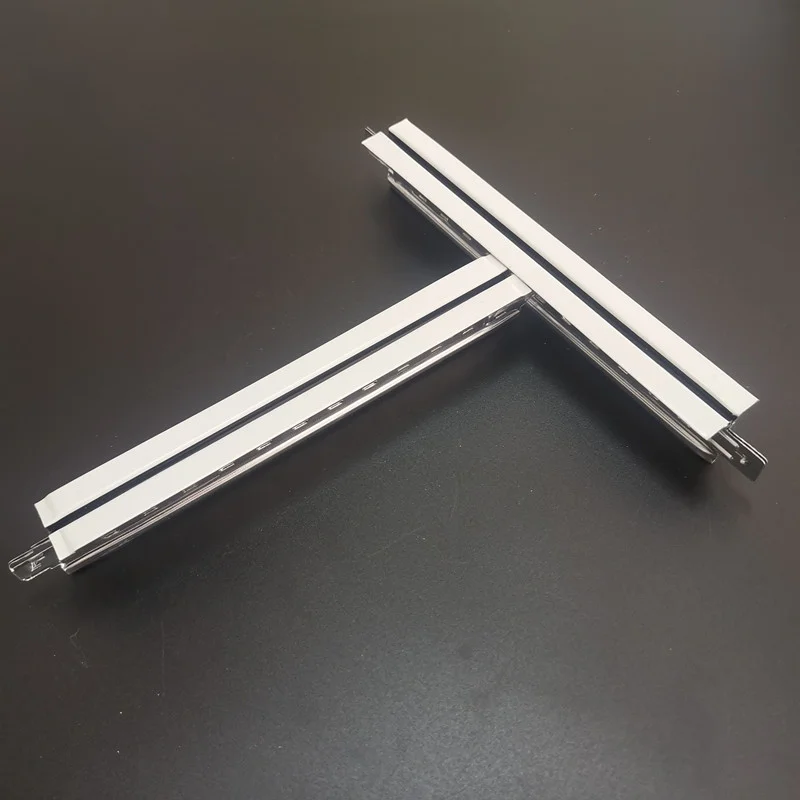
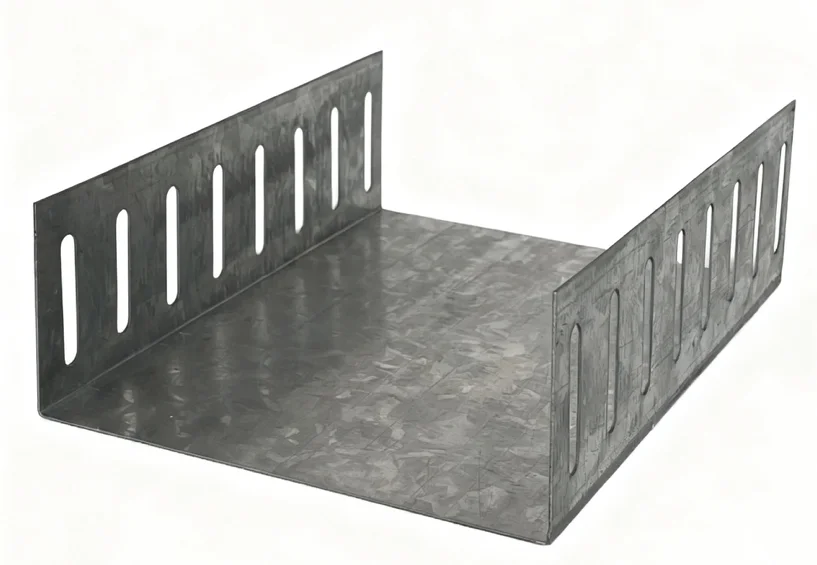
For ceiling applications, using a specialized Furring ceiling system can be more economical than full-scale heavy framing. This suspended steel framing system, clad with gypsum boards, allows the grids to be concealed behind the board, resulting in a smooth surface for painting or wallpaper. When calculating the metal stud framing cost per square foot for ceilings, the choice of furring channel thickness and spacing is critical to maintaining stability while minimizing material expenditure.

To ensure that the metal stud framing cost per square foot aligns with the performance requirements of your building, it is vital to review the technical specifications. High-quality steel prevents sagging in ceilings and bowing in walls. Below are the standard specifications for our premium Furring systems, which balance structural integrity with cost-efficiency.
When evaluating the total metal stud framing cost per square foot, labor often accounts for a significant portion of the budget. Experienced installers can assemble metal frames much faster than wood, which reduces the hourly cost. However, the precision required for the initial layout and the use of specialized cutting tools can slightly increase the hourly rate for skilled labor. To keep costs low, we recommend purchasing pre-cut studs that match your architectural plans precisely.
Cost-Saving Tips:
• Source materials directly from manufacturers like Jinkaibm.
• Use standard size profiles to avoid custom fabrication fees.
• Plan layout carefully to minimize material waste.
Calculating the metal stud framing cost per square foot is about more than just finding the lowest price; it is about finding the best value. By selecting the correct gauge, optimizing the layout, and choosing reliable suppliers, you can ensure a structure that is safe, durable, and cost-efficient. Whether you are working on a residential renovation or a massive commercial project, investing in high-quality metal framing ensures longevity and peace of mind.
The cost is calculated by determining the total area of the walls or ceilings in square feet and multiplying it by the combined cost of materials and labor. Materials include the studs, tracks, screws, and cladding (like gypsum board). Labor is usually calculated based on the complexity of the installation and the local market rate for skilled metal framers. To get a precise estimate, contractors usually take a detailed measurement of the linear footage of the walls and the total square footage of the surfacing material.
Yes, the thickness (or gauge) of the steel has a direct impact on the material cost. Thicker steel (lower gauge number) contains more raw material and provides higher load-bearing strength, making it more expensive. However, for non-structural partition walls or ceiling furring, thinner gauges are often sufficient and more cost-effective. It is important to consult with a structural engineer to ensure you are not over-spending on thickness you don't need, or under-specifying for safety.
While the initial metal stud framing cost per square foot might be higher in some regions, the long-term benefits are substantial. Metal framing is non-combustible, providing essential fire protection. It is also completely resistant to termites, mold, and warping, which are common issues with wood. Additionally, metal framing is lighter and allows for easier installation of electrical and plumbing systems within the wall cavities, potentially reducing overall construction time and long-term maintenance costs.
Actually, purchasing standard lengths is usually cheaper. However, if your project has very specific height requirements, custom lengths can reduce the "scrap rate" or waste on site. When you have a high volume of waste, you are essentially paying for material that ends up in the bin, which increases your effective cost per square foot. By ordering precise lengths from a manufacturer like Jinkaibm, you can minimize waste and potentially lower the total material spend for large-scale projects.