Hit enter to search or ESC to close
October 13, 2025
In the intricate world of modern construction, where precision and aesthetic appeal are paramount, the seemingly minor components often dictate the ultimate success of a project. Among these, drywall profile types stand out as unsung heroes, critical for defining edges, managing expansion, and providing robust structural support for gypsum board installations. Far beyond simple utilitarian strips, these profiles are sophisticated engineering solutions designed to deliver flawless finishes, enhance durability, and meet stringent building codes. From the crisp lines of a residential corner to the complex articulation of a commercial expansion joint, understanding the diverse array of available profiles is not merely beneficial—it is essential for achieving a professional, long-lasting result. This exploration delves into the foundational significance of these profiles, dissecting their various forms, materials, and specialized applications that collectively elevate drywall installation from a basic task to a refined craft. We will examine how the correct selection of a specific profile can prevent common issues like cracking, improve sound attenuation, and contribute significantly to the overall fire rating of an assembly, ensuring both structural integrity and a superior visual outcome.
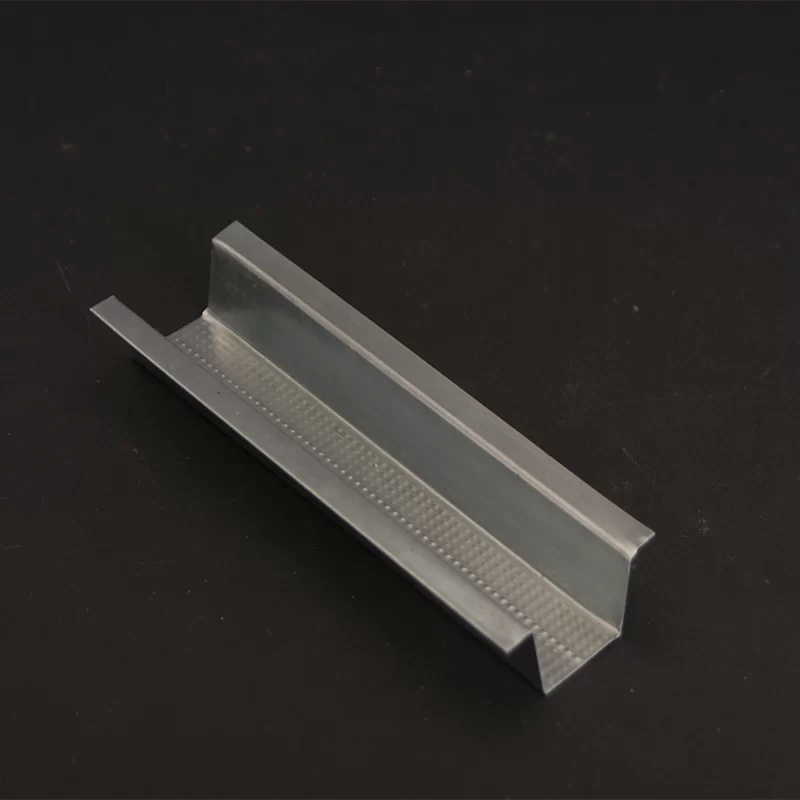
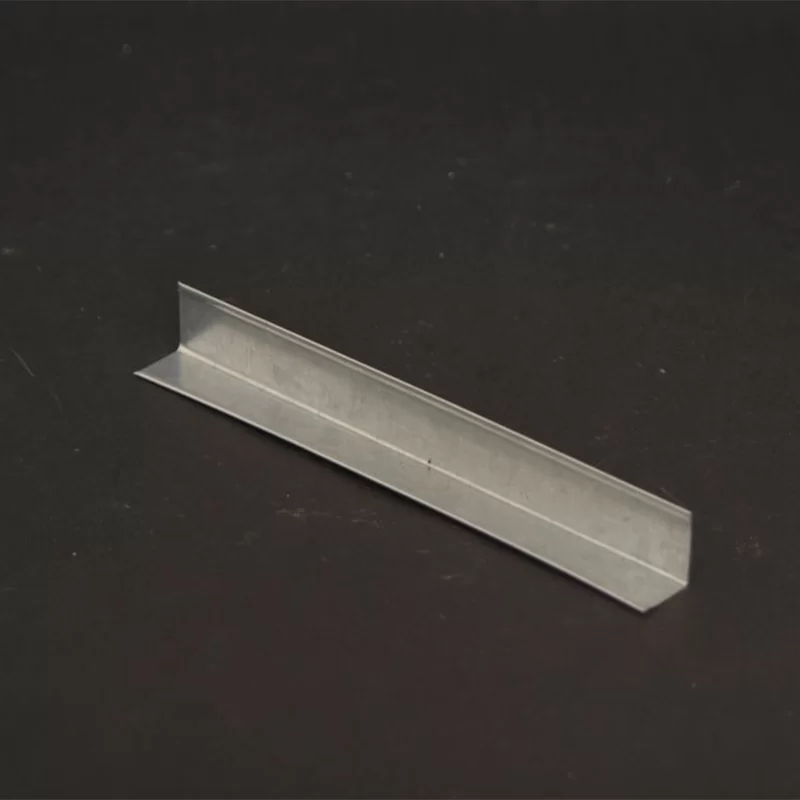
The evolution of drywall profiles reflects a continuous drive for greater efficiency and resilience in construction. Early installations often relied on rudimentary methods that frequently led to visible imperfections and structural weaknesses over time. Today, the market offers an exhaustive range of profiles, each engineered for a specific function. For instance, the ubiquitous corner bead ensures sharp, impact-resistant external corners, while J-beads provide clean, factory-like edges around windows and doors where the drywall terminates. The strategic deployment of L-beads offers a crisp, finished edge where drywall meets another surface, such as a suspended ceiling or a different wall material. Specialized profiles like expansion joints are indispensable in larger areas, accommodating movement and preventing stress cracks that can mar expansive wall or ceiling surfaces. Even architectural elements like curved walls are addressed by flexible archway profiles. The materials themselves vary, from galvanized steel and durable vinyl (PVC) to paper-faced options, each offering distinct advantages in terms of cost, corrosion resistance, and ease of application. Recognizing these nuances empowers contractors and designers to specify profiles that not only meet the immediate structural requirements but also align with long-term performance expectations and aesthetic visions. The investment in understanding and utilizing appropriate drywall profile types translates directly into reduced callbacks, enhanced occupant comfort, and an overall elevated standard of construction.
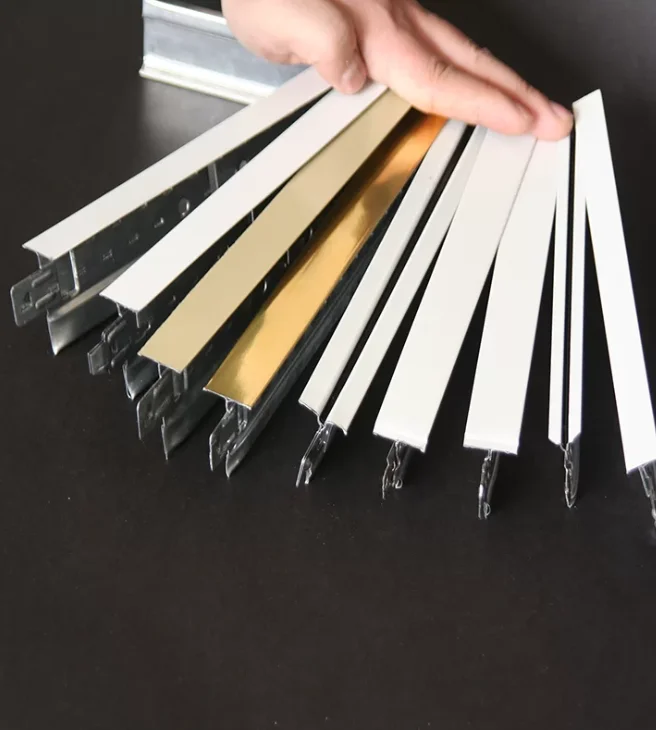
Drywall profiles are not merely accessories; they are integral components that underpin the structural integrity and aesthetic perfection of gypsum board installations. Their role extends far beyond simply covering raw edges, encompassing critical functions such as impact protection, fire containment, sound attenuation, and thermal expansion management. Consider the impact resistance offered by a well-installed corner bead: without it, a seemingly minor bump from furniture or equipment could easily damage an unprotected gypsum edge, necessitating costly repairs. Studies indicate that corners finished with robust metal or vinyl corner beads can withstand up to 70% more impact force than raw or poorly finished edges, significantly extending the lifespan and appearance of the wall. This translates directly into lower maintenance costs and higher client satisfaction over the project's lifetime.
Beyond physical durability, profiles play a pivotal role in maintaining the integrity of building systems. In fire-rated assemblies, certain profiles, particularly those made from galvanized steel, contribute to the system's ability to resist the spread of flames and smoke, buying critical time for evacuation and intervention. Furthermore, the precise alignment and secure attachment facilitated by profiles contribute to improved soundproofing. Gaps and uneven surfaces can create pathways for sound transmission, diminishing the acoustic performance of walls and ceilings. By creating tight, continuous seals, profiles help optimize the sound isolation capabilities of the entire assembly, often contributing to an increase in Sound Transmission Class (STC) ratings by 3-5 points when properly integrated into the design. In large commercial spaces, where temperature fluctuations and structural settling are common, expansion joint profiles are indispensable. These engineered solutions create a controlled break in the drywall, allowing for movement without cracking the finished surface. Without these joints, large ceiling or wall spans are prone to extensive cracking, leading to premature failure of the finish. The implementation of expansion joints can reduce callbacks for stress cracks by as much as 90% in expansive applications, representing a significant saving in time and resources for contractors and building owners alike. The cumulative effect of these benefits underscores why thoughtful selection and precise installation of drywall profiles are non-negotiable for achieving a high-performance, aesthetically pleasing, and durable built environment.
The technical evolution of drywall profiles reflects a persistent quest for enhanced performance, ease of installation, and superior longevity. Modern profiles leverage advanced material science and ingenious design to address a myriad of challenges inherent in construction. Consider the transition from traditional, nail-on metal corner beads to contemporary alternatives. While steel remains a cornerstone, innovations in vinyl (PVC) profiles have introduced unparalleled flexibility, corrosion resistance, and lighter weight. Vinyl beads are impervious to rust, making them ideal for high-humidity environments like bathrooms or basements, where metal profiles might eventually degrade. Moreover, their inherent flexibility makes them remarkably easy to cut and install, reducing labor time by up to 25% compared to their metal counterparts in certain applications, especially around curves or intricate angles. This reduction in installation time not only lowers project costs but also accelerates project completion timelines.
Beyond material composition, manufacturing processes have seen significant advancements. Extruded vinyl profiles now come with pre-applied adhesives or textured surfaces designed to maximize mud adhesion, minimizing the risk of delamination and cracking. Paper-faced profiles, another significant innovation, combine the strength of metal or vinyl with a paper layer that tapes directly into the drywall compound, creating an exceptionally strong bond and a virtually seamless finish that resists edge cracking. This hybrid approach capitalizes on the benefits of taping while providing the rigid structure of a bead. Furthermore, specialized profiles are engineered with unique features to tackle specific issues. For instance, tear-away beads incorporate a removable strip that, once mudded and painted, can be torn away to reveal a perfectly clean, straight edge, eliminating the need for extensive masking and cleaning when abutting other finished surfaces. Acoustic profiles are designed with specific geometries and sometimes incorporate sound-damping materials to further enhance a wall's sound attenuation properties, integrating seamlessly into sound-rated assemblies. The precision engineering of these profiles ensures not only a visually superior finish but also functional benefits such as improved air-tightness, which contributes to better energy efficiency in buildings. This relentless pursuit of technical excellence ensures that today's drywall profiles are more than just finishing touches; they are high-performance components critical to the overall success and durability of any drywall installation.
The market for drywall profiles is robust, populated by several reputable manufacturers, each offering unique strengths in material, design, and specialization. Making an informed choice requires a keen understanding of a project’s specific demands, budgetary constraints, and performance expectations. While many brands offer standard profiles, their proprietary innovations, material sourcing, and quality control processes can lead to significant differences in product performance and ease of installation. Below is a comparative analysis of hypothetical leading manufacturers, highlighting key factors that influence selection:
Feature/Manufacturer | Manufacturer A (Premium Metal) | Manufacturer B (Versatile Vinyl) | Manufacturer C (Eco-Conscious Hybrid) | Manufacturer D (Budget-Friendly Standard) |
Primary Materials | Galvanized Steel, Stainless Steel | Rigid PVC, Flexible PVC | Recycled PVC, Paper-faced Metal | Galvanized Steel, Standard PVC |
Key Innovation/Focus | Extreme Durability, Fire Ratings, Specialty Metal Shapes | Ease of Installation, Moisture Resistance, Custom Colors | Sustainability, Superior Adhesion, Crack Resistance | Cost-Effectiveness, Wide Availability, Standard Solutions |
Common Profile Types | Corner, J-Bead, Expansion, Bullnose | Corner, J-Bead, L-Bead, Archway, Tear-Away | Paper-Faced Corner, Expansion, Shadow Reveal | Corner, J-Bead, L-Bead |
Installation Speed (Avg. per linear ft.) | ~1.5 min/ft (requires fasteners) | ~1.0 min/ft (staple/mud) | ~1.2 min/ft (tape/mud) | ~1.4 min/ft (requires fasteners) |
Impact Resistance (Relative) | Excellent (High-gauge metal) | Very Good (Resilient vinyl) | Excellent (Reinforced core) | Good (Standard gauge) |
Moisture Resistance | Good (Galvanized coating) | Excellent (Non-corrosive) | Very Good (Recycled PVC base) | Fair (Standard galvanized) |
Cost per Linear Foot (Relative) | $$$ | $$ | $$$ | $ |
Typical Applications | Commercial, High-traffic, Fire-rated areas | Residential, High-humidity, Curved walls | Green Building projects, High-end residential | General residential, Budget-conscious projects |
This comparison reveals that while Manufacturer A excels in heavy-duty, fire-rated applications with its robust metal offerings, Manufacturer B provides greater versatility and moisture resistance with its extensive range of vinyl profiles, often preferred for residential and damp environments due to their ease of installation. Manufacturer C carves a niche in sustainable building with recycled content and innovative hybrid solutions that promise superior adhesion and crack prevention. Manufacturer D, on the other hand, often serves as the go-to for standard projects where budget and widespread availability are primary drivers. The decision hinges on balancing initial material cost against long-term performance, installation labor, and specific project requirements. For instance, a hospital corridor might demand Manufacturer A's impact resistance, while a bespoke residential interior could benefit from Manufacturer B's flexible archway profiles or C's seamless finish. Understanding these distinctions is crucial for optimal material specification, ensuring the chosen profiles deliver the required performance and aesthetic outcomes.
While standard drywall profiles capably address the majority of construction needs, many architectural visions and functional requirements demand a more bespoke approach. The industry has responded with an impressive array of specialized and customizable solutions, pushing the boundaries of what is possible with gypsum board. These tailored profiles are critical for executing complex designs, integrating disparate materials, and achieving specific performance criteria that go beyond mere aesthetics. For instance, creating dramatic shadow lines or reveal effects—where a small gap separates a wall from a ceiling or another wall surface—requires precision-engineered reveal beads. These profiles are designed with a specific offset that, once finished, creates a clean, intentional shadow, adding depth and architectural interest to an otherwise flat surface. Such details are commonly seen in high-end commercial spaces, galleries, and contemporary residential designs, elevating the perceived value and sophistication of the interior.
Furthermore, the integration of lighting and other building systems often necessitates custom solutions. LED lighting channels, for example, can be seamlessly incorporated into drywall profiles, creating continuous, diffused light lines that appear to emanate directly from the wall or ceiling. These profiles are designed to house LED strips discreetly, eliminating visible fixtures and delivering a sleek, modern aesthetic. Similarly, specialized profiles are available for creating flush-mounted access panels, vents, or even speaker grilles, ensuring that these functional elements do not disrupt the clean lines of the drywall surface. For projects involving curved walls or intricate architectural details, flexible profiles—often made from pliable PVC or scored metal—are indispensable. These profiles can be bent and shaped on-site to match any radius, providing a crisp, finished edge where traditional rigid profiles would fail. This capability opens up a world of design possibilities, allowing architects to incorporate organic shapes and fluid lines into their designs without compromising on finish quality or structural integrity.
The process of obtaining tailored solutions often involves direct consultation with manufacturers or specialist suppliers. Many companies offer services for custom extrusion, allowing for the creation of unique profile shapes, dimensions, and even colors to match specific project requirements. This might include profiles with unusual flange widths to accommodate varying drywall thicknesses, profiles designed to interface with specific door or window frames, or even profiles with integrated channels for wiring or conduit. While custom solutions may carry a higher initial cost and longer lead times, the ability to achieve a precise design vision, optimize functional performance, and streamline installation in complex scenarios often justifies the investment. Ultimately, these bespoke profiles empower designers and contractors to overcome conventional limitations, transforming ordinary drywall installations into extraordinary architectural statements and high-performance building components.
The theoretical benefits of advanced drywall profiles coalesce into tangible results in real-world applications. These case studies underscore how thoughtful selection and strategic deployment of profiles can overcome complex challenges, enhance aesthetics, and contribute to the overall success of diverse construction projects. Consider a large-scale commercial office tower project in a seismic zone. The expansive, open-plan ceilings presented a significant challenge: how to manage potential structural movement without causing unsightly cracks in the drywall finish. The solution involved the extensive use of specialized seismic expansion joint profiles. These profiles were designed with a larger movement capacity than standard expansion joints, featuring a flexible elastomeric core that could accommodate the anticipated lateral movement of the building structure during a seismic event. By strategically installing these joints every 50 linear feet across the ceiling grid, the project mitigated the risk of catastrophic cracking, ensuring the long-term integrity and aesthetic appeal of the ceiling system. The upfront investment in these specialized profiles, while higher than standard options, prevented potentially millions of dollars in future repair costs and liabilities, demonstrating a clear return on investment.
Another compelling example comes from a high-end residential renovation project involving a modern, minimalist aesthetic. The client desired perfectly crisp, shadow-free corners and a seamless transition where the walls met the floor, eliminating traditional baseboards. This ambitious design goal was achieved through the meticulous application of specific drywall profile types. For the corners, paper-faced L-beads were chosen for their ability to create an incredibly strong bond with the drywall compound, resulting in an exceptionally sharp and durable edge that resisted chipping. Crucially, at the wall-to-floor junction, a custom shadow reveal profile was employed. This profile created a precise 1/2-inch recess at the bottom of the wall, allowing the wall to seemingly float above the finished concrete floor. This design not only eliminated the need for baseboards, achieving the desired minimalist look, but also simplified cleaning and offered a subtle architectural detail. The project manager reported that the use of these advanced profiles, particularly the paper-faced L-beads, reduced the overall finishing time by approximately 15% due to their superior mud adhesion and reduced need for skim coating, contributing to both aesthetic excellence and project efficiency.
Finally, a challenging hospital wing renovation required a robust, easy-to-clean, and highly durable wall system. The constant movement of medical equipment and potential for impacts necessitated a finish that could withstand significant abuse. Here, heavy-duty vinyl corner beads and J-beads were specified throughout. These profiles, engineered from impact-resistant PVC, offered superior protection against dings and dents compared to standard metal options, which might deform and rust. Furthermore, their smooth, non-porous surface facilitated easy cleaning and disinfection, crucial for maintaining hygienic standards in a healthcare environment. Data collected post-completion indicated a 60% reduction in corner damage incidents compared to previously finished sections of the hospital that utilized traditional corner treatments, leading to significantly lower maintenance burdens and preserving the professional appearance of the facility. These diverse applications vividly illustrate that the selection of the correct drywall profiles is not merely a matter of finishing, but a strategic decision impacting durability, functionality, and overall project success across various sectors of the built environment.
The journey through the nuanced world of drywall profile types reveals them to be far more than just rudimentary finishing accessories. They are sophisticated, engineered components that are absolutely fundamental to the structural integrity, aesthetic longevity, and functional performance of modern gypsum board installations. From providing essential impact resistance in high-traffic commercial corridors to orchestrating seamless transitions in minimalist residential designs, the strategic selection and precise application of these profiles are non-negotiable for achieving a truly professional and durable outcome. We have explored how innovations in materials, such as flexible PVC and resilient paper-faced composites, coupled with advancements in design and manufacturing, have transformed basic trims into high-performance solutions capable of addressing complex architectural and environmental demands. The comparative analysis of leading manufacturers highlighted the diverse range of options available, emphasizing that the 'best' profile is always context-dependent, aligning with specific project budgets, performance requirements, and aesthetic goals. Furthermore, the discussion on custom solutions underscored the industry's capacity to deliver bespoke profiles that facilitate intricate designs and integrate advanced building systems, pushing the boundaries of conventional construction.
The real-world case studies provided compelling evidence of the tangible impact of well-chosen profiles, demonstrating their critical role in mitigating seismic damage, achieving cutting-edge minimalist aesthetics, and enhancing the durability and hygiene of demanding healthcare environments. These examples unequivocally illustrate that investment in the right drywall profiles yields significant returns, not only in terms of visual appeal but also in reduced maintenance costs, enhanced safety, and prolonged structural integrity. For contractors, architects, and property developers, a deep understanding of the various drywall profile types available is an invaluable asset. It empowers them to specify materials that not only meet current building codes but also anticipate future challenges, ensuring that their projects stand the test of time both functionally and aesthetically. As construction continues to evolve, with increasing demands for efficiency, sustainability, and innovative design, the role of these seemingly small but critically important components will only grow. By prioritizing the informed selection and expert installation of drywall profiles, professionals can consistently elevate the standard of their work, delivering superior value and lasting quality to every project they undertake.
Here are some common questions regarding drywall profiles:
The main types include corner beads (for external corners), J-beads (for finishing exposed drywall edges), L-beads (where drywall meets another surface like a ceiling), expansion joints (to accommodate movement), and bullnose beads (for rounded corners). There are also specialized profiles like archway beads, tear-away beads, and reveal beads.
Drywall profiles are commonly made from galvanized steel, zinc, vinyl (PVC), or a combination of these with a paper face. Each material offers distinct advantages in terms of durability, corrosion resistance, flexibility, and cost.
Expansion joint profiles are crucial for large ceiling or wall areas (typically over 30-50 linear feet, depending on regional codes and environmental factors) to prevent cracking caused by structural movement, thermal expansion, or humidity changes. They create a controlled break in the drywall to absorb these movements.
Yes, almost all drywall profiles are designed to be finished with drywall compound (mud) and then painted, creating a seamless, uniform surface. Some vinyl profiles might require a specific primer for optimal paint adhesion, but generally, they are paint-ready after proper finishing.
A J-bead (or "U-bead") is used to create a clean, finished edge around openings like windows or doors where the drywall terminates and the edge remains exposed. An L-bead is used where drywall abuts another finished surface, like a suspended ceiling grid or a different wall material, providing a clean transition and finish.
Yes, flexible archway beads are specifically designed for curved walls and archways. They are typically made from pliable vinyl or scored metal, allowing them to be bent on-site to match the required radius, providing a smooth and crisp finished edge.
In fire-rated assemblies, certain metal profiles (especially galvanized steel) are specified as integral components. They help maintain the integrity of the drywall system by reinforcing edges and preventing premature failure or collapse of the gypsum board during a fire, contributing to the assembly's overall fire resistance rating.