Hit enter to search or ESC to close
October 16, 2025
In modern commercial and institutional spaces, effective sound management is as crucial as structural integrity. Poor acoustics can lead to reduced productivity, communication challenges, and an uncomfortable environment. This is where high-performance ceiling systems, particularly those incorporating acoustic grid ceiling technology, become indispensable. At the heart of many such systems lies the Ceiling T Bar, providing the essential framework for a suspended ceiling. This article delves into the technical aspects, applications, and benefits of these critical components, ensuring your next project achieves optimal acoustic and aesthetic results.
Whether you're specifying for an office, hospital, educational facility, or retail outlet, understanding the nuances of acoustic grid ceiling tiles and their supporting structures is key to creating functional and comfortable spaces.
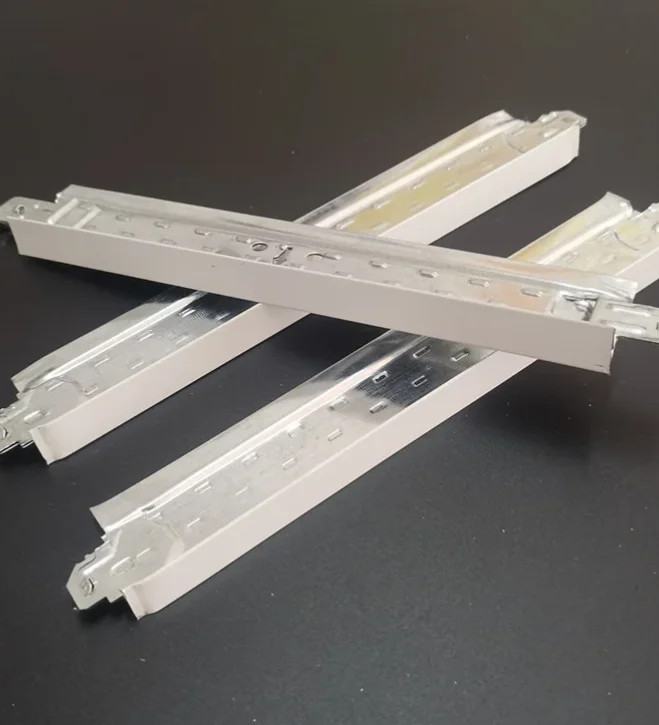
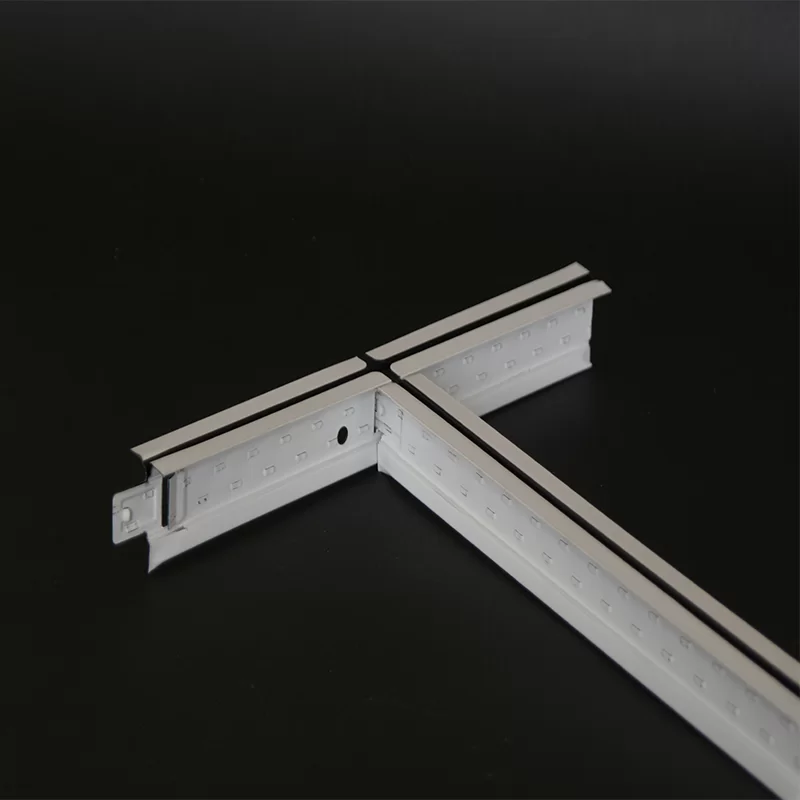
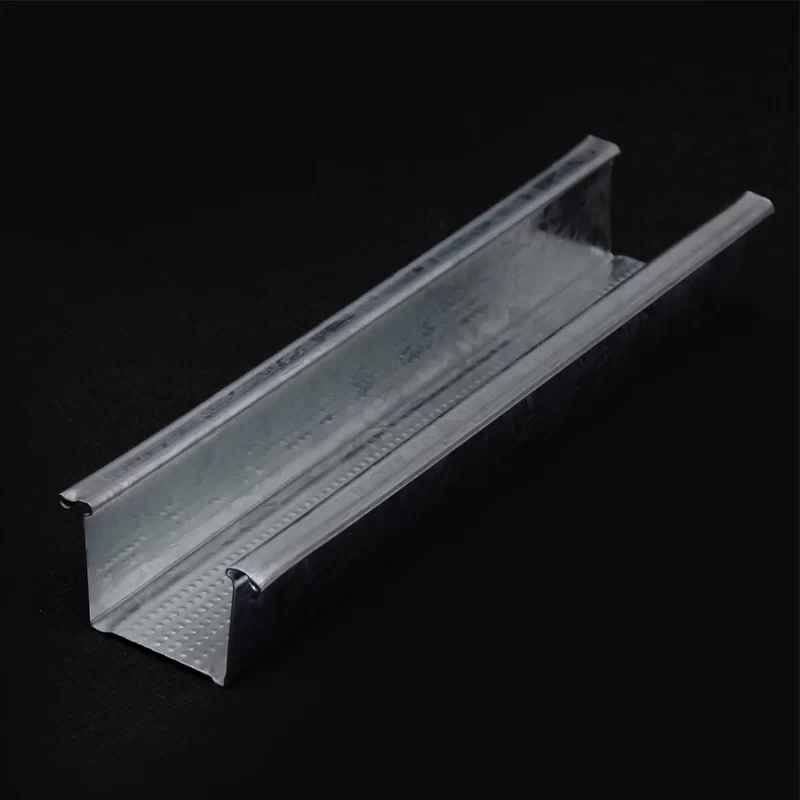
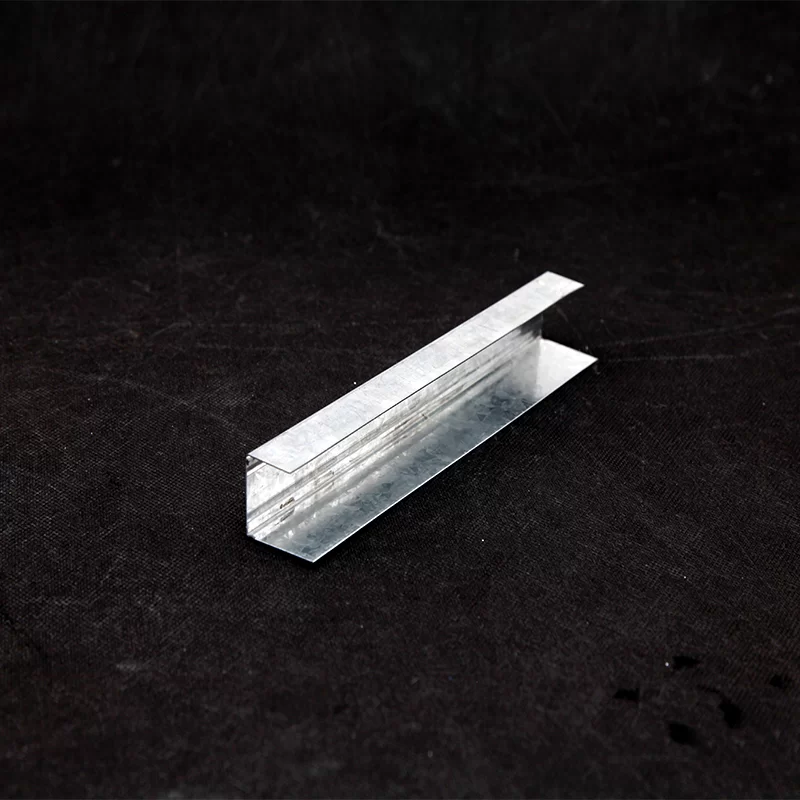
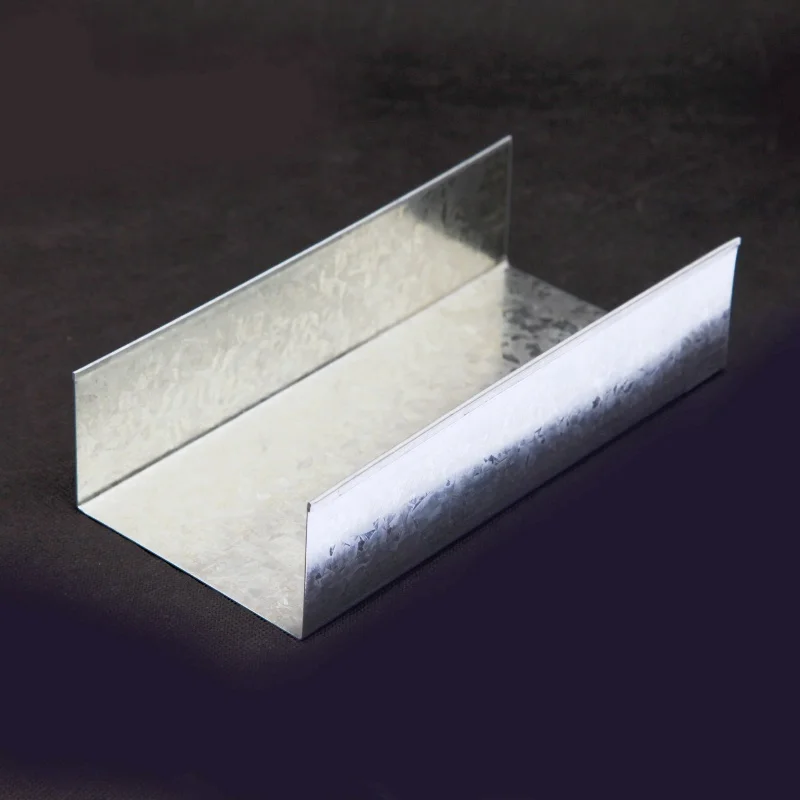
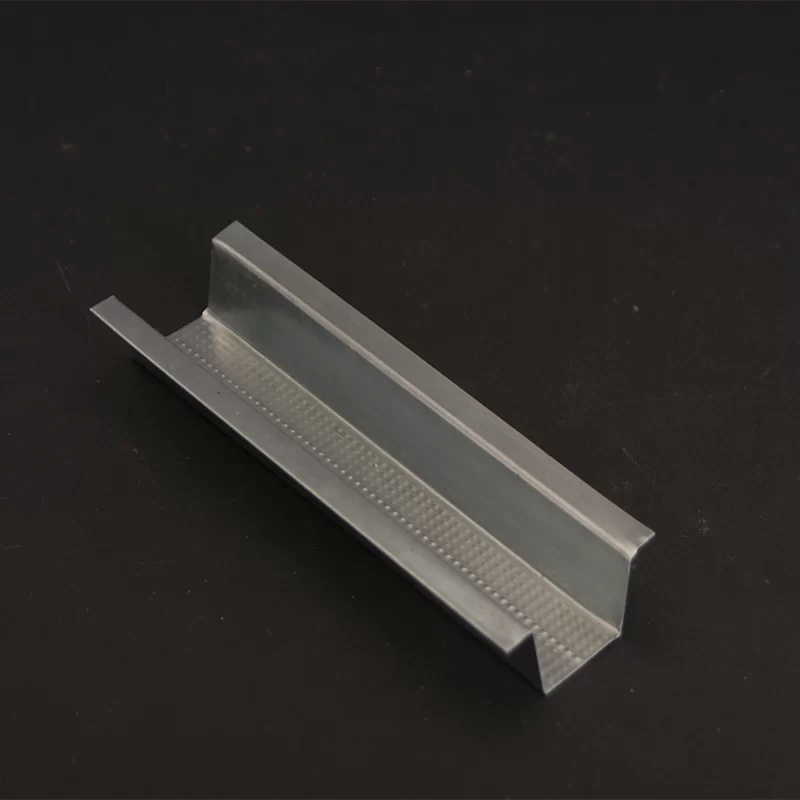
A Ceiling T Bar, often referred to as a ceiling grid or suspension system, is the metal framework that supports acoustic panels, light fixtures, and other ceiling components. It's engineered for strength, ease of installation, and long-term durability. These systems are crucial for achieving the desired aesthetic and functional performance of a suspended ceiling, especially when incorporating specialized acoustic grid ceiling tiles for sound absorption.
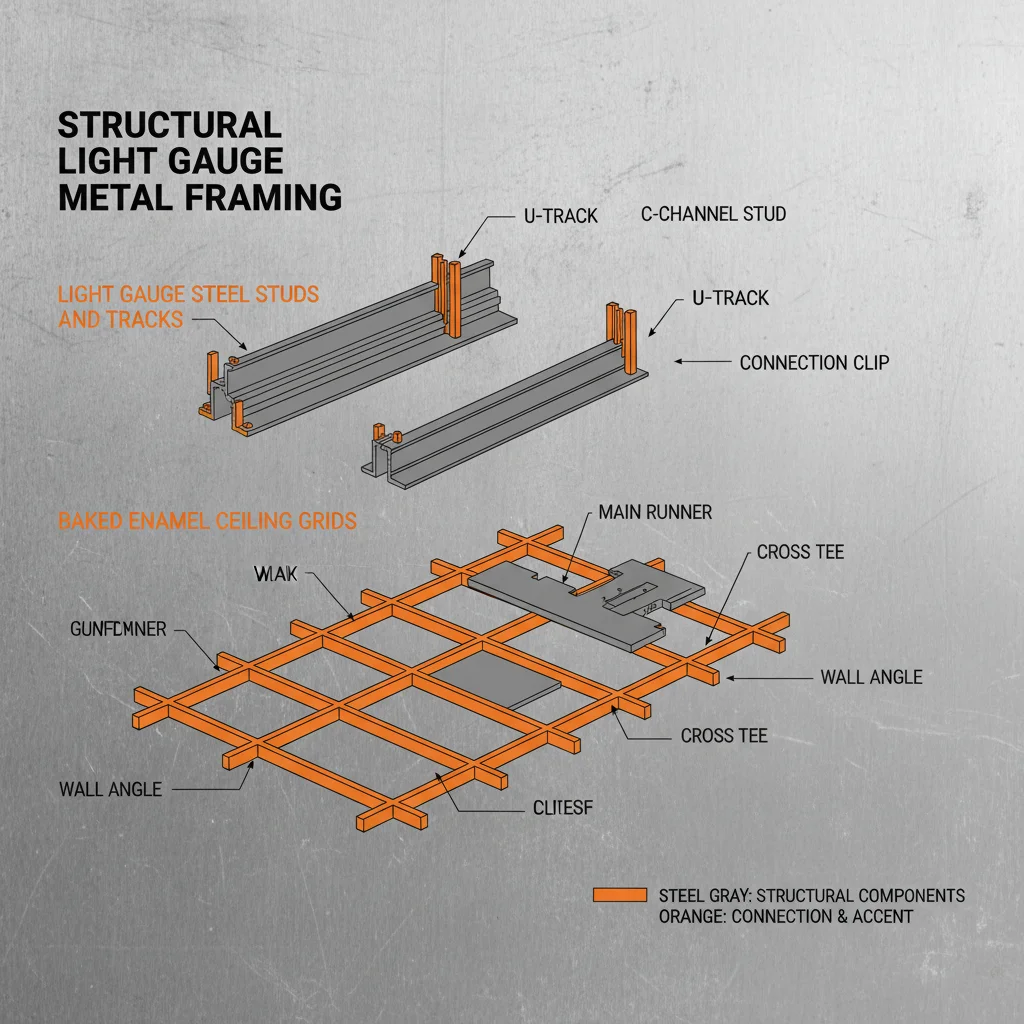
· Main Runner: The primary support member, suspended from the structural ceiling.
· Cross Tee: Connects to the main runner to form the grid, supporting the short side of the ceiling panels.
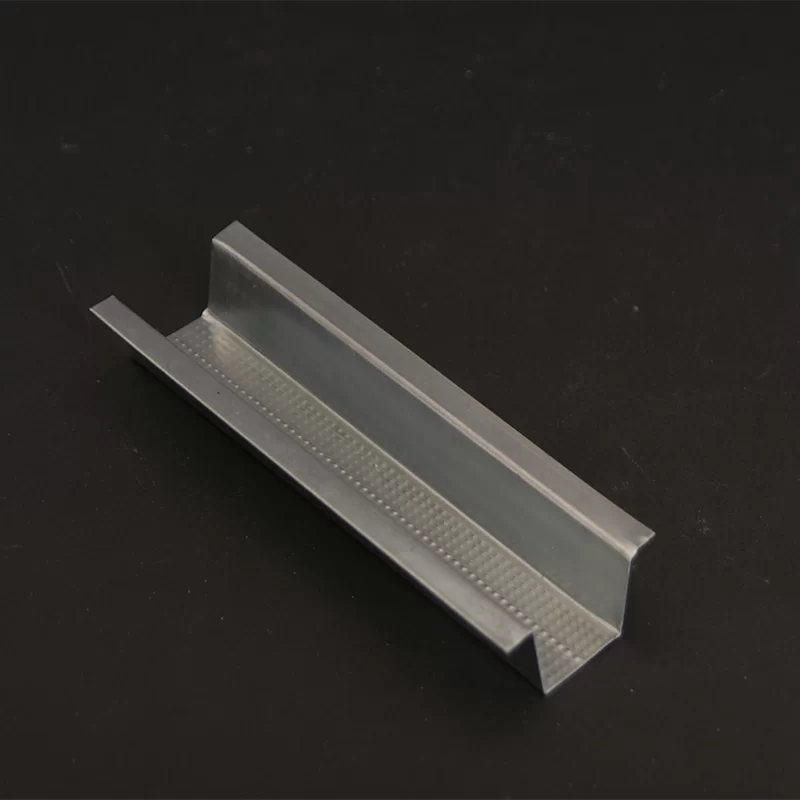
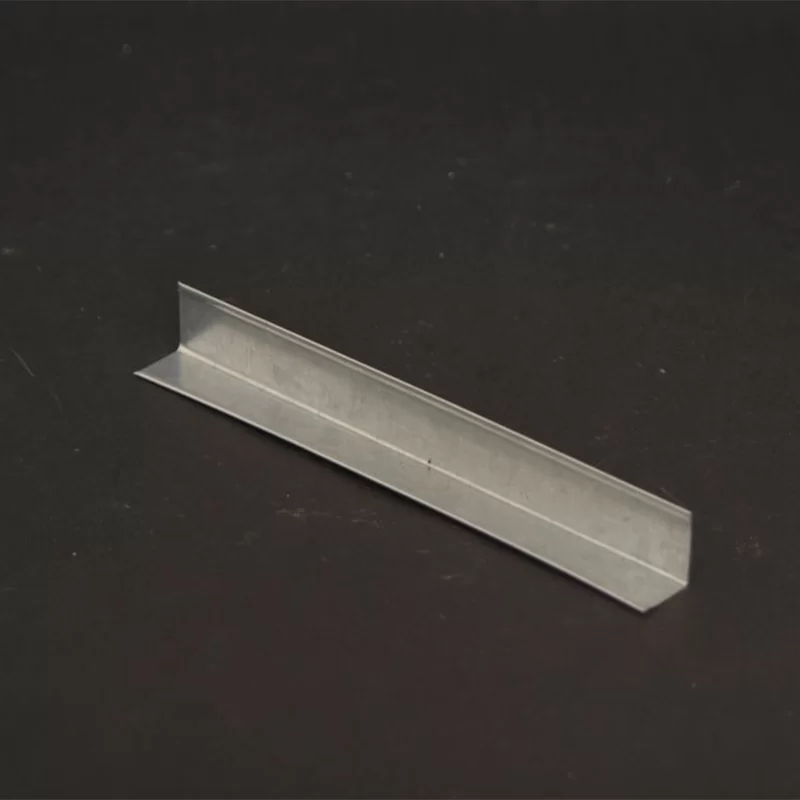
· Wall Angle: Provides a finished edge around the perimeter of the room and supports the grid at the walls.
· Hanger Wire: Galvanized steel wire used to suspend the main runners.
· Flange: The bottom visible face of the T-bar, typically 15mm or 24mm wide.
· Web: The vertical portion of the T-bar, providing structural integrity.
The production of high-quality Ceiling T Bar systems is a precise, multi-stage process, ensuring durability, load-bearing capacity, and compliance with international standards.
1. Material Selection:
o Materials: Primarily high-quality hot-dipped galvanized steel, often with a zinc coating ranging from Z80 to Z275 for superior corrosion resistance. Aluminum is also used for lighter weight or specific aesthetic requirements.
o Why: Galvanized steel offers an excellent strength-to-weight ratio and protection against rust, crucial for long service life.
2. Cold Rolling & Profiling:
o Methods: Steel coils are fed into a precision cold rolling machine that forms the characteristic 'T' profile (main runners and cross tees). This process ensures consistent dimensions and structural integrity.
o Equipment: Multi-stage roll forming lines with advanced tooling.
3. Punching & Notching:
o Methods: Automated punching machines create precise slots and holes for easy interlocking connections between main runners and cross tees, as well as hanger wire attachment points.
o Precision: Ensures quick and secure assembly on-site.
4. Surface Treatment (Optional/Standard):
o Methods: Pre-painted galvanized steel (PPGI) is often used, or a powder coating process is applied post-formation. This provides a clean, finished look and additional corrosion protection.
o Colors/Finishes: White (standard), black, or custom colors to match bar ceiling tiles or decor.
5. Cutting & Packaging:
o Methods: Finished profiles are cut to standard lengths (e.g., 3600mm for main runners, 1200mm/600mm for cross tees) and bundled for transport.
o Quality Control: Each batch undergoes final dimensional checks and visual inspection.
· Standards: Ceiling T Bar systems are rigorously tested against international standards like ASTM C635/C635M (Standard Specification for Manufacture, Performance, and Testing of Metal Suspension Systems for Acoustical Tile and Lay-in Panel Ceilings) and EN 13964 (Suspended ceilings - Requirements and test methods). These cover load-bearing capacity, corrosion resistance, and fire performance.
· Service Life: With proper installation and in normal interior conditions, a high-quality Ceiling T Bar system can have a service life exceeding 20-30 years, often matching the lifespan of the building itself.
· Applicable Industries: Commercial offices, educational institutions, healthcare facilities, retail spaces, hospitality, industrial manufacturing plants, data centers, and public transportation hubs.
Below are detailed technical parameters for our premium Ceiling T Bar system, designed to integrate seamlessly with various acoustic grid ceiling tiles.
Parameter | Specification | Details/Notes |
Material | Hot-Dipped Galvanized Steel | Zinc coating options: Z80, Z100, Z120, Z275 |
Surface Finish | Pre-painted (PPGI) / Powder Coated | Standard white, black, or customized colors available |
Flange Width | 15mm or 24mm | Commonly for 600x600mm or 600x1200mm tiles |
Web Height | 32mm, 38mm, 45mm | Varies by load requirement and system design |
Thickness | 0.25mm - 0.40mm | Gauge tailored to specified load capacity |
Main Runner Length | 3600mm (12 ft) | Custom lengths available upon request |
Cross Tee Length | 1200mm (4 ft) & 600mm (2 ft) | Standard modular sizes |
Load Capacity (Main Runner) | Up to 15 kg/m² (Light-Duty) to 25 kg/m² (Heavy-Duty) | Tested according to ASTM C635 and EN 13964 standards |
Fire Rating | Non-combustible (Steel) | Contributes to overall ceiling assembly fire resistance |
Certifications | ISO 9001, CE, ASTM C635/C635M, EN 13964 | Ensures consistent quality and compliance |
The versatility of Ceiling T Bar systems, especially when combined with specialized acoustic grid ceiling tiles, makes them suitable for a vast array of commercial and institutional environments.
· Commercial Offices: Enhancing speech privacy, reducing ambient noise from HVAC and foot traffic, improving focus and productivity.
· Educational Facilities: Creating conducive learning environments in classrooms, libraries, and auditoriums by controlling reverberation.
· Healthcare Institutions: Contributing to patient comfort and privacy in hospitals, clinics, and waiting areas, while also allowing access to services above the ceiling.
· Retail & Hospitality: Offering an aesthetically pleasing and quiet shopping or dining experience, with options for decorative bar ceiling tiles.
· Data Centers & Server Rooms: Providing a robust, accessible ceiling system for critical infrastructure, allowing easy access to cabling and cooling systems.
· Industrial & Manufacturing: Managing noise in workshops and production areas, and offering a durable, easy-to-clean surface.
· Transportation Hubs: Airports and train stations benefit from robust, easy-to-maintain acoustic ceilings that can withstand high traffic and noise levels.
The choice of bar ceiling tiles can dramatically alter the aesthetics, from subtle and integrated to bold and modern, all while maintaining acoustic performance.
· Superior Acoustic Performance: When paired with appropriate acoustic grid ceiling tiles, these systems significantly reduce noise levels and reverberation, improving sound quality.
· Ease of Installation & Maintenance: The modular design of the Ceiling T Bar allows for quick and straightforward installation and easy access to the plenum space for repairs or upgrades of utilities.
· Durability & Longevity: Constructed from galvanized steel, the T-bars are resistant to corrosion, warping, and sagging, ensuring a long service life.
· Aesthetic Versatility: Available in various finishes (e.g., standard white, black, custom colors) and compatible with a wide range of ceiling tiles, offering extensive design flexibility.
· Fire Resistance: Steel components are inherently non-combustible, contributing positively to the overall fire safety of the building.
· Cost-Effectiveness: Long-term savings due to durability, low maintenance, and efficient installation.
We understand that every project has unique requirements. Our Ceiling T Bar systems offer extensive customization:
· Dimensions: Custom lengths for main runners and cross tees to accommodate non-standard room layouts or specialized bar ceiling tiles.
· Finishes & Colors: Beyond standard white and black, we offer custom powder coating to match specific architectural designs or brand palettes.
· Material Gauge: Varying steel thickness to meet specific load-bearing requirements, from light-duty residential to heavy-duty industrial applications.
· Corrosion Resistance: Higher zinc coating (e.g., Z275) for environments with elevated humidity or corrosive agents.
· Fire Performance: Systems designed to integrate with fire-rated ceiling tile assemblies to achieve specific fire resistance ratings.
Our commitment to quality and safety is underlined by adherence to rigorous international standards and comprehensive testing.
· ISO 9001:2015 Certification: Demonstrates our dedication to a robust Quality Management System throughout the manufacturing process of Ceiling T Bar.
· ASTM C635/C635M: Standard Specification for Manufacture, Performance, and Testing of Metal Suspension Systems for Acoustical Tile and Lay-in Panel Ceilings. This ensures our grid systems meet critical load-bearing and deflection criteria.
· EN 13964: European standard for suspended ceilings - Requirements and test methods. Compliance ensures suitability for European markets, covering aspects like structural integrity, fire reaction, and acoustic properties.
· CE Marking: Indicates conformity with health, safety, and environmental protection standards for products sold within the European Economic Area (EEA).
· Deflection Limit: L/360 for main runners under maximum design load (as per ASTM standards), ensuring minimal visual sag.
· Corrosion Resistance: Salt spray test results exceeding 120 hours (ASTM B117) for galvanized components, indicating high resistance to rust.
· Fire Reaction: A1 classification for steel components (non-combustible) according to EN 13501-1.
· Load Capacity: Verified through independent lab testing; e.g., main runners supporting distributed loads up to 25 kg/m² with minimal deflection.
When selecting a supplier for Ceiling T Bar systems and acoustic grid ceiling tiles, it's crucial to evaluate factors beyond just price. Here's a comparison highlighting key differentiators.
Feature/Criterion | Jinkai (Ceiling T Bar) | Competitor A (General) | Competitor B (Budget) |
Material Quality | Premium Galvanized Steel (Z100-Z275) | Standard Galvanized Steel (Z80-Z100) | Basic Galvanized Steel (Z60-Z80) |
Manufacturing Precision | High-precision cold rolling, consistent dimensions | Good, generally consistent | Variable, potential for minor inconsistencies |
Certifications | ISO 9001, ASTM C635, EN 13964, CE | ISO 9001, some regional standards | Basic QC, limited international certs |
Customization Options | Extensive (colors, lengths, gauges, finishes) | Moderate (standard colors, limited lengths) | Minimal (standard white only) |
Load-Bearing Capacity | Light to Heavy-Duty (verified) | Generally Light to Medium-Duty | Light-Duty only |
After-Sales Support | Dedicated, technical, global | Standard, regional | Limited, often distributor-dependent |
Price Point | Competitive, value-driven for quality | Moderate to high | Low (reflects quality & features) |
Jinkai consistently delivers a superior balance of quality, compliance, and customization, making our Ceiling T Bar systems a reliable choice for demanding projects requiring excellent acoustic grid ceiling performance.
A leading tech firm in Shanghai faced challenges with open-plan office acoustics. Our Ceiling T Bar system, paired with high-NRC acoustic grid ceiling tiles, was installed across 5,000 square meters. The result was a 40% reduction in reverberation time and significantly improved speech intelligibility, as measured by post-installation acoustic surveys. Employees reported increased concentration and reduced stress.
"Jinkai's Ceiling T Bar system was a game-changer for our new school wing. The installation was smooth, and the acoustic performance with the chosen tiles exceeded expectations. Our classrooms are now much quieter, benefiting both students and teachers."
— Project Manager, Horizon Educational Group
"The quality of the Jinkai bar ceiling tiles and grid was evident from delivery. We appreciated the responsive customer support and the precise fit of all components, leading to a professional finish in our new retail space."
— Head of Procurement, Elite Retail Solutions
Q: How does a Ceiling T Bar system contribute to acoustics?
A: The Ceiling T Bar provides the structural support for acoustic grid ceiling tiles. These tiles are specifically designed to absorb sound, reducing echo and reverberation. The grid system itself, by creating a plenum space, can also contribute to sound insulation between floors.
Q: What is the typical installation time for a Ceiling T Bar system?
A: Installation time varies based on room size, complexity, and installer experience. However, the modular nature of Ceiling T Bar systems makes them significantly faster to install than traditional plasterboard ceilings, often 2-3 times quicker for comparable areas.
Q: Can I hang heavy fixtures from a Ceiling T Bar grid?
A: While the grid is robust, heavy fixtures (like large light fittings, projectors) should always be independently supported from the structural ceiling above, not directly from the Ceiling T Bar system itself, unless specifically designed and reinforced for such loads. Consult product specifications and local building codes.
Q: What is the warranty period for Jinkai Ceiling T Bar products?
A: Jinkai offers a standard 10-15 year limited warranty on our Ceiling T Bar systems against manufacturing defects and corrosion, provided they are installed and maintained according to our guidelines. Specific warranty terms may vary by product and region.
We are committed to providing a seamless experience from order to installation and beyond.
· Standard Orders: Typically 7-14 business days from order confirmation for standard Ceiling T Bar products, depending on quantity and destination.
· Custom Orders: Lead times for customized Ceiling T Bar systems and bar ceiling tiles will be provided upon specific project quotation, usually 3-4 weeks.
· Logistics: We partner with reliable global shipping providers to ensure timely and secure delivery.
Jinkai Ceiling T Bar products come with a comprehensive 10-15 year limited warranty, covering manufacturing defects and material integrity under normal use. This warranty underscores our confidence in the quality and durability of our systems. Full warranty details are available upon request.
Our commitment extends beyond delivery. Jinkai provides dedicated after-sales support, including:
· Technical Assistance: Expert guidance for installation, maintenance, and troubleshooting.
· Product Information: Access to detailed specifications, datasheets, and installation guides.
· Replacement Parts: Availability of replacement components to ensure the longevity of your ceiling system.
· Global Network: Support accessible through our international distribution and service network.
1. ASTM C635/C635M-17, Standard Specification for Manufacture, Performance, and Testing of Metal Suspension Systems for Acoustical Tile and Lay-in Panel Ceilings. ASTM International.
2. EN 13964:2014, Suspended ceilings - Requirements and test methods. European Committee for Standardization.
3. ISO 9001:2015, Quality management systems — Requirements. International Organization for Standardization.
4. Acoustical Ceilings: What are NRC and SABR? Acoustical Ceilings International.
5. Hot-Dip Galvanizing: How Hot-Dip Galvanizing Works. American Galvanizers Association.