Lightweight metal framing represents a significant advancement in construction and disaster relief, offering a compelling alternative to traditional building methods. Its inherent properties – strength, durability, and portability – address critical needs in a rapidly changing world facing increasing urbanization, climate change, and humanitarian crises. The ability to rapidly deploy robust, safe, and adaptable structures using lightweight metal framing is becoming increasingly vital for governments, NGOs, and industries alike.
Globally, there's a growing demand for sustainable and efficient construction solutions. Organizations like the UN Habitat and the World Bank are actively promoting innovative building technologies to address housing shortages and improve living conditions, especially in developing nations. Lightweight metal framing aligns perfectly with these initiatives, offering a cost-effective and environmentally responsible approach to building. The challenge lies in scaling production and implementation to meet the escalating demand.
This technology isn't just about providing shelter; it's about restoring dignity, fostering economic growth, and building resilient communities. The versatility of lightweight metal framing allows for customization and adaptation to diverse environments and needs, making it a powerful tool for positive change.
Introduction to lightweight metal framing
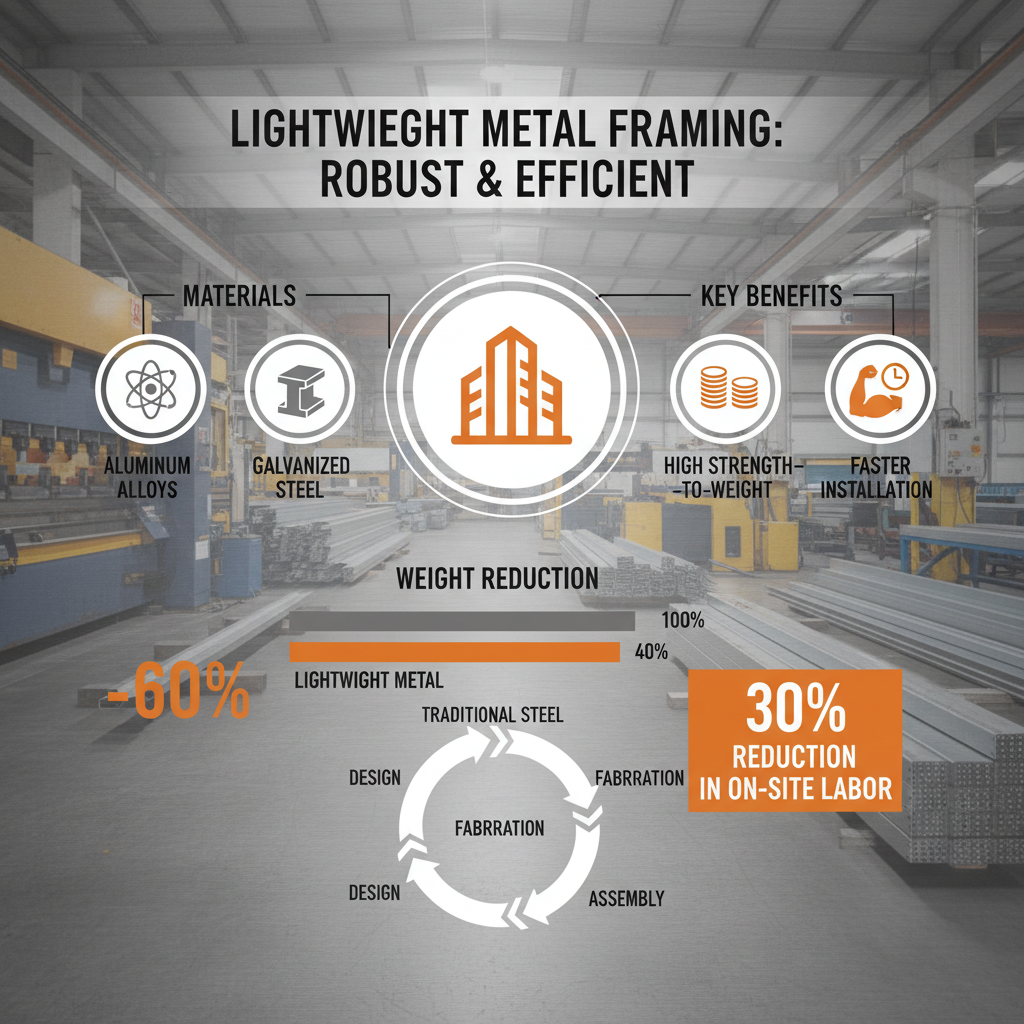
Lightweight metal framing is rapidly gaining recognition as a game-changer in the construction industry. Its innovative approach allows for the creation of durable, sustainable, and cost-effective structures suitable for a wide range of applications, from residential housing to emergency shelters. The core principle revolves around utilizing high-strength steel components that reduce material weight without sacrificing structural integrity.
This technology directly addresses critical global challenges such as affordable housing shortages, disaster relief needs, and the demand for eco-friendly building practices. The reduced weight of lightweight metal framing simplifies transportation and installation, lowering logistical costs and construction timelines – benefits particularly crucial in remote or disaster-stricken areas.
Global Relevance and Challenges
The global construction industry faces immense pressure to build sustainably and efficiently. According to the United Nations, over 1.6 billion people worldwide lack adequate housing. Simultaneously, the frequency and intensity of natural disasters are increasing, demanding rapid and reliable shelter solutions. Lightweight metal framing provides a tangible answer to both of these pressing issues, offering a quicker, more affordable, and more resilient building alternative.
However, widespread adoption of this technology isn't without challenges. Standardization of components and building codes, skills gaps in the workforce, and initial investment costs can pose barriers to entry. Addressing these obstacles requires collaboration between governments, industry stakeholders, and educational institutions to promote training, incentivize innovation, and streamline regulatory processes.
Furthermore, ensuring equitable access to lightweight metal framing technology is vital. Focusing on capacity building in developing nations and fostering local manufacturing capabilities will empower communities to build their own resilient futures.
Defining Lightweight Metal Framing
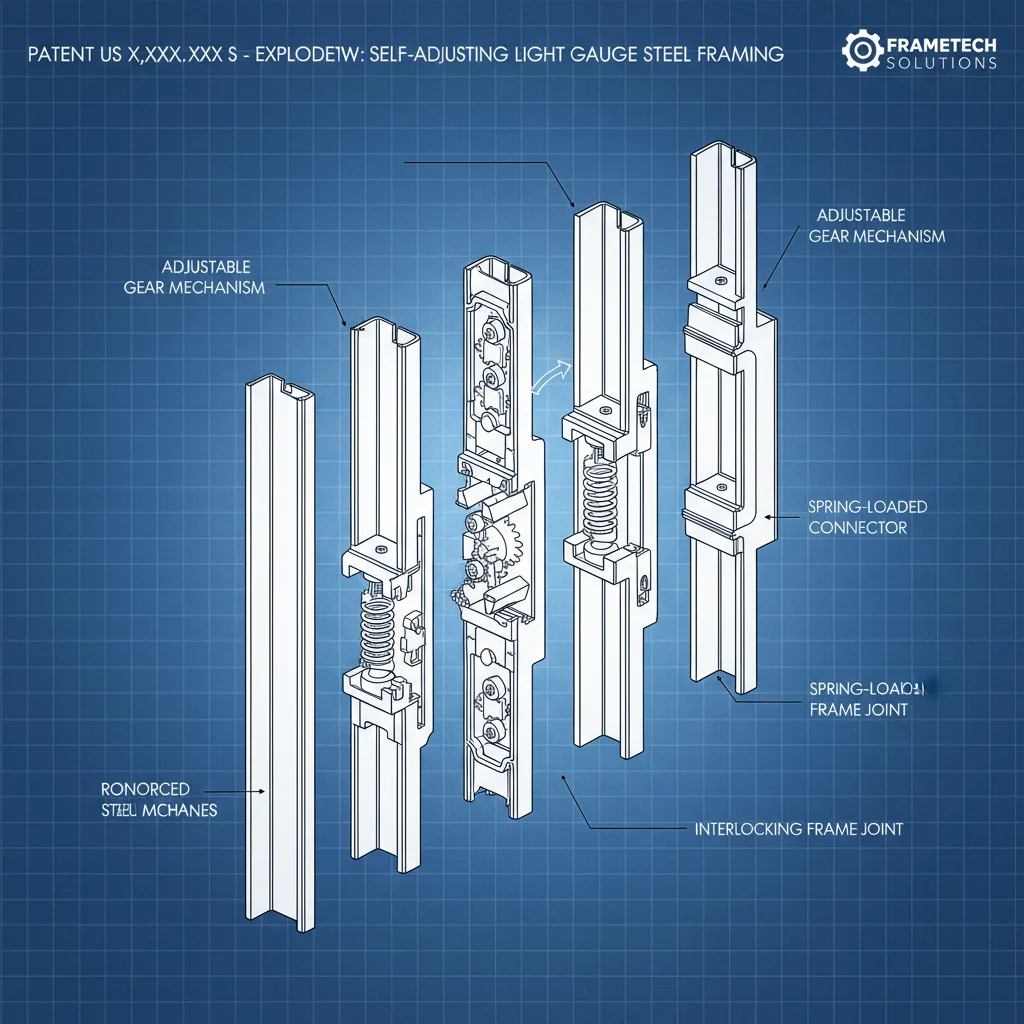
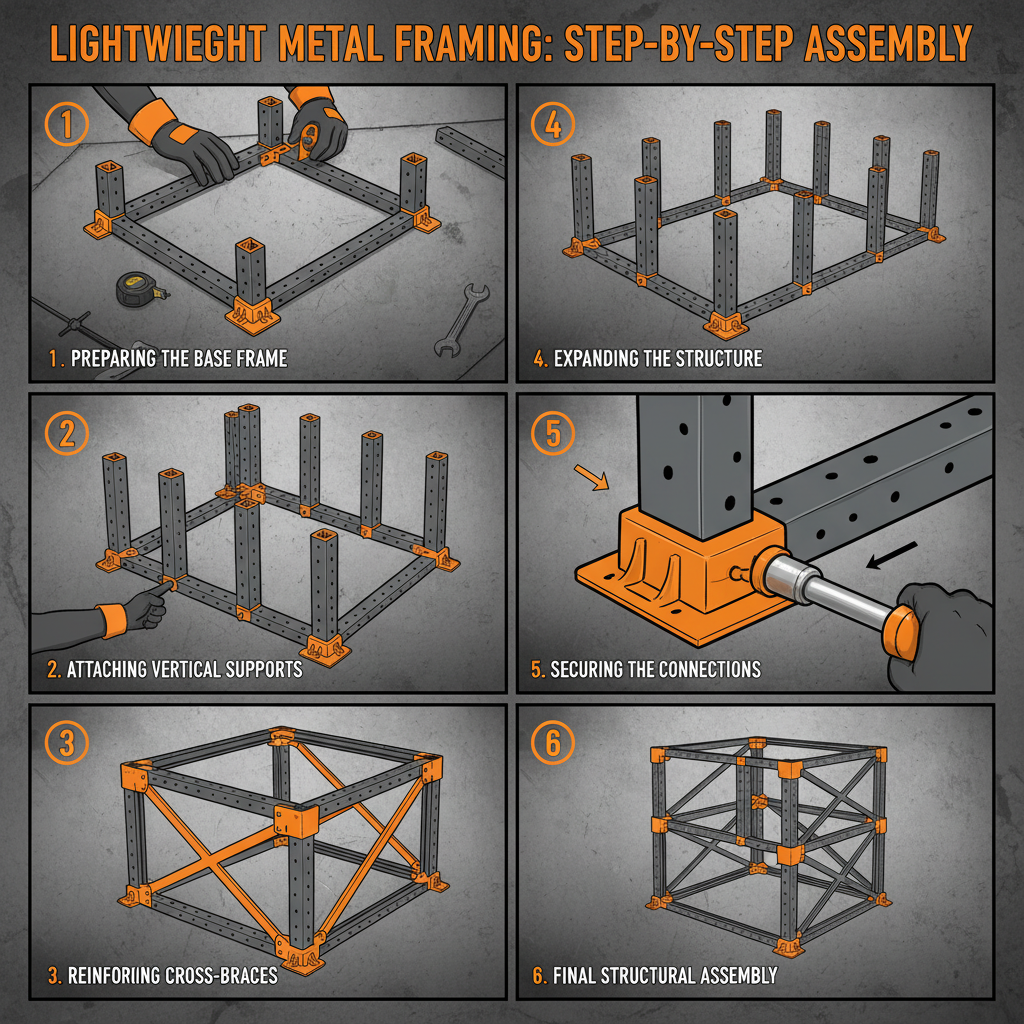
Lightweight metal framing, often utilizing galvanized steel, is a construction technique that employs pre-engineered steel components to create the structural framework of a building. Unlike traditional wood framing, it relies on a system of cold-formed steel members – studs, joists, and tracks – that are connected using screws and fasteners. This creates a strong, precise, and dimensionally stable structure.
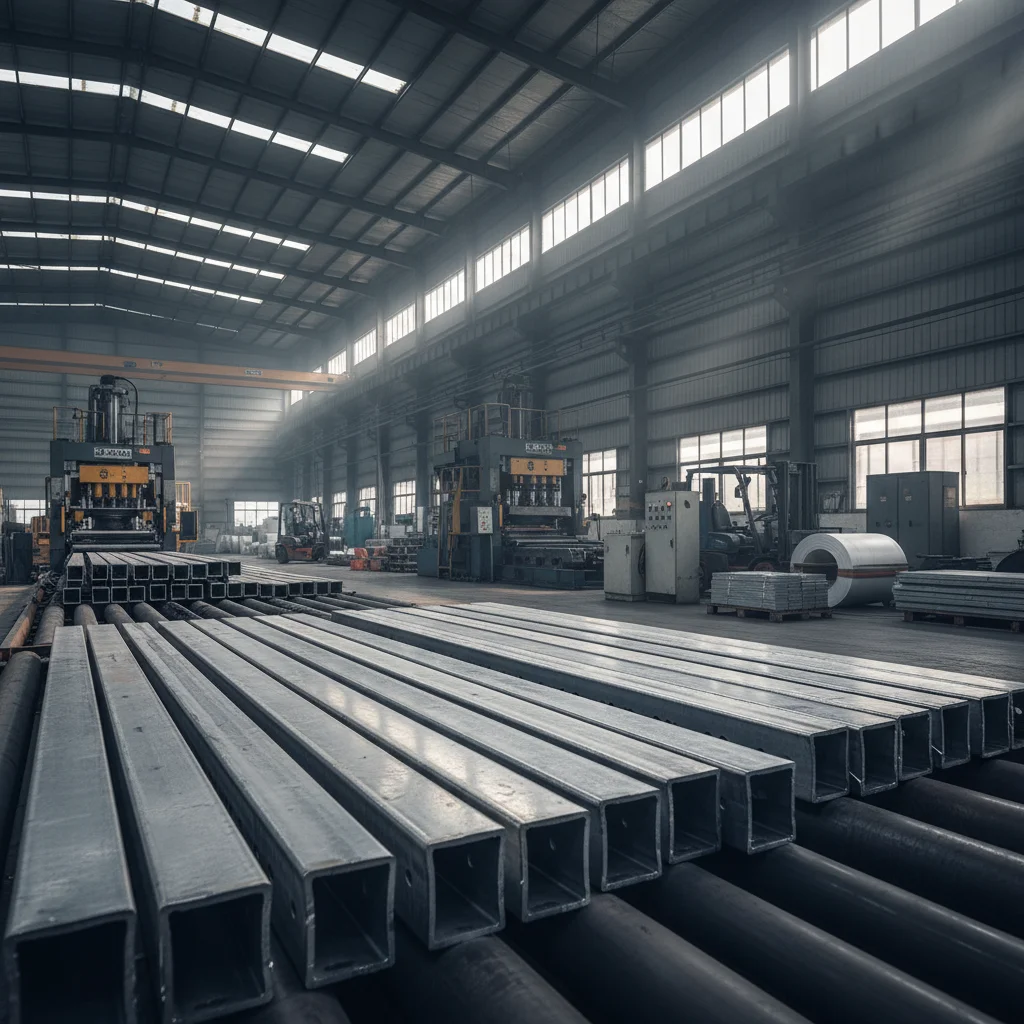
The connection to modern industry and humanitarian needs is direct. Modern manufacturing techniques allow for the mass production of standardized components, ensuring consistency and efficiency. This is especially critical in disaster relief scenarios where speed and scalability are paramount. The lightweight nature of the materials reduces transportation costs and allows for easier handling on-site.
In essence, lightweight metal framing represents a shift towards a more sustainable, efficient, and adaptable approach to construction. It provides a viable solution for building durable, safe, and affordable structures in diverse environments, offering a practical response to global housing and disaster relief challenges.
Core Components of lightweight metal framing
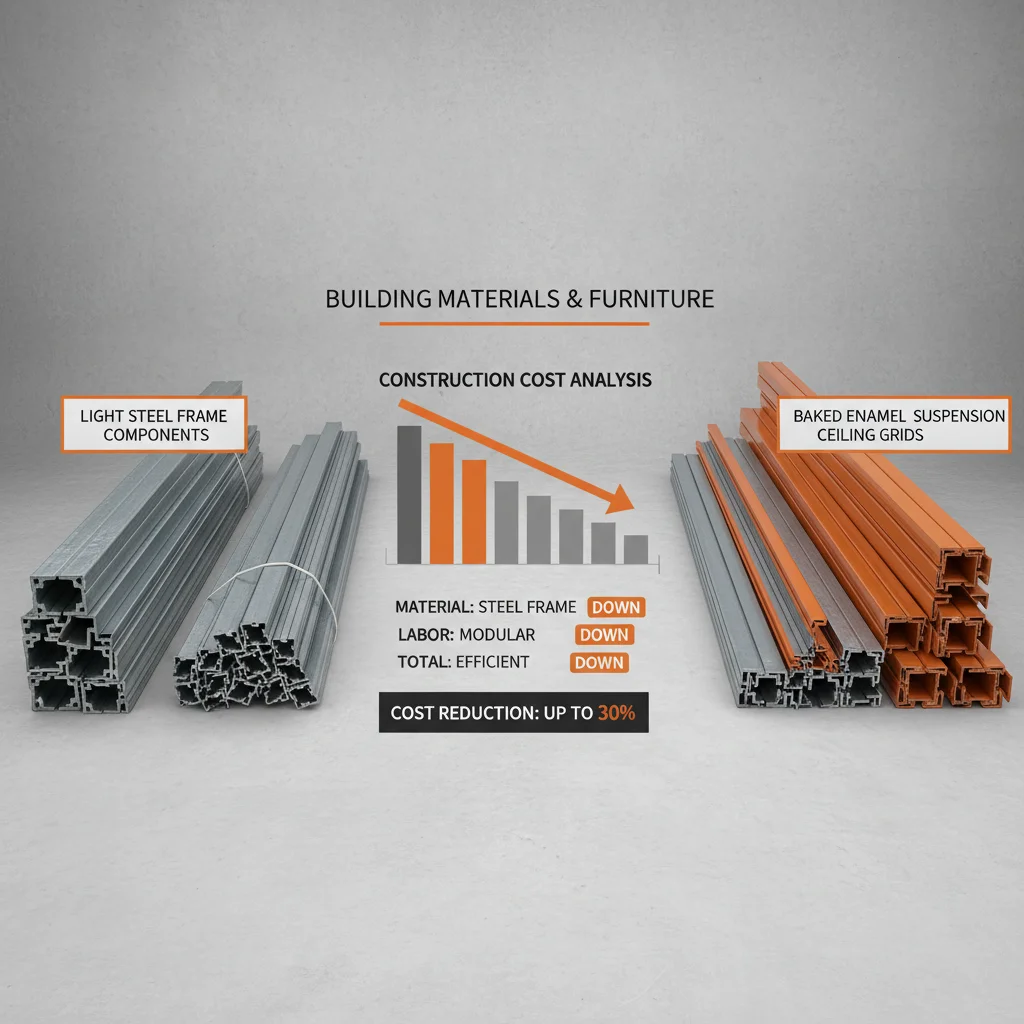
Several key factors contribute to the effectiveness of lightweight metal framing. Firstly, its inherent durability provides superior resistance to fire, pests, and rot compared to traditional wood framing, resulting in a longer lifespan and reduced maintenance costs. Secondly, scalability is a major advantage. Components can be easily manufactured and assembled to create structures of varying sizes and complexities.
Thirdly, cost efficiency is often realized through reduced material waste, faster construction times, and lower labor costs. Finally, the design flexibility of lightweight metal framing allows for customization and adaptation to unique architectural requirements, offering a level of freedom not always achievable with conventional building methods. These attributes combined make it a compelling alternative for a broad spectrum of building projects.
Comparative Analysis of lightweight metal framing Attributes
Global Applications of lightweight metal framing
Lightweight metal framing is being implemented across diverse sectors worldwide. In post-disaster relief operations, organizations are utilizing this technology to rapidly deploy temporary shelters and essential facilities for affected communities. For example, after the 2010 Haiti earthquake, steel framing was instrumental in quickly establishing functional hospitals and schools.
In remote industrial zones, where transportation costs are high, lightweight metal framing offers a cost-effective solution for building worker housing, warehouses, and administrative offices. Mining operations in Australia and Canada, for instance, frequently employ this technology to establish self-sufficient camps.
Advantages and Long-Term Value
The tangible benefits of lightweight metal framing extend beyond initial cost savings. The durability and resistance to pests and fire translate to reduced maintenance requirements and a longer building lifespan, lowering the total cost of ownership. Its sustainability profile, stemming from the high recyclability of steel, minimizes environmental impact.
From a social impact perspective, lightweight metal framing empowers communities by enabling the creation of safe, dignified, and affordable housing. The speed of construction fosters economic growth by quickly providing facilities for businesses and essential services. This technology builds trust and resilience, contributing to stronger, more sustainable communities.
Future Trends in lightweight metal framing
Several exciting innovations are shaping the future of lightweight metal framing. Advances in digital fabrication and automation are streamlining the manufacturing and assembly processes, further reducing costs and improving precision. Integration with Building Information Modeling (BIM) allows for seamless design and construction coordination.
The development of new, high-performance steel alloys is enhancing the strength and durability of framing components. The increasing focus on green building practices is driving demand for sustainable materials, positioning lightweight metal framing as a leading solution.
Furthermore, advancements in modular construction techniques, combined with lightweight metal framing, are unlocking new possibilities for rapid, scalable, and customizable building solutions – a trend poised to revolutionize the construction industry.
FAQS
Lightweight metal framing offers several advantages. It's non-combustible, resistant to pests and rot, dimensionally stable, and recyclable. It also boasts a longer lifespan and reduced maintenance compared to wood. While initial material costs may be higher, the long-term benefits often outweigh the investment.
Yes, lightweight metal framing can be adapted to various climates. Galvanized steel provides excellent corrosion resistance, making it suitable for humid environments. Proper insulation and ventilation can address temperature regulation needs in both hot and cold climates. Design considerations specific to local weather conditions are essential.
While the upfront material cost might be slightly higher, lightweight metal framing often proves more cost-effective overall. Faster construction times, reduced labor requirements, lower maintenance, and a longer lifespan contribute to significant long-term savings. Waste reduction during construction also lowers disposal costs.
While some basic understanding of metalworking is helpful, lightweight metal framing systems are designed for relatively easy assembly. Specialized training is available to equip construction crews with the necessary skills. The precision of pre-engineered components simplifies the building process.
Absolutely. Lightweight metal framing is perfectly capable of supporting multi-story structures, provided the design and engineering adhere to local building codes and structural standards. Proper load calculations and reinforcement are crucial for taller buildings.
Steel is one of the most recycled materials globally. Lightweight metal framing utilizes a high percentage of recycled content, minimizing environmental impact. Its durability reduces the need for frequent replacements, conserving resources. The reduced waste generated during construction further contributes to its sustainability.
Conclusion
Lightweight metal framing represents a pivotal shift in construction practices, offering a compelling blend of durability, sustainability, cost-effectiveness, and design flexibility. Its global relevance is undeniable, addressing critical challenges related to housing shortages, disaster relief, and environmental concerns. The ability to rapidly deploy robust, adaptable structures with reduced environmental impact positions lightweight metal framing as a cornerstone of future building solutions.
Looking ahead, continued innovation in materials, automation, and digital integration will further enhance the benefits of this technology. Investing in training programs and promoting standardization will be crucial to unlocking its full potential. Explore the possibilities of lightweight metal framing and join the movement towards a more resilient and sustainable built environment.