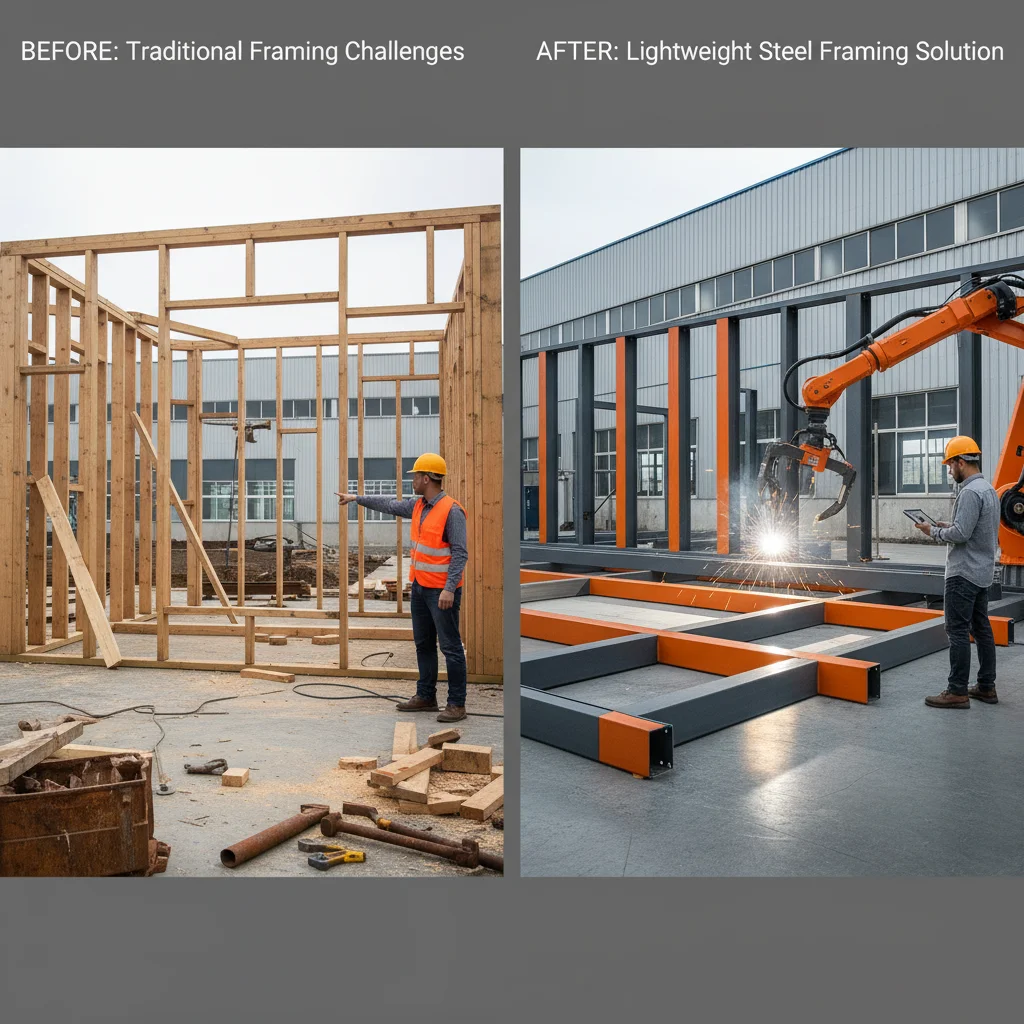
The modern construction landscape relies heavily on the precision and reliability of structural framing, where the role of specialized component providers is paramount. When developers seek stability for stud wall frames, they often look toward the expertise of established suspended ceiling grid suppliers who provide the necessary bracing to ensure long-term architectural integrity.
Maintaining the rigidity of a wall frame is not merely about the primary studs but about the horizontal reinforcements that prevent twisting and warping. This is where the nogging track becomes essential, acting as a critical stabilizer that supports lining boards and minimizes the risk of joint cracks, a standard of quality that top-tier industrial suppliers maintain across their product lines.
By integrating high-strength galvanized steel into these systems, the industry ensures that commercial and residential spaces remain safe and aesthetically pleasing. For those sourcing high-performance materials, partnering with experienced suspended ceiling grid suppliers ensures that every component, from the ceiling T-bars to the nogging tracks, meets rigorous international durability standards.

The Structural Role of Nogging Tracks in Modern Framing
Nogging tracks are indispensable components in the construction of stud wall frames, primarily serving as horizontal bracing. Their main function is to provide extra strength to the frame, effectively preventing the vertical studs from twisting or bowing during the installation of lining boards. This stability is crucial for creating a flat, professional finish on the wall surface.
By creating a solid and rigid frame for the plasterboard, these tracks help avoid the common and costly issue of cracks appearing in the joints over time. This structural reinforcement is a hallmark of the precision engineering offered by leading suspended ceiling grid suppliers who understand the interplay between wall stability and ceiling suspension.
Material Standards for Industrial Steel Components
The durability of a building's interior skeleton depends entirely on the quality of the steel used. For nogging tracks, the industry standard is Galvanized Strong Steel Material DX51D, which is specifically engineered to withstand environmental stressors and resist corrosion.
A critical factor in this material's performance is the zinc coating, which typically ranges from 120g to 275g. This protective layer ensures that the steel does not degrade in humid conditions, providing a long-lasting lifecycle for the wall assembly, a quality often mirrored in the products of premium suspended ceiling grid suppliers.
Choosing the correct grade of galvanized steel not only ensures structural safety but also optimizes the cost-to-performance ratio for large-scale commercial projects, where reliability is non-negotiable.
Technical Specifications for Precise Installation
Precision is the cornerstone of any successful construction project. When working with suspended ceiling grid suppliers, it is essential to adhere to strict size and thickness specifications to ensure that components fit seamlessly together.
Nogging tracks are available in a variety of sizes to accommodate different wall thicknesses, including 51x28mm, 64x28mm, 76x28mm, 92x28mm, and 150x28mm. All these variants maintain a consistent Base Metal Thickness (BMT) of 0.75mm, providing the necessary rigidity to prevent stud torsion.
Length and center-to-center (CTR) spacing are also carefully calibrated, with standard lengths of 3600mm available for 300 CTR, 450 CTR, and 600 CTR configurations. This flexibility allows contractors to customize the strength of the wall based on the weight of the lining boards.
Comparative Performance of Framing Systems
Understanding the efficiency of different framing configurations allows architects to optimize the structural integrity of a building. By analyzing the performance of components provided by various suspended ceiling grid suppliers, we can determine the ideal balance between material use and wall rigidity.
The use of nogging tracks significantly reduces the deflection rate of stud walls compared to frames without horizontal bracing. This is particularly evident in high-traffic commercial environments where wall durability is under constant pressure.
Structural Stability Ratings by Supplier Method
Global Application of Steel Bracing Systems
Steel framing systems, including those developed by leading suspended ceiling grid suppliers, are used globally to meet diverse building codes. From the Australian Drywall System to the Canada-US Drywall System, the need for rigid nogging tracks remains constant across different continents.
In the Middle East, the Furring System is often paired with these bracing tracks to combat extreme thermal expansion, while in South Asia, the Small Furring System provides a cost-effective yet stable alternative for residential developments.
Long-Term Value and Structural Reliability
The long-term value of investing in high-quality nogging tracks lies in the reduction of maintenance costs. Walls that are properly braced are significantly less likely to develop structural fissures, which in turn protects the aesthetic appeal of the interior design and the integrity of the paint and wallpaper.
Reliability in construction is built on trust in the materials. By sourcing from reputable suspended ceiling grid suppliers, developers ensure that their projects adhere to ISO and other international quality standards, reducing the risk of failure during building inspections.
Furthermore, the use of galvanized steel promotes sustainability. The longevity of DX51D steel means fewer replacements over the building's lifecycle, reducing waste and the overall carbon footprint of the construction project.
Future Innovations in Metal Decoration Materials
The industry is moving toward more automated and precision-engineered components. Future iterations of nogging tracks and ceiling grids will likely incorporate lighter, stronger alloys that maintain the 0.75mm BMT while offering even greater resistance to torsion and environmental decay.
Digital transformation is also playing a role, with suspended ceiling grid suppliers adopting BIM (Building Information Modeling) to provide perfectly calibrated components that fit into a digital twin of the building before a single piece of steel is cut.
As green building certifications like LEED become the norm, the focus is shifting toward 100% recyclable steel and low-emission galvanization processes, ensuring that the interior structural components of tomorrow are as eco-friendly as they are strong.
Technical Analysis of Nogging Track Specifications
| Track Size (mm) | BMT (Thickness) | CTR Options | Application Load |
|---|
| 51x28mm | 0.75mm | 300/450/600 | Light Residential |
| 64x28mm | 0.75mm | 300/450/600 | Standard Commercial |
| 76x28mm | 0.75mm | 300/450/600 | Heavy-Duty Office |
| 92x28mm | 0.75mm | 300/450/600 | Industrial Partition |
| 150x28mm | 0.75mm | 300/450/600 | Reinforced Structural |
| All Sizes | 0.75mm | Standard 3600mm | Galvanized DX51D |
FAQS
The nogging track is used to provide extra strength to stud wall frames and prevent the vertical studs from twisting while lining boards are installed. By creating a horizontal brace, it ensures a rigid frame, which prevents the plasterboard joints from cracking over time, a standard quality often emphasized by professional suspended ceiling grid suppliers.
High-quality nogging tracks are made from Galvanized Strong Steel Material DX51D. This material is chosen for its strength and corrosion resistance, featuring a zinc coating between 120g and 275g to ensure longevity in various environmental conditions.
Selection depends on the width of your stud wall. Available sizes range from 51x28mm for light walls to 150x28mm for heavily reinforced partitions. All sizes generally maintain a 0.75mm BMT to ensure a consistent level of rigidity across different wall depths.
CTR stands for "Center-to-Center" spacing. It refers to the distance between the centers of the supporting studs. Common options include 300mm, 450mm, and 600mm, allowing contractors to adjust the density of the bracing based on the required wall strength.
Yes, while nogging tracks are for walls and grids are for ceilings, they are often sourced from the same suspended ceiling grid suppliers to ensure material compatibility and consistent quality across the entire interior structural system of a building.
Yes, galvanized DX51D steel is highly recyclable. Because of its durability and resistance to rust, it has a long service life, which reduces the need for frequent replacements and minimizes the overall environmental impact of the construction process.
Conclusion
In summary, the integration of high-quality nogging tracks—crafted from DX51D galvanized steel with a 0.75mm BMT—is essential for any construction project aiming for long-term structural stability. By preventing stud twisting and minimizing joint cracks, these components ensure that the interior walls remain rigid and visually flawless, reflecting the precision standards maintained by leading suspended ceiling grid suppliers.
As the industry evolves toward smarter, greener, and more automated building practices, the reliance on standardized, high-performance metal profiles will only increase. We recommend that developers and contractors prioritize material certification and precise specifications to ensure the safety and longevity of their architectural investments. Visit our website: www.jinkaibm.com