Understanding the overall cost for metal framing is a pivotal consideration for modern architects and contractors aiming to balance structural integrity with budgetary constraints. In the competitive landscape of commercial and residential construction, the selection of high-quality framing components directly influences both the initial capital expenditure and the long-term maintenance requirements of a building.
Global construction trends are increasingly shifting toward galvanized steel systems due to their superior strength-to-weight ratio and resistance to environmental degradation. When analyzing the cost for metal framing, professionals must look beyond the unit price of raw materials and consider the systemic value provided by specialized components like Nogging Tracks, which prevent structural failures and reduce costly rework.
Investing in precision-engineered components ensures that the total cost for metal framing is optimized through reduced installation time and the elimination of joint cracks in plasterboard. By integrating high-grade DX51D galvanized steel, builders can achieve a professional architectural finish that stands the test of time while maintaining strict adherence to international building codes.

Global Impact of Metal Framing Costs
The global construction industry is facing an unprecedented demand for rapid, scalable, and durable housing solutions. In this context, the cost for metal framing has become a primary benchmark for feasibility studies in large-scale urban developments. From the high-rise commercial hubs of Asia to the residential expansions in North America, the move toward cold-formed steel allows for precise budgeting and significantly reduced waste compared to traditional timber framing.
Moreover, adherence to international standards such as ISO and various local building codes ensures that the initial investment in metal framing provides safety and longevity. By analyzing the cost for metal framing through the lens of lifecycle value, developers are finding that the reduction in insurance premiums and the increase in property durability far outweigh the upfront costs of premium galvanized steel components.
Defining the Components of Framing Investment
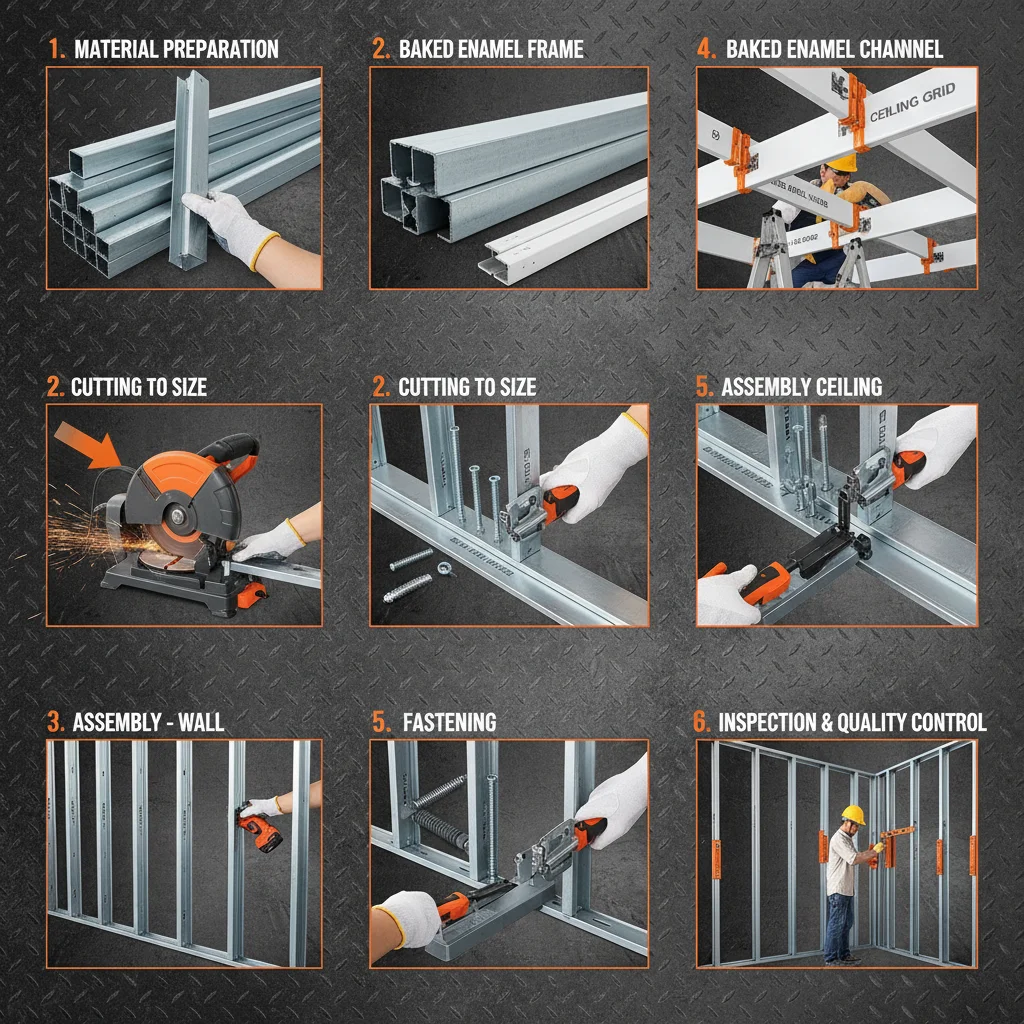
When we discuss the cost for metal framing, it is essential to define it as more than just the price per linear meter of steel. It encompasses the total expenditure required to create a stable, load-bearing skeleton for interior walls and ceilings. This includes the primary studs, tracks, and critical reinforcement components like the Nogging Track, which provides the necessary horizontal bracing to prevent vertical stud twisting.
The investment is further subdivided into material grades and coating specifications. For instance, using DX51D galvanized steel with a zinc coating of 120-275g/m² ensures that the cost for metal framing includes a "protection premium" that prevents rust and corrosion, particularly in humid environments or coastal regions. This specification is vital for maintaining the structural integrity of the partition over several decades.
Ultimately, the cost for metal framing is a calculation of material volume, gauge thickness (BMT), and the precision of the profile. Whether opting for a 51x28mm or a 150x28mm profile, the goal is to optimize the amount of steel used without compromising the rigidity of the framework, thereby achieving an efficient balance between cost and performance.
Key Factors Influencing Framing Expenditure
One of the most significant drivers of the cost for metal framing is the choice of material grade. High-strength galvanized steel offers a level of durability that low-grade alternatives cannot match. By utilizing DX51D steel, manufacturers ensure that the framework remains rigid and resistant to bowing, which is critical during the installation of heavy lining boards.
Another critical factor affecting the cost for metal framing is the inclusion of specialized bracing. The Nogging Track, for example, prevents the rotation of studs, which significantly reduces the risk of plasterboard joint cracking. While this adds a small amount to the initial material list, it eliminates the expensive need for periodic repairs and maintenance.
Finally, logistics and packaging play a hidden role in the total cost for metal framing. Efficient bundle packing, such as the standard 10pcs/bundle for Nogging Tracks, maximizes container loading space and reduces shipping costs. Precision in production—offering standard lengths of 3600mm with various CTR options—minimizes on-site cutting waste, further driving down the effective project cost.
Cost Efficiency of Structural Rigidity
Structural rigidity is not merely a technical requirement but a financial strategy. When evaluating the cost for metal framing, the "Anti-Twist Design" of components like the Nogging Track provides a tangible return on investment. By preventing the bowing of vertical studs, the system ensures a perfectly aligned architectural finish, which reduces the time spent on finishing and sanding plasterboard.
The long-term financial benefit is most evident when comparing standard framing to reinforced systems. Standard framing often suffers from joint movement, leading to unsightly cracks that require frequent patching. In contrast, a system designed for maximum rigidity minimizes these risks, effectively lowering the lifecycle maintenance cost for metal framing.
Comparison of Value Delivery in Metal Framing Systems
Real-World Applications and Global Use Cases
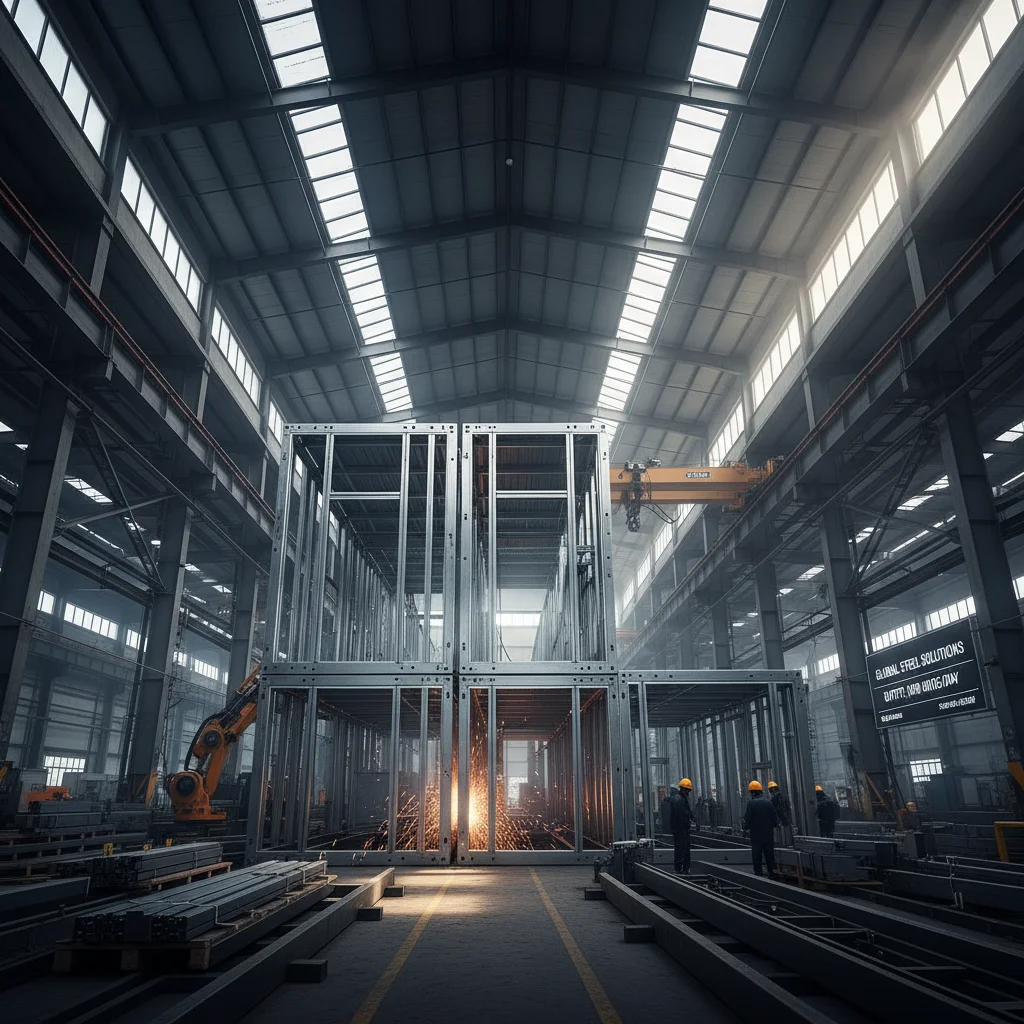
In large-scale commercial developments, such as hotels and office complexes, the cost for metal framing is optimized by using modular drywall systems. The application of Nogging Tracks in these settings allows for the rapid assembly of partitions that can support heavy acoustic insulation and fire-rated boards without sagging. This efficiency is critical in fast-track construction projects where every hour of labor impacts the bottom line.
In remote industrial zones or post-disaster relief operations, the portability and strength of galvanized steel framing are invaluable. Because the cost for metal framing is predictable and the materials are resistant to pests and moisture, they are preferred over timber in humid climates. The ability to provide precise sizes (from 51mm to 150mm) ensures that these systems can be adapted to any architectural requirement regardless of the location.
Long-Term Value and Sustainability Gains
Sustainability is now a core component of the cost for metal framing conversation. Steel is 100% recyclable, making it a far more eco-friendly choice than treated lumber. By reducing the volume of waste on construction sites through precision-engineered lengths (3600mm), contractors can lower their environmental impact while simultaneously reducing the cost of waste disposal.
Furthermore, the use of DX51D galvanized steel with a high zinc coating extends the lifespan of the building's interior structure. This longevity means that the cost for metal framing is amortized over a much longer period, reducing the need for disruptive and expensive renovations. The stability provided by horizontal bracing ensures that the walls remain plumb and the finishes remain intact.
From a psychological perspective, the reliability of a steel-framed building provides peace of mind for owners and tenants. The knowledge that the walls are reinforced against twisting and cracking creates a sense of quality and trust, which ultimately increases the market value of the property—a return that far exceeds the initial material expenditure.
Future Trends in Framing Cost Optimization
The future of the cost for metal framing is being shaped by automation and digital transformation. BIM (Building Information Modeling) allows for the exact calculation of required profiles, including the precise number of Nogging Tracks needed for a specific layout. This eliminates over-ordering and reduces the overall project cost by streamlining the supply chain from the warehouse to the installation site.
We are also seeing a trend toward "Ultra Lined" and specialized silhouette systems that offer even higher strength-to-weight ratios. These innovations allow for thinner BMT without sacrificing rigidity, potentially lowering the raw material cost for metal framing while maintaining the same structural performance. Green building certifications are also pushing the industry toward lower-carbon steel production.
As global building codes become more stringent regarding seismic activity and fire safety, the role of precision-engineered steel will only grow. The integration of automated monitoring—from production to shipping—ensures that quality assurance is maintained, reducing the risk of costly on-site failures and ensuring that the investment in framing provides maximum safety and value.
Comparative Analysis of Framing System Value and Long-term Cost
| Framing Method |
Stability Rating (1-10) |
Joint Crack Risk |
Maintenance Cost |
| Standard Metal Framing |
6 |
Moderate |
Periodic |
| Framing with Nogging Tracks |
10 |
Minimal |
Very Low |
| Timber Framing |
5 |
High |
High |
| Light-Gauge Steel (Thin) |
7 |
Moderate |
Moderate |
| Heavy-Duty Industrial Steel |
9 |
Low |
Low |
| Custom Profile Systems |
9 |
Low |
Low |
FAQS
While adding Nogging Tracks slightly increases the initial material cost, it significantly reduces the overall project expenditure by preventing stud rotation and twisting. This eliminates the risk of plasterboard joint cracks, which would otherwise require expensive repairs and maintenance over time, providing a much higher long-term return on investment.
We recommend DX51D galvanized strong steel with a zinc coating of 120-275g/m². This grade provides the optimal balance, offering high-strength structural support and superior corrosion resistance without the excessive cost of specialty alloys, making it the industry standard for professional-grade drywall systems.
Yes, custom specifications allow you to use the exact amount of material required for your specific architectural load, preventing the waste associated with over-specifying. By matching the BMT (Base Metal Thickness) and CTR (Center) to your specific needs, you can optimize material usage and lower the total cost.
Our products are professionally packed in bundles of 10 pieces. This standardized packing maximizes container loading space and reduces the risk of damage during transit. By optimizing logistics, we are able to lower the shipping portion of the total cost for metal framing for our bulk international clients.
We offer a wide range of profile sizes including 51x28mm, 64x28mm, 76x28mm, 92x28mm, and 150x28mm. This variety allows contractors to select the exact size needed for their stud specifications, ensuring that the cost for metal framing is spent only on the necessary structural support.
The key is to ensure that horizontal bracing is integrated into the design. By using Nogging Tracks to eliminate the "bowing" of vertical studs, the plasterboard remains stationary and flat. This structural rigidity is the only way to truly prevent the stress that leads to unsightly joint cracks.
Conclusion
Analyzing the cost for metal framing requires a comprehensive view that integrates initial material expenditure with long-term structural performance. By prioritizing high-grade DX51D galvanized steel and incorporating critical reinforcement components like Nogging Tracks, developers can create partitions that are not only cost-effective but also exceptionally durable. The reduction in maintenance costs, combined with the speed of professional installation and the elimination of structural defects, ensures that a precision-engineered framing system is the most economical choice for any modern building project.
Looking ahead, the shift toward BIM integration and sustainable steel production will further refine the cost for metal framing, making high-performance construction accessible to a wider range of projects. We encourage architects and contractors to move beyond the "lowest price" mindset and instead focus on "lowest lifecycle cost" by investing in quality components that guarantee stability and aesthetics. For premium drywall framing solutions that optimize your budget and structural integrity, visit our website: www.jinkaibm.com.