Hit enter to search or ESC to close
October 16, 2025
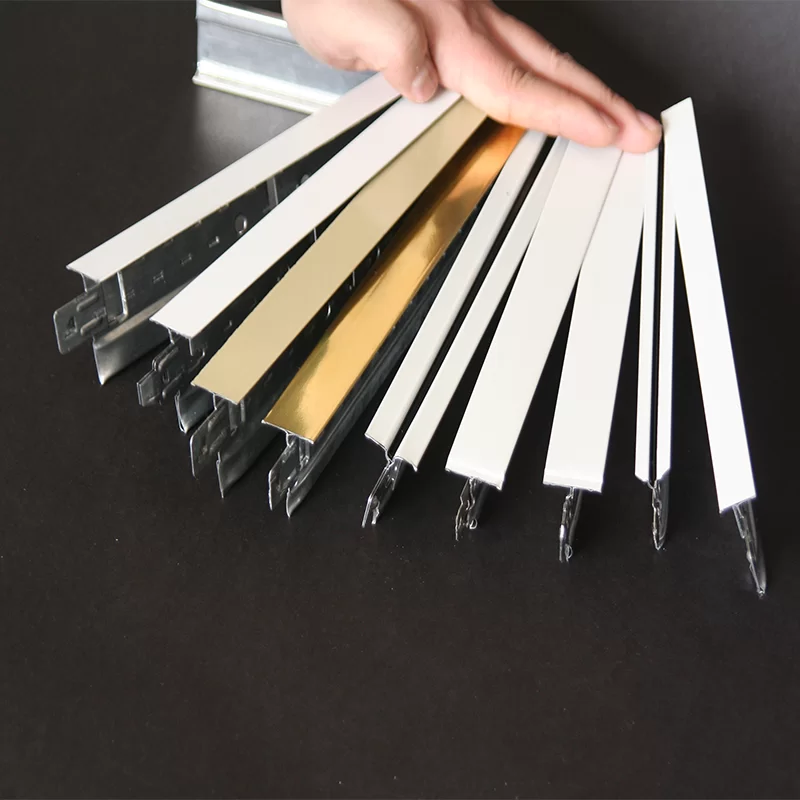
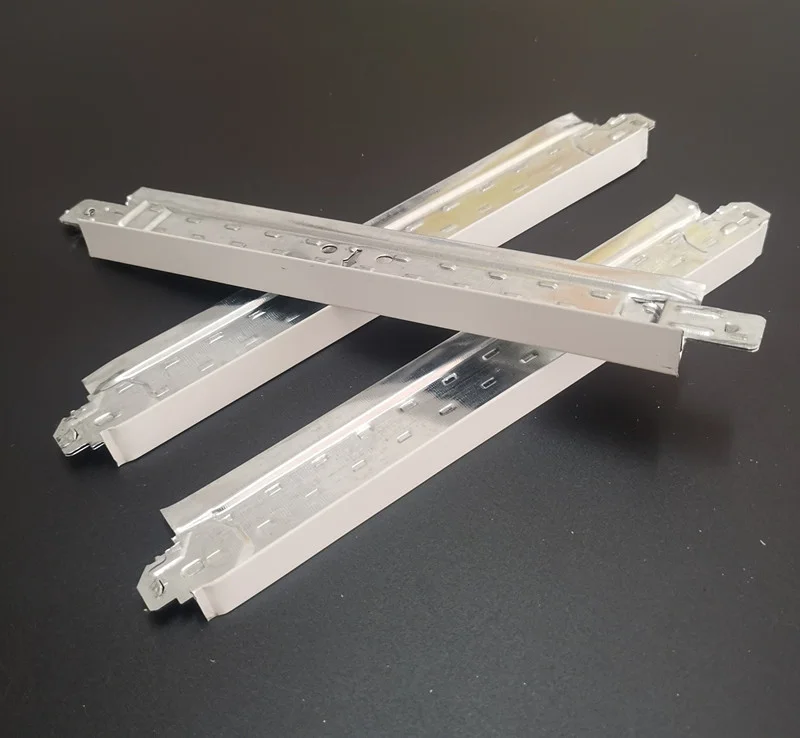
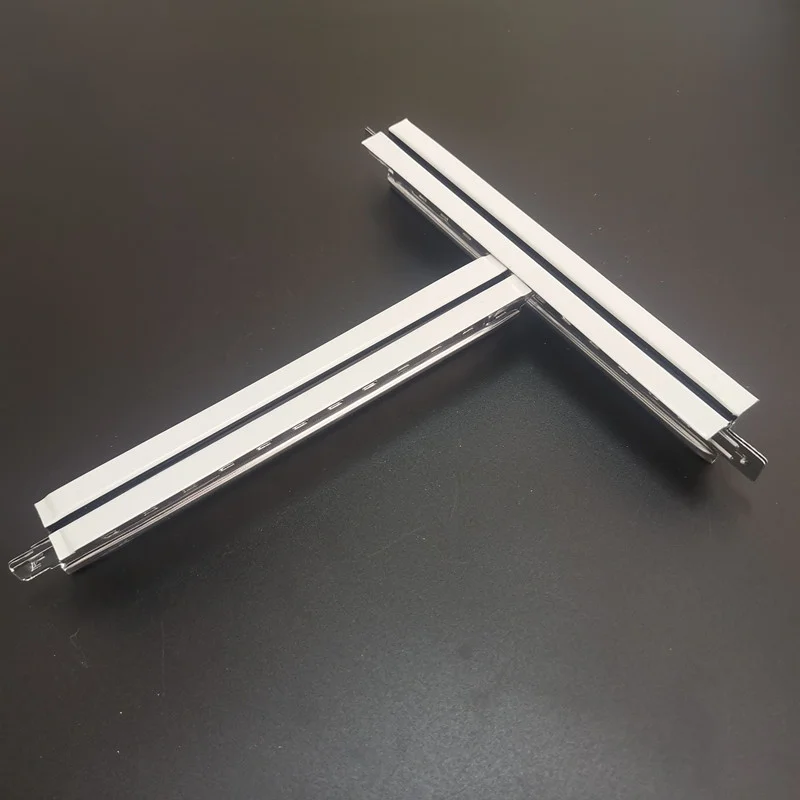
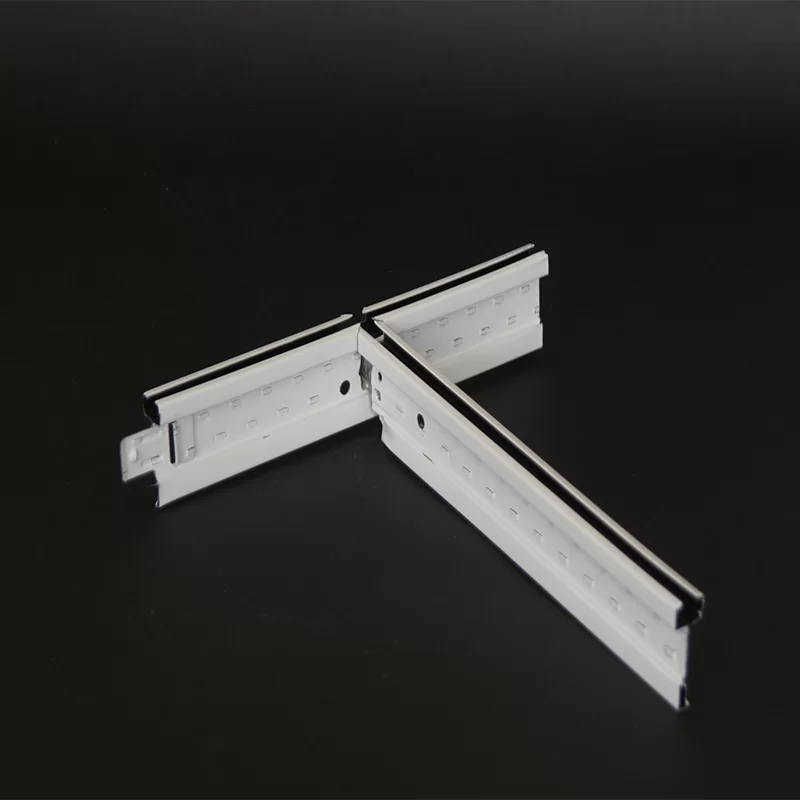
Ceiling grids aren’t glamorous, but they’re the skeleton that decides whether a project feels rock solid or, well, a little wobbly. Over the past two years, demand has shifted toward higher-corrosion protection and faster installs—especially where labor is tight and interiors are refreshed more often. That’s where Suspended FUT Ceiling t grids have quietly earned a reputation: consistent roll-forming, tight splices, and reliable compatibility with Donn-style suspension systems. To be honest, the “fits first time” reports from site supervisors are what caught my attention.
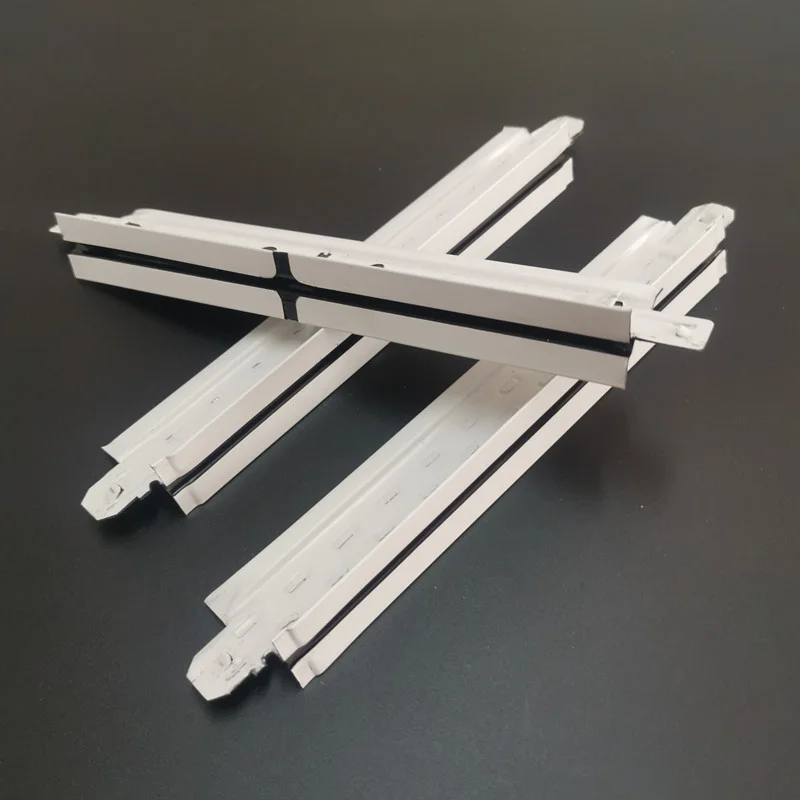
Retrofit work is up, acoustical ceilings are getting lighter, and owners want cleaner lines with fewer call-backs. Meanwhile, specs are leaning on ASTM C635/C636 and EN 13964 more than ever, especially for healthcare and transport hubs. In fact, moisture and VOC concerns are pushing buyers to galvanized steel grids with low-emission coatings. Suspended FUT Ceiling t grids play nicely here—durable, repeatable, and compatible with PVC gypsum tiles.
| Material | Galvanized steel (DX51D+Z) main runner and cross tees |
| Zinc coating | G40–G60 (≈Z120–Z180) typical; real-world use may vary by environment |
| Dimensions | Face 24 mm or 15 mm; main runner 3600 mm; cross tees 1200/600 mm (others on request) |
| Thickness | Main runner ≈0.30–0.45 mm; cross tee ≈0.25–0.35 mm |
| Finish/colors | Polyester baked enamel, RAL 9016 standard; custom RAL available |
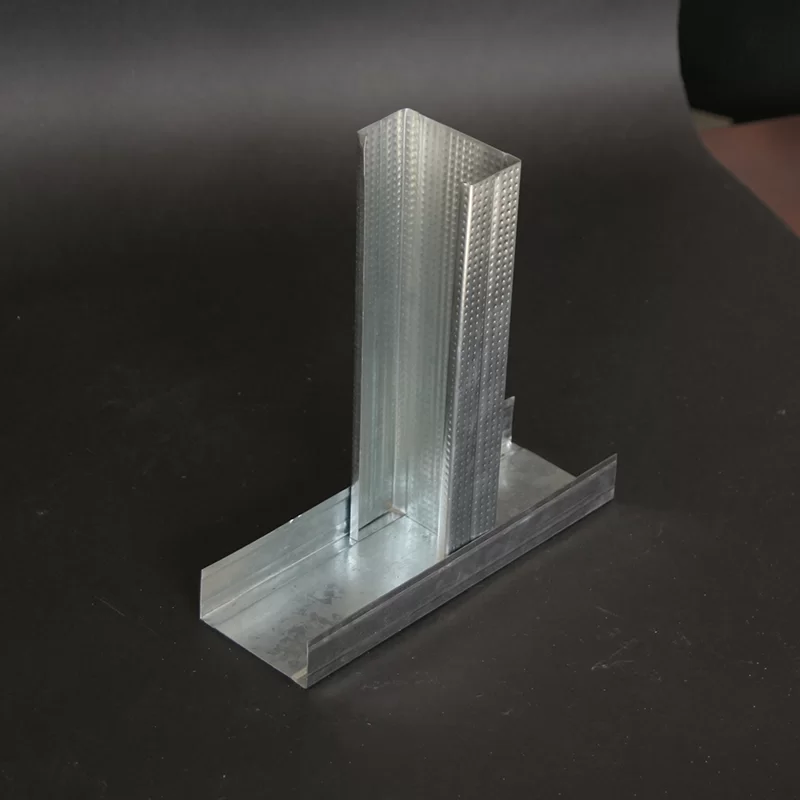
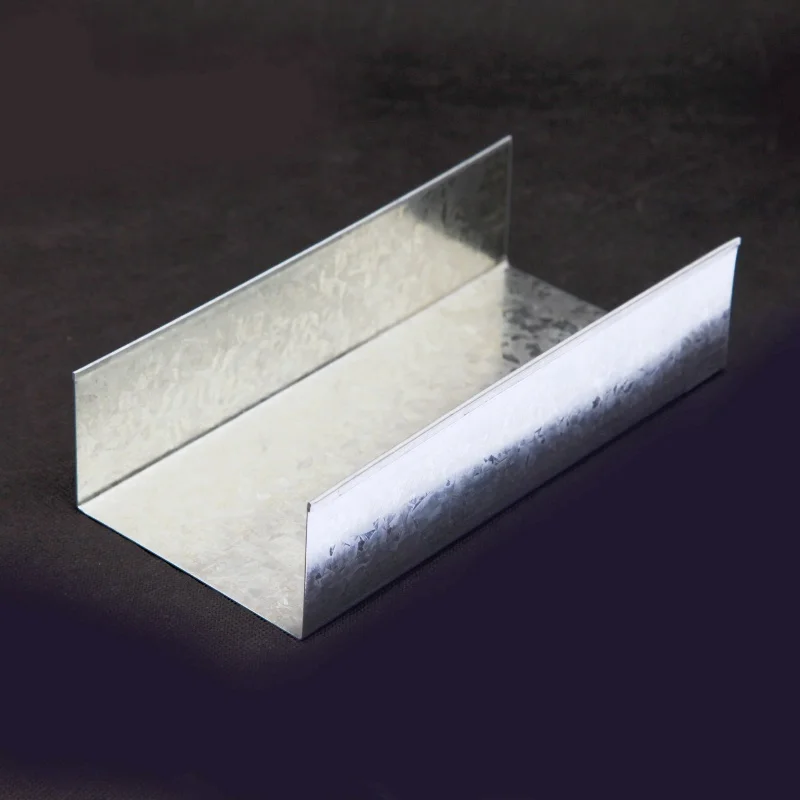
| Compatibility | Donn-type suspension systems; PVC gypsum ceiling suspension systems |
| Origin | Dongdu Industrial Park, Huangfu Farm, Langfang, Hebei, China |
| Service life | ≈20–30 years in normal interior conditions |
| Vendor | Compliance | Lead Time | Finish Options | Approx. Price |
|---|---|---|---|---|
| JINKAI (FUT) | ASTM C635/C636, EN 13964 (project-based) | 2–4 weeks | RAL custom, low-VOC | Mid |
| Generic OEM | Basic EN compliance | 3–6 weeks | Limited | Low–Mid |
| Big-box brand | ASTM + internal QC | Ex-stock (popular SKUs) | Standard whites | Mid–High |
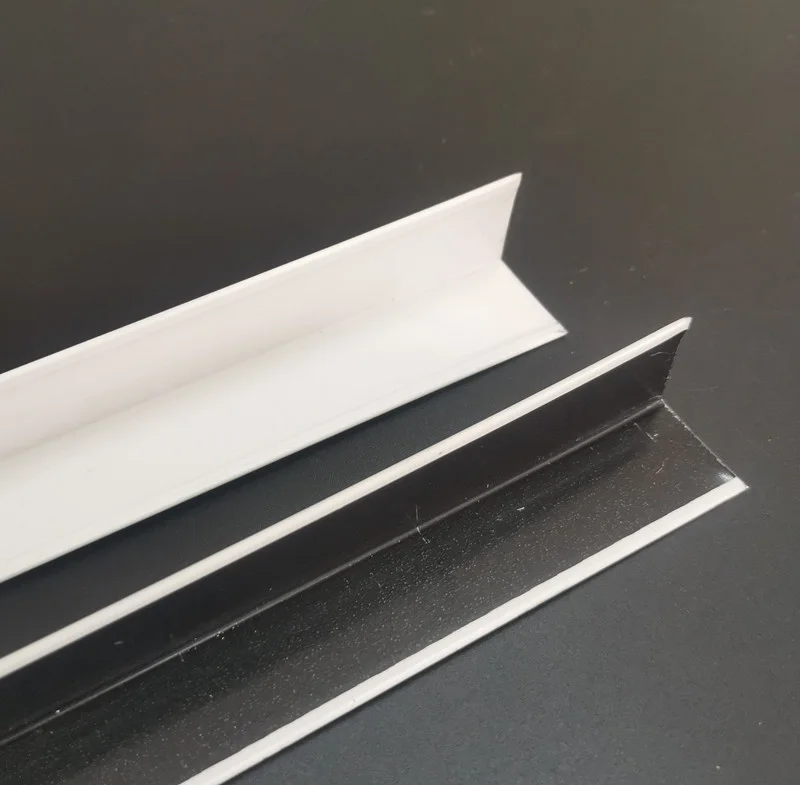
For Suspended FUT Ceiling t grids, most buyers tweak face width, tee length, and coating class. Color-matched trims? Yes. Palletized export cartons with barcode labels—also common. If you need anti-bacterial coatings for clinics, ask for certification sheets up front.
Testing snapshot: sample grid sets reached L/360 under design load class per ASTM C635 light–intermediate rating; neutral salt spray 96h (ISO 9227) with no red rust at cut edges when sealed. As always, site conditions matter.
If you want fewer surprises above the ceiling, Suspended FUT Ceiling t grids offer that dependable mix: sensible pricing, consistent QC, and standards-backed performance. Not flashy—just quietly competent.