Hit enter to search or ESC to close
April 16, 2026
Creating a professional and polished ceiling requires more than just panels; it requires a structural foundation that is both durable and aesthetically pleasing. The cross tee ceiling grid serves as the essential skeleton for suspended ceiling systems, providing the necessary support for acoustic tiles and lighting fixtures. Whether you are designing a corporate office, a retail space, or a healthcare facility, choosing the right grid system ensures long-term stability and a seamless visual finish. In this guide, we will explore the technical nuances and practical advantages of integrating high-quality grid systems into your next architectural project.

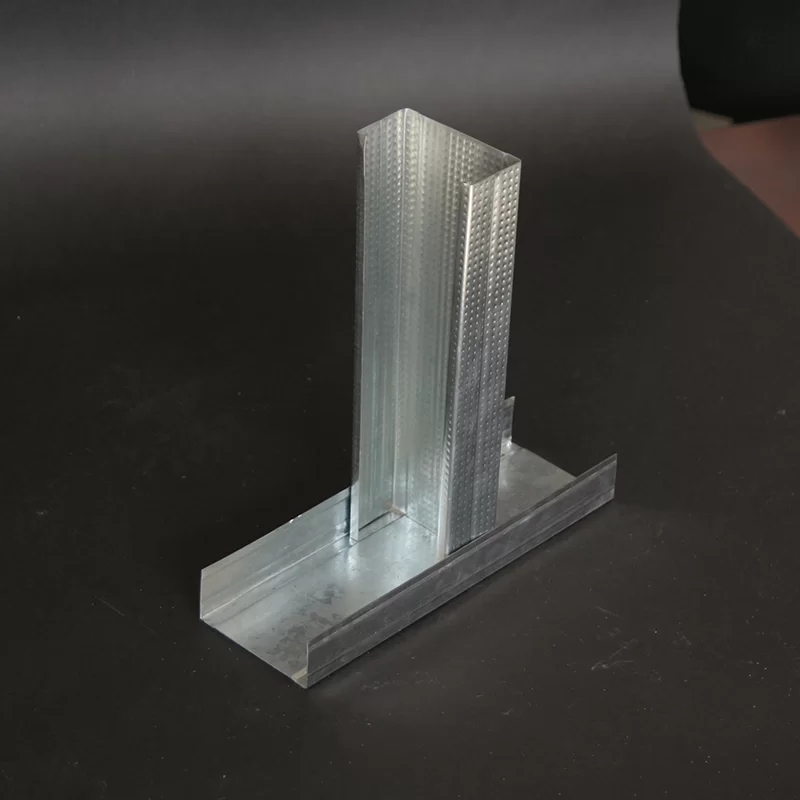
A cross tee ceiling grid is a specialized T-shaped metal profile that intersects with main runners to create a modular framework. This system allows for the easy installation of ceiling tiles, which simply "drop" into the created rectangles. The beauty of this design lies in its accessibility; because the tiles are not permanently fixed, facility managers can easily lift a panel to access HVAC ducts, electrical wiring, or plumbing without damaging the entire ceiling. This modularity makes it the gold standard for commercial construction worldwide.
Industry Insight: Modern grids are typically manufactured from high-grade galvanized steel or aluminum, ensuring they resist sagging over time and remain impervious to corrosion in humid environments.
Investing in a premium cross tee ceiling grid offers several strategic advantages. First, it ensures perfect alignment, eliminating the unsightly gaps or uneven lines that often plague low-cost installations. Second, a precision-engineered grid provides superior load-bearing capacity, which is critical when integrating heavy LED panels or recessed air vents. Furthermore, the speed of installation is significantly increased through the use of "click-and-lock" mechanisms, reducing labor costs and project timelines for contractors.
Top Benefits at a Glance:
• Rapid installation and easy replacement of ceiling tiles
• Unhindered access to overhead mechanical and electrical services
• High structural integrity preventing ceiling sag
• Versatile aesthetic options including various colors and finishes
Not all grid systems are created equal. Depending on the environment, you may need a standard residential-grade grid or a heavy-duty industrial cross tee ceiling grid. While standard grids are ideal for low-traffic offices, heavy-duty versions are engineered with thicker gauges of steel to withstand vibration and higher humidity. The following table highlights the key differences to help you make an informed procurement decision.
To achieve a professional finish, the installation of a cross tee ceiling grid must follow a precise sequence. First, the perimeter angle is fixed to the walls. Then, main tees are suspended from the slab using hanger wires at specific intervals. The cross tees are then snapped into the main runners to complete the grid. Crucially, the grid must be squared using a laser level to prevent "drifting" lines across the room, which can be visually distracting and make tile fitting difficult at the edges.
When specifying materials for a project, understanding the technical data of the cross tee ceiling grid is vital. Most commercial systems adhere to international standards for load-bearing and fire safety. The materials are typically coated with a white polyester powder or a custom-colored finish to match the interior design. Below are the common product specifications found in high-end grid systems.
While a cross tee ceiling grid is designed for longevity, periodic maintenance is recommended. Dust accumulation on the grid profiles can affect indoor air quality and the overall look of the space. Simple vacuuming or wiping with a damp cloth is usually sufficient. If a tile becomes stained or damaged, the grid's design allows for a surgical replacement—simply lift the old tile and slide in a new one without disturbing the rest of the ceiling structure, ensuring the interior remains pristine for years.
The cross tee ceiling grid is far more than a simple metal frame; it is the foundation of a functional, modern interior. By prioritizing material quality and installation precision, you can create a ceiling that is not only visually stunning but also incredibly practical for long-term maintenance. Whether you are an architect, a contractor, or a business owner, choosing the right grid system is a smart investment in the durability and professionalism of your environment. Trust in high-standard components to ensure your vision is supported by a rock-solid structure.
Yes, absolutely. While more common in commercial settings, suspended ceilings are becoming popular in basements, home theaters, and garages. They provide a clean look while hiding unsightly pipes and wires. For residential use, a standard-grade cross tee ceiling grid is typically sufficient, offering a professional finish that can also improve the room's acoustic properties when paired with sound-absorbing tiles.
Sagging is usually the result of improper hanger spacing or using a grid that is too light for the weight of the tiles. To prevent this, ensure that your main runners are supported by hanger wires at the manufacturer's recommended intervals (usually every 4 feet). Additionally, using a heavy-duty cross tee ceiling grid with a higher steel gauge provides more rigidity and significantly reduces the risk of bowing over large spans.
The main runner is the primary support beam that is suspended directly from the ceiling slab; it carries the bulk of the weight. The cross tee ceiling grid refers to the smaller T-profiles that snap perpendicularly into the main runners. Together, they form the grid of squares or rectangles that hold the tiles in place. The main runner provides the strength, while the cross tees define the layout and size of the ceiling panels.
While white is the most common color for blending in with standard tiles, most manufacturers offer a variety of finishes. You can find grids in black, silver, or custom powder-coated colors to create a "dark ceiling" aesthetic, which is currently trending in modern industrial office designs. This allows the cross tee ceiling grid to become a design feature rather than just a hidden support system.