Hit enter to search or ESC to close
October 30, 2025
In today’s construction industry, furring channels and hat channels play an essential role in achieving smooth, durable, and stable surfaces for both walls and ceilings. These lightweight yet strong steel profiles are indispensable for modern drywall, roofing, and cladding systems. Whether you’re working with metal furring, installing a hat channel for drywall, or reinforcing a hat channel for metal roofing, understanding how these components function will improve your project’s efficiency and quality.
Both metal furring channels and hat channels serve as the framework behind finished surfaces, providing critical support for drywall panels, tiles, or other finishing materials. They ensure proper alignment, maintain structural stability, and protect against moisture and deformation — all while keeping installation simple and cost-effective.
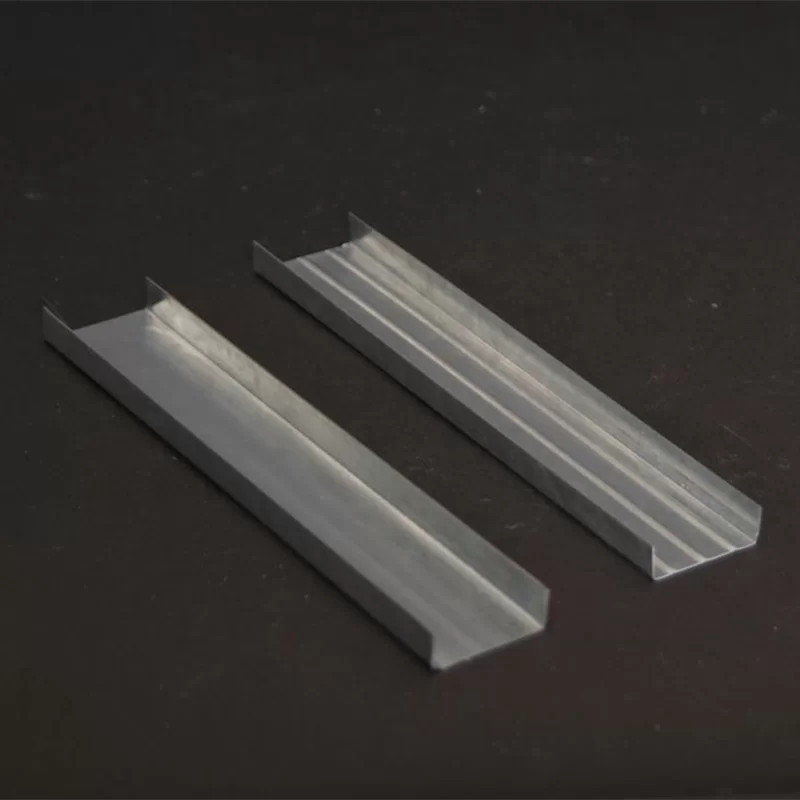
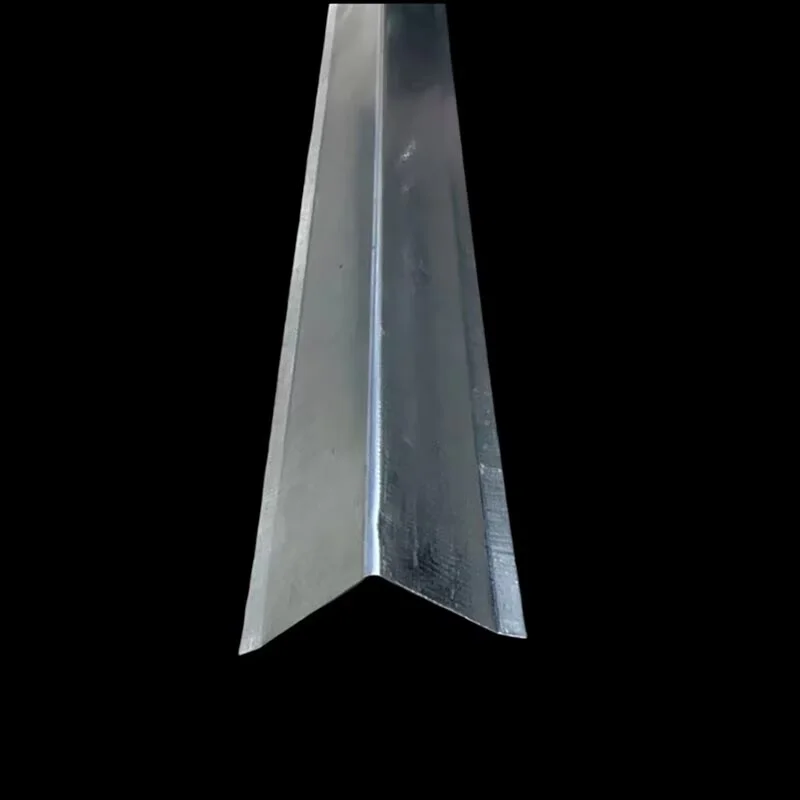
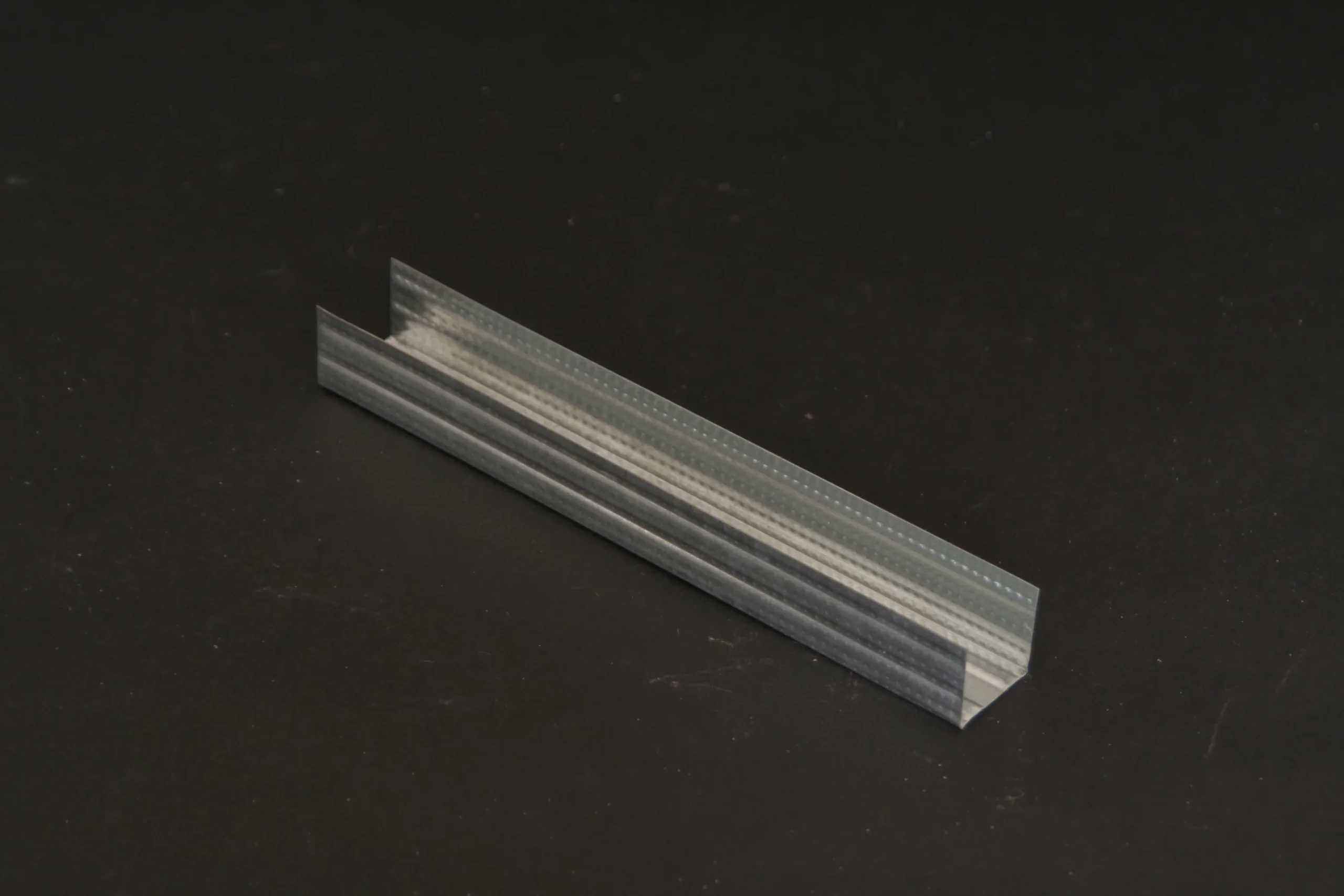
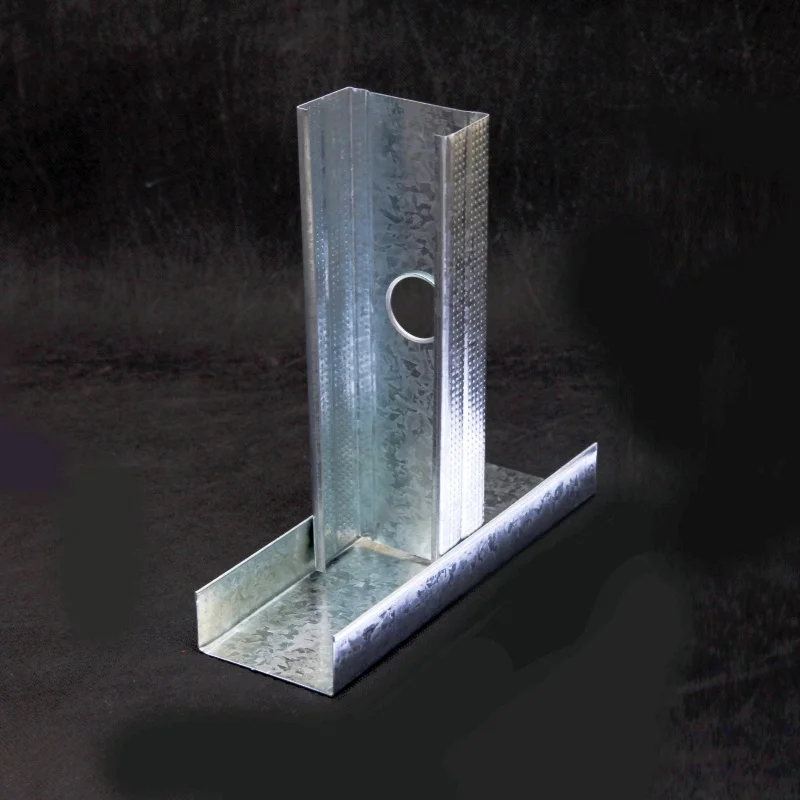
A furring channel is a thin, cold-formed steel strip used to level or “fur out” surfaces in wall and ceiling applications. It is often used in conjunction with metal furring systems to provide a smooth base for attaching gypsum boards, panels, or cladding materials.
Precision and Leveling
The primary purpose of a drywall furring channel is to create an even surface on uneven walls or ceilings. Contractors use them to conceal pipes, wires, and insulation without compromising the finish quality.
Durability and Corrosion Resistance
Most furring channels are made from galvanized steel, which offers superior resistance to rust and corrosion. This ensures that even in high-humidity environments, your installation remains stable and long-lasting.
Lightweight but Strong
A metal furring channel is lightweight yet strong enough to hold drywall sheets securely in place. Its simple structure allows for fast installation while maintaining high load-bearing capacity.
Versatile Applications
Drywall furring channels are widely used in residential, commercial, and industrial projects. They can support ceilings, partition walls, and even exterior cladding systems.
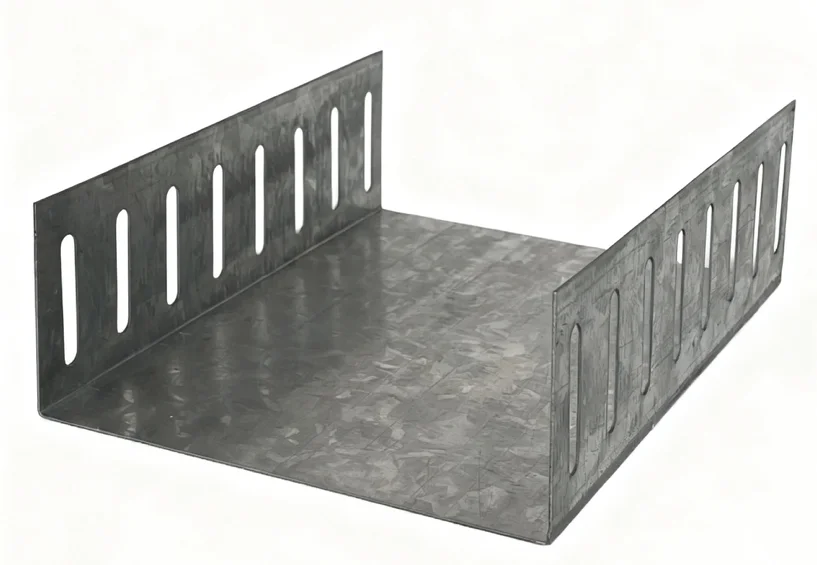
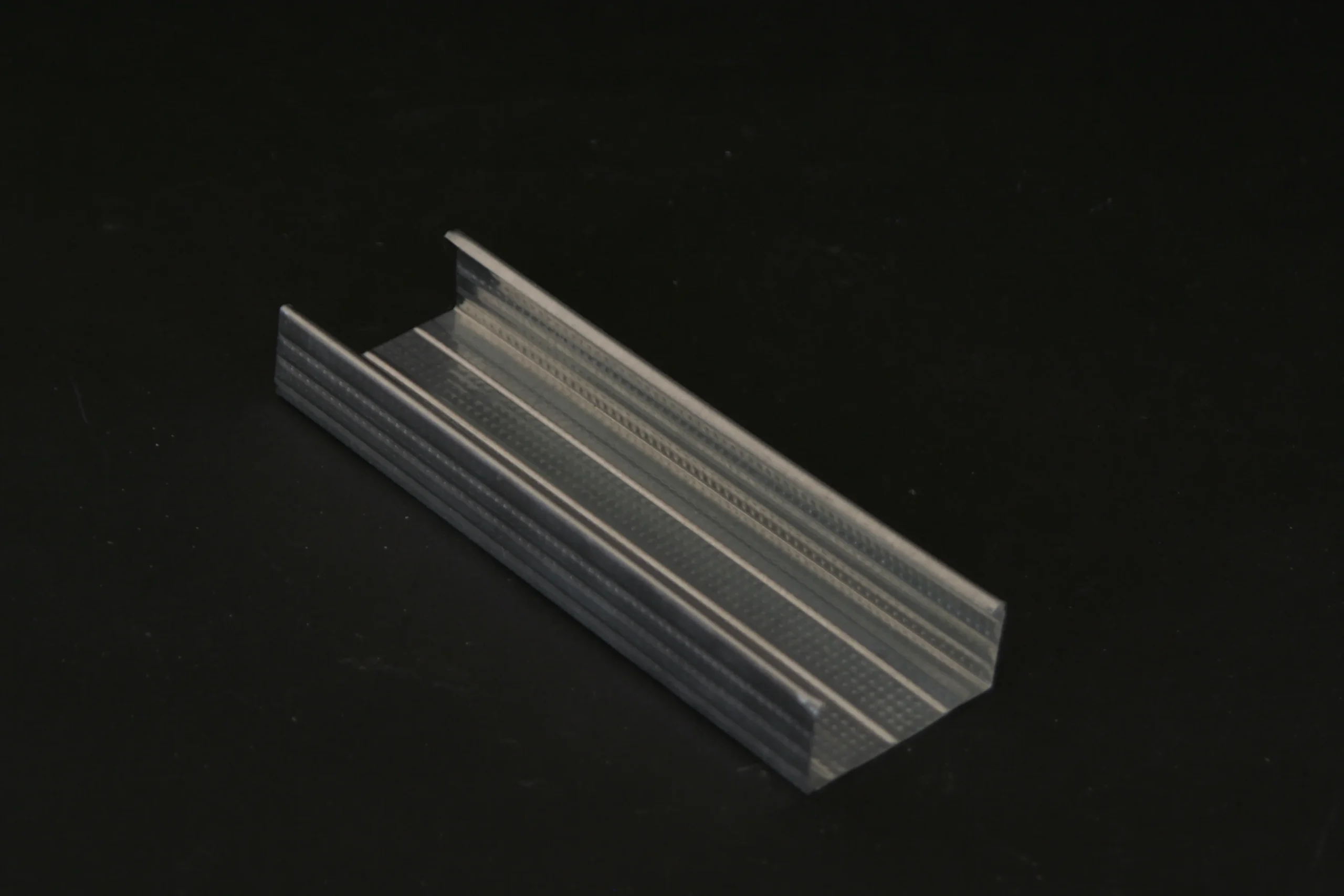
A hat channel, sometimes called a steel hat channel, gets its name from its unique “hat-like” cross-sectional shape. It provides additional strength and rigidity compared with flat furring channels. The design includes flanges on both sides that make it easy to fasten to other structural components.
Hat Channel for Drywall
Using a hat channel for drywall ensures straight, stable walls and ceilings. Its rigid structure prevents sagging and cracking, especially in high ceilings or areas prone to movement. Builders prefer 7/8 hat channels and 1/2 hat channels for drywall installations depending on the required clearance or spacing.
Hat Channel for Metal Roofing
When installing a hat channel for metal roofing, these channels serve as a base for roof panels, improving load distribution and ventilation. The raised profile helps with water drainage and minimizes heat transfer, extending the roof’s lifespan.
Galvanized Steel for Durability
A steel hat channel or hat channel metal is typically made of galvanized steel, offering excellent corrosion protection. This makes it perfect for exterior applications, including roofing, siding, and façade systems.
Variety of Sizes
Depending on the project requirements, builders can select from different profiles such as 1/2 hat channels, 7/8 hat channels, and custom dimensions. These variations allow flexibility for both light and heavy-duty construction.
Superior Rigidity: Their hat-like profile adds structural strength and minimizes deflection.
Improved Soundproofing: When paired with insulation, hat channels can enhance acoustic performance in walls and ceilings.
Quick Installation: The flanged edges make fastening easier, reducing labor time.
Multi-Use Compatibility: Suitable for both drywall and metal roofing systems.
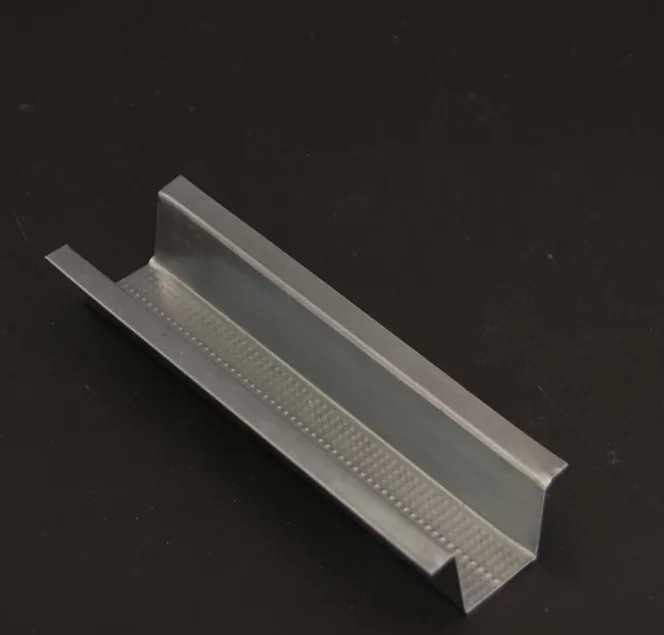
Both furring channels and hat channels are small components that make a big difference in modern construction. Whether you’re framing a wall, leveling a ceiling, or securing a roof, these steel profiles ensure stability, alignment, and long-term performance.
The metal furring channel system provides precision and versatility for interior finishes, while the hat channel metal structure delivers superior strength for roofs and heavy-duty applications. From 1/2 hat channels to 7/8 hat channels, contractors can choose the right size and thickness for every requirement.
As building technology evolves, the use of hat channels for drywall, hat channels for metal roofing, and drywall furring channels continues to rise — not only for their practicality but also for their durability, cost-efficiency, and sustainability. Investing in high-quality steel hat channels and metal furring systems ensures every project stands the test of time.
A furring channel is flat and used primarily to level surfaces for drywall, while a hat channel has a raised, hat-like profile that provides greater rigidity and load-bearing strength.
Common sizes include the 1/2 hat channel and 7/8 hat channel, though custom sizes can be fabricated depending on the project’s requirements.
Yes. A hat channel for metal roofing provides a strong base and ventilation, while a hat channel for drywall ensures flat, stable walls and ceilings.
Galvanized steel protects the metal furring channel and steel hat channel from rust and corrosion, especially in humid or outdoor environments, extending their service life.
Absolutely. When combined with insulation materials, hat channels and furring channels can significantly reduce sound transmission, making them ideal for studios, offices, and residential spaces.