Hit enter to search or ESC to close
February 9, 2026
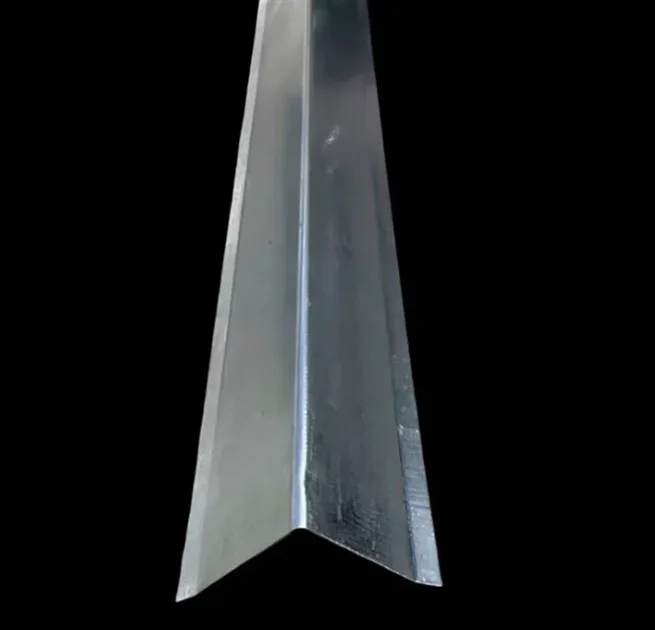
Dealing with angled ceilings presents unique design challenges. One effective solution to both aesthetic and functional concerns is the use of angled ceiling molding. This type of molding seamlessly integrates with sloped surfaces, creating a polished and professional finish. This article will explore the benefits, installation techniques, material options, and design considerations for angled ceiling molding, helping you achieve stunning results in your home or project. Understanding the nuances of this specialized molding is key to transforming awkward spaces into visually appealing areas.
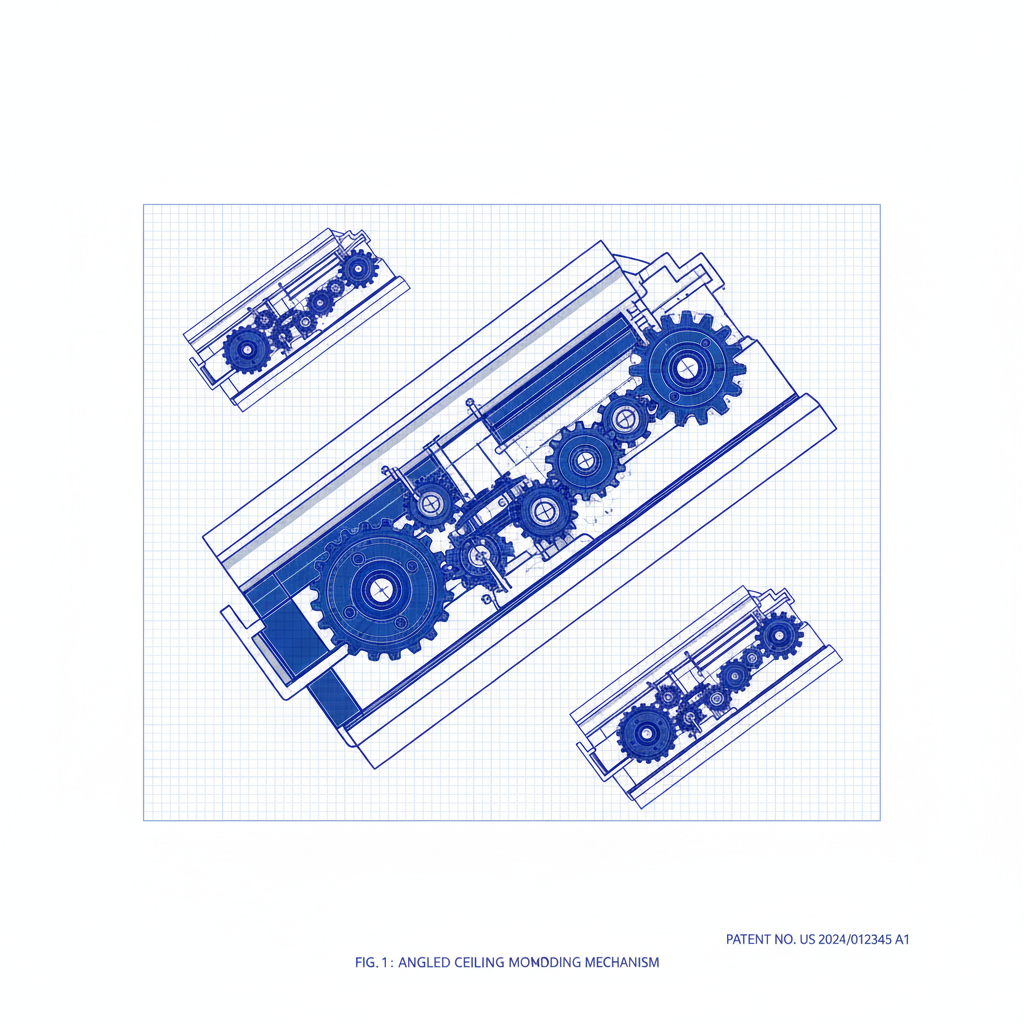
Angled ceiling molding offers several advantages over attempting to fit standard, straight molding to a sloped surface. Firstly, it provides a clean, professional look by following the angle of the ceiling, eliminating unsightly gaps and awkward cuts. Secondly, it can visually soften the harsh lines of a sloped ceiling, making the space feel more inviting. Furthermore, it allows for a consistent design aesthetic throughout a room, even where ceiling angles change. Using Jinka IBM's angled molding ensures a perfect fit and a seamless integration with your overall interior design. It’s an investment that pays off in both aesthetic appeal and perceived value.
Key Benefits: Seamless integration with sloped ceilings, visually softens harsh lines, consistent design aesthetic, enhanced property value.
A variety of materials are available for angled ceiling molding, each with its own characteristics and cost implications. Polyurethane is a popular choice due to its lightweight nature, flexibility, and affordability. It’s also easy to cut and install, making it ideal for DIY projects. Wood molding offers a classic, elegant look but requires more skill to work with and is generally more expensive. MDF (Medium-Density Fiberboard) is another option, providing a smooth surface for painting but is less resistant to moisture. Finally, PVC molding is a durable, water-resistant choice, making it suitable for bathrooms or kitchens. When selecting a material, consider the room's humidity levels, your budget, and your desired aesthetic. Jinka IBM offers all these materials, providing guidance to help you choose the best option.
Material Comparison:
• Polyurethane: Lightweight, flexible, affordable, easy to install.
• Wood: Classic look, durable, requires more skill.
• MDF: Smooth surface, affordable, less moisture resistant.
• PVC: Durable, water-resistant, good for humid environments.
Choosing between angled and traditional molding for a sloped ceiling can be tricky. Traditional molding requires complex mitering and often leaves gaps, creating an unprofessional finish. Angled molding, specifically designed for these surfaces, simplifies the installation process and delivers a seamless result. The table below highlights the key differences between the two options.
Installing angled ceiling molding requires careful measurement and precise cutting. Start by accurately measuring the angle of your ceiling. Use a protractor or angle finder for best results. When cutting the molding, use a miter saw set to the appropriate angle. Dry-fit the molding before applying adhesive to ensure a perfect fit. Use a high-quality construction adhesive specifically designed for molding. Secure the molding with finishing nails, countersinking them for a seamless finish. Finally, caulk any gaps and paint or stain the molding to match your decor. Jinka IBM provides detailed installation guides and expert support to ensure a successful project.
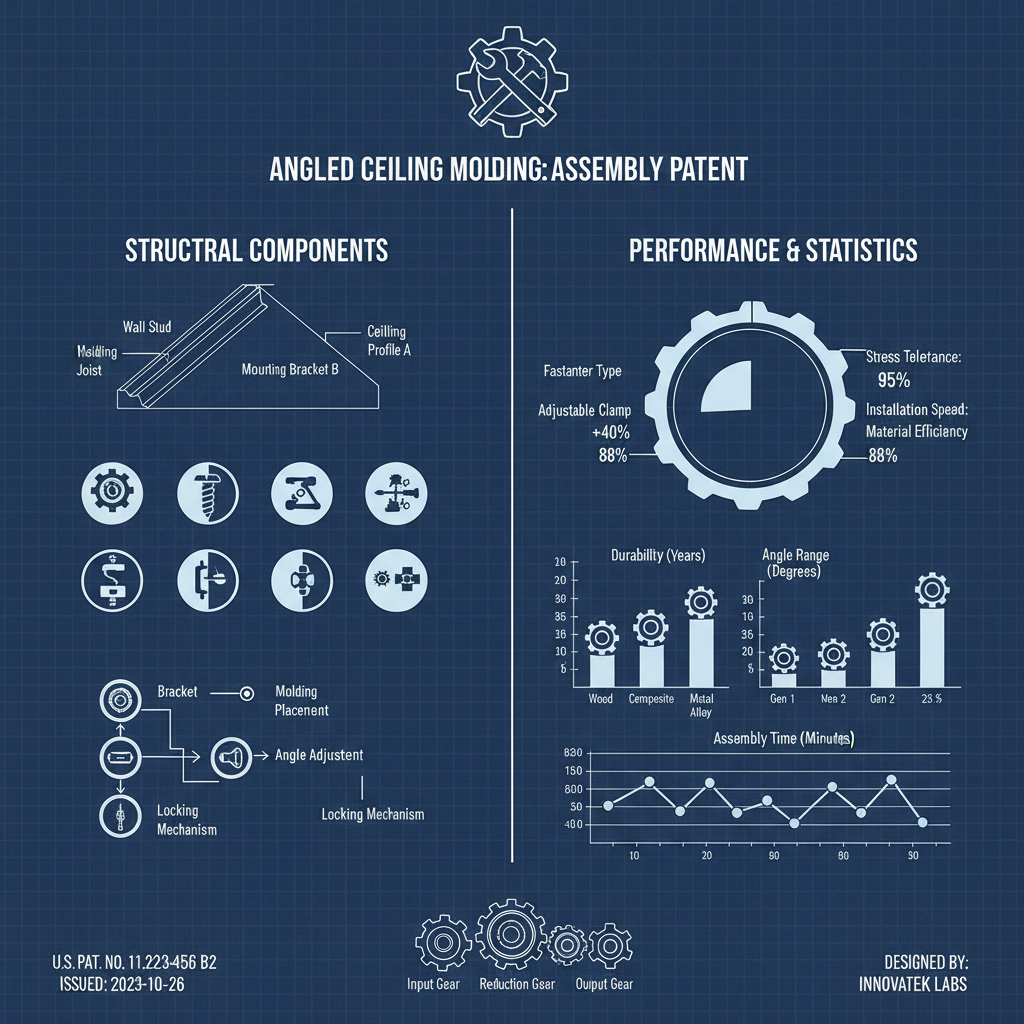
When incorporating angled ceiling molding into your design, consider the overall style of the room. For a traditional look, choose ornate, detailed molding. For a modern aesthetic, opt for simpler, cleaner lines. Pay attention to the height of the ceiling and the size of the room. Larger rooms can handle more elaborate molding, while smaller rooms may benefit from a more subtle approach. Also, consider the color scheme and choose a molding color that complements the existing décor. With careful planning, angled ceiling molding can dramatically enhance the beauty and sophistication of your space.
The angled ceiling molding from Jinka IBM offers a transformative solution for spaces with sloped ceilings. By understanding the benefits, material options, installation techniques, and design considerations outlined in this guide, you can confidently embark on a project that enhances the aesthetic appeal and value of your home. Don't let challenging ceiling angles limit your design potential – embrace the possibilities with expertly crafted angled ceiling molding.
You'll need a miter saw (essential for accurate angle cuts), a measuring tape, a protractor or angle finder, a level, a construction adhesive gun, finishing nails and a nail gun (or hammer), a caulk gun, sanding paper, and painting/staining supplies. Depending on the material of the molding, you may also need specific cutting blades for the miter saw. Safety glasses are highly recommended throughout the installation process.
Yes, most angled ceiling molding materials can be painted. Polyurethane, MDF, and wood molding are all excellent candidates for painting. PVC may require a specific primer designed for plastic surfaces. Before painting, ensure the molding is clean, dry, and sanded smooth. Apply a primer coat for better adhesion and coverage, then apply two coats of paint in your desired color.
Use a protractor or angle finder to accurately measure the angle of your ceiling where the molding will be installed. Transfer this angle to your miter saw. It’s always best to test a small piece of molding first to ensure the cut is accurate before cutting the entire length. Remember to account for the direction of the slope – cuts for left and right corners will differ.
Yes, angled ceiling molding is suitable for high ceilings. In fact, it can be particularly effective in drawing the eye upwards and creating a more balanced look in rooms with tall ceilings. However, you may need to use larger, more substantial molding profiles to maintain visual proportion. Proper scaffolding or a sturdy ladder will be essential for safe installation at higher elevations.