C Channel Metal Furring: The Unsung Hero of Industrial Framing
After spending over a decade working alongside contractors and engineers in the industrial equipment sector, I've come to appreciate the humble c channel metal furring like few other materials. It’s not flashy, not a star player, but it quietly holds the fort — literally, in walls and ceilings where you’d least expect it.
Why C Channel Metal Furring Still Holds Its Ground
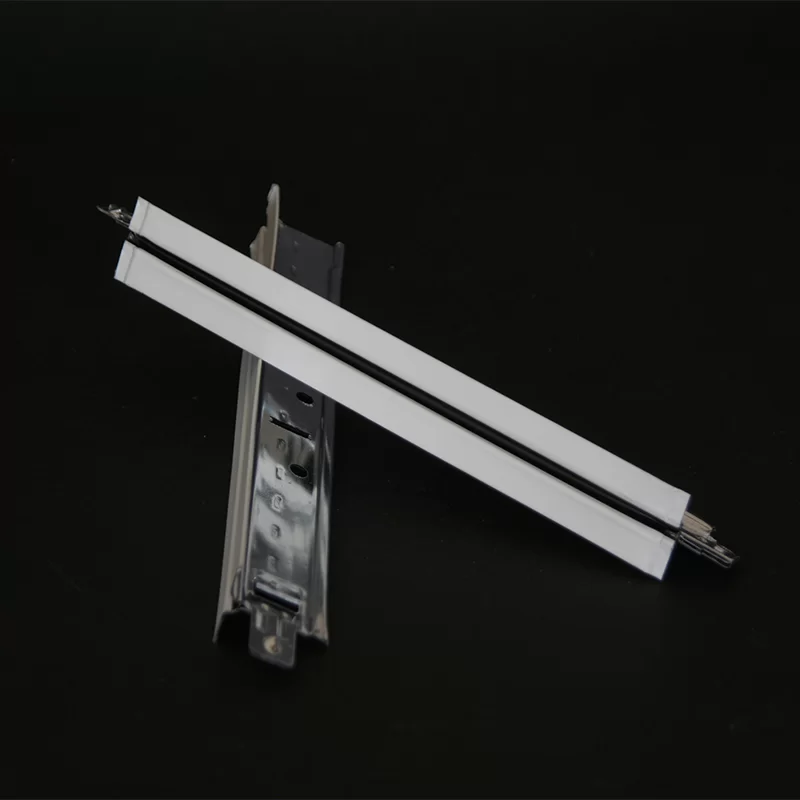
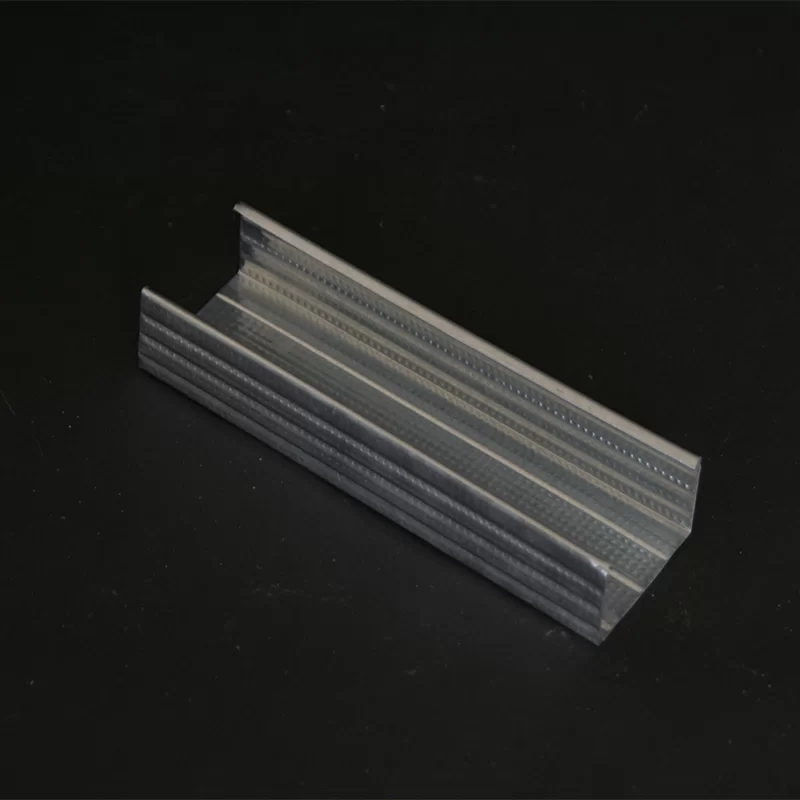
If you've ever peeked behind drywall or looked up at a dropped ceiling, you've probably seen these steel or galvanized strips running in neat rows. What feels like a simple piece of metal is actually essential for creating solid, flexible frameworks. Frankly, in industrial settings, where durability is king, using c channel metal furring means you aren’t just building; you're future-proofing.
Engineers often cite its weight-to-strength ratio as a standout factor. It’s strong enough to handle various loads — whether it’s holding heavy ductwork or supporting insulated panels — yet lightweight enough to ease installation and ongoing adjustments. Not to forget, corrosion resistance, especially when coated, is critical in industrial environments that see moisture or harsh chemicals.
Material & Design: What Makes a Good Metal Furring Channel?
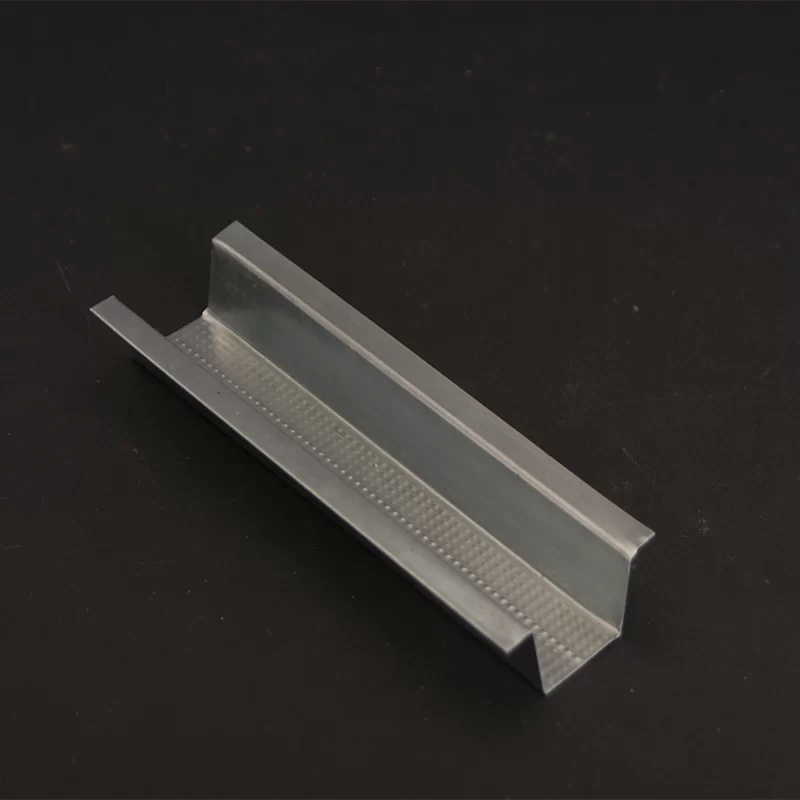
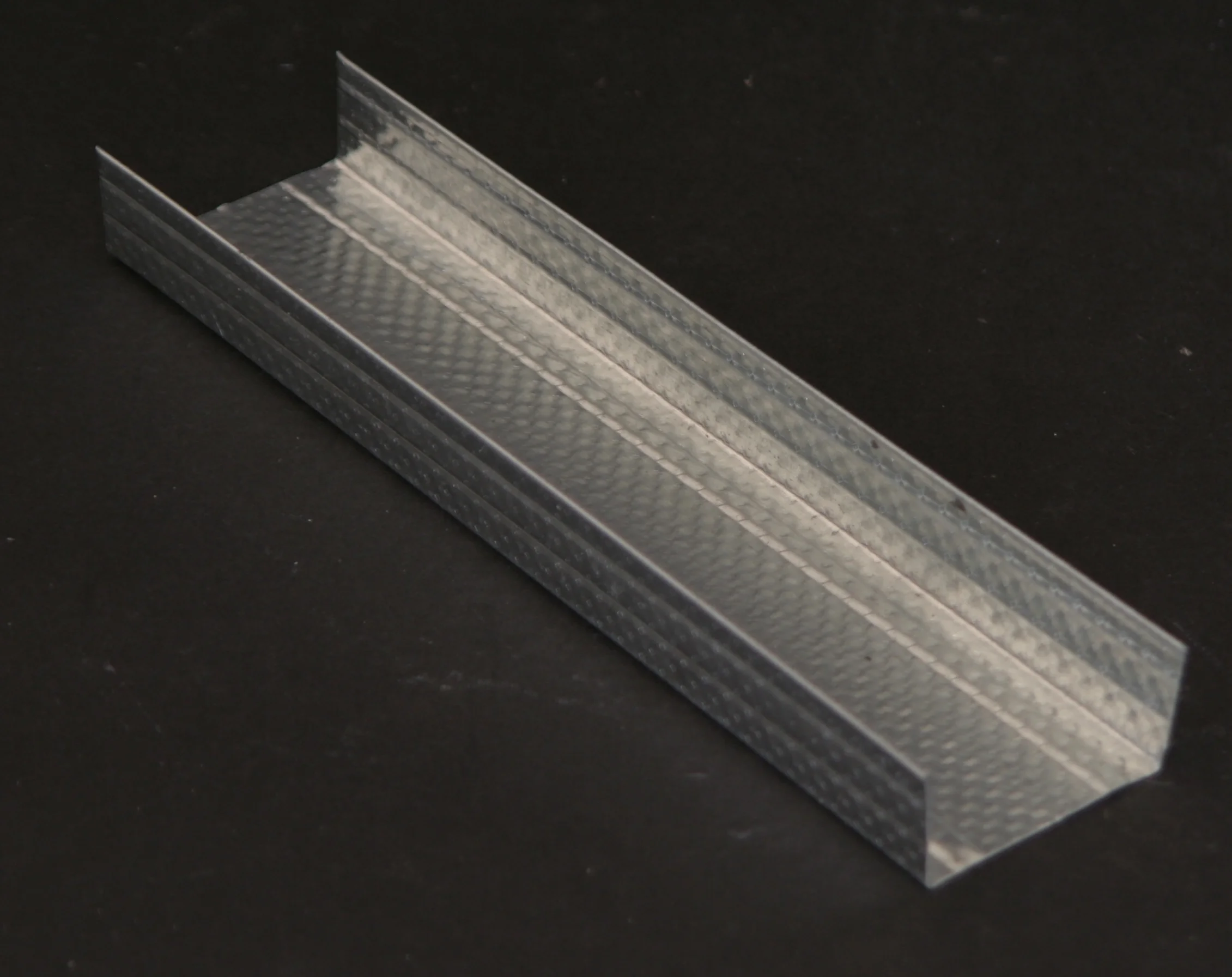
Steel is the most common choice. You’ll find everything from cold-rolled galvanized steel to stainless steel options, each tailored for specific conditions. The 'C' in the name comes from its cross-sectional shape — it’s like a channel or a shallow "U" — which lends extra rigidity without unnecessary weight. I once saw a project use c channel metal furring as a frame for heavy industrial insulation, and it held firm even through some pretty aggressive vibration testing.
Thickness can vary typically from 0.5mm up to 1.5mm, with projects demanding thicker gauges when mechanical strength is non-negotiable. Width and height also matter, depending on the design — some custom jobs require atypical sizes. And oddly enough, even the holes punched in the steel for fasteners can influence performance; too big, and you risk flexing, too small, and it’s tedious to assemble.
Typical Specifications of C Channel Metal Furring
| Parameter |
Value / Range |
Notes |
| Material |
Cold Rolled Galvanized Steel |
Standard choice for corrosion resistance |
| Thickness |
0.5 mm to 1.5 mm |
Dependent on load and rigidity |
| Height |
20 mm to 50 mm |
Common sizes for ceiling framing |
| Length |
3 m to 6 m (customizable) |
Cut-to-size available |
| Finish |
Galvanized or Powder Coated |
For longevity and aesthetics |
Comparing Vendors: What Should You Look For?
Having worked with a handful of suppliers, I find it’s easy to get caught up in price wars. But it’s more than just cost per meter — availability, customization options, lead times, and consistency matter. Some manufacturers offer pre-punched channels with specific hole spacing to speed installation. Others might provide better corrosion protection or heavier gauge options.
I actually once had a client who switched vendors mid-project because the supplied furring was slightly thinner than spec. It didn’t exactly fail, but... it didn’t inspire confidence either. So, I always recommend checking certification and, if possible, visiting the production site or at least reviewing sample batches.
Vendor Comparison Overview
| Vendor |
Material Options |
Customization |
Lead Time |
Pricing (per meter) |
| Jinkai BM |
Galvanized Steel, Stainless |
Custom lengths & hole patterns |
1-2 weeks |
Competitive |
| SteelWorks Inc. |
Galvanized Only |
Standard sizes |
3-4 weeks |
Low |
| MetalFurr Ltd. |
Stainless and Galvanized |
Custom, but minimum qty |
2-3 weeks |
Mid-range |
In Real Terms: A Quick Case Reflection
I remember a food processing plant retrofit where the engineer insisted on using c channel metal furring for the ceilings, to abide by strict hygiene and fire code regulations. The coolest part? The metal channels integrated so well with antimicrobial coatings and easy-to-clean surfaces. The project ran smoother than expected and the installation team praised how straightforward fastening was thanks to consistent hole spacing. You don’t always get that with cheaper alternatives.
To wrap this up: while c channel metal furring might not spark the same excitement as a shiny new machine or tech innovation, its quiet strength keeps industrial projects standing tall and functioning smoothly. Next time you’re planning a build, don’t overlook the backbone—it’s very often the channels supporting the walls and ceilings.
— Joe M., Industrial Equipment Specialist
References
- Industry Insights: Metal Furring Channels and Applications, Industrial Metals Journal, 2023
- Jinkai BM Product Specification Sheet, 2024
- Quality Control Reports from Various Vendors, Field Reviews, 2022-2024