Understanding Commercial Steel Stud Framing: The Backbone of Modern Construction
Whenever you walk into a sleek office building or a sprawling shopping mall, chances are, behind those polished walls sits a network of commercial steel stud framing. It's one of those invisible heroes of construction—strong, reliable, and surprisingly versatile. But why does it matter so much, especially when the world is shifting towards sustainability, speed, and resilience in building design?
Well, in an era where urbanization is on the rise and infrastructure needs are ballooning, commercial steel stud framing offers a solution that’s not only efficient but scalable across continents. It underpins rapid commercial developments, keeps construction standards high, and often even helps overcome supply chain challenges worldwide.
The Global Stage: Why Commercial Steel Stud Framing Has Become a Game-Changer
The United Nations estimates that by 2050, nearly 68% of the world’s population will live in urban areas, driving immense demand for commercial spaces like offices, hospitals, hotels, and retail centers. This places pressure on architects and builders to deliver structures quickly, safely, and sustainably.
UN urbanization data makes it clear that traditional building methods can struggle with time and resource efficiency, which is exactly where commercial steel stud framing enters the spotlight. Its modular nature solves many challenges associated with concrete or timber alternatives.
Yet, there’s a persistent challenge: how to keep construction affordable without compromising durability or design flexibility. Steel stud framing has been answering that call, worldwide.
What Exactly Is Commercial Steel Stud Framing?
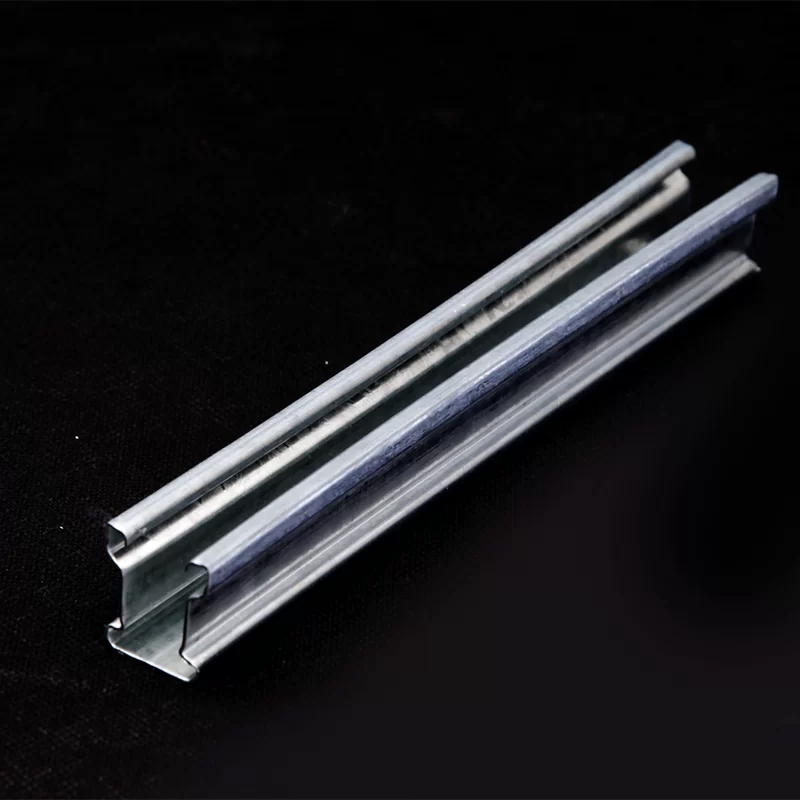
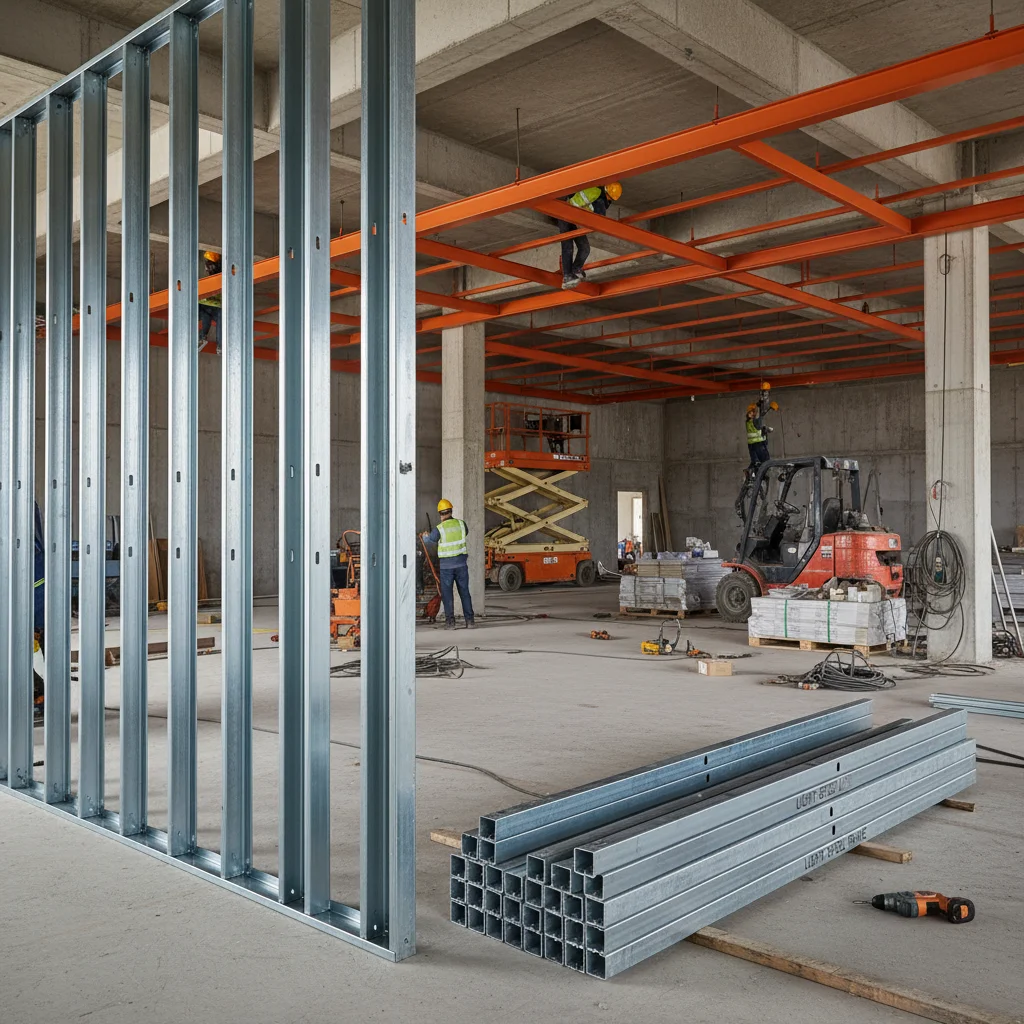
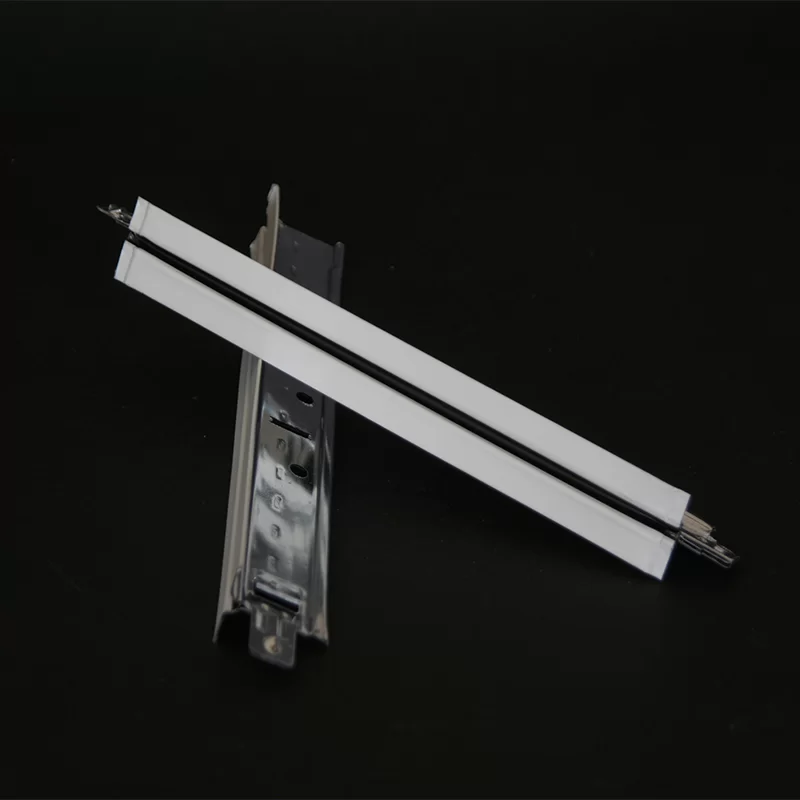
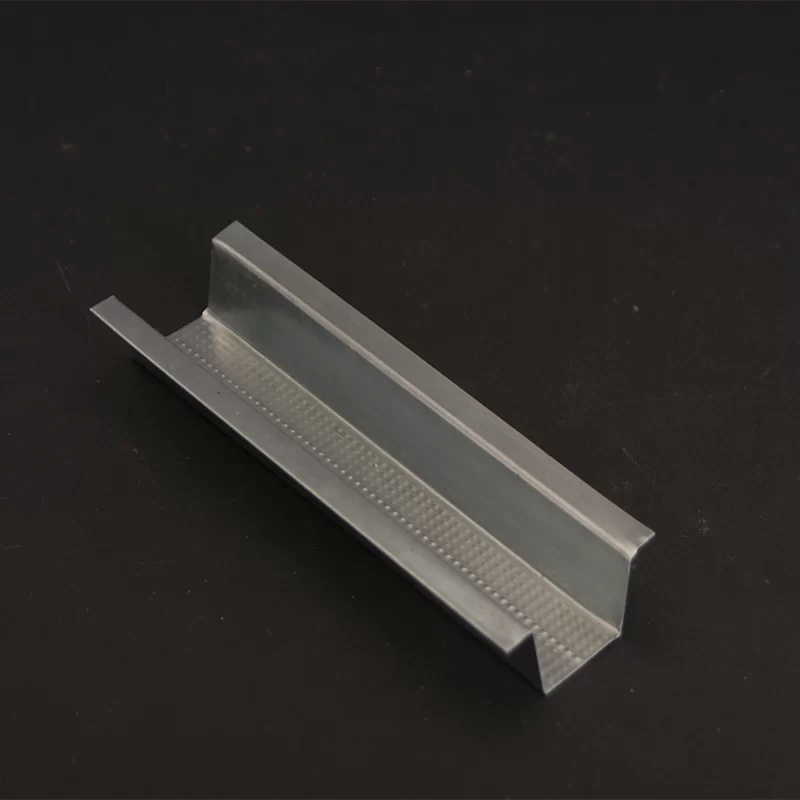
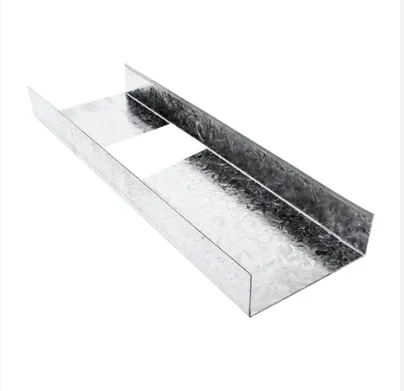
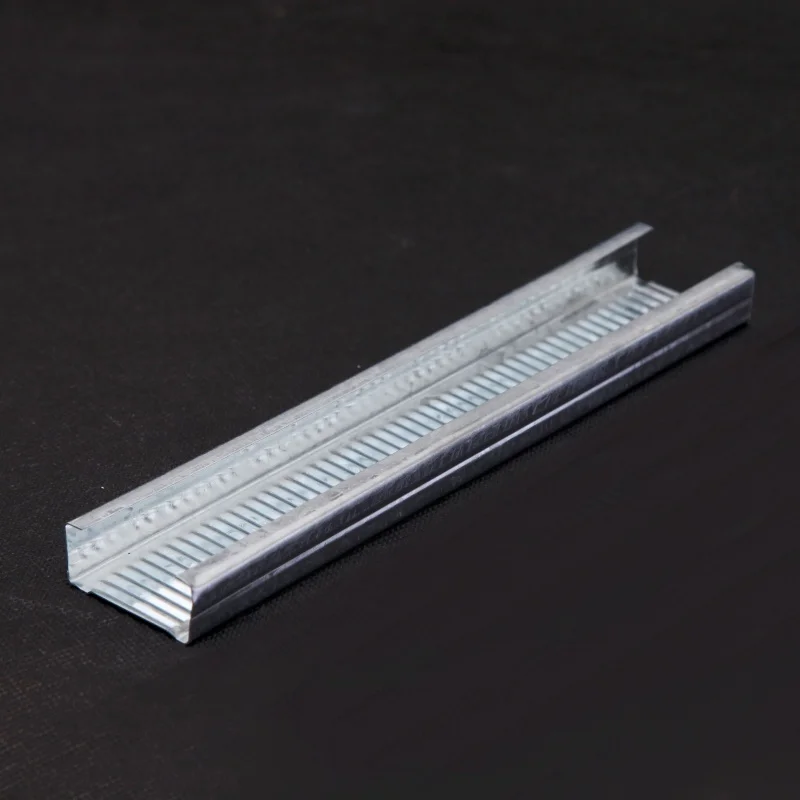
Simply put, commercial steel stud framing is a skeleton framework made from cold-formed steel members — the “studs” — that create the internal walls and partitions of commercial buildings. These studs replace traditional wood framing, offering greater strength, better fire resistance, and enhanced durability.
Often galvanized to prevent corrosion, these steel studs support drywall, electrical systems, HVAC, and more, making them essential to modern architectural design and construction demands.
On a humanitarian note, commercial steel stud framing also plays a role in rapid-deployment shelters and modular buildings, which are crucial in disaster relief and rebuilding efforts around the globe.
Core Components of Commercial Steel Stud Framing
1. Durability & Strength
Unlike wood, steel doesn’t warp, rot, or get attacked by termites. This property alone can significantly extend a building’s lifespan, especially in humid or pest-prone environments.
2. Scalability & Speed of Installation
Steel studs come in standardized sizes, but they also offer customization options. Builders appreciate how quickly frames can be erected with pre-cut studs and dry-fix systems, which reduce on-site labor and minimize delays.
3. Fire Resistance
Steel is non-combustible, which drastically improves fire safety ratings for commercial buildings—a top priority for building codes worldwide.
4. Sustainability
Steel framing often contains recycled materials and is itself recyclable. It lowers deforestation rates compared to timber framing, aligning well with ISO environmental standards for green building.
5. Cost Efficiency
While initial material costs may be higher than timber, the savings from reduced labor, faster project timelines, and fewer repairs often tip the balance, resulting in better lifecycle economics.
Quick takeaway: Steel stud framing blends durability, speed, and sustainability, making it a strong candidate for today’s and tomorrow’s construction challenges.
Where and How is Commercial Steel Stud Framing Used Globally?
In regions like North America and Europe, vast commercial complexes rely heavily on steel stud framing due to stringent building codes and demand for fast turnover. In Asia-Pacific, rapid urban growth in cities like Singapore and Tokyo has led to widespread adoption, especially in high-rise interior partitions.
Beyond metropolitan zones, humanitarian NGOs employ steel stud systems in post-disaster relief operations to quickly restore schools, clinics, and housing — places where speed and safety can't be compromised.
Industries such as healthcare appreciate the non-combustible nature and hygienic surfaces steel framing supports. Meanwhile, tech campuses opt for it to build flexible office interiors that can evolve with their workforce.
Commercial Steel Stud Framing: Benefits That Matter
- Lower lifetime costs: Reduced maintenance and fewer replacements pay off.
- Improved safety: Fire resistance and stability mean buildings stand firm in emergencies.
- Environmental responsibility: Recycling and minimal waste make it greener than alternatives.
- Design flexibility: Architects get creative without compromising strength.
- Enhanced human experience: Safer, nicer workplaces and public spaces promote wellbeing.
In essence, steel stud framing isn’t just about metal beams; it’s about building trust in infrastructure that supports communities and economies for decades.
Product Specification Table: Typical Commercial Steel Stud Framing
| Specification |
Details |
| Material | Cold-formed galvanized steel |
| Stud Widths | 1-1/4", 1-5/8", 2-1/2", and custom sizes |
| Thickness | 20 to 25 gauge (0.031 to 0.018 inch) |
| Length | 8 to 12 feet standard (customized available) |
| Fire Rating | Up to 2 hours with drywall assembly |
| Recycled Content | Up to 95% |
How Do Vendors Stack Up? A Quick Comparison
| Vendor |
Product Range |
Customization |
Geographic Reach |
Sustainability Focus |
| SteelBuild Corp. | Standard & custom studs, tracks | High | Global | ISO 14001 certified |
| FrameTech Ltd. | Narrow-range, focused on fire-rated assemblies | Medium | North America & Europe | Recycling program |
| GreenStruct Solutions | Eco-friendly steel with recycled content | High | Asia-Pacific | Leadership in sustainability |
Emerging Trends & Innovations in Commercial Steel Stud Framing
The future is bright—and a little shiny—for commercial steel stud framing. Automated cutting and modular prefabrication are speeding up projects like never before. Add digital twins to the mix, and you get highly precise assemblies reducing on-site errors.
Green building certifications are pushing manufacturers toward even more recycled content and lower embodied energy in steel production. Some pioneer companies are experimenting with alloy blends to cut weight without sacrificing strength—oddly enough, something steel hasn’t had to do much before.
Plus, with climate change threatening to worsen extreme weather and fire hazards, non-combustible framing benefits are only going to become more valuable.
Challenges in Commercial Steel Stud Framing and How to Solve Them
Despite all its perks, commercial steel stud framing has challenges. Corrosion in coastal environments, thermal bridging (which impacts insulation), and higher upfront costs can be obstacles. Yet, many engineers say these are manageable with proper coatings, thermal breaks, and integrated design.
New hybrid framing techniques combine steel with insulated panels to tackle energy efficiency. Meanwhile, evolving standards and training programs are helping contractors master steel’s particularities—making installation smoother and mistakes less costly.
FAQ: Your Common Questions About Commercial Steel Stud Framing
- Q: How does steel stud framing compare to wood for commercial buildings?
- A: Steel studs are stronger, non-combustible, and resistant to pests and rot. While wood may be cheaper initially, steel’s longevity and fire safety often save costs long-term.
- Q: Can commercial steel stud framing be used in earthquake-prone areas?
- A: Absolutely. Steel’s flexibility helps absorb seismic forces better than brittle materials, making it ideal in many earthquake-resistant designs.
- Q: Is commercial steel stud framing environmentally friendly?
- A: Yes, especially when produced with high recycled content. Plus, steel framing reduces wood usage, helping prevent deforestation.
- Q: How long does installation typically take for steel stud framing?
- A: Installation times vary, but many projects report 20-30% faster framing compared to traditional wood methods, thanks to prefabrication and lightweight components.
- Q: Can steel stud framing be customized for specialized building needs?
- A: Definitely. Steel studs come in various gauges, widths, and lengths, and can be customized to fit unique designs or load requirements.
Wrapping Up: Why Invest in Commercial Steel Stud Framing?
In real terms, commercial steel stud framing is more than just another construction method; it’s a paradigm shift in how we think about building commercial spaces — faster, smarter, and greener. As urban demands grow and environmental policies tighten, steel’s role only gains weight.
For builders, architects, and developers looking to future-proof their projects with durability, sustainability, and efficiency, it’s worth diving deeper into commercial steel stud framing. Whether you’re planning a skyscraper or a modular clinic, understanding the steel skeleton beneath is the first step to making sure your project stands the test of time.
Enough about steel studs for now... but I can’t help wondering what innovations we’ll see next — maybe robots installing them on site?
References & Further Reading
- UN Department of Economic and Social Affairs - Urbanization Prospects
- ISO 14001: Environmental Management Standards
- Wikipedia – Steel Frame Construction