Understanding Dry Lining Metal Studs: A Global Necessity in Construction
Dry lining metal studs might sound like niche jargon, but they’re quietly shaping how we build interiors worldwide — from skyscrapers in Manhattan to emergency shelters in refugee camps. The term refers to the structural steel framework used for creating non-load-bearing partitions and ceilings, which are then covered with plasterboard or drywall. Importantly, grasping this concept helps engineers, architects, humanitarian workers, and even policymakers improve building efficiency, cost-effectiveness, and sustainability on a global scale.
Why care? Because drywall systems using metal studs can slash construction time, reduce waste, and adapt to changing needs without heavy demolition. As urbanization surges, and climate resilience becomes critical, dry lining metal studs are at the heart of smarter, more sustainable construction.
The Global Context: Why Dry Lining Metal Studs Matter Now
When you look at global construction trends — the UN estimates nearly 2.5 billion people will need access to safer housing by 2030 — the demand for flexible, durable, and efficient interior wall systems skyrockets. In commercial and residential buildings alike, dry lining frameworks built with metal studs are booming. According to ISO standards on construction materials, steel metal studs not only outperform timber in fire resistance and longevity but also support sustainable development goals by reducing deforestation impacts.
But here’s the rub: traditional masonry or timber-framed partitions simply can’t keep pace with modern needs — speed, scalability, and environmental footprint. Dry lining metal studs come in to bridge that gap, offering rapid installation paired with incredible adaptability. For example, disaster relief agencies have turned to metal studs for fast-deploy housing because the lightweight frames ship easily and withstand harsh conditions far better than wood in humid or cyclone-prone regions.
What Exactly Is a Dry Lining Metal Stud?
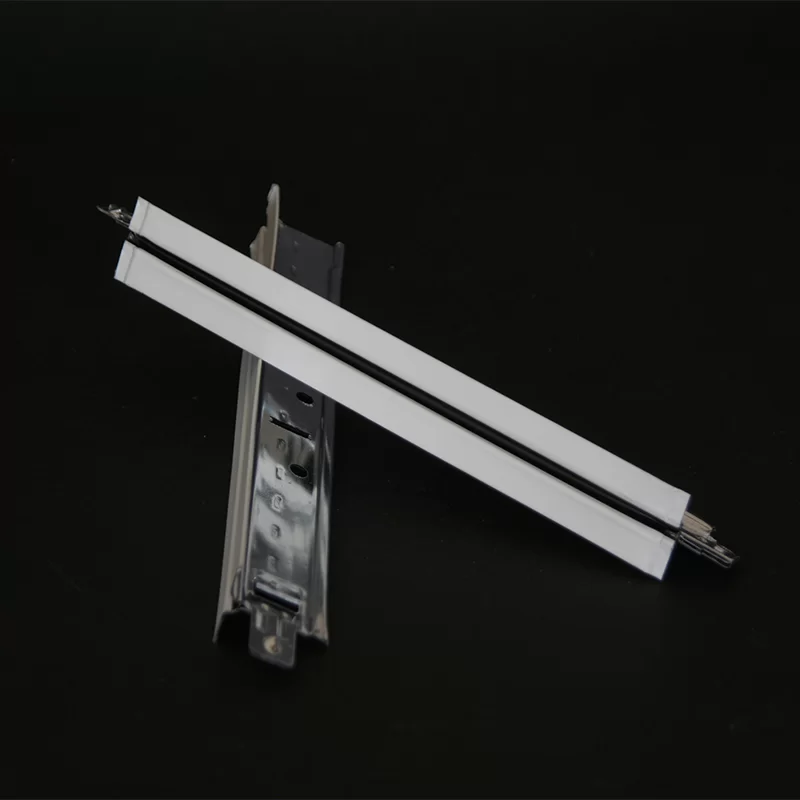
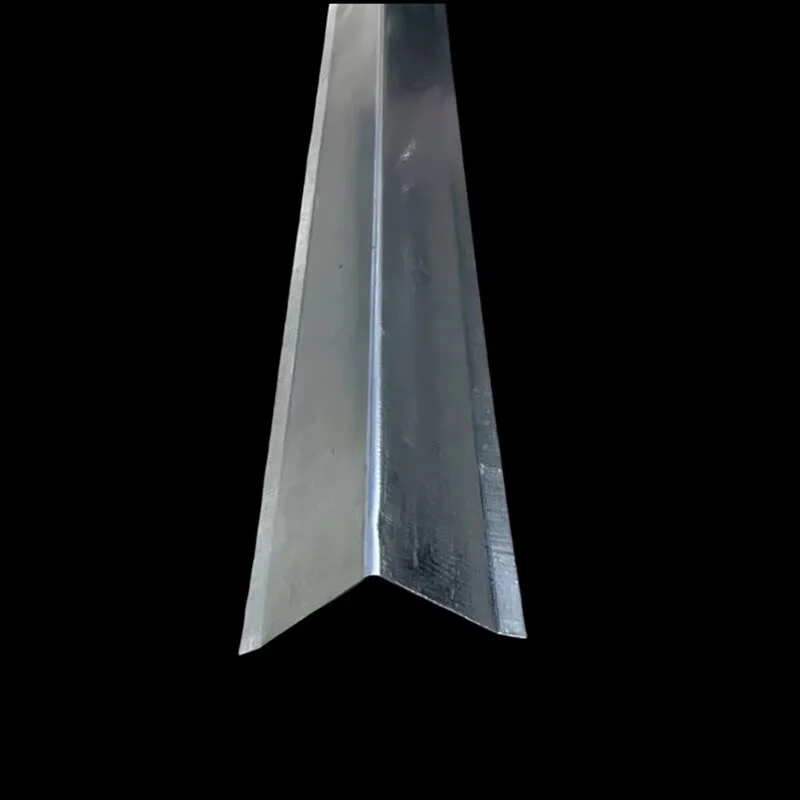
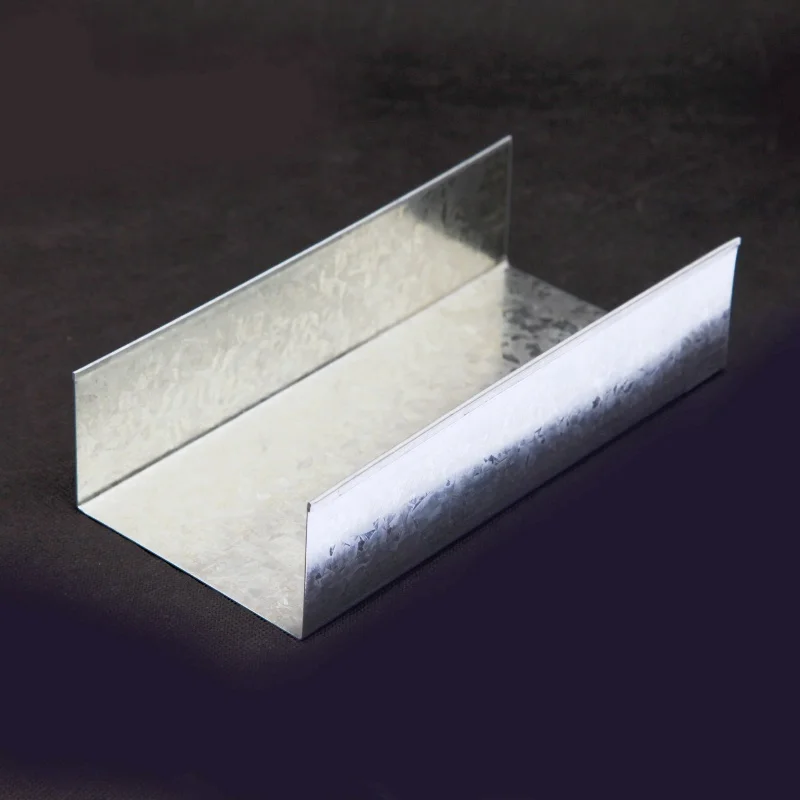
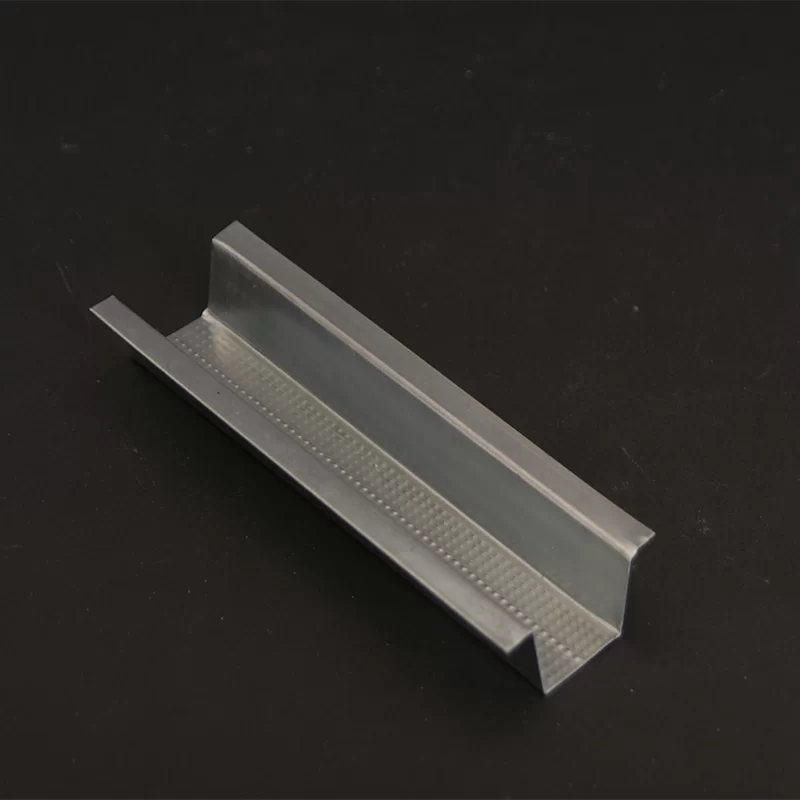
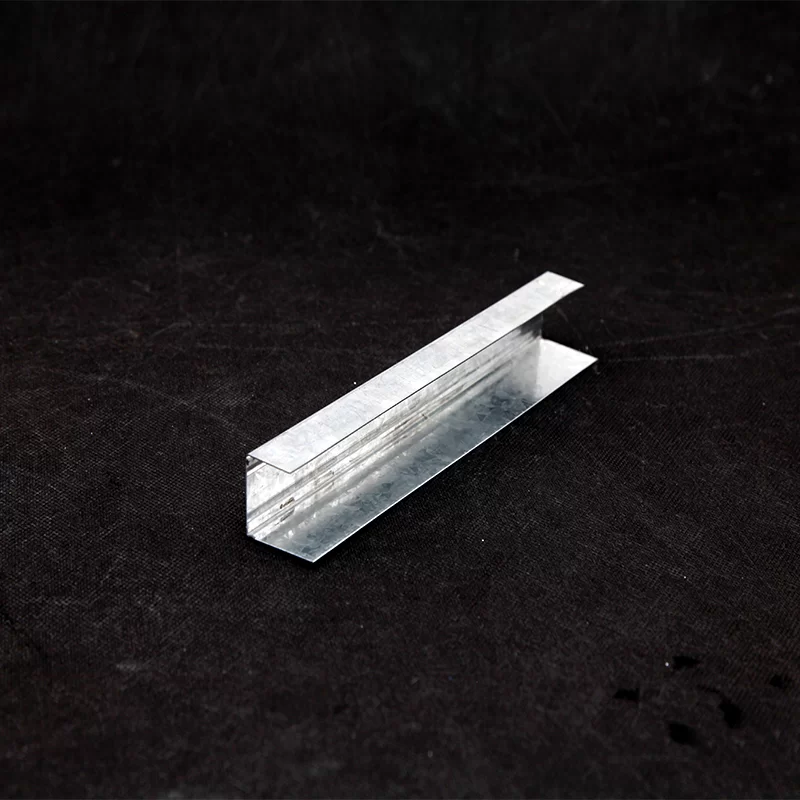
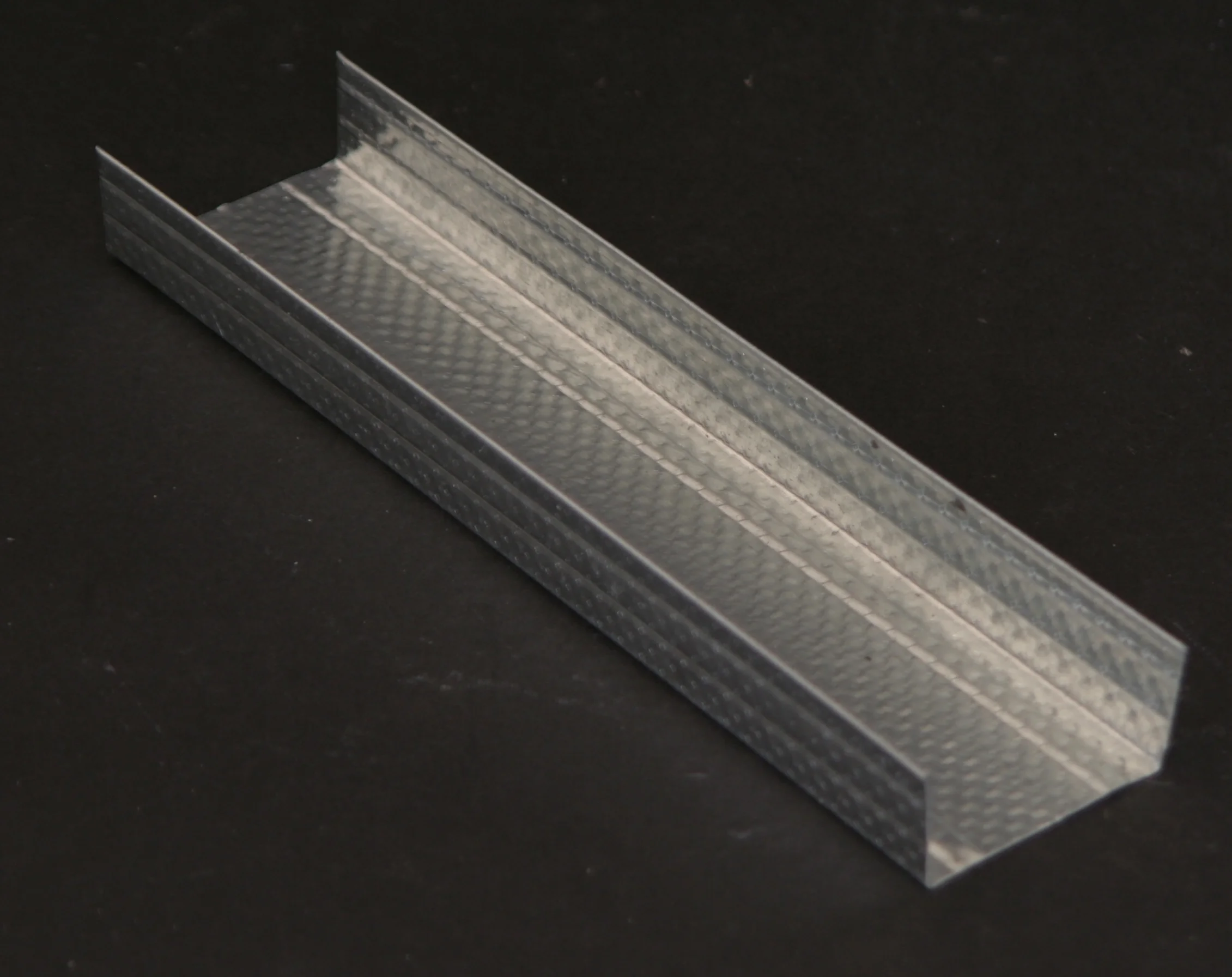
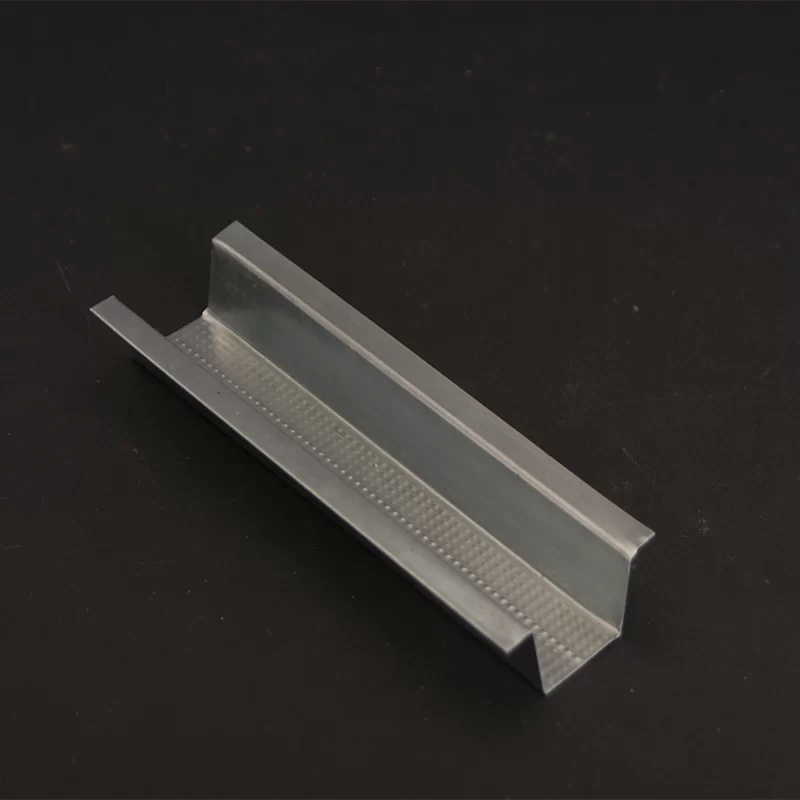
At its core, a dry lining metal stud is a lightweight, cold-formed steel profile designed to form the skeleton of internal walls and partitions without the need for wet plaster or mortar. Think of them as the “bones” behind a drywall system. These studs come in various shapes, most commonly 'C' or 'U' channels, providing solid, straight support for the sheets of plasterboard attached on either side.
In modern industry, dry lining metal studs aren’t just about holding up walls; they’re part of modular, scalable building systems that let you assemble interiors quickly, even in challenging environments where traditional construction would be prohibitively slow or wasteful.
Key Attributes You Can’t Overlook
Durability & Load Capacity
Unlike timber, steel metal studs resist warping, rot, and pests. I often hear from construction managers that once you go metal, you never go back, especially on projects requiring fire and earthquake compliance.
Cost Efficiency
They cost a bit more upfront compared to timber, but their longevity and fast installation times save money overall. It’s the classic trade-off where time is money, and metal studs often come out ahead.
Scalability & Flexibility
Want to reconfigure an office layout or expand a clinic ward quickly? Metal stud partitions make modifications easier, avoiding major demolition or rebuilding.
Environmental Sustainability
Most steel studs today use recycled content and are themselves recyclable, fitting squarely into circular economy goals. Wood framing tends to come with heavier environmental concerns, especially when sourced unsustainably.
Fire & Safety Compliance
Steel doesn’t burn. When paired with fire-rated plasterboard, dry lining assemblies contribute to safer buildings — a crucial factor in densely populated urban centers or industrial plants.
Mini Takeaway:
Durability, cost efficiency, and sustainability come together nicely in dry lining metal studs, making them a staple for modern, responsible construction worldwide.
Real-World Applications of Dry Lining Metal Studs
Where do these metal studs really shine? Everywhere from luxury hotels to makeshift disaster shelters.
- Urban Commercial Buildings: Offices and malls rely on lightweight partitions for rapid refurbishment and tenant customization.
- Healthcare Facilities: Hospitals, clinics, and mobile medical units require hygienic, quick-to-install walls adaptable to evolving needs.
- Disaster Relief & Humanitarian Housing: NGOs deploy prefab housing kits featuring steel studs due to their durability and lightness during transport.
- Industrial Sites: Remote mining or oil rigs use metal stud interiors because they withstand harsh conditions better than timber.
For example, after typhoon Haiyan, aid organizations in the Philippines used steel studs to rebuild school classrooms quickly without compromising safety. The studs allowed fast assembly with minimal onsite welding or heavy tools — a huge win in resource-scarce environments.
Advantages & Long-Term Value of Dry Lining Metal Studs
It’s tempting to feel the warmth of timber or brick and ask, “Why metal?” But the benefits stack up pretty clearly:
- Economic Savings: Fewer man-hours, less material waste, and reduced maintenance costs down the line.
- Environmental Impact: Reduced carbon footprint, thanks to recyclability and less need for hauling heavy materials.
- Safety & Comfort: Improved fire resistance and acoustic insulation options for occupants’ peace of mind.
- Social Benefits: Fast construction means safer shelters or clinics come online sooner, impacting lives positively.
Frankly, for anyone involved in construction or shelter planning, dry lining metal studs bring a mix of innovation and reliability that's hard to match. They feel like the unsung heroes of the built world.
Looking Ahead: Trends Shaping Dry Lining Metal Stud Innovations
The industry is buzzing with exciting developments. For one, ultra-lightweight alloys and protective coatings are improving corrosion resistance, especially for coastal or humid climates.
Digital tools like BIM (Building Information Modeling) are allowing designers to optimize stud placement for strength and thermal efficiency before a single cut is made. Some firms are even integrating smart sensors to track structural health in real-time — neat, right?
Then there’s the sustainability push: innovations surrounding greener steel production methods and the use of carbon capture technology are slowly filtering into the metal stud supply chains, making them more environment-friendly than ever.
Challenges and How Experts Are Tackling Them
Of course, it’s not all smooth sailing. One common complaint involves the thermal bridging effect — steel studs can conduct heat and potentially reduce insulation performance if not properly managed. The good news? New thermal break materials and clip systems are helping minimize this drawback.
Also, improper installation can lead to crooked walls or squeaks — meaning quality control and skilled labor still make a difference. Manufacturers now often provide prefabricated wall frames, cutting onsite error rates substantially.
Mini Takeaway:
While challenges exist, thoughtful product design and best installation practices are rapidly overcoming past hurdles, cementing dry lining metal studs’ place in future constructions.
Product Specification Table: Typical Dry Lining Metal Stud Features
| Feature |
Description |
Typical Value |
| Material |
Cold-formed galvanized steel |
0.45 - 0.9 mm thickness |
| Stud Height |
Height varies by application |
50 mm to 305 mm |
| Standard Length |
Custom cut to site requirements |
3.0 - 4.2 m |
| Finish |
Galvanized coating for corrosion resistance |
Z275 (275 g/m² Zinc coating) |
| Fire Rating |
Dependent on gypsum board type |
Up to 2 hours UL tested |
Vendor Comparison: Leading Dry Lining Metal Stud Suppliers
| Supplier |
Product Range |
Regional Availability |
Sustainability Certifications |
Price Range |
| Jinkai Building Materials |
Standard & custom studs, tracks, acoustic frames |
Global, with hubs in Asia, Europe |
ISO 14001, LEED Compliant |
Competitive, volume discounts |
| SteelBuild Solutions |
Premium strength studs, specialty profiles |
North America, Europe |
ISO 9001, Cradle to Cradle Certified |
Mid to high tier |
| Global Metal Frames |
Standard studs, lightweight systems |
Asia, Middle East |
Basic environmental compliance |
Low cost |
FAQ: Quick Answers About Dry Lining Metal Studs
Q1: What’s the main advantage of dry lining metal studs over timber?
Steel studs offer greater durability, fire resistance, and stability, especially under humid or pest-prone conditions. They also allow for quicker installation and easier modifications without weakening structural integrity.
Q2: Can dry lining metal studs be used in high-moisture environments?
Yes, galvanized or otherwise coated steel studs resist corrosion well. Plus, when paired with moisture-resistant plasterboard, the system performs effectively in bathrooms, kitchens, and similar areas.
Q3: How long does a typical metal stud partition last?
If installed properly and maintained, metal stud partitions can last 50+ years, often outliving timber alternatives due to their resistance to rot, warping, and pests.
Q4: Are dry lining metal studs sustainable?
Most manufacturers utilize recycled steel and deliver recyclable products. Combined with reduced waste in installation, they’re a greener choice within modern building materials.
Q5: Can NGOs import dry lining metal stud kits easily for disaster relief?
Yes, many suppliers offer modular, pre-cut kits suitable for international shipping. Working with vendors specializing in humanitarian aid can simplify customs and logistics.
Wrapping Up: Why Dry Lining Metal Studs Deserve a Spot in Your Project
It turns out—surprise!—dry lining metal studs aren’t just empty frames. They’re a crucial piece in the puzzle of building faster, smarter, and with more respect for people and planet. Whether you’re upgrading a commercial office, designing a health clinic, or planning rapid housing solutions, metal studs adapt well to the task, bridging performance and sustainability.
Curious to explore more? Dive deeper by checking out the extensive range and expertise available at dry lining metal stud specialists and see how they can enhance your next build.
Mini Takeaway:
Dry lining metal studs combine innovation, resilience, and versatility — qualities every modern building deserves.
References & Further Reading
- ISO Standards on Steel in Construction
- United Nations Sustainable Housing Goals
- Wikipedia: Steel