Understanding Exterior Metal Framing: Building the Future, One Beam at a Time
When we talk about exterior metal framing, it's more than just steel beams and bolts. It’s a cornerstone of modern construction that’s quietly shaping skylines, speeding up disaster relief, and championing sustainability worldwide. Globally, as urban populations surge past 4.4 billion (World Bank, 2023), the demand for fast, durable, and versatile building methods grows exponentially. Exterior metal framing answers these calls by providing structures that are not only strong and lightweight but also adaptable and cost-effective.
Whether you’re an architect designing the next city landmark or an NGO rolling out emergency shelters, understanding exterior metal framing brings clarity to a method that’s both ancient in material and cutting-edge in application.
The Global Pulse: Why Exterior Metal Framing Matters Today
Across continents, from bustling cities in Asia to remote regions in Africa, the need for resilient buildings is urgent. Rising climate unpredictability, rapid urbanization, and a global push toward sustainability mean traditional masonry or wood framing is sometimes too slow, costly, or unsustainable.
Interestingly, the International Organization for Standardization (ISO) notes that metal-framed buildings, given proper insulation, reduce long-term environmental impact by cutting waste and enabling recyclability—a win-win for both developers and the environment.
But framing questions remain: How fast can a structure go up? How well will it last? And importantly, how flexible is the framing to changing uses or sites? Exterior metal framing, by design, tackles these head-on.
Mini takeaway: The global shift toward faster, greener, and more resilient construction methods roots deeply in the rise of exterior metal framing technologies.
What Exactly Is Exterior Metal Framing?
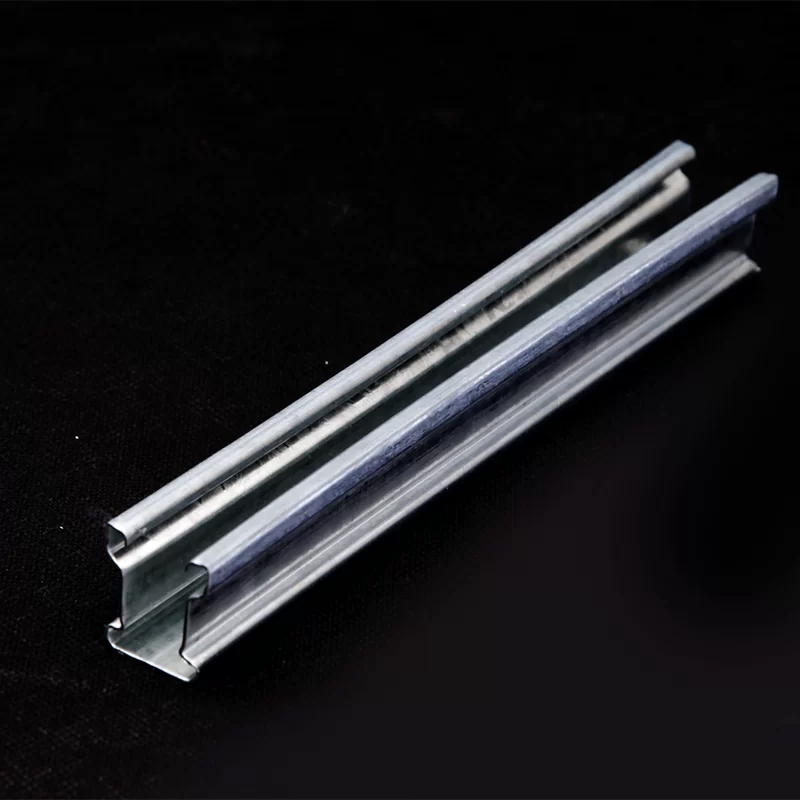
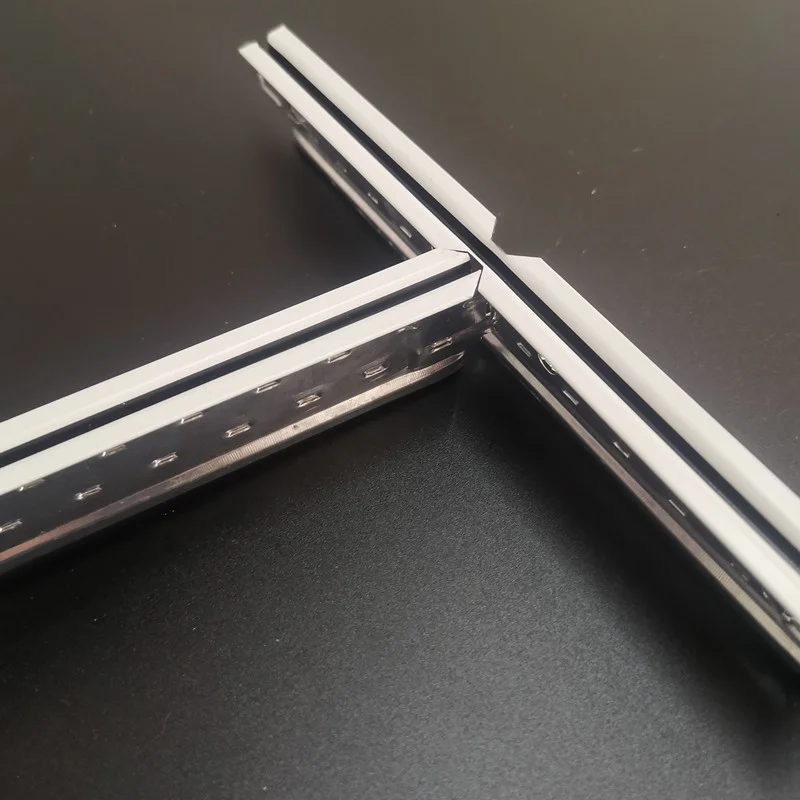
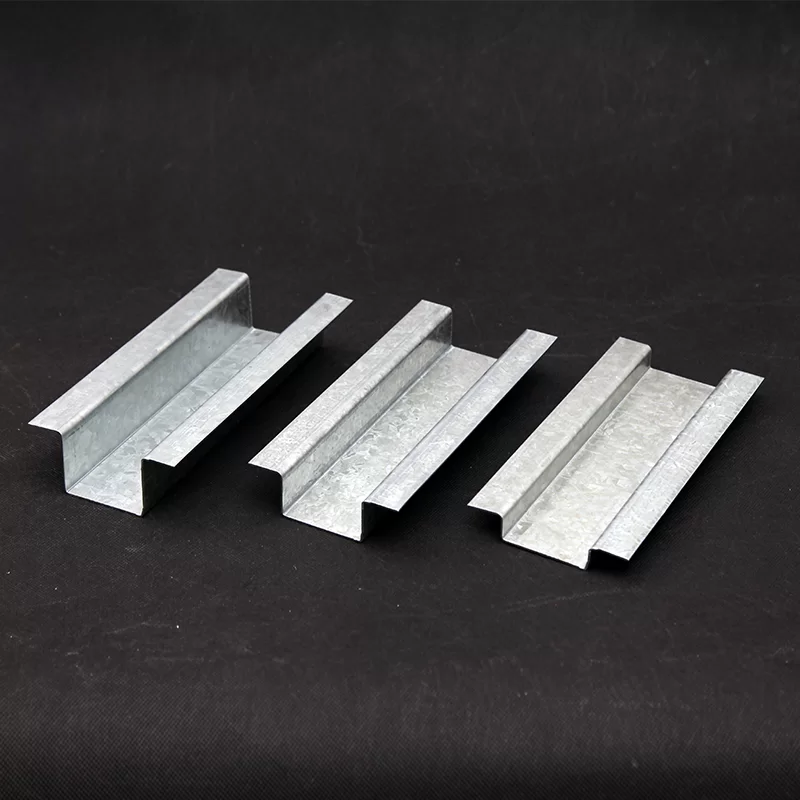
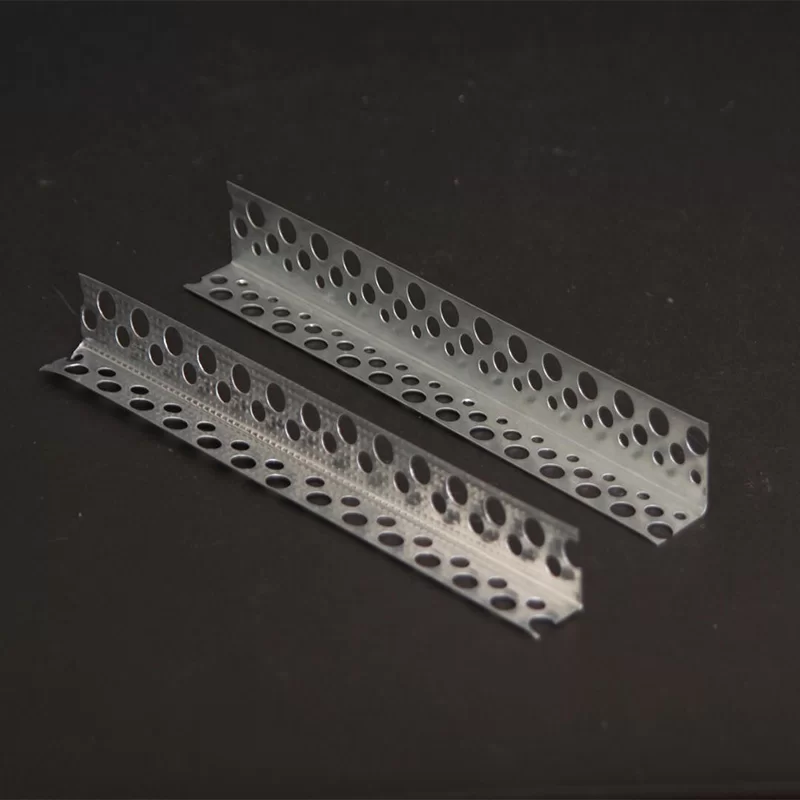
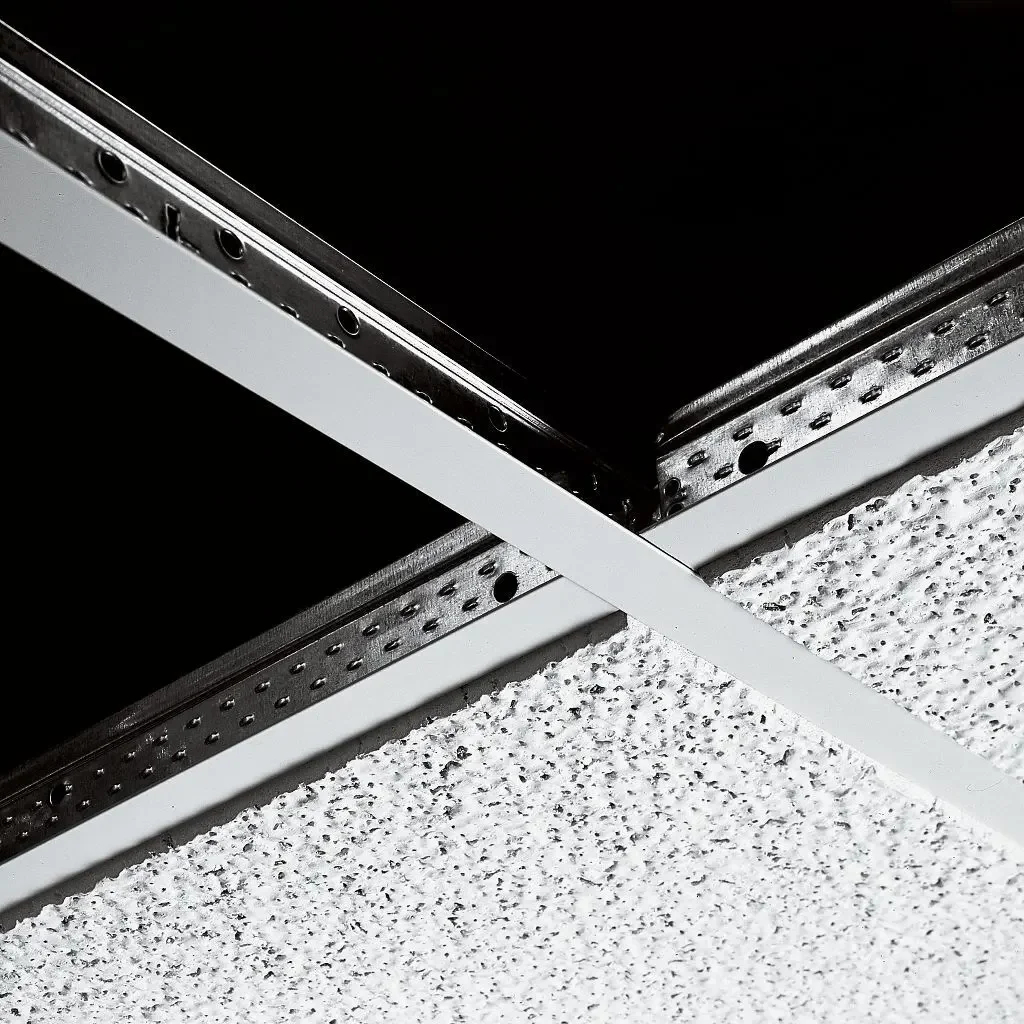
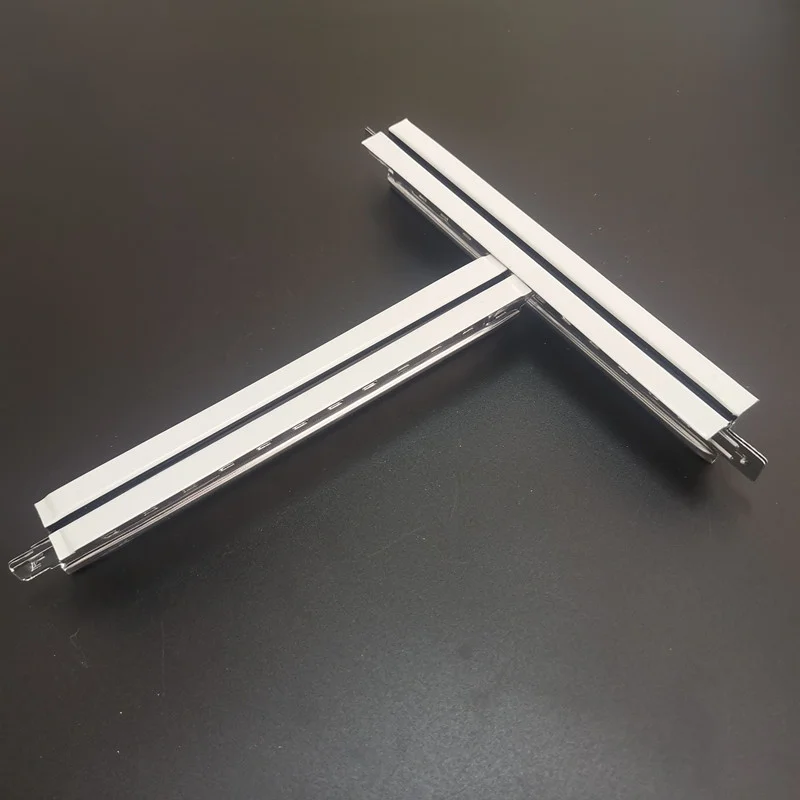
Put simply, exterior metal framing refers to the skeletal structure of a building that’s built using steel or aluminum components on the outside walls. Think of it as the “bones” that support and shape the outer shell of the building, contrasted with interior supports that handle internal loads.
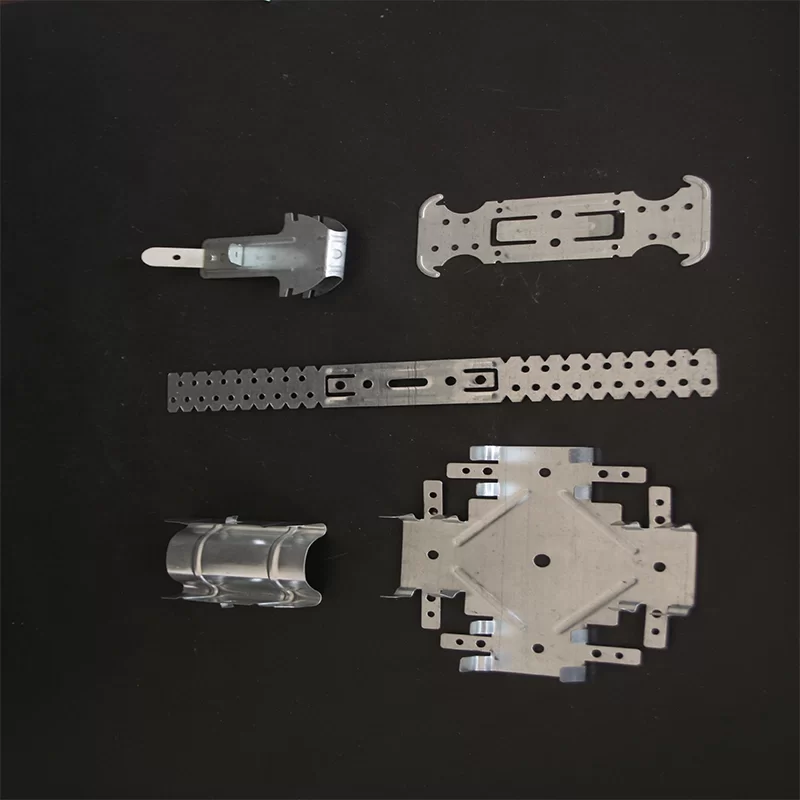
These frames serve as attachment points for exterior claddings like glass, composite panels, or brick veneer, combining strength and design flexibility. In humanitarian contexts, it’s this modularity and robustness that enable quick-assembly shelters or clinics where time and reliability mean everything.
Its Role in Modern Industry and Beyond
In industries—like commercial real estate, factories, and data centers—exterior metal framing allows for expansive open floor plans since interior columns can be minimized. For humanitarian agencies, it means migrating from tent-like shelters to semi-permanent housing that respects dignity and safety.
Mini takeaway: Exterior metal framing is both a structural staple and a design enabler that crosses industry lines from industrial construction to emergency response.
Core Components and Key Factors Impacting Exterior Metal Framing
1. Durability
Steel frames resist termites, rot, and fire far better than conventional wood. When galvanized or treated, these frames can last over 50 years with minimal maintenance, crucial for both long-term buildings and temporary shelters. Even in coastal or humid climates, anti-corrosion coatings preserve integrity.
2. Scalability
Components can be prefabricated then shipped as kits, allowing for rapid expansion or modification without major downtime. This kind of modularity is prized by engineers and disaster response teams alike.
3. Cost Efficiency
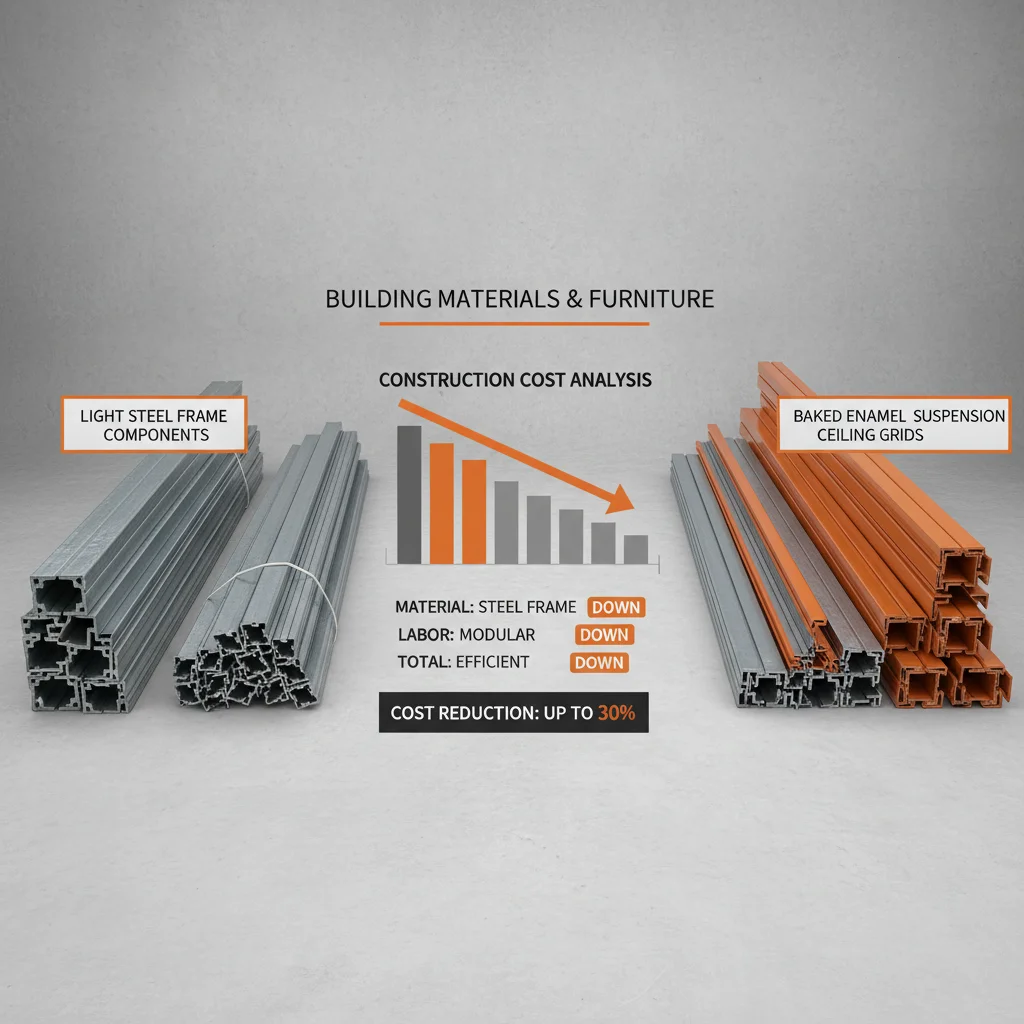
Despite upfront material costs often being higher than wood, savings emerge through faster build times, reduced labor, and longevity. The whole lifecycle cost usually swings in favor of metal frames.
4. Sustainability
Allowing for easy disassembly and reuse reduces landfill waste. Plus, steel production increasingly uses recycled content, reducing carbon footprints. With tightening green building standards, exterior metal framing fits into LEED and BREEAM guidelines.
5. Design Flexibility
They accommodate everything from sleek glass facades to rugged industrial exteriors. Architects love the freedom this provides, enabling bold, creative exteriors that would be hard to realize otherwise.
Mini takeaway: Beyond mere supports, the practical benefits of exterior metal framing lie in its durability, adaptability, cost-effectiveness, and sustainability.
Exterior Metal Framing Across the Globe: Practical Examples
- Post-disaster relief: After the 2020 Cyclone Amphan in South Asia, modular metal-framed shelters were deployed by NGOs, offering safer housing that replaced fragile tents.
- Remote industrial sites: In Canada's northern mining operations, metal framing supports off-grid housing units resilient to shifting permafrost.
- Urban high-rises: Cities like Dubai and Shanghai rely heavily on metal frames for their towering hotels and office buildings, balancing aesthetics and functionality.
- Educational facilities: Mexico’s rural school programs integrate metal-framed classrooms that are quick to install and resistant to earthquakes.
This geographic and sector spread highlights how versatile exterior metal framing really is—an almost universal solution adapted locally.
Mini takeaway: From disaster zones to luxury urban towers, exterior metal framing proves its mettle globally in vastly different conditions.
The Tangible and Intangible Advantages of Exterior Metal Framing
Let’s face it — we build not just for function but for trust. Metal frames provide peace of mind: structures that withstand storms, offer safety to occupants, and respect communities' aspirations.
Cost savings? Yep, they stack up in initial budget control and long-term maintenance. Sustainability? Recyclable steel and waste reduction support green goals. Even the emotional benefit: delivering a shelter that feels permanent versus a temporary shack.
Plus, adaptability means owners can repurpose or expand buildings easily, an asset in fast-changing economies.
Looking Ahead: Trends Shaping the Future of Exterior Metal Framing
New alloys, hybrid framing with composites, and improved coating technologies promise ever-stronger yet lighter frames. What’s really catching attention is integration with digital tools—BIM (Building Information Modeling) is making prefab framing precise down to the millimeter, reducing errors and speeding installation.
We’re also seeing push towards net-zero structures powered by solar integration and smart sensors embedded in frames monitoring structural health in real-time. It almost feels sci-fi, but these innovations are setting the stage now.
Challenges on the Horizon and How Industry Innovates
No method is perfect. Metal framing can face thermal bridging issues causing energy loss if not properly insulated. Also, corrosive environments—think chemical plants or coastal sites—demand higher cost protective measures.
Innovation comes in thermal break materials, better coatings, and hybrid framing techniques pairing metals with wood or polymers to address these.
Supply chain disruptions, especially the last couple of years, also lead producers to diversify materials sourcing and invest in local fabrication hubs.
FAQ: Practical Questions About Exterior Metal Framing
- Q: How long does exterior metal framing last compared to wood?
- A: With proper treatment, exterior metal frames can last 50+ years, far outperforming standard wood which often requires replacement or major repairs after 20-30 years, especially in harsh climates.
- Q: Is exterior metal framing suitable for all climate zones?
- A: Generally, yes. With appropriate coatings and insulation, metal frames perform well in cold, tropical, and coastal regions. The key is customizing the frame design and treatment to local conditions.
- Q: Can exterior metal framing elements be recycled or reused?
- A: Absolutely. Steel and aluminum frames are highly recyclable and many suppliers offer take-back programs. Modular designs also enable reusing parts for new structures.
- Q: What is the approximate cost difference between metal framing and traditional wood framing?
- A: Metal framing has a higher upfront cost—on average 10-30% more—but savings from faster build times, lower labor, and longevity usually compensate over the building’s life.
- Q: How can NGOs import exterior metal framing solutions internationally?
- A: Many companies offer prefab kits with worldwide shipping options. Proper customs documentation and coordination with logistics providers are essential for timely delivery. Working with suppliers experienced in humanitarian projects is advisable.
Product Specifications: Sample Exterior Metal Framing Kit
| Feature |
Specification |
| Material |
Galvanized Steel (Grade ASTM A653) |
| Coating |
Zinc-Aluminum Alloy (55% Zinc / 45% Aluminum) |
| Frame Thickness |
1.5 - 3.0 mm |
| Max Span Length |
12 meters (per beam) |
| Standard Connections |
Bolted and Welded Joints |
| Insulation Compatibility |
Rigid Panels, Spray Foam, Mineral Wool |
Vendor Comparison: Exterior Metal Framing Providers
| Vendor |
Lead Time |
Customization |
Global Shipping |
Price Level |
| SteelFrame Pro |
4-6 weeks |
High |
Yes |
Mid-tier |
| MetroMetal Systems |
3-5 weeks |
Medium |
Limited |
Budget-friendly |
| Jinkai Building Materials |
2-4 weeks |
Custom |
Worldwide |
Premium |
Wrapping Up: Why Exterior Metal Framing Is Here to Stay
In a world where construction speed, safety, and sustainability can’t be compromised, exterior metal framing steps up as the versatile backbone supporting it all. Its proven durability, cost efficiency over time, and boundless design freedom make it a vital ally — from skyscrapers to shelters. Next time you glance at a glassy office building or a swift-deployed clinic in a far-flung corner, remember the unseen frame working hard behind the scenes.
Curious to explore how to implement exterior metal framing in your next project? Visit our website and discover practical kits, expert advice, and custom options tailored for your unique needs.
References
- World Bank Urban Development Overview
- International Organization for Standardization (ISO)
- Steel Frame - Wikipedia