Understanding Exterior Metal Framing Studs: What They Are and Why They Matter
If you’ve ever passed by a construction site and noticed those sleek, silver “bones” of the building taking shape, chances are you were watching exterior metal framing studs at work. At their core, these structural elements are revolutionizing how we build — making it faster, stronger, and more sustainable. And when you zoom out, globally, their impact becomes even more compelling: from supporting rapid urbanization to aiding disaster-resilient housing solutions in remote areas, exterior metal framing studs are quietly steering the future of construction.
Why is understanding them so important? Because as the world grapples with housing shortages, environmental concerns, and the demand for speedy yet durable building methods, these metal studs answer those challenges elegantly. Not to mention, they pave the way for innovative building designs that were previously impossible or impractical with traditional materials like wood or concrete.
The Global Context: Why Exterior Metal Framing Studs Are Gaining Ground
Rapid urban growth isn’t just a buzzword — according to the United Nations World Urbanization Prospects, over 68% of the global population will live in cities by 2050 (up from 56% in 2020). Building durable and efficient structures at scale is imperative.
Additionally, the International Organization for Standardization (ISO) is actively pushing frameworks that encourage sustainable construction. Steel studs fit right into this vision — they’re recyclable, less wasteful in manufacturing, and reduce the need for heavy timber harvesting, which aligns with global environmental goals.
The challenge? Traditional framing methods can’t always keep up — they’re slower, prone to weather-related damage, and can be less adaptable to modular construction trends. So, many construction firms worldwide are turning to exterior metal framing studs to overcome these bottlenecks.
Mini takeaway: The rise of exterior metal framing studs mirrors the world’s push towards sustainable, scalable urban infrastructure amid demographic changes.
What Exactly Are Exterior Metal Framing Studs?
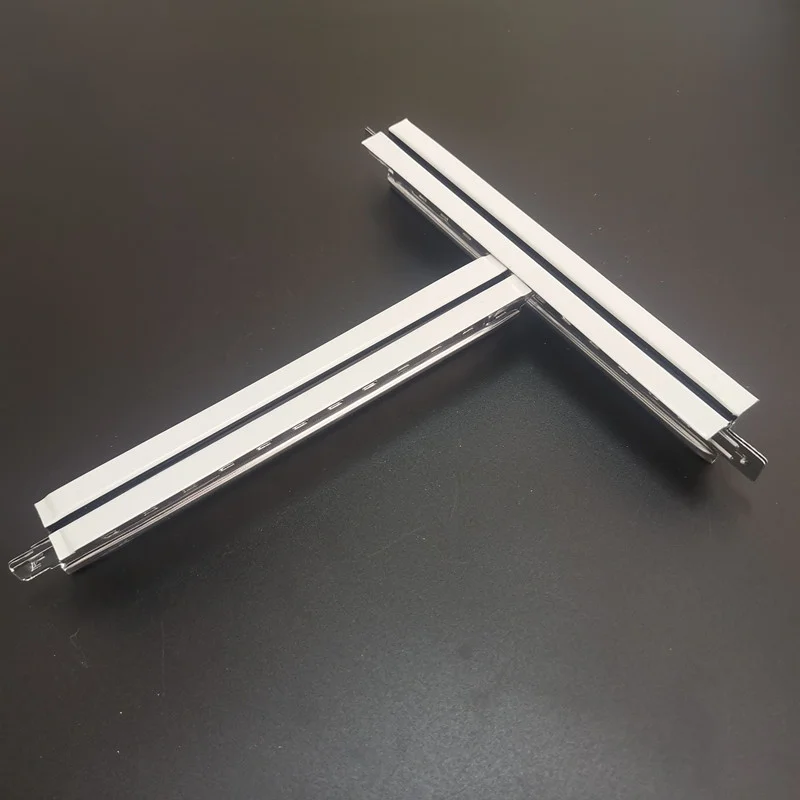
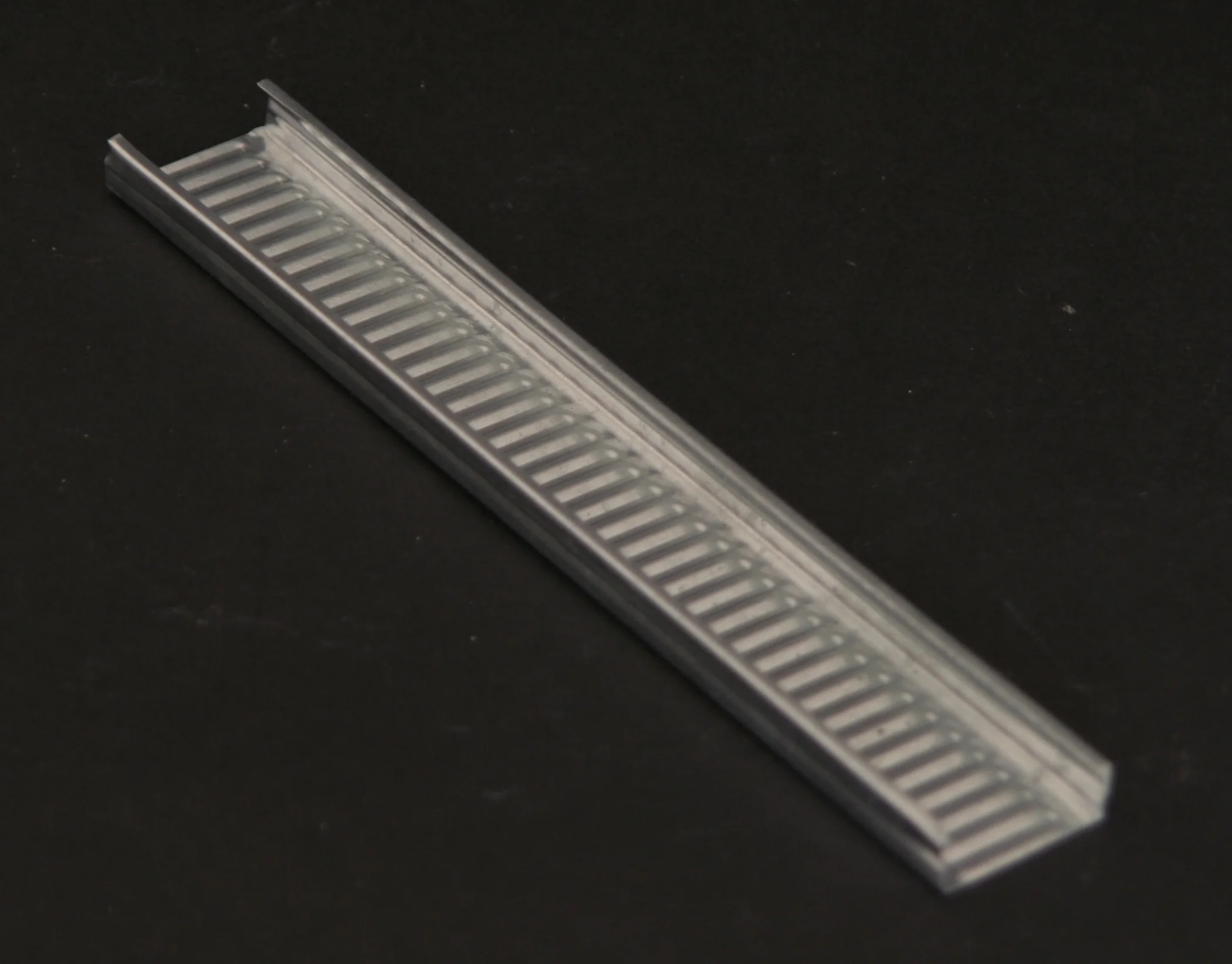
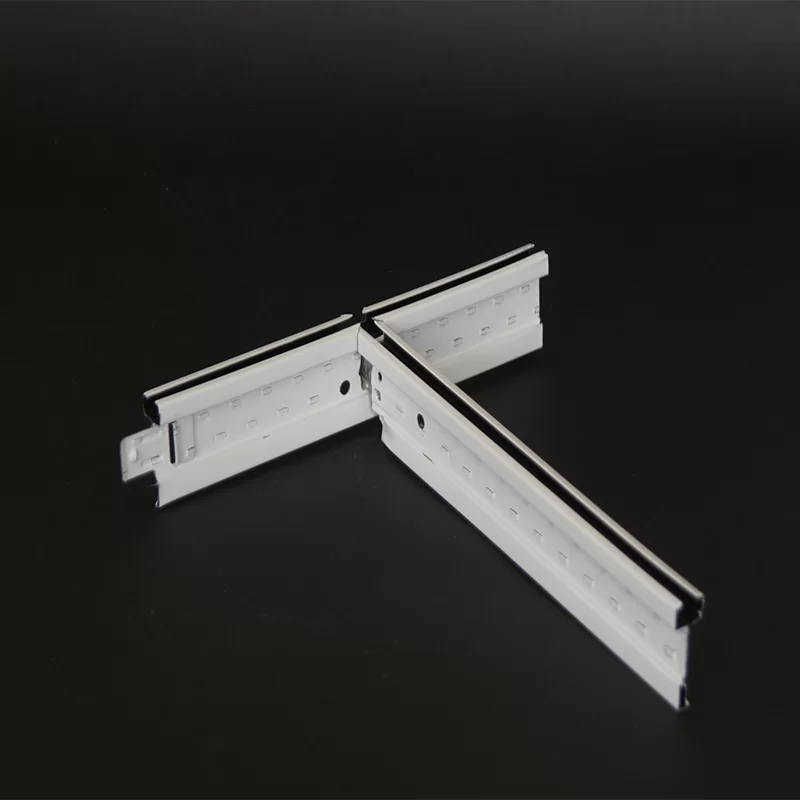
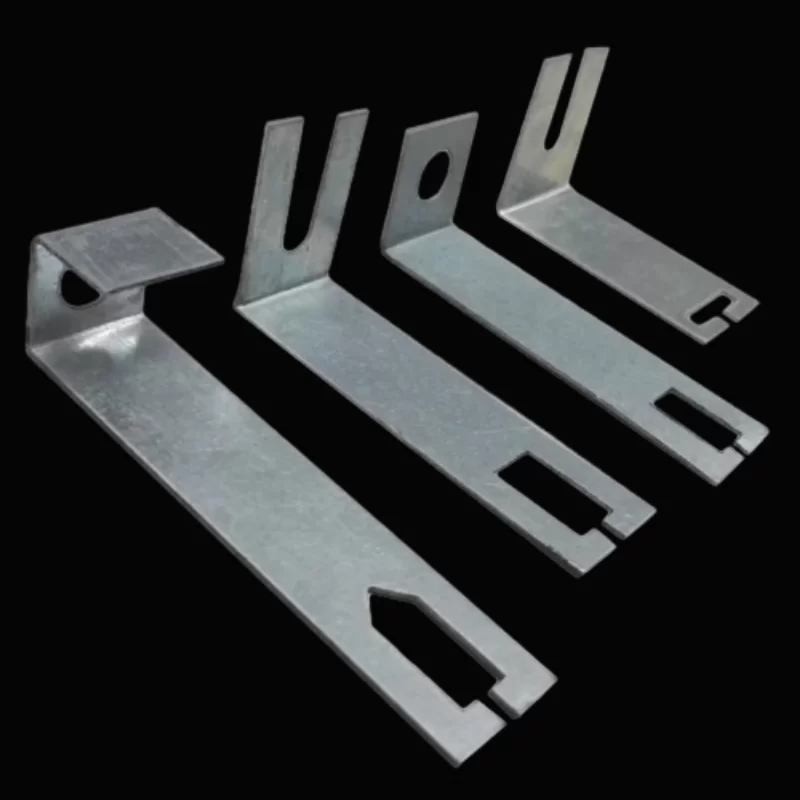
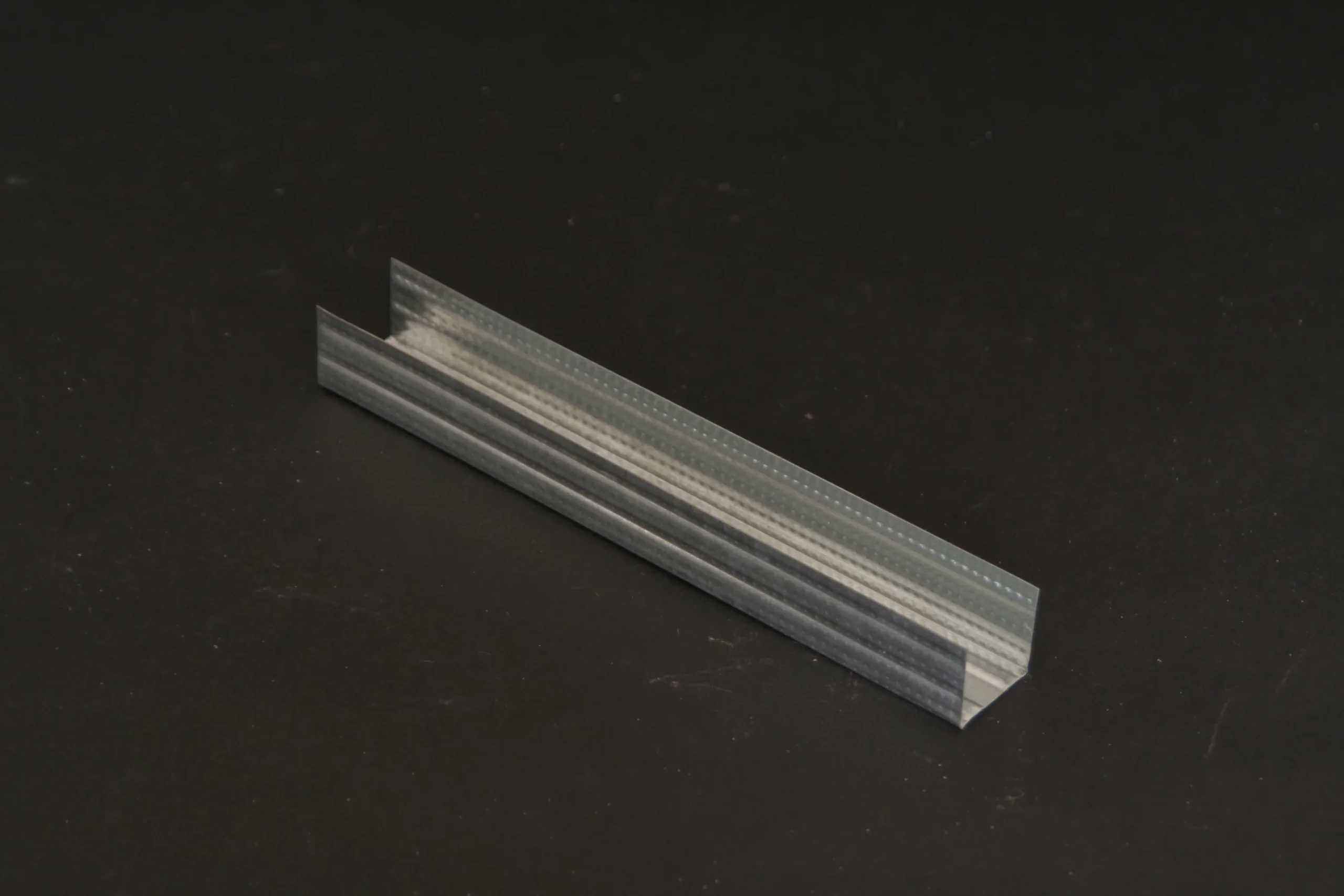
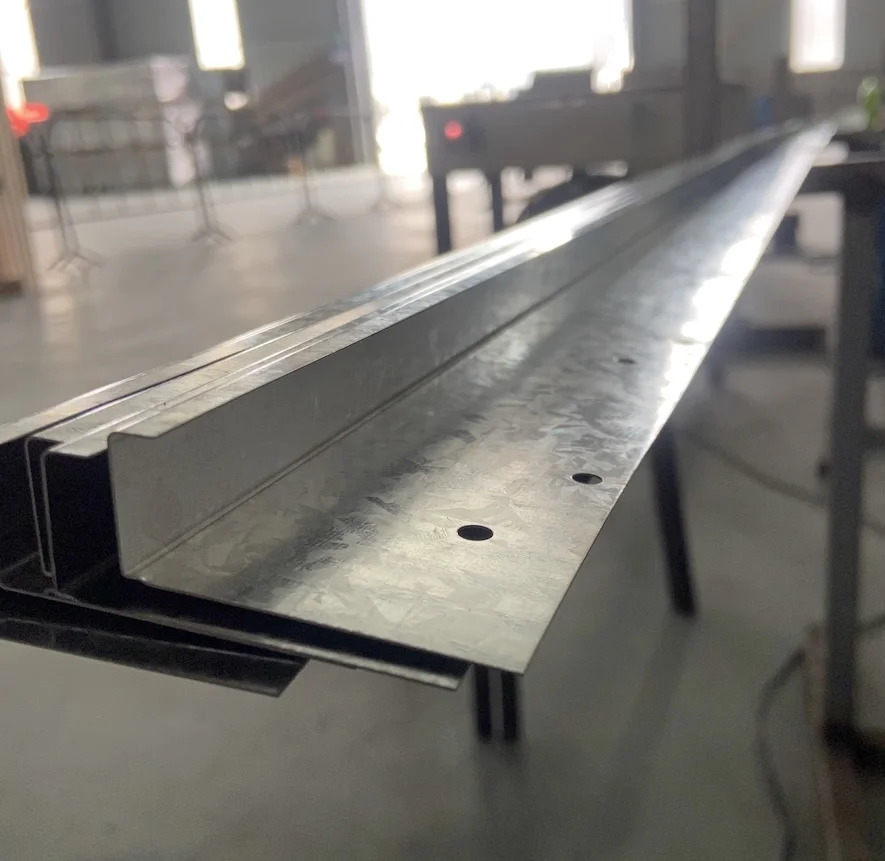
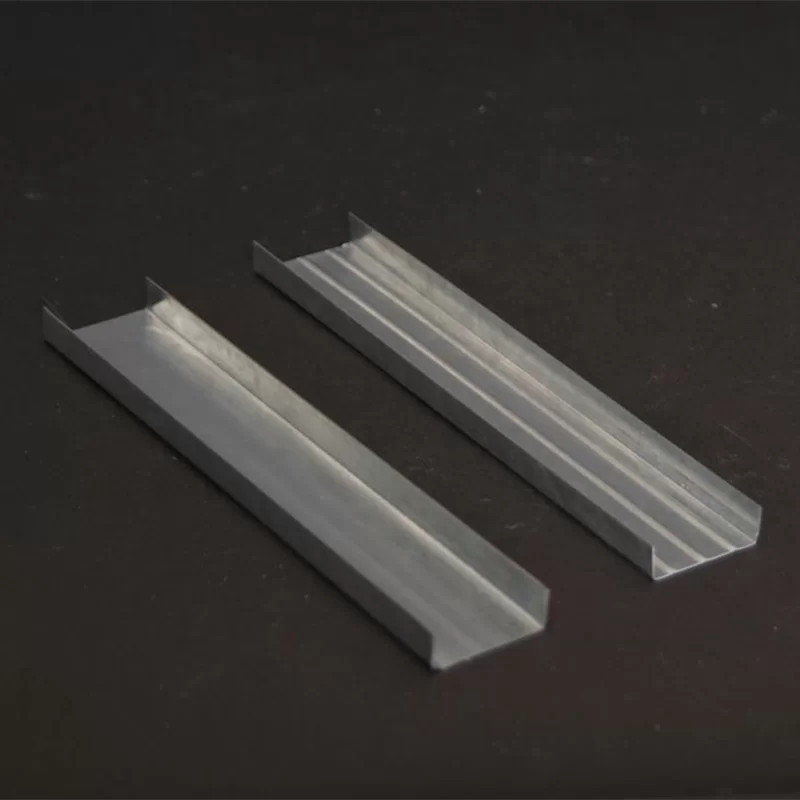
In simple terms: exterior metal framing studs are lightweight sections of galvanized steel shaped into thin vertical supports used in the exterior walls of buildings. Think of them as the “skeleton” in a building’s outer walls, supporting the weight of the structure while withstanding weather, wind, and sometimes seismic forces.
Unlike traditional wood studs, these metal variants resist warping, fire, and termites — all common problems in many climates. They play a pivotal role not only in commercial and residential construction but also in humanitarian settings, where rapid-assembly, durable buildings can serve as reliable shelters in crisis.
So, exterior metal framing studs are more than just parts — they’re enablers of modern construction’s rapid, resilient, and eco-friendly aspirations.
Core Components of Exterior Metal Framing Studs
1. Durability
The steel used in these studs is often galvanized, meaning it has a zinc coating that prevents rust and corrosion. This boosts lifespan significantly compared to wood, especially in wet or humid environments.
2. Scalability & Modularity
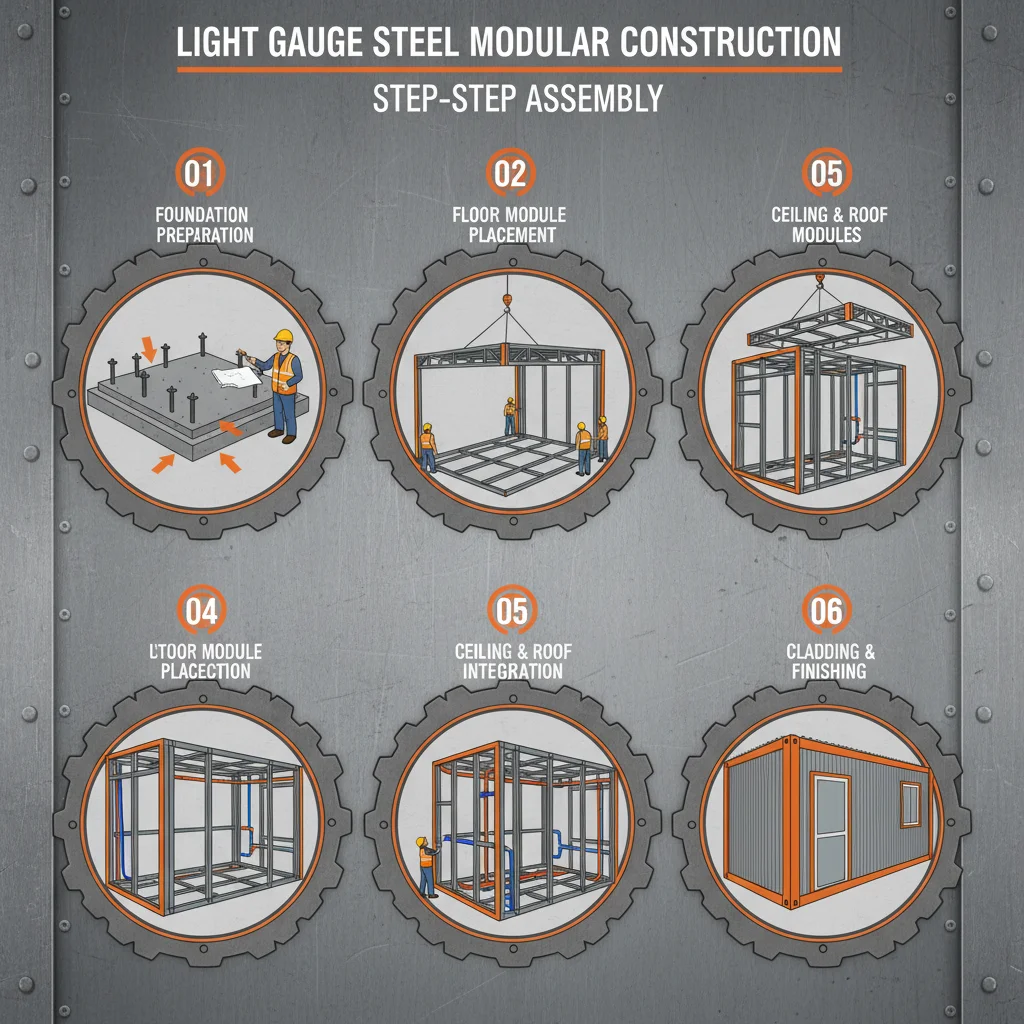
Because the studs come in standardized profiles and sizes, construction teams can quickly assemble walls and scale projects — from single-family homes to multi-story commercial buildings — often integrating with modular panels or prefabricated elements for faster builds.
3. Cost Efficiency
While the upfront cost of steel might be higher than wood in some areas, reduced labor time, minimal waste, and lower maintenance balance things out over a building’s life cycle. Plus, their lightweight nature often lowers transportation expenses.
4. Environmental Sustainability
Steel studs are about 100% recyclable, which dramatically reduces landfill waste from construction sites. By comparison, wood involves deforestation and is vulnerable to pests, requiring chemical treatments.
5. Fire Resistance
Exterior metal framing studs aren’t combustible, providing an inherently safer material choice for building exteriors, a critical factor in fire-prone regions.
6. Design Flexibility
Engineers and architects appreciate that these studs can be cut and shaped easily, allowing for custom wall thicknesses, insulation spaces, and integration with utilities.
Mini takeaway: Their mix of durability, eco-friendliness, and adaptability makes exterior metal framing studs a pragmatic choice for many construction scenarios.
Global Applications & Real-World Use Cases
- Post-Disaster Housing: In regions struck by earthquakes or hurricanes, rapid, resilient shelter is crucial. Exterior metal framing studs allow aid agencies to erect weatherproof buildings fast, restoring dignity and safety. For instance, NGOs operating in Southeast Asia often use them for temporary clinics or school structures.
- Urban Residential Developments: Cities like Dubai and Singapore use metal framing extensively for high-rise condominiums — these studs support lightweight walls, reduce building weight on foundations, and help meet strict building codes.
- Remote Industrial Facilities: Mining camps or oil exploration stations in harsh climates benefit from steel stud framing, which resists corrosion and requires minimal upkeep.
- Modular & Prefab Buildings: The prefab housing industry, popular in Europe and North America, depends heavily on steel studs to create repeatable, transportable wall units.
It’s fascinating how this single material integrates across such varied sectors worldwide.
Product Specification Table: Typical Exterior Metal Framing Studs
| Specification |
Details |
| Material |
Galvanized cold-rolled steel |
| Thickness |
0.018" to 0.050" gauge (varies with structural needs) |
| Length |
8 ft to 16 ft (custom lengths available) |
| Width |
1-5/8" to 6" standard stud widths |
| Coating |
Zinc galvanization (ASTM A653/A653M) |
| Fire rating |
Typically meets Class A fire resistance standards |
Comparing Leading Exterior Metal Framing Stud Vendors
| Vendor |
Product Range |
Price Range (per 1000 studs) |
Delivery Lead Time |
Special Features |
| SteelStrong Inc. |
Standard & custom gauges, lengths |
$1,200 - $1,800 |
2-3 weeks |
Eco-friendly coatings, recycled steel content |
| MetroMetal Frames |
Modular studs for prefab construction |
$1,400 - $2,000 |
1-2 weeks |
Quick-connect features for automation |
| EcoStuds Global |
Light gauge steel, green-certified |
$1,500 - $2,200 |
3-4 weeks |
Low-emission manufacturing process |
Advantages & Long-Term Value of Metal Stud Framing
Beyond the visible advantages like durability and speed, exterior metal framing studs offer layered benefits.
- Economic savings: Lower waste, reduced labor, less frequent repairs.
- Environmental peace of mind: Steel is endlessly recyclable, meaning you’re building with the future in mind.
- Safety & reliability: Fire resistance and structural integrity mean occupants sleep better at night — literally and figuratively.
- Design freedom: Architects can experiment more with facade shapes, insulation options, and fixtures.
- Social impact: Faster, safer housing in disaster-prone areas changes lives — restoring hope and normalcy with each wall erected.
It’s a classic case of a material that’s practical but meaningful in impact, which is why engineers and builders swear by it.
Looking Ahead: Future Trends in Exterior Metal Framing Studs
Innovations keep coming. Here are a few to keep an eye on:
- Green Coatings: Next-gen protective finishes that further reduce corrosion while being eco-friendly.
- Integrated Smart Sensors: Imagine studs that can alert building managers to structural stress or moisture buildup early.
- Automation in Production: Robots cutting and fastening studs precisely, speeding up manufacturing with less error.
- Hybrid Materials: Steel combined with composites or recycled plastics to get the best of strength and insulation.
- More Digital Planning: BIM (Building Information Modeling) software is enabling precise designs that optimize metal stud usage, reducing waste and cost.
The construction world is buzzing, and metal framing studs sit right in the thick of it.
Challenges and How Experts Are Addressing Them
It’s not all sunshine. Some challenges include:
- Thermal Conductivity: Steel transfers heat faster than wood, raising concerns about insulation and energy efficiency. Solution? Installation of thermal breaks and enhanced insulation materials.
- Initial Cost Perceptions: Some still see metal studs as costly upfront. But lifecycle analyses prove otherwise — a fact many builders are only starting to appreciate.
- Handling Noise: Steel can amplify sound transmission — mitigated with improved drywall assemblies and sealing techniques.
Industry forums and building code updates increasingly recognize these issues and offer practical standards, so it’s a space of constant progress.
FAQ: Frequently Asked Questions About Exterior Metal Framing Studs
- Q: Are exterior metal framing studs suitable for all climates?
- A: Generally, yes. Their corrosion resistance and durability make them ideal for humid, coastal, or even colder areas. Proper insulation and coatings ensure performance even in extreme weather.
- Q: How do metal studs compare with wood in terms of environmental impact?
- A: Steel studs are 100% recyclable and often made from recycled content, reducing deforestation and waste. They fit better into circular economy models compared to wood.
- Q: Can exterior metal framing studs be customized for unusual architectural designs?
- A: Absolutely. The steel can be shaped, cut, and drilled to fit complex shapes and designs, which is why architects love them for innovative exterior facades.
- Q: What about fire resistance of metal studs?
- Metal studs are inherently non-combustible, often exceeding fire ratings required for exterior walls, adding safety advantages over wood framing.
- Q: Are there special requirements when shipping metal studs internationally?
- Typically, no special regulations beyond standard export/import permits apply. However, proper packaging to prevent damage and compliance with local building codes matter most for smooth delivery.
Conclusion: Building Tomorrow’s Structures with Exterior Metal Framing Studs
Exterior metal framing studs form the backbone of modern, resilient, and sustainable construction. Their impressive strength-to-weight ratio, resistance to environmental stressors, and adaptability make them invaluable around the world — from booming metros to disaster-hit regions.
If you’re looking to explore how these studs can transform your next project, whether big or small, I highly suggest checking out exterior metal framing studs suppliers and innovations. Because honestly, once you go metal, it feels like you’re building for the long haul — and that’s a comforting thought.
Stay curious — buildings don’t shape themselves after all.
References:
- United Nations World Urbanization Prospects
- International Organization for Standardization (ISO)
- Wikipedia on Steel