Understanding Flex Track Metal Framing: Why It Matters Globally
If you've ever glanced at a construction site or a modular building setup, you might’ve seen what’s called flex track metal framing in action — even if you didn’t know the term. It’s an adaptable, sturdy system that’s quietly revolutionizing how we construct resilient, efficient structures worldwide. Why should you care? Because whether it's rapid housing after natural disasters or lightweight frames in remote industrial projects, flex track metal framing solves some seriously tough challenges that conventional methods struggle with.
Globally, industries and humanitarian organizations face mounting pressures. From climate change increasing disaster frequency to the need for more sustainable construction, the demand for flexible yet reliable frameworks is growing fast. Understanding the benefits of flex track metal framing can help engineers, architects, and decision-makers not only save costs but also improve safety and durability — for people and projects alike.
Mini takeaway: Flex track metal framing is more than a construction method; it’s a global enabler of adaptable, cost-effective, and sustainable building solutions.
The Big Picture: Why Flex Track Metal Framing Is Going Global
The construction industry is under transformation. According to the United Nations Environment Programme, the building sector accounts for nearly 40% of global CO2 emissions. Add to that the frequent disruptions caused by natural disasters worldwide — about 70 million people are displaced annually, says the Internal Displacement Monitoring Centre — and you get a clear problem: how to build quickly, resourcefully, and sustainably? This is exactly where flex track metal framing steps in.
World Bank data shows emerging economies especially benefit from modular, scalable construction technologies — because they allow quick, safe infrastructure deployment without expensive, time-hungry traditional frameworks. Also, ISO standards on construction materials and safety increasingly encourage innovative metal framing systems for quality assurance. In real terms, flex track metal framing addresses structural integrity and ease of assembly like few other methods can.
Mini takeaway: As urbanization and climate risks rise, flex track metal framing answers global calls for scalable, resilient, and eco-friendlier building systems.
What Exactly Is Flex Track Metal Framing?
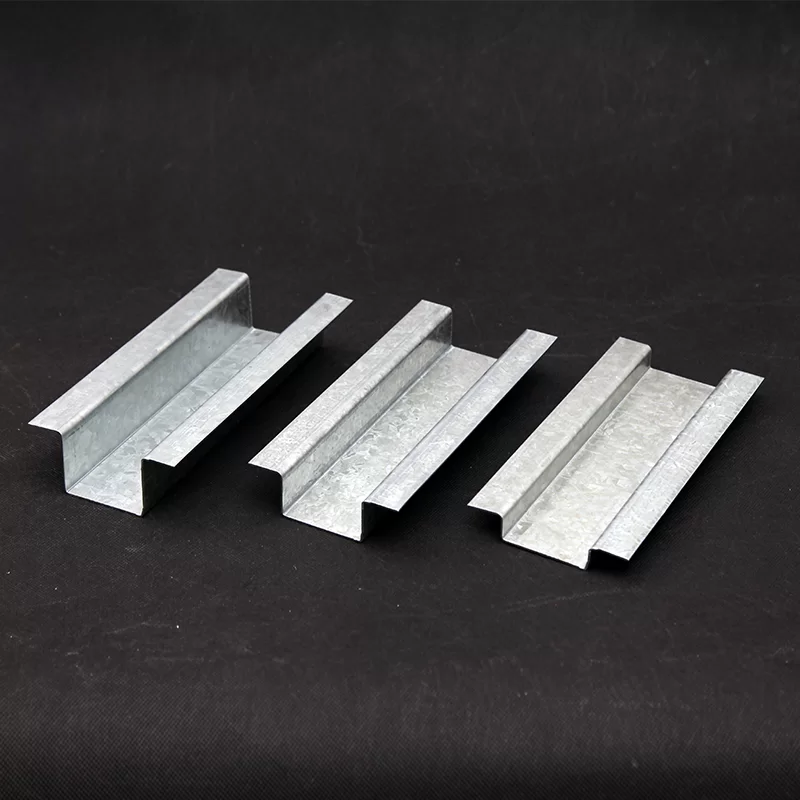
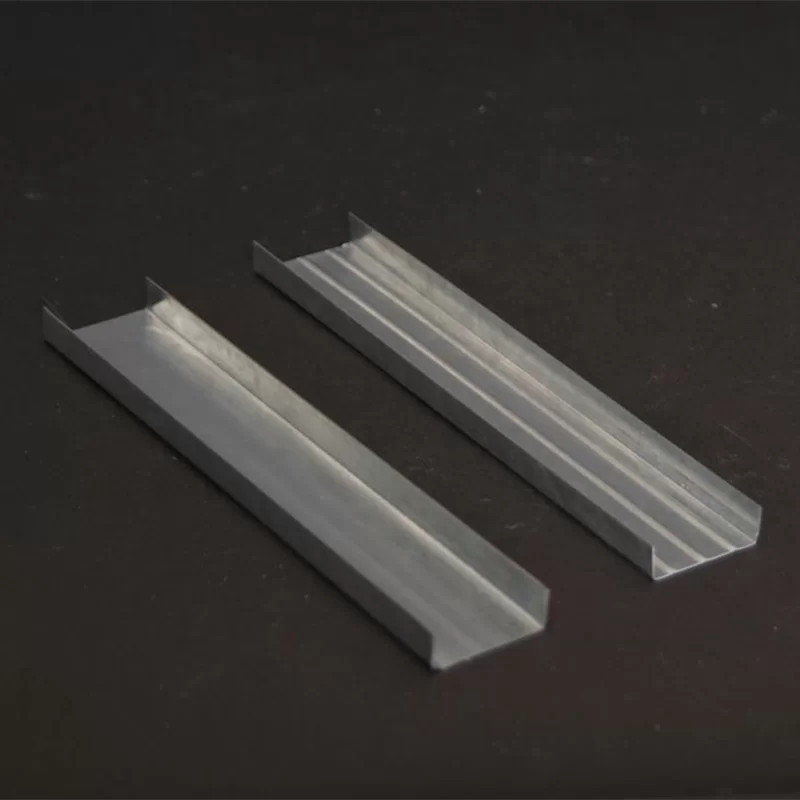
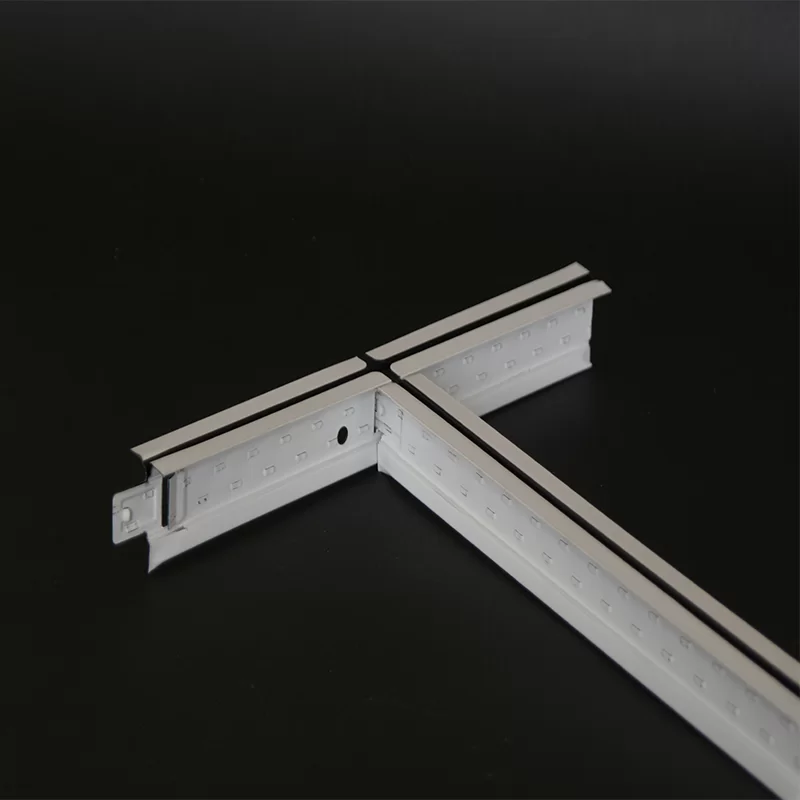
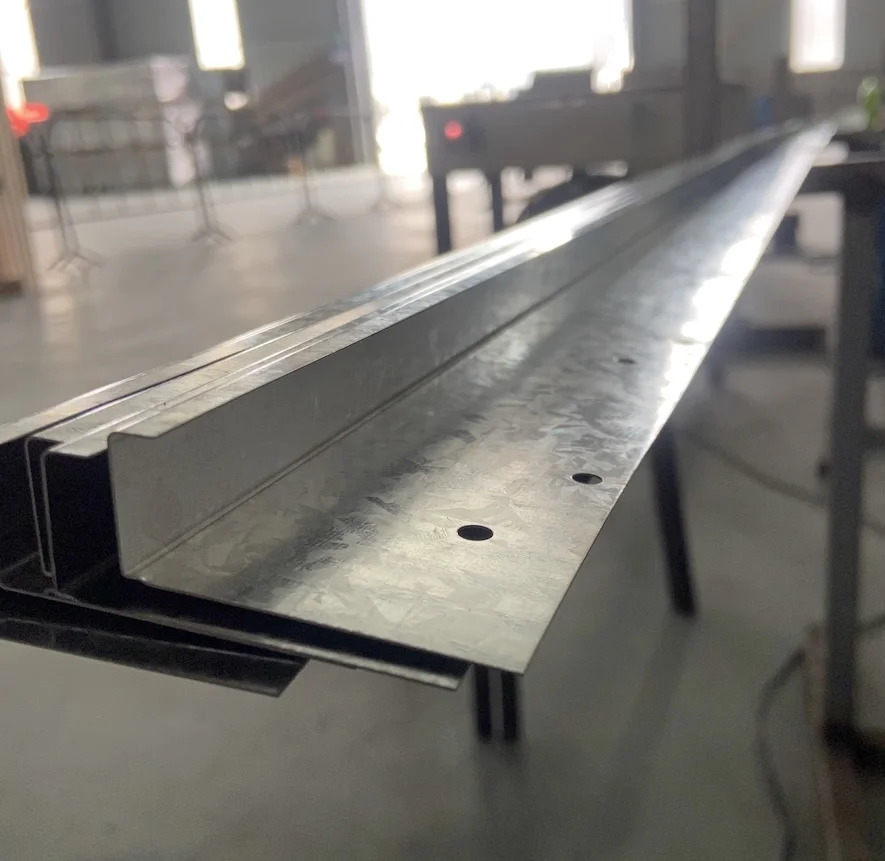
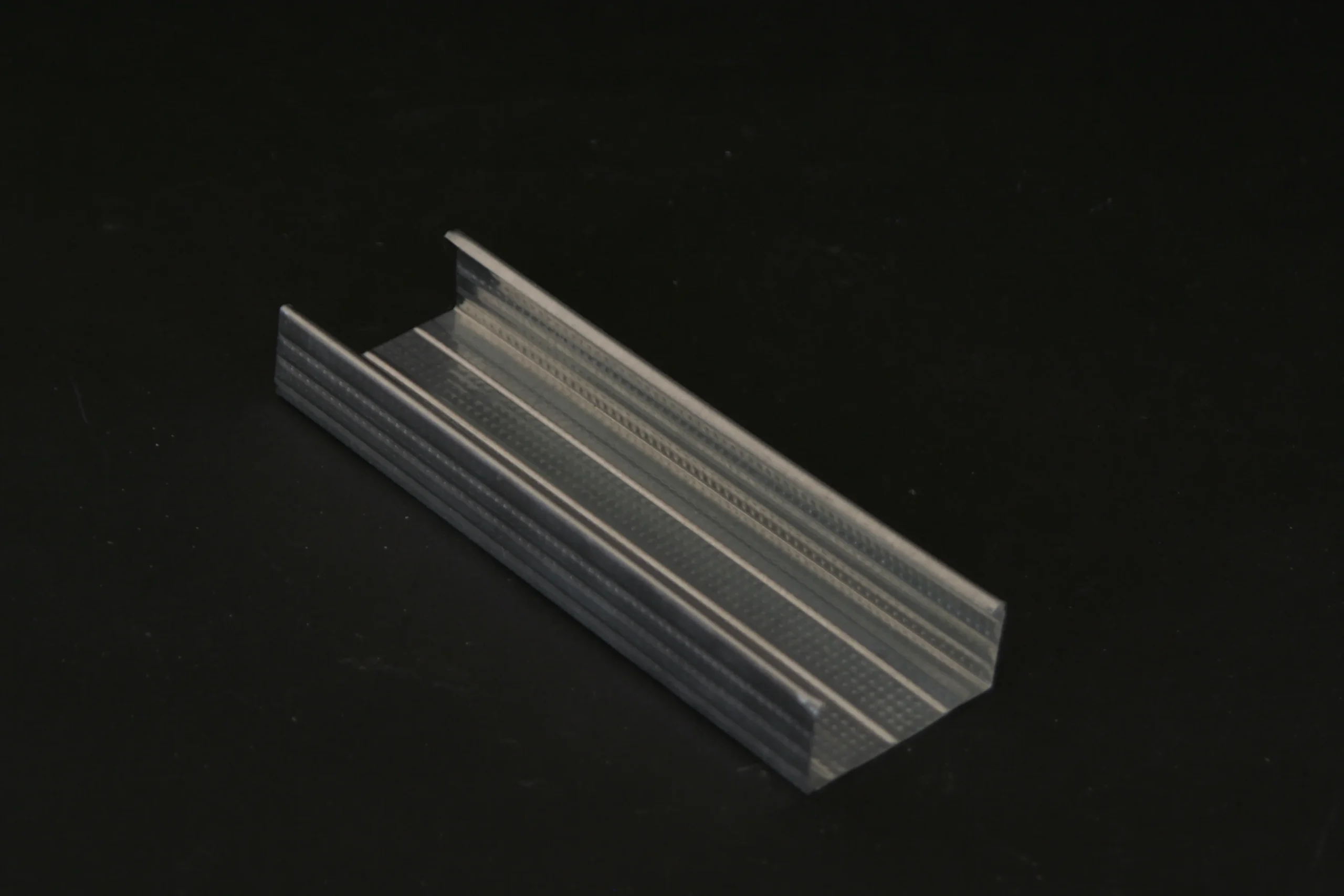
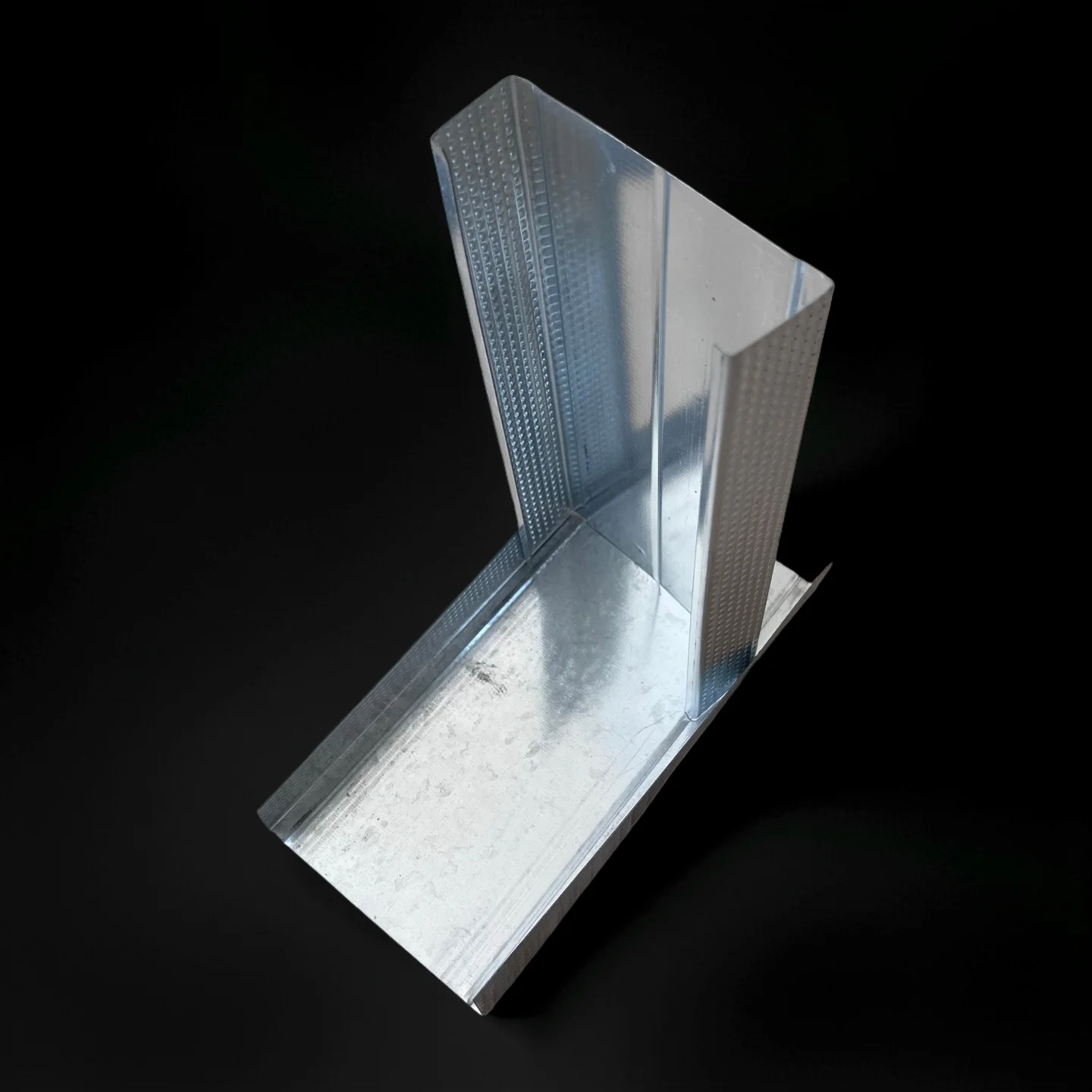
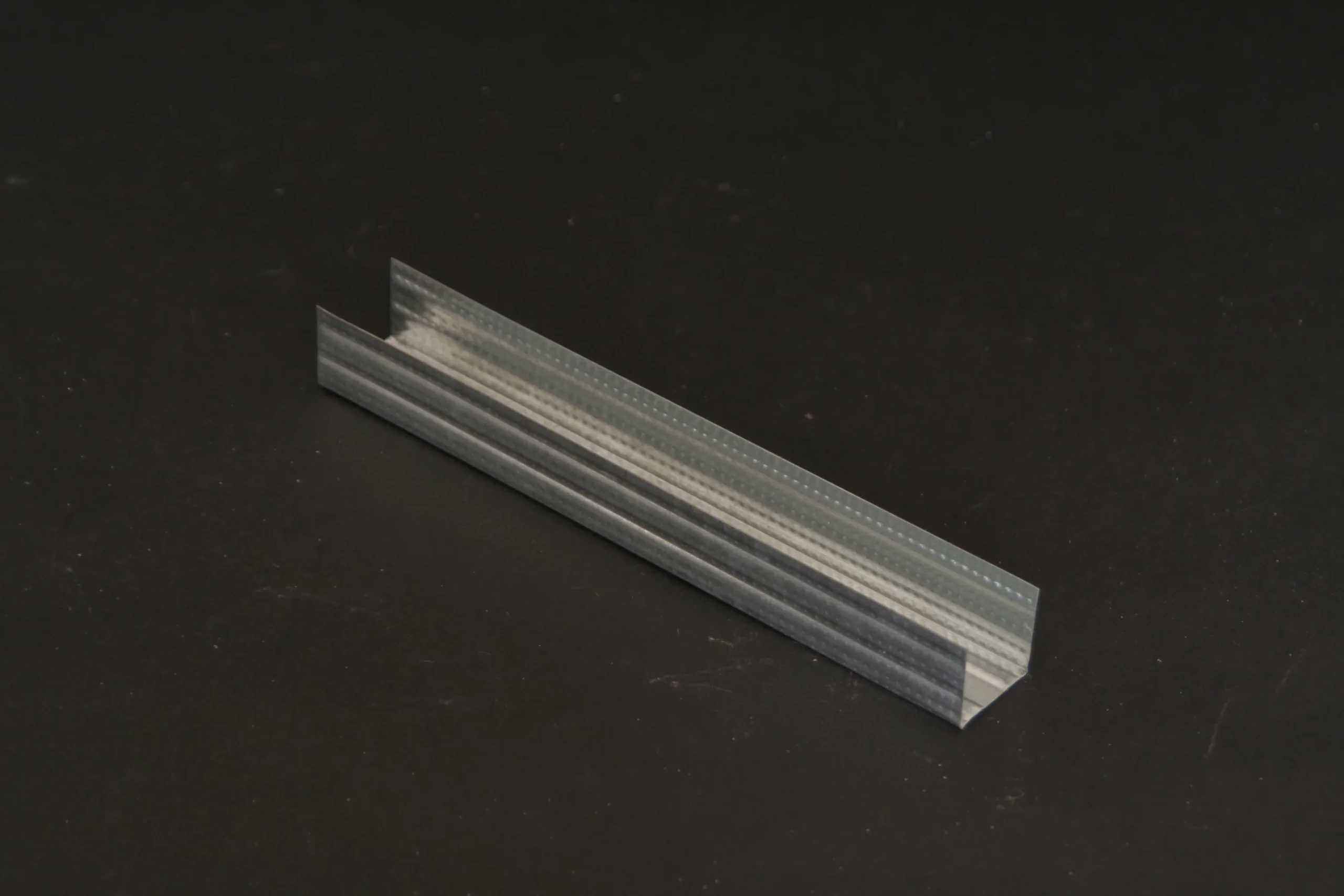
At its core, flex track metal framing is a modular framing system made from lightweight, galvanized steel components joined via flexible track channels. This design allows frames to bend, twist, and expand slightly — hence the 'flex track' — without sacrificing strength.
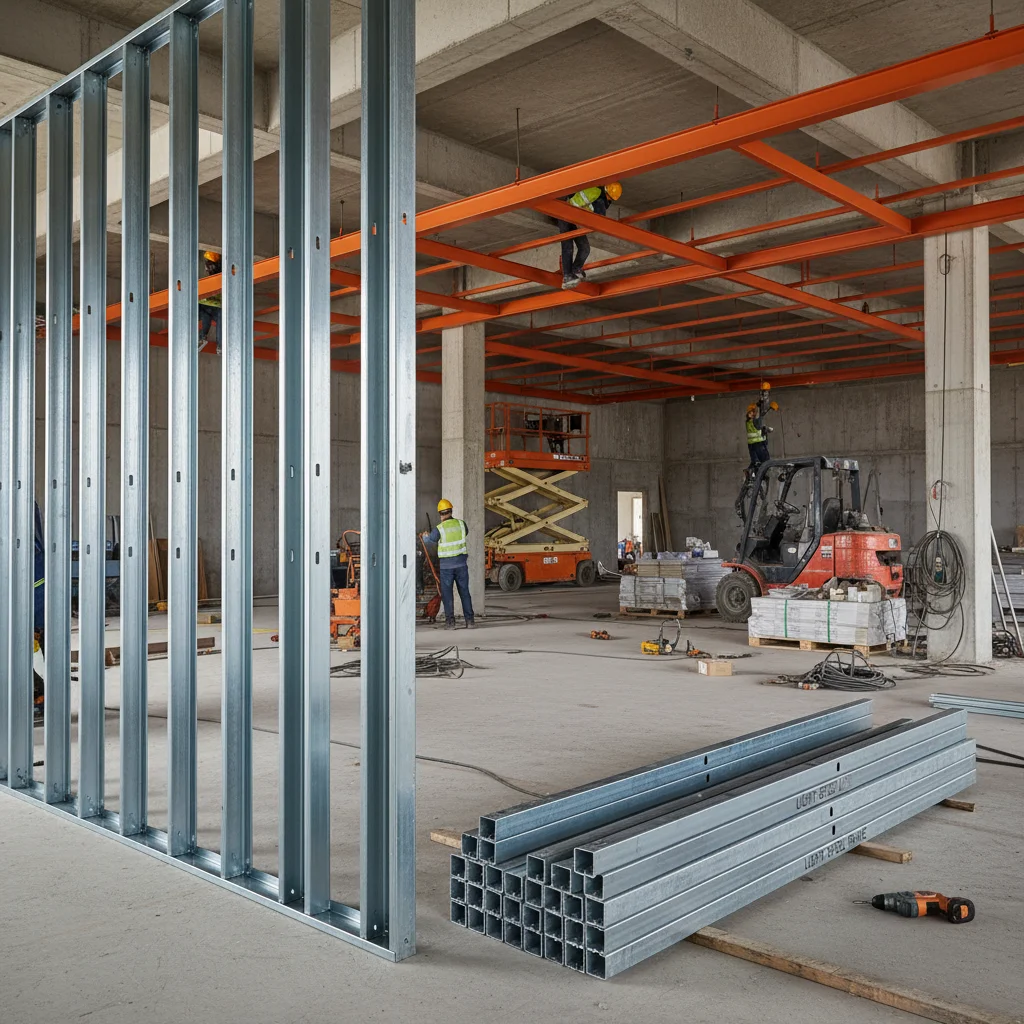
Think of it like the skeleton of a building that can be adjusted on-site easily and fast. It’s related to the concepts behind metal stud framing but offers more adaptability. It’s particularly useful when working in uneven terrain, temporary setups, or structures that need to be relocated. This aligns nicely with the ongoing demand for efficient construction in disaster zones, industrial checkpoints, or even advanced factory automation setups.
Key Components Defining the System
- Galvanized Steel Rails: Resistant to corrosion and providing the main load-bearing structure.
- Flexible Track Channels: Allow slight bending to conform to non-standard shapes.
- Quick-connect Joints: Simplify assembly and disassembly — less heavy equipment needed.
- Insulation Compatibility: Designed to easily integrate insulation panels for energy efficiency.
Mini takeaway: Flex track metal framing’s strength lies in smart modular components that blend rigidity and flexibility for versatile construction needs.
Core Advantages That Make It Stand Out
Durability in Challenging Environments
The zinc-coating on galvanized steel wards off rust and degradation. Many engineers report flex track metal framing lasting decades, even under harsh weather or corrosive industrial atmospheres. This is why it’s trusted in coastal regions and chemical facilities.
Scalability and Speed of Assembly
Because the system’s components slot together with minimal heavy machinery, entire structures can be erected or modified in days, not weeks. In disaster relief, this is a game-changer.
Cost Efficiency
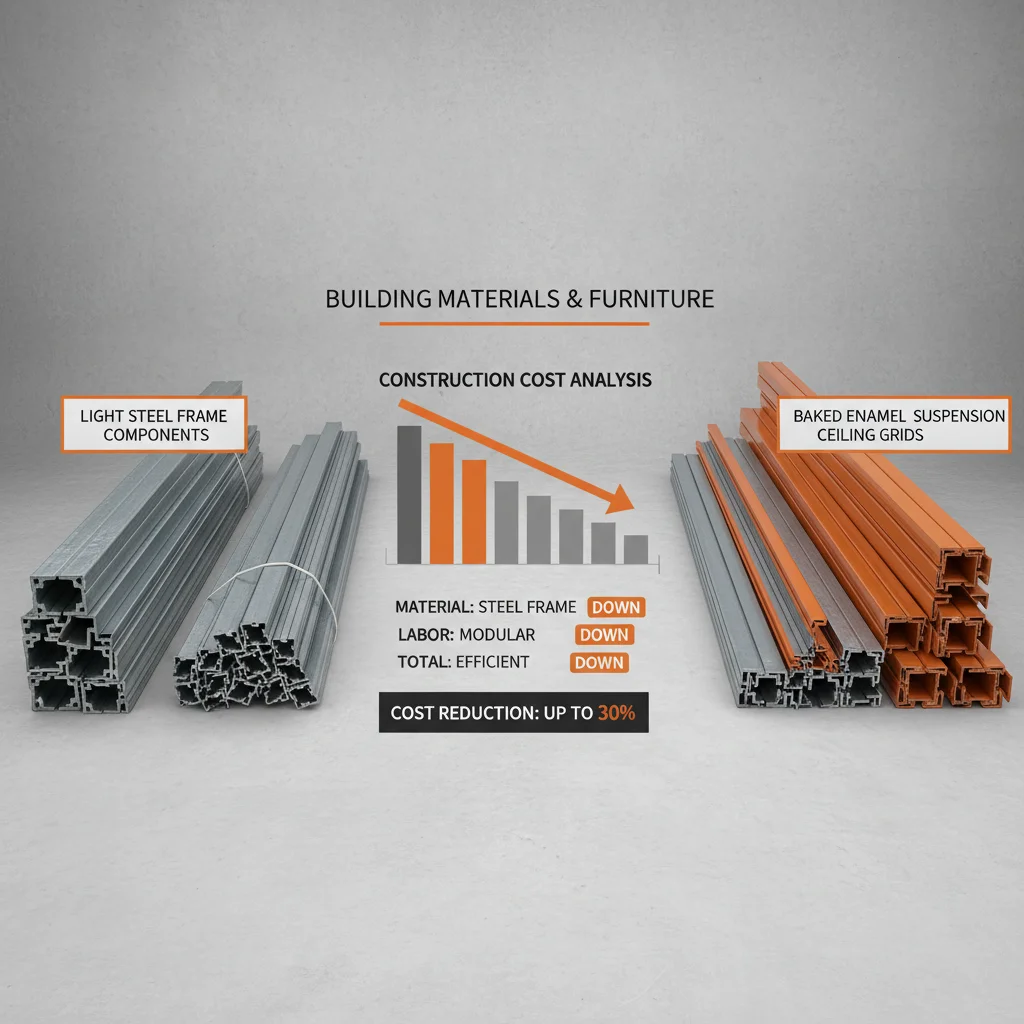
Lower transportation costs (due to lighter material) combined with less onsite labor means the overall price is well below traditional concrete or timber framing. This is vital for NGOs working with tight budgets.
Eco-friendly Credentials
The materials are recyclable and reduce waste. ISO 14000-compliant manufacturing processes have been implemented by many suppliers.
Adaptability for Multi-Industry Use
From lightweight warehouses to high-tech cleanrooms, the framing can be customized for varied uses. This versatility is attracting sectors like pharmaceuticals, agriculture, and even education.
Mini takeaway: It’s no surprise flex track metal framing checks most boxes: durable, quick, scalable, cost-effective, and green.
Practical Applications Around the World
Disaster Relief and Emergency Housing: In Nepal after the 2015 earthquake, modular metal framing sped up deployment of temporary shelters that could be reinforced later.
Remote Industrial Sites: Mining companies in Australia use flex track frames for portable offices and equipment shelters that handle extreme temperatures.
Urban Expansion: In parts of Africa and Southeast Asia, flexible metal framing supports low-cost schools and clinics.
Modern Warehousing and Logistics: Automated fulfillment centers prefer these modular frames for rapid reconfigurations to keep up with market demands.
Typical Flex Track Metal Framing Specification
| Specification |
Details |
| Material |
Galvanized Steel (Zinc-coated) Q235 |
| Rail Length |
3m standard, customizable up to 6m |
| Joint Type |
Snap-fit with locking pin |
| Load Capacity |
Up to 3000 kg per frame segment |
| Flexibility Radius |
Bends up to 7° per segment |
| Weight |
~12 kg per 3m rail |
Choosing the Right Vendor: A Quick Comparison
| Vendor |
Customization Options |
Lead Time |
Global Supply |
Price Range |
| Jinkai BM |
High (length, coatings, connectors) |
2–3 weeks |
Yes (30+ countries) |
Mid-range |
| SteelFlex Corp. |
Medium |
4–5 weeks |
Regional (Asia, Europe) |
High |
| ModuFrame Ltd. |
Low |
1 week |
Limited (local markets) |
Budget |
What’s Next? Trends and Innovations on the Horizon
Future innovations in flex track metal framing are exciting to watch. Many manufacturers are integrating lighter but stronger alloys and exploring composite materials that combine corrosion resistance with enhanced flexibility. AI-driven design software helps optimize frame load distribution, making structures lighter without compromising safety.
On the sustainability front, green coating technologies and circular economy approaches — where components are fully recyclable on a local scale — promise less environmental footprint. Plus, automation in assembly, like robotic fastening, could bring down costs further and reduce human error.
Mini takeaway: The blend of smart materials, automation, and eco-innovation is gearing flex track metal framing for an even more impactful future.
Recognizing Challenges & How They’re Being Tackled
It’s not all sunshine and rainbows. Some regions face issues sourcing high-galvanization quality steel, leading to premature corrosion. Also, skilled labor shortages can slow deployment times despite easy installation claims.
Experts suggest addressing these by strengthening supply chains with local coatings, enhancing training programs, and investing in hybrid framing systems that combine metal with sustainable timber inserts. There's ongoing R&D looking at making connectors stronger but easier to handle.
FAQ: Quick Answers About Flex Track Metal Framing
- Q: What makes flex track metal framing better than traditional wood or concrete?
- A: It’s lighter, faster to assemble, corrosion-resistant, and modular — meaning you can adapt or expand structures with less waste and downtime.
- Q: How long can buildings with flex track metal framing last in harsh climates?
- A: With proper galvanization and maintenance, these frames can safely last 25+ years, even in coastal or industrial environments.
- Q: Is this framing system environmentally sustainable?
- A: Yes, the steel is fully recyclable, and many manufacturers adhere to green production standards reducing emissions and waste.
- Q: Can NGOs easily import flex track metal framing internationally?
- A: Vendors like Jinkai BM offer global shipping and support for customs clearance, making international procurement quite streamlined.
Wrapping Up: Why Flex Track Metal Framing Deserves Your Attention
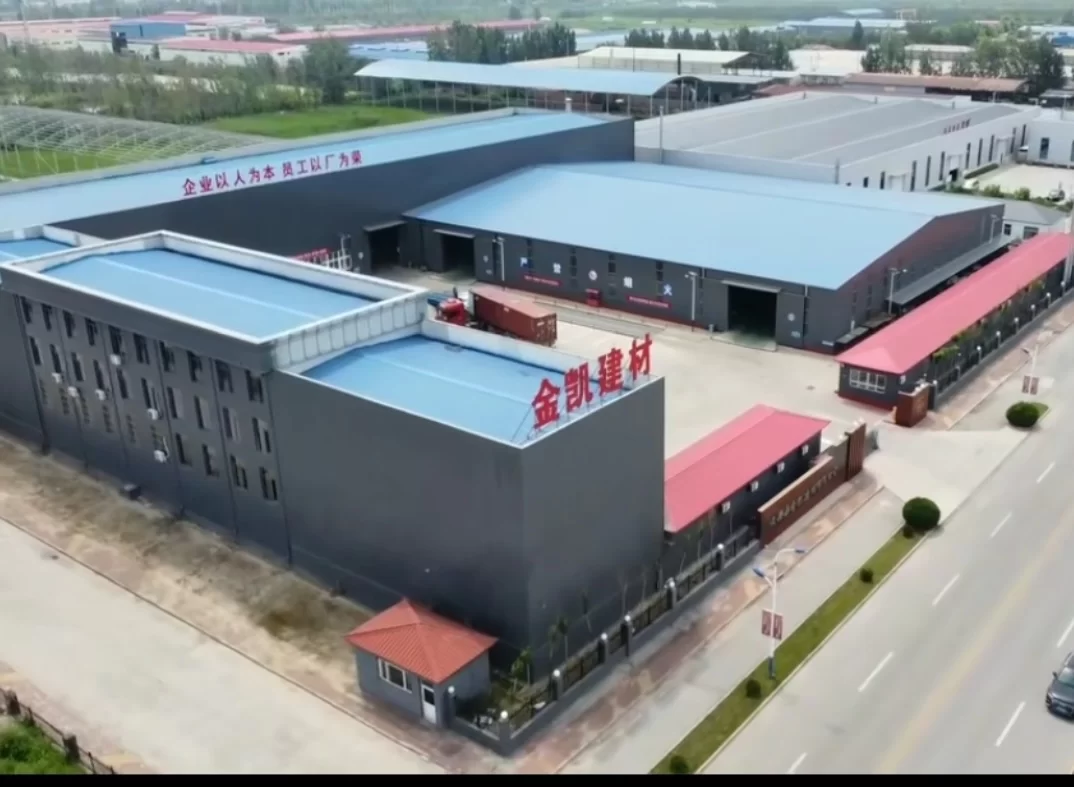
In a construction world that’s evolving faster than ever, flex track metal framing stands out as a solid answer to many complex challenges. Durable, adaptable, cost-effective, and greener than many alternatives, it’s no wonder it’s gaining traction from disaster zones to industrial hubs and urban expansions alike. For anyone thinking about scalable, reliable shelter or workspace solutions, it’s worth a very close look — and maybe a quick chat with trusted suppliers like Jinkai BM.
Want to dive deeper or get a quote? Visit our website: https://www.jinkaibm.com. The future’s framed — you just need the right track.
References:
1. United Nations Environment Programme (UNEP). Buildings and Climate Change Report.
2. Internal Displacement Monitoring Centre (IDMC), Global Displacement Data.
3. ISO 14000 Environmental Management Standards.