Why Flex Track Steel Framing Matters in Today’s Global Landscape
If you’ve ever wondered what makes modern structural frameworks so adaptable, sturdy, and—let’s be honest—quite ingenious, then flex track steel framing is your answer. It's a technology quietly reshaping industries, from disaster relief to industrial construction, and even modular housing innovations worldwide.
Global construction and logistics industries continue to grapple with demands for rapid deployment, cost efficiency, and sustainable solutions. According to the International Organization for Standardization (ISO), steel framing systems are expected to grow significantly due to their durability and recyclability. But beyond stats, the ability to quickly assemble strong, flexible frameworks on-site reduces costs and environmental impact. That’s why understanding flex track steel framing isn’t just academic—it’s practical and increasingly essential.
The Big Picture: Flex Track Steel Framing in a Global Context
Okay, to zoom out for a second: the world’s urban population is predicted to jump from 4.4 billion in 2020 to nearly 7 billion by 2050 (United Nations data). That’s a lot of pressure for existing housing, infrastructure, and industrial spaces. Traditional building methods often can’t keep up in speed or adaptability.
This is where flex track steel framing comes in. It’s a game-changer for rapid, scalable construction solutions. Whether you’re looking at earthquake-prone zones, humanitarian hubs, or even growing industrial parks in developing regions, this framing technology promises a way to build smarter, safer, and faster.
Ironically, the very nature of global crises today—climate change, conflicts, and pandemic-related disruptions—makes this kind of flexible framing more urgent than ever.
What Exactly Is Flex Track Steel Framing?
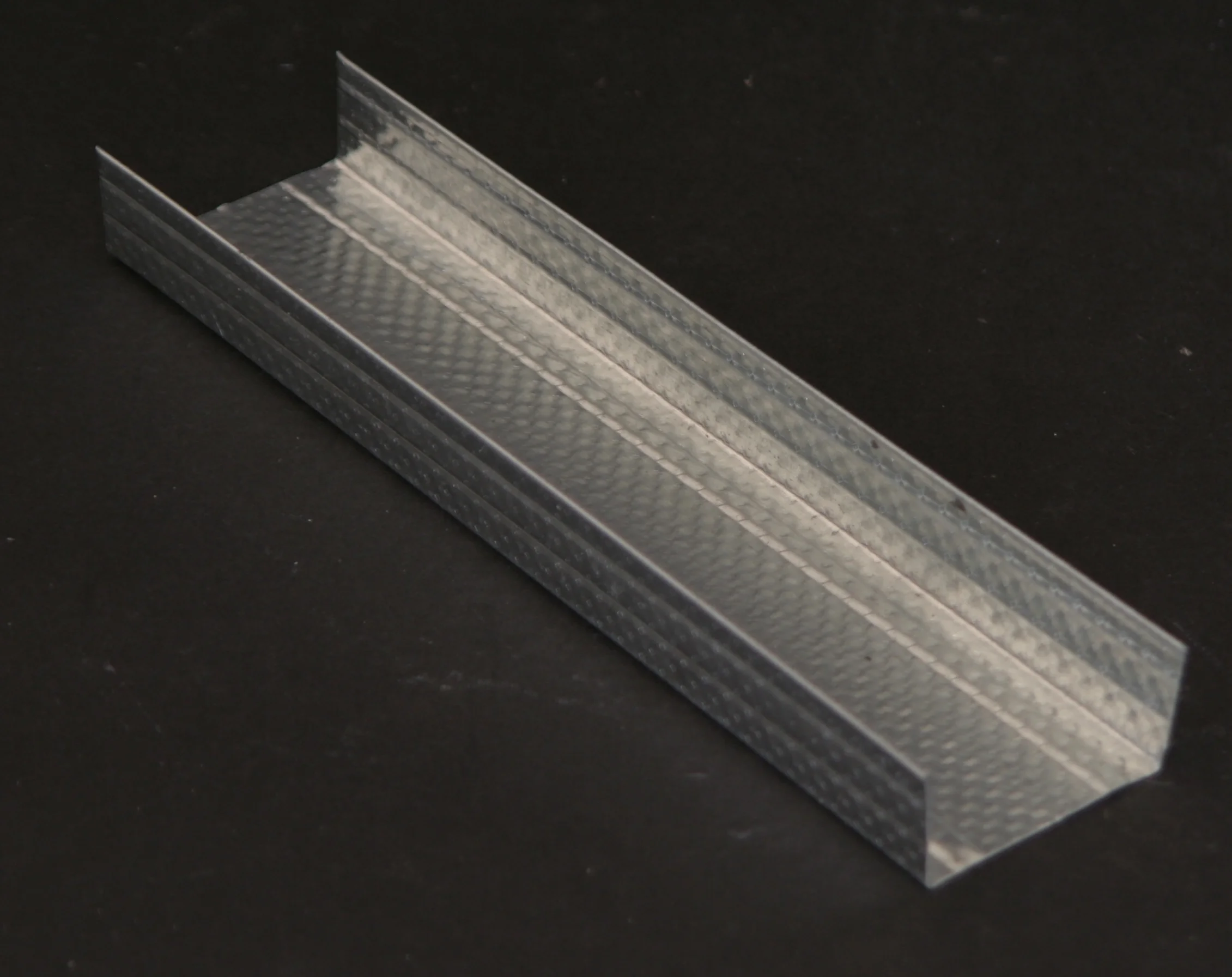
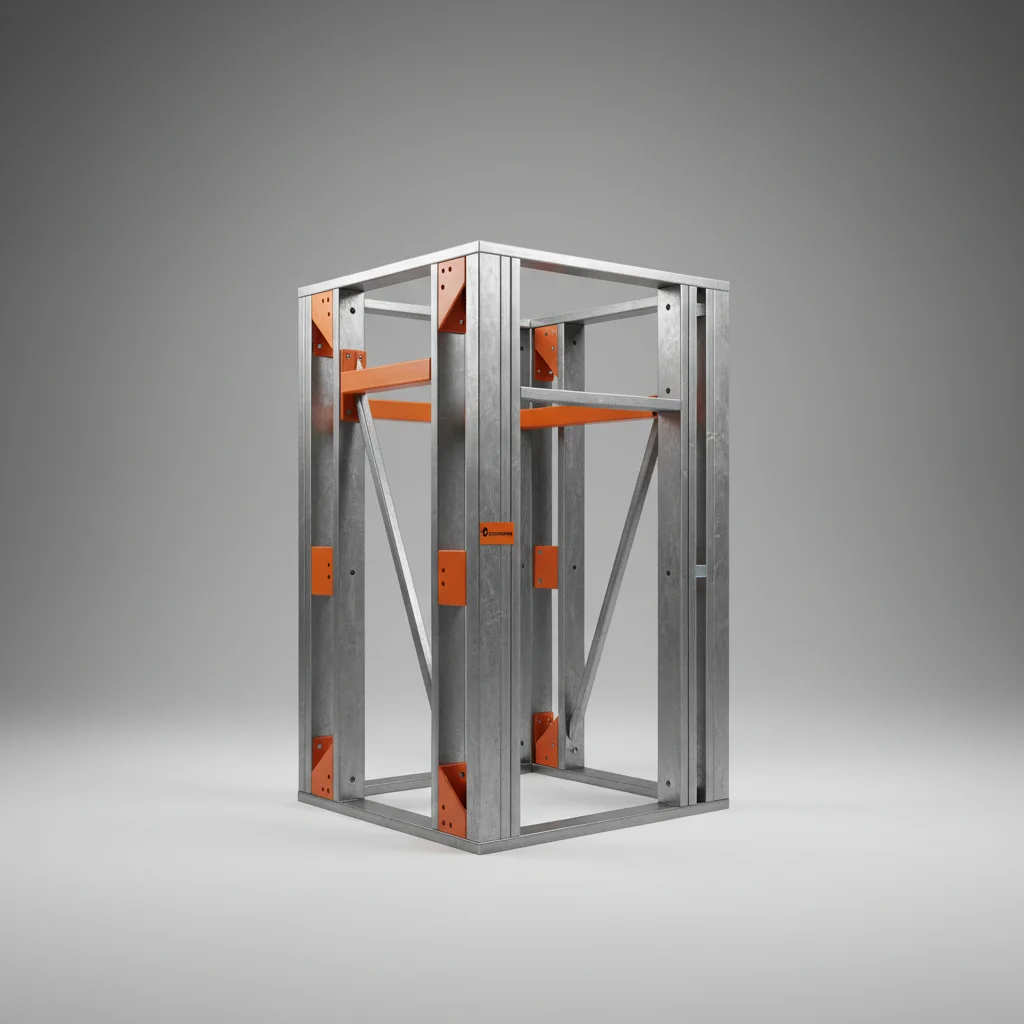
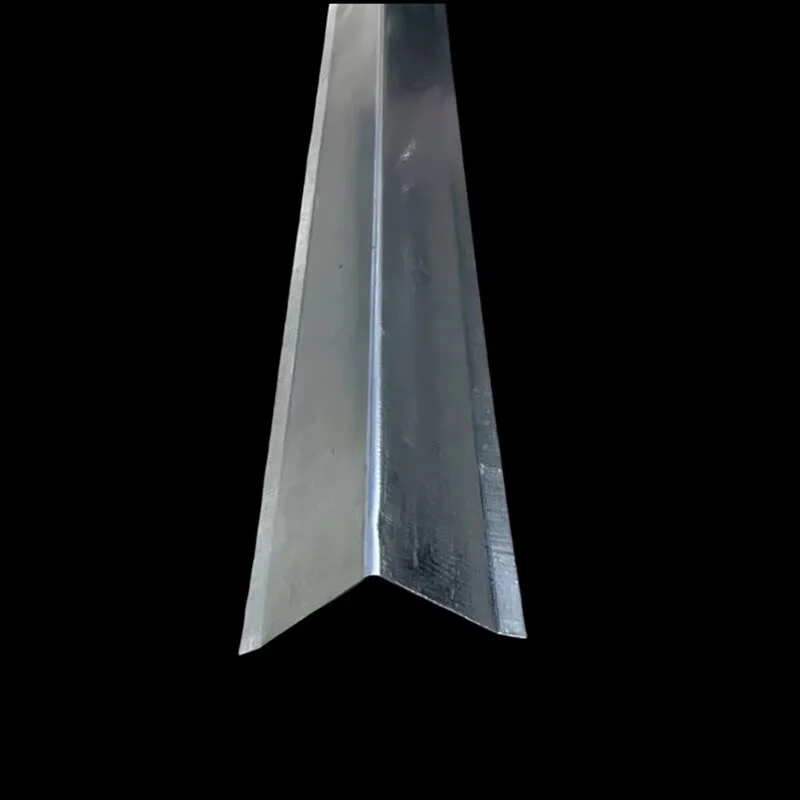
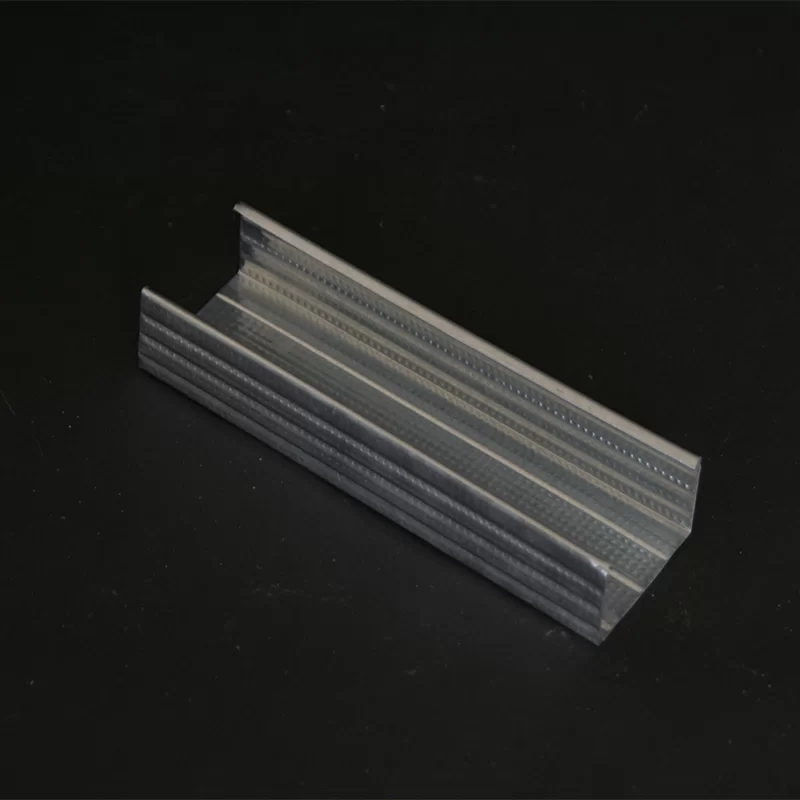
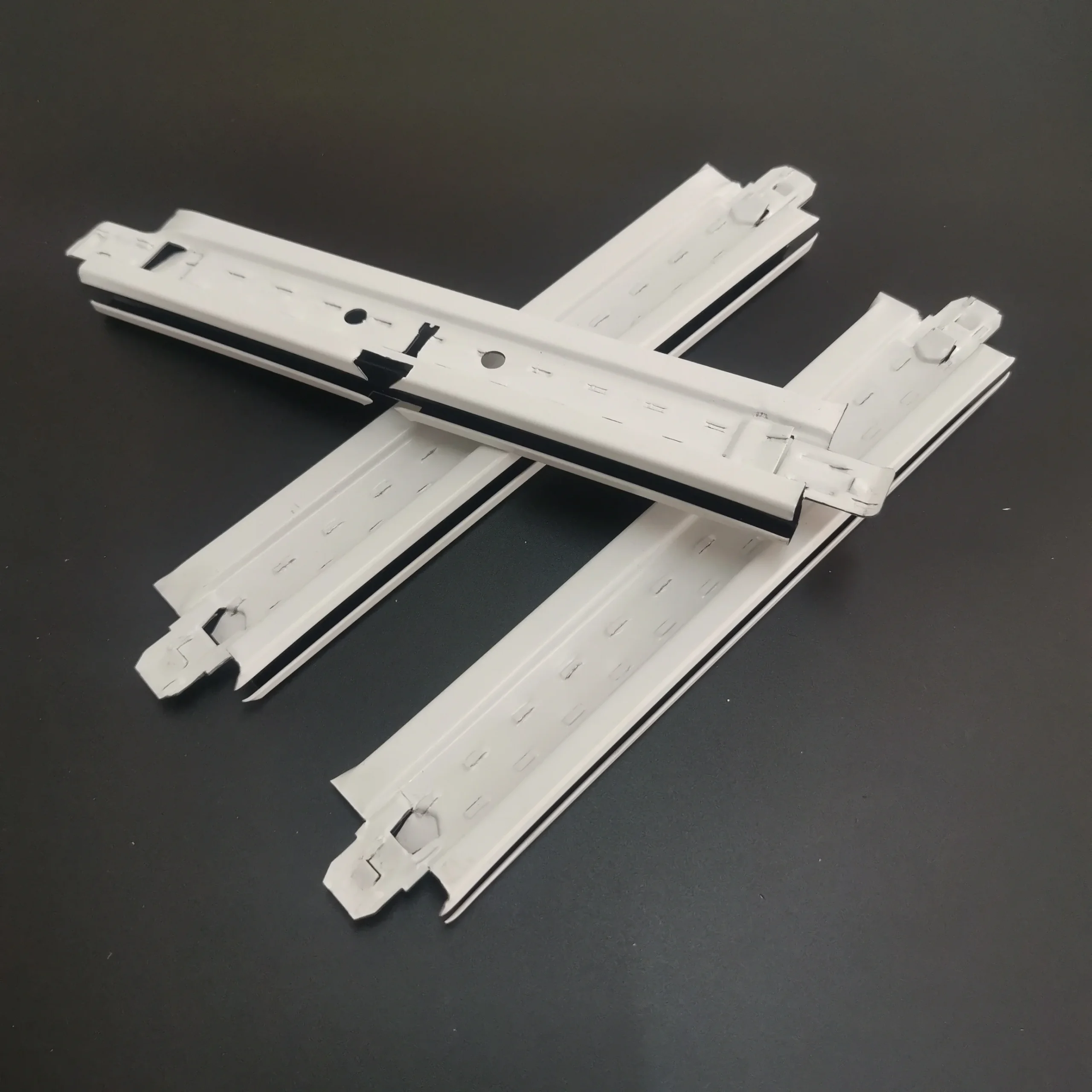
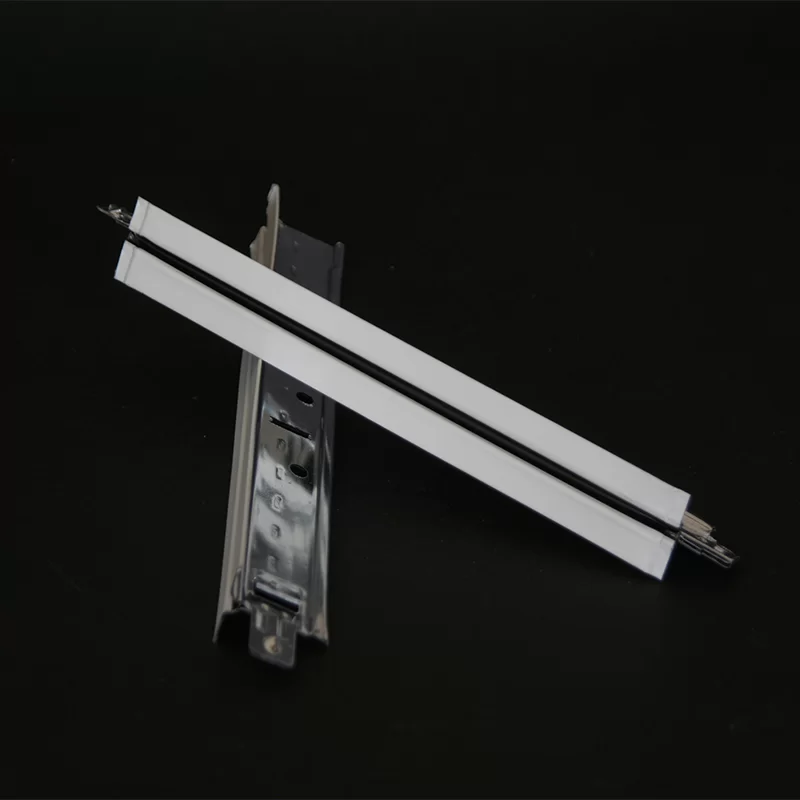
In simple terms, flex track steel framing refers to a modular system made of lightweight steel tracks and studs that interlock or flexibly connect to form the skeleton of a building or structure. Imagine a series of sliding rails and connectors that let you adjust the frame shape without welding or heavy machinery.
This system is kind of like building with Lego blocks but on an industrial scale, using steel that’s pre-engineered for strength and resilience. Its flexibility isn't just physical; it’s also about assembly speed and versatility in design — perfect for industries ranging from logistics to temporary housing and beyond.
Why Does This Matter for Modern Industry and Humanitarian Needs?
Traditional heavy steel frameworks or timber often fall short where speed, freedom of design, and light weight matter most. Flex track steel framing systems can be quickly adjusted or expanded, making them invaluable in temporary or evolving environments.
Core Components and Essential Features of Flex Track Steel Framing
Durability and Strength
Steel, as most engineers love to remind me, “never really sleeps.” It resists pests, fire, water damage, and aging better than many materials. When combined with flex track technology, its natural toughness becomes more adaptable. You get a framework that lasts, even under challenging conditions.
Scalability and Modularity
Thanks to standardized tracks and connectors, you can scale projects up or down quickly. Expanding or modifying structures is much simpler than tearing down traditional frameworks and starting fresh.
Cost Efficiency
Because the parts are prefabricated and easy to transport, you cut down on labor hours and waste. There’s less uncertainty on site, fewer errors, and overall project costs take a hit—in a good way.
Speed of Installation
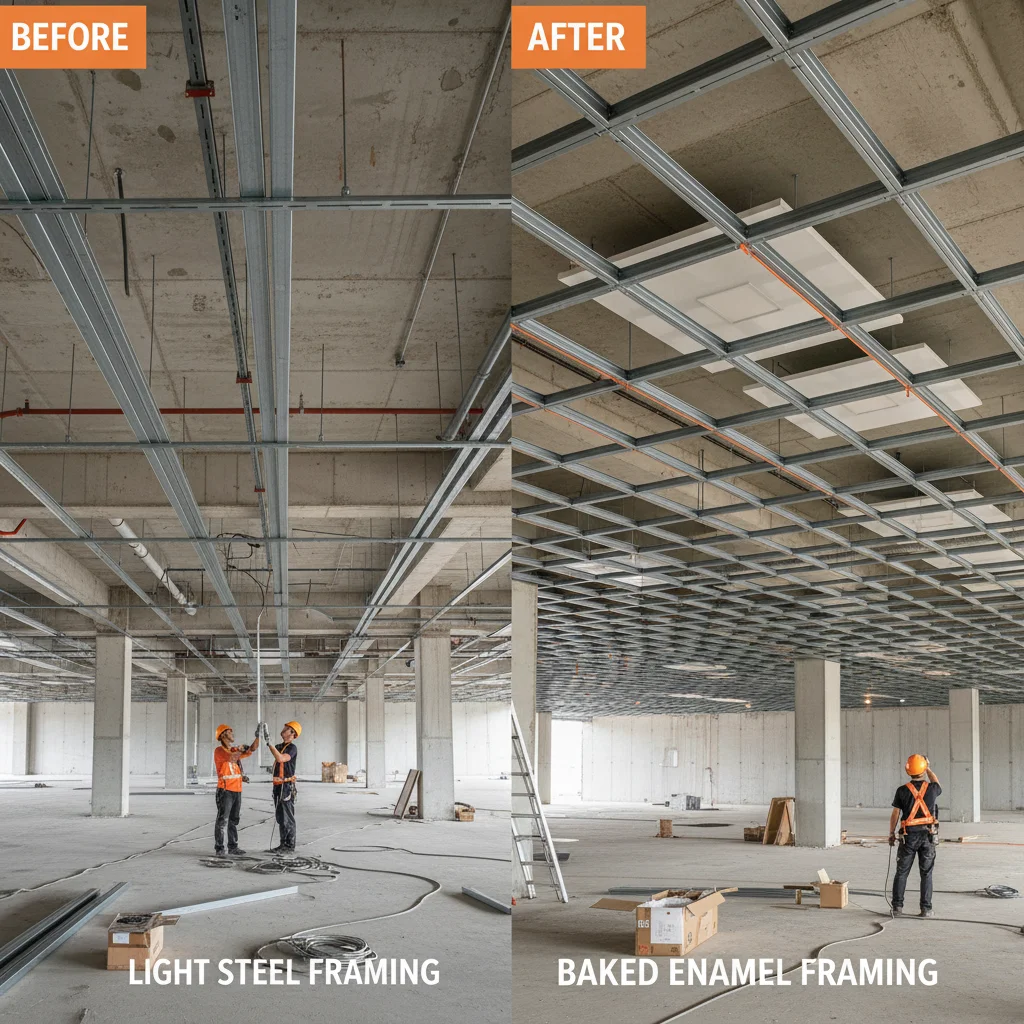
Many teams report that buildings with flex track steel framing can be assembled in a fraction of the time compared to conventional methods. This is particularly important in urgent infrastructure setups.
Lightweight Yet Robust
The lightweight nature reduces shipping costs and the need for heavy machinery onsite, which is a huge plus for remote or resource-poor areas.
Environmental Sustainability
Steel is recyclable almost indefinitely. Using flex track steel framing helps projects reduce their carbon footprint without sacrificing robustness (source: Wikipedia: Steel Recycling).
Mini Takeaway: Flex track steel framing offers a rare blend of durability, efficiency, and flexibility that meets many urgent industry needs today.
Where in the World Is Flex Track Steel Framing Making a Difference?
Globally, the applications are surprisingly diverse. Here are a few flavor-packed examples that show just how adaptable this technology is:
- Disaster Relief Zones: In places like Nepal and Indonesia, temporary shelters made with flex track steel frames have been deployed rapidly post-earthquake or floods, providing safe, durable spaces in days rather than months.
- Remote Industrial Zones: Oil and mining facilities in Canada and Australia use these systems for quick construction of offices and walkways that need to expand as projects scale.
- Urban Modular Housing: Cities in Europe and Asia are adopting flex track steel framing to cut construction downtime and reduce noise and waste in dense environments.
- Military and Expedition Camps: Because of ease of transport and assembly, the military in the US and NATO allies appreciates these systems for nimble forward bases.
Flex Track Steel Framing: A Quick Specs Overview
| Feature |
Specification |
| Material |
Galvanized Steel (High Tensile) |
| Weight per Meter |
3.2 - 5.5 kg |
| Load Capacity |
Up to 1500 kg/m² (varies by design) |
| Typical Track Length |
3 – 6 meters (customizable) |
| Assembly Time |
Typically 30% faster than traditional framing |
| Recyclability |
> 90% |
Comparing Leading Flex Track Steel Framing Vendors
| Vendor |
Product Range |
Average Delivery Time |
Customization |
Pricing |
| Jinkai Building Materials |
Flex track steel framing, modular connectors, wall panels |
2-3 weeks |
High - tailored designs available |
Competitive |
| SteelFlex Industries |
Standard flex track kits, bulk orders |
3-4 weeks |
Medium - mostly standard products |
Moderate |
| Global FrameTech |
Custom flex track solutions, full system integration |
4-6 weeks |
Very High - bespoke services |
Premium |
Long-Term Value & Advantages: Why Flex Track Steel Framing Wins
The tangible benefits are compelling, but here’s the kicker — many decision makers mention trust and peace of mind as equally vital. Structures that are fast to erect yet durable mean fewer headaches, fewer safety worries, and ultimately, dignity for end-users whether they’re sheltering after a natural disaster or expanding a factory floor to meet growing demand.
There’s also the sustainability angle. Reducing waste on-site, repeated recyclability of steel, and minimizing transport impact all play into global carbon reduction goals — something increasingly important for companies looking to stay green without sacrificing function or cost.
What’s Next? Future Trends in Flex Track Steel Framing
It’s an exciting space. Smart sensors embedded in frames for structural health monitoring, integration with solar-ready panels, and improvements in corrosion-resistant alloys are on the horizon. Digital design tools, like BIM (Building Information Modeling), enable even faster customization and precision — saving time and materials.
Oddly enough, materials science is also experimenting with hybrid steel composites that might make flex track frames lighter yet even stronger. Automation in fabrication and assembly is expected to speed up projects further and make implementation more reliable, especially in harsh or remote environments.
Common Challenges and How Industry Experts Are Tackling Them
No system is perfect. Sometimes the flexibility means tolerances need careful monitoring; improper installations can cause misalignment. Some users worry about corrosion in very humid or saline environments, though galvanizing and protective coatings reduce this risk substantially.
Experts recommend regular training, use of detailed manuals, and employing smart monitoring technologies to avoid mistakes. Companies like Jinkai run workshops and provide on-site support — making sure clients get the best out of their flex track steel framing.
FAQs: Practical Questions About Flex Track Steel Framing
- How quickly can a flex track steel framed structure be erected?
- Typically, structures can be assembled up to 30% faster than conventional steel framing, sometimes in a matter of days for smaller units, depending on complexity and site conditions.
- Is flex track steel framing suitable for harsh weather zones?
- Yes, especially when combined with galvanized coatings and weather-resistant finishes. It’s robust against earthquakes, heavy winds, and moisture, making it ideal for challenging environments.
- Can these frames be reused or relocated?
- Absolutely. Their modular design allows structures to be dismantled, transported, and reassembled elsewhere, which is great for temporary installations or evolving needs.
- What are the cost benefits over traditional timber or concrete framing?
- Lower labor costs, faster build times, and reduced material waste contribute to overall savings. Plus, reduced maintenance costs due to steel’s durability can improve ROI in the long run.
- How can international NGOs import and deploy these systems quickly?
- Many suppliers provide export-ready kits with detailed assembly instructions and remote support. Working with companies like Jinkai Building Materials can streamline customs and logistics.
Wrapping It Up: The Last Word on Flex Track Steel Framing
Flex track steel framing stands as a remarkably forward-thinking solution that balances speed, durability, and sustainability. In a world where needs shift rapidly—whether driven by urban growth, natural disasters, or industrial expansion—this system answers many calls simultaneously.
If you’re considering a project where adaptability and resilience are non-negotiable, this approach deserves a close look. For more details, product options, or expert guidance, visit https://www.jinkaibm.com and see how you can get started.
Mini Takeaway: In the end, it’s not just steel and tracks — it’s about building foundations that serve people, fragile environments, and evolving industries, all without compromise.
References
- United Nations Urbanization Prospects, 2018
- Wikipedia: Steel Recycling
- ISO Standards on Steel Structures