Frame Basement with Metal Studs: What It Means and Why It Matters
If you’ve ever wondered how basements are framed efficiently and reliably these days, especially in industrial or commercial builds, the concept of a frame basement with metal studs is something you might want to get familiar with. It’s not just jargon for construction geeks; it’s a practical solution that’s quietly reshaping how foundations and subterranean spaces are built worldwide. In a nutshell, replacing or supplementing traditional wood framing with metal studs in basements offers key benefits like improved durability, pest resistance, and faster assembly times — all essential when cost and long-term reliability matter.
Across continents — from flood-prone urban areas in Southeast Asia to cold, stable builds in Scandinavia — understanding this method reflects broader trends in sustainability, construction technology, and disaster resilience. So why does the global construction industry increasingly lean on these metal framing solutions? Let’s dive into that.
Why Frame Basements with Metal Studs? A Global Perspective
According to UNESCO and the UN Human Settlements Programme, urban populations are expected to grow by around 2.5 billion people by 2050, with a huge demand for affordable, durable housing and commercial infrastructure. The World Bank highlights that climate change and increasing natural disasters disrupt traditional construction norms — meaning building materials and techniques must evolve.
Metal studs in basement framing answer some of these pressing challenges: they offer resistance against rot, termites, and mold, which plague traditional wood-based builds especially in humid regions. Metal framing supports quicker construction timelines and can be prefabricated to fit specific design plans, which is essential in places where skilled labor is scarce or costly. So, framing a basement with metal studs isn’t just a local practice — it’s an evolving global strategy to build smarter, last longer, and cost less.
Understanding Frame Basement with Metal Studs
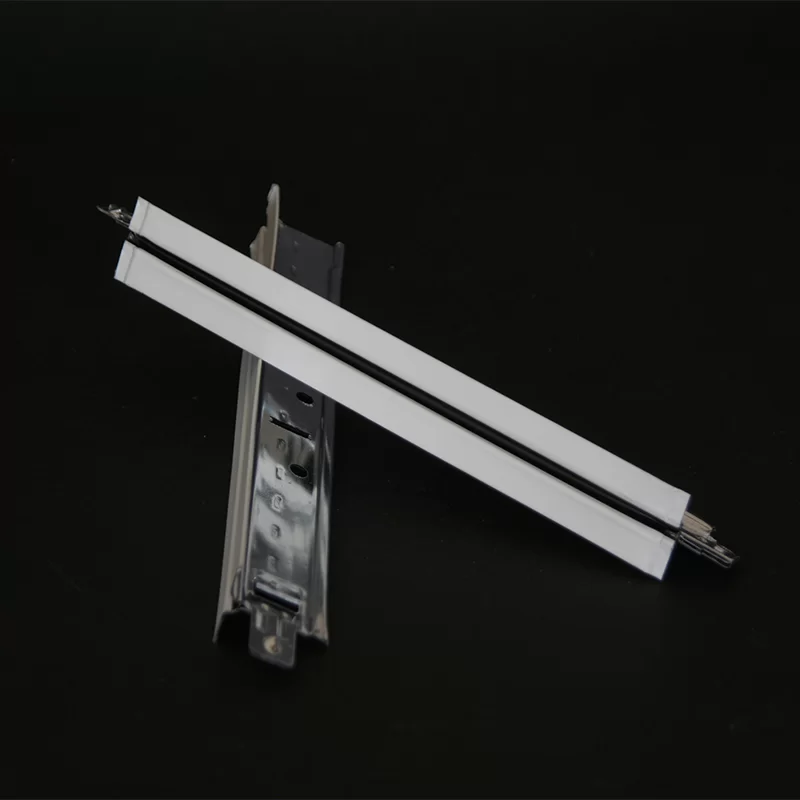
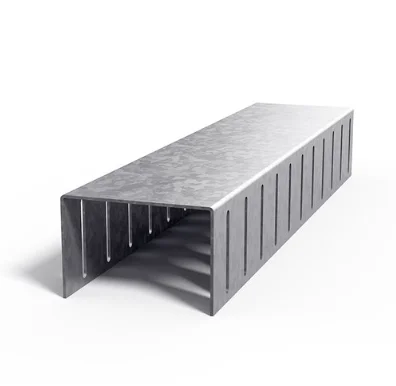
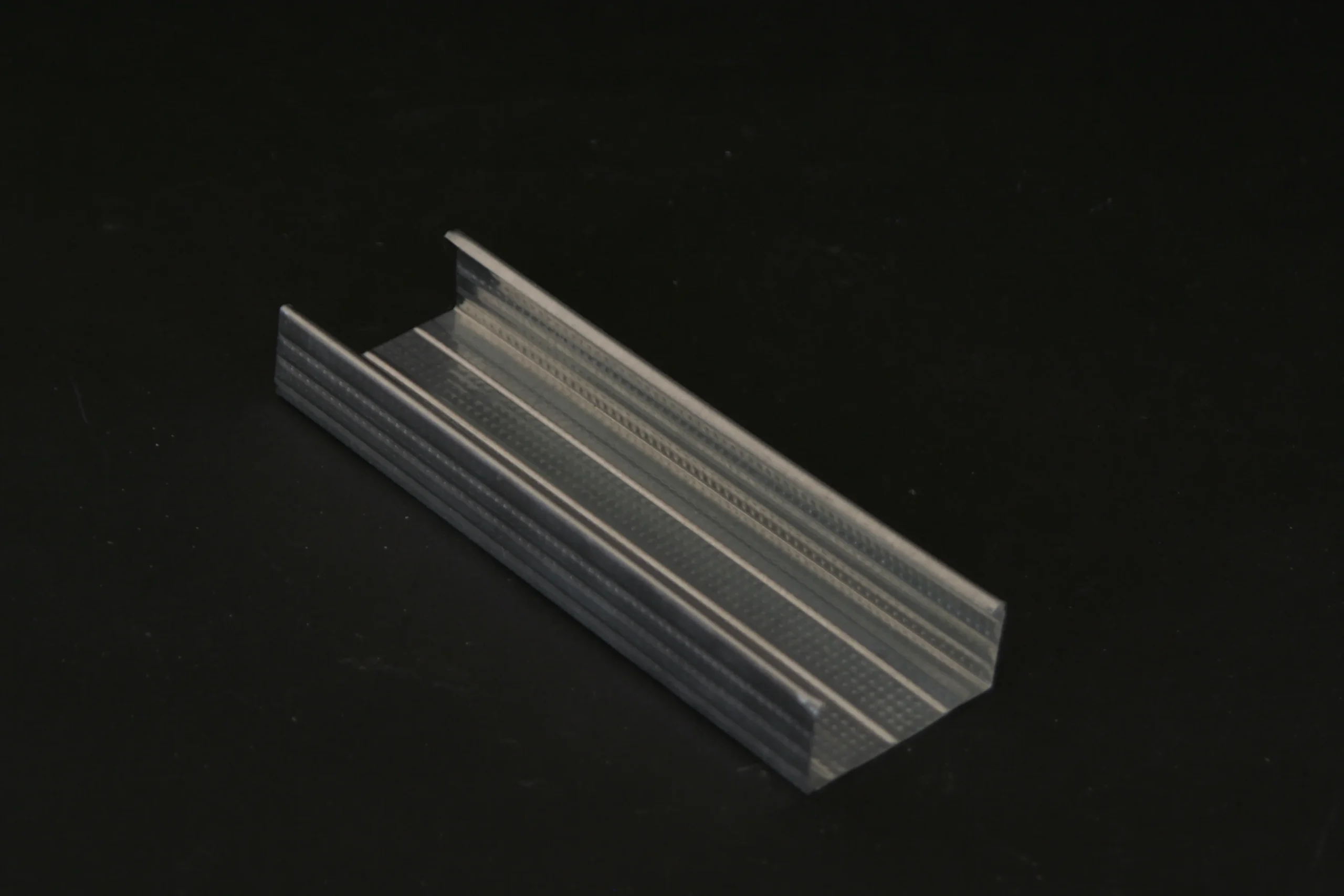
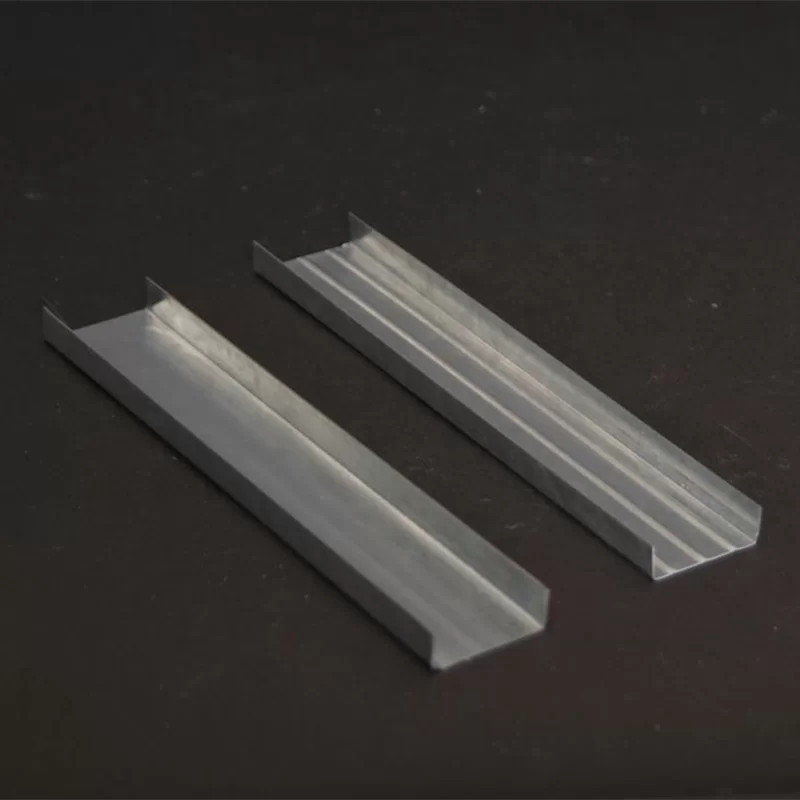
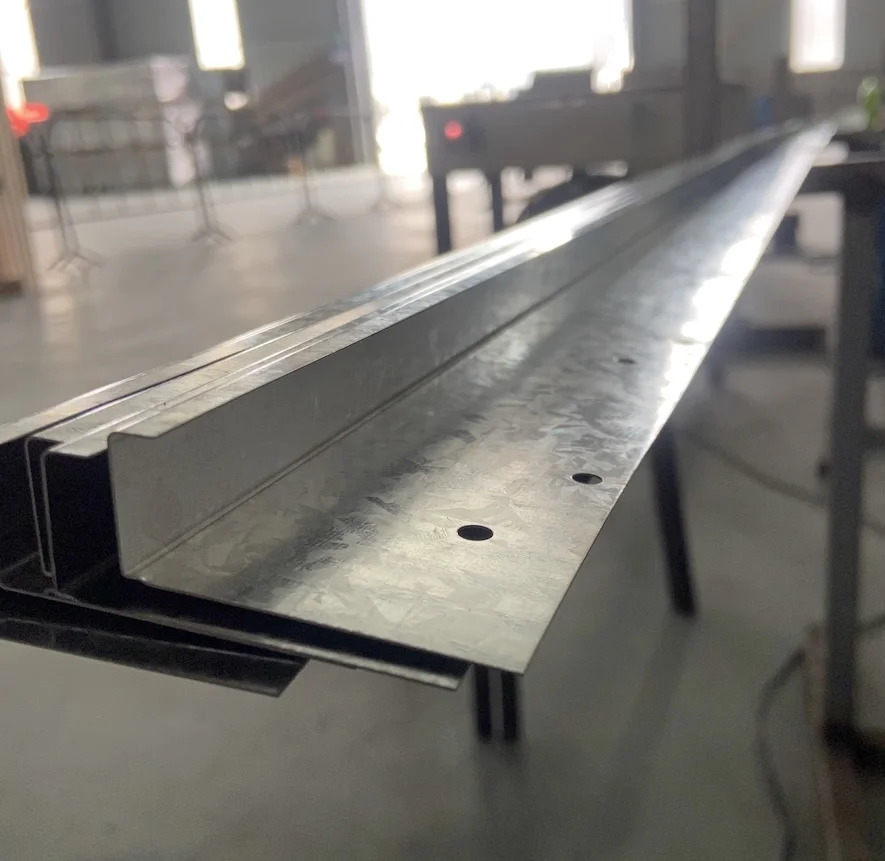
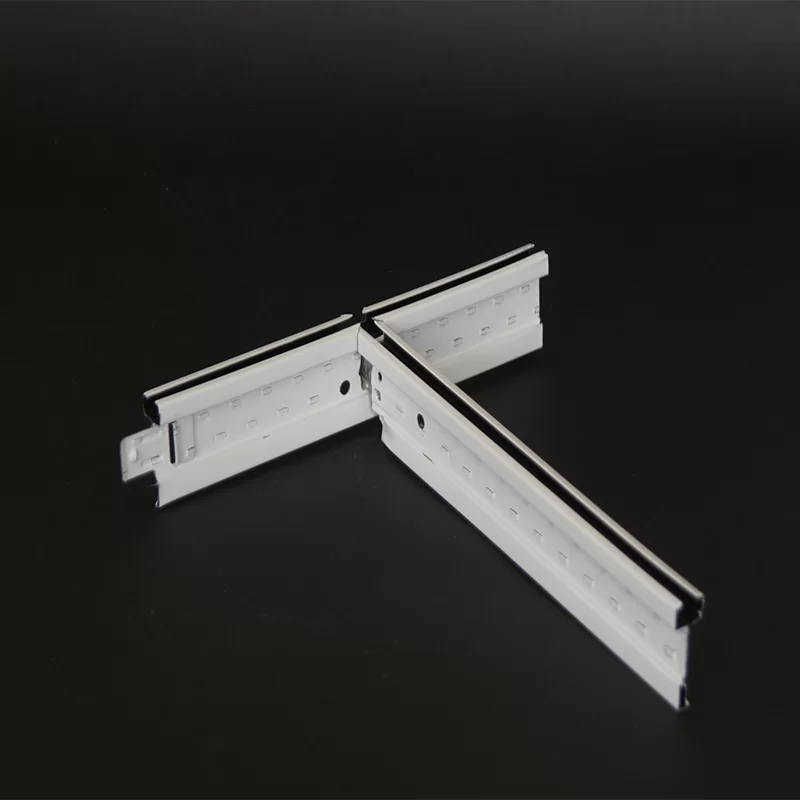
To keep it straightforward: a frame basement with metal studs means using cold-formed steel pieces—generally galvanized steel profiles—to create the structural skeleton that supports basement walls and partitions instead of traditional timber framing.
These metal studs usually come in standard widths and lengths, which makes them easy to cut, join, and install. Their connection points rely on screws and specialized fasteners rather than nails, allowing for tighter, more precise assemblage.
In many ways, this approach is borrowed from above-ground steel framing, just adapted for the basement environment where moisture control and strength are paramount. For humanitarian projects, such as emergency shelters or modular homes placed on permanent foundations, these metal framing solutions provide the balance of speed and durability required.
Key Components That Make Metal Stud Basement Frames Work
Durability Against Moisture and Pests
Metal studs resist moisture-induced rot and insect damage, which are common basement hurdles. While wood can swell or decay over time, galvanized steel maintains its form and strength. This translates to a longer-lasting frame without the endless maintenance headaches.
Cost Efficiency and Material Availability
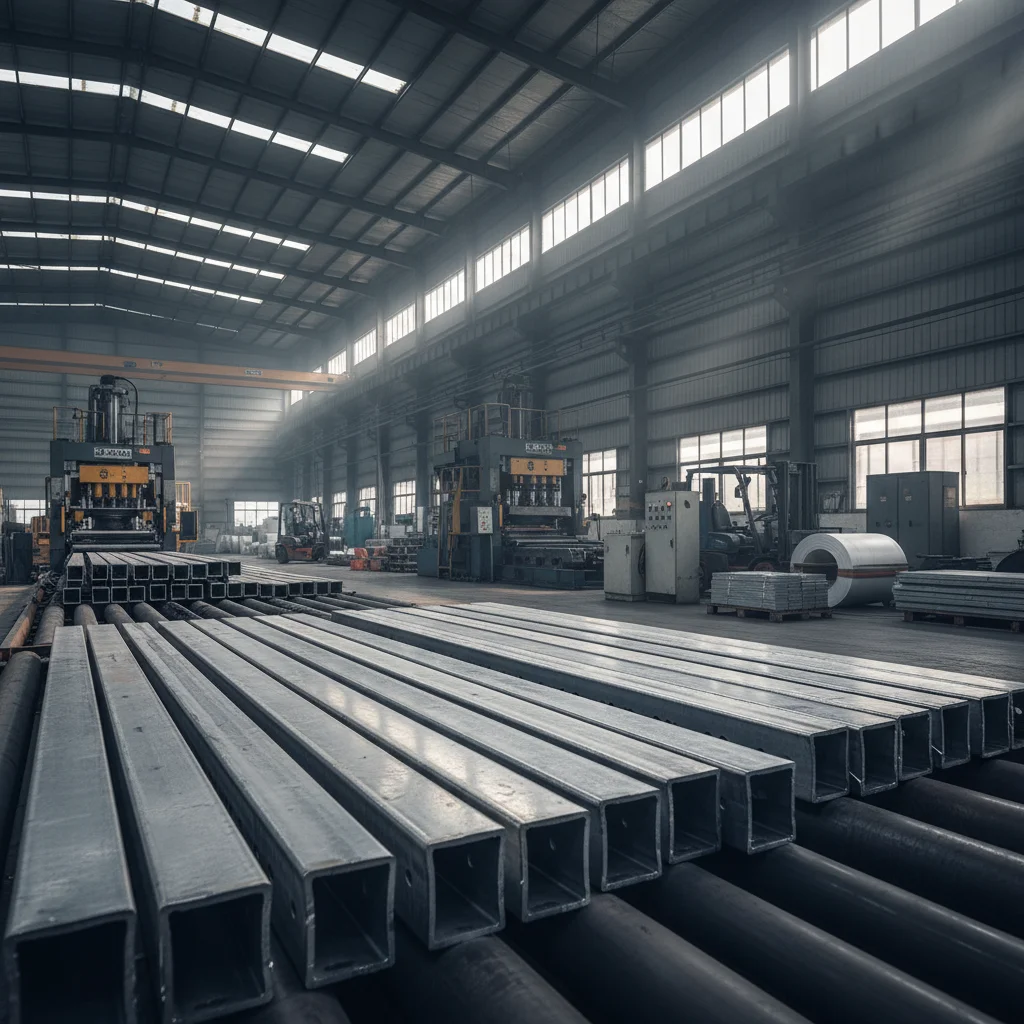
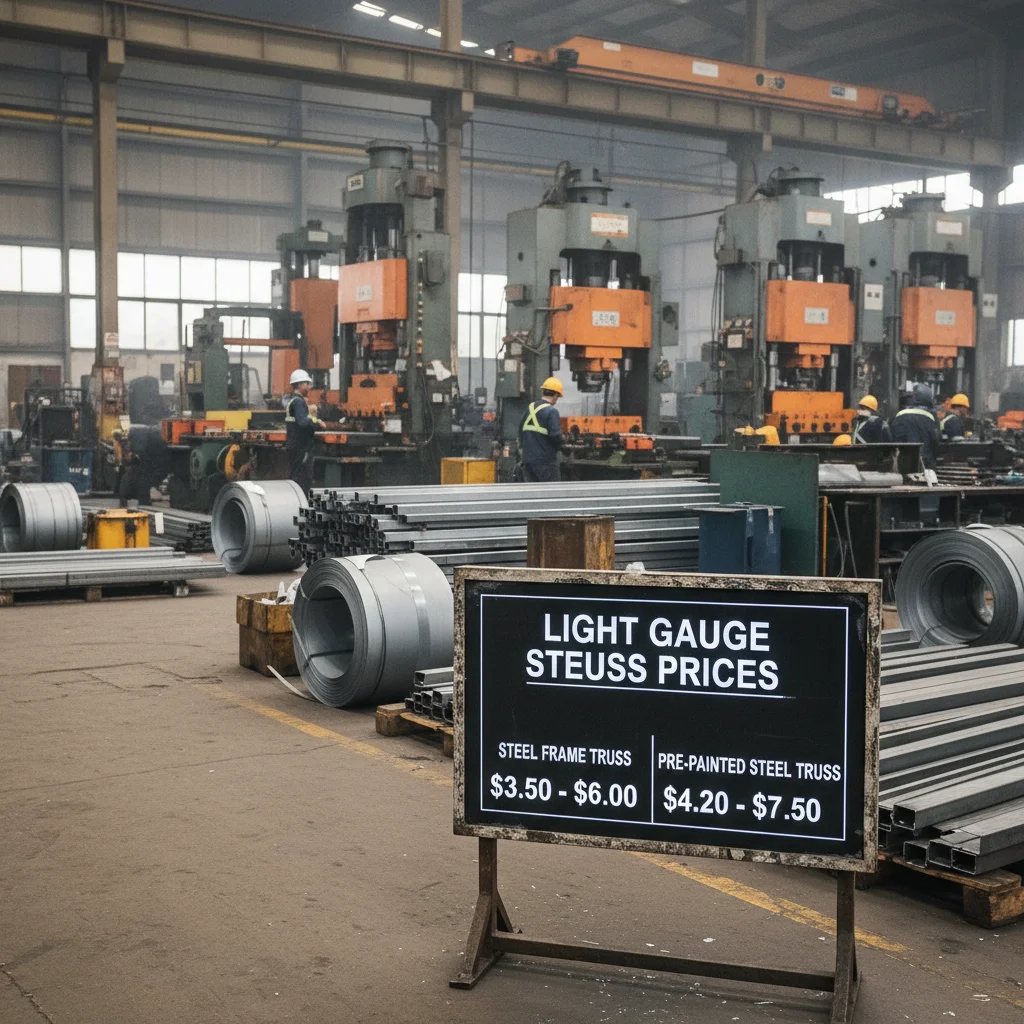
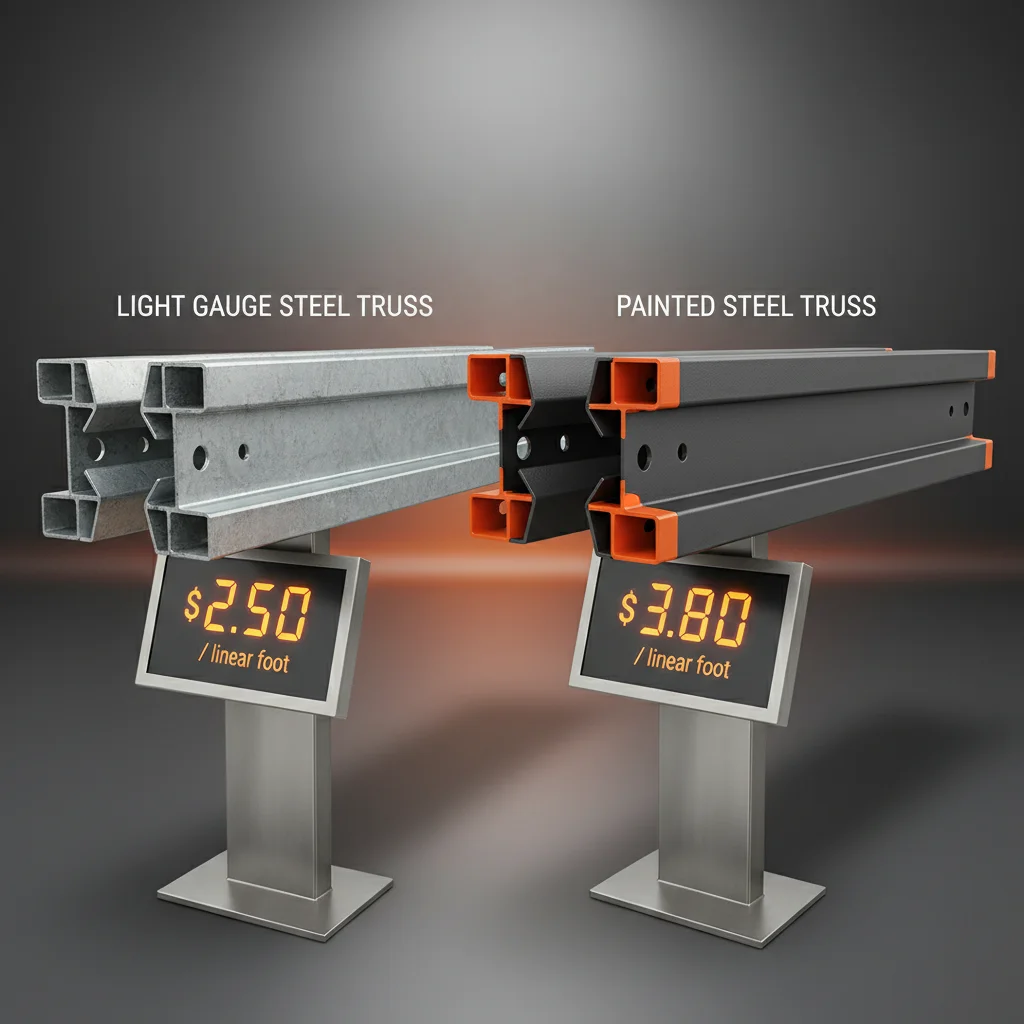
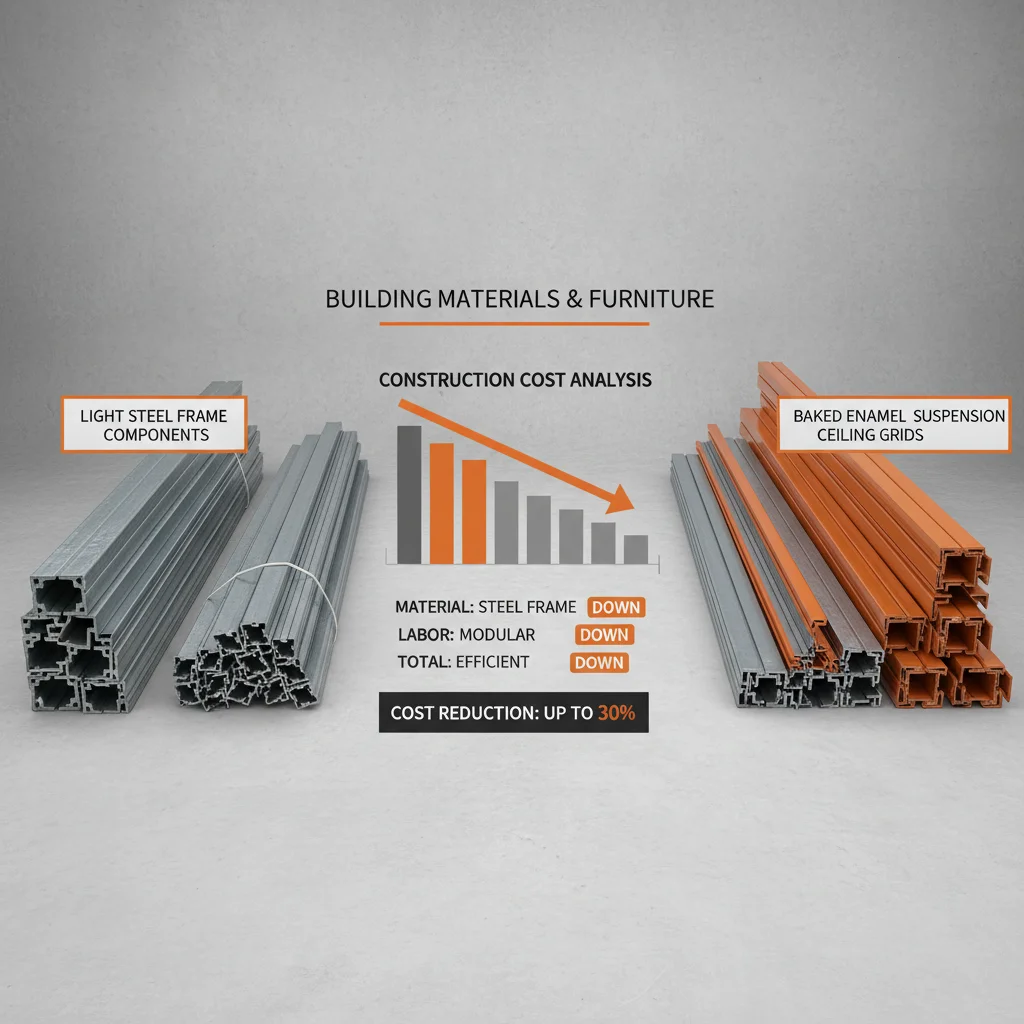
Oddly enough, while metal studs might seem pricier upfront, their rapid installation and low maintenance often make them more economical across a build’s lifespan. Plus, the steel industry’s mature supply chain means these components are often locally available, reducing shipping costs.
Scalability and Modular Design
Prefabricated metal stud sections can be made to fit precise dimensions for standardized housing, commercial basements, or even more complex infrastructure. This scalability means projects can easily ramp up or down in size and complexity without retooling the basics.
Environmental Sustainability
Many manufacturers now use recycled steel and promote cradle-to-cradle recycling for metal studs, which lessens construction waste. The durability aspect also reduces the frequency of repairs and rebuilds, a clear win in sustainable building strategies.
Real-World Uses From Street Corners to Remote Sites
If you look around, you’ll find metal stud basement framing making a difference globally. In northern Europe, where cold temperatures and damp soils demand resistant materials, builders prefer these to traditional timber. Humanitarian NGOs deploy modular homes using metal stud frames on concrete slabs in disaster zones like Haiti, where rapid, mold-resistant housing is vital.
Industrial zones in Asia turning to quick upscaling of warehouses benefit from metal basement frames that help maintain structural integrity while speeding up construction schedules. Even in residential projects, particularly in metro regions with strict regulations, the lightweight precision of metal framing offers a modern alternative.
A Closer Look at Product Specifications
| Specification |
Typical Value / Range |
Notes |
| Material |
Galvanized Cold-Formed Steel |
Corrosion resistant coating |
| Stud Widths |
1-5 inches (25-125 mm) |
Custom sizes also available |
| Stud Thickness |
0.018" to 0.054" (0.46 mm to 1.37 mm) |
Affects load bearing capacity |
| Length |
Typically 8 to 12 ft (2.4 - 3.7 m) |
Cut to site requirements |
| Fire Resistance |
Non-combustible |
Improves basement safety |
Comparing Vendors: Quick Guide to Metal Stud Providers
| Vendor |
Material Quality |
Lead Time |
Price Range |
Additional Services |
| SteelFrame Inc. |
High (G90 coating) |
2 weeks |
$$$ |
Custom cuts, design support |
| RapidMetal Supply |
Medium (G60 coating) |
1 week |
$$ |
Bulk order discounts |
| BuildStrong Steel |
Premium (G90+ enhanced) |
3 weeks |
$$$$ |
Engineering consulting |
Advantages & Long-Term Value of Metal Stud Basement Frames
- Longevity — These frames stand up to moisture and pests that destroy wood, meaning far fewer repairs or rebuilds over decades.
- Safety — Non-combustible nature improves fire resistance, particularly critical in urban and industrial basements.
- Cost-Effectiveness — Faster installation lowers labor costs, while the durability reduces maintenance expenses.
- Environmental Impact — Steel’s recyclability and the capacity for prefabricated precision lead to less waste and better resource use.
- Design Flexibility — Easier to customize and adapt as building codes evolve or design needs change.
Frankly, a basement framed with metal studs feels like the future of practical, trustworthy construction.
Emerging Innovations and Future Outlook
The next decade promises exciting advancements — think smart sensors embedded into metal studs for real-time structural health monitoring, or coatings that dynamically adjust corrosion protection. Green energy initiatives are pushing manufacturers to further reduce carbon footprints through green steel processes.
Automation in framing installation, combined with digital modeling (BIM technologies), means metal stud basements could soon be constructed with laser precision and minimal waste almost anywhere. The horizon really looks bright, and the trend ties perfectly into the industry’s growing embrace of sustainability and tech.
Challenges & How Experts Are Tackling Them
Of course, no solution is perfect. Metal frames can sometimes face issues with thermal bridging — a challenge in energy efficiency — or require more precise cutting tools than timber. Some contractors hesitate due to unfamiliarity or upfront cost concerns.
Innovations like thermal break clips and hybrid framing methods (combining metal and insulated panels) help mitigate these challenges. Plus, expert training programs and industry standards are growing to make adoption smoother and more cost-effective.
FAQ: Your Top Questions Answered
Q1: Is framing a basement with metal studs more expensive than wood?
Initially, yes, metal studs may cost more per linear foot. However, their longevity, lack of pest damage, faster installation times, and lower maintenance often save money over the building’s life. So you might say it’s an investment rather than a direct expense.
Q2: Can metal stud frames be used in wet or humid basement environments?
Absolutely. In fact, metal studs outperform wood in moist conditions because galvanized steel won’t rot or attract termites. Proper damp-proofing combined with metal framing makes for a very resilient basement structure.
Q3: How customizable are metal studs for unique basement designs?
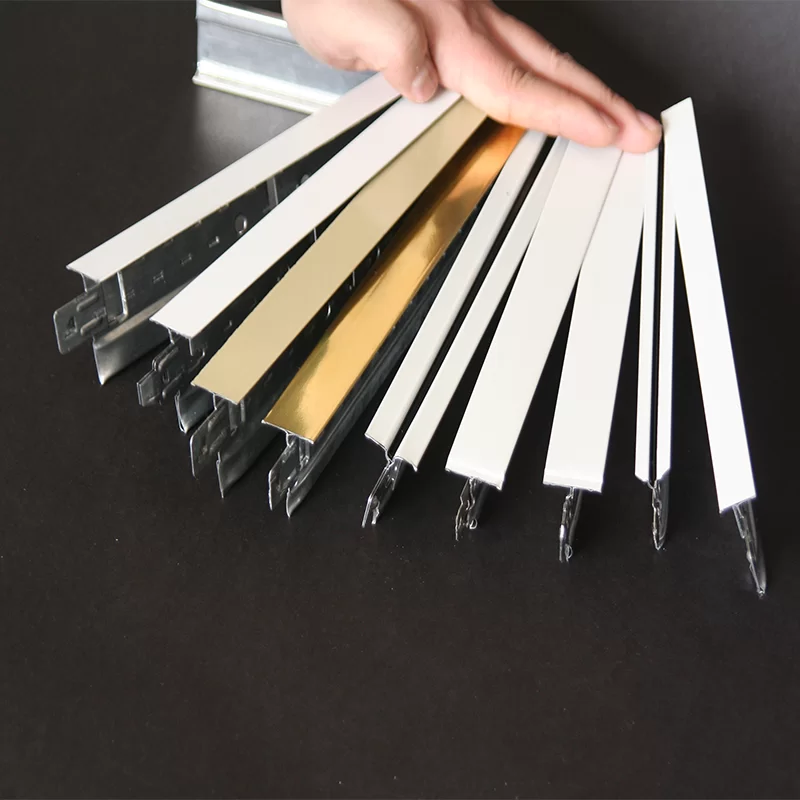
Very customizable. Metal studs come in various sizes, thicknesses, and lengths, and can be easily cut or joined to fit complex layouts, arches, or modular assemblies. This flexibility supports everything from simple storage basements to complex industrial underground spaces.
Q4: Do metal stud basements require special tools for installation?
Installation typically requires metal snips, screw guns, and sometimes specialized fasteners, which do differ from traditional carpentry tools. But most skilled contractors quickly familiarize themselves, and some prefabrication reduces on-site tool needs.
Q5: Where can I learn more or source quality metal studs for basement framing?
Well, a good place to start is manufacturers’ sites or distributors specializing in cold-form steel. For practical advice, you might visit frame basement with metal studs resources that showcase options and case studies.
Wrapping Up: The Smart Choice for Lasting Basements
Using metal studs to frame basements takes what we used to think of as minor structural details and turns them into a competitive advantage — faster build times, greater durability, and added sustainability. If you’re looking to future-proof your projects or simply build smarter, this method deserves a spot on your radar.
For more info, designs, and sourcing options related to framing basements with metal studs, do visit frame basement with metal studs — it’s a solid place to expand your knowledge and connect with industry pros.
References:
1. Wikipedia: Metal Stud Framing
2. UN-Habitat Reports
3. ISO Standards on Steel Construction