Understanding Framing Metal: The Backbone of Modern Construction
Framing metal — if you’re in construction, architecture, or even humanitarian aid, you’ve probably come across the term multiple times. But what makes it so pivotal that industries worldwide keep talking about it? Simply put, framing metal is the structural skeleton of countless buildings, containers, and modular assemblies. Its global importance stems from providing rapid, durable, and cost-efficient solutions across numerous sectors. And frankly, in a world grappling with housing shortages, climate challenges, and rapid urbanization, understanding framing metal equates to unlocking smarter building practices that withstand time and turbulence.
The Global Context: Why Framing Metal Matters Now More Than Ever
The demand for sustainable, resilient infrastructure has never been higher. According to the United Nations, over 1 billion people live in inadequate housing, and urban populations are projected to increase by 2.5 billion by 2050. This rapid expansion, alongside increasing natural disasters, demands construction materials that are both sturdy and quick to deploy — enter framing metal.
World Bank data indicates that industrial metal consumption is on a steady rise, with steel framing leading the pack due to its recyclability and strength-to-weight ratio. Yet, with rising raw material costs and environmental concerns, challenges persist. The global construction industry is actively seeking alternatives that provide structural integrity while reducing carbon footprints. Framing metal solutions answer this call.
Mini takeaway: Framing metal stands at the crossroads of urgent global infrastructure needs and evolving sustainability goals.
What Exactly is Framing Metal?
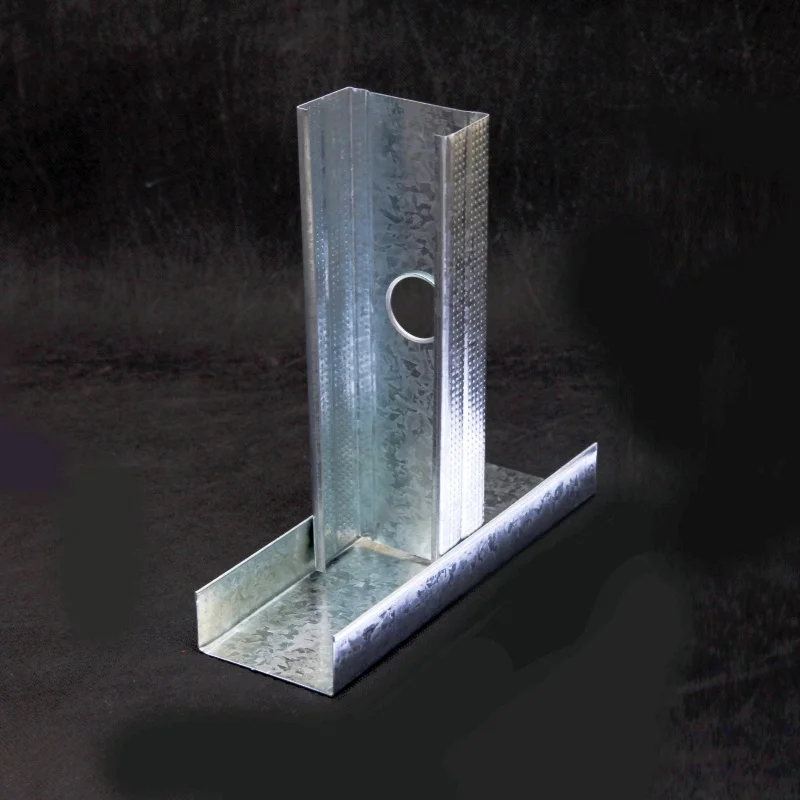
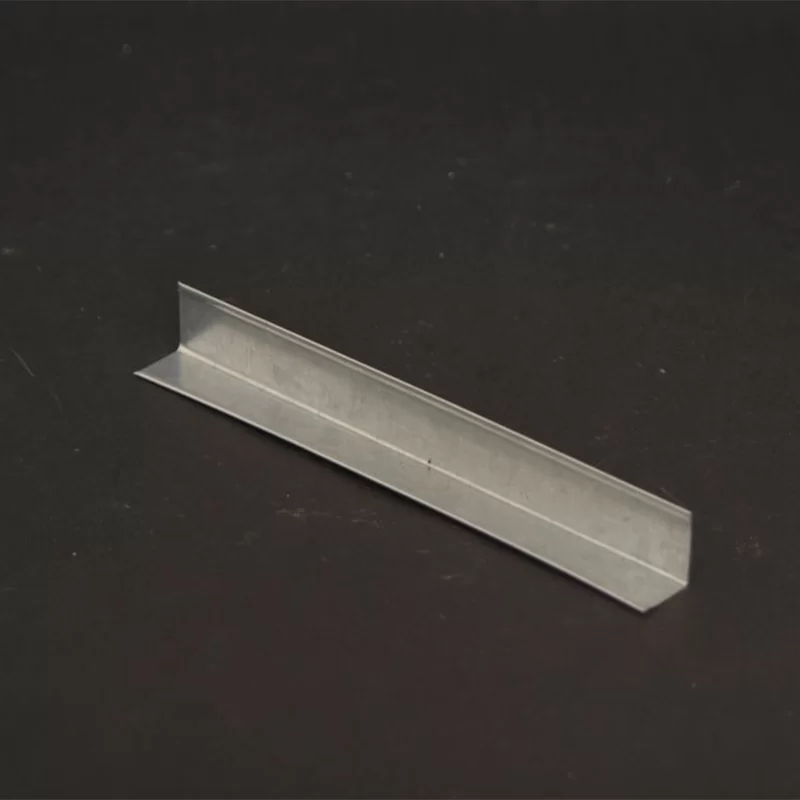
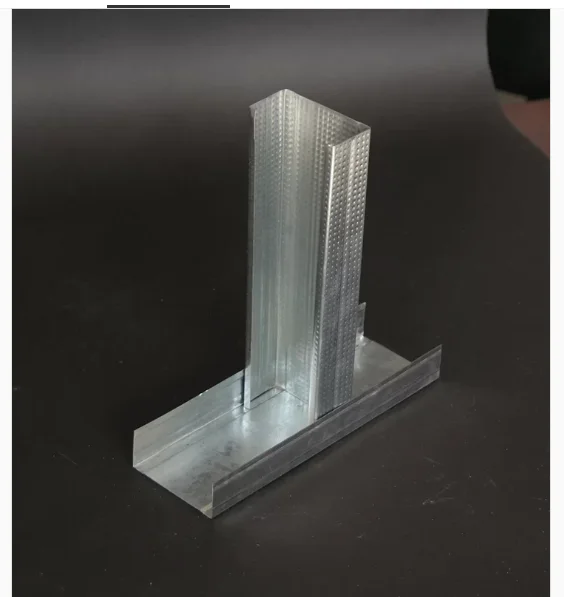
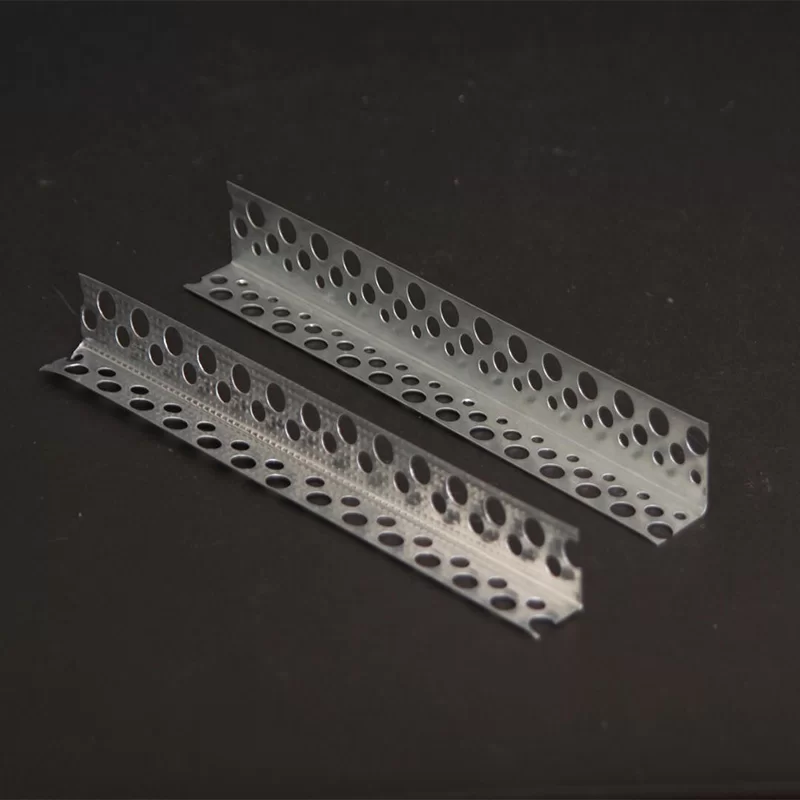
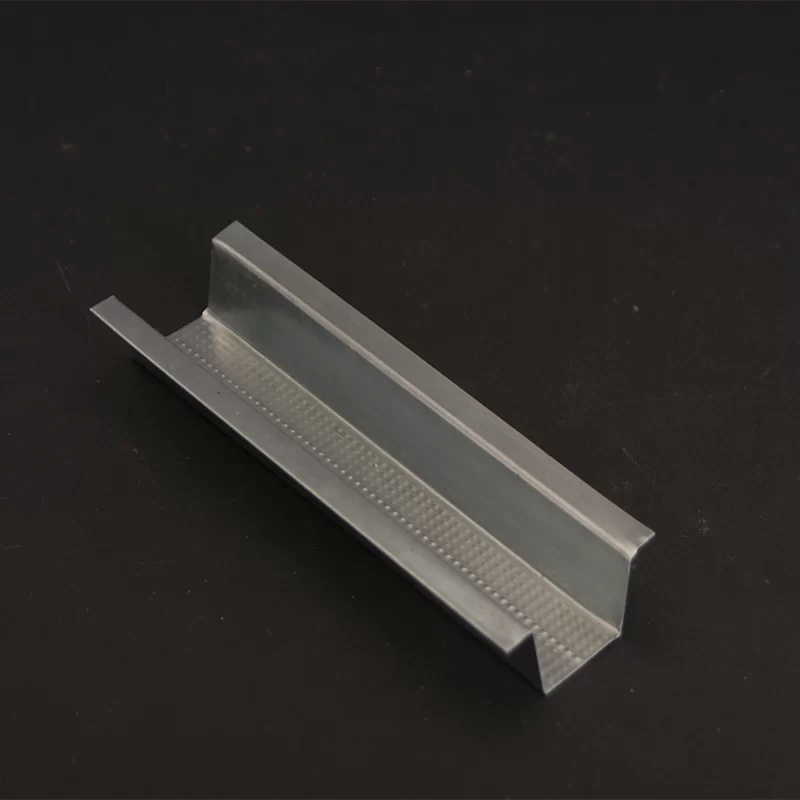
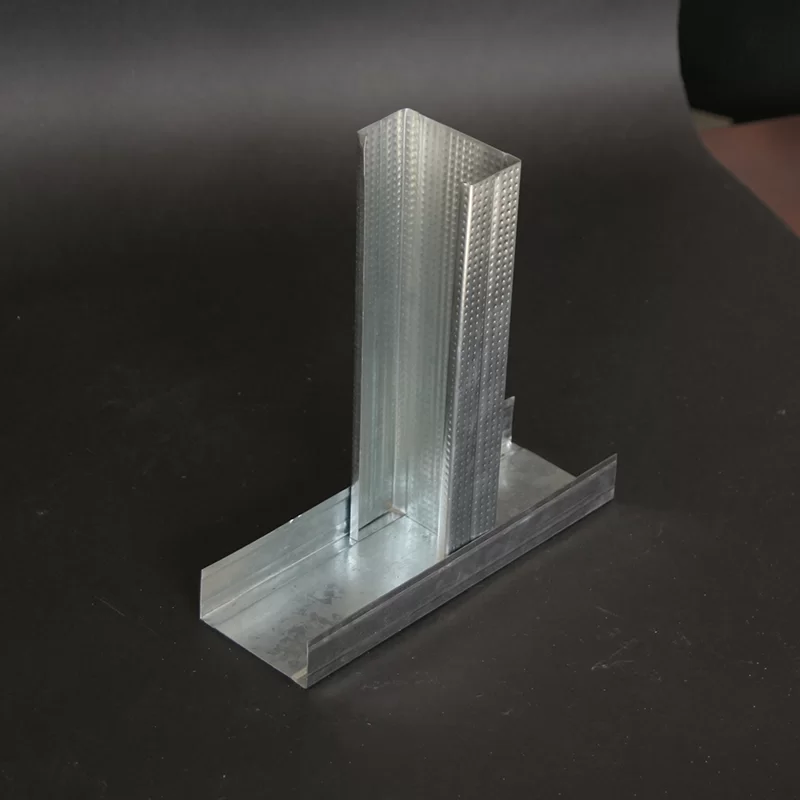
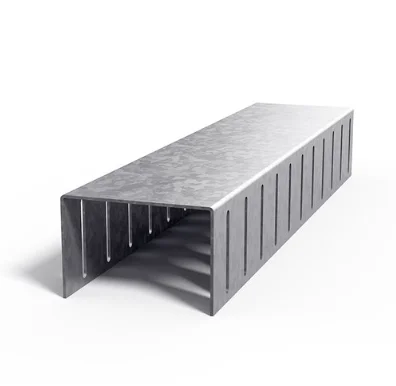
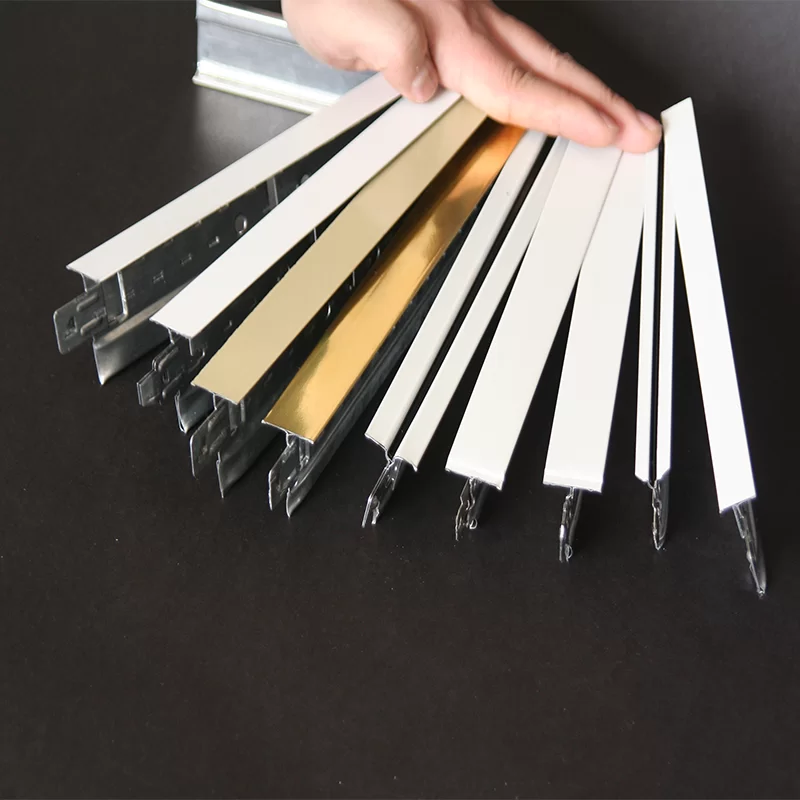
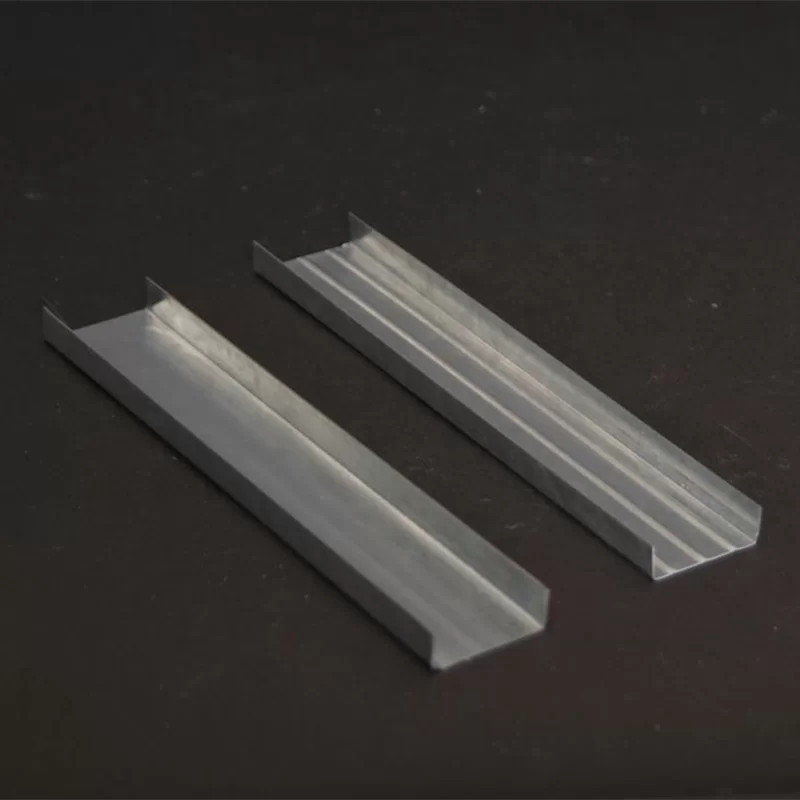
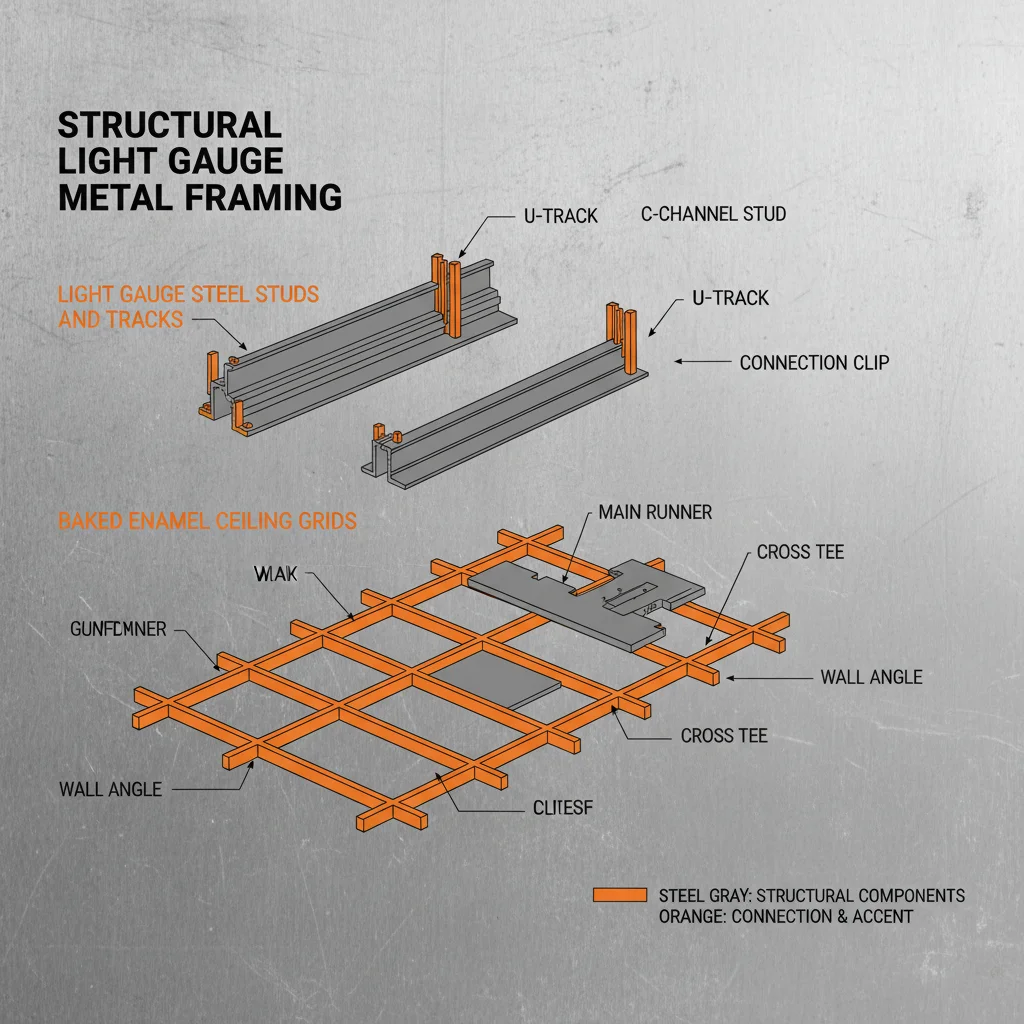
At its core, framing metal refers to the metal components—usually steel or aluminum—that form the skeleton of a structure. These profiles include beams, columns, studs, joists, and trusses specifically manufactured to interlock or be assembled into frameworks. Unlike traditional wood framing, metal framing offers superior durability, fire resistance, and design flexibility.
Whether used in residential buildings, commercial complexes, or even temporary structures like emergency shelters, framing metal components bear loads, define spaces, and support other materials like drywall, panels, or insulation. This makes it a foundational element not just for modern industry but also for humanitarian architecture where rapid erection and compliance with international building codes are key.
Key Characteristics That Define High-Quality Framing Metal
1. Durability and Strength
Metal framing’s ability to withstand extreme weather, pests, and long-term wear is a game changer. Steel, in particular, provides tensile strength that wood simply can’t match.
2. Scalability and Modular Design
Framing metal fits perfectly with modular construction principles — parts can be mass-produced, shipped easily, and snapped together on-site, speeding up workflow considerably.
3. Cost Efficiency Over Lifecycle
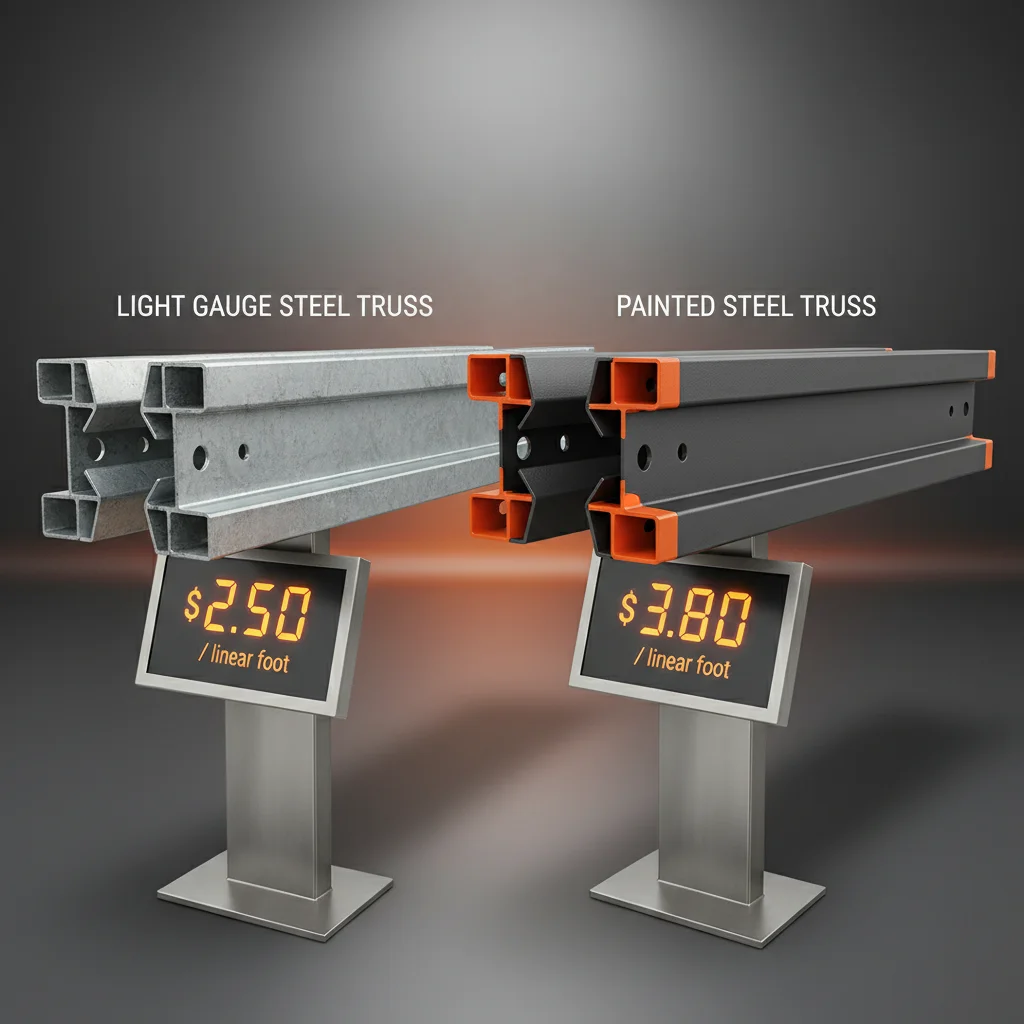
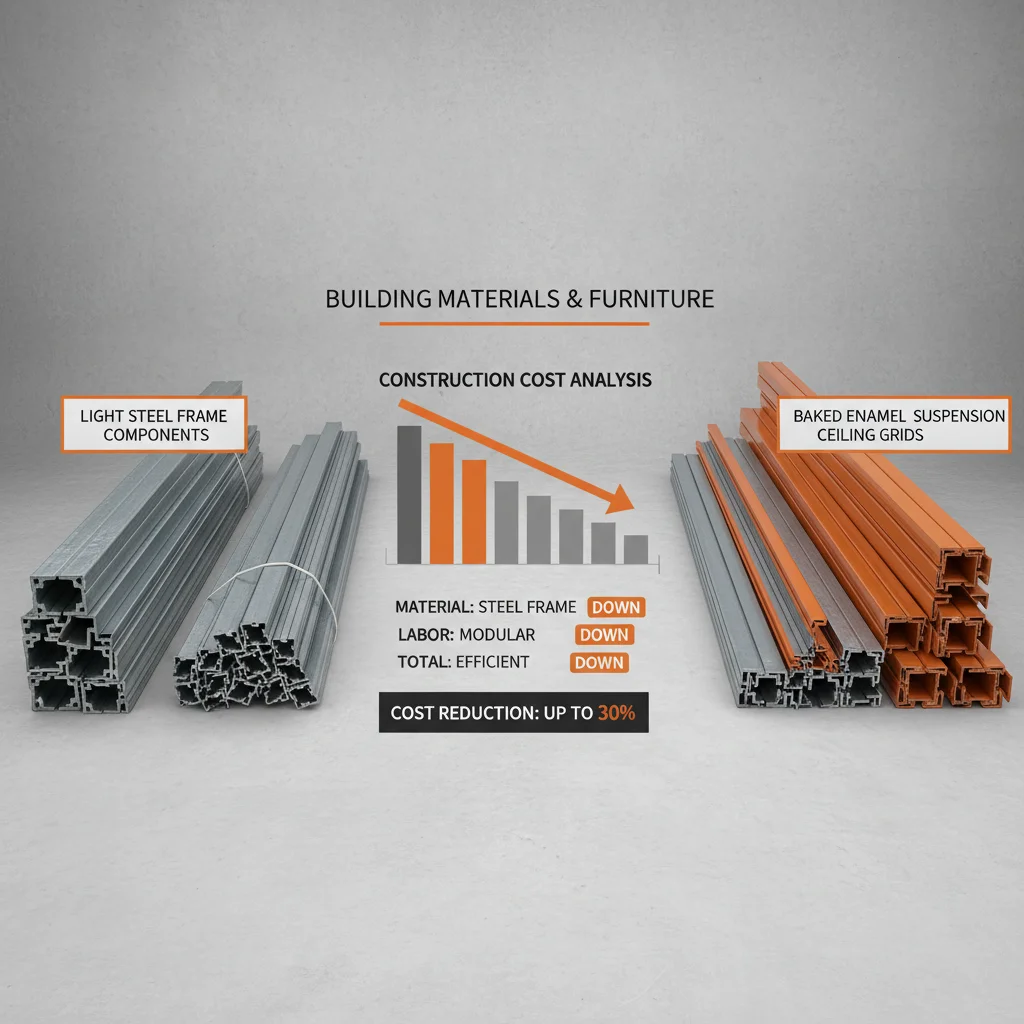
Though initial purchase prices may be higher than traditional materials, metal framing often reduces maintenance costs and increases lifespan, making it a smart investment.
4. Sustainability and Recyclability
Many framing metals are composed of recycled content and are 100% recyclable themselves. This attribute aligns with global pushes toward greener building materials.
5. Fire and Pest Resistance
Unlike timber, metal won’t rot, warp, or fuel fires — important for safety and insurance considerations, especially in high-risk zones.
Mini takeaway: The blend of durability, efficiency, and green credentials makes framing metal a practical choice for the future.
Global Applications: Where Framing Metal Makes a Difference
Framing metal’s versatility spans diverse industries and geographies. For instance:
- Post-Disaster Relief: NGOs deploying temporary shelters in earthquake-hit regions prefer metal framing for quick assembly and sturdiness.
- Remote Industrial Zones: Mining and oil rigs use modular metal-framed shelters that resist harsh climates and are easy to transport.
- Urban Development: High-rise buildings in cities like Tokyo and New York integrate steel framing to meet strict seismic codes.
- Commercial Warehouses: Metal framing allows expansive open-plan interiors without costly internal supports.
Oddly enough, even occasional hobbyists purchase metal framing kits for DIY home extensions or workshops — testifying to its evolving accessibility.
Product Specification Table: Typical Steel Framing Metal Profiles
| Profile Type |
Material |
Thickness (mm) |
Length (m) |
Typical Load (kN) |
Surface Finish |
| C-Stud |
Galvanized Steel |
1.2 - 2.0 |
3 - 6 |
15 - 35 |
Galvanized |
| U-Track |
Galvanized Steel |
1.0 - 1.5 |
3 - 6 |
10 - 20 |
Galvanized |
| Z-Purlin |
Cold-Rolled Steel |
1.5 - 3.0 |
6 - 12 |
40 - 70 |
Primed or Painted |
Navigating Vendor Choice: A Quick Comparison
Picking a framing metal vendor isn’t just about price. Reliability, specs, and after-sales support matter too. Here’s a rough comparison of some popular suppliers:
| Vendor |
Range of Products |
Customization |
Delivery Time |
Price Level |
Sustainability Credentials |
| Alpha Metals |
Wide (including custom beams) |
High |
2-3 weeks |
Mid-range |
ISO 14001 certified |
| BuildCore Supplies |
Standard steel profiles |
Low |
1 week |
Budget |
Basic environmental standards |
| EcoFrame Inc. |
Green-certified metals |
Medium |
3-4 weeks |
Premium |
100% recycled steel |
Why Choose Framing Metal? The Long-Term Value
Choosing framing metal isn’t just an engineering decision—it’s an emotional and social one. It feels like entrusting your space’s integrity, safety, and even dignity to a material that won’t falter in storms or flames. On a logical level, savings on repairs, quicker builds, and less waste translate into tangible bottom-line advantages. Consider how, for rapidly developing cities, it can mean the difference between a neighborhood surviving a hurricane or becoming a pile of rubble.
For eco-conscious builders and governments, metal framing’s recyclability and longevity reduce landfill pressure and resource depletion. And on a human scale, delivering fast, reliable housing in crisis zones uplifts people’s lives, offering not just shelter but hope.
Looking Forward: Trends and Innovations in Framing Metal
Advancements in framing metal technology continue. Stainless steel alloys with corrosion resistance tailored for coastal structures, digital precision fabrication through robotics, and lightweight aluminum composites that rival steel strength are becoming more mainstream. Green energy companies are integrating solar-ready framed panels directly into structures, and automated construction systems use metal framing that works seamlessly with drones or 3D printers.
Moreover, new international standards for sustainability certifications push vendors toward even cleaner manufacturing. It’s an exciting era where framing metal literally supports digital transformation and sustainable cities alike.
Common Challenges and How They're Tackled
Of course, metal framing isn’t perfect. Metal can corrode if not properly treated, and thermal bridging (where metal conducts heat, causing insulation loss) remains a design challenge. However, modern coatings, galvanization, and hybrid insulation techniques help mitigate these issues.
Cost concerns also linger—although prices fluctuate with global steel supply, mass production and streamlined logistics help keep framing metal competitive. Designers often pair metal framing with smart engineering and material combos to maximize value.
Frequently Asked Questions About Framing Metal
- Q: How does framing metal compare to traditional wood in terms of fire resistance?
- A: Framing metal, especially steel, is inherently fire-resistant and won’t ignite or combust like wood. This makes metal framing preferred in high-risk fire zones, contributing greatly to occupant safety and potentially lowering insurance costs.
- Q: Can metal framing be used in modular or prefabricated building systems?
- A: Absolutely. Metal framing is ideal for modular designs because of its precision, durability, and ease of assembly. It fits well with offsite manufacturing, speeding up construction while maintaining quality.
- Q: Is framing metal environmentally friendly?
- A: Many framing metals today incorporate recycled materials and are fully recyclable themselves. When paired with sustainable manufacturing practices, metal framing significantly reduces environmental impact compared to traditional materials.
- Q: What maintenance does framing metal require?
- Properly coated and installed framing metal requires minimal maintenance. Routine checks for corrosion or damage in harsh environments are advisable, but generally, it outlasts alternatives with less upkeep.
- Q: How can NGOs import and deploy metal framing solutions internationally?
- NGOs typically partner with specialized suppliers experienced in logistics and international standards compliance. Products can be shipped in kits and assembled onsite, often coordinated with local contractors for rapid deployment.
Wrapping Up: Why Framing Metal Should Be Your Go-To Solution
Overall, framing metal blends strength, speed, and sustainability into one versatile package. It answers urgent global challenges, fits modern building trends, and offers solutions that last generations. If your next project demands reliability, scalability, and a smaller carbon footprint, framing metal should be front of mind—because building smarter today pays dividends tomorrow.
Curious to learn more or explore product ranges? Visit our website at https://www.jinkaibm.com for detailed specs, expert advice, and tailored solutions—your project’s metal foundation begins here.
References
- United Nations Climate Change Information
- World Bank Urban Development Data
- Wikipedia: Steel Frame Construction