Furring Framing: The Unsung Backbone of Modern Construction
Furring framing might not be the star of every construction conversation, but make no mistake—it’s vital. Essentially, furring framing involves installing a secondary framework to support surfaces like drywall, paneling, or siding. Why does this matter globally? Well, in an age demanding faster, more versatile, and sustainable building solutions, understanding furring framing helps architects, builders, and humanitarian groups alike optimize structural integrity without unnecessary weight or cost. Plus, by mastering this simple yet powerful method, projects anywhere from remote villages to skyscrapers can gain durability and adaptability that truly matters.
The Global Landscape: Why Furring Framing Still Matters
Let’s step back and see the bigger picture. According to the United Nations, more than 1.6 billion people worldwide lack adequate housing or safe shelter—an alarming statistic that calls for innovative construction methods. Likewise, the ISO has been advancing standards for efficient building materials and techniques, directly impacting how frameworks like furring framing are adopted internationally.
From booming urban centers in Asia to post-disaster zones in the Americas, the challenges remain consistent: speed, affordability, and resilience. Furring framing addresses these by providing a flexible, economical skeleton supporting walls and ceilings, enabling easier installation of insulation and finishing materials.
Oddly enough, it’s this modest technique that often sets up success or failure in projects spanning rich and poor regions alike.
Mini takeaway:
- Furring framing bridges the gap between expensive traditional frameworks and quick-build needs.
- Globally, it’s a tool for affordable, adaptable shelter and finishing systems.
Breaking it Down: What Exactly is Furring Framing?
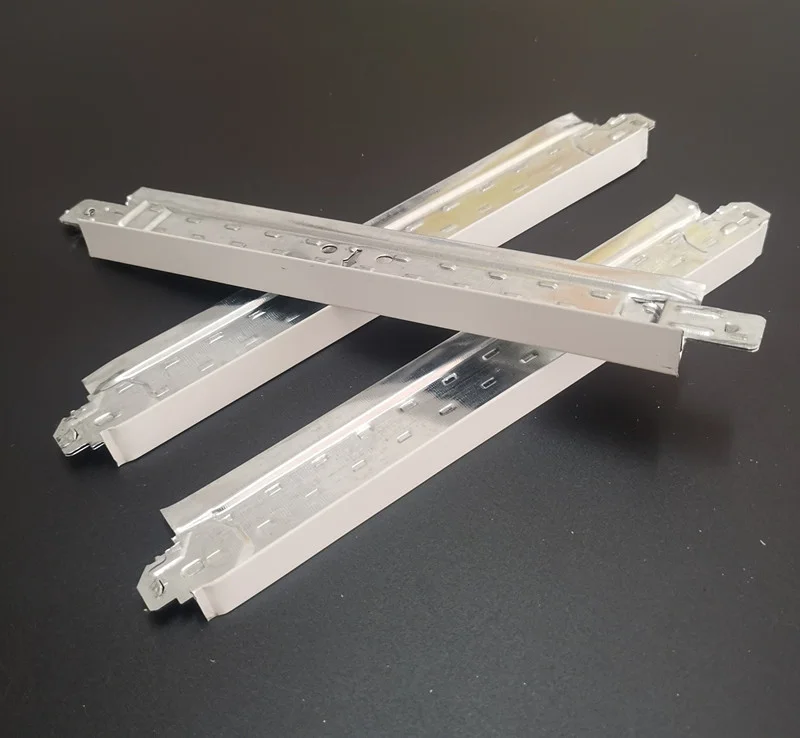
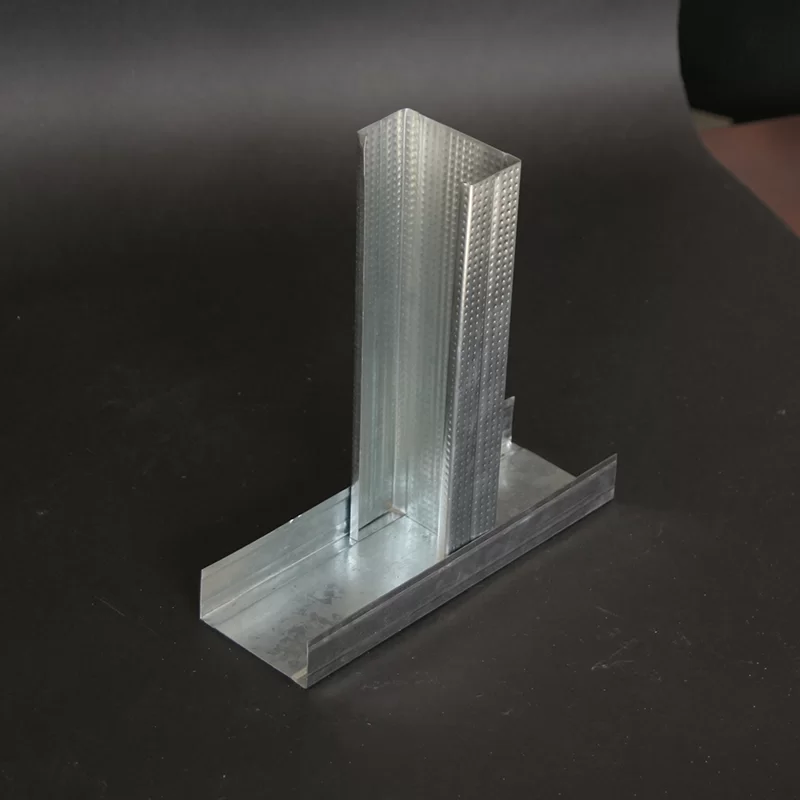
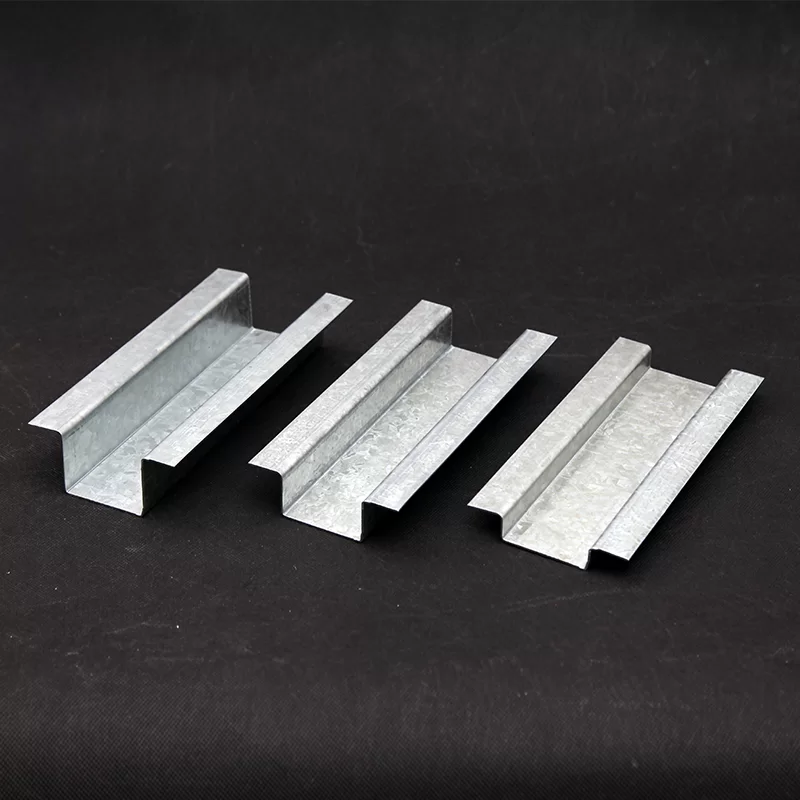
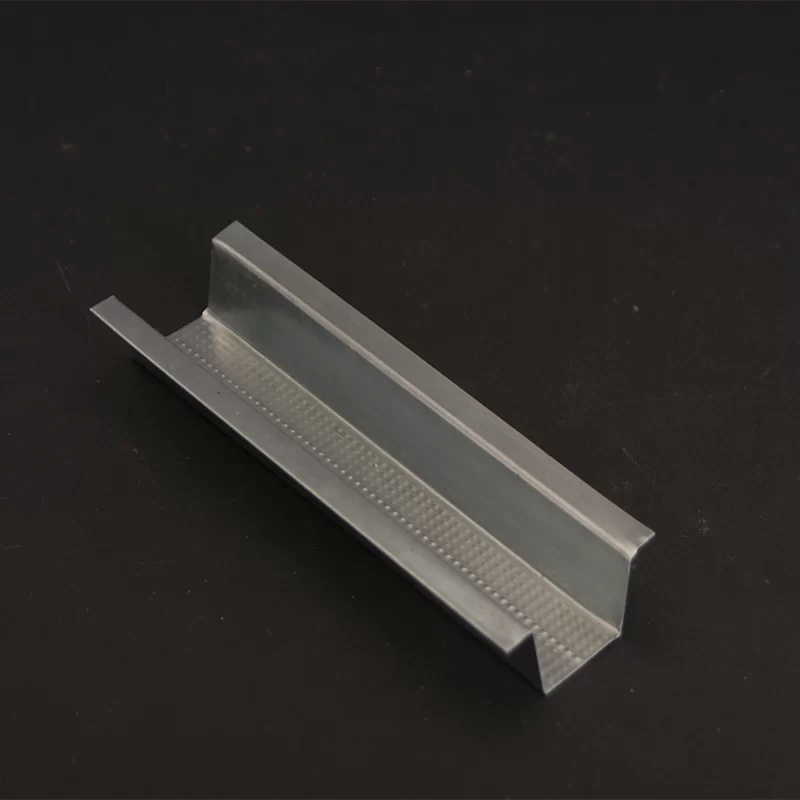
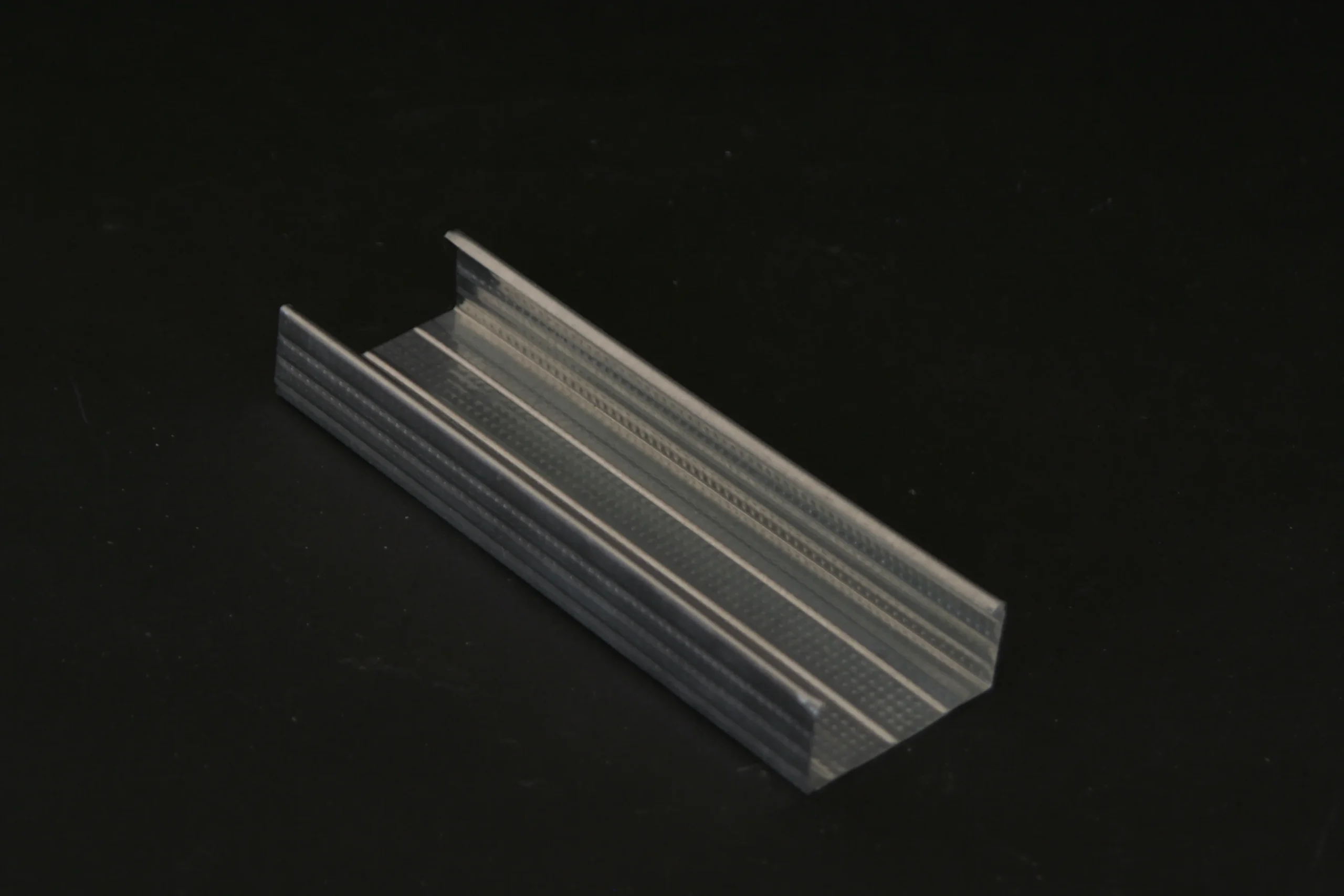
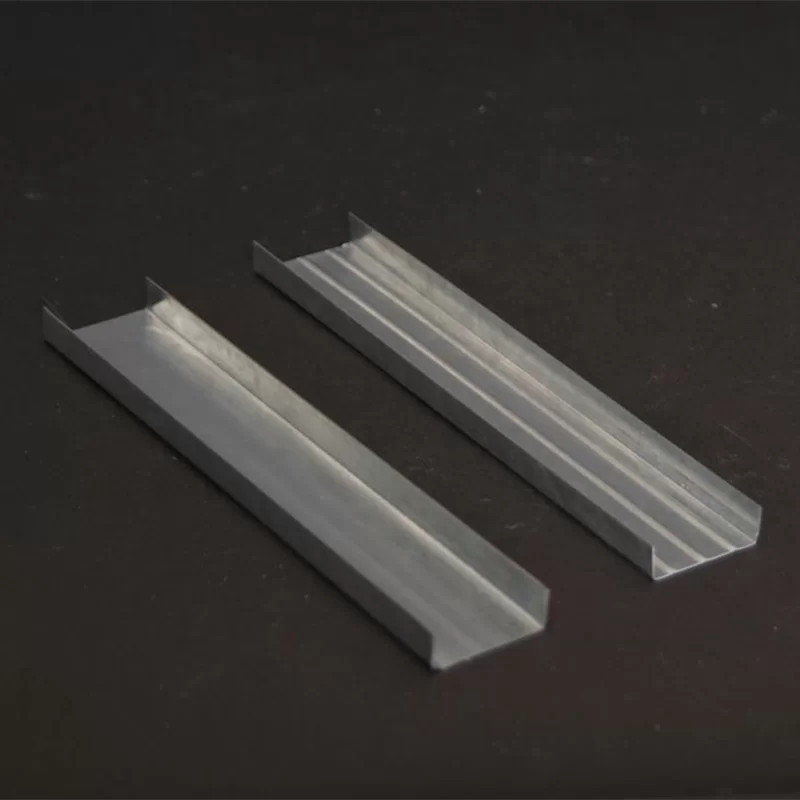
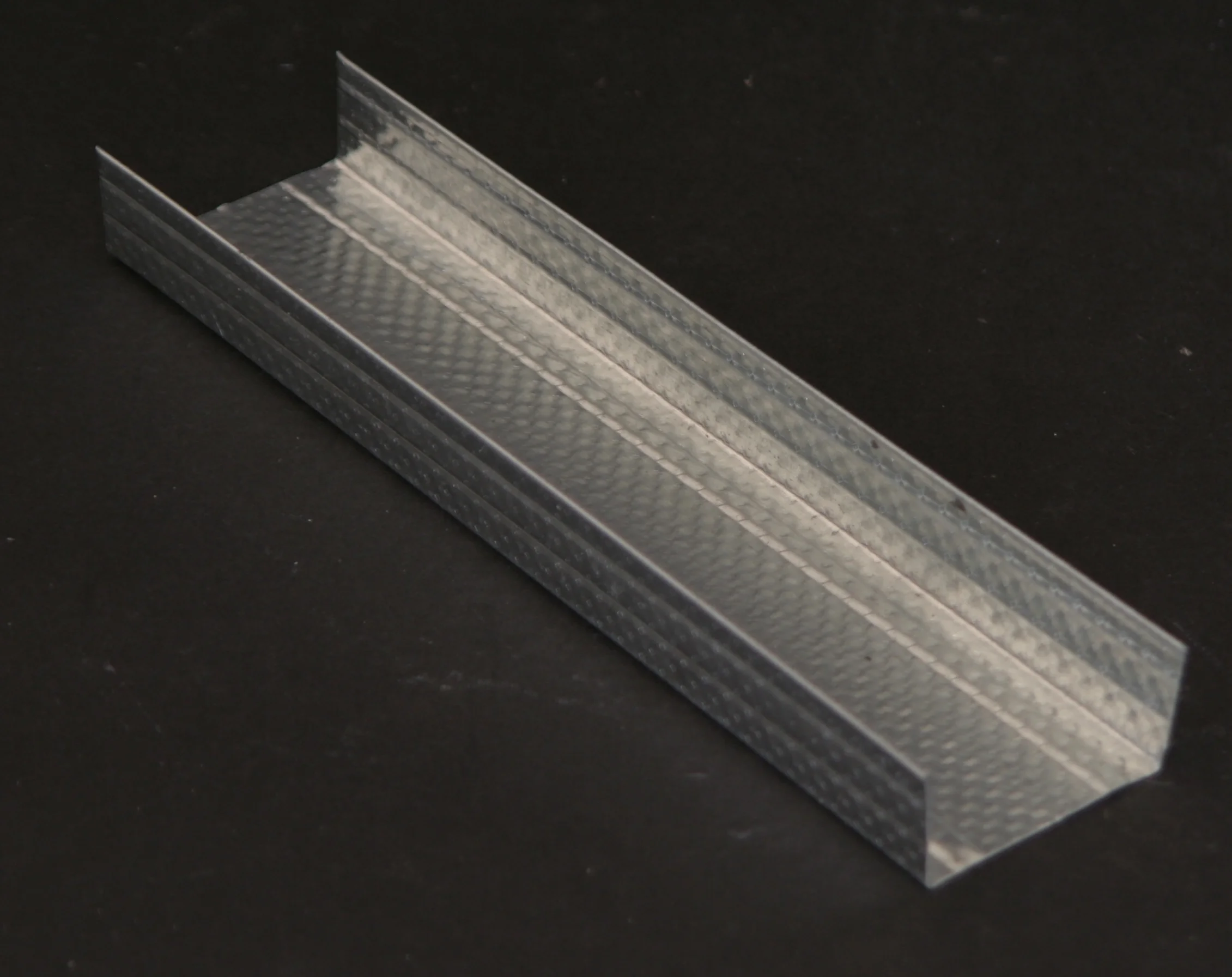
If you’ve ever looked closely at a finished wall, furring framing is the lightweight underlayer that creates the perfect flat surface for finishes. It’s basically a secondary grid or strips of material—usually wood or metal—attached perpendicular to a rough wall or ceiling, creating a cavity or level plane.
In construction terms, it functions to:
- Provide a nailable base for attaching plasterboard, cladding, or paneling
- Create space for insulation or wiring
- Help level surfaces that are uneven
This method has ties to modern industry, especially in modular building and humanitarian aid, where speed and simplicity are crucial. The adaptability of furring framing makes it a go-to for rapid, customized builds.
Mini takeaway:
- It’s a secondary frame that improves finishing.
- Supports insulation, wiring, and surface leveling.
Core Components and What You Should Know About Them
1. Durability
Typically made from galvanized steel or treated wood, furring strips resist moisture and warping. This ensures the longevity of the walls or ceilings they support. For example, steel furring is common in commercial buildings, thanks to its fire resistance and dimensional stability.
2. Scalability
Furring framing can be customized for everything — from tiny rooms to large industrial halls. Its modular nature means you can scale up or down without wasting materials, which is especially handy in disaster relief scenarios.
3. Cost Efficiency
Because furring materials are lightweight and easy to install, labor costs drop significantly. Also, it reduces the need for expensive leveling compounds or surface prep, saving money.
4. Thermal and Acoustic Performance
The cavity created by furring strips allows insulation to be added easily, improving energy efficiency and noise reduction. In cold climates or noisy urban environments, this is a subtle but impactful benefit.
5. Flexibility & Compatibility
Whether you’re working with concrete, brick, or even metal panels, furring framing adapts. It’s compatible with many fasteners and finishing materials, letting designers get creative.
Mini takeaway:
- Durability and flexibility make furring framing effective across many conditions.
- It’s cost-saving without compromising performance or longevity.
Worldwide Use: Who’s Benefiting from Furring Framing?
Regions with rapid building growth, like Southeast Asia and Sub-Saharan Africa, rely heavily on furring framing for affordable housing and commercial projects. In Japan, where earthquakes demand resilient structures, furring framing often features in lightweight interiors that help absorb shock.
In humanitarian contexts, NGOs use furring framing extensively—especially in rapid-deployment shelters after disasters like hurricanes or earthquakes. It’s light enough to ship in bulk but strong enough to hold walls and roofs securely.
Industrial zones in Europe implement furring framing to retrofit old warehouses into modern office spaces quickly, saving weeks of costly construction.
Mini takeaway:
- It supports sustainable construction in emergencies and urban growth.
- From shelters to offices, its adaptability suits diverse sectors worldwide.
The Long-Term Impact: Why Furring Framing is a Wise Choice
Beyond basic savings, there’s a bigger picture here—sustainability and social value. Better insulation means less energy consumption, reducing carbon footprints over a building’s lifetime. Quick assembly supports faster rebuilding efforts, restoring dignity and safety to vulnerable communities.
On the emotional side, knowing your shelter won’t sag or leak builds trust with occupants. It’s not just a technical choice but a human one—people deserve homes that protect and endure.
Product Specification Table
| Specification |
Steel Furring Strips |
Wooden Furring Strips |
Aluminum Furring Strips |
| Material |
Galvanized steel |
Pressure-treated pine |
Lightweight aluminum alloy |
| Typical Size |
1" x 3/4" x 10 ft |
1" x 2" x 8 ft |
1" x 3/4" x 12 ft |
| Weight |
~1.2 lbs/ft |
~0.8 lbs/ft |
~0.5 lbs/ft |
| Corrosion Resistance |
High (galvanized) |
Moderate (treated) |
Very High |
| Cost per Unit |
$$ |
$ |
$$$ |
Looking Ahead: Innovations and Trends in Furring Framing
It feels like every building component is going high-tech these days, and furring framing is not exempt. New composite materials combining fiber-reinforced plastics with metal cores aim to reduce weight and improve environmental longevity. Digitally enabled prefabrication tools now allow custom-cut furring strips for automated assembly—a godsend on complex projects.
With green energy policies tightening, developing furring framing systems that enhance thermal efficiency and integrate with smart insulation products is a hot area. The drive toward modularization and rapid on-site construction also means furring profiles continue to evolve in shape and material.
Challenges and Solutions: What to Watch Out For
Every solution comes with its quirks. Sometimes metal furring can cause condensation issues if not properly insulated, which might lead to mold. Wood, while cheaper, risks rot without adequate treatment. Also, standardizing dimensions remains tricky when materials are sourced globally, which can slow down projects.
Thankfully, innovations like moisture barriers and treated composites are being rolled out to address these problems. Plus, adopting standards from ISO and local building codes helps smooth installation, ensuring compatibility with other building elements.
Vendor Comparison: Furring Framing Suppliers at a Glance
| Vendor |
Materials Offered |
Custom Sizes |
Lead Time |
Price Range |
| BuildStrip Co. |
Steel, Wood, Aluminum |
Yes |
1–2 weeks |
$$ |
| QuickFrame Solutions |
Steel only |
Limited |
3–5 days |
$$$ |
| EcoFurr Inc. |
Recycled Wood, Composite |
Yes |
2–4 weeks |
$ |
FAQ: Your Top Questions on Furring Framing
Q1: How does furring framing improve insulation installation?
By creating a cavity between the finished surface and the existing wall, furring framing allows insulation materials to be easily inserted and evenly distributed. This helps improve thermal efficiency and reduces energy costs over time.
Q2: Can furring framing be used on uneven or damaged walls?
Yes! One of its main advantages is the ability to level surfaces that are irregular or damaged. Installing furring strips creates a flat, stable plane for attaching drywall or paneling.
Q3: Is metal or wood better for furring strips in humid environments?
Metal, especially galvanized steel or aluminum, generally performs better in humid or wet conditions as it resists rot and insect damage. However, treated wood is still used if properly maintained and sealed.
Q4: How quickly can a typical furring framing system be installed?
Depending on project size, skilled crews can install furring strips in a few days to a couple of weeks, speeding up the overall construction process significantly compared to traditional framing.
Q5: Are there environmental benefits to using furring framing?
Definitely. By enabling better insulation and lightweight materials, it reduces both energy consumption and material waste. Some vendors now offer recycled or sustainably sourced furring strips, boosting the green credentials.
In Closing: Why You Should Keep Furring Framing on Your Radar
From quick urban renovations to post-disaster rebuilding, furring framing quietly delivers remarkable value. It’s cost-effective, adaptable, and plays a huge part in improving living conditions worldwide. So next time you step into a modern building, remember there’s a good chance furring framing helped make that smooth wall or cozy interior possible.
For more on innovative structures and sustainable building methods, visit furring framing solutions today.
References:
- United Nations: Adequate Housing
- ISO Standards for Building Materials
- Wikipedia: Furring (Construction)