Understanding Galvanized Steel Studs and Track: Building a More Durable Future
Galvanized steel studs and track might sound like something only builders and contractors fuss over, but honestly, their importance stretches far beyond construction sites. Globally, these materials are foundational in creating stronger, safer, and longer-lasting structures — whether in urban developments, humanitarian shelters, or industrial complexes. Getting a good grasp on what galvanized steel studs and track are, why they’re used, and how they evolve could actually open your eyes to the backbone of modern infrastructure.
Introduction: Why Galvanized Steel Studs and Track Matter Worldwide
As of recent UN and ISO reports, global construction demand is expected to rise by around 70% by 2050, mainly driven by rapid urbanization across Asia and Africa1. That’s a staggering figure, and it naturally brings challenges: how to build faster, smarter, and with fewer resources? Enter galvanized steel studs and track — they are a part of the solution to environmental, economic, and safety hurdles in construction worldwide.
The problem often faced in many parts of the world is not just creating affordable housing or offices, but ensuring these buildings withstand climate challenges — be it humidity, corrosion, or seismic events. Galvanized steel studs and track offer an answer by marrying durability with cost-effectiveness on a global scale.
What Are Galvanized Steel Studs and Track?
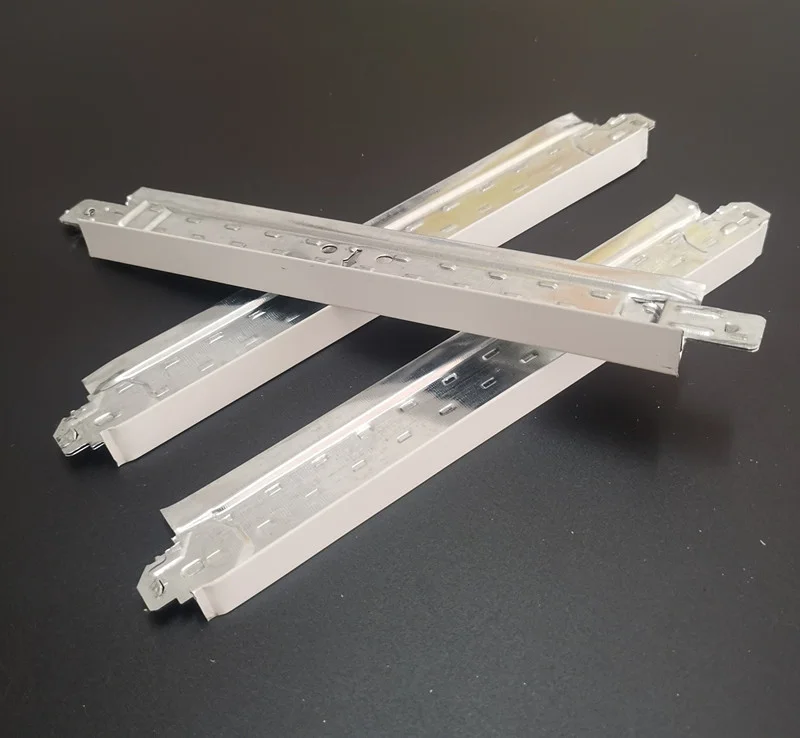
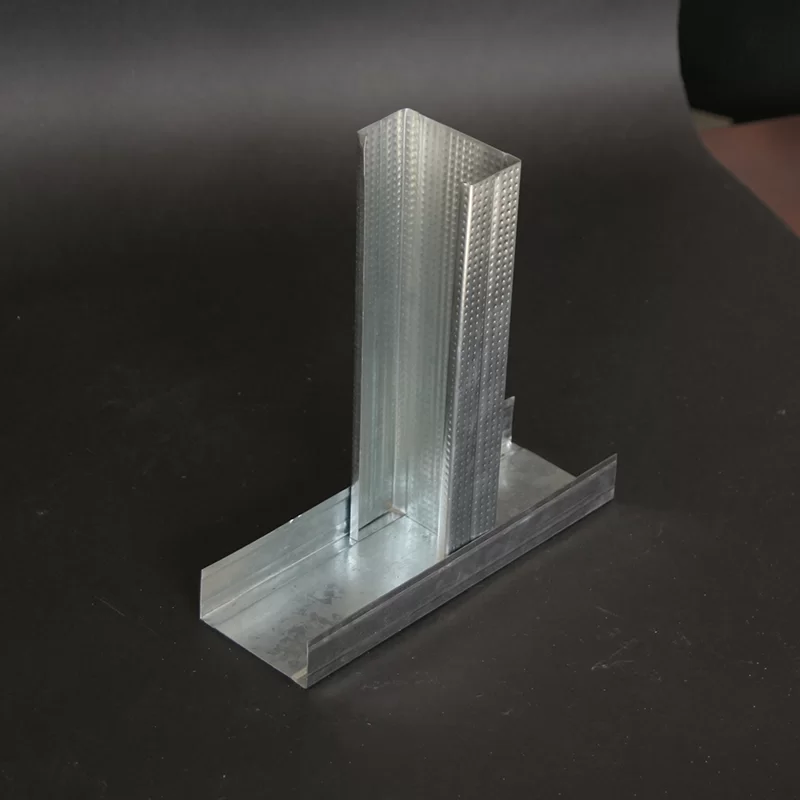
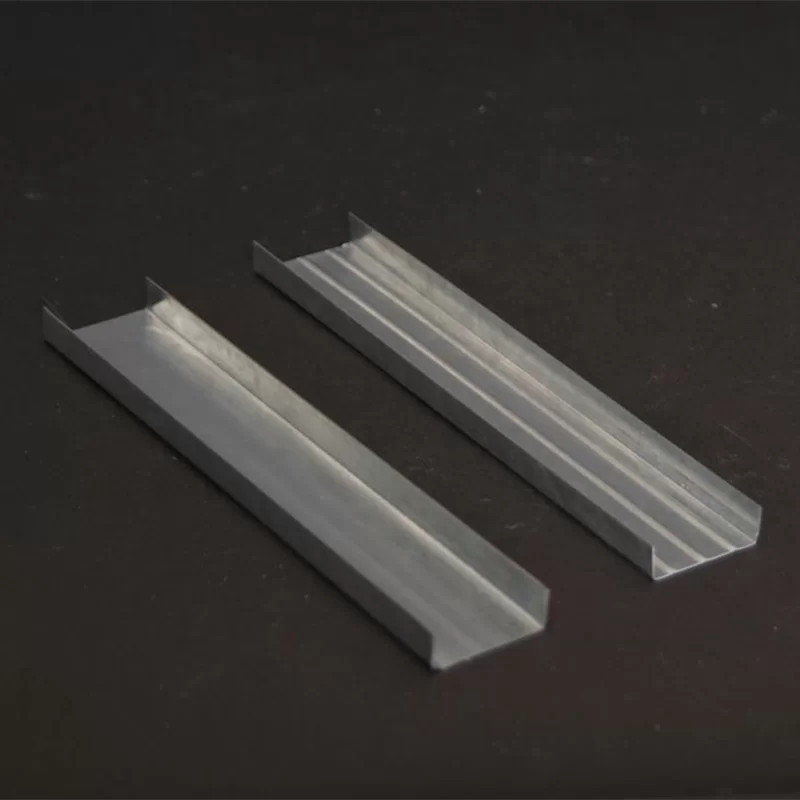
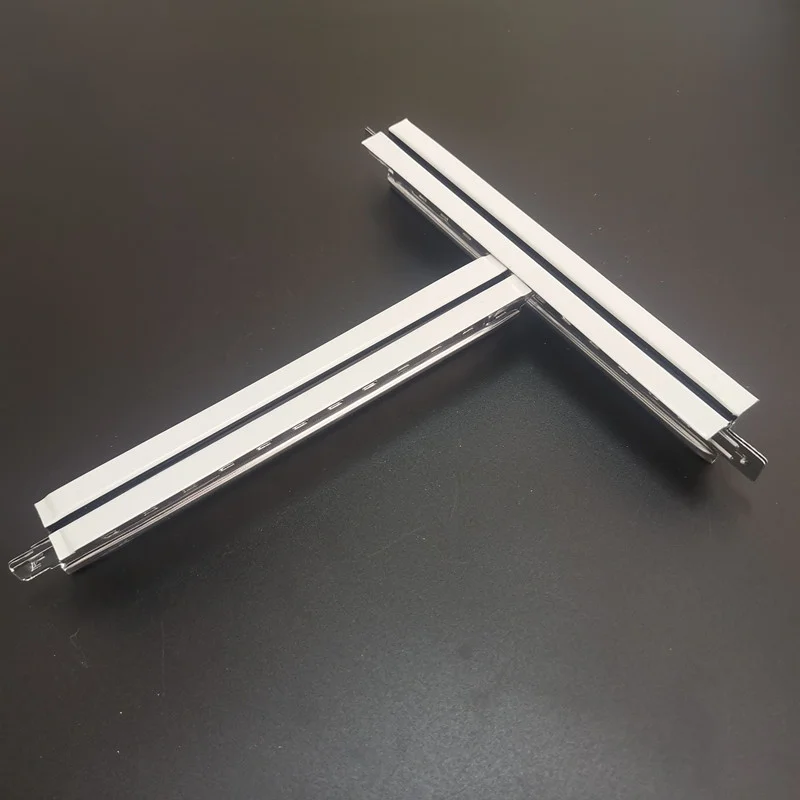
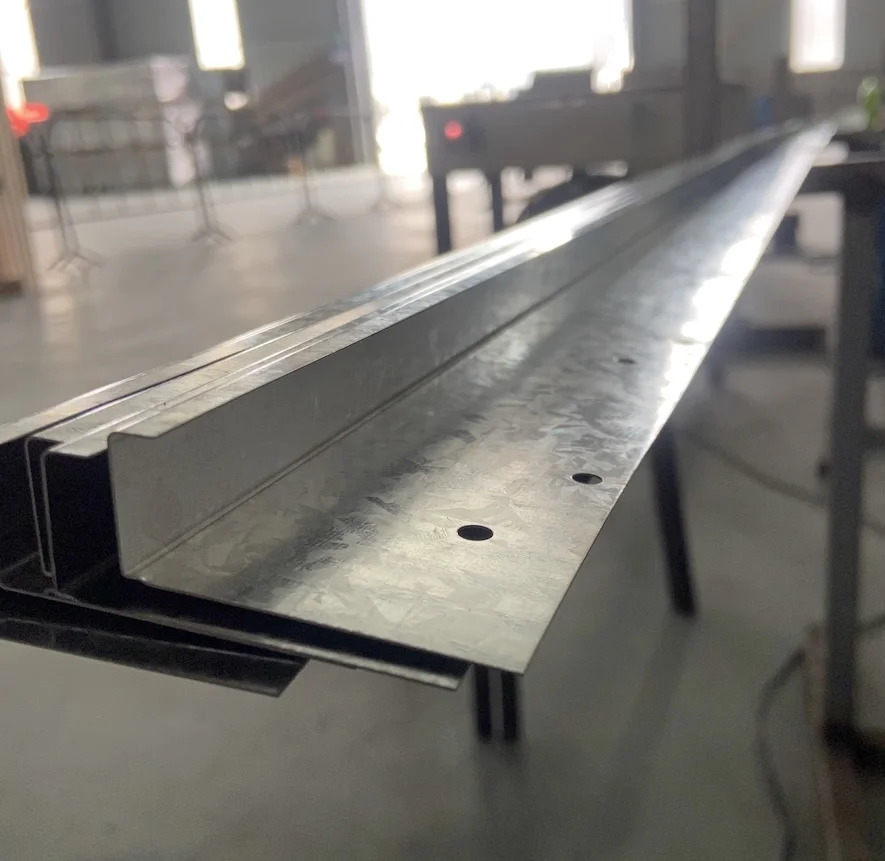
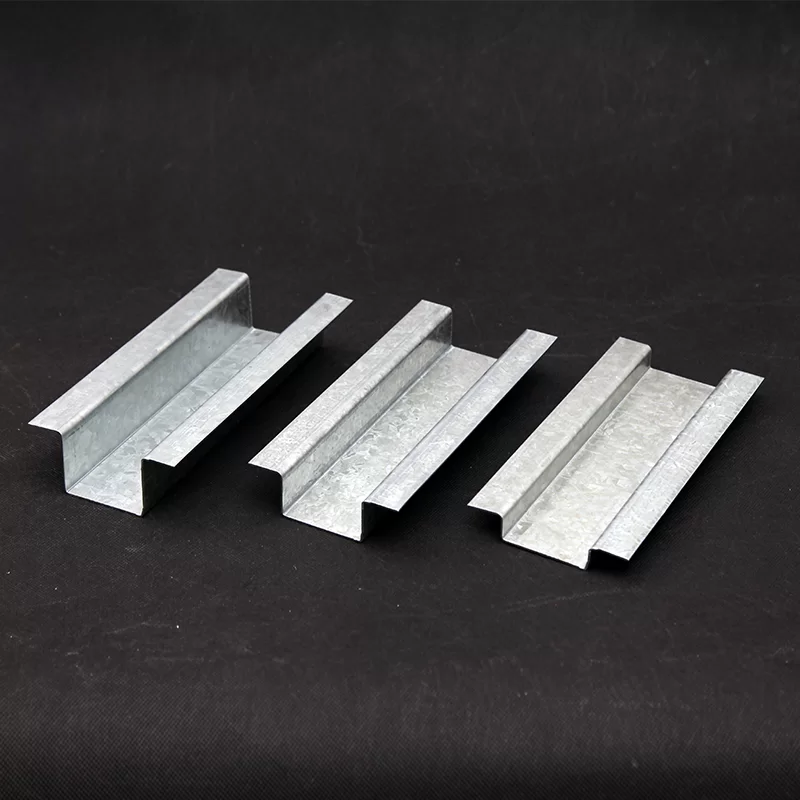
Simply put, galvanized steel studs and tracks are metal framing components coated with a layer of zinc to prevent rusting and corrosion. They serve as the skeleton for walls and ceilings in light steel framing systems. Their strength-to-weight ratio makes them ideal for both temporary and permanent structures.
In humanitarian contexts, such as refugee camps or disaster zones, these materials enable rapid yet robust shelter construction. Industrially, they underpin everything from office interiors to warehouses. The “galvanized” aspect is crucial — it protects steel’s longevity, especially in harsh climates.
Key Aspects of Galvanized Steel Studs and Track
Durability
The zinc coating on steel studs and track prevents oxidation, which means buildings last longer with less maintenance. It’s a time-tested method to combat rust, especially in moist or coastal environments.
Scalability
Modular construction often uses galvanized steel framing because it’s easy to manufacture and assemble at scale. It helps builders respond quickly to growing urban populations or emergency housing demands.
Cost Efficiency
While initial costs might be higher than wood framing, the lifespan and low upkeep of galvanized steel studs pay off. Additionally, steel is recyclable, which adds value from an environmental perspective.
Sustainability
Galvanized steel studs and track integrate well with green building certifications thanks to their recyclability and contribution to energy-efficient building designs. Innovation in coatings is also reducing environmental footprint further.
Safety
Steel framing is non-combustible and provides enhanced resistance to pests and mold compared to organic materials, which improves building safety and occupant health.
Product Specification Table
| Specification |
Typical Value |
Notes |
| Material Thickness |
0.5 mm – 1.5 mm |
Varies by design load |
| Zinc Coating Thickness |
80 – 275 g/m² (G60 to G90) |
Corrosion resistance level |
| Length |
3 m – 6 m (customizable) |
Dependent on project specs |
| Weight |
~2.5 – 4.5 kg/m |
Affects handling on site |
| Fire Resistance |
Non-combustible |
Improves building safety |
Global Uses & Real-World Applications
Galvanized steel studs and track are everywhere, but their impact is especially felt in regions where construction speed and resilience are vital. For example:
- Post-Disaster Relief: In earthquake-affected zones across Asia, lightweight steel framing allows for fast rebuilding of homes that can better endure future tremors.
- Commercial Buildings: North American and European office complexes utilize these materials to meet stringent fire and safety codes, as well as to cut long-term maintenance.
- Remote Industrial Sites: Mining and oil operations in Africa and Australia rely on galvanized steel studs and track for modular buildings that can be rapidly deployed and withstand harsh conditions.
- Humanitarian Shelters: NGOs like UNHCR consistently opt for galvanized steel framing to provide dignified, safe shelter for displaced populations.
Clearly, their versatility is global and sector-wide — odd, perhaps, how these “simple” components quietly support lives and livelihoods worldwide.
Vendor Comparison Table: Top Galvanized Steel Stud & Track Providers
| Vendor |
Coating Grades Available |
Customization |
Lead Time |
Price Range (per ton) |
| Jinkai Building Materials |
G60 - G90 |
Full custom sizing & fabrication |
2-3 weeks |
$800 - $1100 |
| Global Steel Corp |
G40 - G90 |
Limited customization |
4-6 weeks |
$750 - $1000 |
| EcoMetal Solutions |
G90 only (Premium) |
Custom eco-friendly coatings |
3-4 weeks |
$900 - $1300 |
Why Choose Galvanized Steel Studs and Track? The Advantages That Count
From a practical standpoint, their robustness means fewer repairs, less downtime, and lower insurance premiums. Emotionally (oddly enough), it feels like putting safety first — not just for current occupants, but generations ahead. Plus, sustainability efforts increasingly favor recycled steel framing, which is a big plus in tackling carbon emissions from construction.
In real terms, this means better investments, smarter urban planning, and safer communities — all enabled by those shiny steel studs and tracks tucked behind drywall.
Future Trends in Galvanized Steel Studs and Track
Looking ahead, innovations in coating technologies will likely improve corrosion resistance even further, probably using nanotechnology or eco-friendlier galvanization processes. Automation and digital fabrication mean components can be produced with exact precision, reducing waste and speeding assembly.
Alongside these material advances, new building codes and green certifications push for smarter integration of steel framing into energy-efficient and modular building designs. The digital transformation of construction (think BIM and IoT sensors) will also change how galvanized steel components are tracked through their lifecycle, offering data on wear and positioned maintenance needs.
Challenges and How Experts Tackle Them
Nothing’s perfect, though. Galvanized steel studs and track can be challenging to cut or modify on-site without specialized tools, and if coatings are scratched, corrosion can start locally. Solutions include better packing, onsite training, and using protective coatings designed to self-heal minor damage.
On the supply side, fluctuating steel prices and lead times can cause headaches — but strategic sourcing from reliable vendors (like galvanized steel studs and track manufacturers with good track records) and inventory management help smooth the bumps.
FAQ: Your Practical Questions on Galvanized Steel Studs and Track
- How long do galvanized steel studs and track last in humid environments?
-
Typically, galvanized steel studs can last 50+ years if properly handled and installed. The zinc coating offers excellent protection against rust in humid or coastal areas, but ensuring no surface damage during construction is key for durability.
- Can galvanized steel studs and track be customized for different building codes?
-
Absolutely. Manufacturers often provide custom thicknesses, lengths, and zinc coatings to meet regional building codes and environmental conditions. Work with your supplier to ensure compliance and optimal performance.
- Are galvanized steel framing systems more sustainable than wood?
-
Yes, in many cases. Steel is highly recyclable and doesn’t deplete forests. It also requires less maintenance, reducing resource use over time. However, the production of steel has higher upfront emissions, which ongoing innovations are addressing.
- How can NGOs import galvanized steel studs and track internationally?
-
Many manufacturers offer global shipping and handle export documentation. NGOs should partner with reputable suppliers experienced in logistics and customs compliance to ensure timely, hassle-free delivery.
Conclusion
In sum, galvanized steel studs and track aren’t just materials; they’re enablers of safer, sustainable, and scalable building solutions worldwide. For anyone in construction, humanitarian aid, or industrial development, understanding these components unlocks better project outcomes and long-term value.
If you’re interested in exploring high-quality galvanized steel studs and track solutions that combine innovation with reliability, visit our website. Let’s build a better future — one stud at a time.
Brief takeaway: In a world rapidly needing robust, scalable structures, galvanized steel studs and track stand out as reliable, sustainable, and smart building blocks, quietly shaping our built environment’s future.
References:
1) United Nations Department of Economic and Social Affairs, “World Urbanization Prospects,” 2018.
2) ISO 14713:2017 – Protection against corrosion of iron and steel in structures – Zinc and aluminium coatings.
3) UNHCR Shelter Sector Guidelines, 2020.