Understanding Gauge Metal Studs: The Backbone of Modern Construction
When you think of the framework that holds up walls — inside offices, schools, hospitals — gauge metal studs quietly do their job. These slender, steel profiles might not look flashy, but they matter globally. Why? Because they offer a smart balance of strength, weight, and adaptability across countless building projects worldwide. Whether it’s urban high-rises or temporary relief shelters, knowing about gauge metal studs unlocks better construction decisions, cost savings, and safer structures.
Why Gauge Metal Studs Matter Globally
Oddly enough, steel framing like gauge metal studs finds itself at the crossroads of industry growth and humanitarian effort. According to the ISO standards for cold-formed steel structural members, these components are regulated for quality, which helps ensure global building safety. The World Bank reports rapid urbanization demands lean, scalable materials — and gauge metal studs check those boxes.
But there’s a challenge. Traditional wood framing struggles with sustainability, termites, and fire resistance. Enter gauge metal studs, which address these problems by being lightweight, recyclable, and non-combustible. Basically, they help buildings stand strong while reducing environmental impact.
Defining Gauge Metal Studs
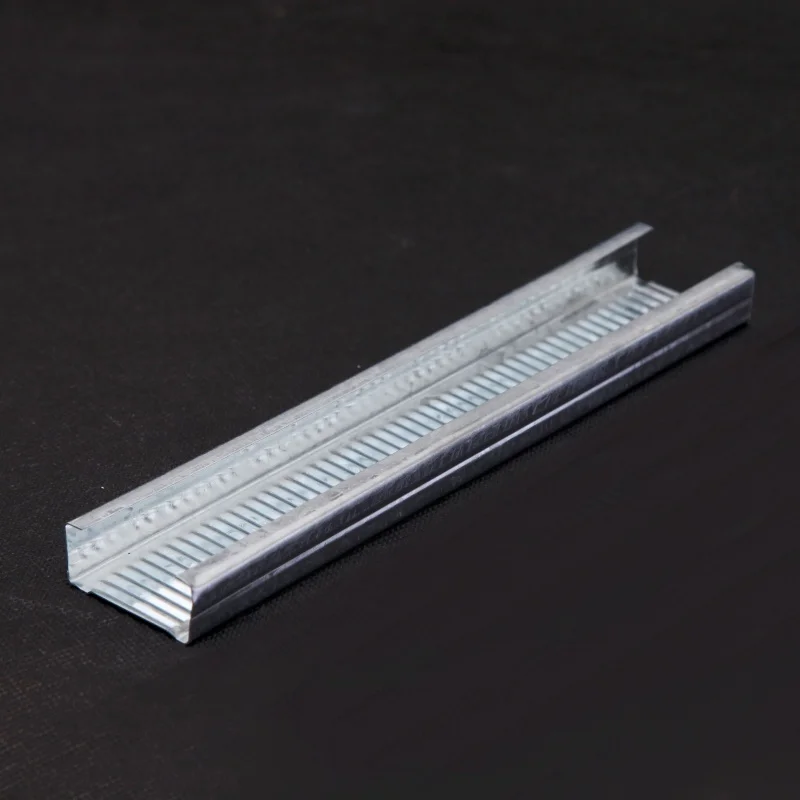
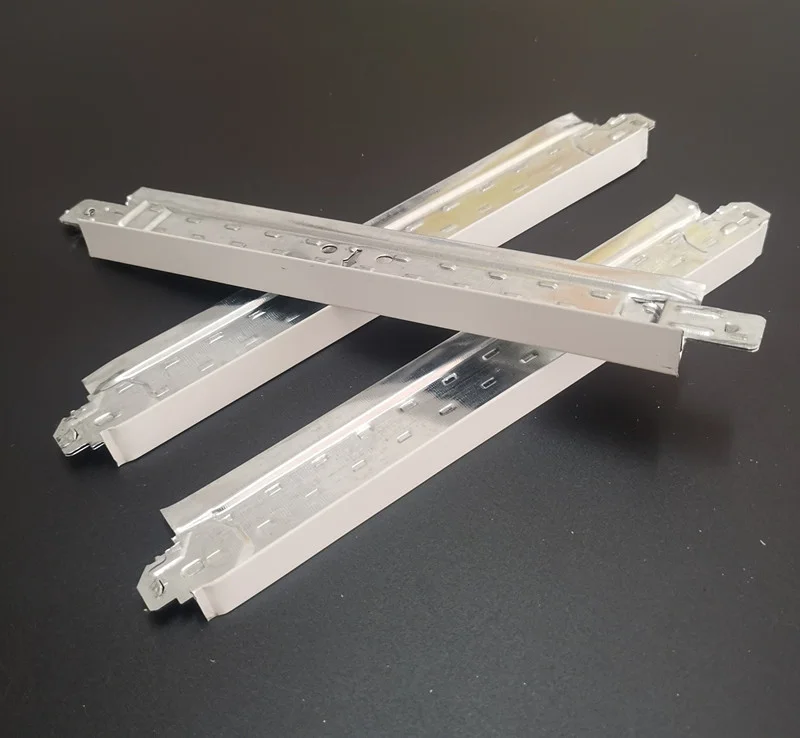
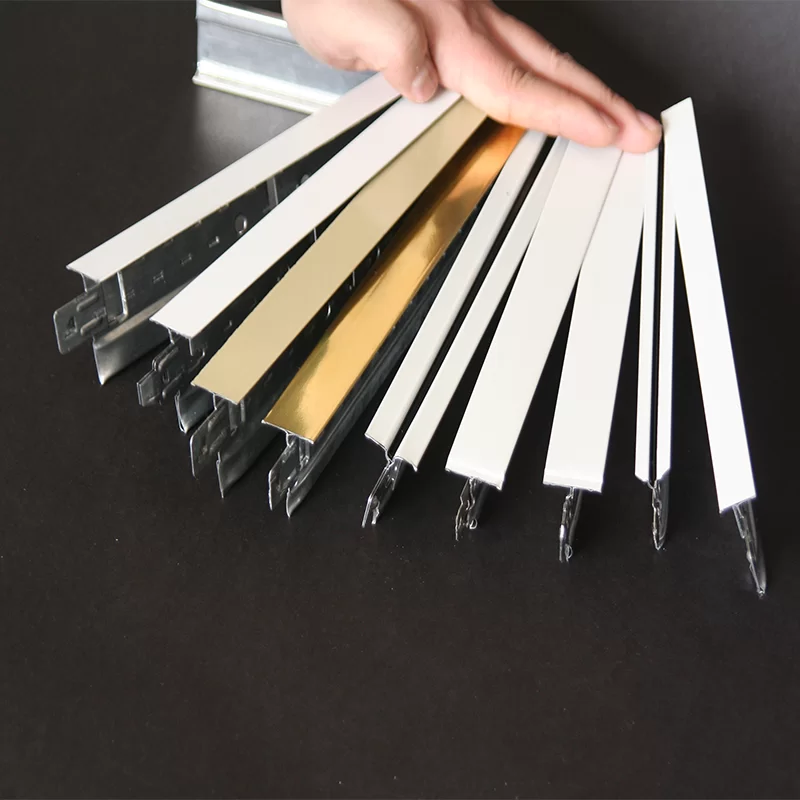
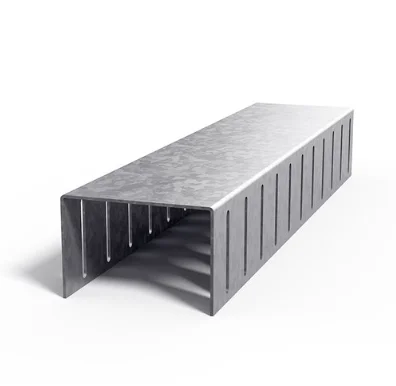
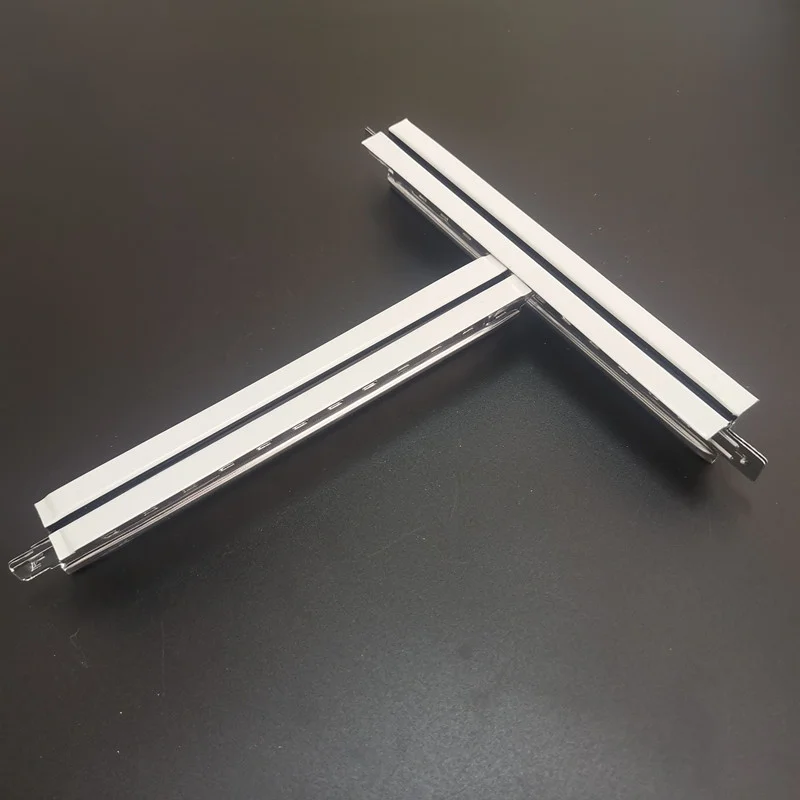
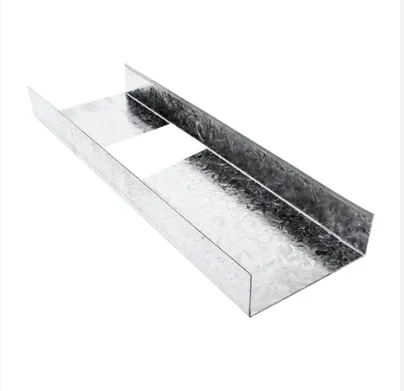
In simple terms, gauge metal studs are thin, cold-rolled steel strips shaped into studs used in framing interior walls. The "gauge" refers to thickness — the lower the gauge number, the thicker and stronger the steel. From 20-gauge (thicker) to 25-gauge (thinner), each size suits different load and design needs.
They’re essential in modern industry: construction, shipbuilding, and even modular housing projects. Plus, engineering firms often use them in disaster relief structures where fast deployment and durability matter enormously.
Core Components of Gauge Metal Studs
1. Durability
These studs resist rot, mold, and pests — unlike wood — making them ideal in humid or variable climates. The galvanized coating also offers corrosion resistance, extending life spans significantly.
2. Scalability
Because they’re lightweight yet sturdy, gauge metal studs perfectly support rapid assembly and multiple floors, balancing strength with ease of handling.
3. Cost Efficiency
Though the upfront cost may be slightly higher than wood, their longevity and reduced maintenance costs generally tip the scale in favor of metal studs.
4. Sustainability
Steel studs are highly recyclable. Many manufacturers now use recycled steel content, contributing to lower environmental impact and helping projects meet LEED certification requirements.
5. Fire Safety
Non-combustible by nature, gauge metal studs improve building safety and comply with stringent fire codes.
Product Specifications at a Glance
| Specification |
Value / Range |
| Gauge Thickness |
20 - 25 gauge (0.036” to 0.018”) |
| Coating |
Galvanized steel with Zinc alloy |
| Lengths Available |
8’ to 16’ standard, custom lengths possible |
| Weight Range |
1.5 to 3.2 lbs per linear foot |
| Common Finish |
Mill finish or primer coating |
Global Applications & Real-World Use Cases
Gauge metal studs shine brightest where rapid, reliable construction is needed. For example:
- Post-Disaster Relief: NGOs use them for quickly assembling stable temporary clinics and shelters that need to be safe yet lightweight.
- Urban Construction: In cities like Singapore and Dubai, where high-rise buildings are common, metal stud framing helps optimize structural soundness without bulk.
- Modular Housing: Factories prefabricate wall modules using gauge metal studs, speeding up delivery and assembly worldwide.
- Educational Facilities: Schools and universities retrofit classrooms with metal studs to improve fire safety and endurance.
Even mining sites in remote regions prefer metal studs since they cope well with tough environments and logistical challenges.
Advantages & Long-Term Value
Beyond their physical attributes, these studs carry emotional and social weight. They foster:
- Safety: Fire-resistant frames mean fewer worries for building occupants.
- Dignity: Providing robust shelters in crisis supports human dignity.
- Innovation: Modern tooling and prefabrication methods lower labor costs and construction time.
- Trust: Engineers and architects appreciate the reliability and predictability of gauge metal studs.
Financially, choosing them means investing in longevity — fewer repairs, insurance savings, and environmental compliance.
Vendor Comparison: Choosing Your Gauge Metal Stud Supplier
| Vendor |
Product Range |
Lead Time |
Pricing |
Special Features |
| SteelBuild Co. |
20-25 gauge, custom lengths |
2–3 weeks |
Mid-range |
Eco-friendly coating |
| Jinkai Metal |
Full gauge selection, fast delivery |
1–2 weeks |
Competitive |
Custom fabrication options |
| Global Frame Supplies |
Standard gauges, bulk orders |
3–4 weeks |
Lower price on volume |
Proven international shipping |
Future Trends & Innovations
The future of gauge metal studs feels tied to sustainability and smart tech. Some interesting directions include:
- Advanced coatings: New eco-friendly finishes boost corrosion resistance while reducing emissions during production.
- Digital fabrication: Automation and CNC cutting ensure precision with reduced waste.
- Integration with green energy: Studs designed to accommodate embedded wiring for solar or sensor tech.
- Recycling and circular economy: More manufacturers push to reclaim steel studs post-demolition for reuse.
In real terms, these innovations will minimize costs and environmental impacts, making gauge metal studs an even smarter choice.
Challenges & Solutions
Of course, it’s not all smooth sailing. Some limitations include:
- Thermal Conductivity: Steel studs can create “thermal bridges,” causing heat loss in colder climates. This requires additional insulation strategies.
- Noise Transmission: Metal framing can carry sound more easily. Soundproofing materials are necessary for high-privacy applications.
- Installation Training: Unlike wood, metal studs need different tooling and mounting approaches, requiring skilled labor.
Experts recommend combining gauge metal studs with thermal breaks and acoustic panels to overcome these issues. Plus, ongoing worker training is critical — luckily, many suppliers offer support and tutorials.
FAQ: Frequently Asked Questions About Gauge Metal Studs
- Q: How do I choose the right gauge for my project?
- A: Generally, lower gauge numbers (thicker steel) support heavier loads or multi-story buildings. For interior partitions, higher gauges suffice. Consulting with a structural engineer tailored to your design is best.
- Q: Are gauge metal studs environmentally friendly?
- A: Yes, steel studs are recyclable and often made with recycled content, which reduces waste. Using them helps projects qualify for green building certifications.
- Q: Can gauge metal studs be used in humid or coastal areas?
- A: Absolutely. The galvanized coating resists corrosion caused by moisture and salt, making them ideal for such environments when properly installed.
- Q: How long do buildings framed with metal studs last?
- Metal stud frames typically last decades, often outlasting wood frames in harsh climates, assuming well-maintained insulation and finishes.
- Q: Can NGOs import gauge metal studs for disaster shelters worldwide?
- Yes, many vendors offer international shipping and custom lengths. NGOs often collaborate with suppliers who specialize in rapid deployment housing materials.
In Conclusion: Why Gauge Metal Studs Matter Today and Tomorrow
So, gauge metal studs — the unsung heroes of framing — offer more than just structure. Their durability, sustainability, and adaptability meet modern construction’s evolving demands. Whether you’re an architect, contractor, or NGO worker, understanding them helps you build smarter, safer, and greener.
If you want to explore high-quality gauge metal studs and custom solutions, visit our website for more insights and product options.
Takeaway: Incorporating gauge metal studs isn’t just about steel — it’s about building a more resilient and sustainable future.
References
- ISO 9001 on Cold-Formed Steel
- World Bank Urban Population Data
- Wikipedia: Steel Frame Construction