Gypsum Stud Wall: The Backbone of Modern Lightweight Construction
When you think of building interiors, the gypsum stud wall might not be the first thing that pops up. Yet, globally, this clever structural element plays an imposing role in creating safe, fast, and versatile spaces across industries and humanitarian efforts alike. Understanding what a gypsum stud wall is, and why it’s growing in global use, opens a window into how modern construction balances speed, sustainability, and cost-efficiency — a trio more relevant now than ever.
Global Context: Why Gypsum Stud Walls Matter Today
Construction demands worldwide are shifting dramatically. According to the United Nations Climate Change reports, sustainable solutions are vital to reduce emissions and resource waste in construction. Meanwhile, data from the World Bank shows rapid urbanization demands quicker building methods to accommodate burgeoning populations, often in less-than-ideal locations.
Enter the gypsum stud wall — a perfect marriage of speed and sustainability. It addresses a common challenge: how to erect sturdy walls that are light enough for easy transport, yet reliable and comfortable for occupants across residential, commercial, and emergency housing sectors.
What Is a Gypsum Stud Wall, Exactly?
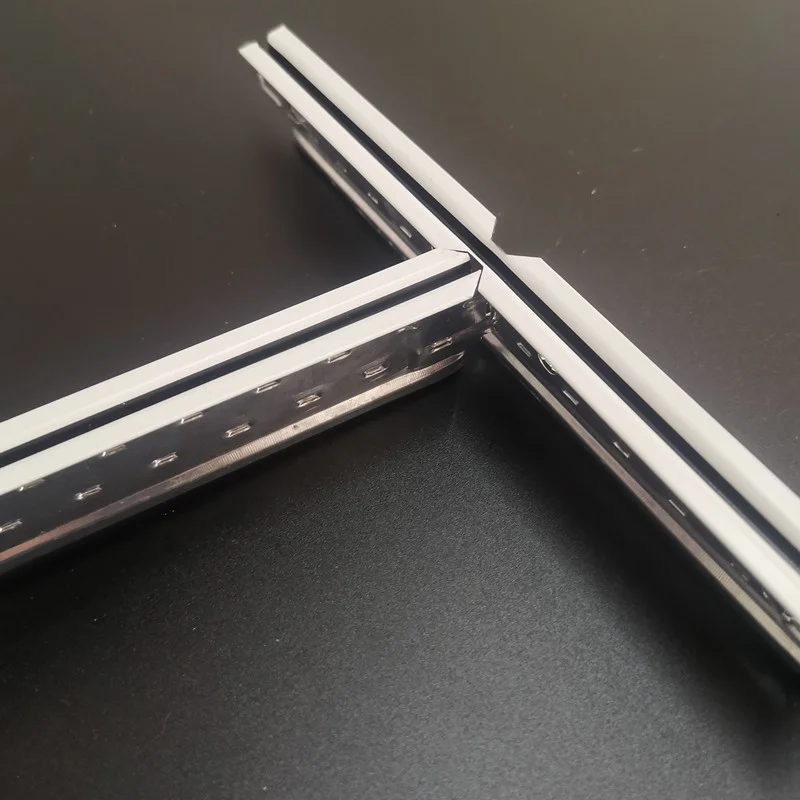
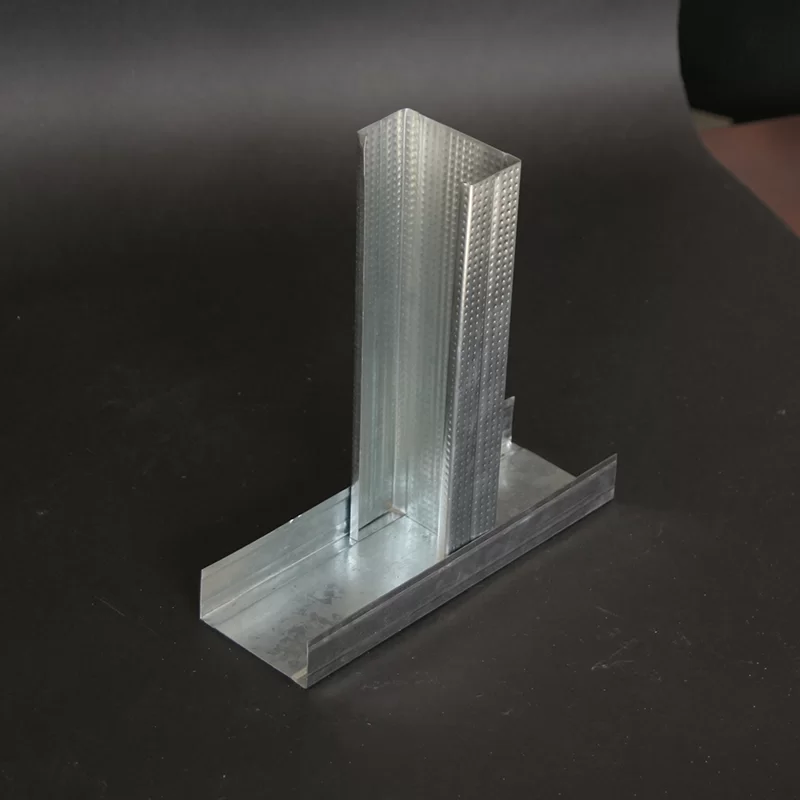
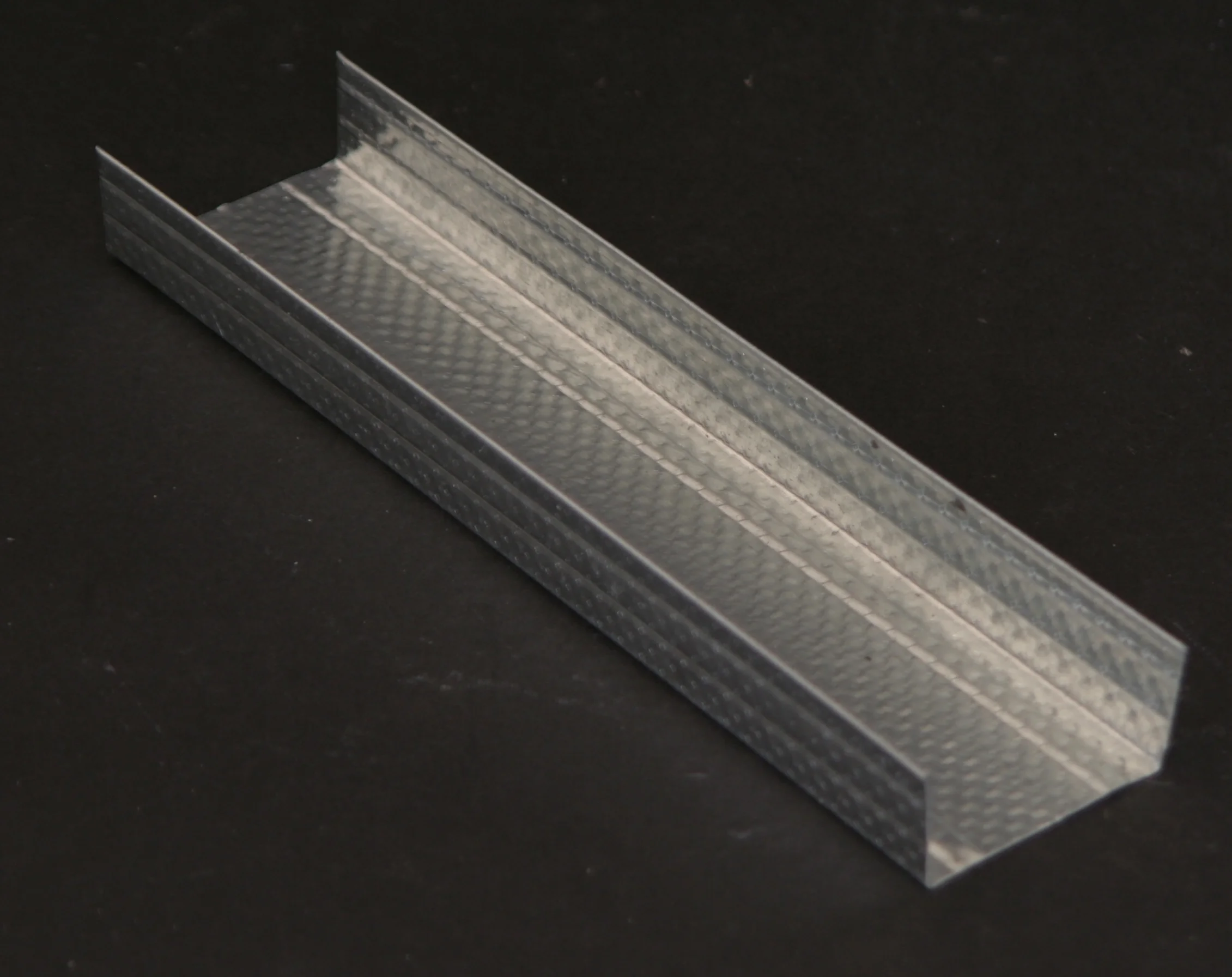
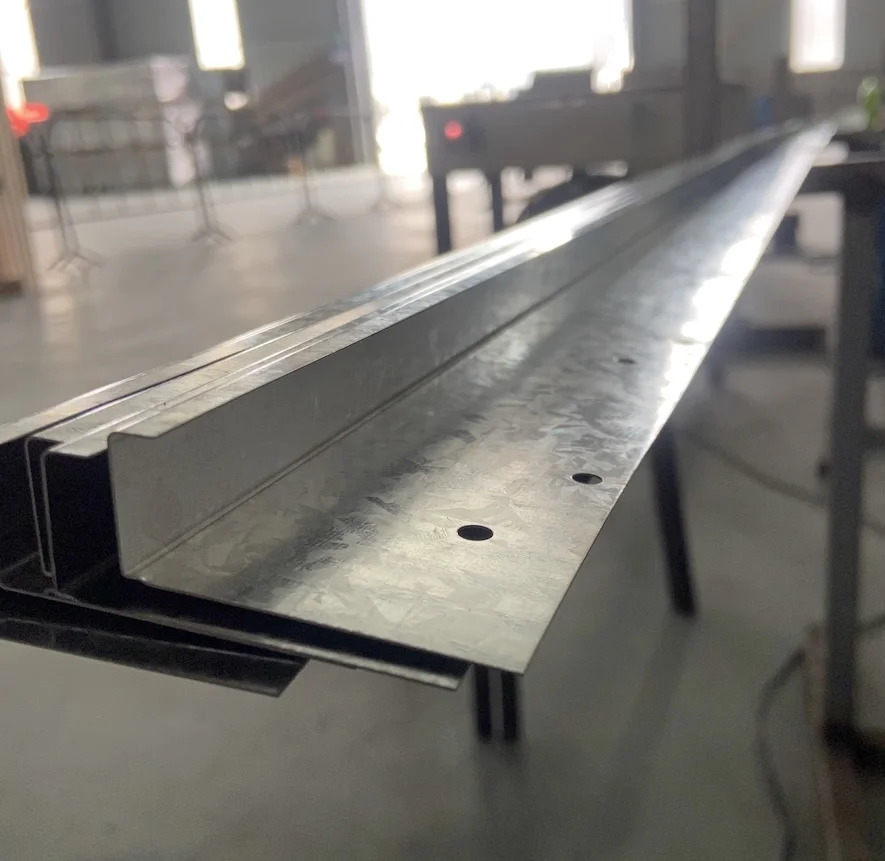
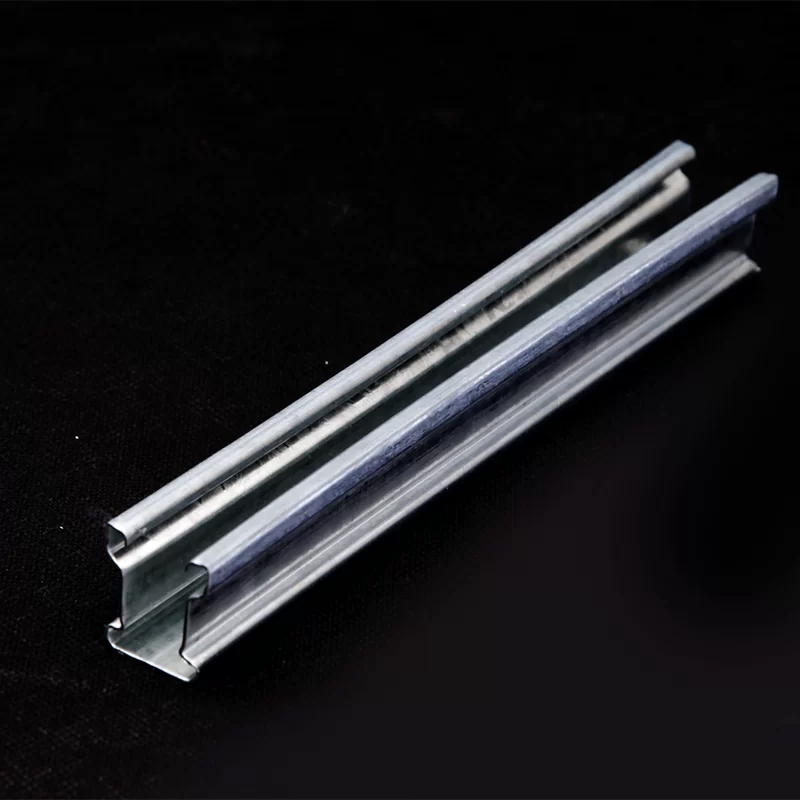
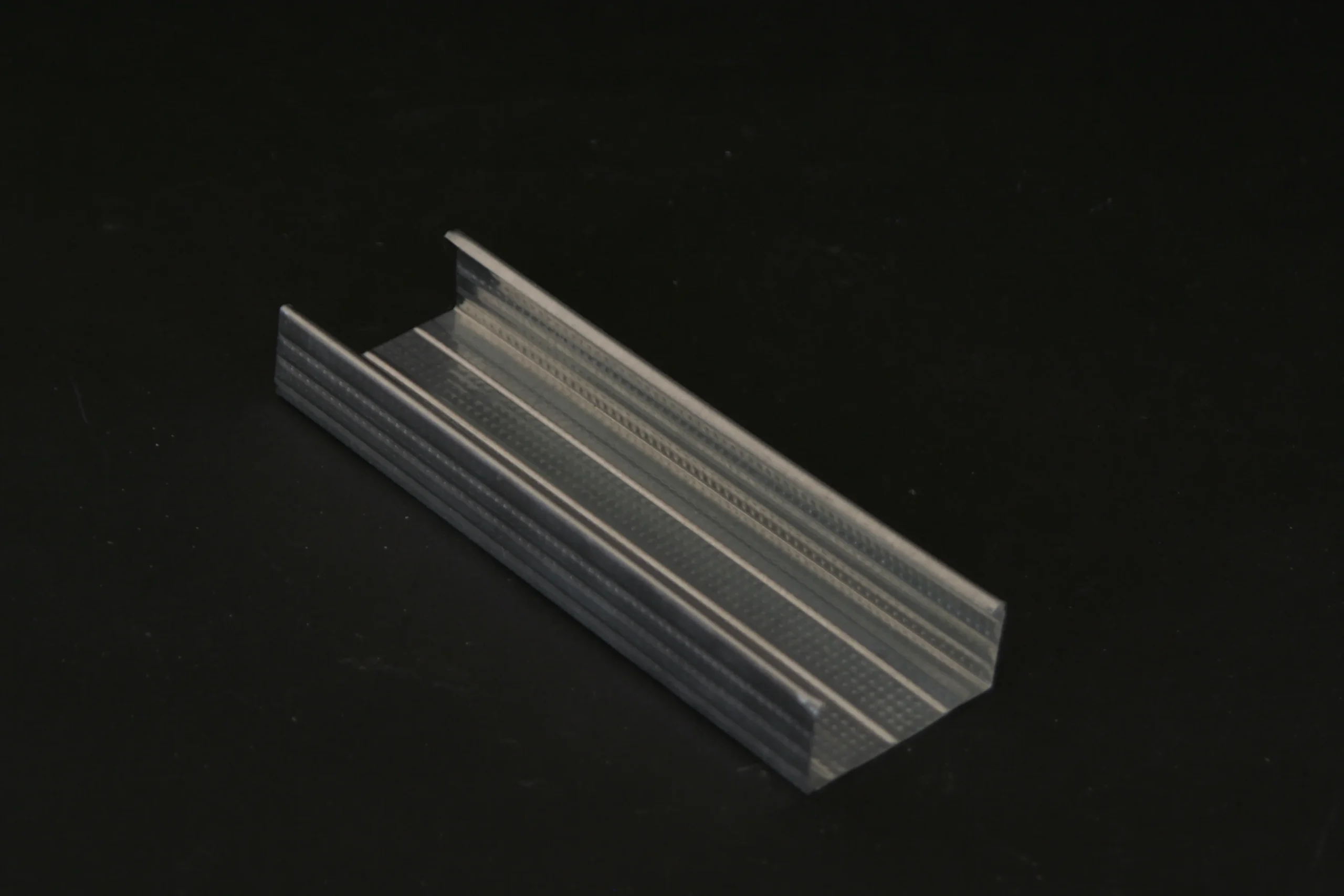
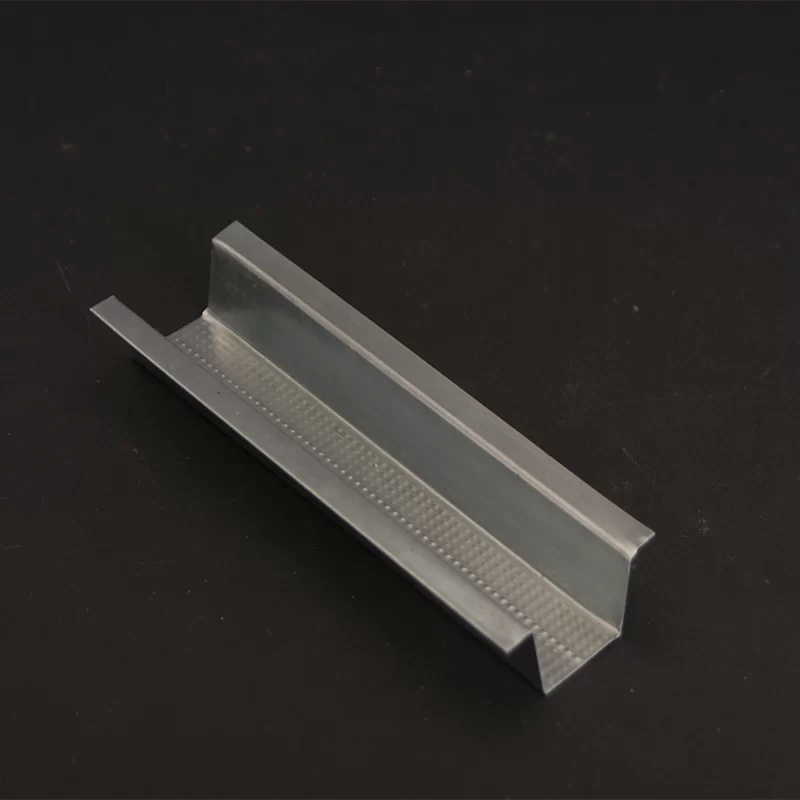
In simple terms, a gypsum stud wall is a partition constructed by attaching sheets of gypsum drywall (plasterboard) to a metal or timber framework called "studs." These studs serve as the skeleton, and the gypsum sheets create the wall surface. This system forms internal walls that are lighter than traditional masonry and easier to assemble.
Interestingly, these walls are not just construction conveniences — they embody modern industry’s response to global housing needs, especially in environments demanding quick setup and sustainable materials. They also connect deeply with humanitarian initiatives where modular, rapidly deployable structures save lives and restore dignity.
Key Components of Gypsum Stud Walls
1. Durability and Fire Resistance
Gypsum inherently resists fire thanks to its chemical makeup, which releases water vapor when heated, slowing fire spread. This feature makes gypsum stud walls popular in building codes globally where fire safety is paramount.
2. Scalability and Flexibility
Whether creating office partitions or entire housing units, gypsum stud walls scale easily. You can modify or take down walls without heavy demolition work, ideal for evolving spaces.
3. Cost Efficiency
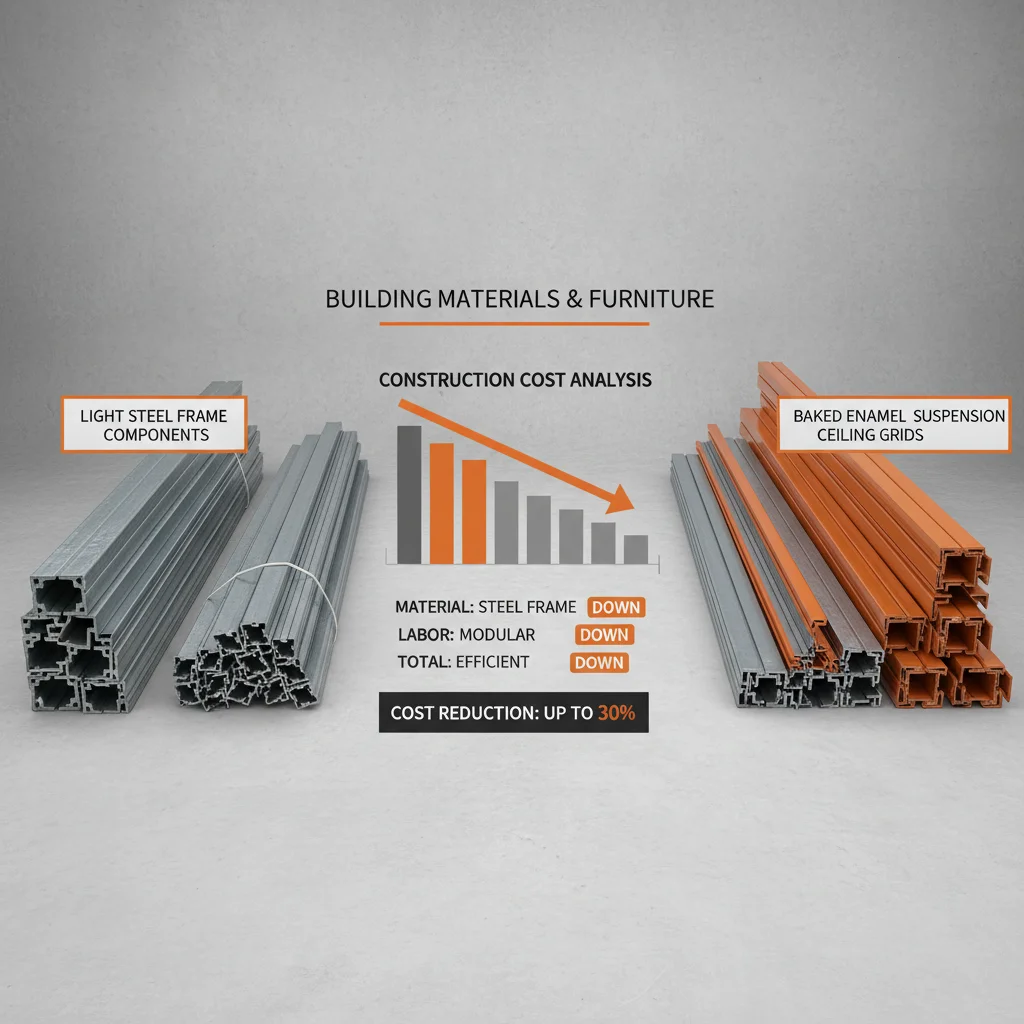
Compared to bricks or concrete blocks, gypsum stud walls reduce material costs, labor, and construction timelines. For many projects, these savings enable budgets to stretch further.
4. Environmental Sustainability
Gypsum is recyclable and energy-friendly during manufacturing. Using metal studs crafted from recycled steel further improves the carbon footprint, making gypsum stud wall systems align well with ISO’s sustainability metrics (ISO 14001).
5. Acoustic and Thermal Performance
With the proper insulation, gypsum stud walls deliver good sound barriers and moderate thermal insulation — both factors enhancing comfort indoors.
Global Applications & Use Cases
Far from a niche product, gypsum stud walls are everywhere. In urban construction hubs like Europe and North America, they meet stringent fire and safety regulations in commercial structures and homes. International aid organizations use gypsum stud walls during disaster relief efforts, rapidly erecting safe shelters in places hit by earthquakes or hurricanes.
In remote industrial zones — say oil and gas camps in Central Asia or mining settlements in Africa — gypsum stud walls help create comfortable, temporary accommodations under challenging conditions. Oddly enough, these walls bridge the gap between ruggedness and livability.
Advantages & Long-Term Value
Going beyond the physical, gypsum stud walls symbolize innovation’s human face. They make housing affordable without sacrificing confidence in quality. The walls offer safety (fire-resistant), dignity (well-insulated, comfortable), and efficiency (quick to build, easy to modify). For builders, long-term value means reduced maintenance and adaptability to future needs.
Future Trends & Innovations
Tech is nudging gypsum stud walls into an exciting future. Advances include integrating smart sensors for humidity and structural health monitoring, which help landlords spot issues early. On the materials front, manufacturers experiment with bio-based gypsum boards incorporating agricultural waste — quite a green step.
Policy-wise, tightening environmental regulations (hello, ISO 14001 and 50001 for energy) push vendors and builders to refine manufacturing and installation techniques, reducing embodied carbon and waste. Digital design tools allow architects to optimize wall layouts, enhancing both sustainability and occupant comfort.
Challenges & Solutions
Of course, gypsum stud walls aren’t perfect. They can be vulnerable to water damage if not properly protected, which reduces longevity. They also may not bear heavy structural loads, limiting use to non-load-bearing partitions.
Experts suggest combining gypsum stud wall systems with modern waterproof membranes and designing hybrid walls (with brick or structural frames) for enhanced durability. Quality control during installation is key, too — sloppiness can lead to cracking or air leaks.
FAQ: Frequently Asked Questions About Gypsum Stud Wall
- Q: How quickly can a gypsum stud wall be installed on site?
- A: Typically, a qualified crew can install gypsum stud walls in a day or two for an average-sized room. This speed is one reason why developers prefer them for fast-track projects.
- Q: Can gypsum stud walls be recycled after demolition?
- A: Yes, both gypsum boards and steel studs are recyclable. Recycling programs depend on local facilities but generally help divert waste from landfills.
- Q: Are gypsum stud walls suitable for humid climates?
- A: They are, if appropriate moisture-resistant gypsum boards are used along with vapor barriers. Proper ventilation also plays an important role.
- Q: How do gypsum stud walls compare cost-wise to concrete block walls?
- A: Gypsum stud walls generally cost less to materialize and install. They also save on labor time and reduce structural loading, which can lower foundation requirements.
- Q: Can gypsum stud walls support heavy fixtures like cabinets?
- A: They can, when reinforced with additional framing or anchor supports. It’s best to plan for these loads in the design phase.
Conclusion + Call to Action
Gypsum stud walls aren’t just building elements; they’re solutions for the challenges of modern construction — balancing safety, cost, sustainability, and speed. They build not only walls but better futures for occupants worldwide. For detailed guidance and quality products, visit our gypsum stud wall resources.