Hanging on Stud Wall: A Practical Guide to Modern Construction and Beyond
When it comes to building or upgrading interiors, hanging on stud wall techniques hold a surprisingly central role in construction and remodeling worldwide. But why does this topic matter beyond just putting up drywall? For starters, the method is foundational to houses, offices, and even emergency shelters—anywhere walls are needed quickly and efficiently. Understanding hanging on stud walls is key not only for builders but also for industries relying on speed, cost-effectiveness, and adaptability in construction. Plus, it’s a skill that touches on sustainability and safety, two pillars of contemporary architecture and humanitarian aid.
Context: A Global Framework for Hanging on Stud Wall
Globally, the construction sector accounts for nearly 39% of energy-related CO2 emissions, according to the International Energy Agency. Fast, flexible, and less wasteful methods like hanging on stud walls can help curb that footprint. Around the world, from booming urban centers to remote disaster zones, stud wall construction shapes how we think about building quickly, cheaply, and well.
Consider this: the UN reports that natural disasters displace tens of millions annually. Temporary housing solutions relying on stud wall frameworks offer a practical answer. The demand for lightweight, modular construction isn’t just a fad—it’s critical globally. But challenges persist, like balancing durability with rapid deployment and ensuring resource-efficient designs.
What Does Hanging on Stud Wall Mean?
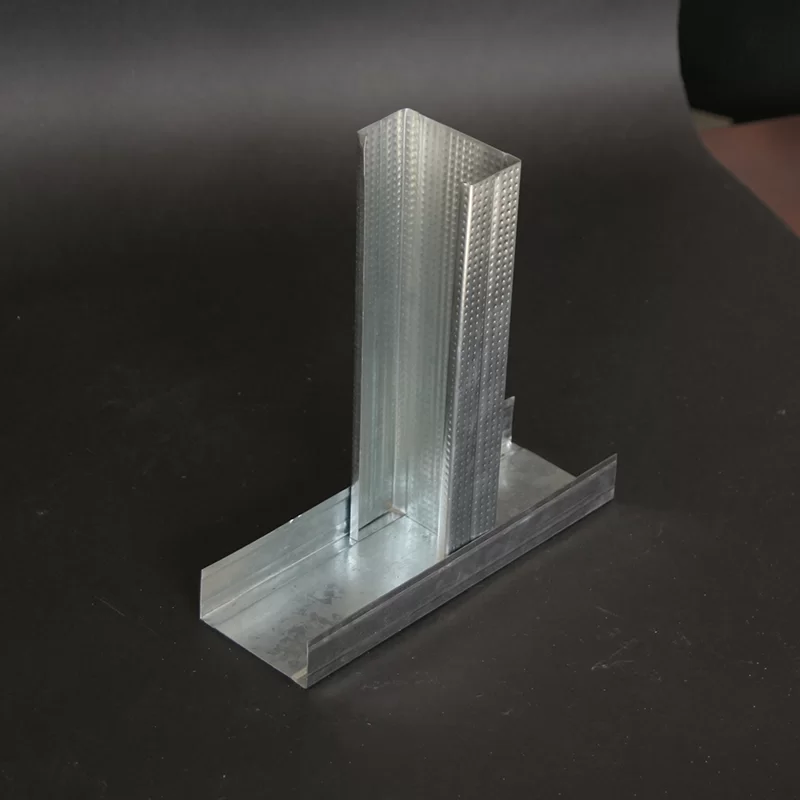
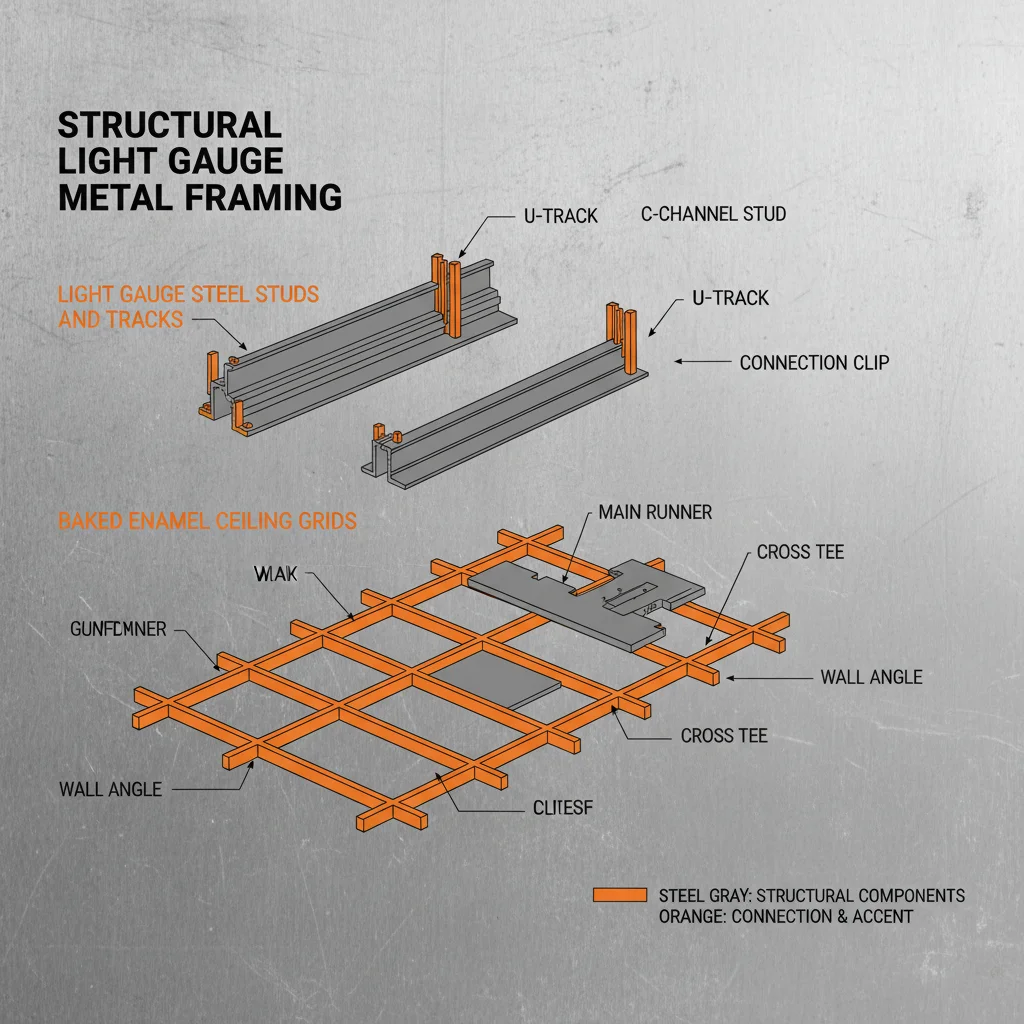
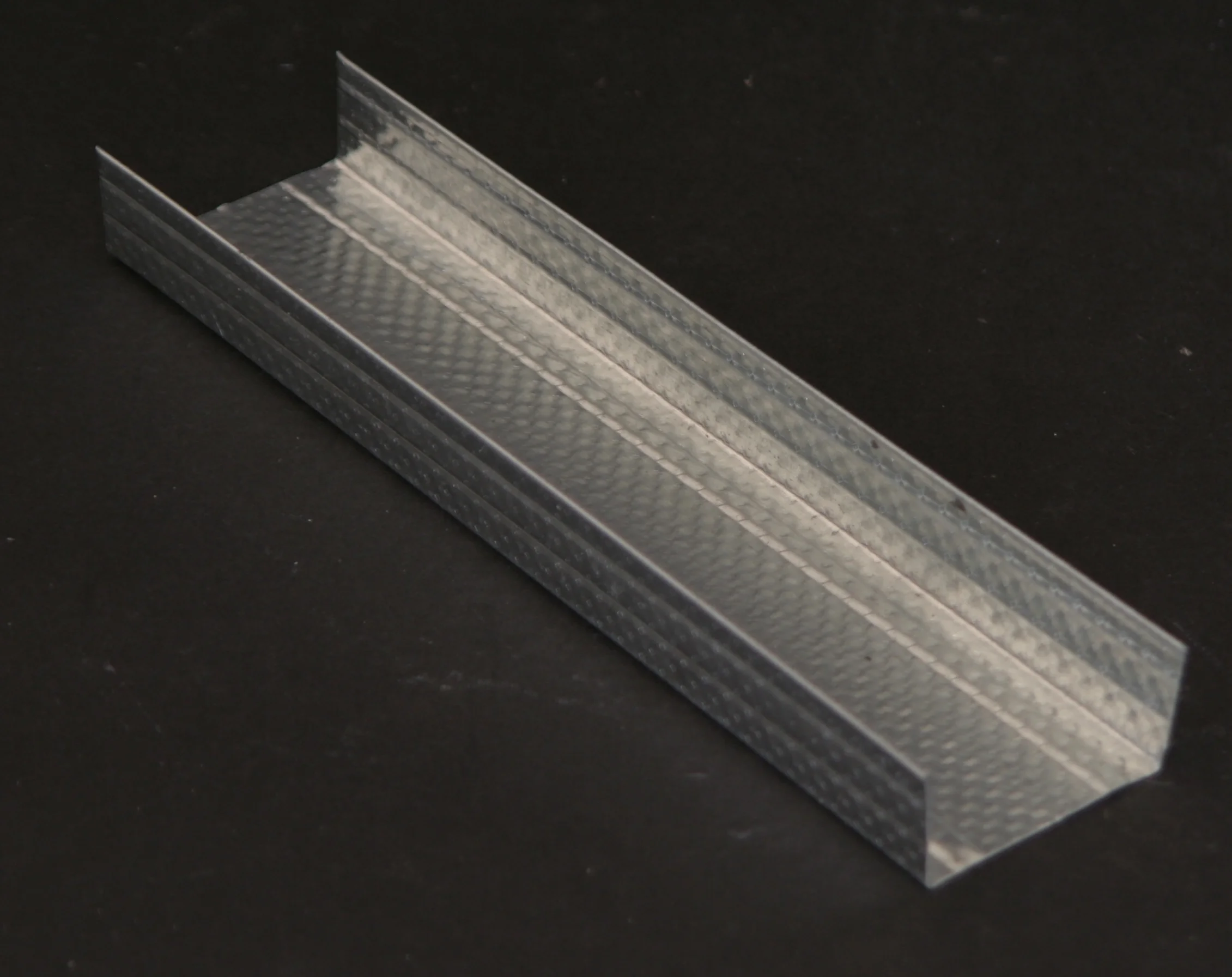
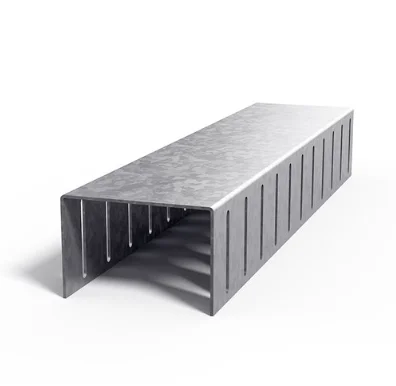
Simply, hanging on stud wall refers to the process of attaching various materials—drywall, decorative panels, insulation—on vertical wooden or metal framing called studs. These studs serve as the skeleton of the wall, spaced at regular intervals (often 16 or 24 inches) to support the wall covering.
In modern construction, this approach streamlines interior finishing, offering a reliable system for easy installation, repair, or modification. In humanitarian sectors, it lets workers set up quick shelters that can stand up to moderately challenging conditions. So, it’s more than just “hanging drywall”—it’s a savvy technique with broad practical implications.
Core Components of Hanging on Stud Wall
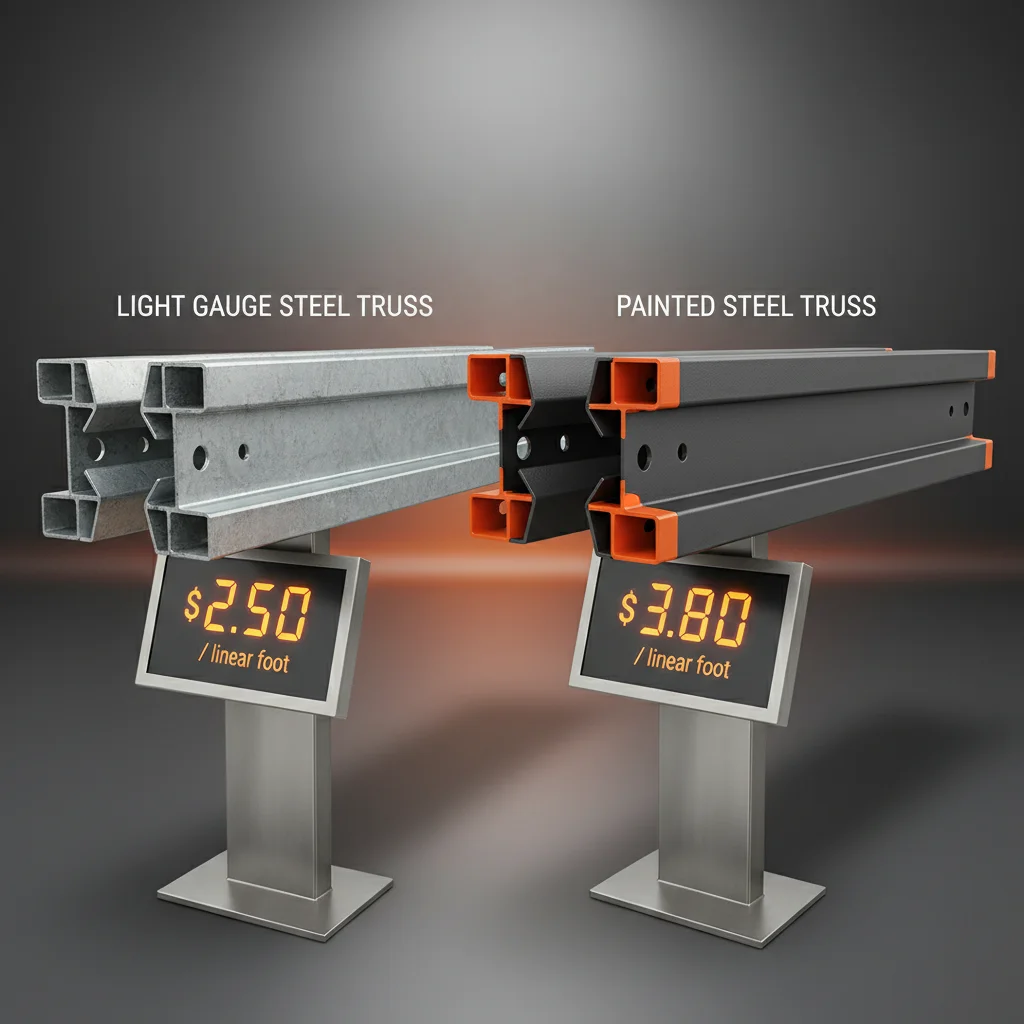
- Durability: The choice of studs—typically timber or steel—impacts strength. Steel studs resist warp and pests, timber offers easy customization.
- Flexibility: Adaptable to various finishes and thicknesses; perfect for residential rooms or temporary disaster shelters alike.
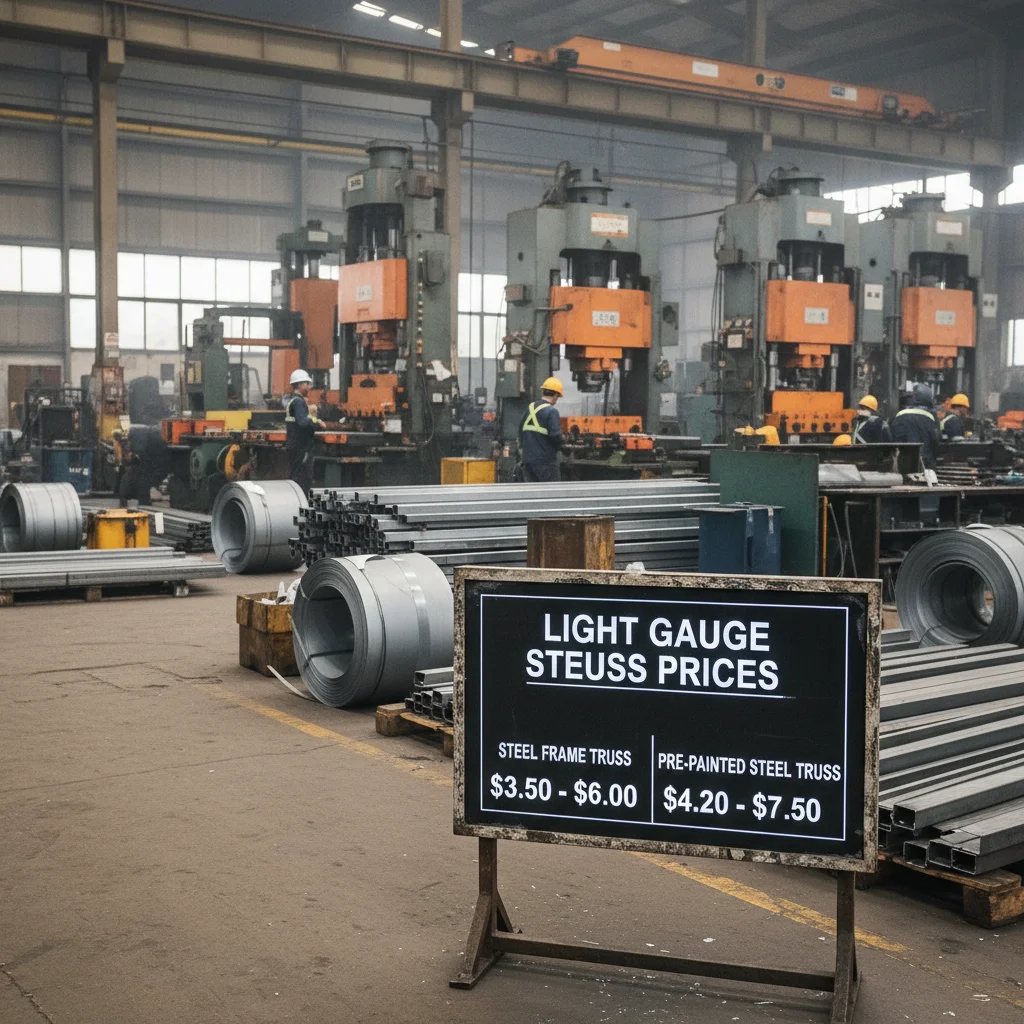
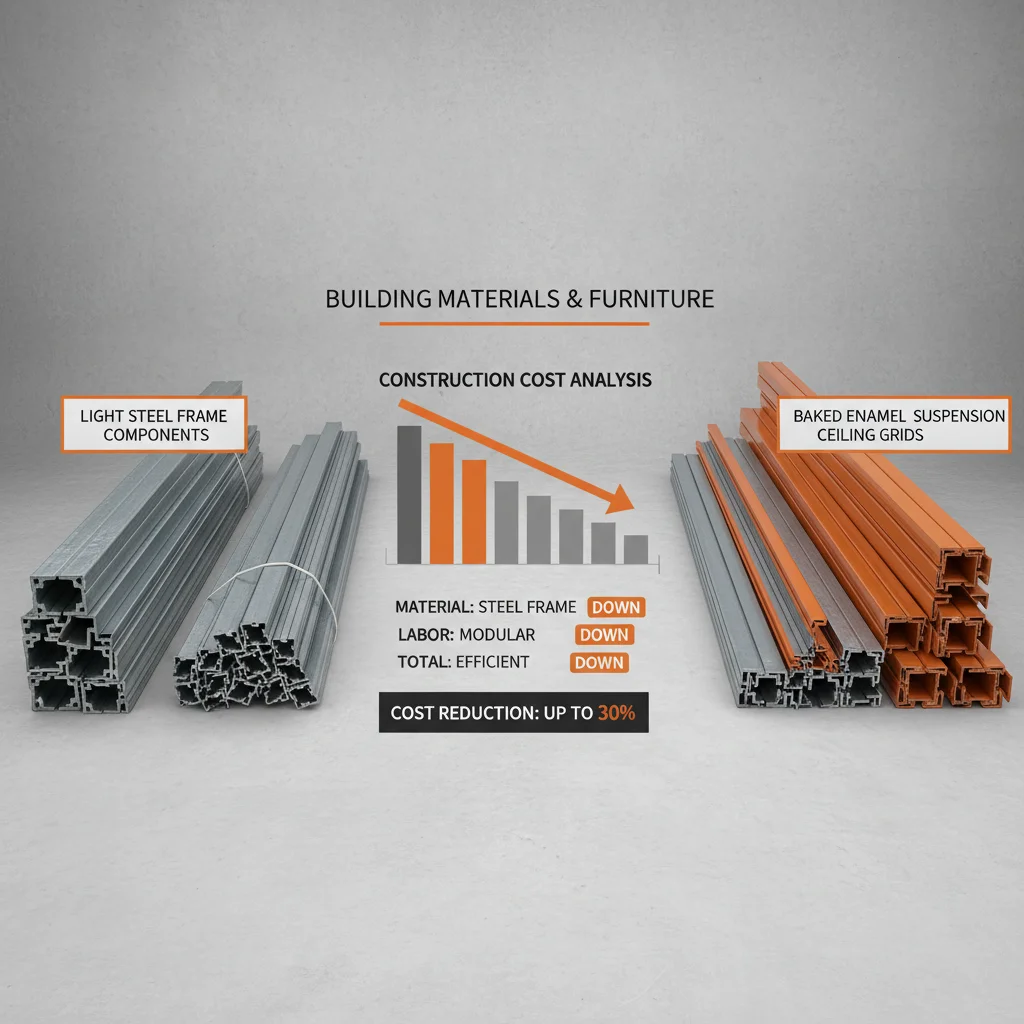
- Cost Efficiency: Compared to solid masonry, stud walls are faster to erect and require fewer raw materials, cutting time and waste.
- Thermal & Acoustic Insulation: The cavity between studs allows insulation, improving energy efficiency and soundproofing.
- Ease of Modification: Need to run wiring or plumbing? Stud walls offer easy access compared to concrete alternatives.
- Fire Safety: Treated materials and insulation can enhance fire resistance, though code adherence is key.
Mini takeaway: These facets make hanging on stud wall construction a versatile backbone for both permanent and temporary buildings.
Applications Across the Globe
This method appears everywhere, in homes, offices, and fast emergency setups. In North America and Europe, it’s standard for interior walls in residential and commercial buildings. In Asia and Africa, innovative NGOs use stud-frame partitions combined with local materials to create affordable, sturdy shelters after floods or earthquakes.
One striking example comes from post-typhoon relief efforts in the Philippines, where responders used prefabricated stud walls to assemble fast, safe housing for displaced families. Similarly, oil drilling camps in remote Arctic zones rely on hanging stud walls for insulated, durable temporary structures that can be dismantled seasonally.
Product Specifications for Standard Drywall Hanging on Stud Wall
| Feature |
Description |
| Stud Material |
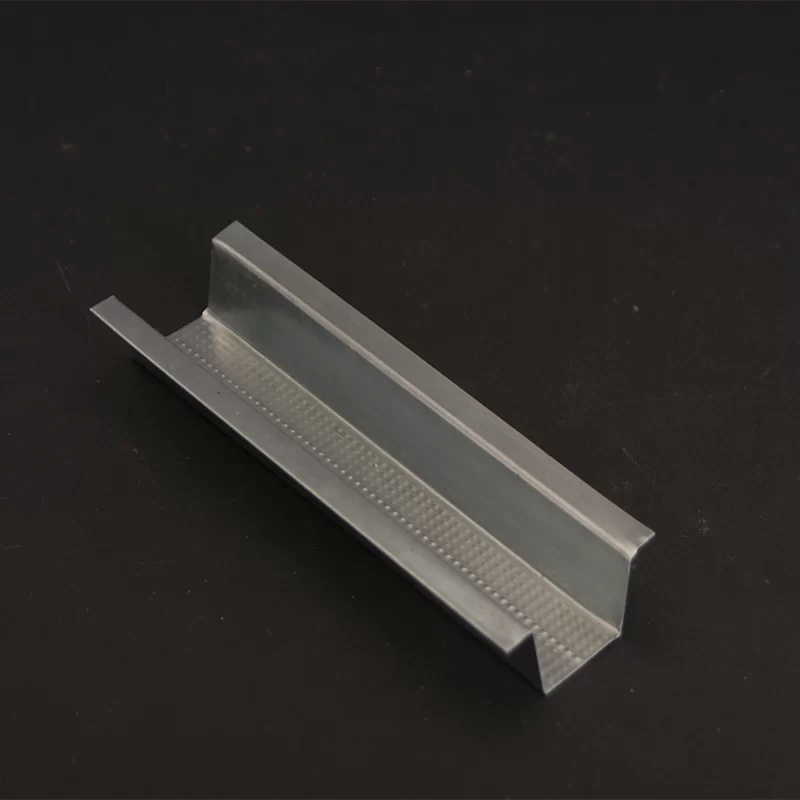
Wood (2x4" or 2x6") or galvanized Steel |
| Stud Spacing |
Typically 16 or 24 inches on center |
| Wall Finish |
Gypsum drywall panels, cement board, plywood |
| Fasteners |
Drywall screws, nails, adhesive options |
| Insulation Options |
Fiberglass batts, mineral wool, rigid foam |
| Fire Rating |
Varies by materials; up to 2-hour fire-resistance rating with Type X drywall |
Comparison of Leading Vendors for Stud Wall Systems
| Vendor |
Material Type |
Lead Time |
Typical Cost (per sq ft) |
Eco Features |
| BuildRight Metals |
Galvanized Steel |
1-2 weeks |
$2.50 - $3.00 |
Recycled steel content, recyclable |
| WoodWorks LLC |
Kiln-dried Timber |
2-3 weeks |
$1.80 - $2.20 |
Sustainably sourced timber |
| EcoWall Systems |
Composite & Bamboo |
3-4 weeks |
$2.00 - $2.75 |
Rapidly renewable materials, low VOC |
Advantages & Long-Term Value of Hanging on Stud Wall
There’s a lot more to it than just fixing panels. Hanging on stud walls improve construction speed significantly—saving labor and shipping costs. They allow easy future modifications, a huge win when remodeling or upgrading buildings. Emotionally, the method guarantees safety and comfort, which you might overlook until a quake or storm tests your walls.
Environmentally speaking, stud walls reduce over-reliance on heavy masonry, cutting embodied carbon. They offer excellent insulation options, lowering energy bills long-term. Socially, quick erectable stud walls empower communities by providing affordable, sturdy housing options.
Looking Ahead: Future Trends & Innovations
We’re seeing more interest in hybrid stud systems using even lighter metals or composites infused with recycled plastics. Green certifications increasingly push vendors towards low-impact materials and non-toxic finishes. Digital fabrication means custom studs can be CNC-cut on demand for precision.
Also, integrating smart sensors inside stud wall systems—for humidity, fire detection, even structural health monitoring—is an emerging frontier. Frankly, it’s exciting to see a traditional technique adapt with the times, embracing sustainability and smart tech.
Challenges and How Experts Address Them
One sticking point remains moisture management—wood studs, for example, can swell or rot if improperly protected. Steel, while strong, can conduct heat and cold, reducing insulation effectiveness. Many builders combine materials cleverly or add vapor barriers to solve this.
Another hurdle is supply chain disruptions—especially for imported or specialty studs. Here, local sourcing initiatives and prefabricated modular panels are becoming go-to solutions to maintain timelines and budgets.
FAQ: Common Questions About Hanging on Stud Wall
- What types of studs are best for humid climates?
- Steel studs typically outperform wood in humid conditions due to resistance to mold and rot, though proper insulation and vapor barriers remain crucial.
- Can I hang heavy items like cabinets on a stud wall?
- Absolutely, but you need to locate studs accurately (usually spaced 16" apart) and use appropriate anchors or screws rated for the load.
- Is hanging drywall on stud walls a DIY-friendly process?
- For those with some basic carpentry skills and tools, installing drywall on stud walls can be undertaken by DIYers, but precise measurements and finishes often require a pro touch.
- How does hanging on stud wall compare cost-wise with traditional masonry walls?
- Stud walls are typically more cost-effective, faster to assemble, and generate less construction waste. Masonry can cost more upfront and take longer to complete.
- Can stud walls be reused or recycled?
- Steel studs are highly recyclable, and wood studs can sometimes be reused depending on condition, making stud walls a more sustainable option.
Conclusion
To wrap up, mastering hanging on stud wall techniques offers durable, flexible, and sustainable construction solutions that resonate around the world—from permanent homes to lifesaving emergency shelters. With continual innovations and committed sustainability efforts, these humble studs truly frame the future of building. Curious? Feel free to explore more by visiting our website: https://www.jinkaibm.com.
Thanks for reading — keep in mind, even the simplest building practice can carry immense weight, literally and figuratively!
Mini takeaway: Hanging on stud wall construction isn’t just a building method—it’s a bridge between efficiency, safety, and innovation globally.
References:
1. International Energy Agency, Construction Sector Emissions (https://www.iea.org)
2. United Nations, Disaster Displacement Report 2023 (https://www.unocha.org)
3. ISO Standards on Building Construction and Sustainability (https://www.iso.org)