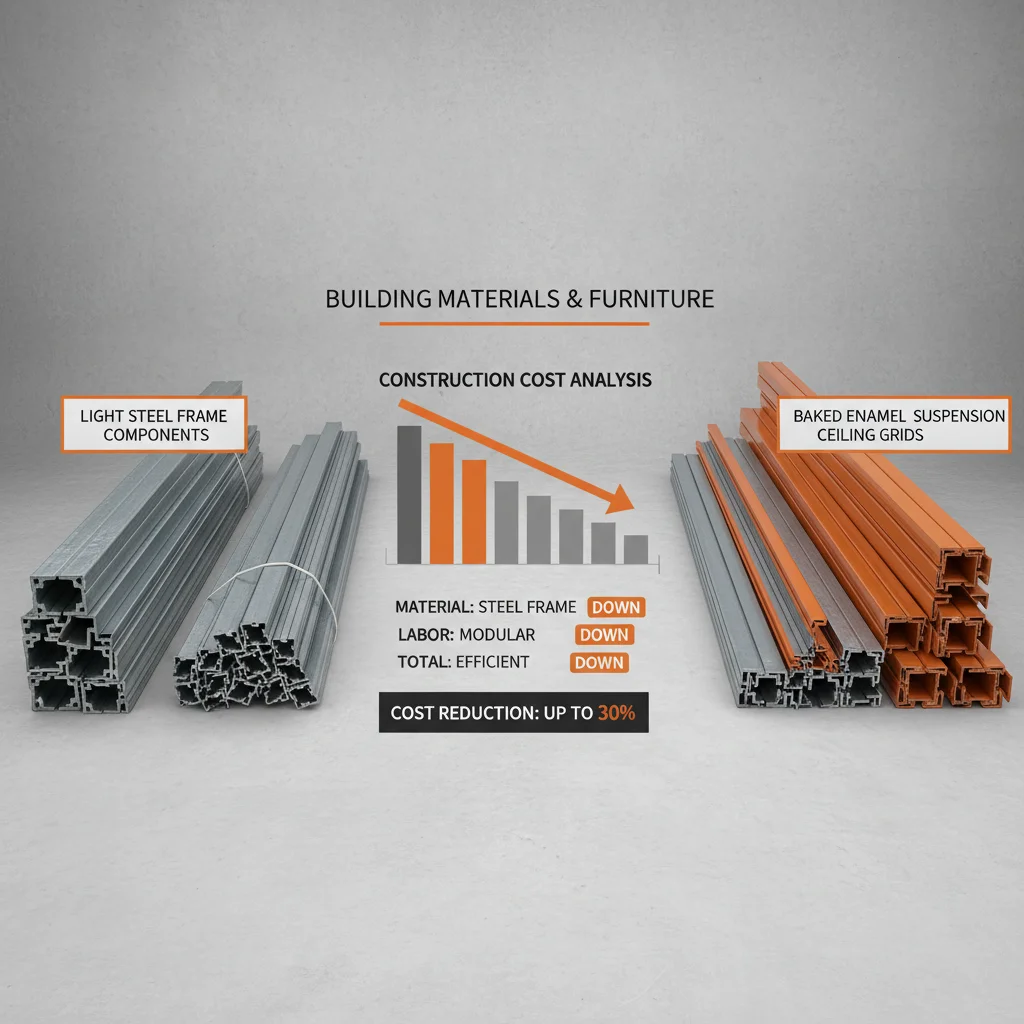
Understanding Drywall Bead Profiles: A Veteran’s Take
Having spent more than 15 years in the industrial equipment sector—mostly around construction materials—I’ve developed a soft spot for the seemingly mundane but surprisingly important drywall bead profiles. You might not give them a second thought unless you’re on-site dealing with drywall finishing, but these profiles are quietly shaping how walls look and last.
So, what exactly are drywall bead profiles? In real terms, they’re metal or vinyl strips applied to drywall edges to protect corners and create clean lines. Oddly enough, the right bead profile can make or break the final aesthetics and durability of drywall installations. I remember a project back in 2013 where switching from traditional metal L beads to a reinforced vinyl profile drastically cut down corner cracking—a small change that saved weeks of repairs.
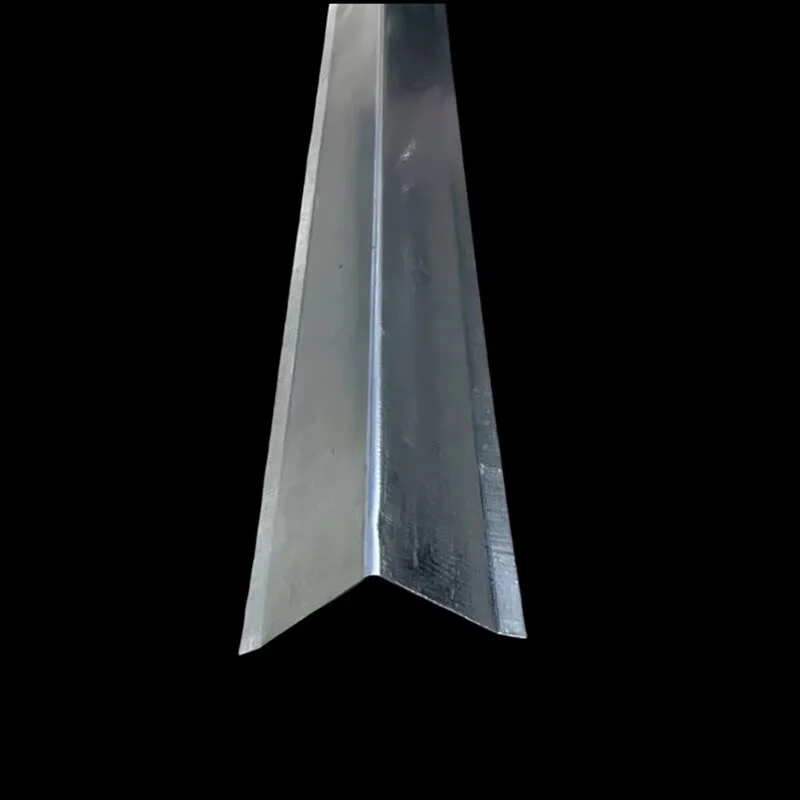
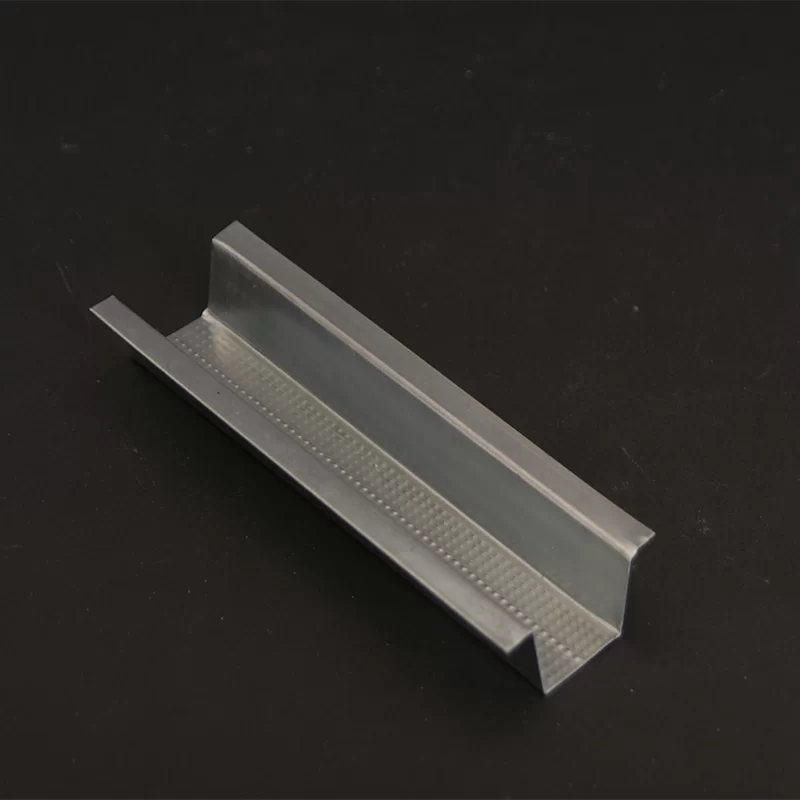
Drywall bead profiles come in many shapes and sizes: L beads, J beads, bullnose, corner beads, and more. Each type serves a distinct purpose—whether protecting external corners from knocks or finishing off drywall edges for windows and door openings. The profiles’ design intricacies often reflect the trade-offs between durability, flexibility, and ease of installation.
Speaking of materials, metal beads—usually galvanized steel or aluminum—offer great rigidity and impact resistance but can be a pain if they bend during shipping or installation. Vinyl profiles, on the other hand, feel lighter and more forgiving, especially in environments prone to moisture. Over the years, I’ve observed that moisture-prone environments (like basements or bathrooms) often dictate the choice toward vinyl or PVC beads, since rust is a common culprit for failed drywall edges.
If you’ve worked on drywall finishing for a while, you’ll know that testing and standards matter a lot. Industry guidelines ensure beads meet minimum impact resistance or corrosion resistance (ASTM standards, for example). Frankly, I saw many jobs where failure to specify or use compliant profiles led to subpar finishes. That’s why I always check the product specs carefully before recommending to customers.
| Specification |
Typical Metal Bead |
Typical Vinyl Bead |
| Material |
Galvanized Steel or Aluminum |
Rigid PVC |
| Impact Resistance |
High |
Moderate to High |
| Corrosion Resistance |
Depends on Coating, Moderate |
Excellent |
| Ease of Installation |
Moderate (may bend) |
Easy (flexible) |
| Cost |
Generally Lower |
Varies (can be higher) |
Now, if you’re tossing up between vendors for drywall bead profiles, I often advise considering reliability, stock availability, and technical support just as much as price. Bulk supply disruptions in recent years have taught us that frugality without foresight can be costly. Here’s a quick comparative look at three typical vendors I regularly work with:
| Vendor |
Product Range |
Lead Time |
Support |
Price |
| Jinkai |
Extensive (metal & vinyl) |
Usually 1-2 weeks |
Technical advice available |
Competitive |
| Alpha Profiles |
Standard range only |
3-4 weeks |
Basic support |
Low cost |
| BuildRight |
Custom profiles offered |
2-3 weeks |
Excellent dedicated support |
Premium pricing |
Over time, I’ve noticed that customers appreciate vendors who don’t just deliver parts but also provide installation tips or samples for trial. That personal touch—like the one I've encountered at Jinkai—really stands out.
Customization is another fascinating angle. Not every job fits off-the-shelf profiles neatly. Some architects and engineers ask for tailored bead lengths or bends, especially when dealing with complex drywall geometries or unique architectural features. Vendors with flexible manufacturing capabilities tend to attract more repeat business in those challenging scenarios.
Finally, one should remember that drywall bead profiles are a small part of an often complex job but ignoring their quality and fit can cost dearly in rework, customer satisfaction, and long-term maintenance. In many ways, these profiles are unsung heroes of smooth, durable drywall finishes.
In short, if you’re serious about drywall finishing, prioritizing the right bead profile and vendor makes a bigger difference than you might think.
References:
- ASTM International standards for drywall components
- Trade journals: “Construction Materials Monthly,” 2018–2023
- Personal communications with drywall contractors and engineers, 2010–present